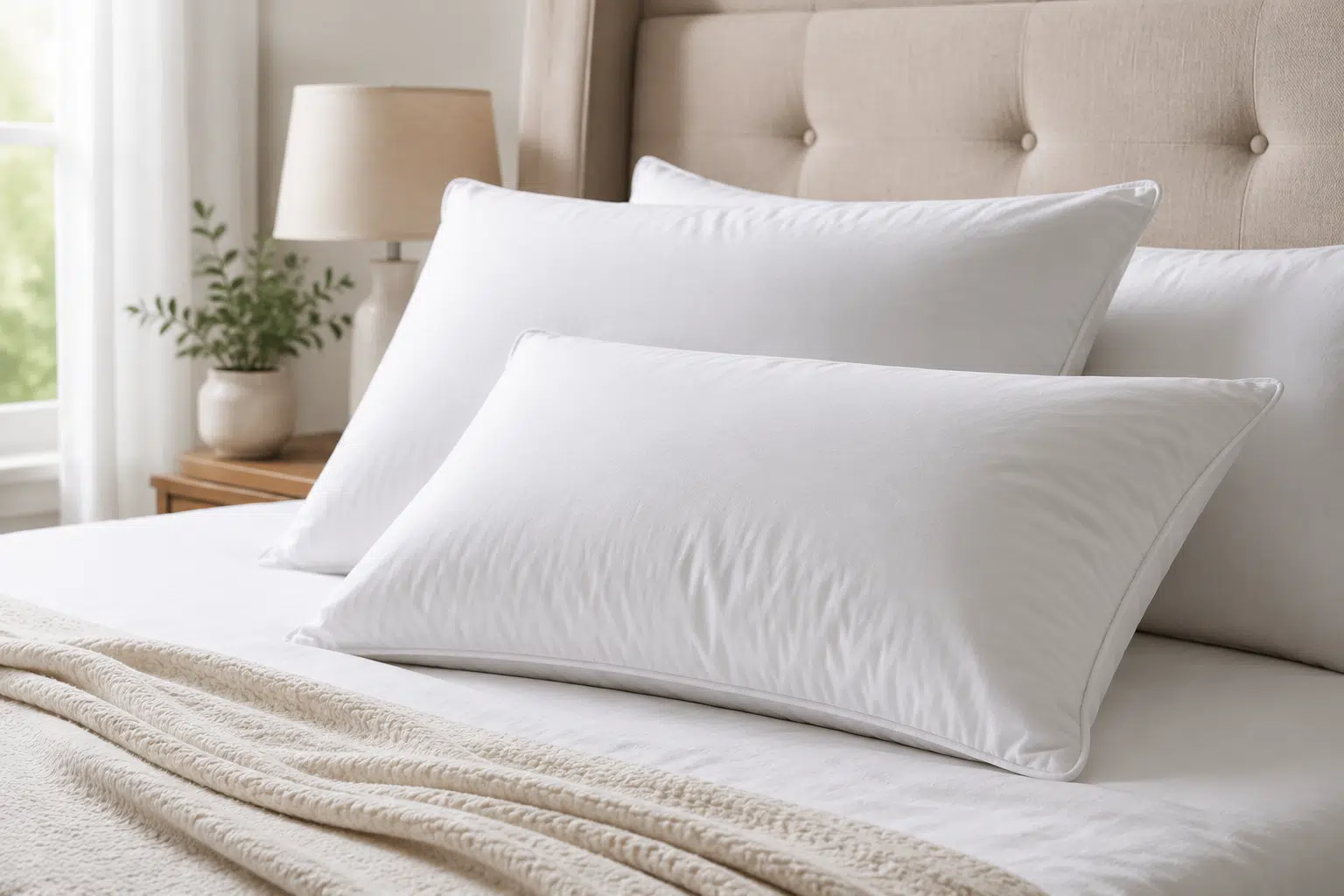



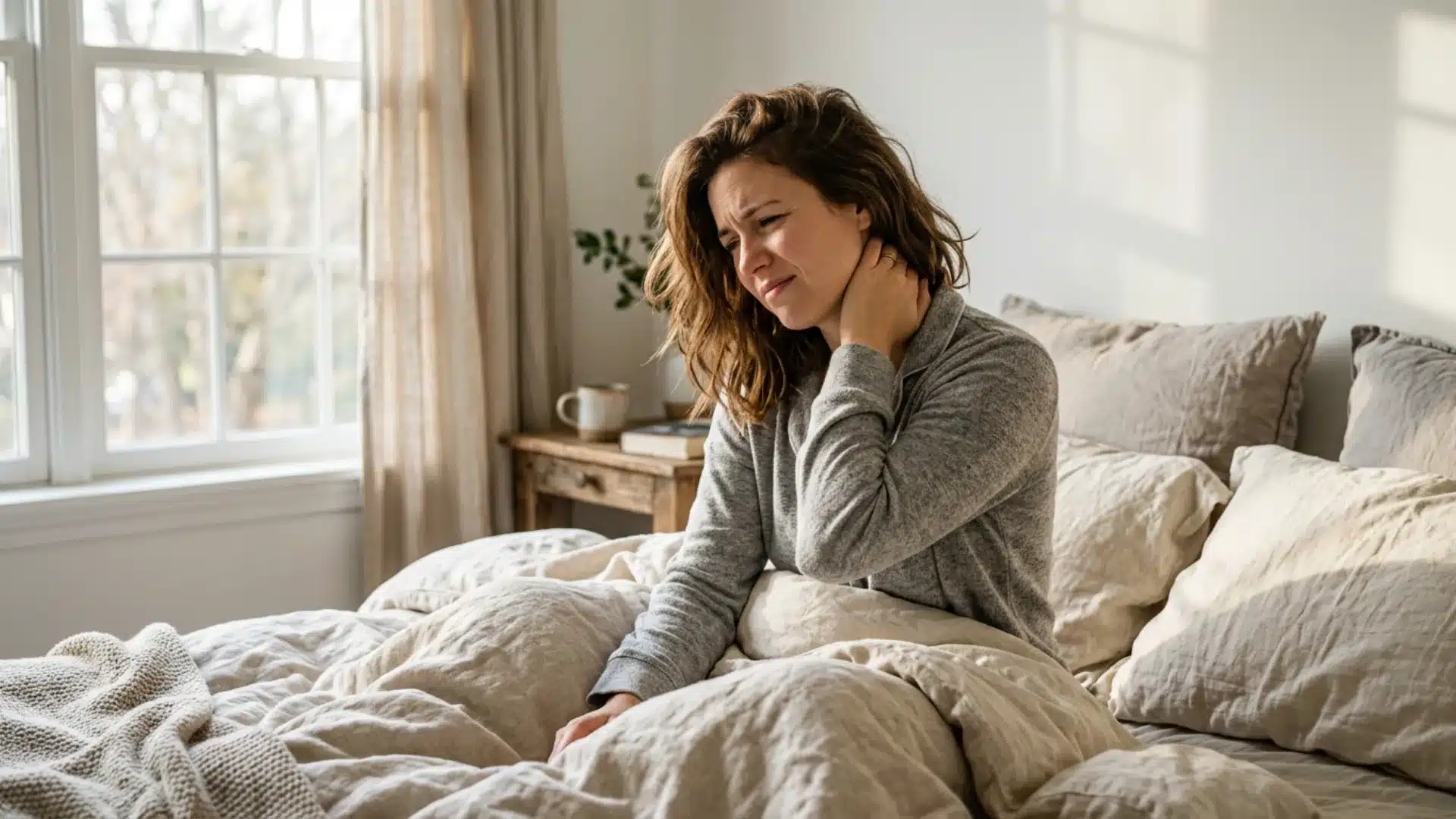
A room can feel cool on the thermostat and still feel too warm once you get under the blankets. That is why the best sleeping temperature isn’t the same for everyone.
Many sleep experts suggest keeping the bedroom around 65 to 68°F, but your bedding, pajamas, season, and personal comfort can change what feels right.
Some people sleep better a little cooler, while others wake up cold at the same setting. Instead of treating one temperature like a strict rule, it helps to start with the common range and make small changes until your room feels comfortable all night.
Best Sleeping Temperature for Different Sleep Situations
The ideal sleep temperature can change depending on your habits, the season, and who you share your bed with. These adjustments can help you stay comfortable without chasing one fixed number.
Situation | Helpful Adjustment |
|---|---|
You sleep hot | Lower the room temperature and switch to lighter bedding |
You sleep cold | Keep the room comfortable and add layers instead |
Your partner prefers more warmth | Use separate blankets |
Summer nights feel sticky | Improve airflow and cut back on heavy bedding |
Winter air feels harsh | Add warmth through layers, not a higher thermostat setting |
Small changes to your sleep setup can help balance comfort without major thermostat adjustments. Focus on what works best for your body and routine.
What Is the Healthiest Temperature to Sleep In?
Most sleep experts point to 65 to 68°F as the healthiest sleep temperature because it supports the body’s natural overnight temperature drop.
Is 65 to 68°F Actually Comfortable for Everyone?
Not always. Someone sleeping under a heavy comforter can wake up drenched at 66°F, while someone under a cotton sheet feels perfectly fine at the same setting.
The number alone doesn’t tell the whole story.
- Bedding changes how the room feels: A thick comforter can turn a cool room warm fast. Thin sheets can make that same room feel colder than the thermostat suggests.
- Your body plays a role too: Some people run warm and prefer a cooler room. Others get cold easily and need heavier blankets to feel settled.
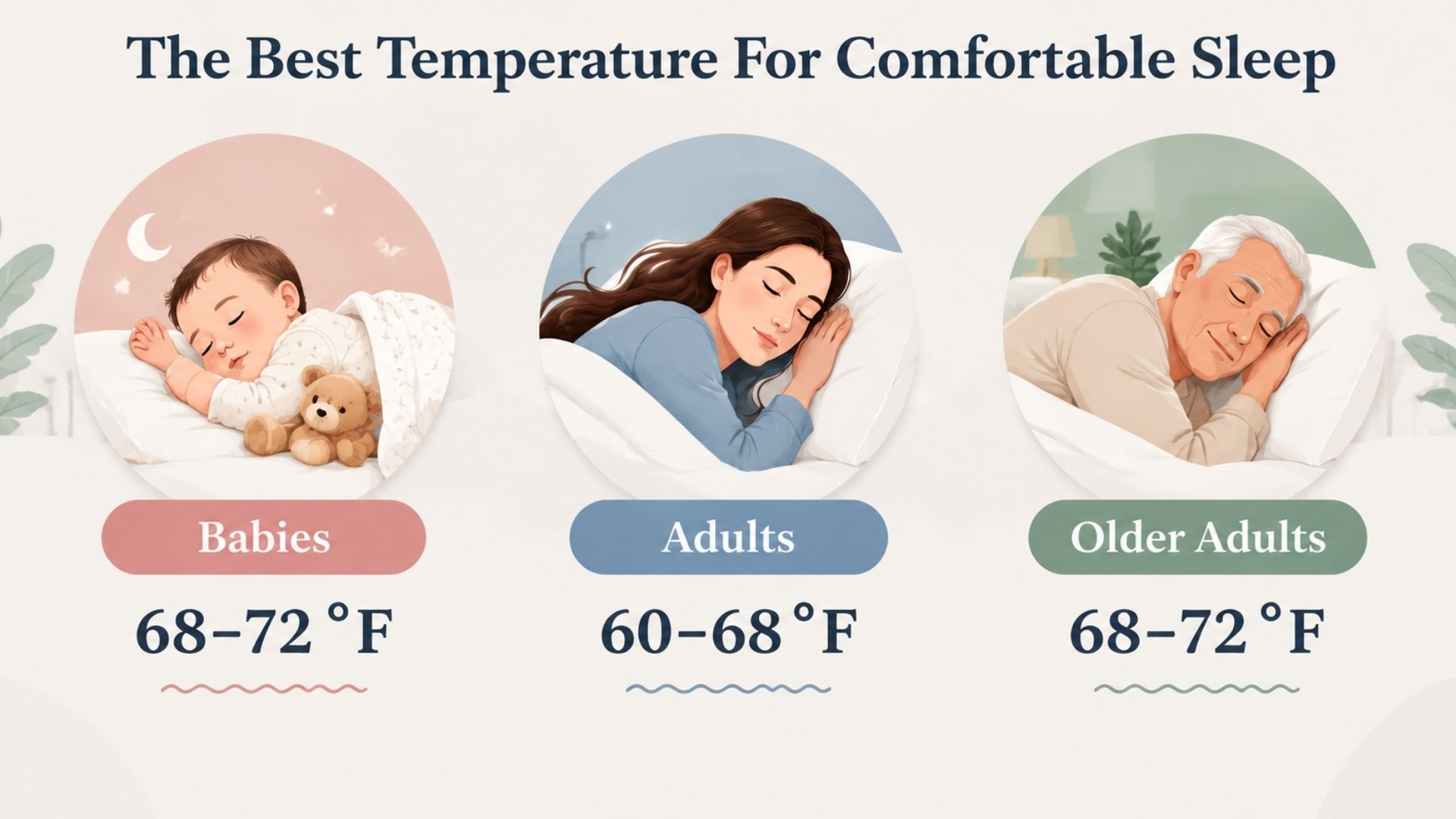
- Age can make a difference: Older adults may feel comfortable at temperatures that differ from the usual recommendations, so personal comfort still matters.
What is the Best Sleeping Temperature for Adults?
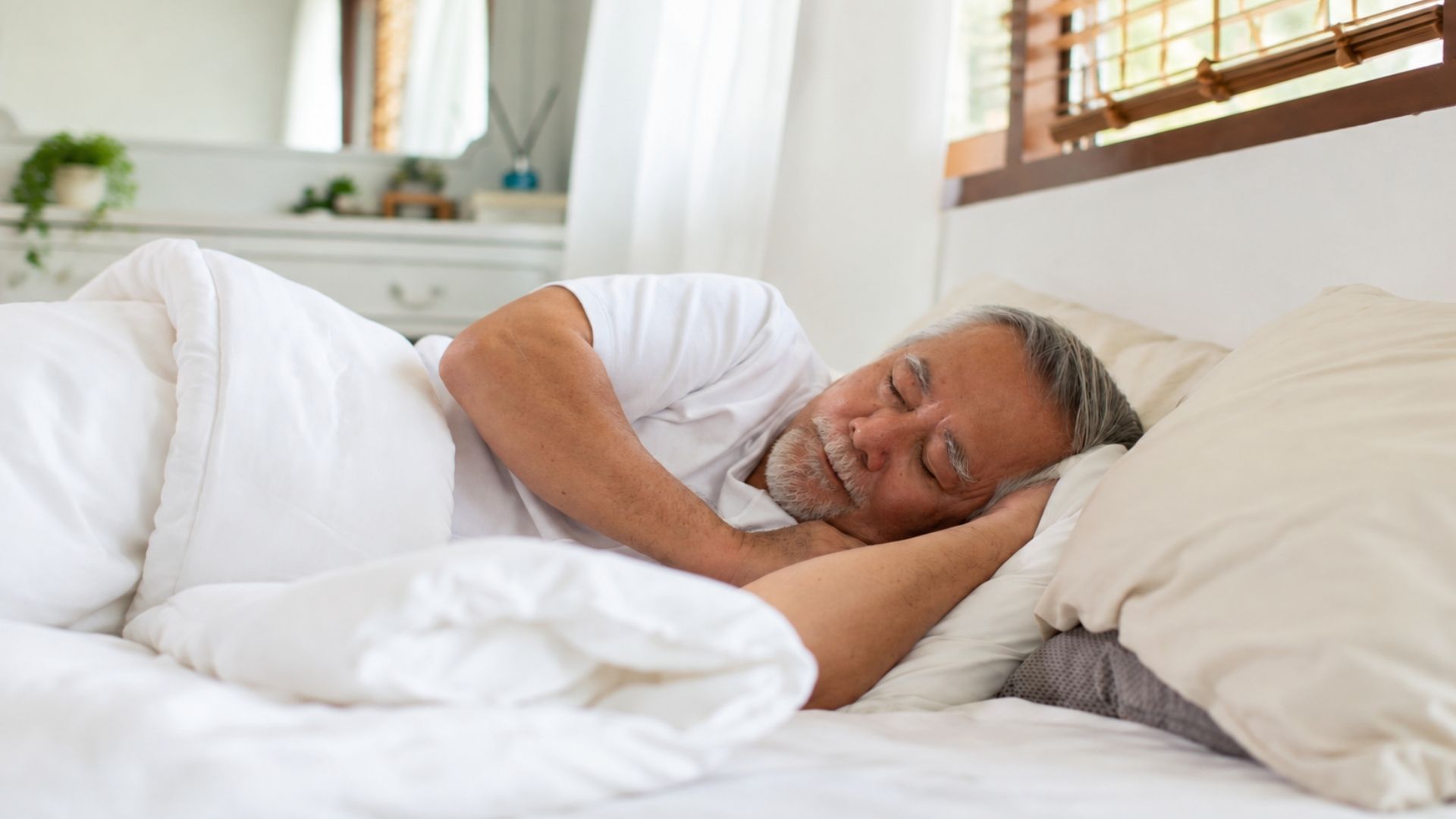
The best sleeping temperature for many adults sits around 65 to 68°F. A slightly wider range can still work fine, depending on how you sleep and what you sleep under.
Here’s how a few trusted sources line up on the number:
Source | Suggested Temperature |
|---|---|
Around 65 to 68°F | |
Around 60 to 67°F | |
Around 60 to 65°F |
These ranges come from research on how the body cools down before sleep, and they hold up well as a starting point. But they’re recommendations, not hard rules. The right number for you is the one that lets you fall asleep and stay asleep without waking up too hot or too cold.
Why Does a Cooler Bedroom Help With Sleep?
As bedtime approaches, your core body temperature starts to drop. This dip signals that it’s time to wind down. A cooler bedroom supports that process instead of working against it.
A warm room makes that cooling process harder. You end up tossing, turning, and kicking off blankets, only to pull them back on twenty minutes later.
If sleep problems continue even after adjusting your bedroom environment, temperature may not be the only factor. Understanding common sleep disorders can help explain other reasons behind ongoing sleep disruption.
None of that counts as real rest, even if you technically stayed in bed for eight hours.
How Humidity Changes Your Sleeping Temperature
Humidity can change how warm or cool your bedroom feels, even when the thermostat stays the same. High humidity makes it harder for sweat to evaporate, so a room can feel hotter and more uncomfortable at night.
Very dry air can make the room feel cooler, but it may also leave your skin, nose, or throat feeling dry. If your bedroom feels warm and sticky, lowering the humidity or improving airflow may help you sleep more comfortably without turning the temperature down too much.
How to Find Your Personal Best Sleeping Temperature
Finding the right temperature may take some trial and error. Try this:
- Start with a comfortably cool bedroom and keep your usual sheets and blankets.
- Make small temperature changes instead of dropping or raising the thermostat too much at once.
- Notice how easily you fall asleep and whether you wake during the night.
- Adjust your bedding too, since blankets and pajamas can change how warm the room feels.
- Temperature is only one part of better sleep. If you regularly feel tired but still struggle to fall asleep, understanding why you can’t sleep may help identify other factors affecting your rest.
Your Room May Be Too Warm if You:
- Wake up sweaty
- Feel restless in bed
- Keep throwing off the covers
Your Room May Be Too Cold if You:
- Wake because you feel cold
- Need extra layers to stay comfortable
- Find it difficult to relax because the room feels chilly
No single setting works for everyone. UCLA Health notes that the ideal temperature varies from person to person, so small adjustments can help you find what feels comfortable.
Your Bedding Can Matter More Than Your Thermostat

The thermostat controls the room. Your bedding controls the heat trapped around your body. Those are two different jobs, and mixing them up is an easy way to waste a perfectly good AC setting.
If you run warm, lightweight sheets made from breathable fabric like cotton or linen often help more than dropping the thermostat another degree. Heavy flannel in July will fight you no matter how low you set the AC.
Worth Checking:
- Swap heavier blankets out with the seasons instead of using one comforter year-round
- Look at your mattress material, since some types trap more heat than others
- Rethink your sleepwear, since thick pajamas under a comforter can undo a good room setting
Your nighttime routine can also affect how comfortable you feel in bed. If you go to sleep with damp hair, consider learning how to sleep with wet hair.
Is 72°F Too Hot for Sleeping?
For many people, 72°F may feel a little warm for sleep, especially with heavy bedding or poor airflow. A bedroom that feels too warm can make you restless or wake you during the night.
Still, comfort varies from person to person. If you often feel hot or wake up sweaty, try cooling the room slightly or using lighter bedding. According to Cleveland Clinic, a cool, comfortable bedroom generally supports better sleep.
What Temperature Is Too Cold for Sleeping?
A bedroom that’s too cold gets less attention than an overheated one, but it can be just as disruptive.
Many adults find anything noticeably cooler than 60°F uncomfortable without enough bedding to compensate. Rather than chasing one universal number, pay attention to how you feel.
Cold feet and tense shoulders are usually easier to fix with an extra blanket than with a thermostat change.
How to Keep Your Bedroom Comfortable Without Changing the Thermostat
Not everyone can adjust their AC settings, especially in rentals, shared homes, or older buildings. Small changes to airflow, bedding, and sleep layers can help you stay comfortable.
- Improve airflow with a fan: Use a fan to keep air moving and reduce stuffiness without lowering the thermostat.
- Block daytime heat: Close blinds or curtains during warmer hours to prevent your room from heating up.
- Switch to lighter bedding: Choose breathable sheets and lighter blankets if you often wake up feeling hot.
- Reduce nearby heat sources: Turn off electronics near the bed that release heat and warm up your sleeping space.
- Add layers when you feel cold: Use an extra blanket or warmer sleepwear instead of increasing the whole room’s temperature.
- Use targeted warmth: A heated blanket can provide comfort during colder nights without heating the entire bedroom.
These small adjustments can make your bedroom feel more comfortable without changing the thermostat. Focus on the changes that match your sleep needs and environment.
Final Thoughts
There isn’t one perfect number for every bedroom. A range around 65 to 68°F is a solid place to start, but your bedding, habits, and body will shift what feels right from there.
If you’re restless, cold, or overheated, make small adjustments instead of chasing an exact figure someone else recommended. Change one thing at a time, then give your body a few nights to respond before trying the next fix.
Some people do fine well outside the usual range, and that’s not a problem. The goal isn’t hitting a specific number. It’s building a bedroom that lets you fall asleep and actually stay there.
Frequently Asked Questions
Why Do I Wake Up Hot Even When My Room Is Cool?
Heavy bedding, a heat-trapping mattress, hormones, meals, or another person in bed can make you feel warmer overnight.
Can a Warm Shower Before Bed Help You Sleep Cooler?
Yes. A warm shower before bed can help your body release heat afterward, making it easier to fall asleep.
Should Bedroom Temperature Change With the Seasons?
It can. Adjust bedding and room temperature as outdoor conditions change, rather than using one setting all year.
Is It Bad to Sleep With the Heating On?
Not always, but overheating the room can disturb sleep. Keep it comfortably cool and use lighter heating overnight.