
Getting daybed dimensions right starts with knowing which mattress the piece is built around, since that single number decides almost everything else about the daybed.
Twin is the size you’ll see most often, at 38 by 75 inches, the same footprint as a regular twin bed.
Full-size versions run 54 by 75 inches for anyone who wants more room to stretch out, and queen models occasionally show up on larger frames.
None of those numbers describe the whole daybed, though.
Armrests, a raised back, or a hidden trundle all add inches beyond the mattress itself, which is why two daybeds listed as twin size can still take up noticeably different amounts of floor space.
What is a Daybed?
A daybed is a versatile piece of furniture that works as both a sofa and a bed.
It usually has a mattress on a frame with three raised sides, like a couch, making it suitable for sitting during the day and sleeping at night.
Most daybeds use a twin-size mattress(38 × 75 inches), although some models come in larger sizes.
Daybeds are commonly used in guest rooms, small bedrooms, home offices, and living spaces where saving space matters.
Some designs include a trundle bed underneath, which provides an extra sleeping surface for guests. Unlike a regular bed, a daybed serves multiple purposes without taking up the space of a full sofa and separate bed.
Standard Daybed Sizes Chart
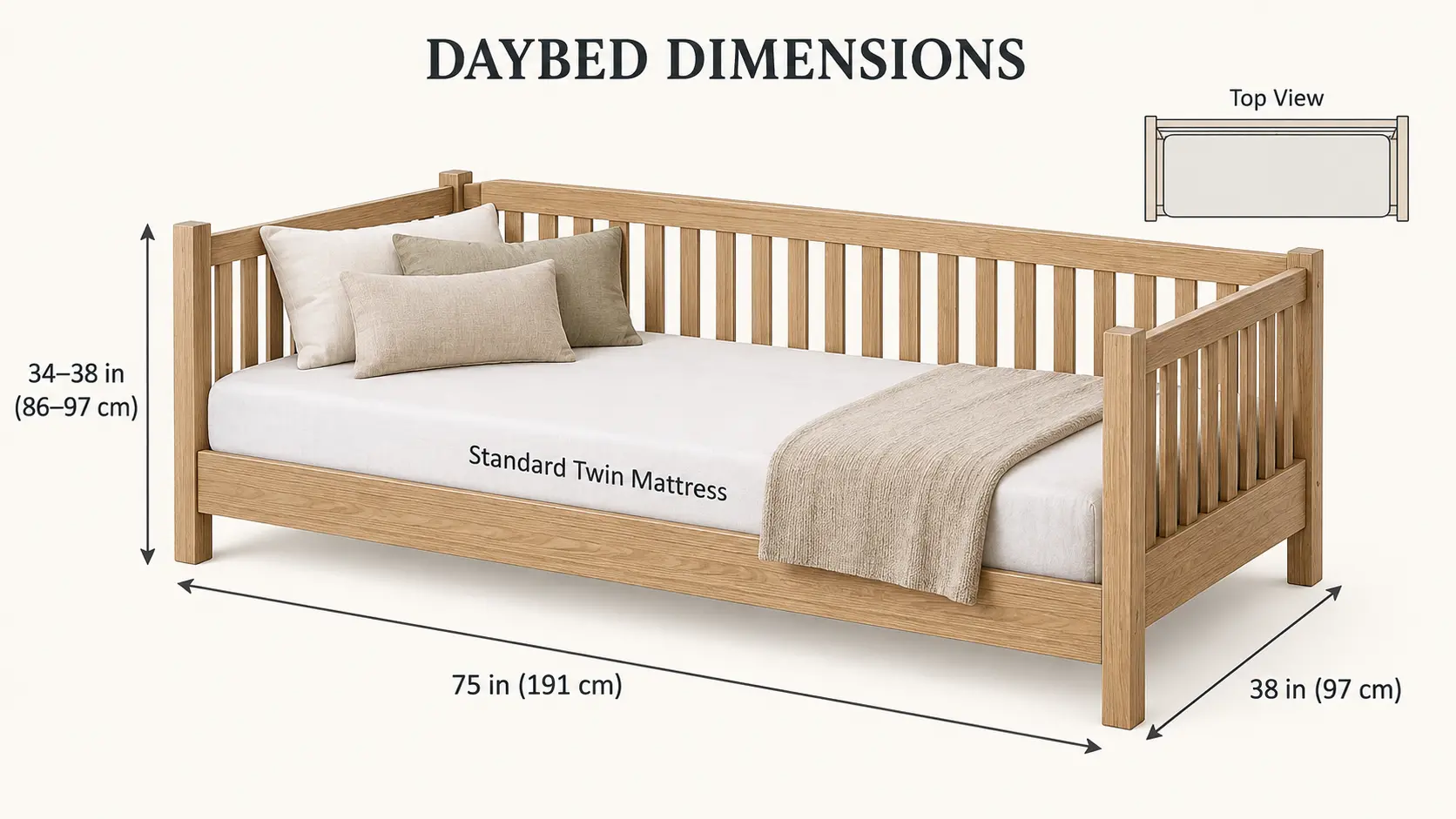
The three main sizes compare like this once you account for the frame.
Daybed Type | Mattress Size | Typical Frame Footprint | Best For |
|---|---|---|---|
Twin | 38″ x 75″ | 42″-45″ W x 80″-83″ L | Small bedrooms, home offices, kids’ rooms |
Full | 54″ x 75″ | 57″-60″ W x 80″-83″ L | Guest rooms, larger bedrooms |
Queen | 60″ x 80″ | 64″-68″ W x 85″-88″ L | Primary guest suites, bigger layouts |
Outdoor | Varies by brand | Often 55″-60″ W x 75″-80″ L | Patios and covered decks |
Some retailers list twin daybed width as 39 inches instead of 38. Both numbers describe the same standard twin mattress; the difference just comes down to how individual manufacturers round the measurement.
Types of Daybeds
Mattress size tells you how big a daybed is, but the type tells you how it actually functions in a room.
The frame style changes the look, the seating comfort, and sometimes how much floor space it needs beyond the mattress itself.
1. Platform Daybed
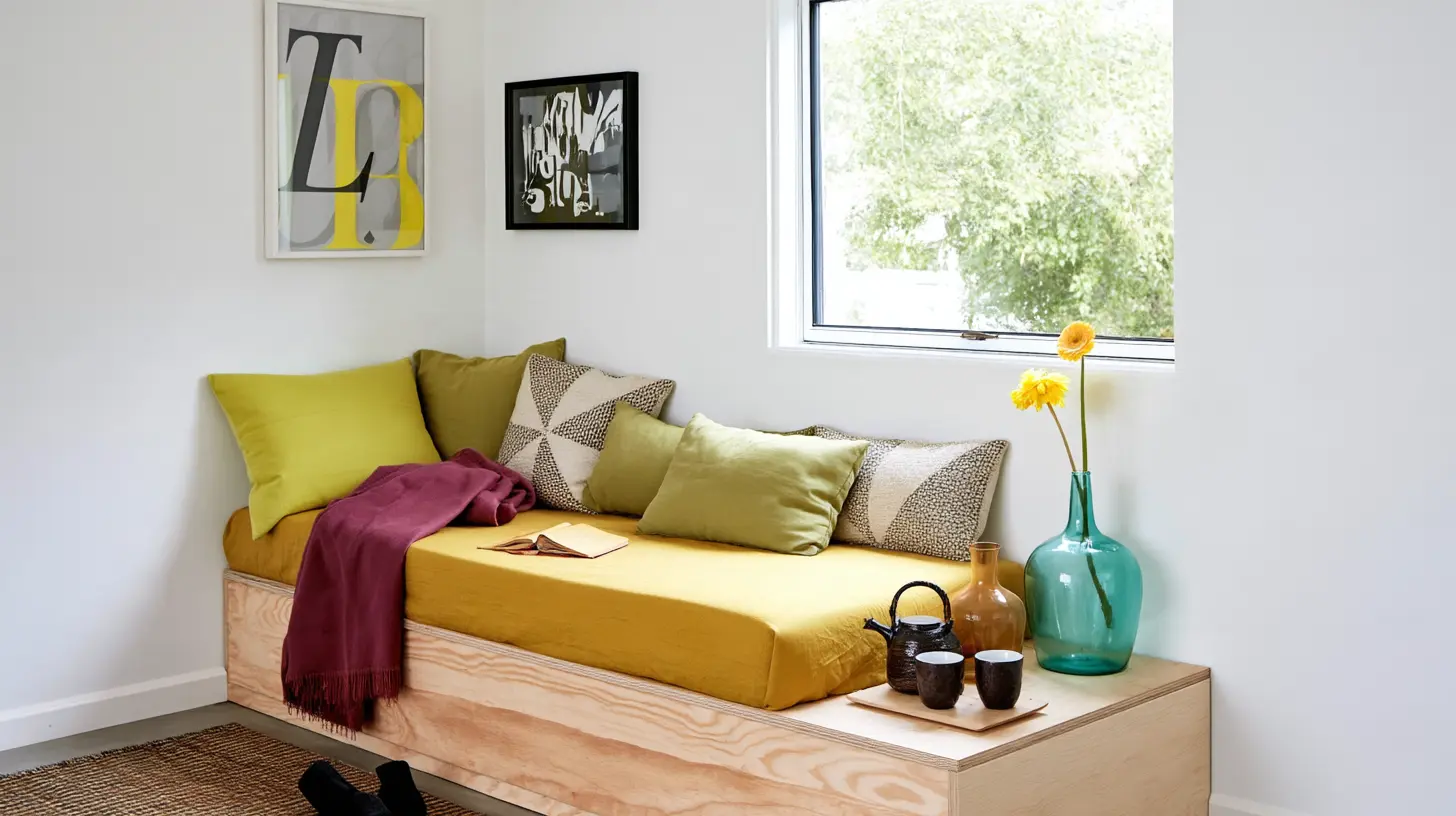
A low, minimalist frame with no armrests or raised back. Most use a twin mattress at 38 by 75 inches, with the frame adding little beyond that, often just 40 to 43 inches wide. Frame height usually stays under 18 inches, which keeps the whole piece close to the floor.
2. Sofa-Style Daybed
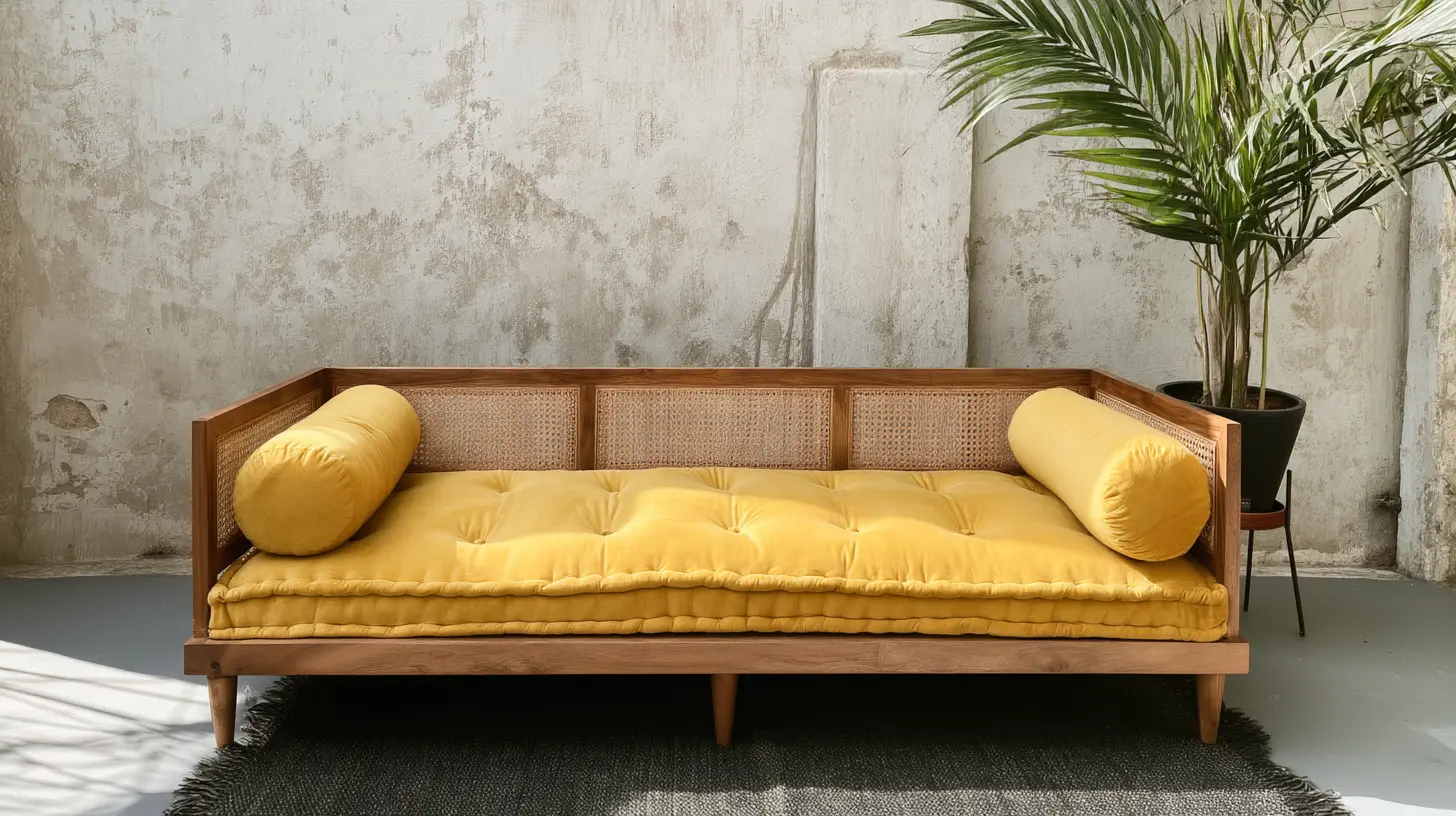
Built with a back rail and armrests on three sides, closer in shape to a couch. Twin versions run 42 to 45 inches wide by 80 to 83 inches long, while full versions reach 57 to 60 inches wide. The raised back adds height, often bringing the total to 27 to 34 inches.
3. Daybed With Trundle
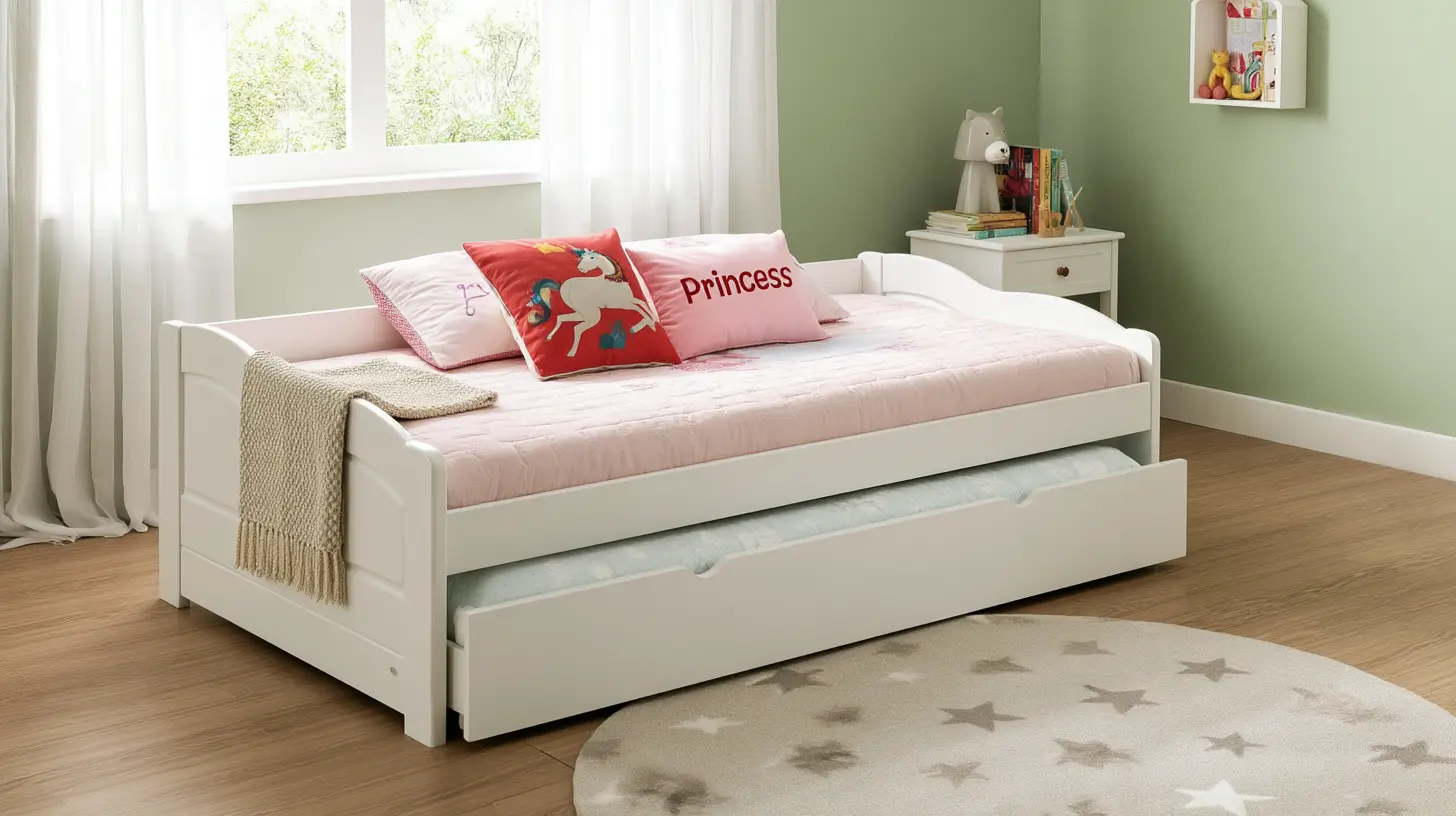
Daybed built to hide a second mattress underneath.
The main frame typically matches a twin footprint (42 to 45 by 80 to 83 inches), but pulling the trundle out adds close to another 75 inches of length, so plan for nearly double the space when it’s in use.
4. Storage Daybed
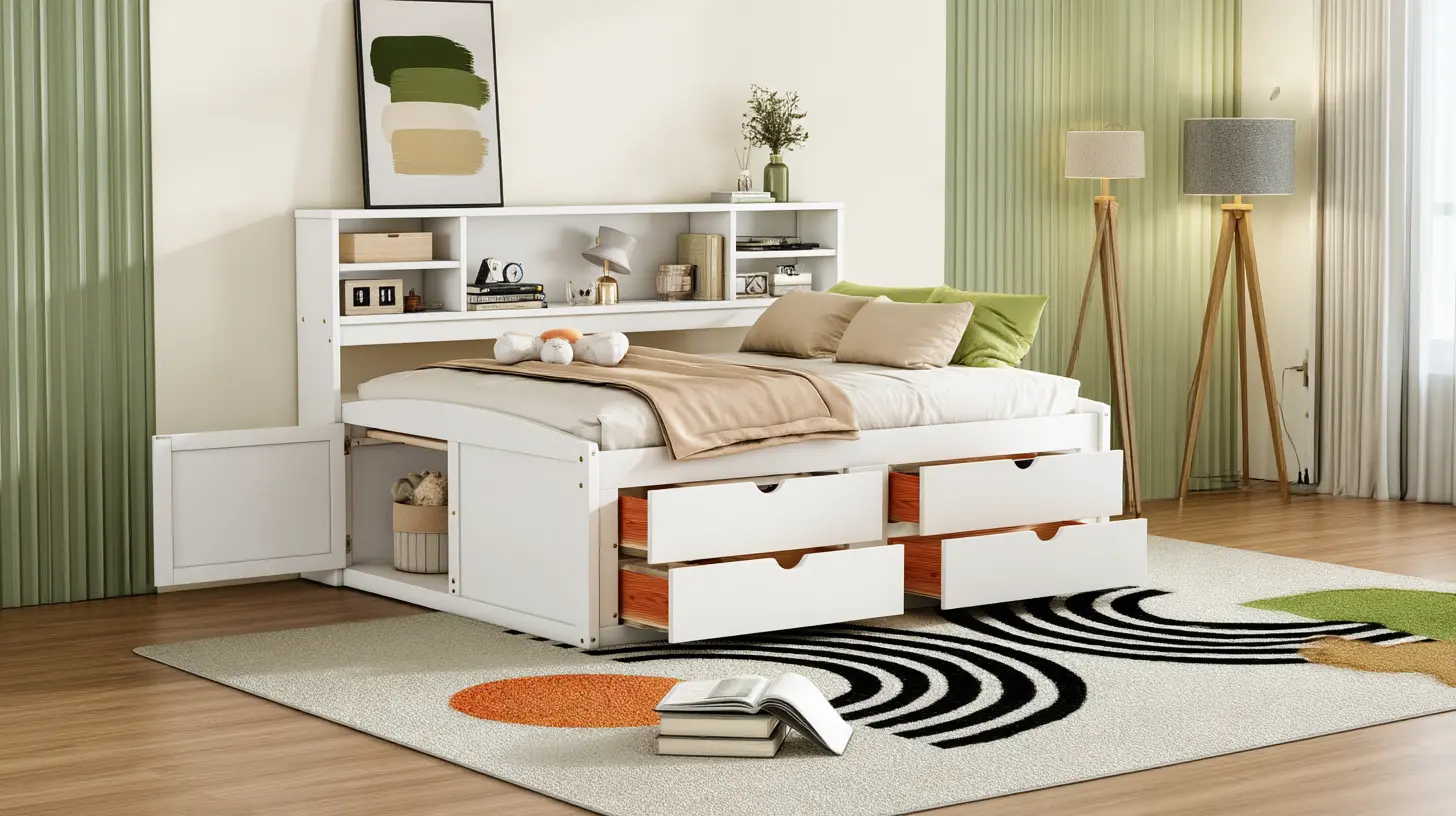
Drawers or a lift-up base replace the trundle, trading extra sleeping space for built-in storage underneath.
The footprint stays close to a standard twin or full frame, around 42 to 60 inches wide by 80 to 83 inches long, though the storage base often sits a few inches taller than usual.
5. Canopy Daybed
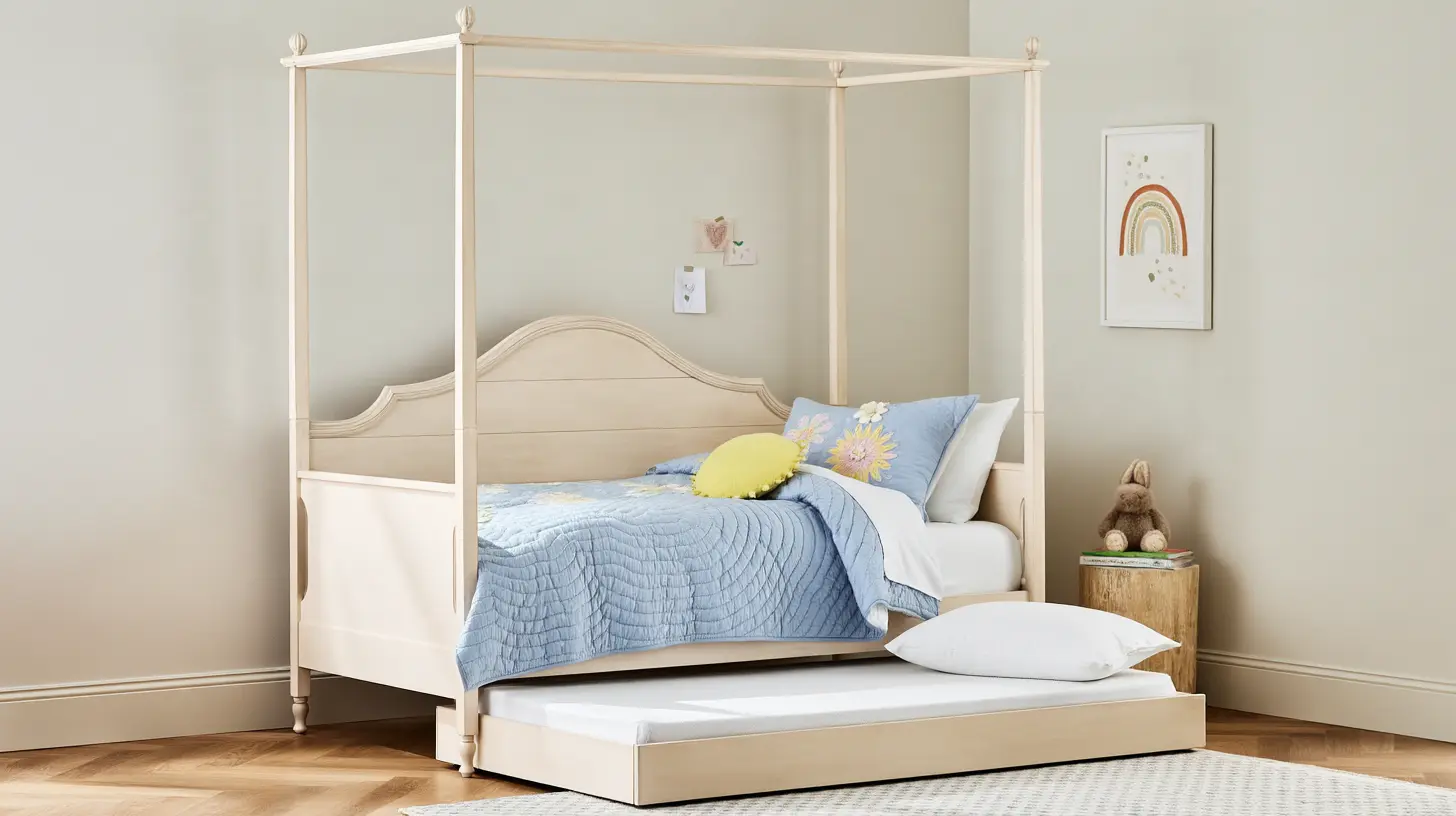
Four-post frame, sometimes with curtains or a fabric canopy stretched overhead.
The base footprint matches a twin or full daybed, running 42 to 60 inches wide by 80 to 83 inches long, but the posts themselves can rise 60 to 72 inches tall, so check ceiling clearance first.
6. Outdoor Daybed
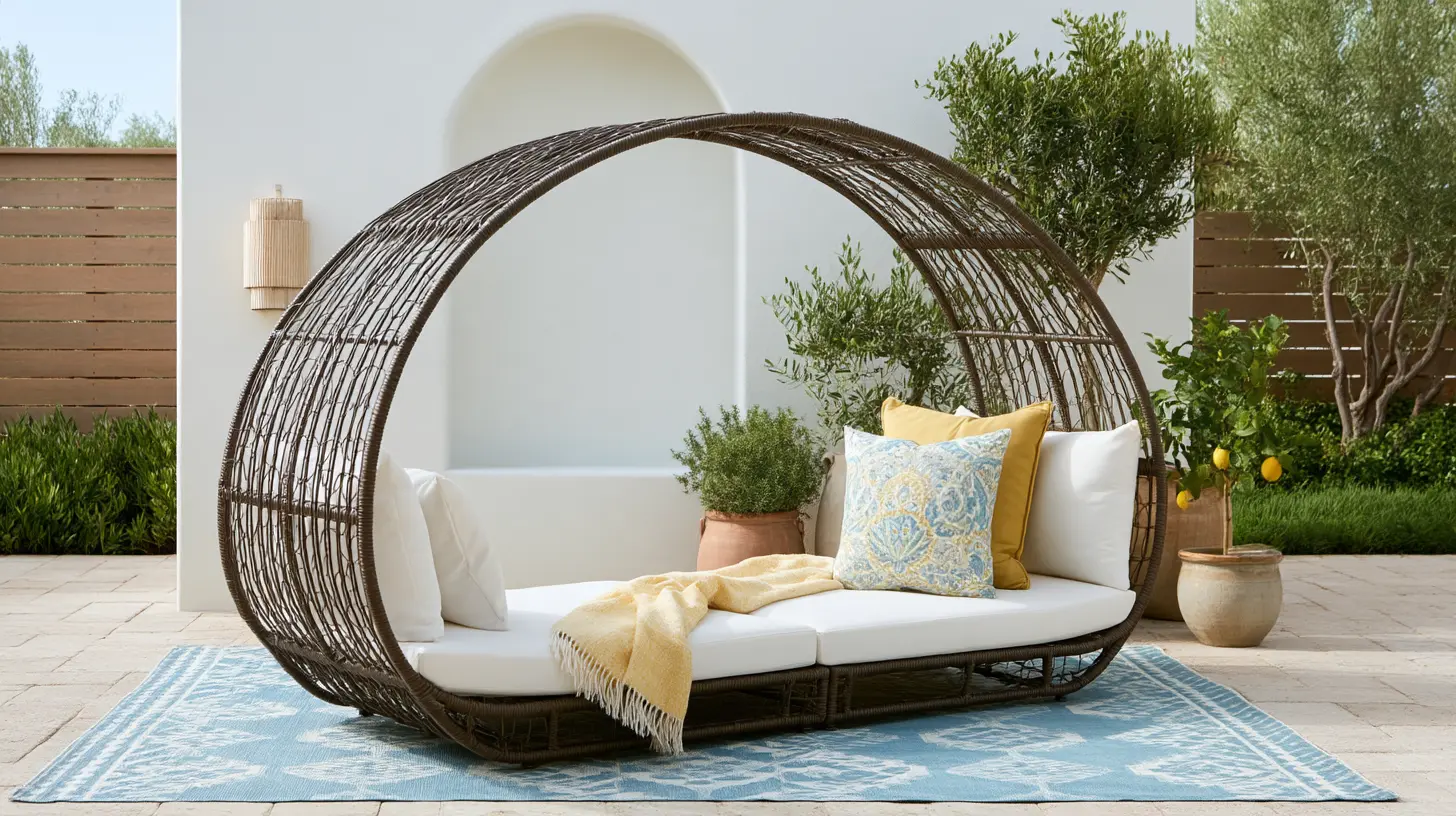
Built from weather-resistant materials like metal, teak, or all-weather wicker, with cushions replacing a standard indoor mattress entirely.
Sizing varies by brand, typically running 55 to 60 inches wide by 75 to 80 inches long, so always confirm the specific model’s exact measurements before ordering.
Match the type to how the room works day to day, not just how the daybed looks on its own, and the dimensions will make a lot more sense once you’re standing in the space with a tape measure.
Daybed For Different Rooms
The best daybed size depends on where you plan to use it. A smaller room may need a compact twin daybed, while larger spaces can accommodate full-size options with extra sleeping comfort.
Consider the available floor space, furniture placement, and how the daybed will be used before choosing a size.
- Small Bedrooms: A twin daybed is ideal for small bedrooms because it saves floor space while leaving room for a nightstand, desk, or storage. Storage daybeds add extra function without taking more space.
- Guest Rooms: A full-size daybed works well in guest rooms because it offers more sleeping space for adults. It provides comfortable seating during the day while serving as an extra bed when needed.
- Home Offices: A twin daybed fits well in home offices because it works as both seating and a sleeping area. It takes up less space while creating a flexible spot for guests.
- Outdoor Spaces: Outdoor daybeds come in different sizes and often use custom cushions instead of standard mattresses. Always check the product dimensions, as outdoor frames vary by design, material, and brand.
Choosing the right daybed size depends on the room layout and how you plan to use it. Measuring your available space first helps you select a daybed that fits comfortably without making the area feel crowded.
Daybed With Trundle Dimensions
A trundle adds a second mattress that slides out from underneath the main daybed frame, which changes how much floor space you need when it’s in use.
Position | Space Needed | Description |
|---|---|---|
Closed position | Same footprint as the daybed | The trundle stays stored underneath, so the daybed uses only the space required for a standard twin or full-size frame. |
Open position | About 75 inches of additional length | Pulling out the trundle usually requires space for a second twin mattress, which extends in front of or beside the main frame depending on the design. |
A trundle daybed offers extra sleeping space without needing a larger permanent bed frame. However, measure the room with the trundle fully extended to ensure enough space for comfortable use and easy movement.
How to Measure a Space for a Daybed
Before buying a daybed, measure your room carefully to ensure the frame fits comfortably. Checking floor space, mattress size, and movement areas helps prevent sizing issues after purchase.
- Measure the available floor space: Measure the wall-to-wall area where the daybed will sit to confirm there is enough room for placement and movement.
- Check the mattress size you need: Decide between twin, full, or queen sizes based on your sleeping needs and available space before choosing a daybed.
- Add the frame dimensions: Include the frame size, not only the mattress measurements, because side rails, arms, and backs add extra width.
- Measure doorways and corners: Check entry points, hallways, and tight corners to make sure you can deliver the daybed and move it into position.
- Mark the floor before buying: Use painter’s tape to outline the full frame size on the floor and visualize how much space the daybed will occupy.
Accurate measurements make it easier to choose a daybed that fits your room without blocking furniture or walkways. Planning ahead helps ensure a comfortable, practical setup.
How Much Space Do You Need Around a Daybed?
A daybed needs walking room beyond its footprint. Without it, changing sheets or getting in and out becomes awkward, and the room feels cramped even if the daybed technically fits.
As a general rule, leave 24 to 30 inches of clear floor space on the open sides of the daybed. Busier rooms, like a shared office or a hallway-adjacent guest room, benefit from the higher end of that range.
Quick tip: Measure clearance on the side people actually use to get in and out, not just the total room perimeter.
Daybed Dimensions Compared With Other Beds
Comparing a daybed with other bed types helps show how its size and design differ from traditional sleeping options.
While a twin daybed often uses the same mattress size as a twin bed, its raised sides and sofa-like frame make it more versatile for sitting and sleeping.
Bed Type | Common Mattress Size | Best Use |
|---|---|---|
Twin Bed | 38″ × 75″ | One sleeper with no daytime seating function |
Daybed (Twin) | 38″ × 75″ | Seating by day and sleeping space by night |
Full Bed | 54″ × 75″ | More sleeping room with no seating function |
Sofa Bed | Varies, often 54″–60″ wide when open | Flexible guest use; requires pull-out clearance |
A daybed offers a unique balance between a bed and a sofa, making it useful in smaller spaces. Your choice depends on room size, sleeping needs, and how you plan to use the furniture.
Choosing The Right Daybed Size For Your Space
The right daybed size depends on your room dimensions, available floor space, and how you plan to use it. Choosing the correct size helps you balance comfort, function, and a practical layout.
- Small room: A twin daybed works best for compact spaces because it offers sleeping space while taking up the least floor area.
- Guest room: A full daybed provides extra sleeping room for guests while keeping the room open and functional.
- Multi-use room: A daybed with a trundle or storage features adds flexibility by creating extra sleeping space without needing more furniture.
- Larger space: A queen daybed or wider design suits bigger rooms where additional sleeping space and comfort are the main priorities.
Selecting the right daybed size ensures the furniture fits your room without limiting movement or comfort. Consider both current needs and future use before choosing.
Conclusion
Getting daybed dimensions right saves you a return trip or an awkward fit later.
A twin frame usually needs 42 to 45 inches of width and 80 to 83 inches of length once you count the armrests, while a full frame runs closer to 57 to 60 inches wide.
Queen and trundle options push those numbers further, so match the size to how the room will actually be used, not just how it looks in a photo.
Before you order anything, grab a tape measure and mark out the full frame footprint on your floor, then check that walking space still works on the sides you use most.
That five-minute step is the difference between a daybed that fits the room and one that fights it.
Frequently Asked Questions
What is the Standard Size of a Daybed?
The standard daybed size is 38 by 75 inches, matching a twin mattress. That’s the most common option across furniture retailers.
Does a Daybed Need a Box Spring?
No, most daybeds use a slat or solid base, so you don’t need a box spring, which adds unwanted height.
Can Two People Sleep Comfortably on a Daybed?
A twin daybed comfortably fits one adult; a full-size daybed can work for two people in a larger room.
Are All Daybed Mattresses the Same Size?
No, most daybeds use twin-size mattresses, though full and queen-size frames exist for larger rooms and guest suites.
Can You Use Regular Bed Sheets on a Daybed?
Yes, twin or full bed sheets fit daybed mattresses directly, since daybeds follow standard mattress sizing like regular beds.