





A neatly made bed starts with the right layering technique. Each piece has its place, and taking a few extra moments to smooth sheets, align corners, and arrange the top layers can create a cleaner finish.
The process becomes easier once you understand how each bedding layer works together, from the mattress protector to the final pillow arrangement.
Small details, like evenly placed sheets, tucked edges, and balanced styling, can change the entire look of your bedroom.
With the right steps, you can create a comfortable and polished bed that feels inviting every day while adding simple decorative touches that match your space and personal style.
How Should a Bed Be Layered?
Layer a bed from the mattress upward, with each piece serving a practical or decorative purpose.
Start with a mattress topper if needed, followed by a mattress protector and fitted sheet. A flat sheet can come next, though it is optional.
Add a blanket, quilt, or coverlet for extra warmth, then place the duvet or comforter on top.
Sleeping pillows sit closest to the headboard, while shams and decorative cushions can be arranged in front.
A throw blanket can finish the look at the foot of the bed. Keeping each layer smooth and evenly placed creates a cleaner, more comfortable setup.
How to Make Your Bed Step by Step

Making a bed looks simple, but the order of each layer affects the final comfort and appearance. Following a few clear steps creates a smoother surface, keeps bedding in place, and gives your bed a neat, finished look without extra time.
Step 1: Prepare the Mattress and Add the Base Layers
Remove all old bedding and check the mattress for dust, crumbs, or anything that could create an uneven surface.
Give it a quick clean if needed. Place the mattress topper first, then the mattress protector. Smooth both layers carefully so they lie flat and don’t bunch under the sheets.
Step 2: Fit the Sheets Properly
Stretch the fitted sheet over the mattress and secure each elastic corner firmly underneath.
Starting with the hardest-to-reach corner can make the process easier. Smooth the center with your hands.
Then add the flat sheet with the finished or patterned side facing down, leaving enough fabric along the sides and bottom for neat tucking.
Step 3: Create Clean Corners
Tuck the bottom edge of the flat sheet securely beneath the mattress. For a cleaner, hotel-style look, lift the hanging side fabric, form a neat fold, and tuck it underneath to create hospital corners.
Keep the sheet smooth and secure, but don’t pull it so tightly that your feet feel restricted.
Step 4: Add a Blanket or Quilt
Spread your blanket, quilt, or coverlet evenly across the bed, making sure both sides hang at roughly the same length. Pull it higher if you plan to use it for warmth.
For a more decorative layered look, position it slightly lower or fold the top edge back to reveal the sheet underneath.
Step 5: Position the Duvet or Comforter
Place the duvet or comforter in the center of the mattress and adjust it until the overhang looks even on both sides. Smooth out large folds and wrinkles by hand.
You can fold the top section downward slightly to reveal the sheet or quilt underneath and create a more layered appearance.
Step 6: Arrange the Pillows
Fluff each sleeping pillow to restore its shape before arranging them at the head of the bed.
Lay them flat for a simple setup or stand them against the headboard for a fuller look. Add pillow shams and decorative cushions in front, but avoid using so many that the bed feels crowded.
Step 7: Finish With a Throw and Final Adjustments
Add a throw blanket across the foot of the bed or drape it loosely over one corner for a relaxed finish. Step back and check the entire setup.
Straighten uneven bedding, adjust the pillows, and smooth visible wrinkles. Remove unnecessary accessories if the bed starts to look overly busy or uncomfortable.
A well-made bed depends on proper layering, smooth sheets, balanced bedding, and simple finishing touches. Once you become familiar with the order, the routine gets faster. Small details such as even edges, neat corners, and properly arranged pillows can make the whole bedroom look cleaner and more inviting.
Correct Bedding Order for Making a Bed
Here’s what you need to follow:
Order | Bedding Layer | Requirements |
|---|---|---|
1 | Mattress topper | Optional |
2 | Mattress protector | Recommended |
3 | Fitted sheet | Yes |
4 | Flat or top sheet | Optional |
5 | Blanket or quilt | Optional |
6 | Duvet or comforter | Yes |
7 | Sleeping pillows | Yes |
8 | Decorative pillows | Optional |
9 | Throw blanket | Optional |
If you use a bed skirt, put it on the bed frame before any of these layers, since it has to sit under the mattress.
How to Decorate a Bed in 5 Simple Ways
Once the basic bedding layers are in place, small styling changes can make your bed look more inviting and well-designed.
From arranging pillows correctly to adding texture with throws and quilts, these simple ideas can improve the overall look without making the bed difficult to use. Focus on balance, comfort, and a few thoughtful details.
1. Layer Pillows From Largest to Smallest

Start with sleeping pillows or large shams at the back, then arrange smaller cushions in front. This creates height and makes the bed look fuller without feeling crowded. Keep the tallest pillows near the headboard and smaller ones toward the front for a balanced arrangement.
Pro Tip: Use different pillow shapes, such as square shams and one lumbar pillow, to add more depth.
2. Fold Back the Duvet
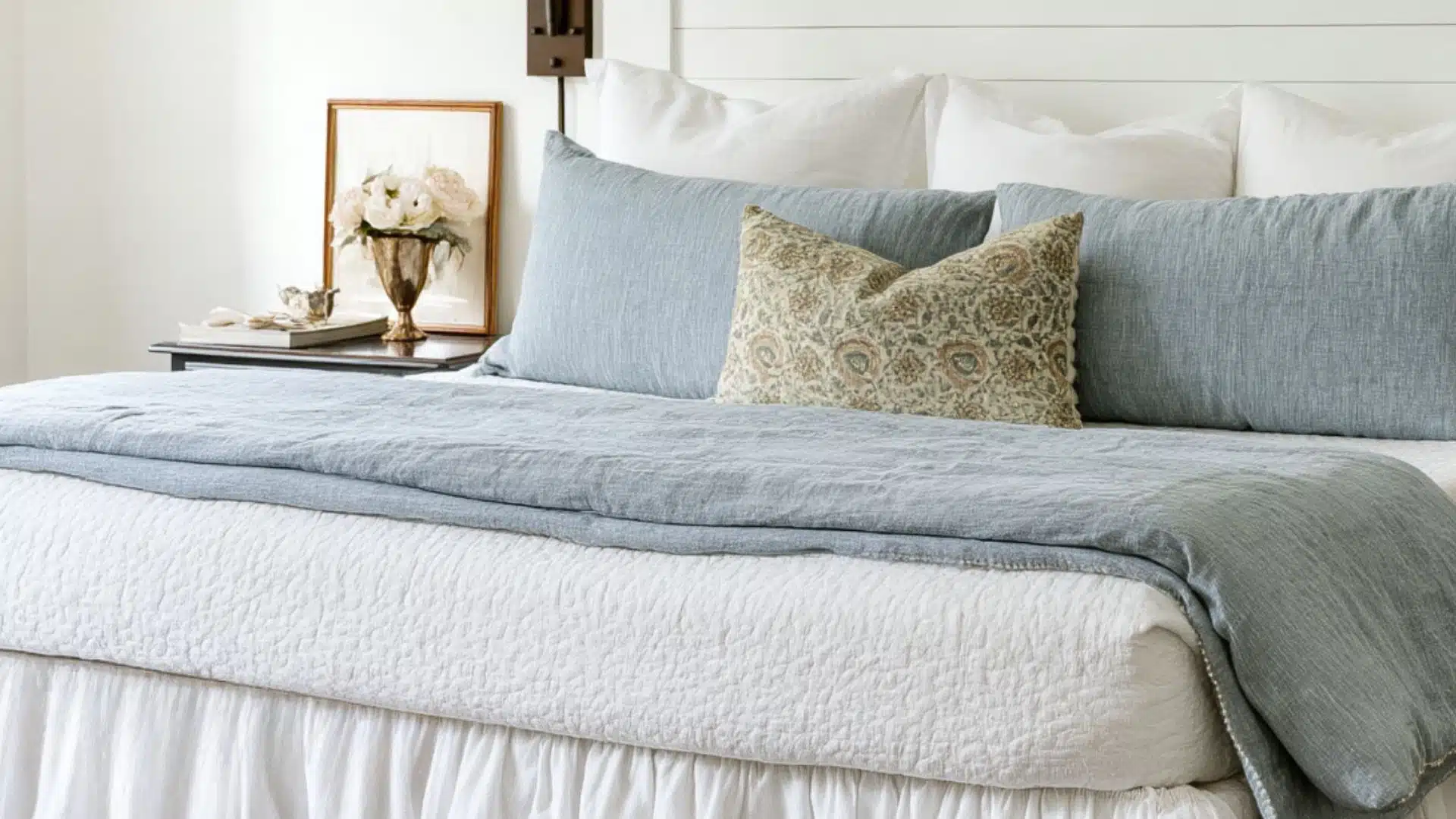
Fold the top third of the duvet or comforter downward to reveal the sheets, quilt, or blanket underneath. This simple adjustment creates visible layers and gives the bed a styled appearance without adding extra bedding pieces.
Pro Tip: Keep the fold even across the width of the bed for a cleaner, hotel-inspired finish.
3. Add a Quilt or Coverlet
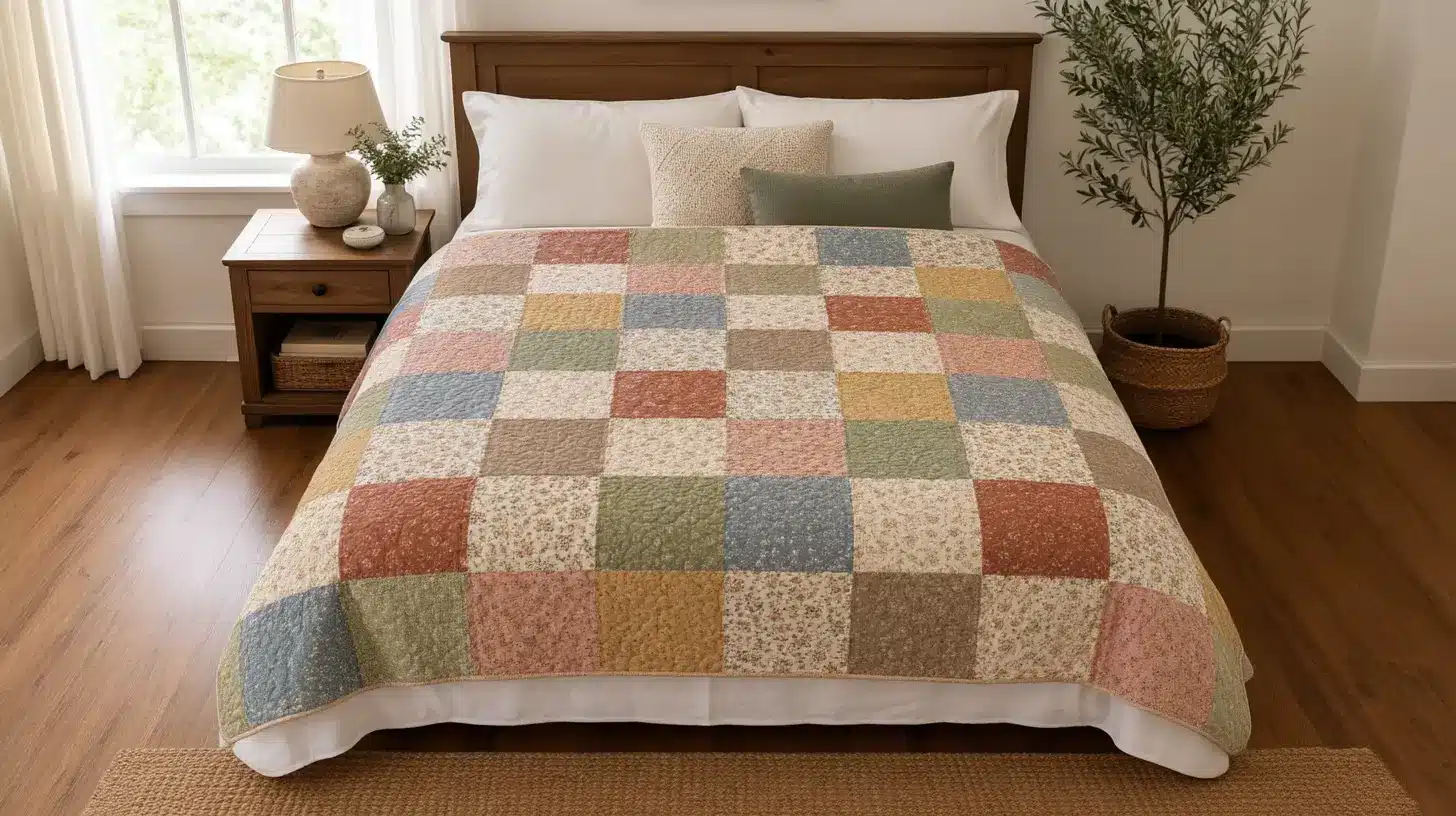
A lightweight quilt or coverlet can add warmth, texture, and color between your sheets and duvet. Place it over the bed, then fold it back slightly to show the different layers and create a more inviting look.
Pro Tip: Use a thin quilt instead of a bulky layer to keep the bed from looking heavy.
4. Mix Different Textures

Combining different fabrics makes the bed look more layered and comfortable. Try pairing cotton sheets with a smooth duvet cover, linen pillows, or a knitted throw. Small texture changes can make simple bedding feel more designed.
Pro Tip: Limit yourself to three or four textures to keep the bed from looking busy.
5. Choose a Simple Color Palette
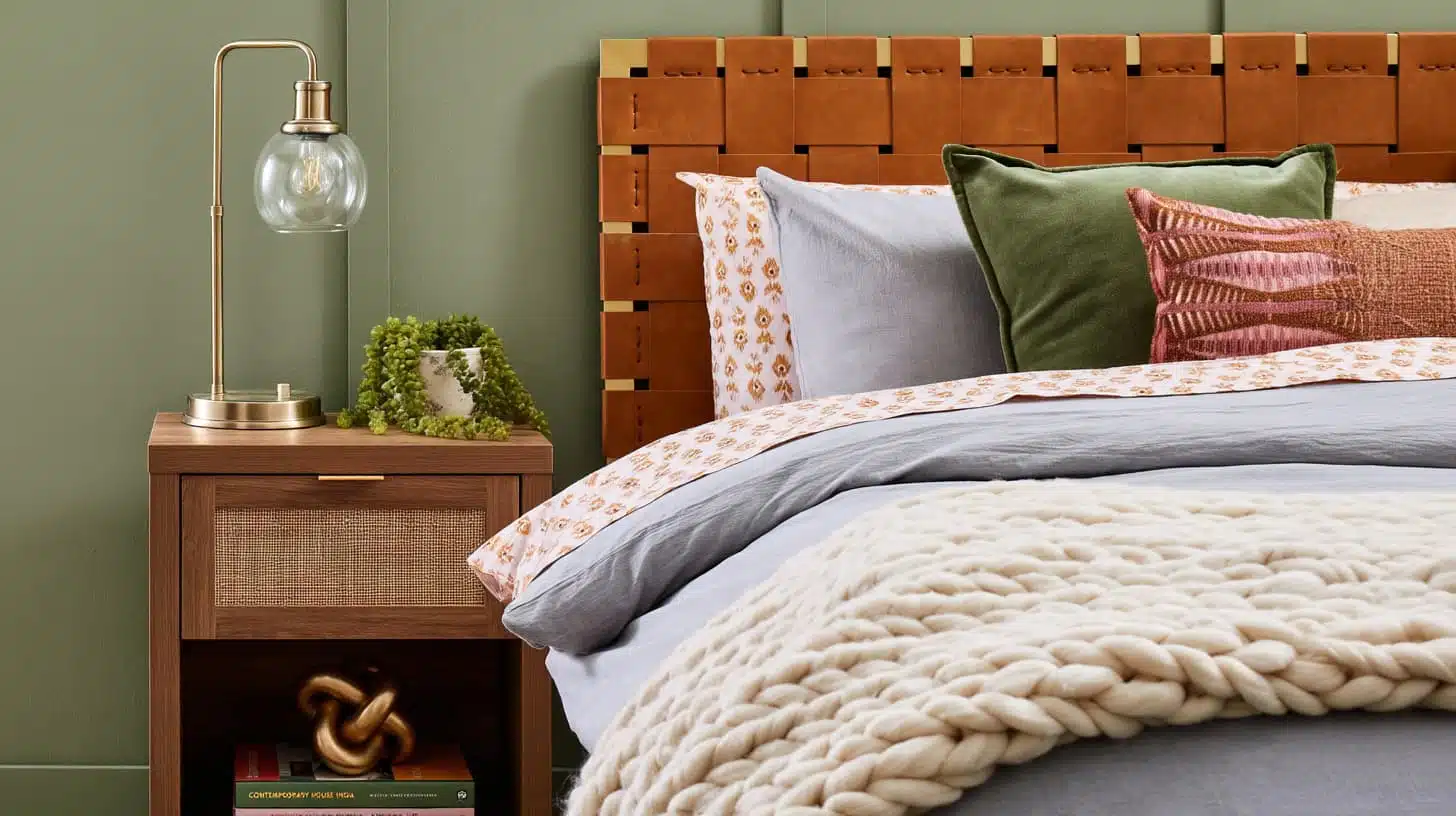
Alt text: A styled bedroom featuring a woven brown leather headboard, grey bedding, a chunky cream knit blanket, and a nightstand with a brass lamp.
A balanced color scheme helps your bed look calm and intentional. Stick to two or three shades that work together, such as white bedding with beige pillows and a sage-green throw for a soft, natural look. Your headboard and bedding should work together, not compete.
Pro Tip: Add one accent color through a pillow or throw instead of changing the entire bedding set.
Decorating a bed does not require many accessories or expensive changes. A few well-chosen layers, balanced pillows, matching textures, and simple colors can create a polished look. Use these ideas based on your room style and daily needs, then adjust the details until your bed feels both comfortable and visually appealing.
Quick Morning Bed-Making Routine
A quick morning reset keeps the bedding smooth, straightens uneven layers, and gives the bed a neat, finished appearance in just a few minutes.
- Pull the fitted and flat sheets smooth.
- Straighten the blanket, quilt, or duvet.
- Center the bedding so both sides hang evenly.
- Fluff the sleeping pillows and place them neatly.
- Add shams or decorative pillows if you use them.
- Fold or drape the throw blanket back into place.
- Step back and fix any obvious wrinkles or uneven edges.
This shorter routine works well when the bedding is already layered correctly. It keeps the bed looking tidy without turning a simple morning task into a full remake.
Common Bed-Making Mistakes to Avoid
Small mistakes while making a bed can affect both comfort and appearance. From loose sheets to uneven layers, these common issues are easy to fix with a few simple changes. Use these tips to create a cleaner, more balanced bed without adding extra effort.
- Fitted Sheet Too Shallow: A fitted sheet that does not match your mattress depth can slip off the corners or create loose areas. This is more common with thicker mattresses or beds with added toppers.
- Flat Sheet Finished Side Up: Placing the finished side of the flat sheet facing upward can make the folded edge look off when you turn the sheet back over the duvet.
- Uneven Duvet Overhang: An uneven duvet placement can make the entire bed look messy, even when the other layers are arranged properly. Small differences in side length are easy to notice.
- Too Many Pillows: Adding too many decorative pillows can make the bed look crowded and create extra work every morning. A bed should still feel comfortable and practical to use.
- Skipping Wrinkles Between Layers: Adding new bedding layers over wrinkled sheets can create bumps and an untidy finish. Small folds become more noticeable as you add more layers.
Avoiding these simple mistakes can make a noticeable difference in how your bed looks and feels. The key is choosing the right bedding size, keeping layers smooth, and adding only the details that improve comfort. A neat bed comes from small adjustments, not complicated routines.
Conclusion
A well-made bed does not require expensive bedding or complicated styling.
The difference often comes from small details, such as keeping layers smooth, placing everything evenly, and choosing pieces that work well together. Focus on creating a setup that feels comfortable and easy to maintain.
The best results come from balancing practicality and personal style, with every layer serving a purpose and the final look feeling natural.
A simple, neatly arranged bed can make your bedroom feel more organized, comfortable, and welcoming every day.
Frequently Asked Questions
How Do You Make a Bed Against a Wall?
Start with the wall side first, then pull and smooth each layer from the open side for easier access.
How Do You Keep a Fitted Sheet From Slipping?
Use the correct sheet size, tuck corners securely, and try sheet straps if the elastic keeps coming loose.
Should the Duvet Cover the Pillows?
It can, but most beds look neater when pillows sit above the duvet rather than underneath it.
Where Should a Throw Blanket Go on a Bed?
Place it across the foot of the bed or drape it loosely over one lower corner for a relaxed look.
Can You Make a Bed Without a Top Sheet?
Yes. You can skip the top sheet and use a duvet or comforter directly over the fitted sheet.