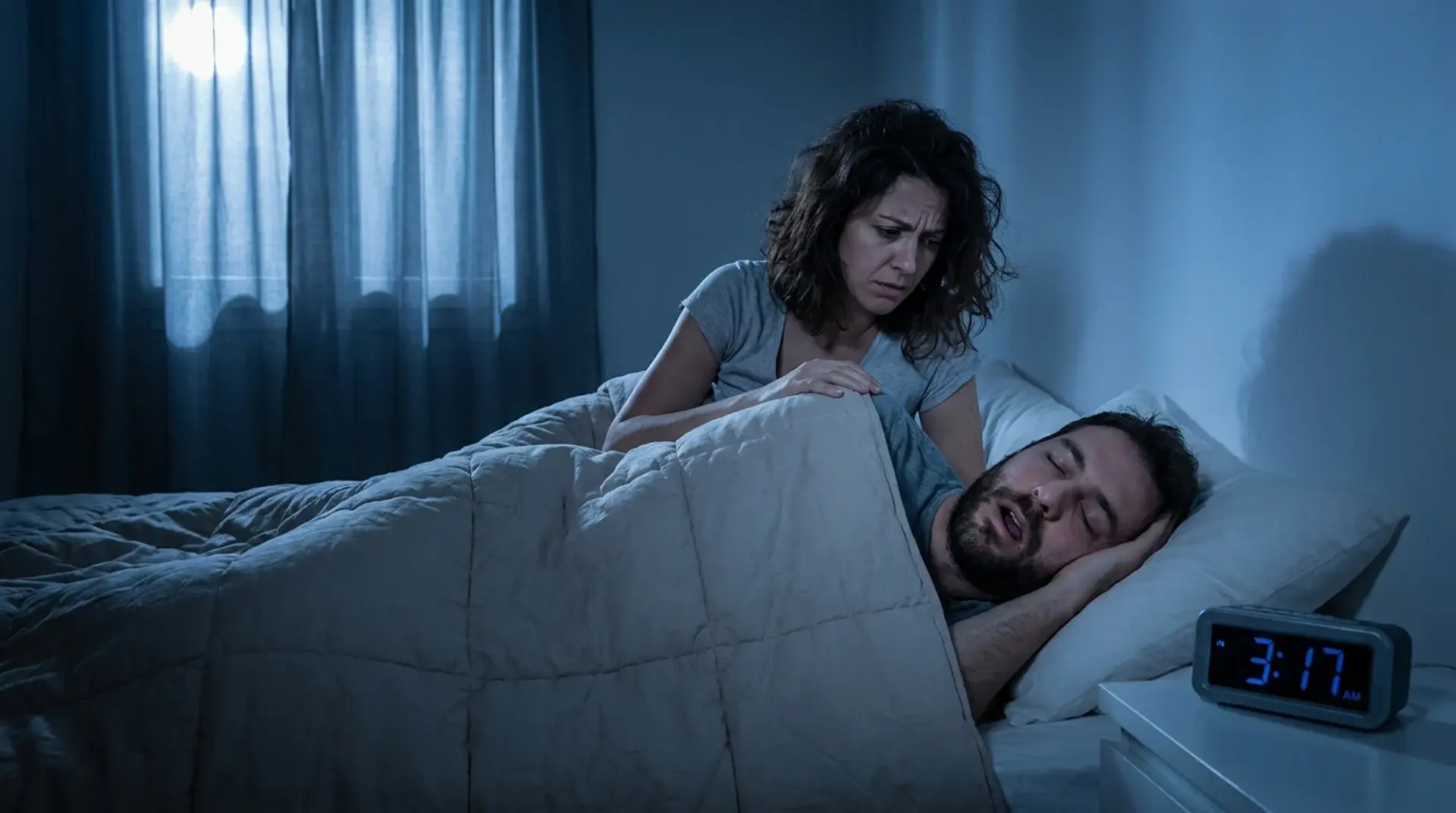





Waking up with a sore back can ruin the start of the day. Many people blame stress, posture, or long work hours, but the real problem may be much closer.
A mattress that feels too soft, too firm, or uneven can place extra pressure on the spine for hours every night. Over time, that pressure can turn into stiffness, poor sleep, and ongoing discomfort.
That is why so many people ask, ” Can a mattress cause back pain? The answer is yes, and the signs are often easier to notice than expected.
From morning aches to restless sleep, the body usually gives small warnings before the pain gets worse.
Can a Mattress Really Cause Back Pain?
Yes, your mattress can absolutely cause back pain.
Your spine has natural curves. While you sleep, your mattress needs to support those curves. When it does not — because it’s too soft, too firm, or simply worn out, your spine stays in a stressed position for 7 to 8 hours straight. That adds up fast.
The research backs this up. A randomized trial published in The Lancet found that patients with chronic lower back pain had significantly better outcomes with medium-firm mattresses than with firm ones.
And back pain is not rare. Around 39% of U.S. adults report back pain in any given 3-month window, according to CDC data.
Your mattress is where you spend a third of your life. It matters more than most people think.
How a Mattress Affects Your Spine While You Sleep
Your spine has three natural curves. A good mattress supports all three. A bad one disrupts at least one of them, and your lower back feels it every single morning.
| Mattress Type | What Happens to Your Spine | Result |
|---|---|---|
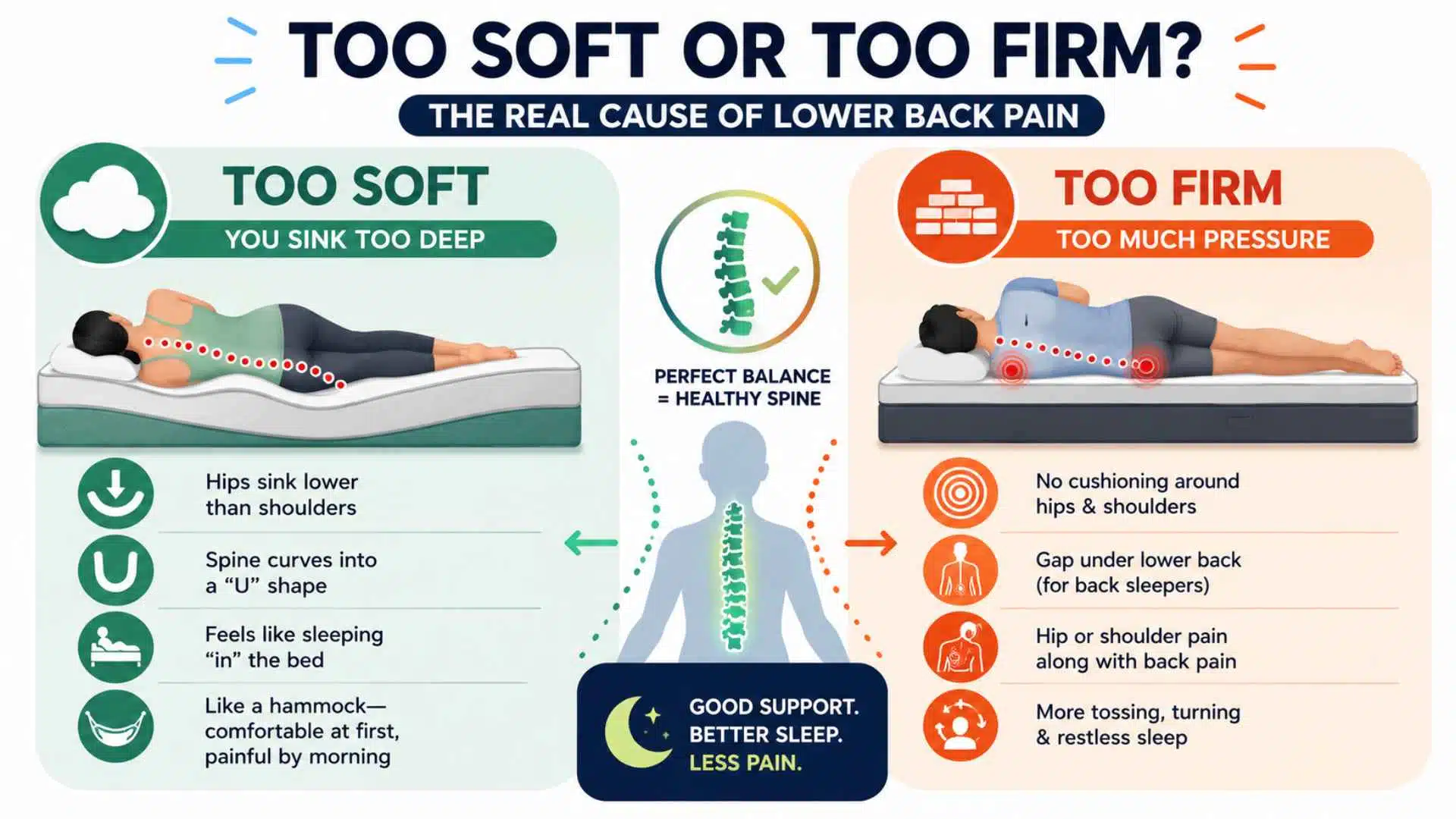
| Too Soft | Torso sinks, lower back curves inward unnaturally | Lumbar strain, muscle tightness |
| Too Firm | Hips and shoulders cannot sink in, lower back is left unsupported | Pressure points, poor circulation |
| Sagging or Worn Out | Uneven surface tilts the spine sideways or forward | Full spinal misalignment overnight |
| Medium Firm | Body weight distributed evenly, natural curves maintained | Proper rest, no morning stiffness |
Medium-firm mattresses may help many people with nonspecific lower back pain, but the best firmness depends on body weight, sleeping position, and individual comfort needs.
The fix is not always buying a new mattress. But knowing which category yours falls into is the first step toward waking up without pain.
Warning Signs a Mattress is Causing Lower Back Pain
Your mattress plays a major role in spinal support during sleep. When support starts breaking down, small discomforts can slowly turn into daily lower back pain, stiffness, and poor sleep quality.
1. Morning Stiffness That Fades After 15–30 Minutes
Morning stiffness that improves after getting out of bed may be associated with poor mattress support, but it can also result from conditions such as arthritis, muscle strain, or other health issues.
Once movement starts, the body slowly loosens again. If stiffness improves after movement, mattress support may be one contributing factor, although other causes should also be considered.
2. Lower Back Pain That Happens Mostly in the Morning
Lower back pain that feels strongest after waking up may be related to mattress support, but it can also stem from medical conditions, injuries, or daily activities.
The spine may stay misaligned for hours during sleep, causing muscles and joints to feel strained by morning.
As the body becomes active during the day, the pain usually fades. This pattern is often overlooked until the discomfort becomes more frequent.
3. Restless Sleep and Constant Tossing
Frequent tossing and turning during the night can mean the mattress is not providing proper comfort or support. The body keeps shifting positions to reduce pressure and find relief.
Waking up with tangled sheets or moved pillows is a common clue. Instead of helping the body rest, the mattress keeps muscles active throughout the night.
4. Mattress Age Beyond Seven Years
Most mattresses lose proper support after about seven to ten years of use. Foam layers compress, springs weaken, and pressure relief becomes uneven over time.
Even if the mattress still looks fine, internal support may already be failing. Small sagging areas can slowly push the spine out of alignment and increase lower back strain during sleep.
5. Visible Sagging or Deep Body Impressions
Visible dips or body impressions usually mean the mattress support system is wearing out. Sagging areas force the lower back into awkward positions for hours during sleep.
Even shallow dips can affect spinal alignment and create pressure on muscles and joints. A mattress with uneven support often leads to stiffness and discomfort after waking up each morning.
6. Better Sleep on Other Mattresses
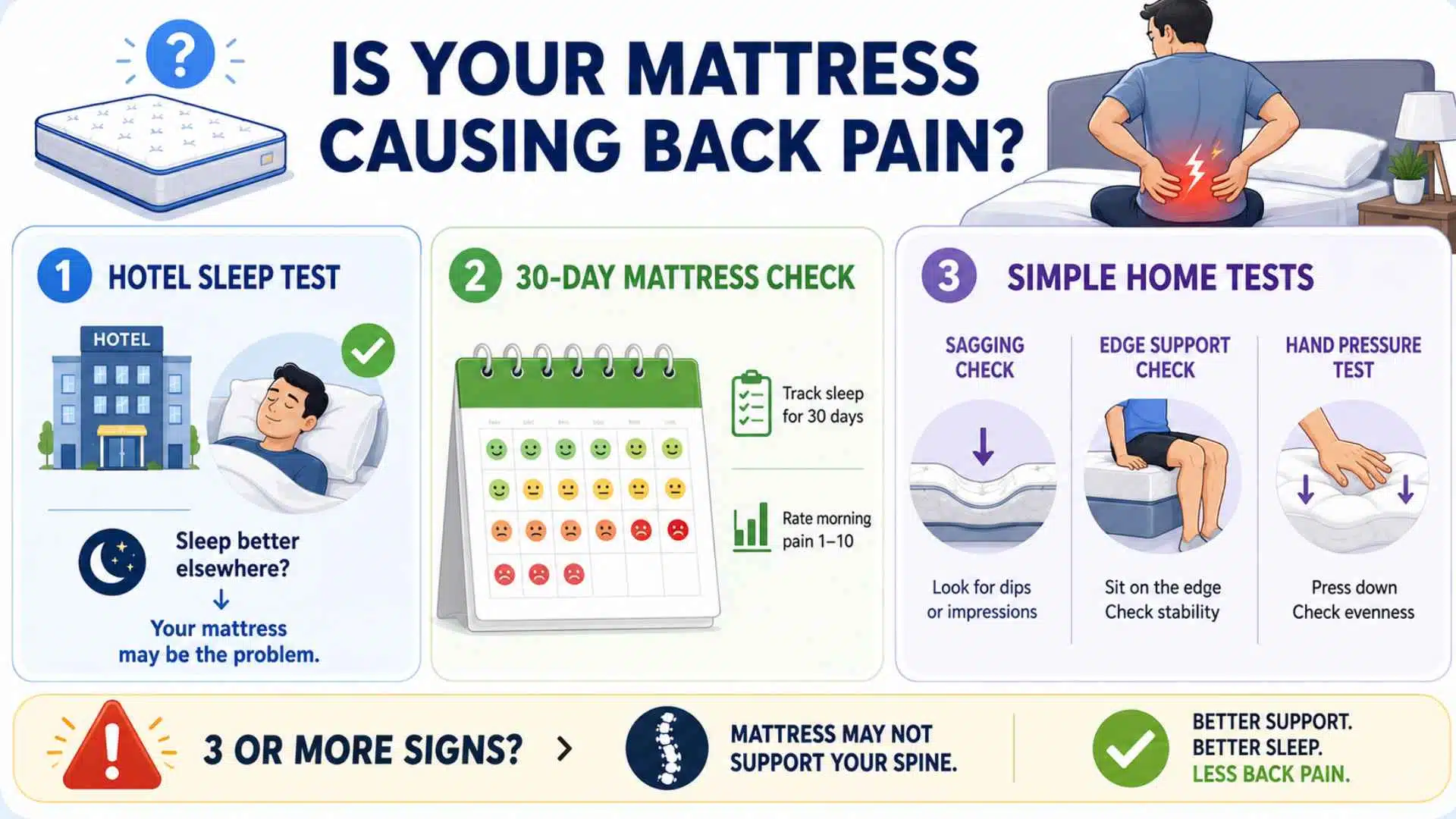
Sleeping better in hotels or guest rooms may suggest that your mattress is contributing to discomfort, but other factors, such as activity levels, stress, and pillow support, can also play a role.
Even one or two nights on a different surface can make the difference noticeable. Reduced stiffness during travel may indicate that your sleep environment at home deserves closer evaluation.
7. Gradually Increasing Back Pain Over Time
Mattress-related back pain usually develops slowly instead of appearing suddenly. Small spinal misalignment during sleep creates repeated pressure on muscles and joints night after night.
What starts as mild discomfort can gradually turn into daily lower back pain. If symptoms continue getting worse without injury or other clear causes, the mattress may be part of the problem.
8. Numbness or Tingling Around the Hips or Lower Back
Waking up with numbness or tingling can sometimes result from pressure points during sleep, but recurring symptoms may indicate an underlying nerve-related condition and should be evaluated by a medical professional.
Pins-and-needles sensations can occur from temporary pressure during sleep, but they may also be caused by nerve compression or other medical conditions.
9. Mattress Noise and Uneven Surface Areas
Creaking springs, squeaking sounds, or visible lumps often signal that a mattress is wearing out internally. Broken coils and compressed padding create uneven support across the surface.
Different parts of the body then sink unevenly during sleep, putting extra strain on the spine. Over time, this imbalance can increase lower back discomfort and disturb sleep quality.
10. Excessive Sinking During Sleep
A mattress that allows the body to sink too deeply can place the spine in an unhealthy position overnight. When the hips drop lower than the shoulders, the lower back curves unnaturally during sleep.
This hammock-like effect often happens with overly soft or worn-out mattresses. Difficulty moving or getting out of bed can also signal poor support.
11. Hip and Shoulder Pain Along With Lower Back Pain
Hip and shoulder pain, combined with lower back discomfort, often point to a mattress that feels too firm. Hard sleeping surfaces create excess pressure on joints and bony areas during sleep.
Instead of cushioning the body slightly, the mattress pushes force back into pressure points. Over time, this added strain can worsen morning back pain.
12. Pain That Changes With Sleep Position
Pain that worsens in certain sleeping positions often indicates the mattress is not adapting properly to the body. Side sleepers may feel pressure on firm mattresses, while back sleepers often struggle on soft surfaces.
A supportive mattress should help maintain spinal alignment in different positions. Ongoing discomfort after changing positions usually signals uneven support.
13. Feeling Unrested After a Full Night of Sleep
Sleeping for seven or eight hours does not always mean the body has rested properly. An uncomfortable mattress can interrupt sleep cycles through constant small movements and pressure buildup.
This leaves muscles tense during the night and causes stiffness in the morning. Waking up tired, sore, and unrested despite enough sleep often points toward poor mattress support.
14. Back Pain That Improves During Travel
Lower back pain that disappears during vacations or overnight stays away from home often points toward mattress-related issues.
Sleeping on a different surface can quickly reduce pressure and improve spinal alignment. Many people notice they wake up with less stiffness while traveling. This pattern strongly suggests the mattress at home may no longer support the body correctly.
15. Shared Back Pain Between Sleep Partners
When both sleep partners develop similar symptoms, the mattress may be a contributing factor, although other shared lifestyle or environmental factors should also be considered.
Different routines and posture habits matter less when the same sleep surface affects both people equally. A worn-out mattress often loses support across shared pressure points first, leading to stiffness and discomfort for both sleepers.
Best Mattress Firmness for Lower Back Pain
The best mattress firmness for lower back pain depends on sleeping position and spinal support. A mattress that keeps the spine aligned while reducing pressure points usually improves sleep comfort and reduces morning stiffness.
| Sleeping Position | Best Firmness Level | Why It Helps |
|---|---|---|
| Side Sleepers | Medium to Medium-Soft | Cushions the shoulders and hips while keeping the spine aligned |
| Back Sleepers | Medium-Firm | Supports the lower back without letting the hips sink too deeply |
| Stomach Sleepers | Firm | Prevents hip sinking and reduces strain on the lumbar spine |
| Combination Sleepers | Medium-Firm | Balances comfort and support while changing positions during sleep |
Choosing the right firmness can reduce pressure on the lower back and improve spinal alignment during sleep. The goal is to feel supported without sinking too deeply or feeling excessive pressure on joints.
Small Sleep Changes That Can Help Lower Back Pain
Small bedtime adjustments can improve spinal support and reduce pressure on the lower back. Simple changes to sleep setup and routine often make a noticeable difference over time.
- Use the right pillow height: Keeps the neck and spine aligned during sleep and reduces strain on the upper and lower back.
- Add a mattress topper: Improves comfort and support if the mattress feels too firm or slightly worn out.
- Stretch before bed: Helps relax tight muscles and reduces stiffness that builds throughout the day.
- Rotate the mattress regularly: Prevents uneven sagging and helps maintain consistent support across the sleeping surface.
- Sleep with knee support: A pillow under or between the knees can reduce pressure on the lower back.
- Maintain a consistent sleep posture: Sleeping in the same supported position helps reduce unnecessary spinal strain overnight.
Small changes alone may not fix severe back pain, but they can improve sleep comfort and reduce daily strain on the lower back. Consistent support and healthy sleep posture matter more than most people realize.
Best Sleeping Positions for Lower Back Pain
The right sleeping position can reduce pressure on the spine and improve lower back support overnight. Small posture adjustments often help reduce morning stiffness and improve overall sleep comfort.
| Best Sleeping Position | Why It Helps |
|---|---|
| Back sleeping with a pillow under the knees | Helps maintain the natural spinal curve and reduces lower back pressure |
| Side sleeping with a pillow between the knees | Keeps the hips, pelvis, and spine aligned during sleep |
| Slightly reclined back sleeping | May reduce pressure on the lumbar spine and improve comfort |
| Straight side sleeping | Supports better spinal alignment and reduces twisting pressure on the back |
Supportive sleeping positions help the spine stay in a more natural posture throughout the night. Proper pillow placement and alignment can make a noticeable difference in lower back comfort over time.
Other Common Causes of Morning Back Pain
A mattress is not always the only reason for morning back pain. Daily habits, health conditions, and lack of movement can also increase stiffness and lower back discomfort after sleep.
- Poor posture: Sitting or standing incorrectly for long hours can strain muscles and affect spinal alignment overnight.
- Muscle strain: Lifting heavy objects or sudden movements may leave back muscles sore and tight by morning.
- Lack of movement: Sitting too much during the day can stiffen muscles and reduce flexibility around the lower back.
- Arthritis: Joint inflammation can increase stiffness and pain after sleeping in the same position for several hours.
- Sciatica: Pressure on the sciatic nerve may cause lower back pain, tingling, or discomfort down the legs.
Morning back pain can have multiple causes, and symptoms often overlap. If discomfort continues despite changing mattresses or sleep habits, medical guidance may help identify the underlying issue.
When to See a Doctor for Back PainSee a doctor if back pain lasts for several weeks, becomes severe after sleeping, or includes numbness and tingling. These symptoms may point to nerve pressure, inflammation, or other medical conditions beyond mattress-related discomfort. |
Wrap Up
A mattress can absolutely affect how your back feels every morning. Support, firmness, sleeping position, and mattress age all play a role in spinal alignment during sleep.
Small signs like stiffness, tossing and turning, or waking up sore are often easy to ignore until the discomfort becomes part of your daily routine.
Simple changes, from adjusting sleep posture to replacing a worn-out mattress, can make a noticeable difference.
If your back pain keeps returning every morning, it may be time to look at what your body is sleeping on every night. Have you checked whether your mattress is helping your spine or quietly working against it?
Frequently Asked Questions
Can Sleeping on The Wrong Mattress Make Muscles Tight?
Yes, poor mattress support can keep muscles tense overnight and increase stiffness around the lower back and hips.
Does Body Weight Affect the Best Mattress Firmness?
Heavier sleepers usually need firmer support, while lighter sleepers often feel more comfortable on slightly softer mattresses.
Can a Mattress Topper Help with Lower Back Discomfort?
A quality topper may temporarily improve pressure relief, especially if the mattress feels slightly too firm or uneven.