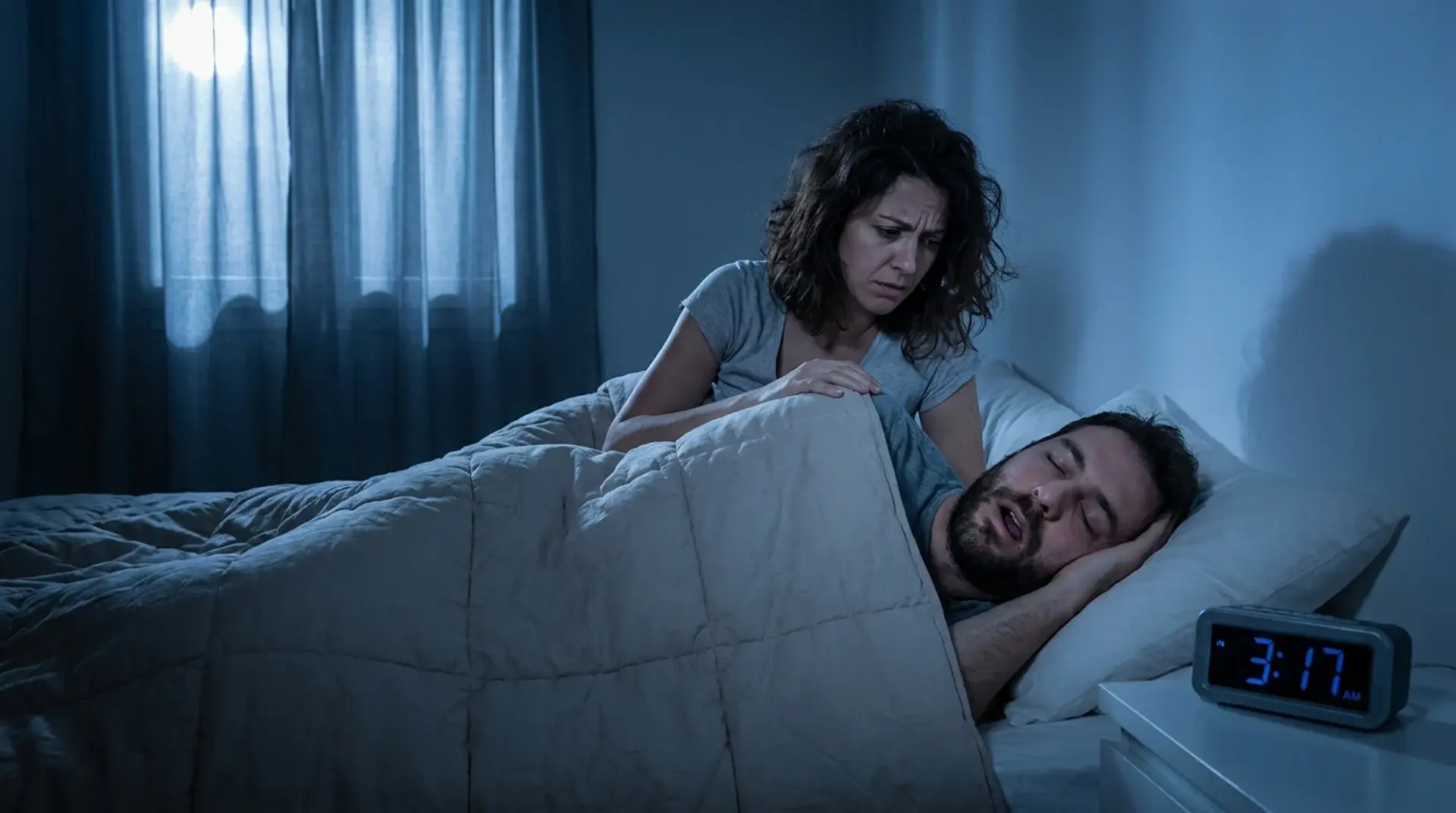




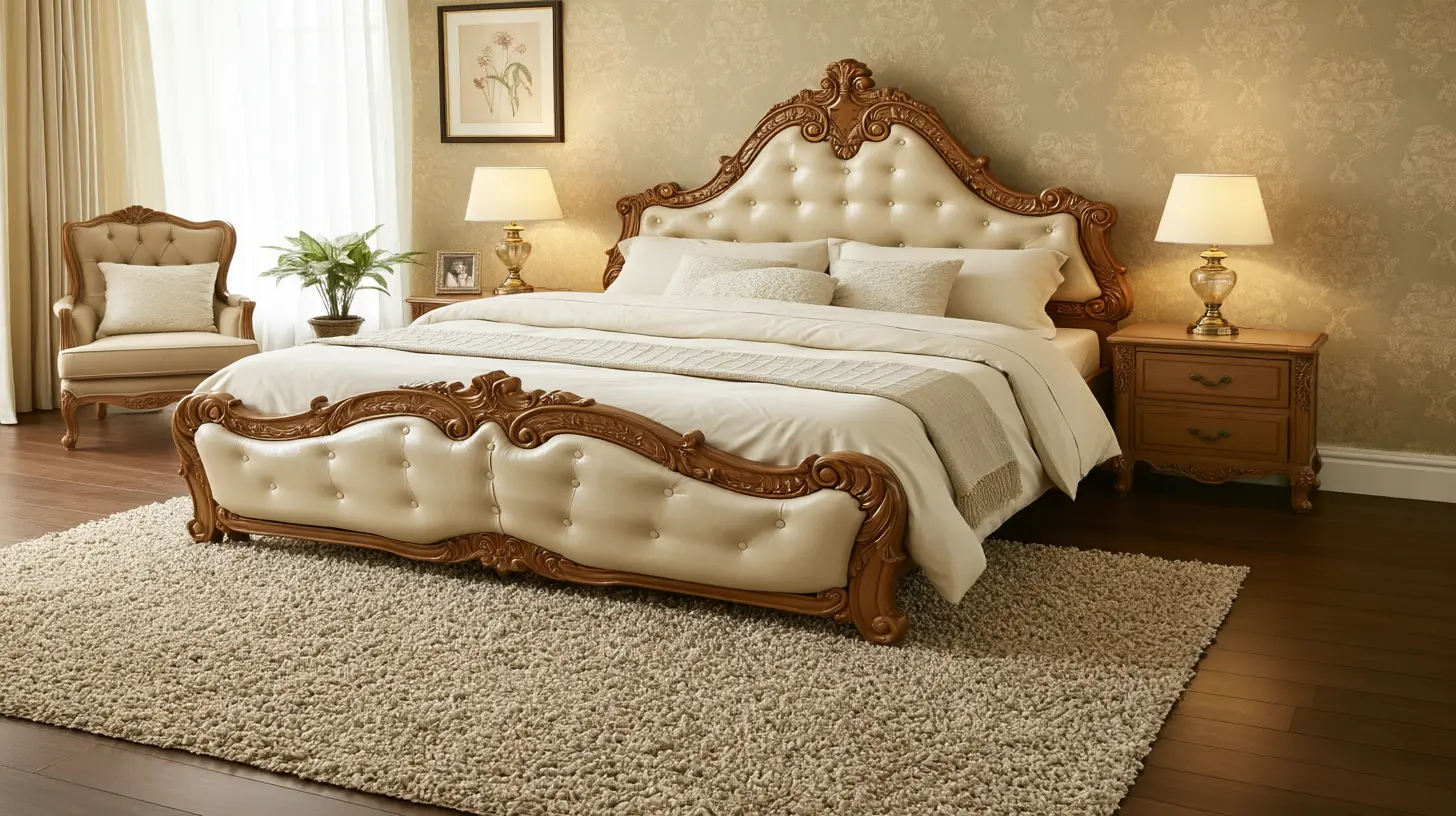
Most people never think to ask how long mattresses last until the mornings start feeling harder than the nights.
A mattress carries the weight of rest, recovery, and routine.
Yet it is one of the most overlooked investments in a home. The type of mattress, the way it is cared for, and the habits of the sleeper all shape how well it holds up over time.
Some mattresses quietly break down long before their time. Others seem to last far longer than expected.
What makes the difference is not always obvious, and that is exactly where things get interesting.
How Long Do Mattresses Last on Average?
Most mattresses last somewhere between seven and ten years. But that range is just a starting point. A cheap innerspring mattress might start showing wear well before the seven-year mark. And a high-quality latex mattress? It can push past fifteen years without much fuss.
The type of mattress matters. So does how it is used. A mattress in a guest room that sees only a few nights of use per month will age very differently from one that gets slept on every single night.
Materials, body weight, and basic upkeep all play a part, too. Seven to ten years is the average, but averages do not always tell the whole story.
Mattress Lifespan by Type
Not all mattresses wear out at the same rate. The materials inside the bed have a major effect on how long it keeps its shape, how comfortable it is, and how well it supports.
| Mattress Type | Average Lifespan | What to Expect |
|---|---|---|
| Innerspring | 5.5–6.5 years | Coils can lose strength over time, and the surface may start to feel less even with regular use. |
| Foam | 6–7 years | Foam can soften with age, leading to body impressions and less stable support. |
| Hybrid | 6.5–7.5 years | Hybrids often last a bit longer than basic foam or innerspring models, but both the foam and coil layers can wear down over time. |
| Latex | 7.5–8.5 years | Latex is one of the most durable mattress materials and usually retains its shape well for a long time. |
These timeframes are helpful as a general reference, but actual mattress life can vary from one home to another. Daily use, body weight, mattress care, and the type of bed frame all affect how long a mattress stays comfortable.
Signs It’s Time to Replace Your Mattress

alt text: a person suffering from body pain due to the mattress
Mattresses slowly wear out with regular use. Over time, the materials inside can lose their shape and support. The following warning signs often suggest that a mattress may no longer provide the support needed for good sleep.
1. Your Mattress Is Over 7–10 Years Old
Age is one of the clearest indicators of how long a mattress lasts. Most mattresses begin to lose support after about 7–10 years. Foam softens, and coils may weaken over time.
Even if the surface still looks fine, the inner layers may not adequately support the body. Checking the mattress’s age can help determine whether it needs to be replaced.
2. Visible Sagging or Dips
Sagging is a common sign that a mattress is wearing out. Over time, body weight can press down certain areas of the mattress.
This may create dips where the body usually rests. When sagging appears, the mattress may not keep the spine in a neutral position. This can affect comfort and make it harder to sleep well through the night.
3. Body Impressions That Do Not Bounce Back
Small body impressions are normal at first, but deep marks that persist may signal wear. When foam layers lose their ability to return to their original shape, the mattress may not evenly support the body.
These impressions can make the surface feel uneven. Over time, this may affect comfort and reduce the overall support the mattress provides during sleep.
4. You Wake Up With Back or Neck Pain
Waking up with back or neck pain may be linked to poor mattress support. When the mattress no longer keeps the body aligned, pressure can build in certain areas.
This may lead to stiffness in the morning. If discomfort occurs frequently and improves when sleeping elsewhere, the mattress may no longer provide adequate support.
5. Lumps or Uneven Areas
Lumps or uneven spots can develop as mattress materials shift or break down. Padding and foam layers may move out of place with regular use.
This can create a surface that feels bumpy instead of smooth. Uneven areas may affect how the body rests on the bed, making it harder to maintain a comfortable, stable sleep position.
6. Noisy Springs or Creaking Sounds
Creaking or squeaking sounds often mean the coils inside the mattress are wearing out. Springs may loosen, bend, or rub against other parts of the frame over time.
These noises can appear when turning or getting in and out of bed. When coils weaken, the mattress may also lose support and stability during sleep.
7. You Sleep Better Somewhere Else
Sleeping better in another bed can be a useful sign. Some people notice they rest well in hotels, guest rooms, or on other mattresses. This may suggest their current mattress is no longer supportive.
When comfort improves in other beds, it may mean the existing mattress has worn down and is affecting sleep quality.
8. Increased Allergies or Dust Issues
Older mattresses can collect dust, sweat, and skin particles over time. This can lead to dust mites and other allergens building up inside the mattress layers. This buildup may also attract pests. If you notice signs like dark specks or irritation, it may be worth checking for flea dirt on your bed.
People may notice more sneezing, itching, or breathing discomfort at night. If allergy symptoms occur mainly during sleep, the mattress may harbor allergens that are hard to remove.
9. Edges Are Collapsing
Strong edges help a mattress keep its shape and provide full sleeping space. Over time, the sides may become soft or start to sink when someone sits or lies near the edge.
Weak edges can make the bed feel smaller and less stable. This often shows that the mattress structure is starting to wear out. In some cases, high-quality edge support can also help reduce mattress wear over time.
10. You Feel Your Partner’s Movement More
Many mattresses are designed to reduce movement from one side of the bed to the other. As materials wear down, this motion control may weaken.
People may begin to feel their partner turning, shifting, or getting up during the night. Increased movement transfer can mean the foam or coil layers are losing their ability to absorb motion.
11. You Toss and Turn to Get Comfortable
If a person keeps changing positions during the night, the mattress may not be providing steady support. A worn mattress can create pressure points that make certain positions uncomfortable.
This can lead to frequent tossing and turning. When comfort is hard to find even after adjusting pillows or bedding, the mattress may no longer adequately support the body.
12. The Mattress Feels Too Soft or Too Firm
Mattress firmness can change as materials wear down. Foam layers may soften with time, while some areas may feel harder due to uneven wear.
This can make the mattress feel very different from when it was new. When firmness changes affect comfort or support, it may be a sign that the mattress structure is starting to break down.
13. You Notice Odors or Stains That Won’t Go Away
Over time, mattresses can absorb sweat, moisture, and other buildup. This may lead to stains or odors that remain even after cleaning.
Lingering smells can also come from bacteria or trapped moisture inside the layers. When stains and odors become difficult to manage, it may affect mattress hygiene and indicate that replacement should be considered.
What Affects How Long Mattresses Last?
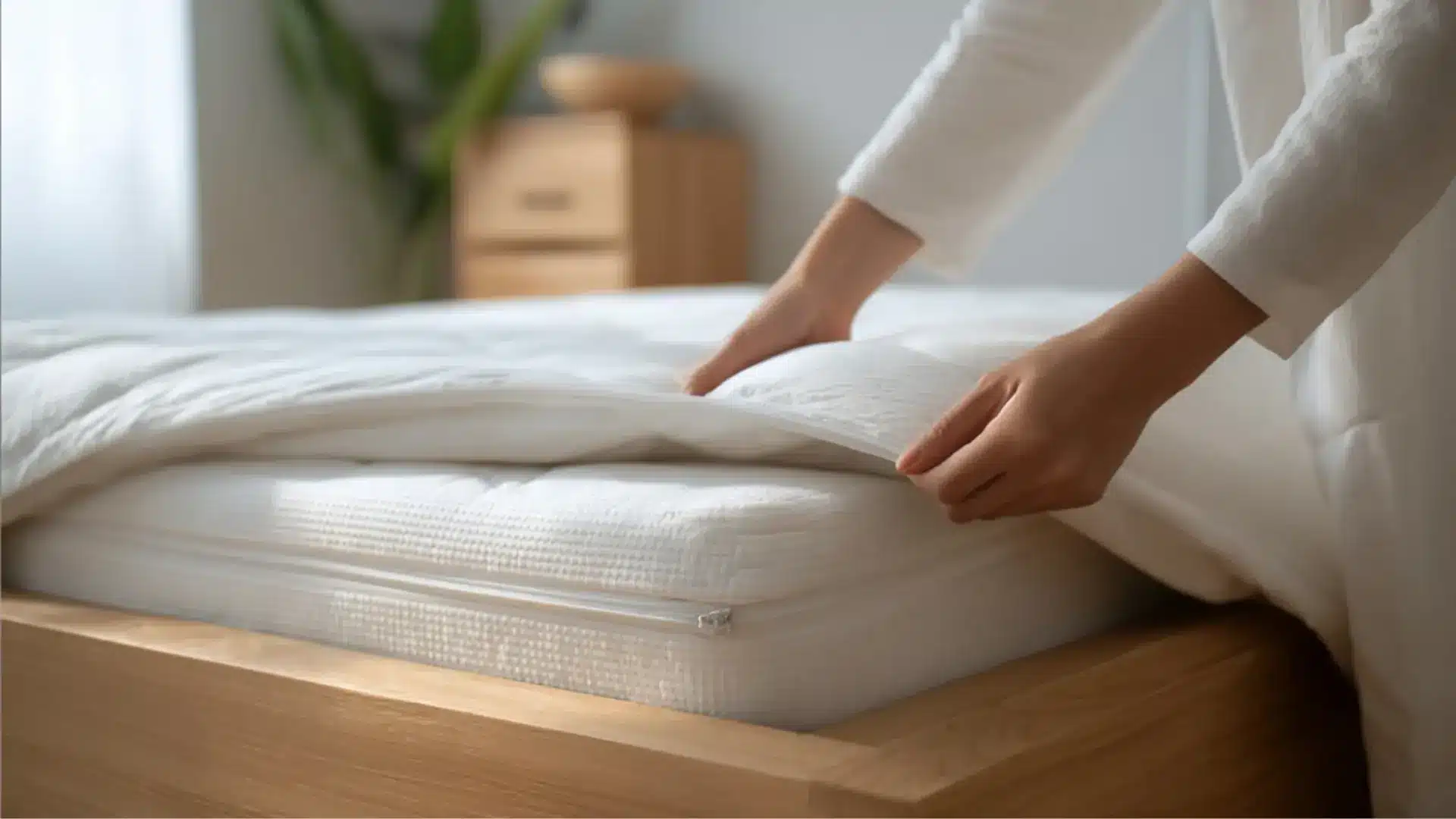
alt text: a mattress being held by a person gently
Several factors influence how long mattresses last. Understanding these factors can help people know why some beds wear out sooner while others last longer.
- Mattress Type and Materials: Materials wear at different speeds: innerspring wears faster, memory foam and hybrids last longer, and latex lasts longest.
- Frequency of Use: A mattress used every night will wear faster than a gently used mattress in a guest room.
- Body Weight and Sleep Position: Heavier sleepers or couples can put more pressure on mattress materials, potentially causing faster compression.
- Mattress Care and Maintenance: Rotating the mattress, using a protector, and placing it on proper support can help extend its lifespan.
These factors explain why mattresses age differently and why regular checks can help maintain comfort and support.
Can a Gently Used Mattress Be a Good Option?
A gently used mattress can be a smart move or a regrettable one. It really comes down to what to look for and what to walk away from.
When it is safe to buy:
- The mattress is less than five years old
- No visible sagging, stains, or odors
- It comes from a smoke-free and pet-free home
- The original owner can share the brand and purchase date
- It is a latex or high-density foam model, which both age well
When to avoid it:
- The age is unknown or close to ten years
- There are visible body impressions or soft spots
- It has stains, which can signal moisture and mold
- The seller cannot provide the basic history
A gently used mattress is not always a compromise. In the right circumstances, it can offer solid comfort at a fraction of the cost. But it pays to ask the right questions before committing. A little homework upfront can save a lot of restless nights down the road.
When to Replace vs When to Repair Your Mattress
Not every mattress problem means a trip to the store. Some issues are a quick fix, and others are a sign that it is simply time to move on.
| Situation | Repair | Replace |
|---|---|---|
| The mattress is too firm or too soft | Add a mattress topper | Only if the topper does not help |
| Sagging deeper than 1.5 inches | Not fixable | Yes |
| Squeaky springs | Tighten the bed frame first | If noise persists |
| Mild surface stains | Spot clean immediately | Only if mold is present |
| Under 7 years old with minor wear | Rotate and protect | Not yet |
| Over 10 years old | No repair will last | Yes |
| Waking up with body aches | Try rotating first | If pain continues |
Knowing the difference between a fixable flaw and a failing mattress saves both money and sleep. But when repairs stop working, replacement is not a luxury; it is a necessity.
Tips to Make Your Mattress Last Longer
A mattress does not need much, but it does need some attention. A few simple habits can add years to its life and keep sleep quality where it should be.
- Use a mattress protector: It shields against spills, sweat, dust mites, and allergens that quietly break down materials over time
- Rotate the mattress every three to four months: This distributes wear evenly and prevents the same spots from sinking faster than others
- Ensure the bed frame offers proper support: A weak or ill-fitted frame causes sagging from the bottom up, regardless of mattress quality
- Vacuum it monthly: Dust and debris build up faster than most people expect, and regular cleaning slows that down
- Avoid sitting on the edges repeatedly: Edge foam breaks down quickly under concentrated pressure, and once it goes, support across the whole mattress suffers
Small habits make a real difference. And the good news is, none of these takes much time or effort to get right.
Final-Thoughts
Understanding how long mattresses last can help people maintain better sleep and comfort. Most mattresses last several years, but signs such as sagging, sleep pain, or visible wear may suggest it is time for a replacement.
Even a gently used mattress can lose support as materials slowly break down with time. Checking the condition of a mattress and noticing changes in comfort can help people make better decisions about when to replace it.
When the mattress no longer supports the body well, replacing it can improve sleep quality. If these signs sound familiar, it may be a good time to review the mattress and consider a suitable replacement.
Frequently Asked Questions
Does Mattress Type Affect how Long It Lasts?
Yes. Different materials wear differently. Latex mattresses usually last the longest, while innerspring mattresses may have a shorter lifespan.
Can a Mattress Topper Fix an Old Mattress?
A topper may improve comfort for a short time, but it will not fix a mattress that has sagging or structural damage.
How Often Should a Mattress be Replaced?
Most experts suggest checking the condition of a mattress after about 6–8 years. Many mattresses need replacement around the 7–10 year mark, depending on use and material quality.