


Waking up tired every morning, even after eight hours of sleep, is exhausting in ways that are hard to explain. You push through the day on coffee, drag yourself to bed early, and still wake up feeling like you barely slept. Sound familiar?
Sleep apnea might be the reason. It’s a condition where breathing stops and starts during sleep, sometimes hundreds of times a night.
Studies estimate that nearly 1 billion adults worldwide may have obstructive sleep apnea, making it one of the most common sleep disorders globally.
Most people who have it don’t even realize it. No obvious signs. Just relentless fatigue that never goes away.
And many people quietly wonder, can sleep apnea kill you?
It’s a fair question. Left untreated, it quietly puts the heart, brain, and overall health under serious strain in ways that genuinely add up over time.
Understanding what sleep apnea is and what can be done about it is the first step toward taking back control.
Can Sleep Apnea Kill You?
Yes, sleep apnea can become life-threatening if it goes untreated. A person usually does not die from one single pause in breathing, but repeated breathing interruptions night after night can lower oxygen levels, raise stress hormones, and put heavy strain on the heart, brain, and blood vessels over time.
That is why untreated sleep apnea is linked to serious complications like high blood pressure, heart attack, stroke, irregular heart rhythms, and sudden cardiac death. Treatment can greatly reduce these risks and help protect long-term health.
Some research suggests that untreated sleep apnea may contribute to processes linked with accelerated biological aging. This isn’t just about feeling tired; untreated sleep apnea can genuinely cut your life short.
Key Takeaways
- Sleep apnea causes repeated breathing interruptions that reduce oxygen levels and prevent truly deep, restorative sleep.
- Untreated sleep apnea can raise the risk of heart disease, stroke, high blood pressure, and diabetes.
- Many people do not realize they have sleep apnea because symptoms often happen during sleep.
- Loud snoring, gasps, morning headaches, and daytime fatigue are among the most common warning signs.
- Sleep studies help diagnose sleep apnea by tracking breathing, oxygen levels, and sleep disruptions overnight.
- Treatments like CPAP, oral appliances, and lifestyle changes can greatly improve sleep and overall health.
What Is Sleep Apnea?
Sleep apnea is a serious sleep disorder in which breathing repeatedly stops and starts during sleep. These interruptions can lower oxygen levels, disrupt deep rest, and put strain on the body over time.
Sleep apnea is not the same for everyone. Doctors usually classify it into different types based on what causes the breathing interruptions during sleep.
- Obstructive sleep apnea (OSA): The most common type. It happens when throat muscles relax too much during sleep, causing the airway to narrow or collapse repeatedly.
- Central sleep apnea (CSA): A less common type where the brain fails to send steady signals to the muscles that control breathing during sleep.
- Complex sleep apnea: A combination of obstructive and central sleep apnea patterns, usually identified during a sleep study or after treatment begins.
Knowing the type of sleep apnea matters because each one affects breathing differently. A proper diagnosis helps doctors choose the treatment most likely to improve sleep, restore oxygen flow, and reduce long-term health risks.
Common Symptoms of Sleep Apnea
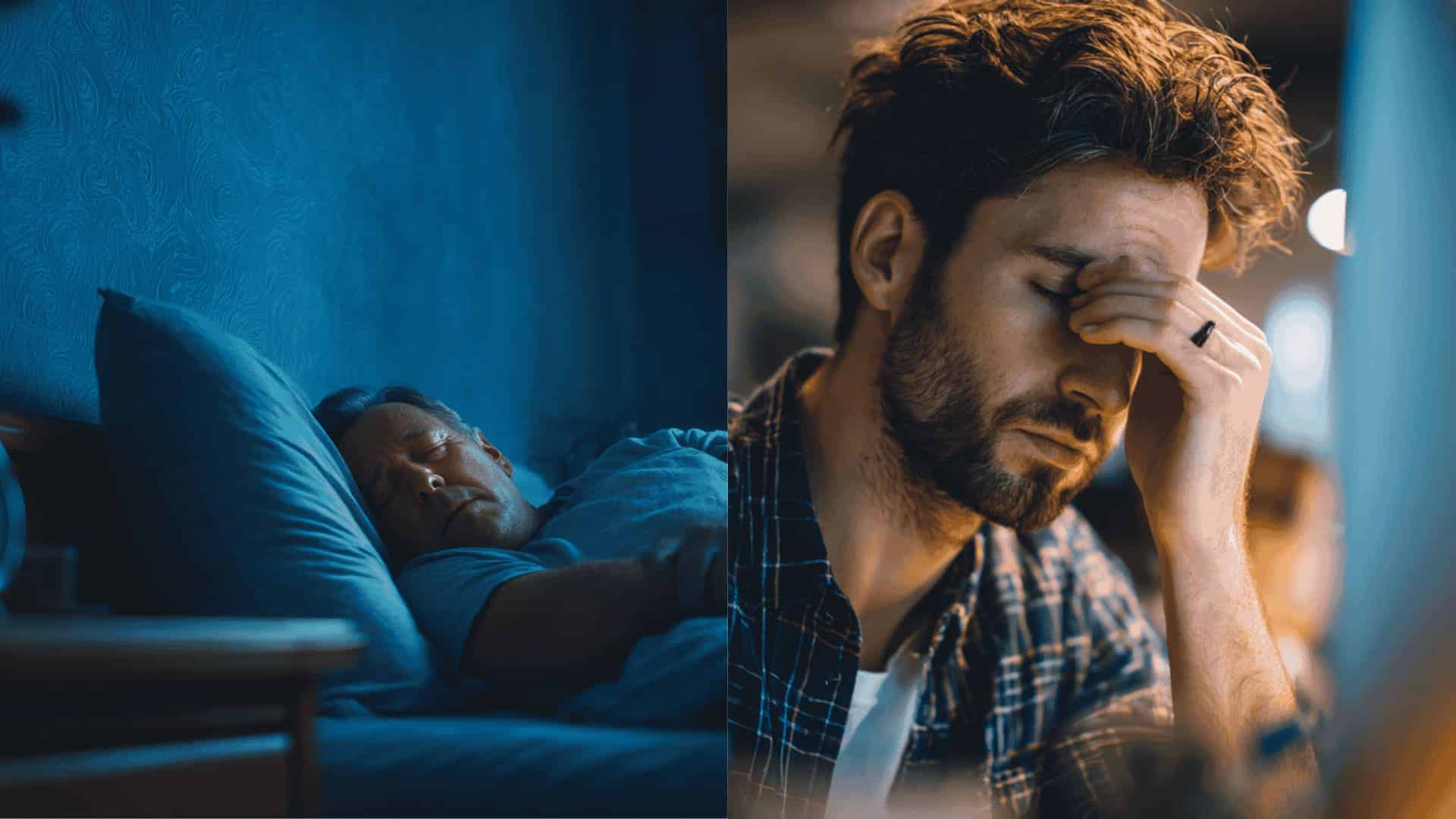
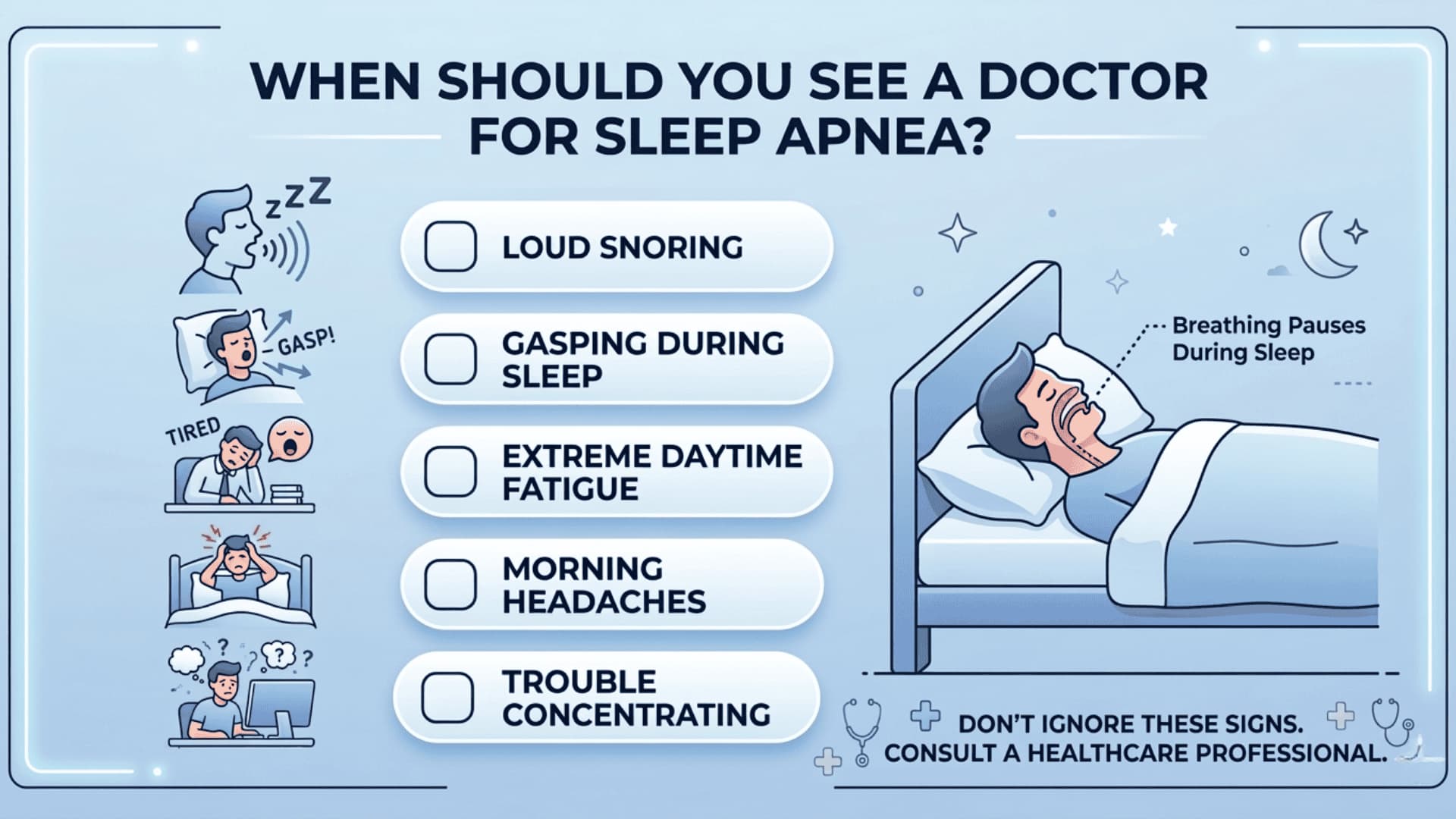
Most sleep apnea symptoms happen while you’re asleep, making them easy to miss. Here’s what your body is trying to tell you, both at night and during the day.
Nighttime Symptoms
These are the signs that typically happen while you sleep, and they’re often spotted by someone else in the room:
- Loud, chronic snoring: Not just the occasional snore, but persistent snoring night after night. However, some people experience sleep apnea without snoring, which can make the condition harder to recognize.
- Gasping, choking, or pauses in breathing: Your partner may notice you suddenly stop breathing, followed by a loud gasp as your body fights to restore airflow
- Waking up frequently throughout the night: Often without a clear reason, leaving you feeling restless and unsettled
- Waking up with a dry mouth or sore throat: A common sign that your mouth has been open all night, as your body compensates for restricted airflow
- Night sweats: Often overlooked, but recurring night sweats can be a subtle indicator of sleep apnea
Daytime Symptoms
This is where most people start connecting the dots. If you wake up after a full night of sleep and still feel exhausted, something is wrong.
Sleep apnea robs you of deep, restorative sleep, and your body feels it every single day.
- Excessive daytime sleepiness: Feeling drowsy even after 7–8 hours in bed is one of the most telling signs
- Morning headaches: Caused by drops in oxygen levels during the night
- Difficulty concentrating or brain fog: Struggling to focus, stay on task, or retain information throughout the day
- Irritability and mood swings: Chronic sleep deprivation takes a real toll on emotional regulation
- Depression or anxiety: Long-term sleep disruption is closely linked to mental health struggles
- Low libido: Reduced sleep quality affects hormone levels, which directly impacts sex drive
Recognizing these symptoms early is the first step toward getting your sleep and your health back on track. If any of these signs feel familiar, don’t brush them off.
Who Is at Risk for Sleep Apnea?
Sleep apnea can affect people of any age, but certain factors increase the risk more than others.
| Risk Factor | Details |
|---|---|
| Age | Risk increases with age, although children and young adults can also be affected. |
| Sex | Men are 2 to 3 times more likely than premenopausal women to have obstructive sleep apnea; the risk in women rises after menopause. |
| Obesity | Obesity increases risk because excess tissue around the neck and upper airway can narrow or block airflow. |
| Family History | Having a close relative with sleep apnea may increase your risk. |
| Alcohol and Sedatives | Both can relax the muscles of the upper airway, increasing the likelihood of airway collapse during sleep. |
Structural airway issues can also play a role. In some cases, a deviated septum may contribute to sleep-disordered breathing, although it is usually not one of the main causes of obstructive sleep apnea on its own.
Having one or more of these risk factors does not mean you will definitely develop sleep apnea, but it does mean the condition may be more likely and worth discussing with a doctor.
What Happens If Sleep Apnea Goes Untreated?
Untreated sleep apnea does more than leave you tired. Repeated breathing pauses can lower oxygen levels, disrupt deep sleep, and put growing strain on the heart, brain, metabolism, and overall quality of life over time.
- Persistent daytime exhaustion: Broken sleep can lead to severe fatigue, poor focus, memory problems, slower decision-making, and irritability throughout the day.
- Higher blood pressure and heart strain: Untreated sleep apnea is linked to hypertension, cardiovascular disease, and abnormal heart rhythms.
- Greater risk of stroke, diabetes, and metabolic problems: Ongoing oxygen drops and sleep disruption can worsen metabolic health, increase stroke risk, and may also contribute to weight gain by affecting hormones that regulate appetite and energy balance.
- Reduced safety and daily functioning: Poor sleep can affect work performance and relationships, and increase the risk of accidents and injuries.
- Potentially life-threatening complications: When severe sleep apnea is ignored, long-term health risks can build and become dangerous.
The effects of untreated sleep apnea often build gradually, which is why many people underestimate it. The good news is that proper diagnosis and treatment can reduce these risks, improve energy, and help protect long-term health
How Is Sleep Apnea Diagnosed?
If you’ve been waking up exhausted every morning and wondering why, a sleep apnea diagnosis might finally give you the answer you’ve been looking for. The process is simpler than most people think, and it all starts with one conversation with your doctor.
Your doctor will ask how you sleep, what symptoms you’ve noticed, and a bit about your health history. They may also do a quick physical check, including a look at your airway and neck size.
If sleep apnea seems likely, they’ll refer you for a sleep study. A sleep study provides detailed data about breathing, oxygen levels, brain activity, and sleep stages overnight.
It shows exactly what’s happening to your breathing while you sleep, so nothing gets missed. Take a look 3 types of sleep studies your doctor may prescribe.
- In-Lab Sleep Study (Polysomnography): You spend one night at a sleep clinic where painless sensors monitor your breathing, oxygen levels, heart rate, and brain activity for the most thorough results.
- Home Sleep Test: A small, easy-to-use device tracks your breathing and oxygen levels overnight from the comfort of your own bed. Simple, convenient, and stress-free.
- Split-Night Sleep Study: Done in the lab, the first half diagnoses sleep apnea and the second half dials in your treatment settings. One night, two jobs done.
There’s no one-size-fits-all approach here. Depending on your symptoms and lifestyle, your doctor will recommend the best option for you.
Sleep Apnea Treatment
Sleep apnea treatment has improved a lot, and most people feel relieved once they learn there are real options. The main goal is simple: keep your airway open, keep oxygen moving, and help you get deep, steady sleep again.
Your doctor will suggest a plan based on what’s causing your apnea and how severe it is.
CPAP therapy is the most common treatment. It uses a small bedside machine that delivers gentle airflow through a mask to keep your airway open.
When used every night, many people feel better fast, have more energy, clearer focus, and a better mood. Newer CPAP machines are quieter and more comfortable than older models.
If CPAP isn’t a good fit, other options may help, like BiPAP, oral appliances, or Inspire therapy for certain patients. Along with medical treatment, a few daily habits can also make symptoms easier to manage:
- Lose weight (even a little helps)
- Sleep on your side
- Avoid alcohol and sedatives
- Quit smoking
- Keep a steady sleep schedule
With the right plan, sleep apnea is manageable. The key is finding what you can stick with, so your breathing stays steady, and your sleep starts to feel truly restful again.
Living With Sleep Apnea
Getting diagnosed with sleep apnea isn’t the end of the road; it’s actually the beginning of feeling like yourself again. Yes, sleep apnea is a chronic condition.
But chronic doesn’t mean uncontrollable. With the right approach, it’s something you can manage very effectively and live well with.
The most important thing is staying consistent with your treatment. Regular follow-up appointments with your sleep specialist are just as important; they help track your progress, fine-tune your treatment, and catch any changes early.
Pay attention to how you feel day to day. More energy, better focus, and improved mood are all signs your treatment is working.
And remember, you don’t have to figure this out alone. Sleep support groups and patient communities exist for exactly this reason.
Small, consistent steps lead to big, lasting results.
Final Thoughts
Sleep apnea is more common than most people realize, and more dangerous than many give it credit for. People often ask, can sleep apnea kill you?
Untreated, it absolutely can take a serious toll on the heart, brain, and overall health over time. But what matters most is this: it’s also one of the most treatable sleep conditions out there.
From recognizing early symptoms to exploring the right treatment, every step taken brings someone closer to better sleep and better health.
Waking up exhausted every morning doesn’t have to be the new normal. Fatigue doesn’t have to win.
The answers are out there, and now, so is the knowledge to act on them.
Share this with someone who might need it. It could be the nudge that finally gets them the help they deserve.
Frequently Asked Questions
What Is the Difference Between Snoring and Sleep Apnea?
Snoring is caused by vibrating throat tissues. Sleep apnea involves a complete airway blockage that stops breathing entirely, making it far more serious than simple snoring.
When Is Surgery Necessary for Sleep Apnea?
Surgery is considered when CPAP and other treatments have failed, or when a structural issue, like enlarged tonsils or a narrow airway, is directly causing the blockage.
Is Sleep Apnea Covered by Insurance?
Most insurance plans, including Medicare, cover the diagnosis of sleep apnea and CPAP treatment when medically necessary. Always check your specific plan for coverage details and requirements.