

Shopping for bed sheets can feel overwhelming when you see terms like percale, sateen, and linen on every label. Each fabric promises something different, but what do these words actually mean?
If you’ve been thinking about what percale cotton is and how it stacks up against other popular bedding materials, you’re in the right place, especially if you’re also comparing percale vs sateen sheets.
This blog has everything you need to know about percale cotton, from how it’s made to how it feels on your skin.
By the end, you’ll understand the key differences between these fabrics and be ready to choose the sheets that match your sleep style perfectly.
What is Percale Cotton?
Percale cotton refers to a specific weaving method rather than a type of cotton. It uses a simple one-over, one-under pattern, like a checkerboard, creating a tight, balanced weave.
This structure typically results in sheets with a 200–400 thread count, but quality comes from the weave, not higher thread numbers.
The percale method produces fabric that feels crisp, cool, and smooth with a clean matte finish, which makes it a favorite for people who want hotel-style sheets at home.
Unlike regular cotton sheets, which may use looser weaves, percale’s precise structure makes it lightweight yet durable, breathable yet strong, ideal for those who prefer fresh, airy bedding with long-lasting comfort.
How Percale Cotton is Made
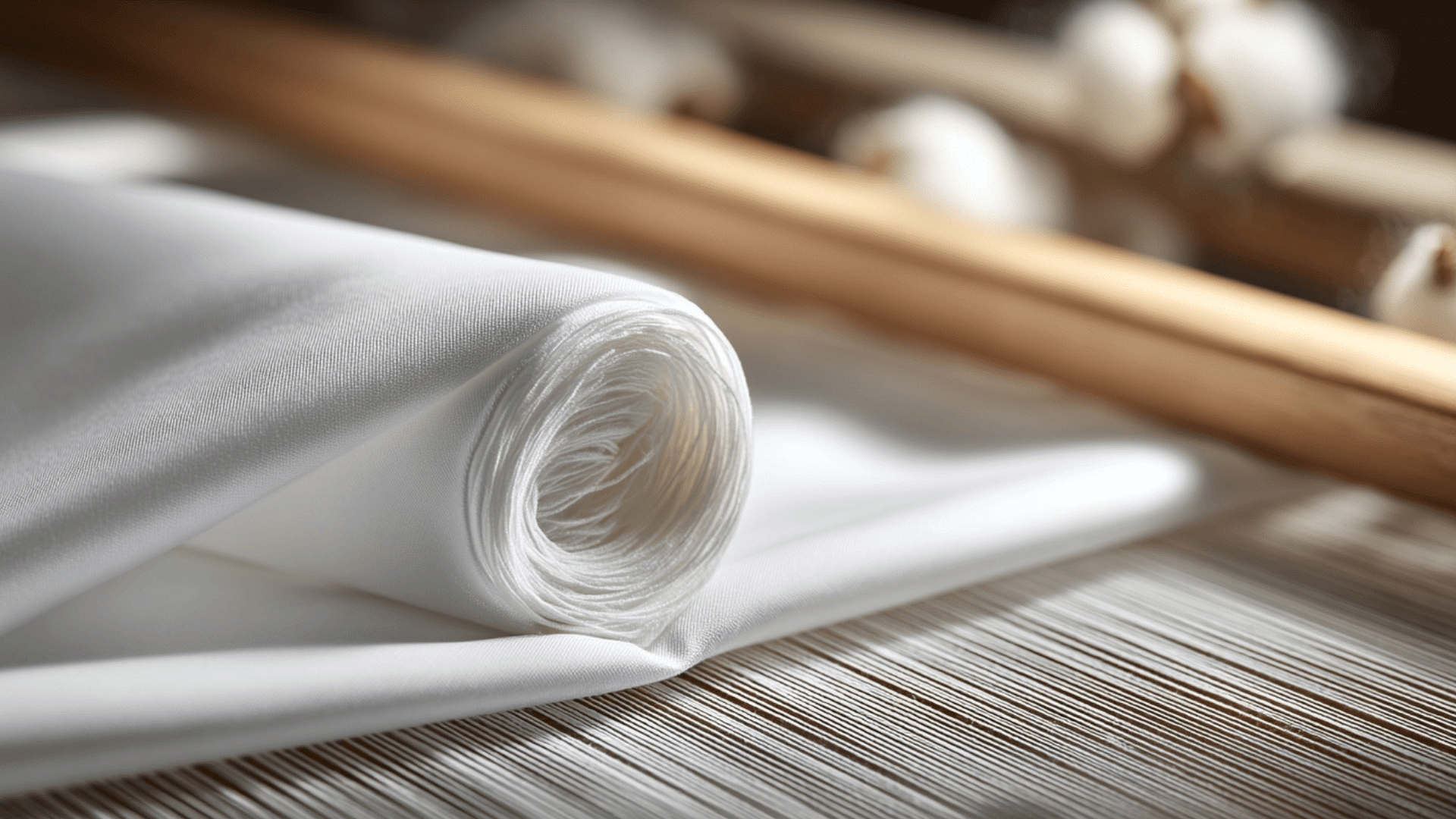
Creating quality percale sheets begins with choosing long-staple or extra-long-staple cotton, such as Egyptian or Pima, which produces smoother, stronger threads.
These fibers are woven using the signature one-over, one-under percale pattern, creating a balanced structure that keeps sheets breathable, durable, and resistant to shifting or wear.
After weaving, the fabric is finished through processes like combing to remove short fibers and calendaring to create a smooth surface.
Many manufacturers also use organic cotton and hold certifications such as OEKO-TEX or GOTS to ensure safety and sustainability. Together, these steps result in percale sheets that feel crisp, comfortable, and long-lasting.
Percale, Sateen, and Linen: Key Differences
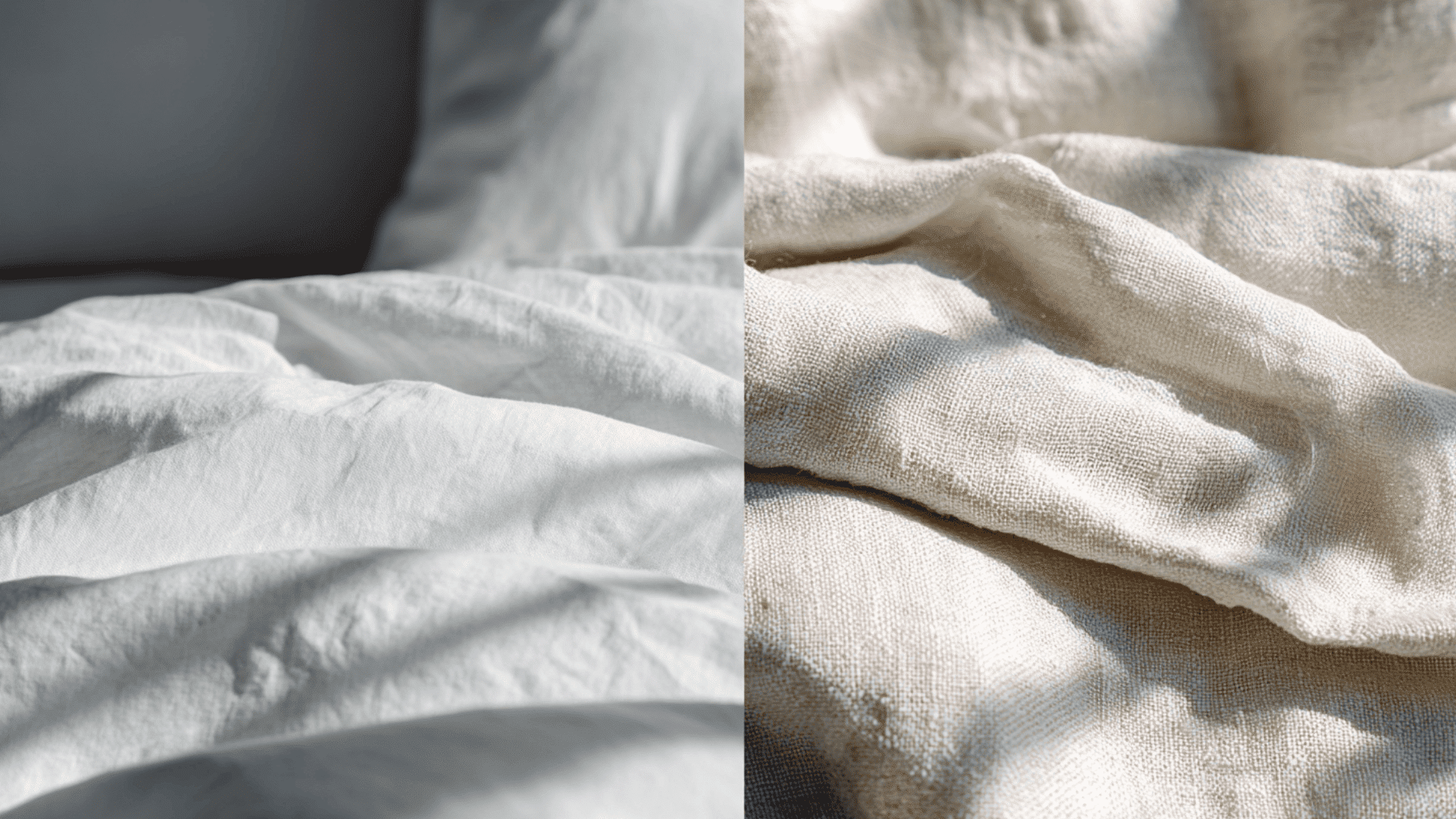
Choosing the right bedding fabric begins with understanding how each material feels, performs, and supports your sleep style.
Percale, sateen, and linen all offer their own advantages, crispness, silkiness, or natural texture, making them suited for different preferences.
1. Texture/Feel
Texture and feel describe how the fabric touches your skin. Percale offers a crisp, smooth matte finish, ideal for a fresh hotel-like feel.
Sateen feels silky, soft, and slightly shiny, adding a luxurious touch. Linen has a natural, textured feel with visible slubs, creating a relaxed, breathable, and cozy experience, which is why many shoppers also compare different linen sheets.
2. Material
Material refers to the raw fibers used to make the sheets. Percale and sateen are both made from cotton, but woven differently.
Linen is made from flax fibers, known for their strength, breathability, and natural texture. The material affects durability, softness, airflow, and long-term comfort, shaping your overall sleeping experience.
3. Weave Pattern
The weave pattern determines how threads interlace to form the fabric. Percale uses a tight one-over, one-under weave for crispness and durability.
Sateen uses more threads for a silky, lustrous finish. Linen typically uses a plain weave with natural slubs, giving it its signature texture and breathability.
4. Temperature
Temperature relates to how the fabric regulates heat while you sleep. Percale is cool and breathable, perfect for warm sleepers or hot climates. Sateen feels slightly warmer and cozier, ideal for cooler months.
Linen adapts well, cool in summer and naturally insulating in winter, offering year-round temperature balance and comfort.
5. Durability
Durability describes how well the fabric resists wear over time. Percale’s balanced weave makes it exceptionally strong and resistant to pilling.
Sateen is soft but slightly more prone to snags due to its looser weave. Linen ranks highest in durability, becoming softer with age while maintaining its long-lasting strength.
5. Comfort Level
Comfort level refers to the overall feel and sleep experience. Percale offers a crisp, refreshing “hotel sheet” sensation.
Sateen delivers a smooth, silky feel ideal for those who enjoy softness and warmth. Linen provides a relaxed, breathable, organic comfort that improves with time, perfect for laid-back, natural bedding lovers.
Choosing the Right Fabric: Percale vs. Linen vs. Sateen
Selecting the perfect bedding comes down to your sleep temperature, texture preference, and desired look. Below is a concise comparison of percale, linen, and sateen to help you decide with confidence:
| Feature | Percale | Linen | Sateen |
|---|---|---|---|
| Feel | Crisp, smooth, matte | Textured, airy, lived-in | Silky, soft, slight sheen |
| Sleep Temperature | Cool; ideal for hot sleepers | Adapts to seasons | Warm; great for cold sleepers |
| Climate Fit | Best for humid or hot climates | Works in all climates | Better for cool or dry climates |
| Care Level | Low-maintenance | Needs gentle care; wrinkles easily | Moderate care |
| Look | Fresh, clean, hotel-like | Natural, relaxed | Luxurious, classic |
Choosing between these fabrics depends on how you sleep and the vibe you want to create in your bedroom. Pick the one that complements your comfort and style for the best night’s rest.
Benefits of Percale Cotton
Percale cotton is known for its crisp feel, natural breathability, and long-lasting quality. Its balanced weave makes it a favorite for sleepers who want comfort without compromising durability.
- Highly breathable: The one-over-one-under weave promotes airflow, keeping sleepers cool and dry.
- Crisp, cool feel: Naturally refreshing against the skin, ideal for hot sleepers and warm climates.
- Long-lasting strength: Tight weave structure resists tearing and maintains durability over years of use.
- Softens over time: Becomes smoother with every wash without losing its crisp character.
- Skin-friendly & low-maintenance: Allergy-safe, resists pilling, and easy to wash, no special care required.
Percale cotton offers year-round comfort and impressive durability, delivering a crisp yet soft feel that only gets better with time.
How to Care for Percale Cotton
Caring for percale sheets is straightforward and keeps them soft, strong, and comfortable for years. With simple washing and drying habits, you can maintain their freshness without special products.
Here are the key care tips to follow for long-lasting percale bedding:
- Use mild washing habits: Wash in cold or warm water with gentle detergent; avoid hot water to protect fibers.
- Skip fabric softeners: They coat threads and reduce breathability. Percale softens naturally with each wash.
- Dry on low heat: High heat can weaken fibers; line-drying is the gentlest and helps maintain longevity.
- Minimize wrinkles: Shake out sheets before drying and remove promptly or while slightly damp.
- Enjoy natural softening: Percale becomes softer over time thanks to its tight weave and cotton fibers.
A little care goes a long way; these simple steps keep percale sheets crisp, comfortable, and durable for everyday use.
Final Thoughts
Understanding what percale cotton offers makes choosing the right bedding feel much simpler.
Its crisp, breathable nature is ideal for anyone who prefers a lightweight, refreshing sleep surface, especially in warm climates or if you tend to sleep hot.
And now that you’ve seen how percale differs from the silky feel of sateen or the textured charm of linen, it’s easier to recognize which fabric truly matches your personal comfort.
Every material brings something unique to your space, so the best choice is the one that feels right for your sleep style and temperature needs.
With this clarity, you can wrap up your search with confidence and enjoy bedding that helps you sleep comfortably night after night!