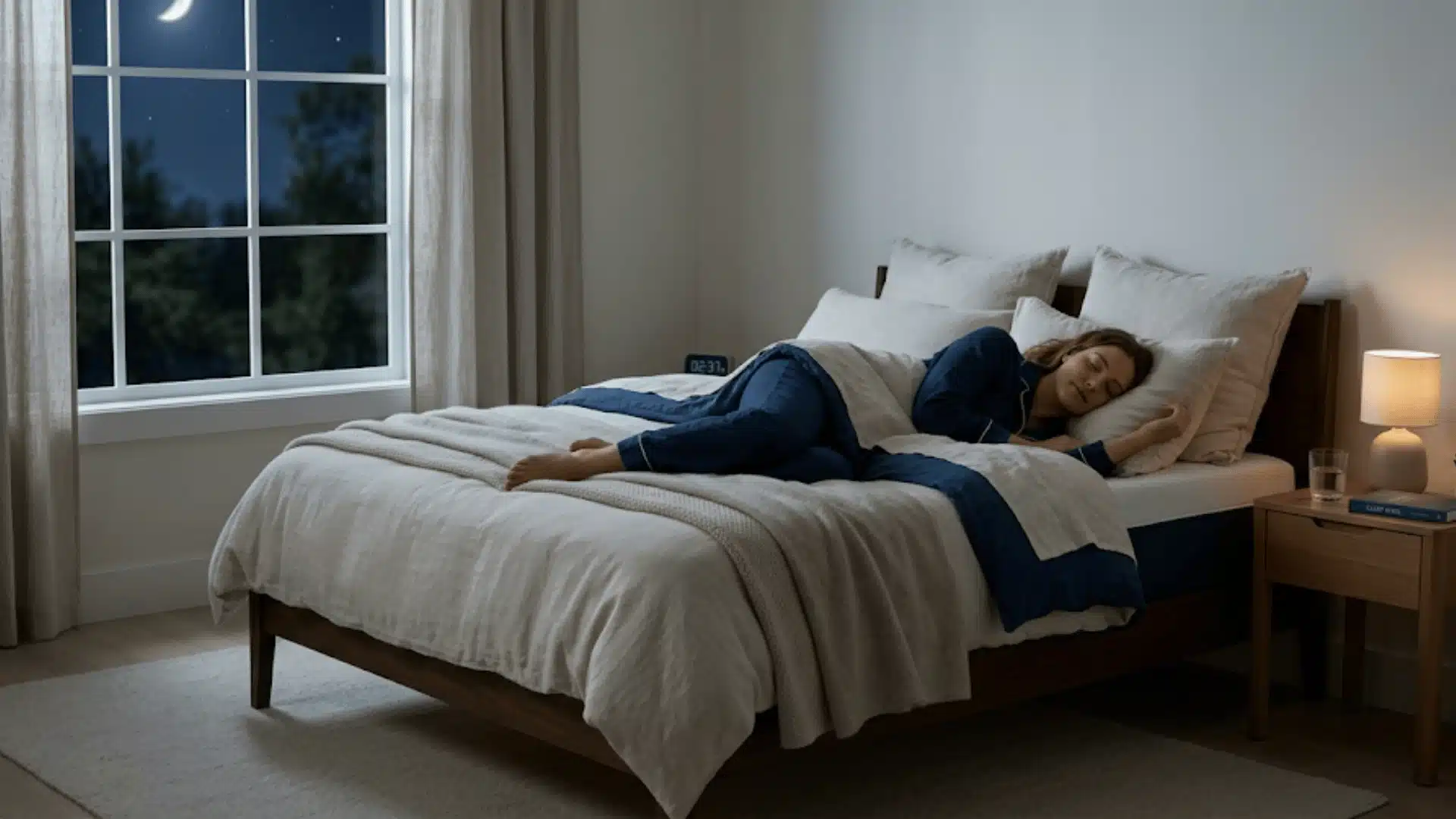



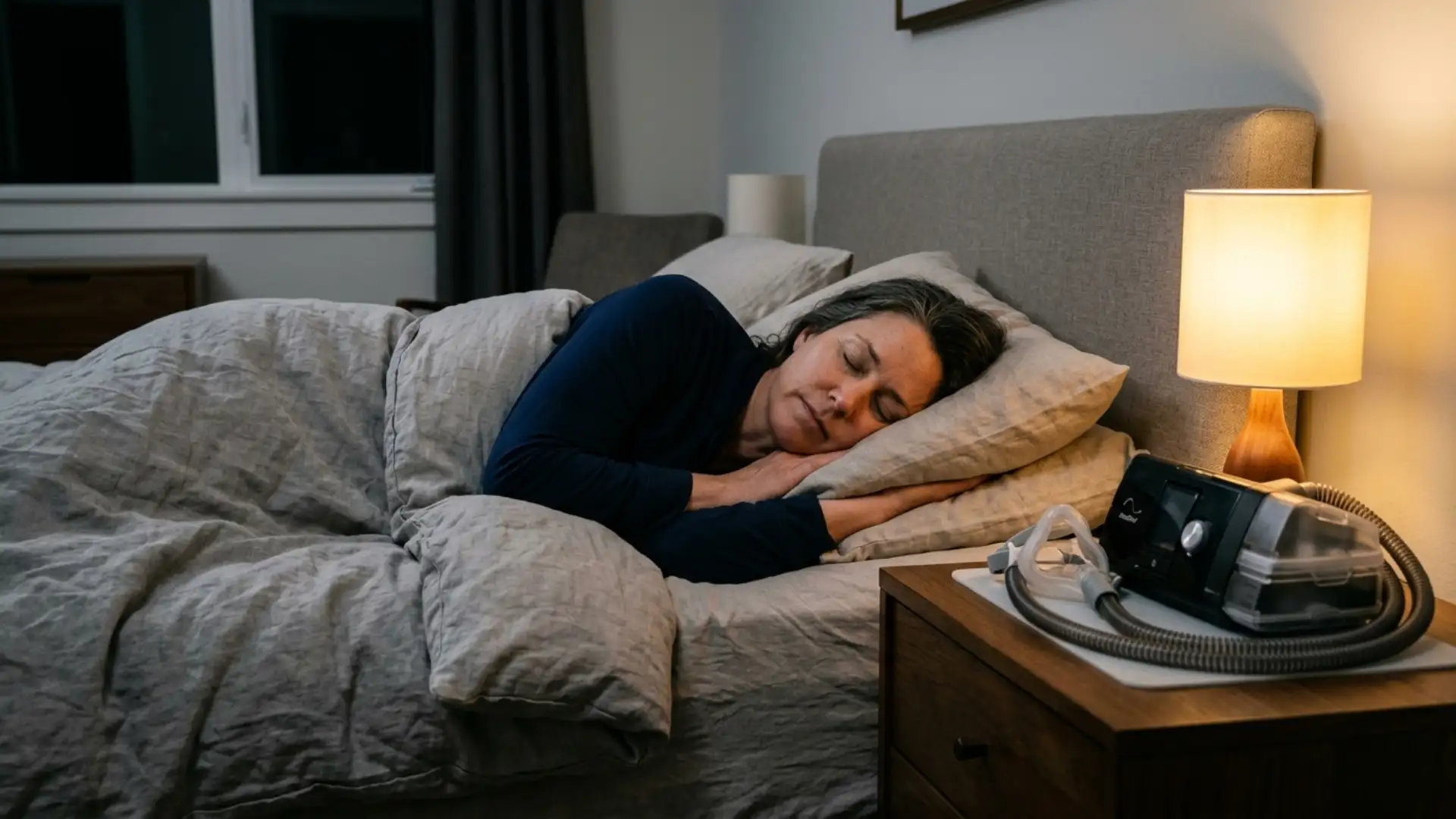
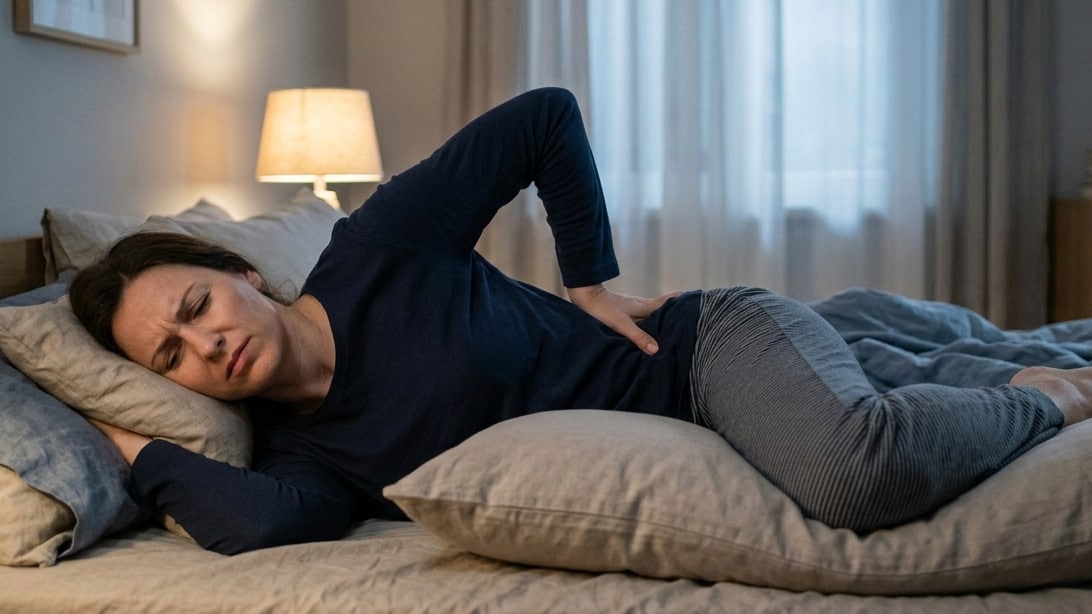
Waking up with a stiff, aching back is never a good way to start your day. And if it keeps happening, your mattress might be the problem.
But here’s where it gets tricky: the debate over a soft or firm mattress for lower back pain isn’t as straightforward as you might think.
You’ve probably heard both sides. Some people swear by a plush, cloud-like mattress. Others insist a firm surface is the only way to go.
But what does your back actually need? The answer isn’t black and white. And once you learn the truth, you may never look at your mattress the same way again.
Why Your Mattress Matters for Lower Back Pain
You spend roughly a third of your life in bed. That’s a lot of hours for your spine to either recover or suffer. Your mattress does more than just give you a place to sleep.
It directly affects how your spine is supported throughout the night. When your mattress isn’t right for your body, your muscles stay tense, your spine falls out of alignment, and you wake up feeling worse than when you went to bed.
Think about it. No amount of stretching or pain relief gel will fully fix the problem if you’re going back to the same unsupportive mattress every night. Your sleep surface matters more than you think. And the wrong one could be quietly working against you.
Soft vs Firm Mattress for Lower Back Pain
So, you’re stuck choosing between soft and firm, and honestly, it’s not as simple as picking your favorite. Both have real benefits for lower back pain, but they work differently depending on your body and sleep style.
| Feature | Soft Mattress | Firm Mattress |
|---|---|---|
| Best For | Side sleepers, lighter body types | Back/stomach sleepers, heavier body types |
| Spinal Support | Conforms to curves | Keeps spine neutrally aligned |
| Pressure Relief | High | Moderate |
| Motion Transfer | More noticeable | Less noticeable |
| Durability | Wears faster | Lasts longer |
| Lower Back Feel | Cushions the lumbar area | Prevents sinkage |
Neither option is perfect for everyone. But once you understand how each one interacts with your body, making the right call becomes a whole lot easier.
When to Choose Which Mattress
Knowing the difference is one thing, but knowing what works for you is another. Your sleep position, body weight, and pain points all play a role in this decision.
Choose a Soft Mattress When:
- You sleep on your side most of the night
- You have a lighter body frame
- You feel pressure building up around your hips and shoulders
Avoid a Soft Mattress When:
- You’re a heavier body type
- You wake up feeling like your back has caved inward
Choose a Firm Mattress When:
- You’re a back or stomach sleeper
- You tend to sink too deep into softer surfaces
- You want your lower back supported without any give
Avoid a Firm Mattress When:
- You have joint sensitivity or hip pain
- Your pressure points feel sore after a night’s sleep
The right mattress isn’t just about comfort. But matching it to your actual sleep habits can make a genuine difference for your lower back.
Choose Your Mattress Based on Your Sleep Position
Your sleep position says a lot about what your spine needs at night. And honestly, this one factor alone can point you straight toward the right mattress choice.
- Side Sleepers: A softer mattress cushions your hips and shoulders, keeping your spine from bending awkwardly
- Back Sleepers: A medium-firm mattress supports the natural curve of your lower back without letting it sink
- Stomach Sleepers: A firm mattress keeps your hips level and stops your lower back from arching too much
- Combination Sleepers: A medium mattress gives you the balance of both, so you’re covered no matter how you shift at night
So before anything else, pay attention to how you naturally sleep. Your position is the first clue your body gives you, and it’s worth listening to.
Why Medium-Firm Mattresses are Often the Best Choice
Can’t decide between soft and firm? You’re not alone. And that’s exactly why medium-firm mattresses have become the go-to recommendation for people with lower back pain.
Here’s the thing: a medium-firm mattress doesn’t force you to pick a side. It gives your spine the support it needs while still cushioning the areas that take the most pressure.
Studies have actually shown that people with chronic lower back pain reported better sleep and less discomfort on medium-firm surfaces.
It’s the middle ground that works for most sleep positions and most body types. Not too soft that your hips sink. Not too rigid that your joints ache. Just the right amount of support where your back needs it most.
Many of the models considered among the best mattresses for back painuse medium-firm support because it tends to keep the spine properly aligned.
Choosing the Right Mattress Firmness Based on Body Weight
Your body weight plays a bigger role in mattress choice than most people realize. And what feels supportive for one person can feel completely wrong for another simply because of size differences.
| Body Type | Weight Range | Recommended Firmness | Why It Works |
|---|---|---|---|
| Lightweight | Under 130 lbs | Soft to Medium | Softer surfaces contour better to lighter frames |
| Average | 130 — 230 lbs | Medium to Medium-Firm | Balances support and pressure relief evenly |
| Heavyweight | Over 230 lbs | Firm to Extra-Firm | Prevents excessive sinkage and keeps the spine aligned |
So don’t just pick a mattress based on feel alone. Your weight directly influences how a mattress responds to your body, and getting that match right can seriously change how your lower back feels each morning.
Warning Signs Your Current Mattress Is Hurting Your Back
Sometimes the problem isn’t how you sleep, it’s what you’re sleeping on. And your body has a way of sending clear signals when your mattress has stopped doing its job.
- You wake up with stiffness every single morning: occasional soreness is normal, but daily stiffness that eases after you move around for a bit points to poor overnight support.
- Your back feels better after sleeping elsewhere: If a hotel bed or even a couch feels like a relief, that says everything. You shouldn’t need to leave home to sleep without pain.
- You notice visible sagging or lumps: An uneven surface throws your spine out of alignment all night long. Even a small dip in the middle can create big problems for your lower back over time.
- You toss and turn constantly: Constant repositioning often means your body is searching for comfort, but it simply isn’t finding it. And broken sleep makes pain feel even worse the next day.
- Your pain has gradually gotten worse over time: A slow but steady increase in back pain is a quiet yet serious red flag. If nothing else in your routine has changed, your mattress is likely the culprit.
Don’t ignore these signs. Your mattress has a lifespan, and pushing past it could turn a manageable ache into a long-term problem.
Best Mattress Types for Lower Back Pain
Not all mattresses are built the same, and the material inside matters just as much as the firmness level. Knowing which type suits your back can save you a lot of guesswork.
| Mattress Type | Firmness Range | Best For | Key Benefit |
|---|---|---|---|
| Memory Foam | Soft to Medium-Firm | Pressure relief seekers | Contours closely to your body shape |
| Innerspring | Medium to Firm | Those needing strong support | Solid core keeps spine well-aligned |
| Latex | Medium to Firm | Natural support seekers | Responsive and durable with good bounce |
| Hybrid | Medium to Medium-Firm | Most sleeper types | Combines foam comfort with innerspring support |
| Orthopedic | Firm | Chronic back pain sufferers | Specifically designed for spinal support |
Each type brings something different to the table. But matching the right one to your body type and sleep position is what truly makes the difference for your lower back.
How to Choose the Right Mattress for Your Lower Back
Choosing a mattress isn’t just about what looks good or feels nice in a showroom. Your lower back has specific needs, and a few simple steps can help you land on the right choice.
- Start with your sleep position: It’s the single biggest factor in deciding firmness. Back, side, and stomach sleepers all need something different, so know yours before anything else.
- Factor in your body weight: A mattress responds differently depending on your size. And what feels firm to one person might feel completely soft to another.
- Always try before you buy: Spend at least 10 to 15 minutes lying on a mattress in your actual sleep position. A quick sit won’t tell you anything useful.
- Look for a solid trial period: Many brands offer 90 to 100-night trials. Use them. Your back needs real nights of sleep to give you an honest verdict.
- Don’t chase the lowest price: A cheap mattress rarely supports your spine well. But you also don’t need to break the bank, just focus on quality over cost.
Finding the right mattress takes a little patience. But making a smart, informed choice now could save your lower back from years of unnecessary pain.
Top Mattress Recommendations for Lower Back Pain
With so many options out there, finding the right mattress for lower back pain can feel overwhelming. But you don’t have to sort through hundreds of choices alone.
1. Saatva Rx
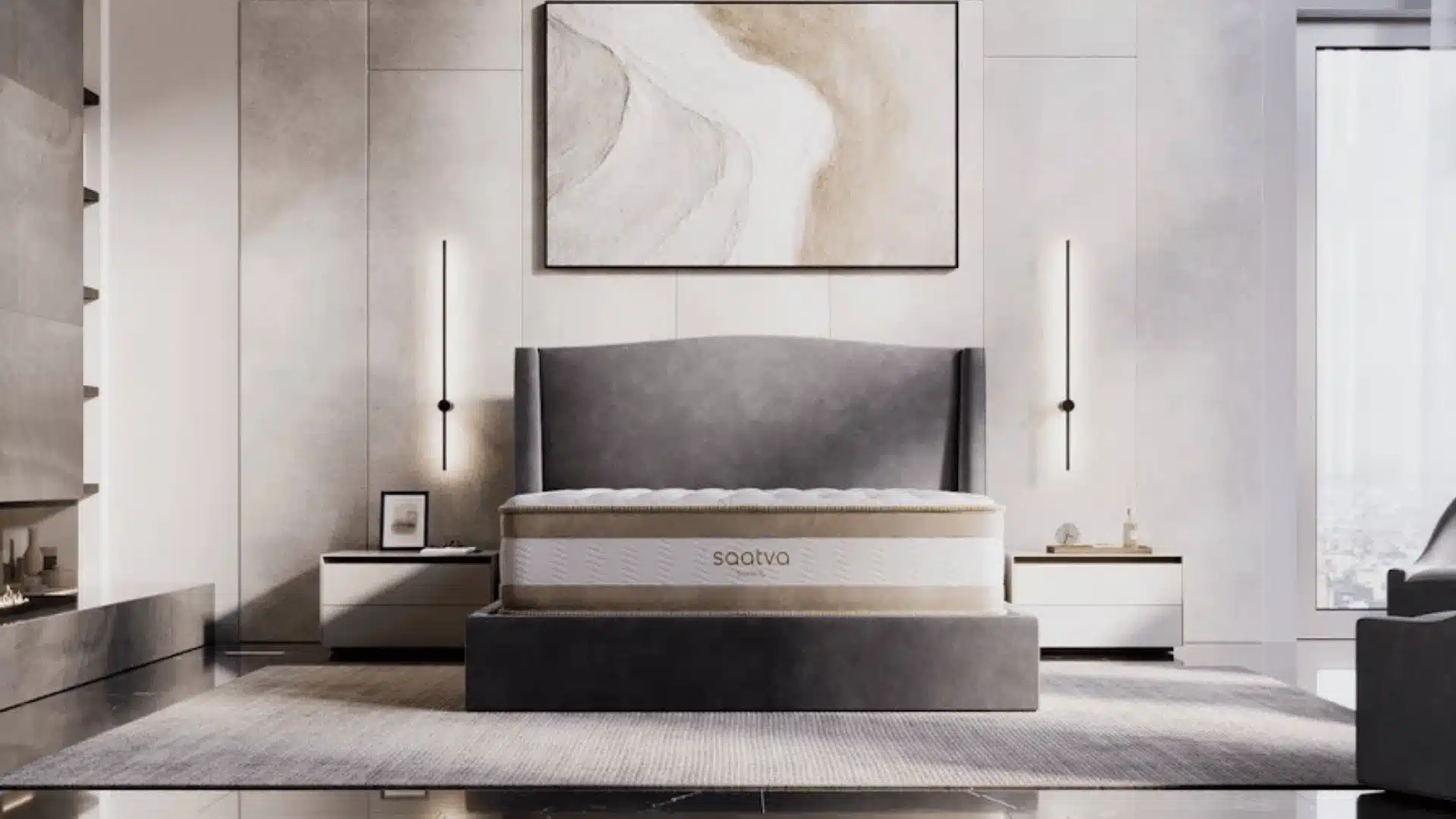
Saatva Rx is specifically built for people with serious back and joint issues. It’s one of the few mattresses designed with medical-grade support in mind, and it shows.
- Firmness Level: Medium-Soft
- Best For: Back/side sleepers with chronic pain, all body types
- Key Back-Pain-Friendly Features: Lumbar zone support, micro-coils, pressure relief layers
- Price Range: $2,000 – $3,500
2. WinkBed (Luxury Firm)
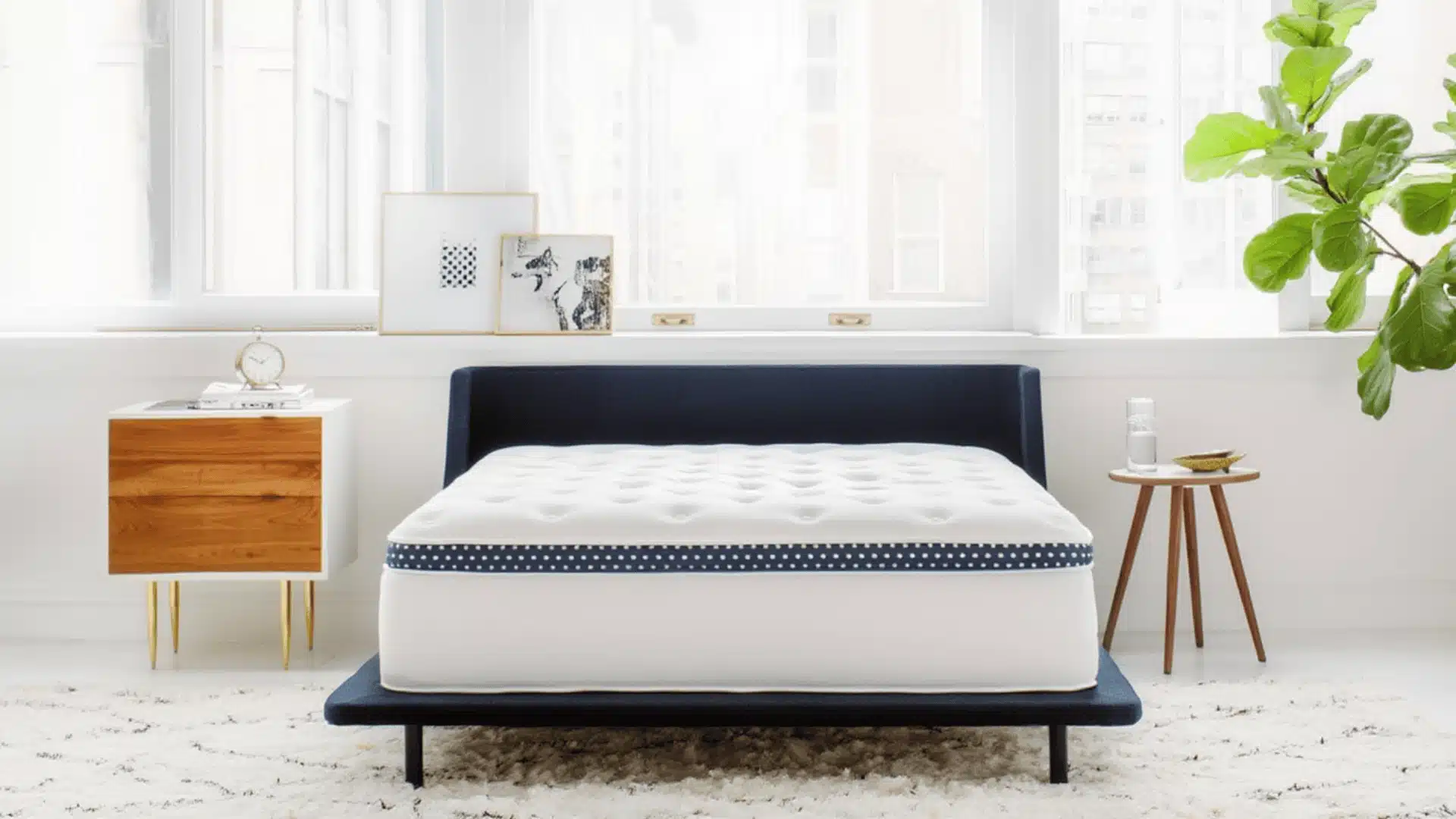
The WinkBed Luxury Firm is built for those who need serious support without sacrificing comfort. It’s sturdy but not punishing, a rare combination that works well for lower back pain.
- Firmness Level: Luxury Firm (7.5/10)
- Best For: Back/stomach sleepers, heavier body types
- Key Back-Pain-Friendly Features: Zoned lumbar support, reinforced edges, hybrid construction
- Price Range: $1,599 – $2,499
3. Helix Midnight Luxe (with ErgoAlign)
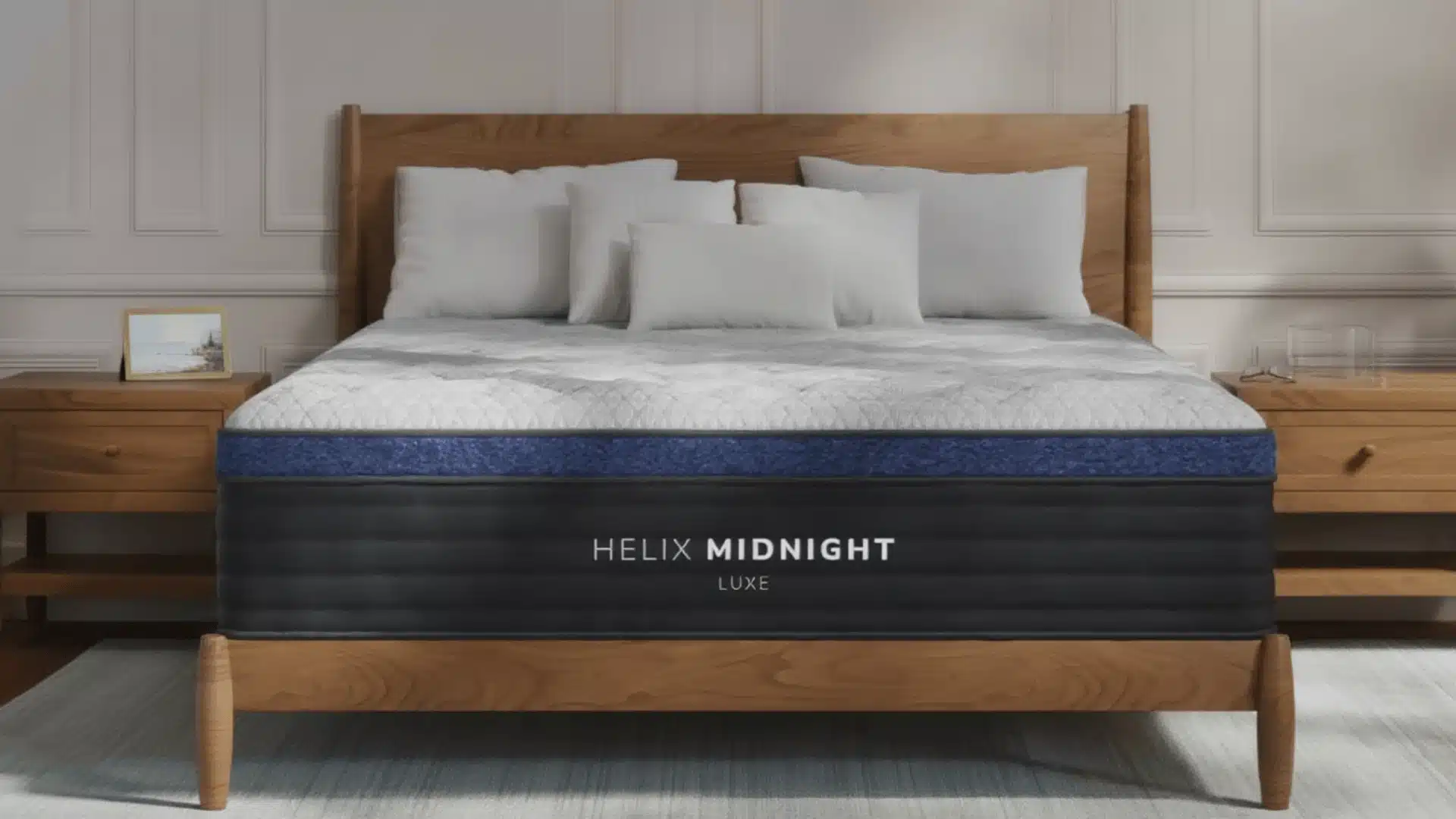
Helix Midnight Luxe is a premium hybrid built for side sleepers dealing with back pain. The ErgoAlign system targets lumbar support directly, making it one of the most back-friendly options available.
- Firmness Level: Medium
- Best For: Side sleepers, lightweight to average body types
- Key Back-Pain-Friendly Features: ErgoAlign lumbar support, zoned coils, memory foam comfort layer
- Price Range: $1,500 – $2,000
4. Nectar Premier Hybrid
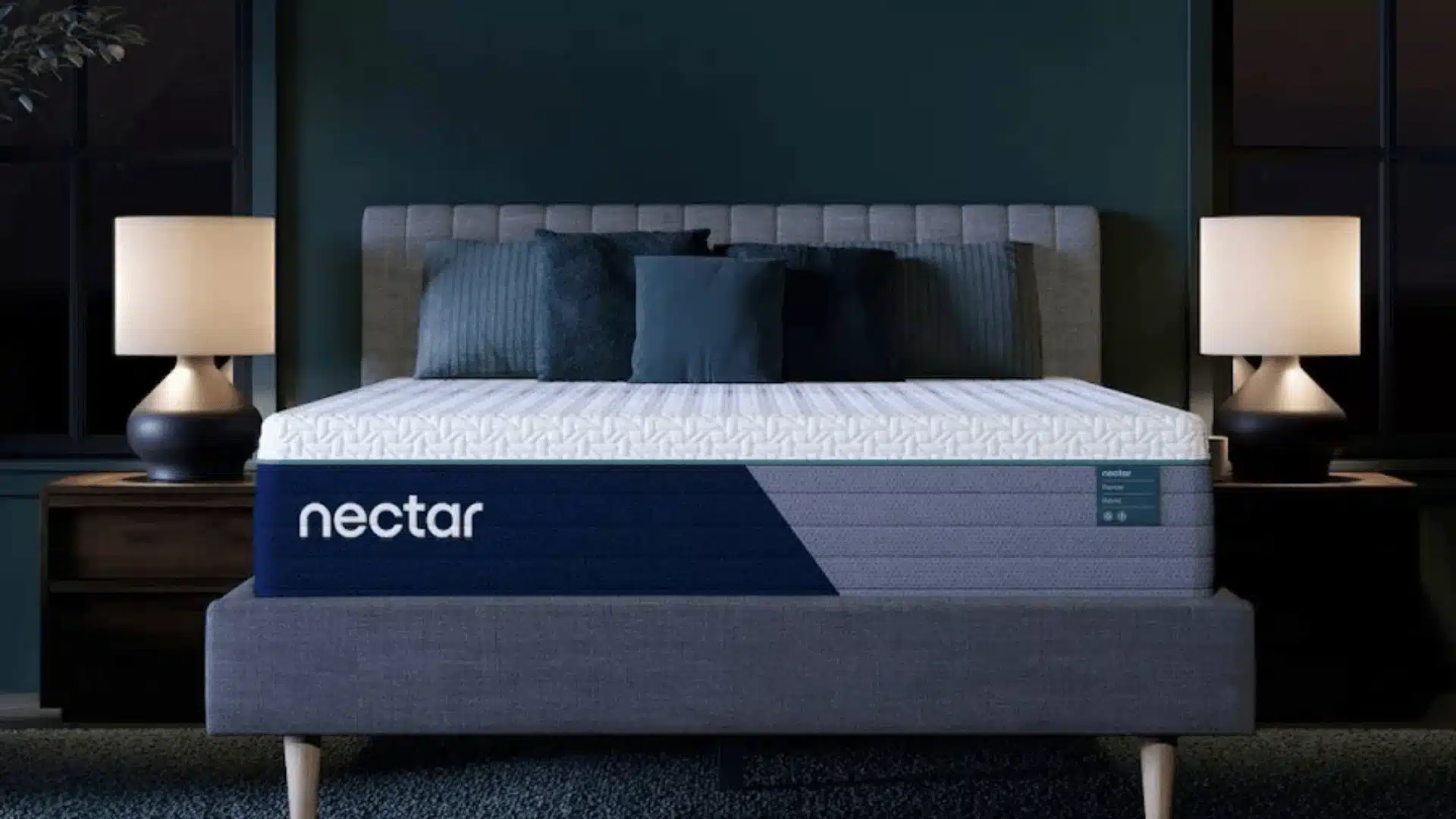
The Nectar Premier Hybrid blends memory foam comfort with innerspring support. It’s a solid mid-range pick for back pain sufferers who want real pressure relief without the steep price tag.
- Firmness Level: Medium-Firm
- Best For: Back/side sleepers, average body types
- Key Back-Pain-Friendly Features: Adaptive foam layers, cooling gel, strong motion isolation
- Price Range: $1,299 – $1,999
5. DreamCloud Premier Hybrid
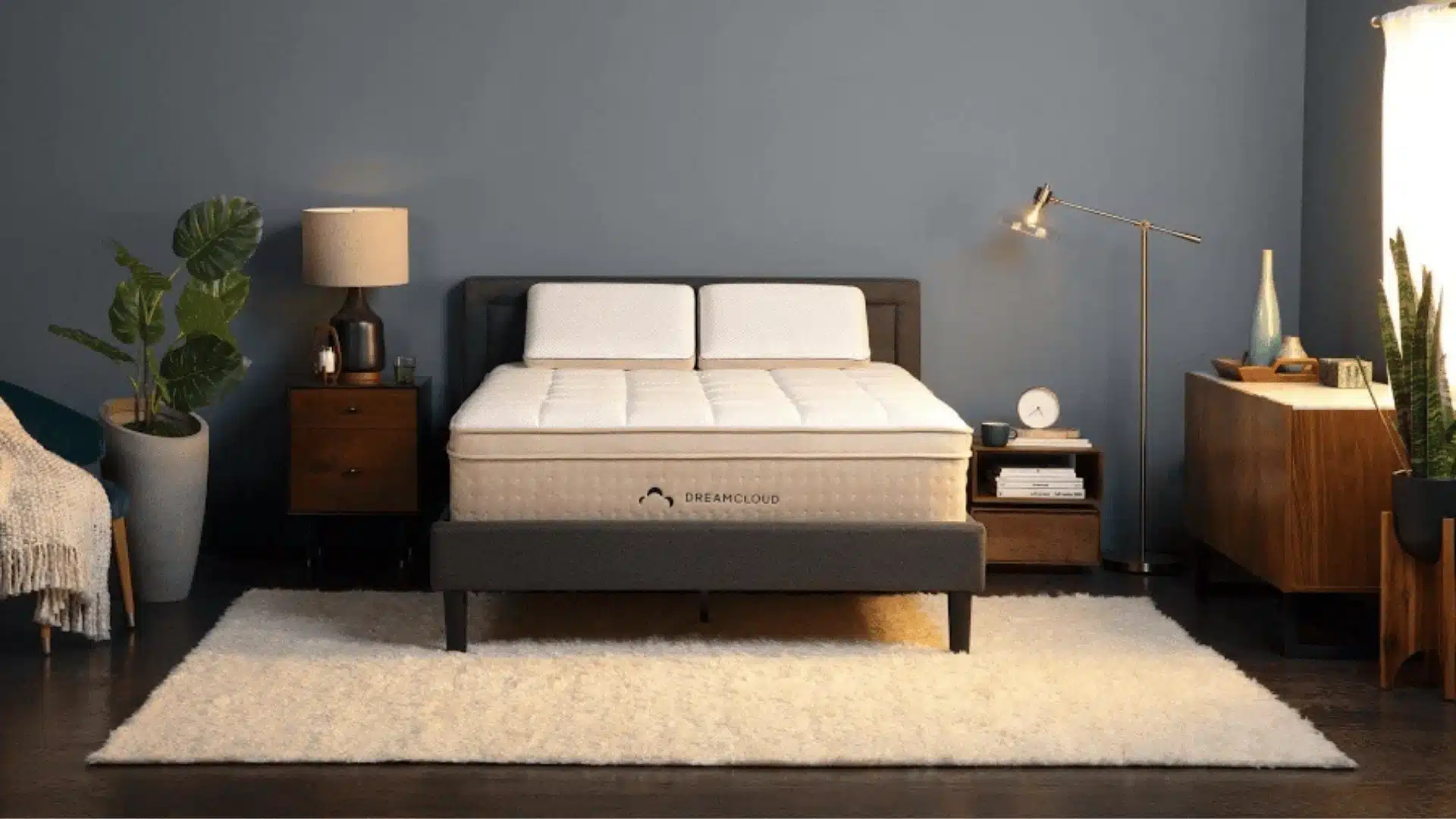
The DreamCloud Premier Hybrid delivers a luxurious feel without compromising on back support. It’s a great all-rounder if you want a plush top layer with a solid supportive core underneath.
- Firmness Level: Medium-Firm
- Best For: Back/combination sleepers, average to heavier body types
- Key Back-Pain-Friendly Features: Cashmere-blend top, zoned coils, reinforced lumbar area
- Price Range: $1,332 – $1,999
6. Bear Elite Hybrid
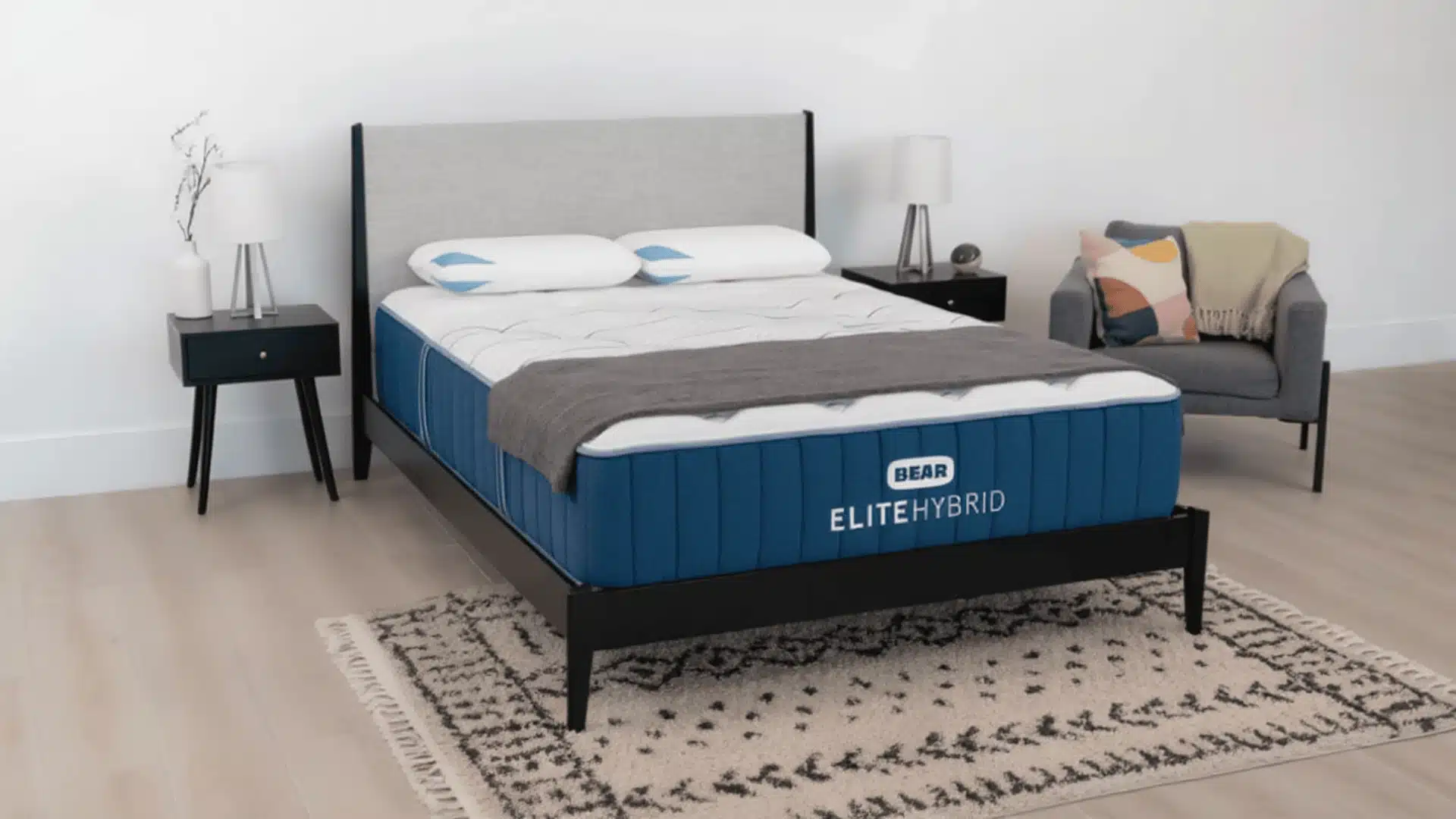
Bear Elite Hybrid is designed with active sleepers and muscle recovery in mind. If your back pain is tied to physical activity or tension, this one was practically built for you.
- Firmness Level: Medium, Medium-Firm, or Firm
- Best For: Active sleepers, all body types
- Key Back-Pain-Friendly Features: Copper-infused foam, zoned support, Celliant cover for recovery
- Price Range: $1,748 – $2,248
7. Saatva Classic
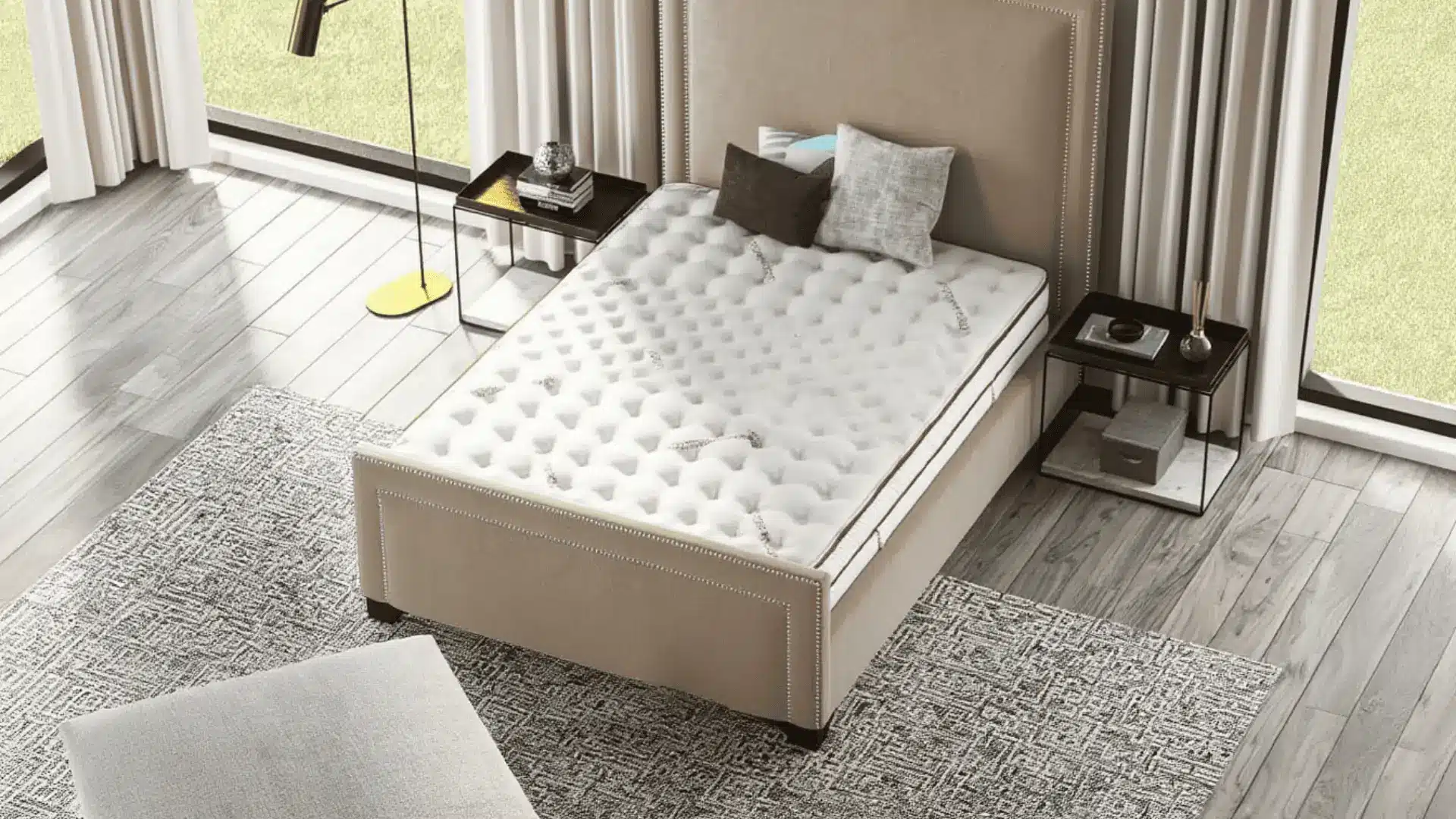
Saatva Classic is a well-known name in the back pain world, and for good reason. It pairs coil-on-coil construction with a euro pillow top for support and comfort wrapped into one.
- Firmness Level: Luxury Firm (6/10)
- Best For: Back/stomach sleepers, average to heavier body types
- Key Back-Pain-Friendly Features: Dual coil system, lumbar crown support, durable construction
- Price Range: $1,795 – $2,000
8. Nolah Evolution 15

Nolah Evolution 15 is a tall, supportive hybrid that handles pressure relief exceptionally well. It’s particularly good if you deal with lower back pain alongside hip or shoulder discomfort at night.
- Firmness Level: Plush, Luxury Firm, or Firm
- Best For: Side/back sleepers, all body types
- Key Back-Pain-Friendly Features: AirFoamICE layer, zoned coils, 15-inch profile for deep support
- Price Range: $1,100 – $1,800
9. Brooklyn Bedding Aurora Luxe
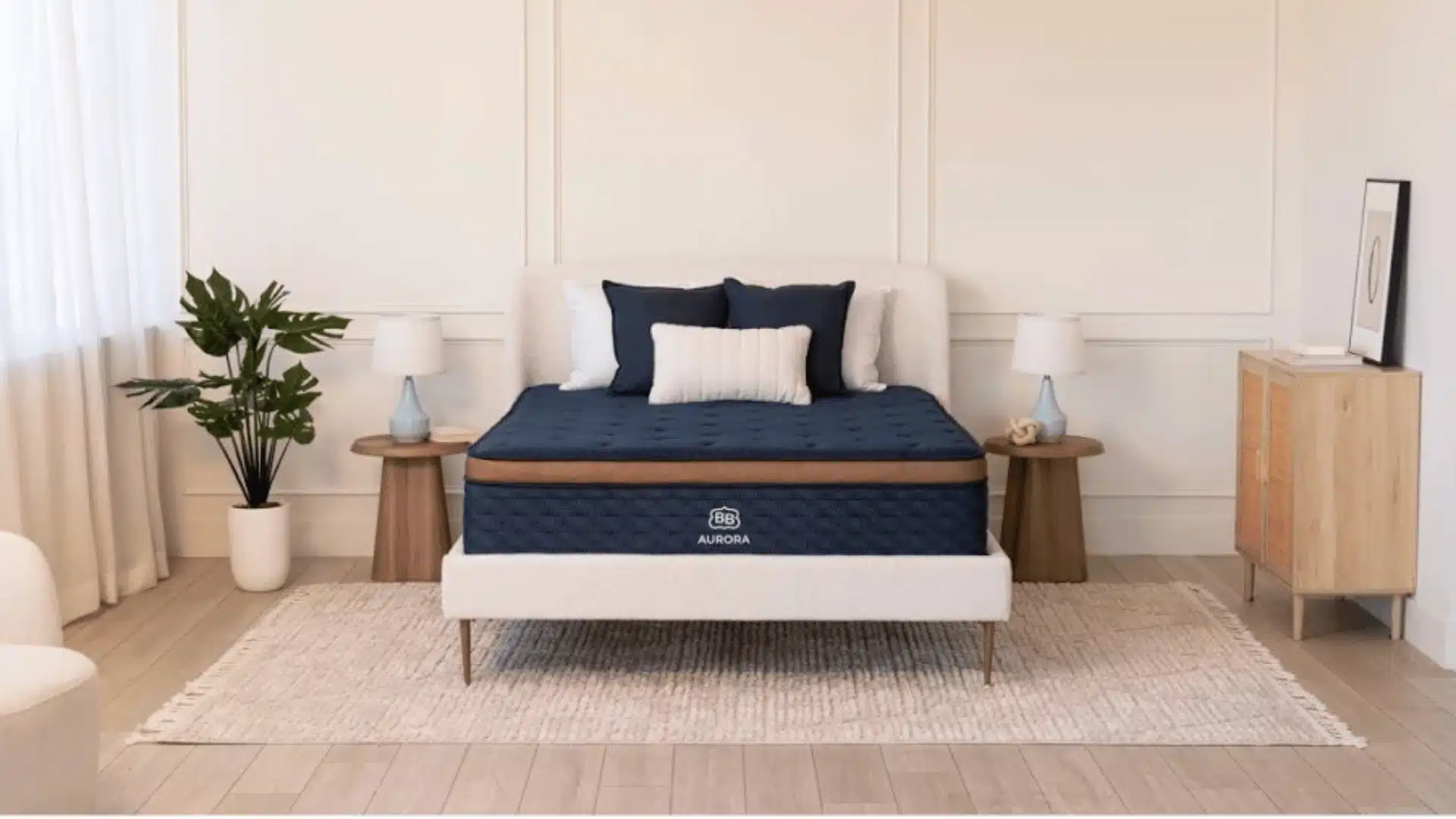
Brooklyn Bedding Aurora Luxe stands out for its cooling technology and solid back support. It’s a great pick if you run hot at night but still need serious lumbar relief throughout your sleep.
- Firmness Level: Soft, Medium, or Firm
- Best For: Hot sleepers with back pain, all body types
- Key Back-Pain-Friendly Features: CopperFlex foam, zoned coils, TitanCool surface
- Price Range: $1,200 – $1,500
10. Leesa Sapira Chill
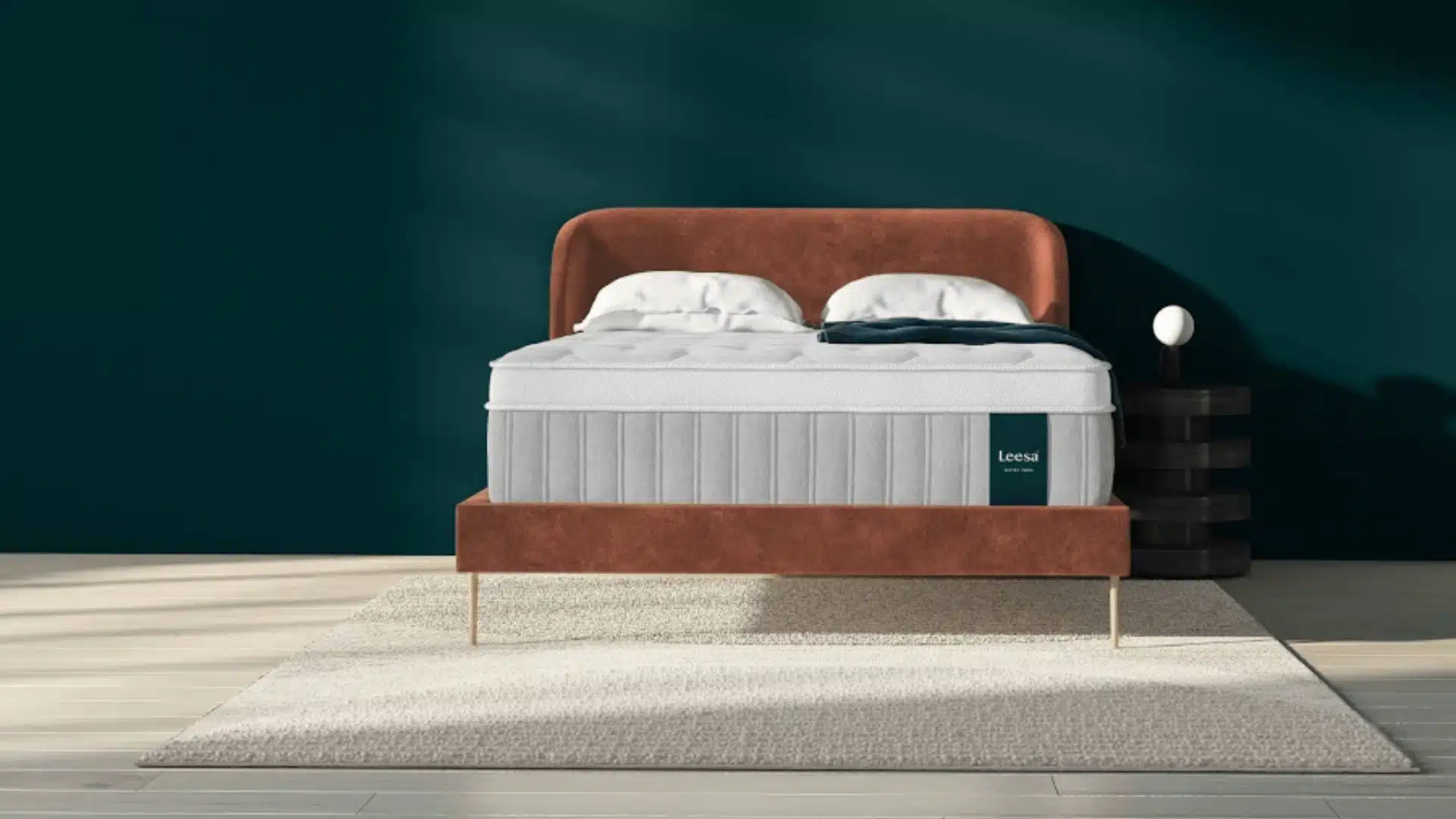
Leesa Sapira Chill brings together responsive foam and pocketed coils for a well-balanced sleep experience. It’s a reliable choice if your lower back needs consistent support without feeling locked in place.
- Firmness Level: Medium-Firm
- Best For: Back/combination sleepers, average body types
- Key Back-Pain-Friendly Features: Cooling foam layers, pocketed coils, targeted lumbar zone
- Price Range: $1,300 – $1,800
11. Amerisleep AS2
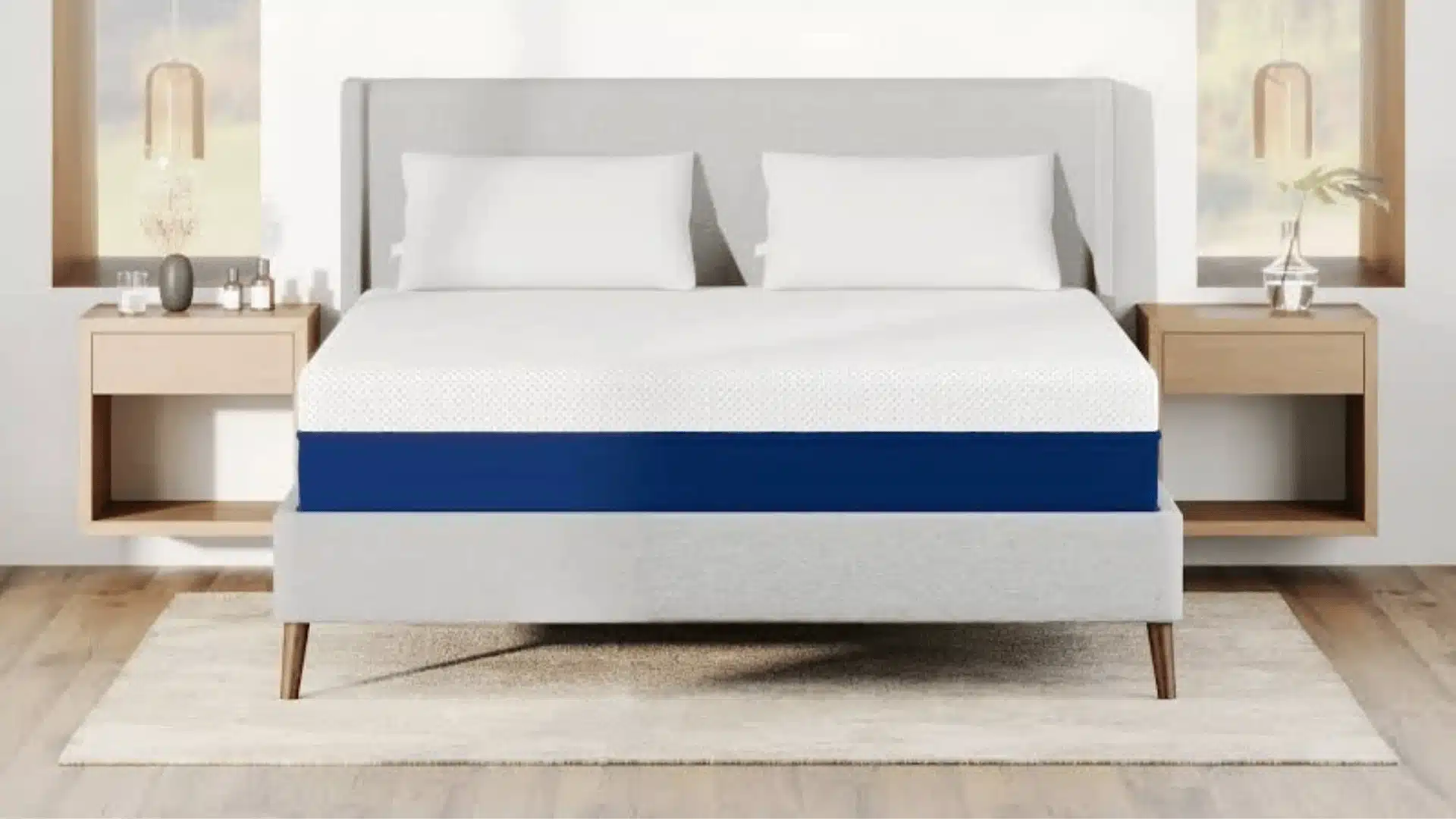
Amerisleep AS2 is a Clean, straightforward, and purpose-built mattress for back and stomach sleepers. It focuses on targeted lumbar support without overcomplicating the design, and that simplicity works in your favor.
- Firmness Level: Medium-Firm
- Best For: Back/stomach sleepers, lightweight to average body types
- Key Back-Pain-Friendly Features: Bio-Pur foam, HIVE zoned support technology, pressure relief
- Price Range: $1,049 – $1,400
12. Plank Firm Luxe
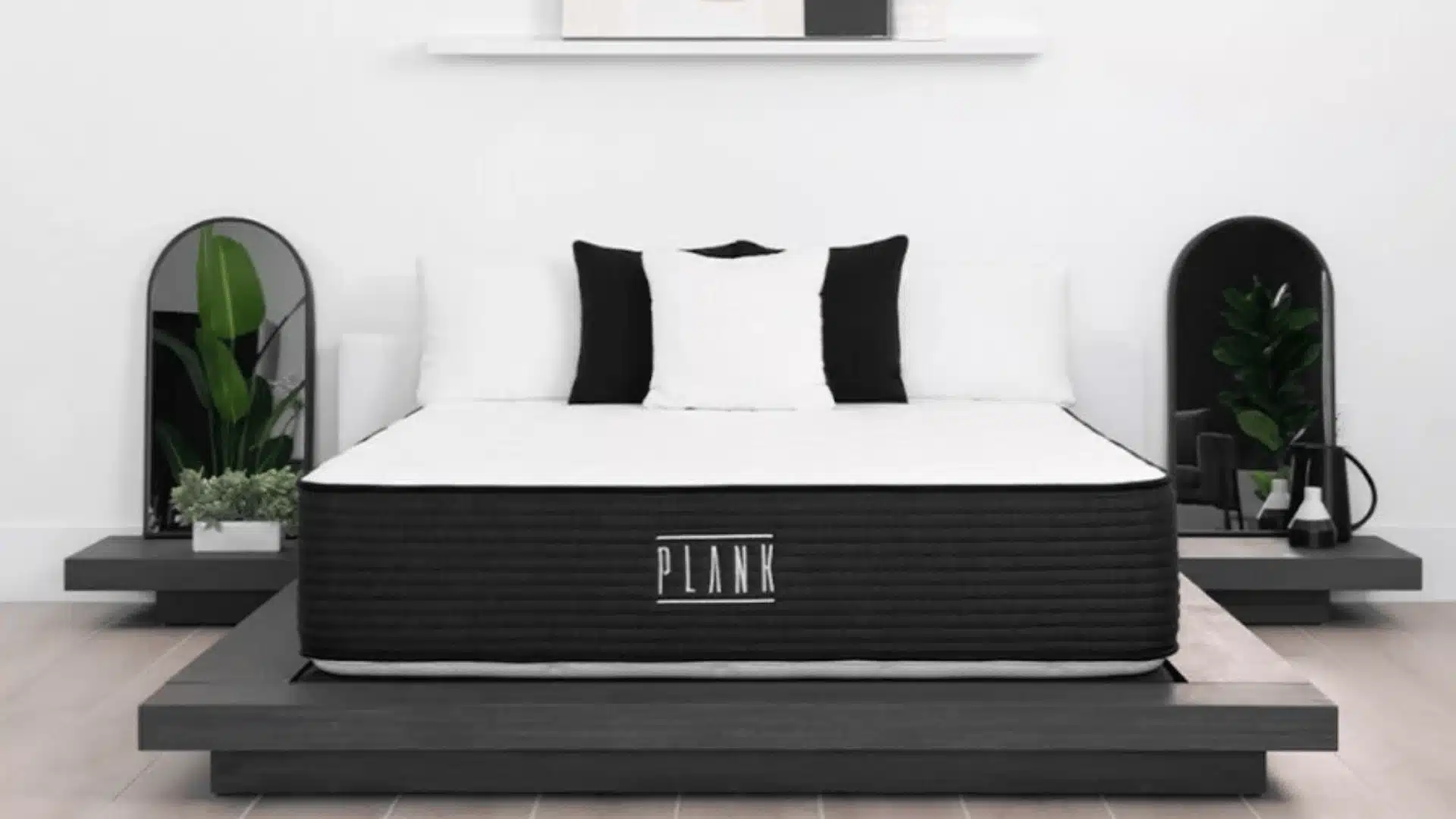
Plank Firm Luxe is exactly what the name suggests: firm and no-nonsense. It’s a double-sided mattress with two firmness levels, making it ideal for those who need maximum spinal support above everything else.
- Firmness Level: Firm / Extra-Firm (flippable)
- Best For: Stomach/back sleepers, heavier body types
- Key Back-Pain-Friendly Features: Flippable design, flat surface support, minimal sinkage
- Price Range: $800 – $1,100
13. Birch Natural
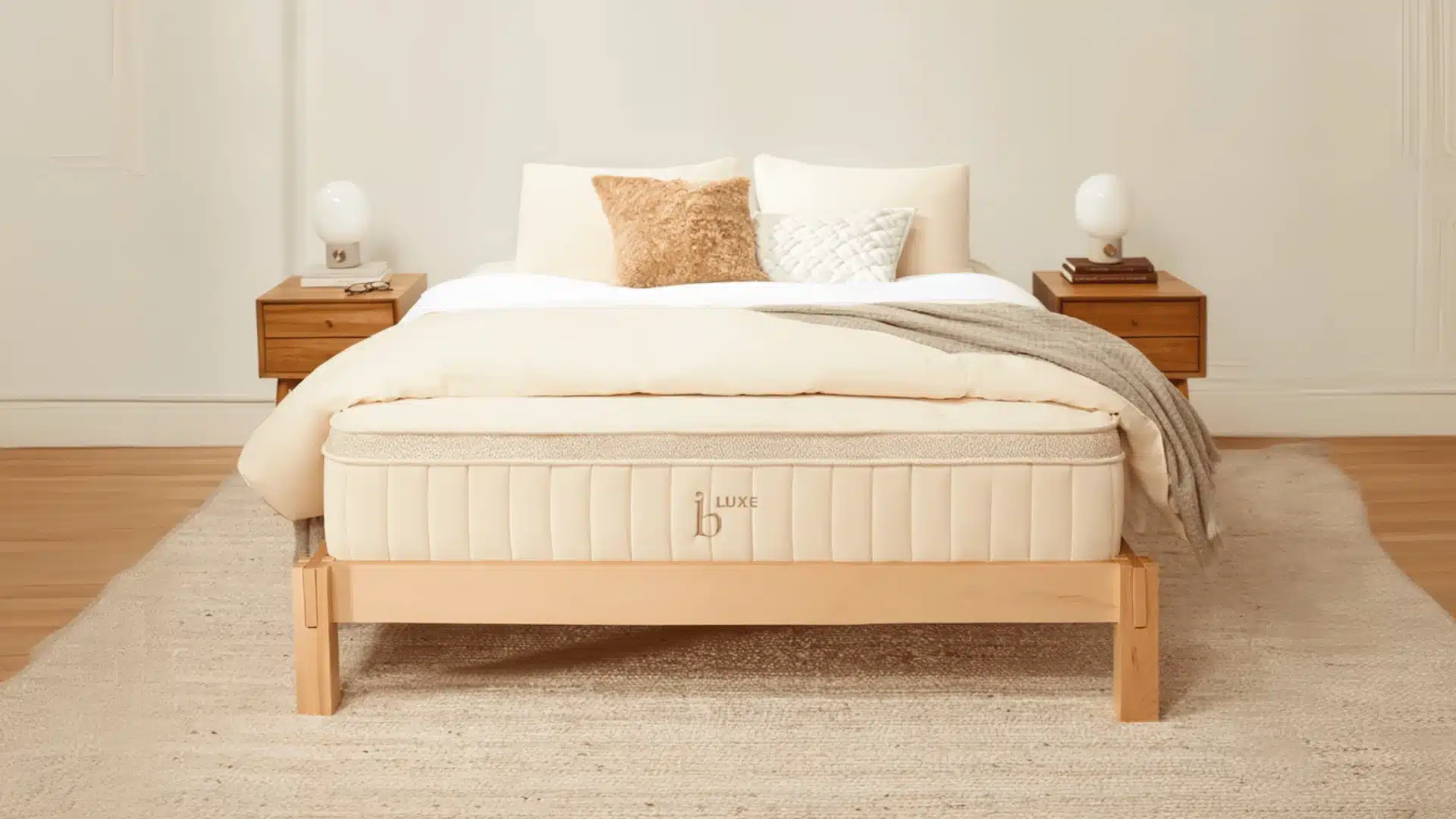
Birch Natural is an organic latex hybrid that keeps things natural and straightforward. It’s a solid pick if you want genuine back support and prefer to avoid synthetic foam entirely.
- Firmness Level: Medium-Firm
- Best For: Back/side sleepers, eco-conscious sleepers, average body types
- Key Back-Pain-Friendly Features: Natural latex layer, zoned support coils, organic wool, and cotton
- Price Range: $1,100 – $1,400
Every mattress on this list brings something solid to the table. But the best one is always the one that matches your body type, sleep position, and specific lower back needs, so use this list as your starting point, not your final answer.
Tips to Reduce Lower Back Pain While Sleeping
A good mattress helps, but it’s not the only piece of the puzzle. A few simple adjustments to how you sleep can take a surprising amount of pressure off your lower back.
- Sleep with a pillow under or between your knees: If you’re a back sleeper, tuck a pillow under your knees to reduce spinal tension. Side sleepers should place one between their knees to keep their hips properly aligned.
- Avoid sleeping flat on your stomach: It forces your neck and lower back into an unnatural position all night long. And over time, that adds up to serious discomfort.
- Invest in a supportive pillow for your head: Your neck and lower back are connected. A pillow that’s too flat or too thick throws your entire spinal alignment off.
- Stretch before getting into bed: A few gentle stretches loosen tight muscles before they spend hours in a fixed position. Your back will feel noticeably better in the morning.
- Keep your mattress on a solid, even base: A sagging or broken bed frame quietly undermines even the best mattress. Make sure your foundation is as solid as your sleep surface.
Small habits make a big difference. And pairing these tips with the right mattress gives your lower back the full support it genuinely deserves.
The Bottom Line
Back pain is exhausting. And spending night after night on the wrong mattress makes everything harder than it needs to be. You deserve real, restful sleep, not another morning of stiffness and discomfort.
Here’s the truth: there’s no single perfect answer to the soft or firm mattress for lower back pain debate. But there is a perfect answer for you.
It comes down to your sleep position, your body type, and what your back actually needs, not just what feels comfortable in a store.
So take what you’ve learned here and use it. Stop guessing and start sleeping better. Ready to finally wake up without back pain? Try the mattress options listed above and take the first real step toward a pain-free morning.