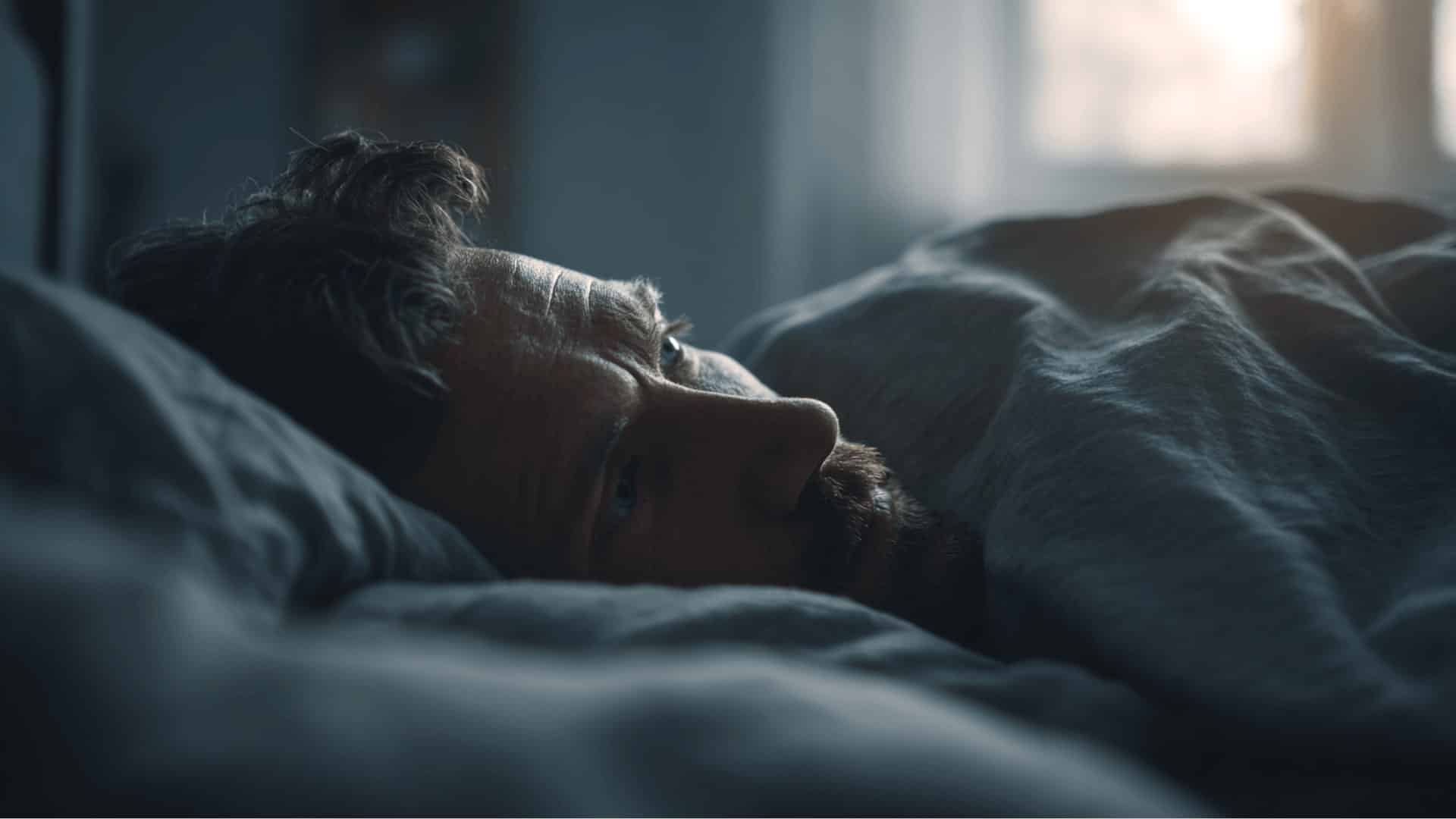


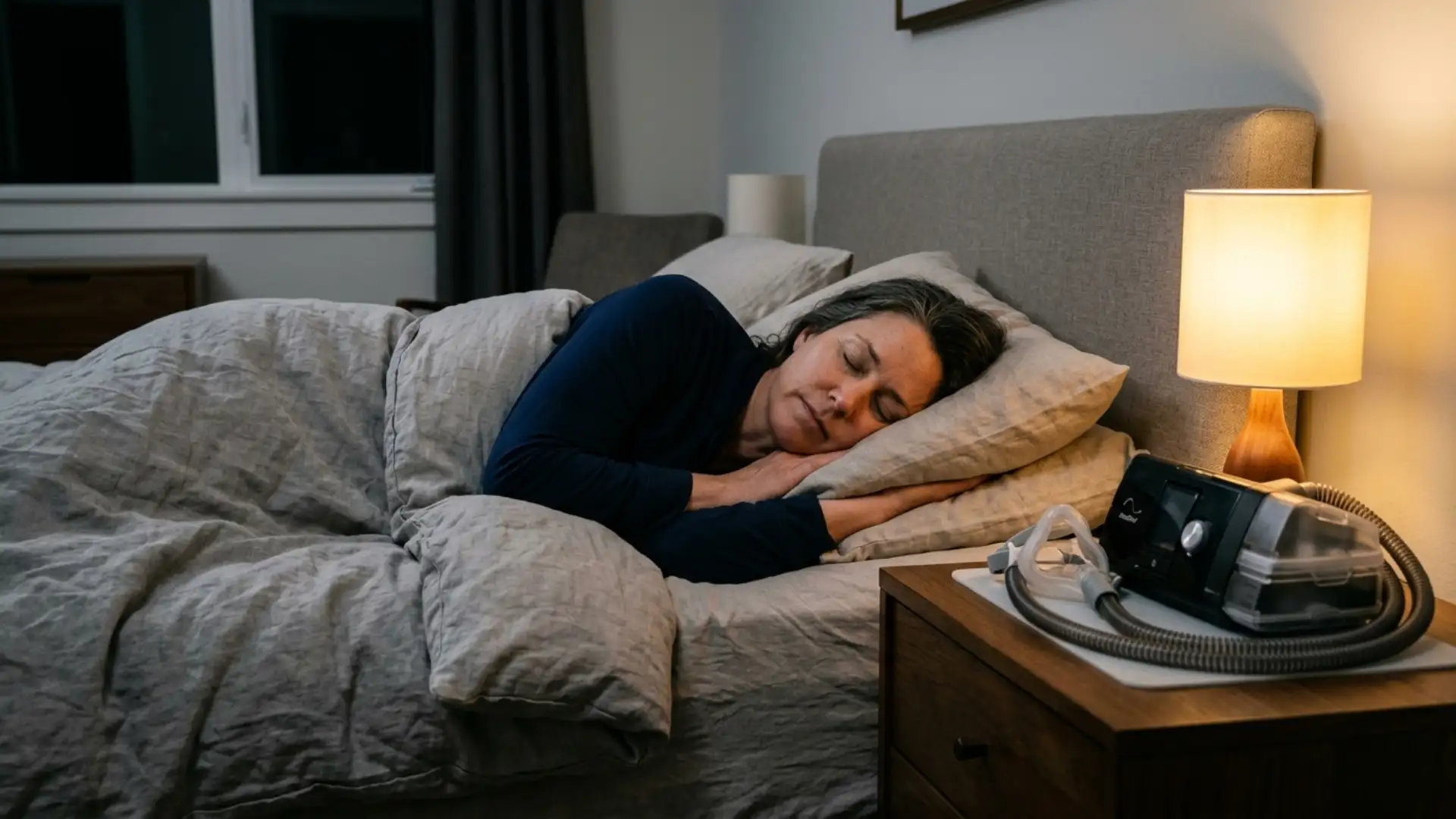


Struggling to breathe through your nose at night is more common than most people think.
For most people, sleeping with a blocked nose is not dangerous in the short term. But it can disrupt sleep in ways that add up over time.
It often leads to mouth breathing, louder snoring, and restless nights. For anyone with existing breathing or sinus problems, it can feel much worse.
The real concern is not just the blocked nose itself. It is the broken sleep and the underlying cause behind the congestion. If you deal with a blocked nose at night, even simple sleep can start to feel exhausting.
Read on to learn about the causes, real risks, sleep tips, relief methods, how long it lasts, and when to get medical help.
Understand the Symptoms of A Blocked Nose
A blocked nose does not always feel the same for everyone. The symptoms can range from mild discomfort to something that truly gets in the way of daily life.
Here are the most common signs to watch out for:
- A stuffy or congested feeling that makes it hard to breathe through one or both nostrils
- Constant need to blow your nose with little to no relief
- A runny nose that switches between watery and thick mucus
- Pressure or mild pain around the nose, cheeks, and forehead
- Reduced sense of smell and taste due to blocked nasal passages
- A dry or scratchy throat caused by breathing through the mouth when the nose is too congested to function normally
How Does It Affect Sleep?
A blocked nose makes it much harder to get a full, restful night of sleep. When the nose is congested, the body switches to mouth breathing, which leads to a dry throat, snoring, and frequent waking throughout the night.
Lying flat also makes drainage harder, so mucus builds up, and discomfort increases as the night goes on.
Over time, this broken sleep pattern leaves most people feeling tired, foggy, and low on energy the next day, making even simple tasks harder to get through.
Is It Dangerous To Sleep With A Blocked Nose?

This is one of the most searched questions about nighttime congestion. The short answer is that it depends. For most people, it is not serious, but there are situations where it warrants closer attention.
For most people, sleeping with a blocked nose is more uncomfortable than dangerous. It can make breathing feel harder and disturb sleep through the night.
However, it becomes more concerning when symptoms are severe, last for a long time, or are associated with an existing health condition that affects breathing.
Health Risks That Can Come From Sleeping With A Stuffy Nose
A stuffy nose does more than just make breathing uncomfortable at night. Over time, it can lead to a range of issues that affect both sleep and overall health.
- Mouth breathing: When the nose is blocked, the mouth takes over. This changes how air enters the body and can affect overall sleep quality.
- Dry mouth and throat: Breathing through the mouth overnight pulls moisture from the air, leaving the mouth and throat dry and sometimes sore by morning.
- Snoring: A blocked nose forces mouth breathing, which often causes the throat tissues to vibrate. This leads to louder and more frequent snoring.
- Broken sleep and tiredness: Congestion interrupts the sleep cycle. Waking up through the night leaves the body less rested and the mind foggy the next day.
- Worse existing conditions: For those with allergies, sinus issues, asthma, or sleep apnea, a blocked nose at night can increase the severity of symptoms and make management harder.
- Missing a bigger problem: If blockages keep occurring, there may be an underlying issue. Ignoring repeated congestion can mean missing an infection or a structural problem that needs attention.
Dealing with a stuffy nose at night is more than just a comfort issue. The longer it goes unaddressed, the more it can chip away at sleep quality and overall health. Small steps taken early can prevent bigger problems down the road.
When Can A Blocked Nose At Night Be Serious?
A blocked nose needs more attention in certain situations. Trouble breathing, wheezing, or chest tightness are signs that something more serious may be going on.
A high fever, facial pain or swelling, or thick mucus lasting several days can indicate an infection that requires treatment.
Repeated nighttime blockage paired with gasping or choking awake may be linked to sleep apnea and should not be left unchecked.
A blocked nose on its own is usually not a cause for concern. But when it recurs or co-occurs with other symptoms, finding the underlying cause can improve both health and sleep.
How To Sleep With A Stuffy Nose?
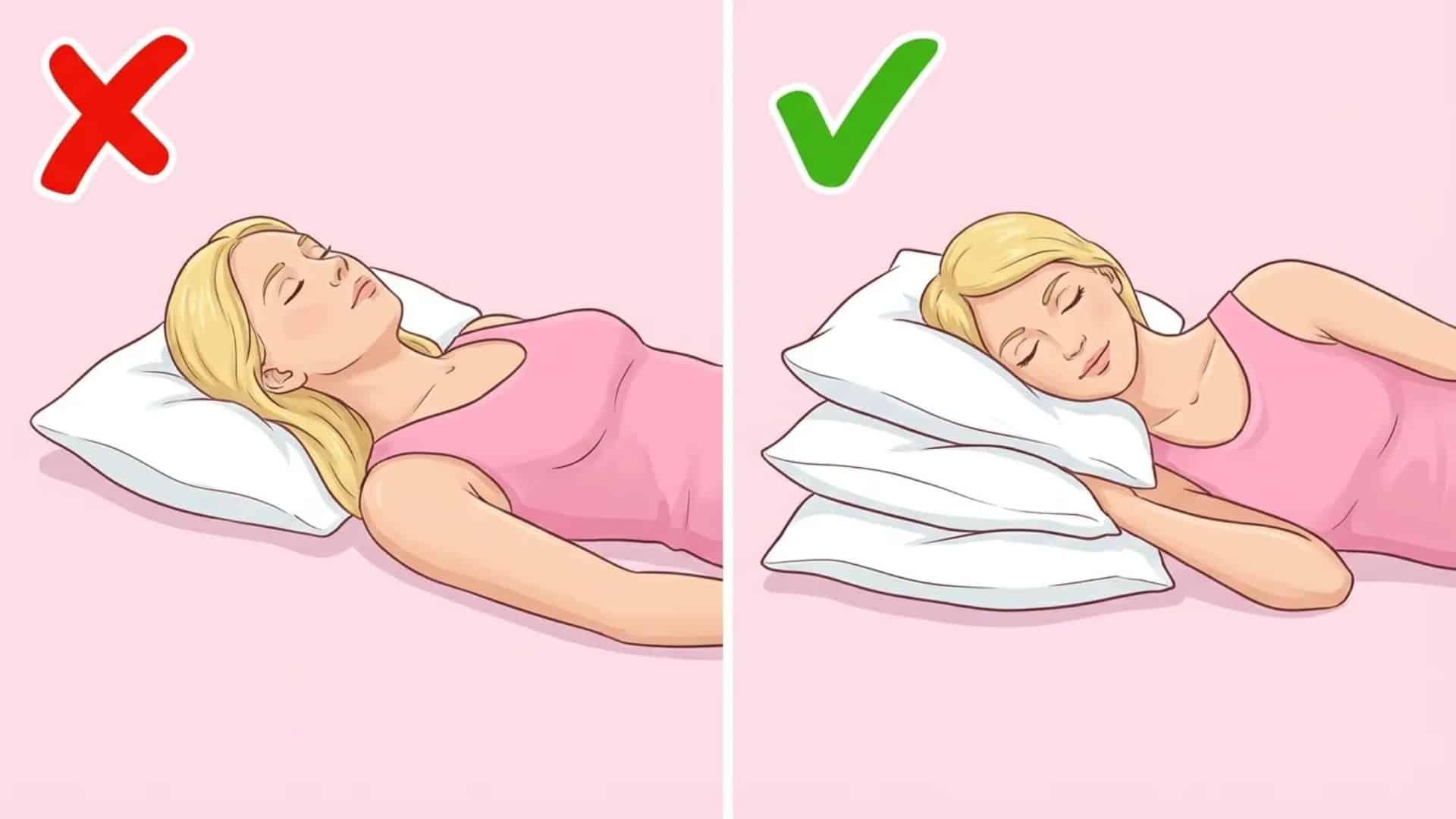
A stuffy nose can make it feel like a battle to fall asleep. The good news is that a few simple changes to position and bedtime habits can make a real difference. Here is what actually helps.
The way the body is positioned during sleep can either help or worsen a blocked nose. Getting the angle right makes breathing easier and helps the night feel less restless.
- Keep the head elevated: Sleeping with the head raised helps mucus drain more easily and reduces the feeling of pressure in the face and nose.
- Avoid lying flat: Being completely flat allows mucus to pool rather than drain, which can make congestion feel worse through the night.
- Use extra pillows: Stacking one or two under the head is a simple way to elevate the head without any special equipment.
- Try a wedge pillow: It provides more consistent support and keeps the head at a steady angle throughout the night, unlike regular pillows.
The goal is simple: keep the head above the heart level. Even a small change in angle can make breathing feel noticeably easier through the night.
Things To Avoid Before Bed If Your Nose Is Blocked
Certain habits can worsen nighttime congestion. Dust and pet dander in the bedroom are common triggers, so keeping the space clean matters.
Dry air can irritate the nasal passages, and exposure to smoke makes things worse. Heavy meals late at night can trigger reflux, which adds to swelling.
Overusing decongestant sprays can also backfire over time. And sleeping flat is best avoided altogether when the nose is blocked.
Side sleeping tends to feel more comfortable for many people with a blocked nose. Whatever position feels right, keeping the head raised is the key.
Small adjustments to how and where sleep happens can go a long way in making nights more manageable.
Note: Everyone is different. If any sleeping position makes breathing feel tighter or more uncomfortable, avoid it and try another. For severe or ongoing symptoms, it is always best to speak with a doctor.
Methods To Relieve A Blocked Nose And Sleep Better
Relief from a blocked nose does not always require a trip to the doctor. There are many things you can do at home to ease congestion and improve sleep. Here is a breakdown of what works.
What Home Remedies Can Help A Stuffy Nose At Night?
Simple home remedies are often the easiest place to start. Most of these can be done with things already at home and take very little time to set up.
- Steam from a shower or bowl: Breathing in warm steam helps loosen mucus and opens up the nasal passages, making it easier to breathe.
- Saline spray or rinse: A saltwater spray or rinse clears out the nasal passages gently and reduces irritation without any side effects.
- Humidifier: Adding moisture to the bedroom air stops the nasal passages from drying out, which can make congestion feel much worse.
- Warm fluids: Drinking warm tea, broth, or water helps thin out mucus and soothes irritation in the nose and throat.
- Nasal strips: These small adhesive strips go on the outside of the nose and gently widen the nasal passages to improve airflow during sleep.
- Reducing bedroom allergens: Washing bedding regularly, keeping pets out of the bedroom, and vacuuming often can lower the triggers that cause nighttime congestion.
These remedies work best when used consistently. Try a couple together for better results rather than relying on just one.
What Treatments Can Help Clear A Blocked Nose?
When home remedies are not enough, there are over-the-counter and prescribed options that can help. The right one depends on what is causing the congestion in the first place.
| Treatment | What It Does | Things To Know |
|---|---|---|
| Antihistamines | Reduces symptoms caused by allergies, such as a runny or blocked nose | Best used when allergies are the main cause |
| Nasal steroid sprays | Lowers inflammation inside the nasal passages over time | Takes a few days to work, but it is effective for regular use |
| Decongestants | Shrinks swollen nasal tissues for short-term relief | Should only be used for a few days at a time |
The right treatment depends on what is causing the congestion. A cold needs different care than allergies or a sinus infection. It is worth identifying the cause before reaching for a remedy.
Important: Decongestant nasal sprays should not be used for more than a few days. Overusing them can cause rebound congestion, where the nose becomes even more blocked once the spray is stopped.
Things To Do Right Before Bed For Fast Relief
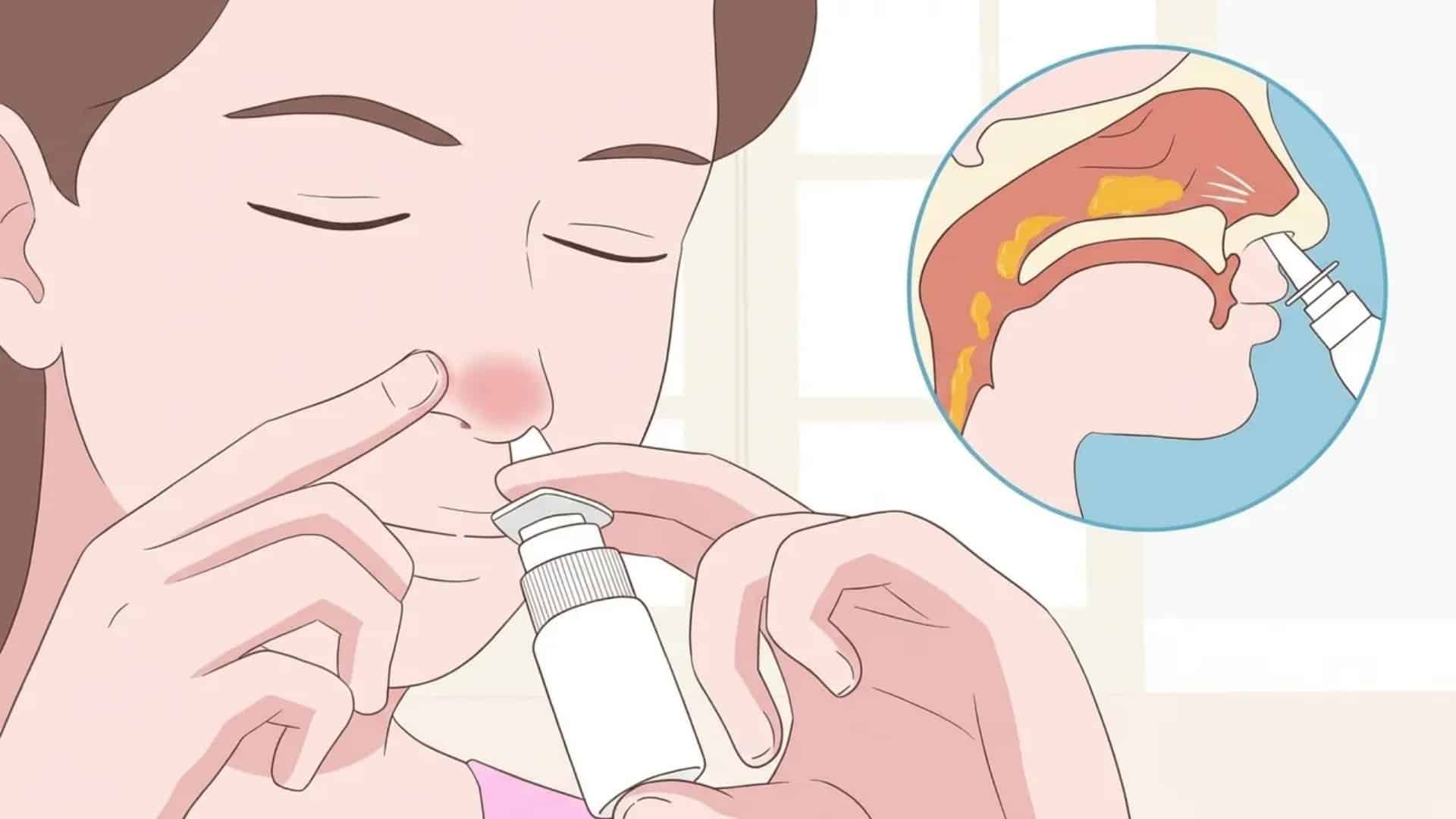
A short bedtime routine can make a big difference when the nose is blocked. Start with a saline rinse to clear the nasal passages, then take a warm shower to loosen any remaining mucus.
Run a humidifier in the bedroom before you get into bed. Raise the head with an extra pillow and use a doctor-approved treatment if needed.
Keep tissues and a glass of water within reach. A clean, dust-free room also helps reduce triggers through the night.
How Long Does A Nose Block Last?
How long a blocked nose lasts depends on the cause. With a common cold, congestion usually improves within a few days, and most symptoms clear up within 7 to 10 days.
Allergy-related congestion can last much longer because it tends to persist as long as the trigger is present. It may come and go with seasons or flare up from bedroom dust.
If a blocked nose lasts more than a week, keeps coming back, or does not improve with basic care, it may point to a sinus infection, nasal polyps, or a structural issue worth checking out.
The Right Time To See A Doctor For A Blocked Nose
Most cases of a blocked nose clear up on their own. But there are times when home remedies are not enough, and a doctor’s input is needed. Here are the signs to watch out for.
- Breathing trouble or worsening symptoms: If breathing feels difficult or symptoms persist for more than a week without improvement, see a doctor.
- High fever or facial pain: Fever combined with pressure or pain around the face can point to a sinus infection that needs proper treatment.
- Thick mucus or nosebleeds: Colored mucus that does not clear up or recurring nosebleeds are signs that something more serious may be happening.
- Repeated nighttime blockage: If the nose blocks up every night and does not improve with basic care, there may be an underlying cause worth investigating.
- Snoring with choking or gasping: This can be a sign of sleep apnea, a condition that needs medical assessment and should not be left unaddressed.
A blocked nose is easy to dismiss, but persistent or worsening symptoms deserve attention. Getting the right diagnosis early can speed up and improve treatment.
Conclusion
So, is it dangerous to sleep with a blocked nose? For most people, no. But that does not mean it should be brushed off. A blocked nose is often more of a comfort problem than a health crisis.
However, if it keeps disrupting sleep night after night or shows warning signs such as fever, facial pain, or gasps during sleep, it deserves attention.
If you are wondering how to sleep with a blocked nose, sleep position and moisture in the air make the biggest difference.
The real fix usually comes from treating the root cause and building better bedtime habits. Small changes can add up to much better nights.
Have you found something that helps with nighttime congestion? Drop it in the comments and let us know.
Frequently Asked Questions
Can A Blocked Nose Lower Oxygen Levels While Sleeping?
In most healthy people, a blocked nose does not significantly lower oxygen levels. But in people with asthma or sleep apnea, it can make breathing harder overnight.
Is It Better To Sleep On One Side When One Nostril Is Blocked?
Yes. Lying on the opposite side of the blocked nostril may help open it up. This is a simple position trick that works for many people.
Can Sleeping With A Blocked Nose Cause Headaches In The Morning?
Yes. Poor sleep quality and mouth breathing through the night can reduce oxygen flow slightly, which may lead to a dull headache in the morning.