
Finding tiny black specks on your bed can feel confusing, and honestly, a bit worrying, especially when you don’t know what they are.
It’s quite common to notice these little dots and later realize they’re actually flea dirt.
It’s one of the clearest signs that fleas are close by. Even if you haven’t seen a single flea, the dirt can still show up on your sheets, bedding, or even your mattress.
By understanding what flea dirt looks like, why it appears, and what it means for your home, you can take the right steps to protect both your space and your pets.
What is Flea Dirt?
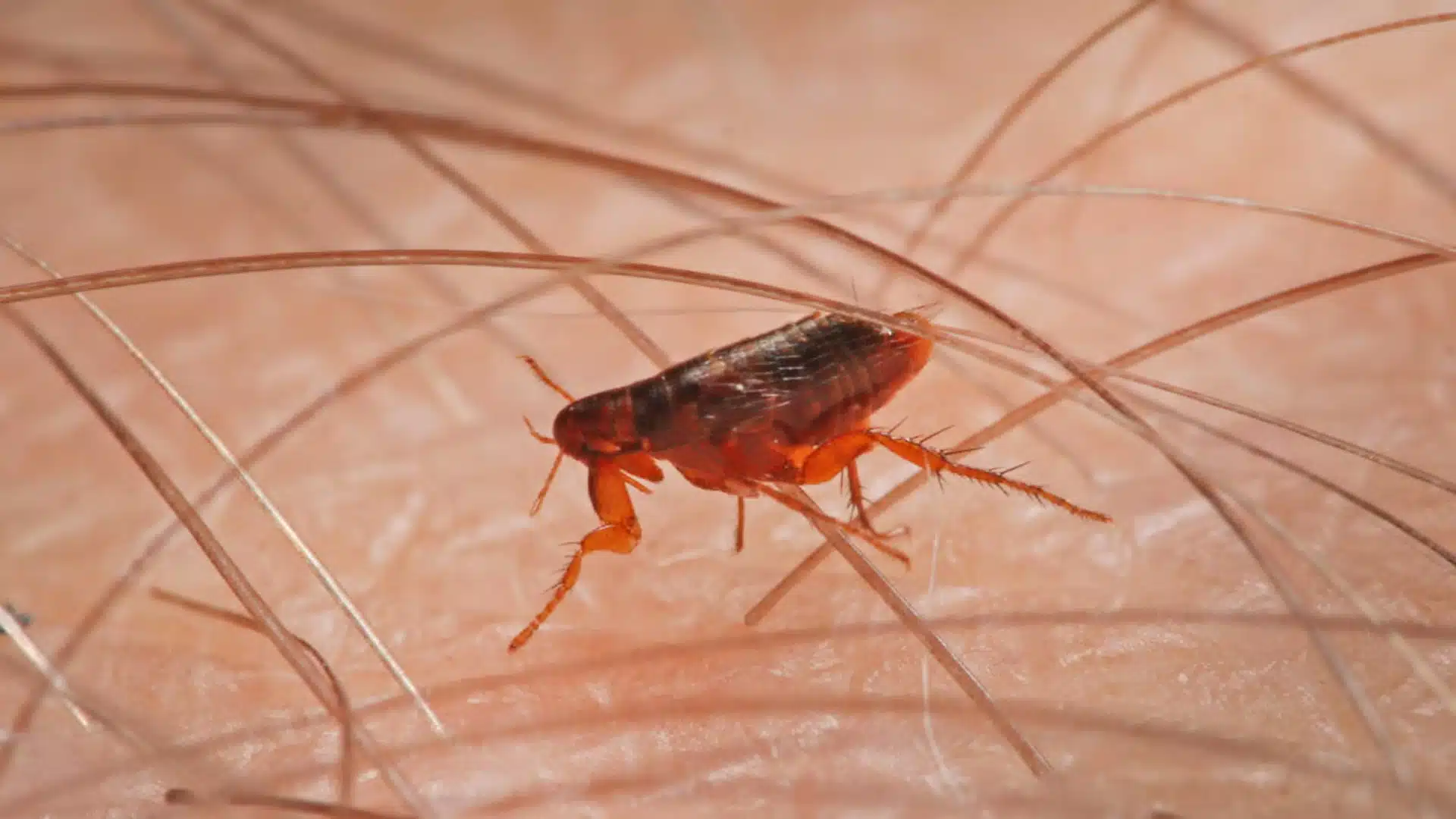
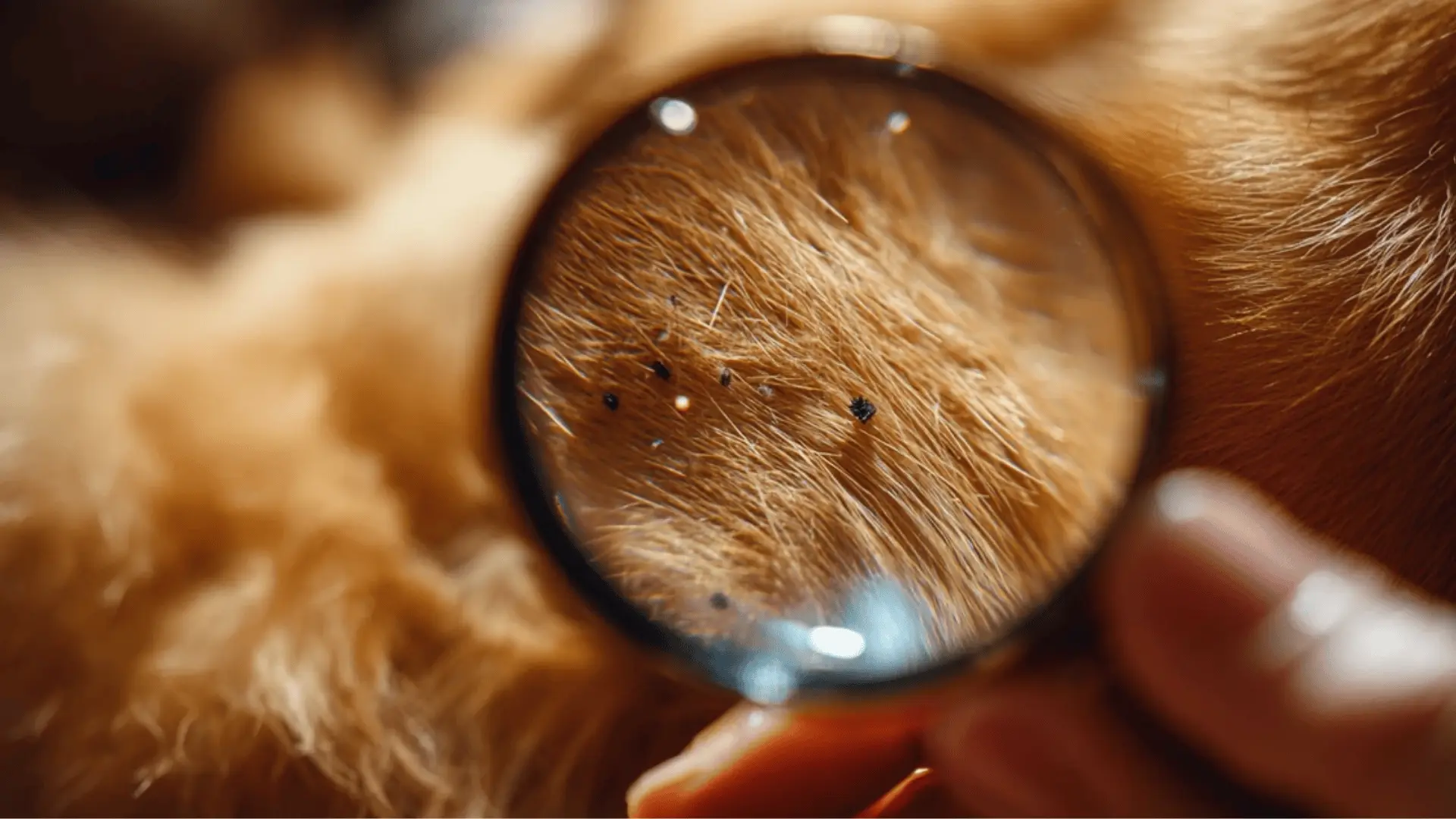
Flea dirt is flea feces, and it often looks like tiny black or dark brown specks resembling ground pepper. It is made of digested blood that fleas leave behind after feeding on pets or humans.
You might find it on your bed, your pet’s fur, blankets, carpets, or anywhere fleas have been active.
Flea dirt itself is not directly toxic, but it is a clear indicator of a flea infestation that needs to be addressed.
The fleas that produce it can transmit diseases, including flea-borne typhus, cat-scratch fever, and tapeworms, and can cause flea allergy dermatitis in sensitive pets.
Difference Between Bed Bugs and Fleas
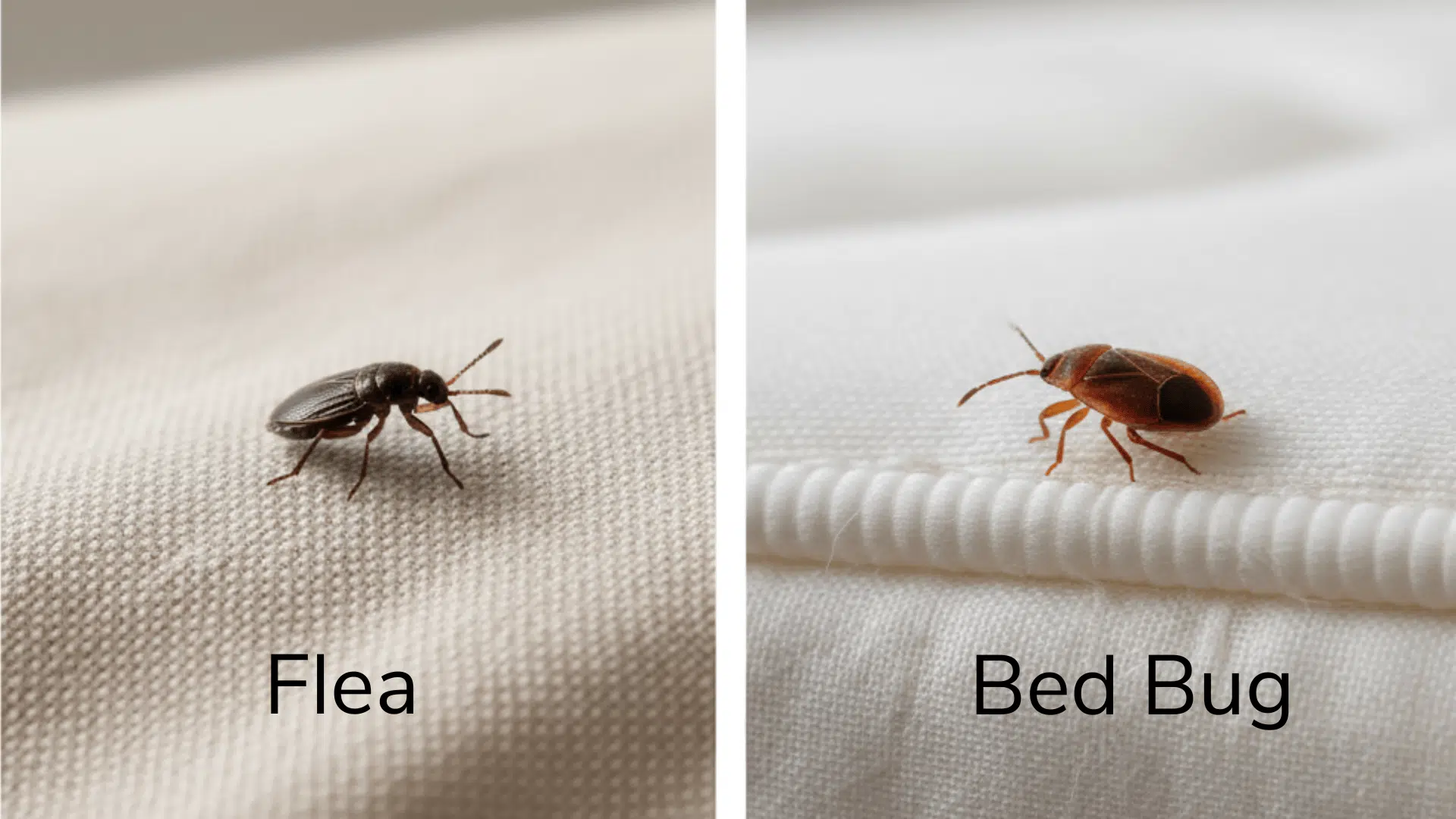
Here’s a simple guide to help you quickly spot the difference between bed bugs and fleas. This helps you understand what you’re dealing with and choose the right treatment:
| Feature | Bed Bugs | Fleas |
|---|---|---|
| Appearance | Flat, oval, reddish-brown insects | Small, dark brown, narrow-bodied insects |
| Size | About the size of an apple seed | Much smaller, like a grain of pepper |
| Movement | Crawl slowly, do not jump | Jump high and move quickly |
| Where They Hide | Mattresses, bed frames, cracks, seams | Pet fur, carpets, bedding, soft fabrics |
| Bite Pattern | Straight lines or clusters | Random clusters, often on legs or ankles |
| Hosts | Feed on humans | Prefer animals, but will bite people |
| Signs | Blood spots, shed skins, musty smell | Flea dirt, live fleas, heavy pet scratching |
| Lifespan With a Host | 1–2 weeks | 2–3 months |
| Lifespan Without a Host | Up to a year in cool areas | 4–6 months |
| Main Cause | Travel, secondhand furniture, and infested spaces | Pets bringing fleas indoors |
| Impact | Causes itchy welts, sleep disruption, and difficult long-term infestations due to hiding habits | Causes itching, skin irritation, flea dirt buildup, and fast-spreading infestations due to rapid reproduction |
Flea Dirt vs Bed Bug Stains
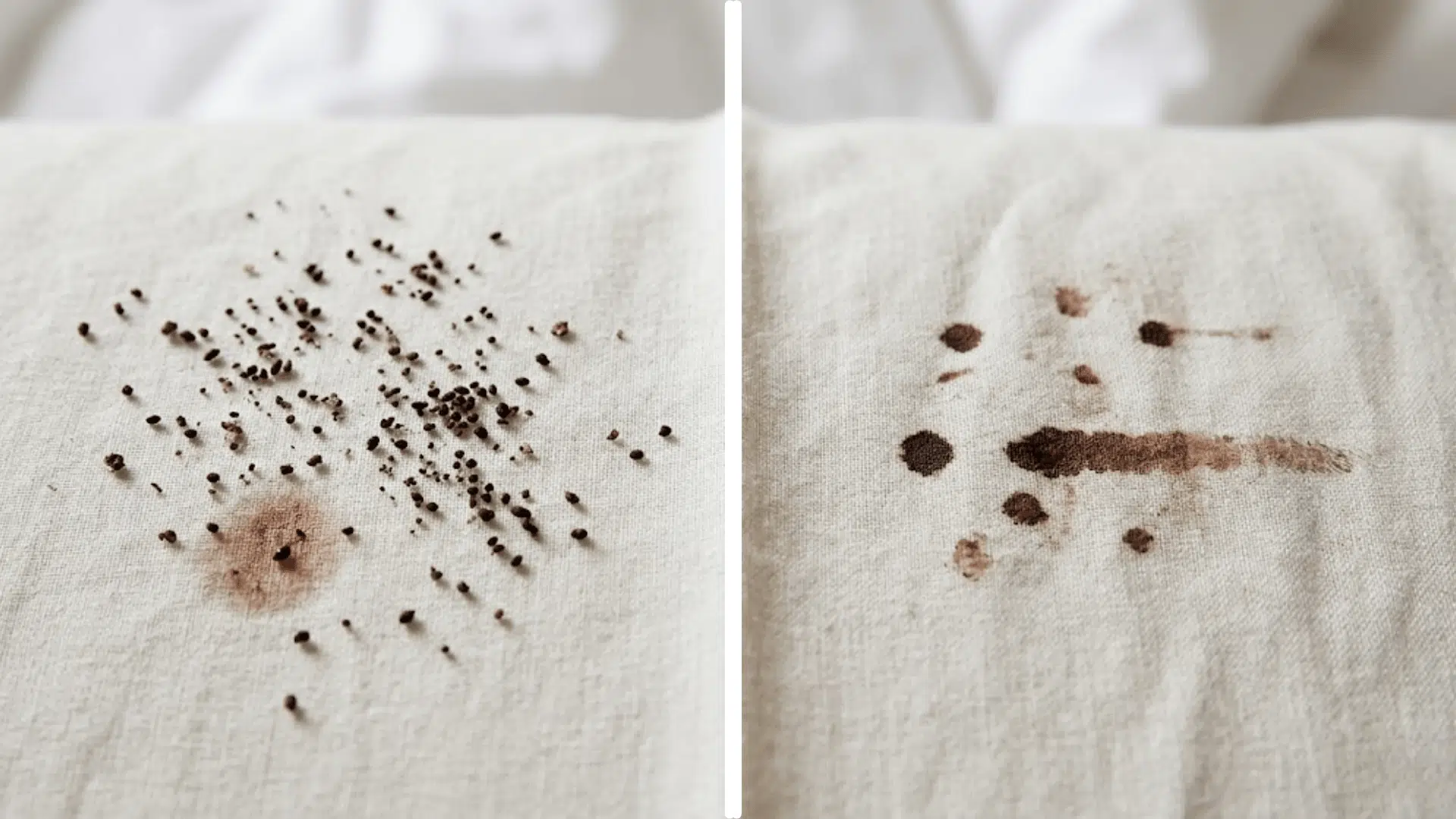
Flea dirt and bed bug stains can look similar at first, but there are simple ways to tell them apart. Flea dirt appears as small black or dark brown specks that look like pepper.
It feels dry and crumbly, and if you place it on a wet tissue, it turns reddish because it contains digested blood. The wet tissue flea test is one of the quickest ways to confirm what you are looking at.
Bed bug stains, on the other hand, look more like ink spots or smears.
They are usually darker and may spread into the fabric instead of sitting on top. Unlike flea dirt, they do not change color when wet.
Signs of Fleas on Your Bedding
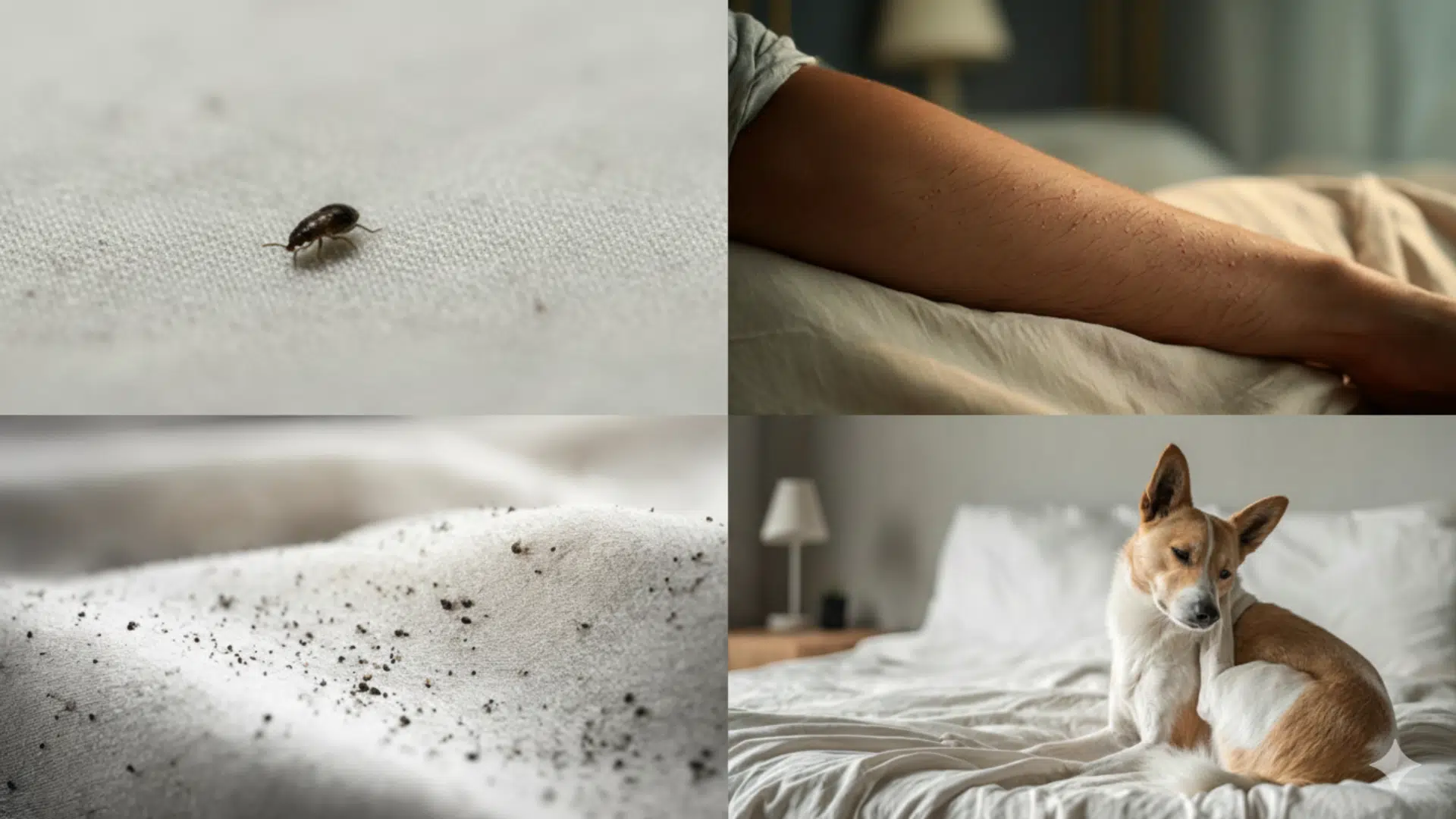
Fleas hide easily in soft bedding, so your sheets and blankets are often the first place you’ll notice a problem. Watch for small changes that signal activity and help you catch the issue early.
1. Tiny Black Specks on Your Sheets or Pillowcases
These specks look like pepper flakes and are usually flea dirt. Finding them on sheets, pillowcases, or your comforter often means fleas are present or your pet recently brought them onto the bed.
2. Itchy Red Bites After Waking Up
Small, itchy bumps on your arms, legs, or stomach can point to fleas in your bedding. Flea bites often appear in clusters or short lines and itch more than mosquito bites.
3. Your Pet Scratching or Shaking on the Bed
If your pet scratches or shakes while on the bed, fleas may be in their fur and falling onto your sheets. This can leave flea dirt, eggs, or live fleas behind.
4. Tiny Moving Specks on the Sheets
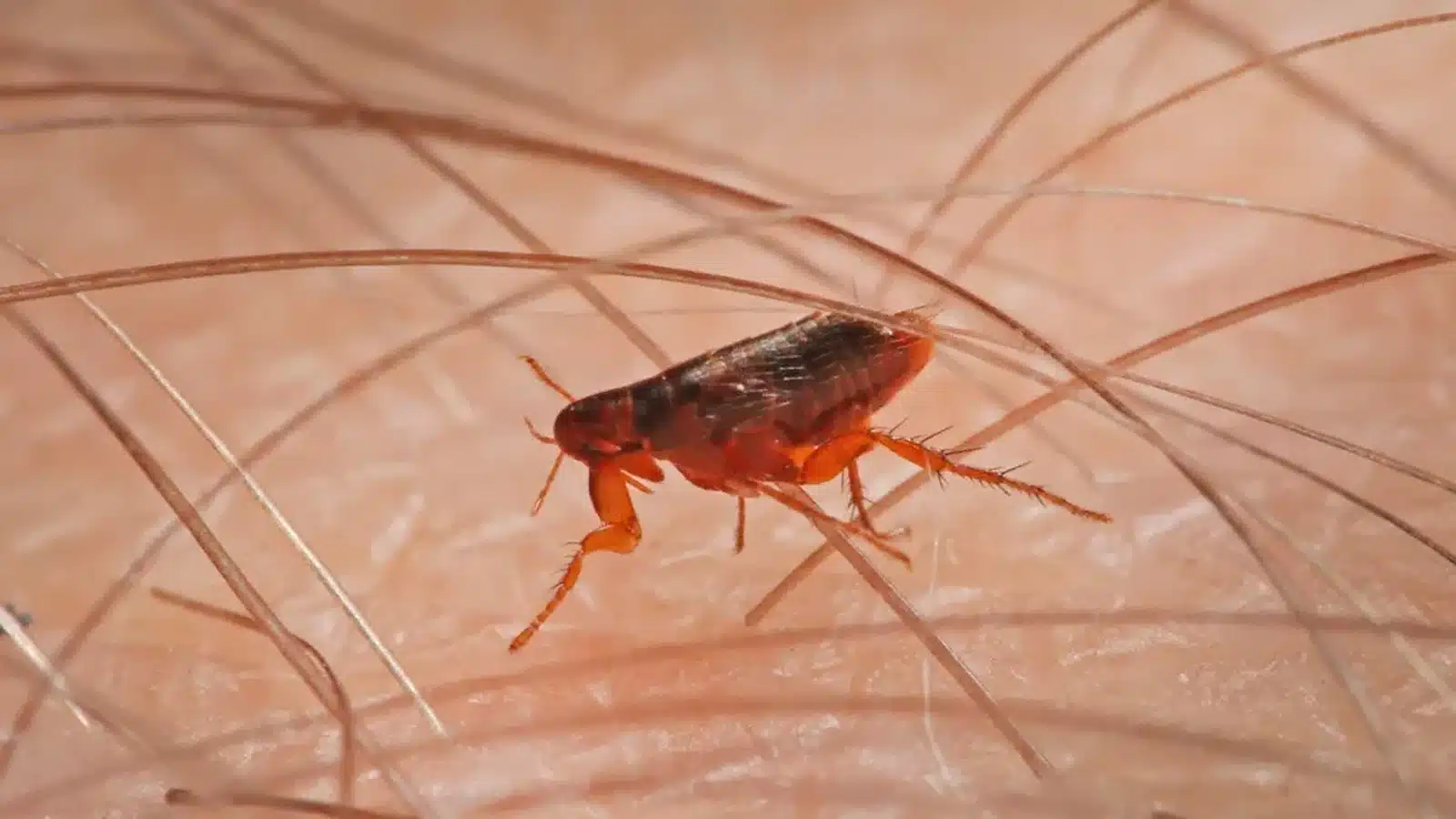
Seeing a small insect jumping or crawling on your bed is a clear sign of fleas. Even spotting one can mean more are hiding in your bedding or nearby areas.
Fleas spread quickly, so noticing fleas in bed signs early makes a big difference. Check your bedding regularly and treat the issue promptly to stop the infestation.
Why you may see flea dirt but no fleas: Adult fleas spend most of their time on the host, not on your bed. The dirt falls off as your pet moves around. If your pet has been recently treated or bathed, fleas may have been removed but the dirt remains. Treatment should still begin right away.
Why Is Flea Dirt Appearing on My Bed?
Flea dirt on your bed usually means fleas are nearby, even if you haven’t seen them yet.
The most common reason is pets carrying fleas indoors and onto your bedding. As pets rest or move around, fleas and their waste can fall onto sheets and mattresses.
Flea eggs can also drop into soft fabrics, where they hatch and grow, something often seen with cat flea eggs on bed sheets.
Fleas can also enter your home on secondhand furniture, rugs, or on human clothing after time spent in wooded or grassy areas.
Once inside, flea larvae feed on the flea dirt left behind by adults, which is why eliminating the dirt matters as much as eliminating the fleas themselves.
Flea pupae can also stay dormant inside their cocoons for up to five months, waiting for a host before hatching. This is why an infestation can seem to return even after treatment if all life stages are not addressed together.
How to Get Rid of Fleas on the Bed
Getting rid of fleas on your bed takes a few careful steps, but it’s completely doable with the right approach. Follow these tips to clean your bedding, remove the fleas, and keep them from returning:
- Strip All Bedding: Remove sheets, pillowcases, blankets, comforters, throw pillows, and mattress covers.
- Wash Bedding in Hot Water: Use the hottest safe setting and dry on high heat to kill fleas, eggs, and larvae.
- Vacuum the Mattress: Clean the top, sides, seams, and edges using a hose attachment.
- Use Steam or Flea Spray: Steam kills fleas on contact; mattress-safe sprays help target remaining ones.
- Clean the Area Around the Bed: Vacuum floors, rugs, nightstands, and under the bed to remove dust.
- Wash Your Pet’s Bedding: Clean pet blankets and cushions in hot water.
- Treat Your Pets: Use vet-approved flea treatments, such as topicals, oral meds, or collars.
- Repeat Cleaning: Continue washing and vacuuming every few days to break the flea cycle.
How to Get Rid of Bed Bugs from Your Bed
Getting rid of bed bugs can feel overwhelming, but taking the right steps makes the process much easier. Start with these key actions to clear your bed and stop the bugs from spreading.
- Wash bedding in hot water: Clean all sheets, blankets, pillowcases, and covers on the hottest safe setting.
- Dry on high heat: Run bedding in the dryer for at least 30 minutes.
- Vacuum mattress and bed frame: Focus on seams, cracks, corners, and stitching. Empty the vacuum outside.
- Use steam or a bed bug spray: Steam kills on contact; mattress-safe sprays treat harder-to-reach areas.
- Inspect nearby furniture: Check nightstands, headboards, and baseboards.
- Use bed bug-proof encasements: Encase the mattress and box spring to trap any remaining bugs and prevent re-entry.
- Reduce clutter: Fewer hiding places make treatment more effective and easier to monitor.
How to Prevent Fleas from Returning
Prevention is far easier than treatment. A few consistent habits will keep fleas out of your bed long-term.
- Year-round flea prevention for pets. Flea preventatives — oral, topical, or collar-based — are the single most effective way to stop fleas from entering your home. Ask your vet about a monthly or quarterly option.
- Vacuum frequently. Daily vacuuming when you have pets removes flea dirt, eggs, and larvae before they develop. Empty the canister outside each time.
- Wash bedding weekly. Regular hot-water washing stops eggs from accumulating in your bedding between visible signs.
- Use a mattress encasement. A sealed mattress protector keeps fleas and flea dirt away from mattress layers that are difficult to clean.
- Inspect secondhand items. Rugs, furniture, or upholstered items brought from outside can introduce flea eggs. Wash or treat them before bringing them inside.
- Control outdoor access points. Fencing and yard treatments can reduce the wildlife that brings fleas into your yard and onto your pets.
When to Call a Professional
Home treatment handles most flea problems when done consistently.
Bring in a licensed pest control professional if the infestation keeps growing despite six weeks of treatment, if fleas have spread to multiple rooms, or if your pets are still showing severe irritation after vet-recommended treatments.
A professional can apply stronger adulticides and IGRs and will typically follow up to confirm the infestation is cleared. Your vet can also prescribe stronger flea medications if over-the-counter options have not worked.
Conclusion
If you’ve made it this far, you’re already taking the right steps to protect your home. Finding flea dirt can feel unsettling, but understanding what it means puts you in control.
Every small action you take moves you closer to a clean, comfortable, pest-free bed.
What matters most now is staying consistent and paying attention to any new signs. You know what to look for, you know how to respond, and you know when it’s time to bring in a professional if things don’t improve.
Thanks for reading and taking the time to learn about this issue. With a bit of patience and steady effort, your space will feel like yours again: calm, clean, and truly restful!
Frequently Asked Questions
Can Flea Dirt Make You Sick?
While flea dirt itself isn’t toxic, it can trigger allergic reactions in some people, causing skin irritation or respiratory issues.
Can Fleas Survive in a Bed without Pets?
Yes, fleas can survive for several days to weeks on a bed without a host, especially if there are leftover eggs or larvae in the bedding. They’ll actively search for a new host, which could be you.
Do I Need to Throw Away My Mattress if I Find Flea Dirt?
No, you don’t need to discard your mattress. Thorough cleaning, vacuuming, steam treatment, and using a mattress cover can eliminate fleas without replacing your mattress.
Can Flea Eggs Survive the Washing Machine?
Flea eggs can survive cold water washes, which is why hot water (at least 130°F or 54°C) is essential for killing them along with any larvae or adult fleas in your bedding.