


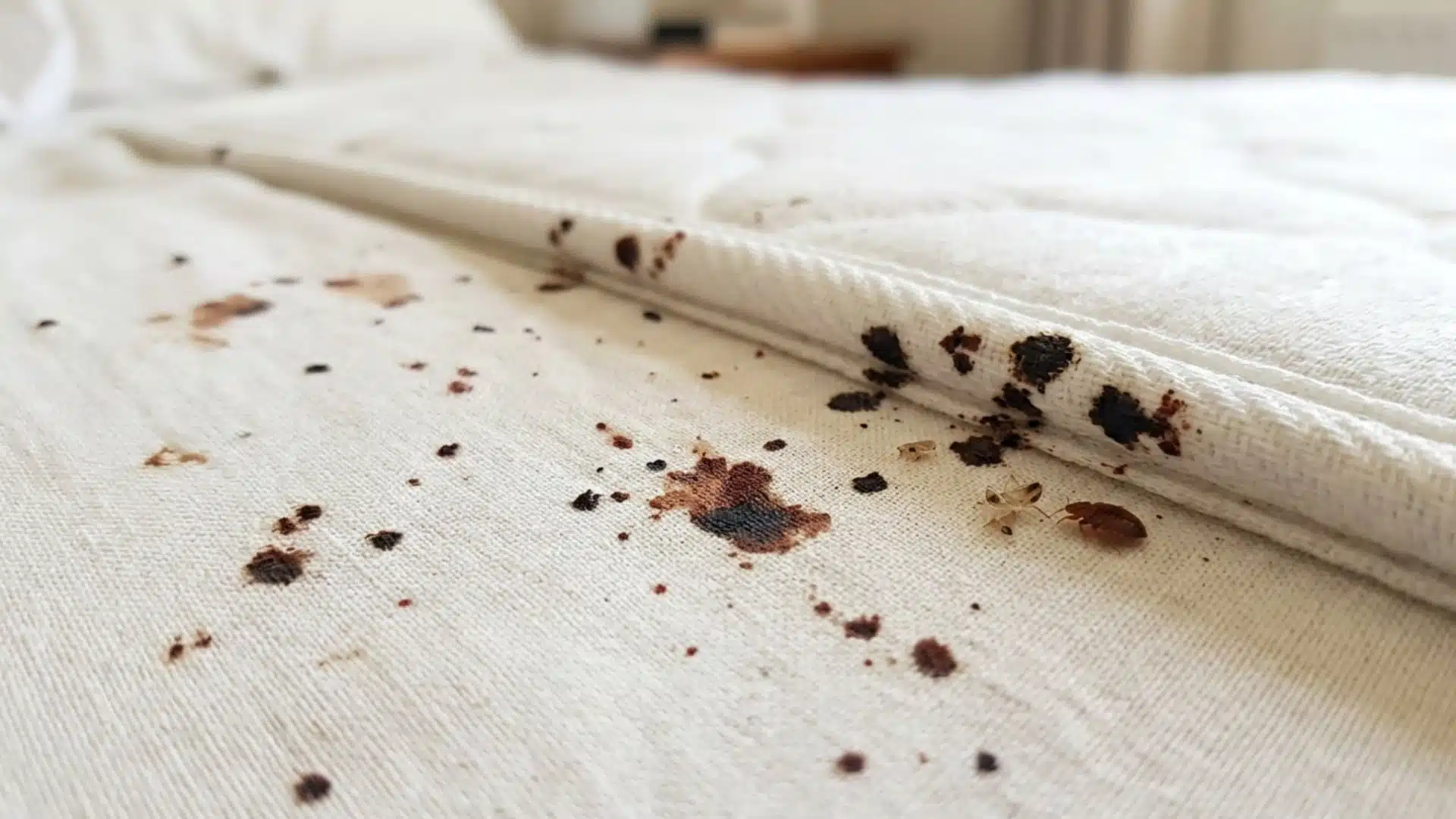


Most people own a carpet cleaner but never consider using it on their mattress.
The average mattress collects 1.5 liters of sweat, millions of dead skin cells, and countless dust mites each year, creating an urgent need for deep cleaning beyond surface vacuuming.
Your mattress becomes a reservoir of bacteria, allergens, and odors that regular sheet washing cannot address.
While you might vacuum occasionally, surface cleaning barely penetrates the fabric layers where most contamination accumulates.
This complete guide explains how to safely use your carpet cleaner on mattresses, including step-by-step instructions, safety precautions, and maintenance schedules for professional-level results.
Why Mattress Hygiene Matters
Your mattress accumulates more contaminants than almost any other household item.
Every night, you shed dead skin cells, perspire, and introduce oils that create the perfect breeding ground for dust mites and bacteria.
These microscopic invaders trigger allergies, worsen asthma symptoms, and reduce indoor air quality. Poor mattress hygiene directly impacts sleep quality, immune function, and overall health.
Regular deep cleaning removes these harmful accumulations and creates a healthier sleep environment.
Without proper cleaning, mattresses become reservoirs of allergens that continuously affect your respiratory system.
The warm, humid conditions inside an uncleaned mattress support bacterial growth and dust mite populations that can reach millions of organisms.
Can You Use a Carpet Cleaner on a Mattress?
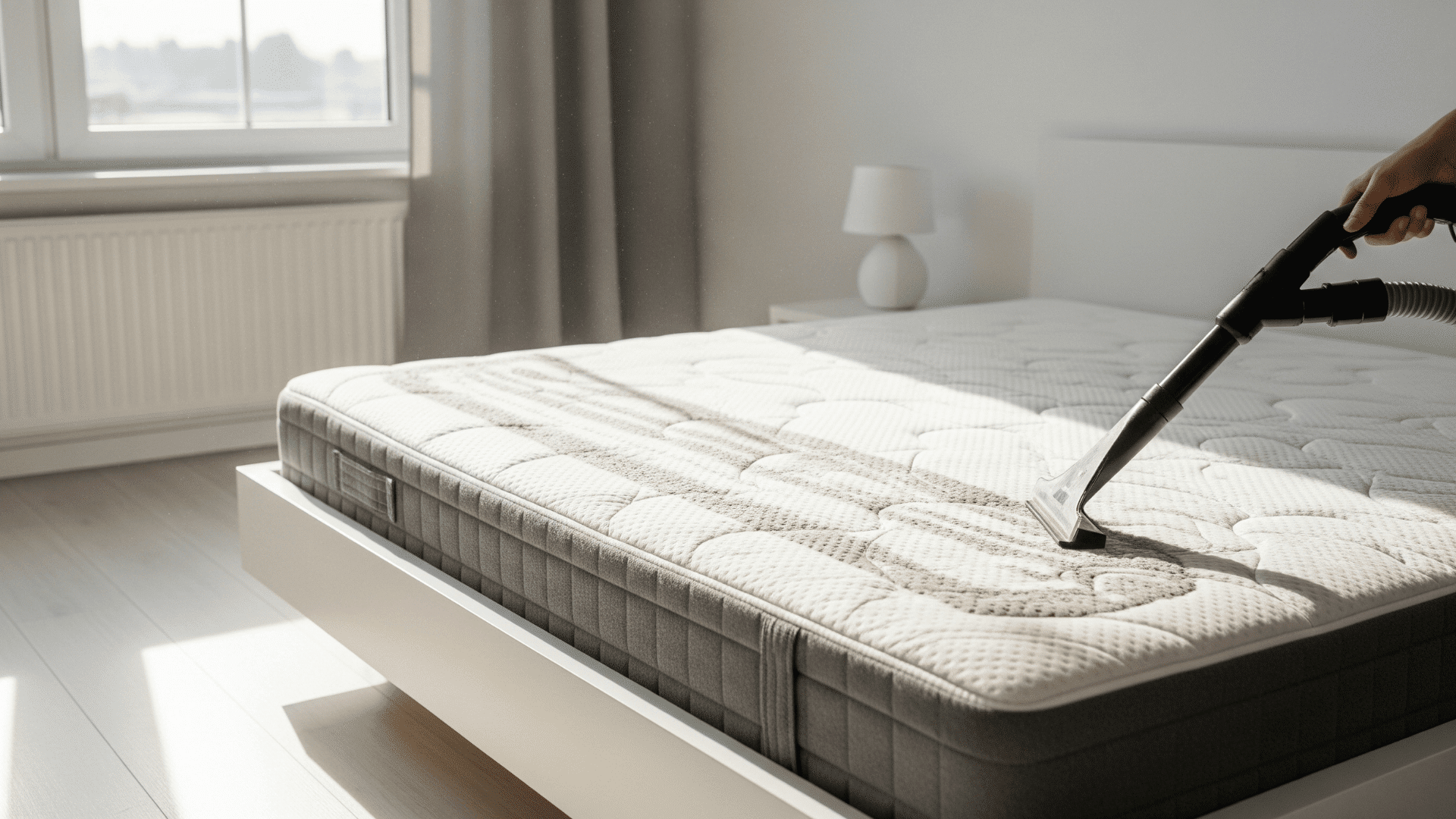
Yes, you can use a carpet cleaner on most mattresses, but success depends on using the right technique and understanding your mattress type.
Carpet cleaners effectively remove deep-seated dirt, stains, and odors that surface cleaning cannot reach.
Compatible mattress types:
- Traditional innerspring mattresses
- Hybrid mattresses with coil systems
- Some high-density foams are designed for moisture resistance
Mattresses to avoid:
- Pure memory foam mattresses
- Latex mattresses
- Pillow-top mattresses with delicate materials
The key lies in moisture control and thorough drying. Carpet cleaners use water-based extraction, which can damage certain materials if not handled correctly. Always check manufacturer warranties before proceeding, as improper cleaning may void coverage.
When to Be Careful: Precautions & Mattress Types
Understanding the risks prevents costly mistakes and mattress damage. The primary concern with carpet cleaning mattresses is moisture retention, which leads to mold, mildew, and structural deterioration.
| Precaution | Why It Matters | How to Do It |
|---|---|---|
| Spot test first | Prevents fabric discoloration or damage | Apply cleaning solution to the hidden corner and wait 24 hours |
| Use minimal water | Excess moisture creates mold problems | Less is more; keep the mattress barely damp, not wet |
| Ensure complete drying | Prevents mold growth | Must be 100% dry within 24-48 hours using fans and dehumidifiers |
| Choose appropriate cleaners | Protects fabric and health | Use only fabric-safe, allergy-friendly solutions |
Note: Memory foam and latex mattresses absorb water like sponges and dry extremely slowly, making them poor candidates for carpet cleaner use.
Step-by-Step: How to Clean a Mattress with a Carpet Cleaner
Follow these systematic steps for safe, effective mattress cleaning with your carpet cleaner.
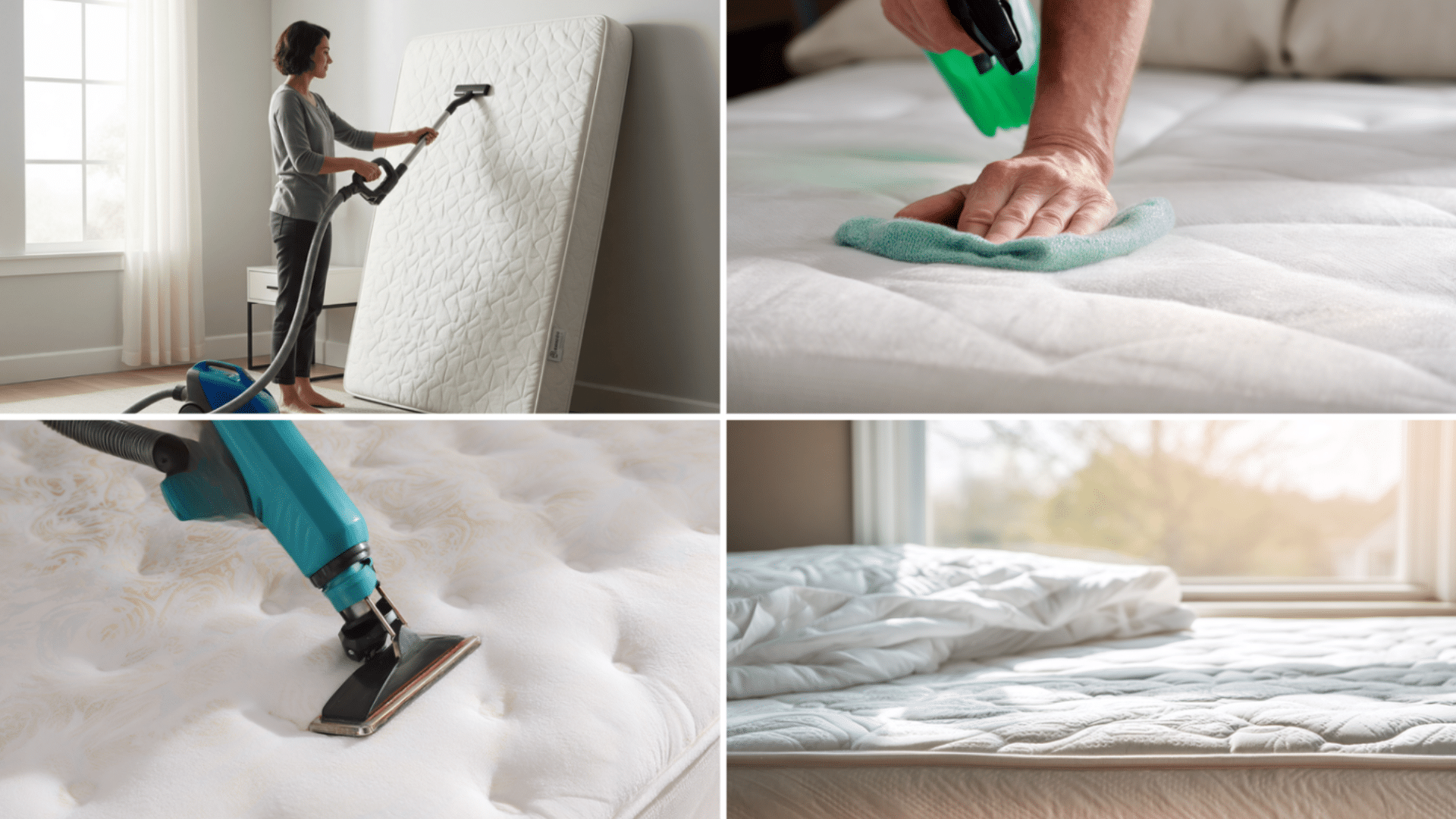
Step 1: Prepare Your Space and Materials
Strip all bedding and wash sheets in hot water (130°F+) to eliminate transferred contaminants. Clear the bedroom and ensure adequate ventilation with fans or open windows.
This preparation prevents recontamination and creates optimal conditions for effective cleaning.
Step 2: Initial Vacuuming
Prop the bedsheet up vertically to reach all the spaces. Use your regular vacuum with an upholstery attachment to remove surface debris.
Focus on seams, edges, and crevices where dust mites and dead skin cells accumulate most heavily. Thorough vacuuming prevents debris from turning into mud during the wet cleaning process.
Step 3: Pre-treat Stains
Address visible stains with appropriate spot cleaners before using the carpet cleaner. Blot gently, never scrub, to avoid pushing stains deeper into the mattress fibers.
Pre-treatment breaks down stain molecules, making them easier for the carpet cleaner to extract.
Step 4: Apply Baking Soda Treatment
Sprinkle baking soda evenly across the entire mattress surface. Let sit for 30 minutes to absorb odors and surface moisture, then vacuum thoroughly to remove all residue.
This step neutralizes acids and prepares the surface for optimal cleaning solution penetration.
Step 5: Carpet Cleaner Application
Attach your carpet cleaner’s upholstery tool and fill with minimal cleaning solution. Work in small 2×2-foot sections, making slow, overlapping passes without oversaturating any area.
Small sections ensure consistent cleaning while preventing moisture from spreading beyond manageable areas.
Step 6: Moisture Extraction
Immediately after cleaning each section, make several dry passes with the extractor to remove as much moisture as possible.
The mattress should feel barely damp, not wet. Proper extraction is critical for preventing mold growth and reducing drying time significantly.
Step 7: Complete Drying Process
Move the mattress to a well-ventilated area with maximum airflow. Position fans directly on the surface and use dehumidifiers if available.
The mattress must be 100% dry before use. Complete drying typically takes 8-24 hours, depending on airflow and humidity conditions.
Tools & Tips for Faster Drying After Cleaning
Proper drying prevents mold growth and ensures your cleaning efforts don’t create new problems. Use multiple drying methods simultaneously for the fastest results.
- High-velocity fans and dehumidifiers: Position fans on both sides of the mattress and use a dehumidifier to reduce ambient moisture levels for faster drying.
- Maximize ventilation: Open windows for cross-ventilation when weather permits to create optimal airflow conditions.
- Vertical positioning: Place the mattress vertically against the wall to expose maximum surface area and accelerate moisture evaporation.
- Targeted heat application: Use a hair dryer on the cool setting for small, damp spots and position space heaters nearby (not directly on the mattress).
- Regular rotation: Rotate the mattress every 2 hours to ensure even drying on all surfaces and prevent moisture concentration.
- Environmental factors: Choose low-humidity days for cleaning when possible. Avoid cleaning during rainy or humid weather, as ambient moisture slows the drying process significantly.
How Often Should You Clean a Mattress with a Carpet Cleaner?
Most households should deep-clean mattresses with carpet cleaners every 6-12 months.
However, certain situations require more frequent cleaning: households with allergies or asthma need cleaning every 3-6 months, while pet owners, families with young children, or those in hot, humid climates should clean every 4-6 months.
Some situations demand immediate cleaning regardless of schedule; liquid spills, bodily fluid accidents, visible stain development, or persistent odors require prompt attention to prevent permanent damage and bacterial growth that standard cleaning schedules cannot address.
Best Mattress Cleaning Methods
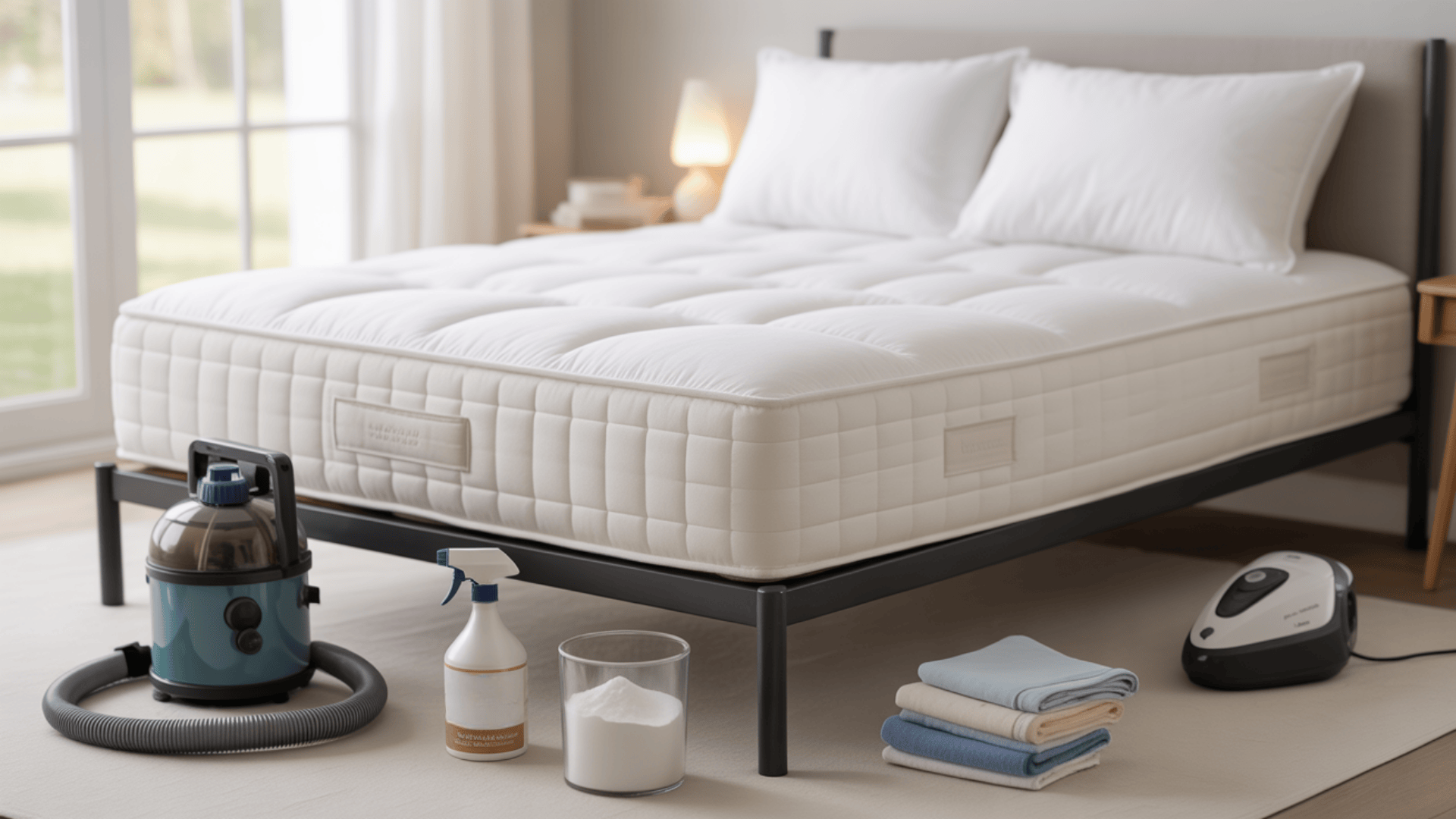
Combine multiple cleaning approaches for optimal results. Each method addresses different types of contamination and cleaning challenges.
1. Regular Vacuuming
Frequency: Weekly
Method: Use upholstery attachments focusing on seams, edges, and surface areas where debris accumulates most heavily.
Technique: Work in overlapping strokes across the entire surface, paying extra attention to the head area where oils and dead skin cells collect most.
2. Spot Cleaning Stains
Frequency: Immediately after spills occur
Method: Mild detergent, enzyme cleaners, or hydrogen peroxide for tough stains
Technique: Blot gently from outside edges toward center to prevent spreading
3. Deodorizing Treatment
Frequency: Monthly or as needed
Method: Apply baking soda evenly, let sit 30 minutes to overnight, then vacuum thoroughly
Technique: Add essential oils to baking soda for pleasant, antimicrobial properties
4. Steam Cleaning
Frequency: Every 6 months
Method: Kills bacteria and dust mites using high-temperature vapor without chemicals
Technique: Avoid memory foam; ensure complete drying to prevent mold
5. Sunlight & Air Drying
Frequency: After any wet cleaning method
Method: Position the mattress near open windows or outdoors in direct sunlight
Technique: Natural deodorizing and bacterial elimination while accelerating moisture evaporation
6. Professional Cleaning Methods
Frequency: Annually or for severe contamination
Method: Advanced equipment, deep sanitization, expert stain removal
Technique: High-powered extraction, UV treatment, specialized cleaning compounds
7. Dry Cleaning for Sensitive Mattresses
Frequency: Memory foam, latex, or moisture-sensitive materials
Method: Absorbent powder compounds worked into fabric, then vacuumed away
Technique: Effective cleaning without moisture risks
Additional Tips for Keeping Your Mattress Clean & Fresh
Prevention reduces the need for intensive cleaning and extends mattress lifespan significantly.
| Prevention Method | Frequency | Benefit |
|---|---|---|
| Quality mattress protector | Always in use | Waterproof yet breathable barrier against spills, sweat, and allergens |
| Regular rotation | Every 3 months | Even wear distribution and odor prevention |
| Weekly linen changes | Weekly | Hot water washing eliminates bacteria and dust mites |
| No food or drinks in bed | Always | Prevents spills and reduces attraction for pests |
| Maintain bedroom humidity at 30-50% | Ongoing | Discourages dust mites and mold growth |
| Use air purifiers | Ongoing | Reduces airborne allergens and improves air quality |
| Ensure adequate ventilation | Ongoing | Prevents moisture accumulation and maintains fresh air circulation |
Prevention is always more effective and cost-efficient than deep cleaning. These simple measures dramatically reduce the need for intensive mattress cleaning while extending mattress lifespan.
Conclusion
Using a carpet cleaner on your mattress can be highly effective when done correctly with proper attention to moisture control and thorough drying.
This method removes deep-seated dirt, stains, and allergens that surface cleaning cannot reach.
Success requires understanding your mattress type, following systematic cleaning procedures, and ensuring complete moisture removal.
For optimal results, especially with stubborn stains, persistent odors, or allergy concerns, consider professional mattress cleaning services.
Start implementing these cleaning strategies today to improve your sleep quality and create a healthier bedroom environment.