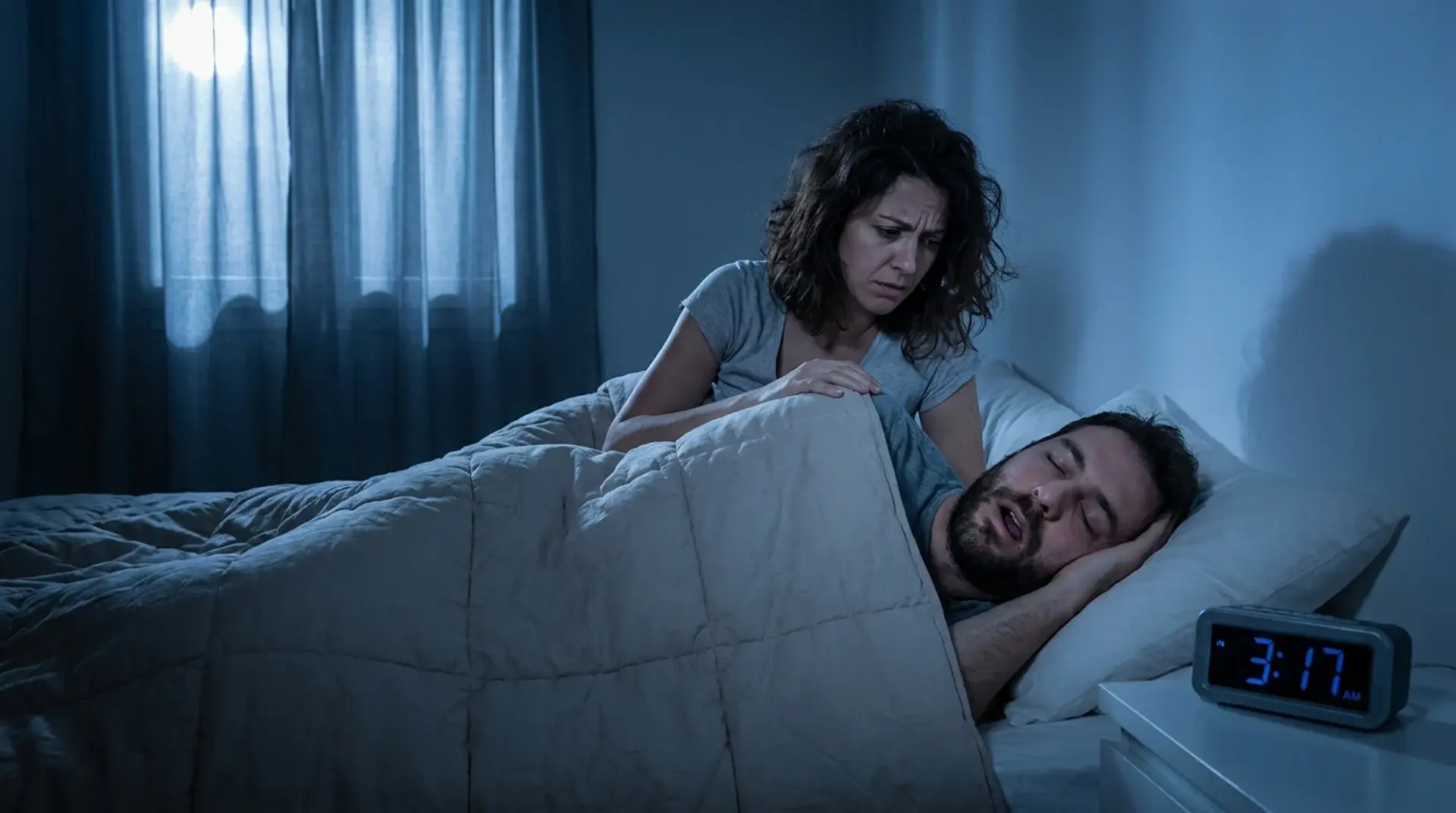





White noise is a steady sound that blends every frequency the human ear can hear into one flat, even tone, without sudden rises or dips.
People turn to it at night, during focused work, and around babies because it smooths over sharp noises like a slamming door or a barking dog.
After testing a few apps and machines through some genuinely rough sleep stretches, one thing became clear: a constant hum gives your ears one predictable thing to settle into, instead of a house full of random little sounds. Here’s what white noise actually is, and how to use it well.
What Is White Noise and How Does It Sound?
White noise covers the full range of frequencies humans can hear, which generally spans about 20 Hz to 20,000 Hz, the same audible range described in basic sound science references.
Because so many frequencies overlap at once, the result doesn’t sound like a single note or tone. It sounds more like a soft hiss, close to television static, a box fan on high, or an air conditioner running in the next room.
This constant quality is what makes white noise useful. Instead of shifting in pitch or volume the way traffic or conversation does, it stays flat and predictable from start to finish, which is exactly why it works so well for masking sudden sounds.
Why Is It Called White Noise?
White noise borrows its name from white light. Just as white light blends every color wavelength together, white noise blends every audible frequency into one even, unbroken sound.
Examples of White Noise
White noise gets used as a catch-all term, but not every soothing background sound is actually white noise. Here are sounds that come close to the real thing:
- Radio or TV static: The classic “no signal” hiss is one of the purest everyday examples.
- A box fan or standing fan on high: The blade noise spreads fairly evenly across frequencies.
- A window air conditioner or HVAC vent: The steady hum works the same way as a fan.
- A running vacuum cleaner: Loud and broadband, though not something you’d run all night.
- A hair dryer on a steady setting: Similar profile to a vacuum, minus the practicality.
- Steady, heavy rainfall: Closer to true white noise than rain with wind gusts or thunder mixed in.
- A sustained “shhh” sound: The same shushing technique used to soothe infants.
None of these household sounds are perfectly flat across every frequency the way lab-generated white noise is, but they’re close enough that your ear and brain treat them the same way. That is also why chirping birds, rhythmic ocean waves, or a lullaby don’t count. They rise and fall, which is the opposite of what white noise does.
How Does White Noise Work?
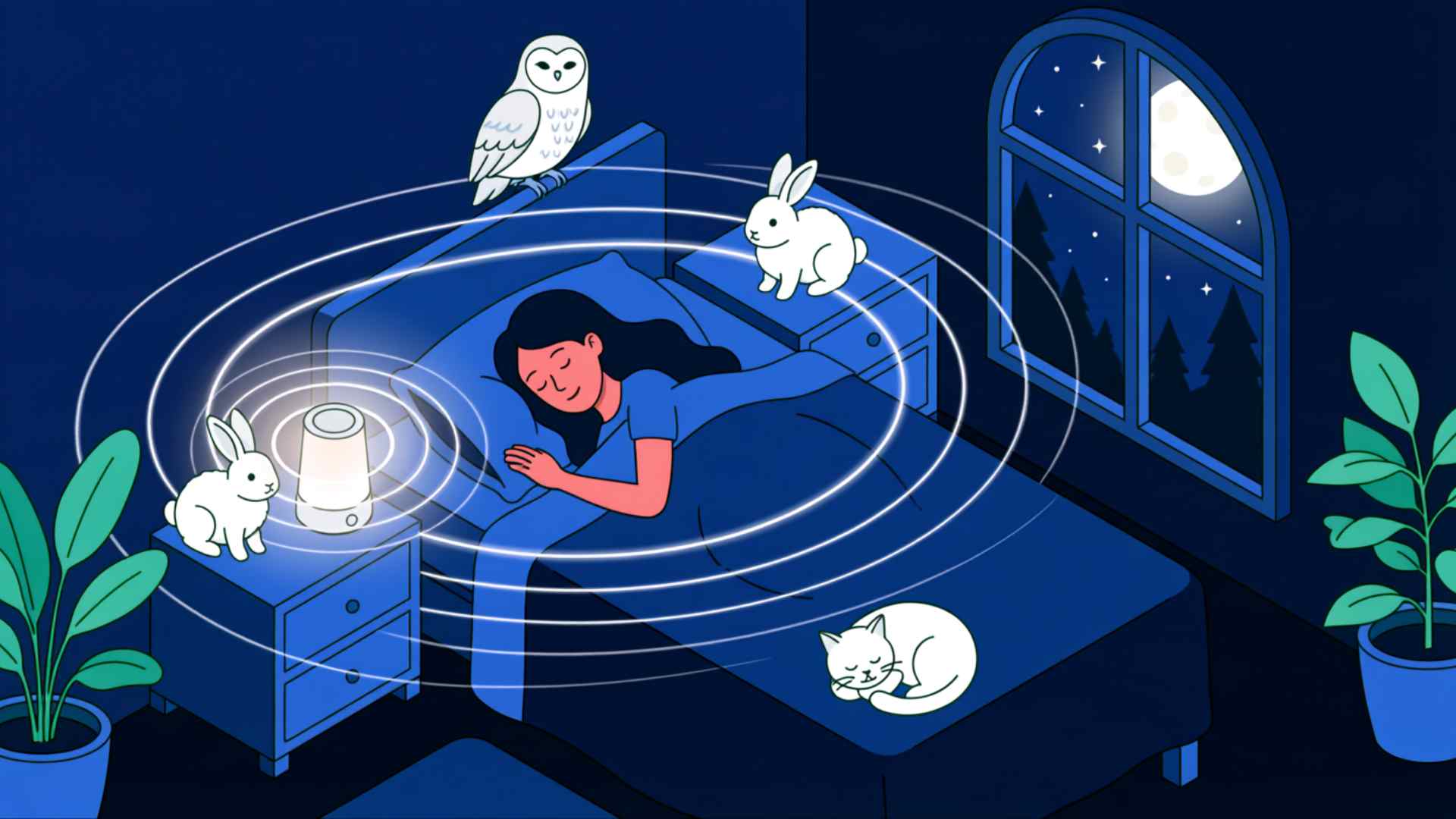
White noise does more than fill silence. It changes how your brain handles sound.
How White Noise Masks Background Sounds:
Sudden noises pull your attention or wake you up because they break a quiet moment. White noise fills that gap first, so the jump between silence and noise shrinks.
Sounds it commonly covers include Traffic outside your window, Household sounds like doors or footsteps, Neighbors through thin walls, and office distractions like typing or chatter.
Does White Noise Change the Brain’s Response to Sound
A steady background sound can make sudden environmental noises less noticeable, though researchers still don’t fully know why this works better for some people than others.
It may support relaxation and attention, but it isn’t a medical treatment.
Once you see how masking works, it’s easier to understand why people reach for white noise in different parts of the day.
Why Do People Use White Noise?
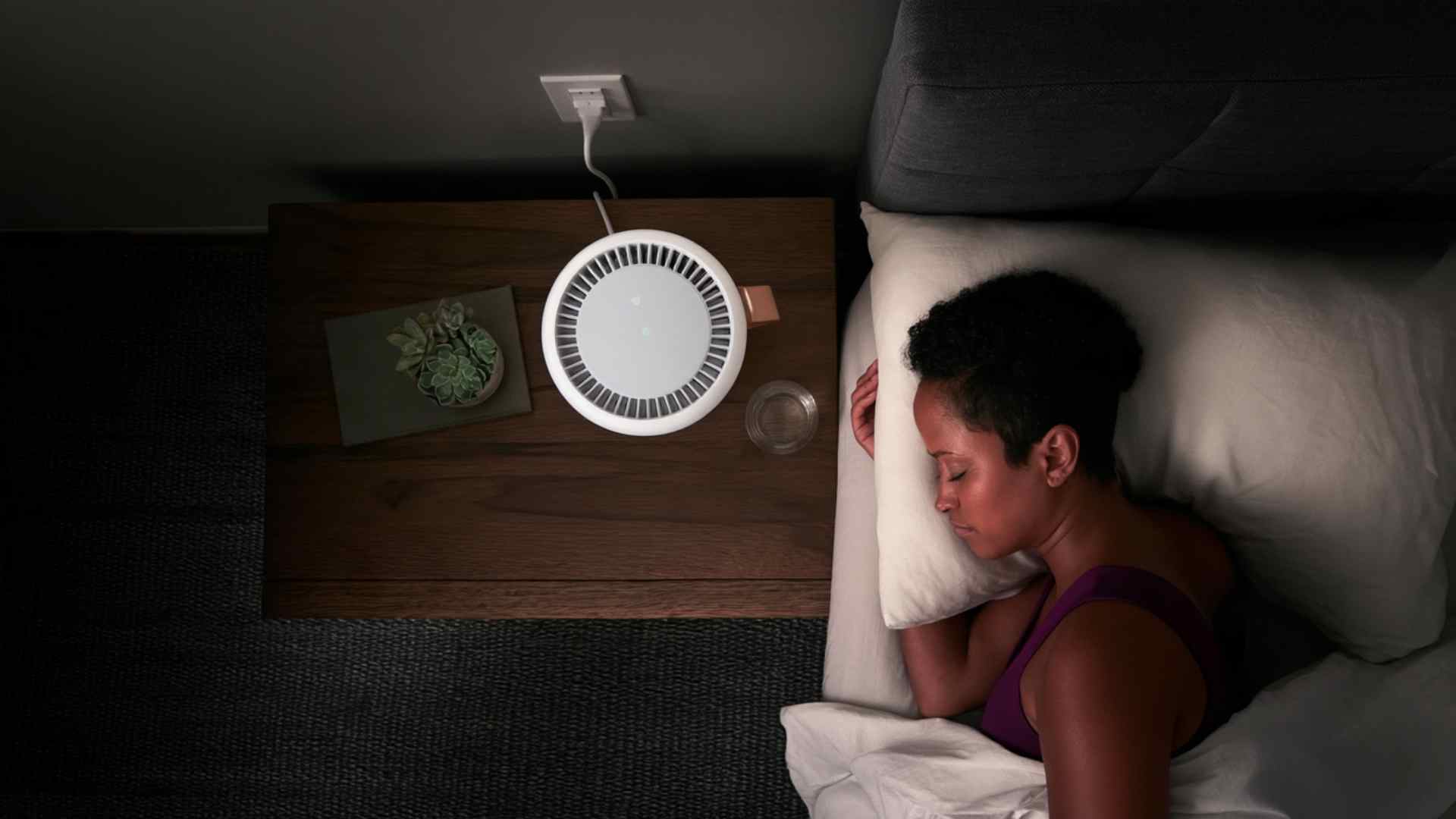
White noise shows up in more places than the bedroom. Here’s where people lean on it most.
White Noise for Better Sleep
Noise that suddenly starts and stops can interrupt sleep, and research reviewed by the Sleep Foundation suggests white noise may help some people sleep by masking disruptive environmental sounds and creating a more consistent sound environment.
It creates a predictable bedtime environment, which helps people who wake easily at small sounds. This matters most in city apartments, shared bedrooms, and noisy neighborhoods.
White Noise for Babies and Newborns
Babies often respond well to steady, familiar sound because it resembles the constant whoosh they heard in the womb. In one small controlled study, 80 percent of newborns fell asleep with white noise playing, compared with 25 percent in the group without it.
Follow safe sleep practices recommended by the American Academy of Pediatrics, including placing sound machines at least 7 feet from the crib and keeping the volume at or below 50 decibels, about as loud as a running dishwasher.
White Noise for Studying and Work
Open offices and busy homes are full of conversations and sudden interruptions that break concentration.
Some PubMed-indexed studies have explored how background noise influences attention and cognitive performance, though the effects depend on the person and environment.
White Noise for Relaxation
Beyond sleep and focus, white noise fits naturally into meditation, reading, and wind-down routines.
It gives the mind one consistent thing to settle on instead of racing between thoughts. In stressful environments, that backdrop can make quiet moments feel calmer.
Whatever the reason, most people land on white noise because it does one job well: it makes sound more predictable.
White Noise vs Pink Noise vs Brown Noise Vs Green Noise
White noise isn’t the only sound option out there. Brown noise (also called Brownian noise) and pink noise work on the same idea but sound noticeably different.
Type of Noise | Sound Description | Common Uses |
|---|---|---|
White Noise | Higher-pitched, steady sound | Sleep, masking distractions |
Pink Noise | Softer, balanced sound | Relaxation, sleep |
Brown Noise | Deeper, low-frequency sound | Focus, calming background |
Green Noise | Mid-frequency, nature-like sound | Relaxation, focus, sleep |
Different noise colors describe variations in how sound energy is distributed across frequencies, which changes how each one sounds. Unlike white, pink, and brown noise, green noise has no widely accepted technical definition.
None of these sounds is objectively better. All that matters is, which one your ears settle into most easily.
Benefits of Using White Noise
White noise earns its popularity for a few concrete reasons, not just because it feels calming.
- It Can Help Block Unwanted Sounds: Street noise, loud conversations, and sudden nearby movements become far less noticeable once a steady sound layer plays over them.
- It Creates a More Consistent Sleep Environment: By reducing noticeable sound changes through the night, white noise helps maintain a settled atmosphere that’s easier to stay asleep in.
- It May Support Better Focus: People who get thrown off by unpredictable sounds often find it easier to concentrate with white noise on, though it works differently depending on the person.
These benefits aren’t guaranteed for everyone, but they explain why white noise has stuck around as a go-to tool for so long.
Are There Any Downsides to White Noise?
White noise isn’t automatically the right fit for every situation, and it’s worth knowing the trade-offs before relying on it every night.
- Possible Issues With Long-Term Use: Some people get so used to background noise that quiet rooms start to feel uncomfortable without it. White noise doesn’t work for everyone, and very loud settings can quickly turn from soothing to irritating.
- Why Volume Level Matters: The National Institute on Deafness and Other Communication Disorders recommends paying attention to sound levels because prolonged exposure to loud noise can increase the risk of noise-induced hearing damage.
None of this means white noise is unsafe. It just means volume and habits matter as much as the sound itself, so it’s worth checking in on both every so often.
How to Choose a White Noise Machine
Once you know white noise helps, the next question is what to actually use.
Start free: a box fan, an air conditioner, or a free app costs nothing and confirms whether the concept suits you before you spend anything.
From there, a dedicated machine gives steadier sound and frees up your phone overnight, while an app stays cheaper and travels well. Machines typically run $20 to $100; apps range from free to a few dollars a month for extra sounds or offline access.
When comparing machines, check reviews for complaints about repetitive digital loops, and look for fine volume adjustment so you can stay well under 70 decibels rather than jumping between presets.
A sleep timer and backup sounds like pink or brown noise are worth having too, in case pure white noise ever feels too harsh.
How to Use White Noise Correctly
Using white noise effectively depends on choosing settings that match your needs and environment. Small adjustments to the sound, volume, and timing can make the experience more comfortable.
What to Adjust | How to Use It Correctly |
|---|---|
Choose the Right Sound | Try white noise machines, fans, apps, or recordings and choose a sound that feels consistent and comfortable for regular use. |
Set the Right Volume | Start with a lower volume and increase only when needed. Keep it soothing, not loud or distracting. |
Pick the Right Timing | Use white noise during sleep, work, or relaxation periods based on when background sounds become distracting. |
Finding the right setup may take some trial and adjustment. A comfortable sound, suitable volume, and consistent routine can make white noise easier to use.
How to Incorporate White Noise Into Your Bedtime Routine?
White noise works best as part of a routine, not as a one-off fix on a bad night.
Timing: Turn it on 20 to 30 minutes before bedtime so it becomes part of the wind-down signal, not something you only notice once you’re already trying to fall asleep.
All night or sleep onset: A timer works if you only need it for the few minutes it takes to drift off. Others prefer it running continuously to smooth out later noises.
Consistency: Keep the volume the same night to night. Changing it undermines the predictability that makes white noise work in the first place.
The rest of the routine: Dim the lights and put the phone away. Treat white noise as one part of the wind-down, not the only sleep cue you rely on.
Agree on a volume that works for both people, or use a small personal speaker instead of a machine that fills the whole room.
Can White Noise Cause Tinnitus or Ringing in The Ears?
Tinnitus is mainly linked to loud, prolonged noise exposure, not to typical white noise volumes. The NIDCD notes that sounds at or below 70 decibels are unlikely to cause hearing damage even with long-term exposure, so keeping white noise moderate is a reasonable precaution.
Final Thoughts on Using White Noise
After testing different machines, apps, and volumes through some genuinely rough sleep stretches, the biggest lesson has been simple: white noise works best when it’s boring.
A flat, steady sound that never surprises you does more for sleep and focus than anything nature-themed or fancy.
Start low, keep the source a few feet from a crib, and give it a few nights before deciding if it helps. If falling asleep or staying focused has felt harder than it should, a basic white noise app or machine is an easy, low-risk thing worth trying this week.
Frequently Asked Questions
Does White Noise Stop Working if You Use It Every Night?
Some people’s brains adapt over time and become less sensitive to it, which may reduce its masking effect and its usefulness for sleep.
Is a Fan the Same Thing as White Noise?
A fan produces broadband sound similar to white noise, but it isn’t perfectly balanced across every frequency the way true white noise is.
Can White Noise Cover the Sound of A Smoke Alarm?
Smoke alarms are far louder than typical white noise, so a moderate volume shouldn’t block one, but keeping white noise low is safest.
What Decibel Level Is Safe for Adults Using White Noise Overnight?
Most experts suggest staying under 70 decibels overnight, per NIDCD guidance on safe long-term exposure, since normal conversation only reaches about 60 decibels.