

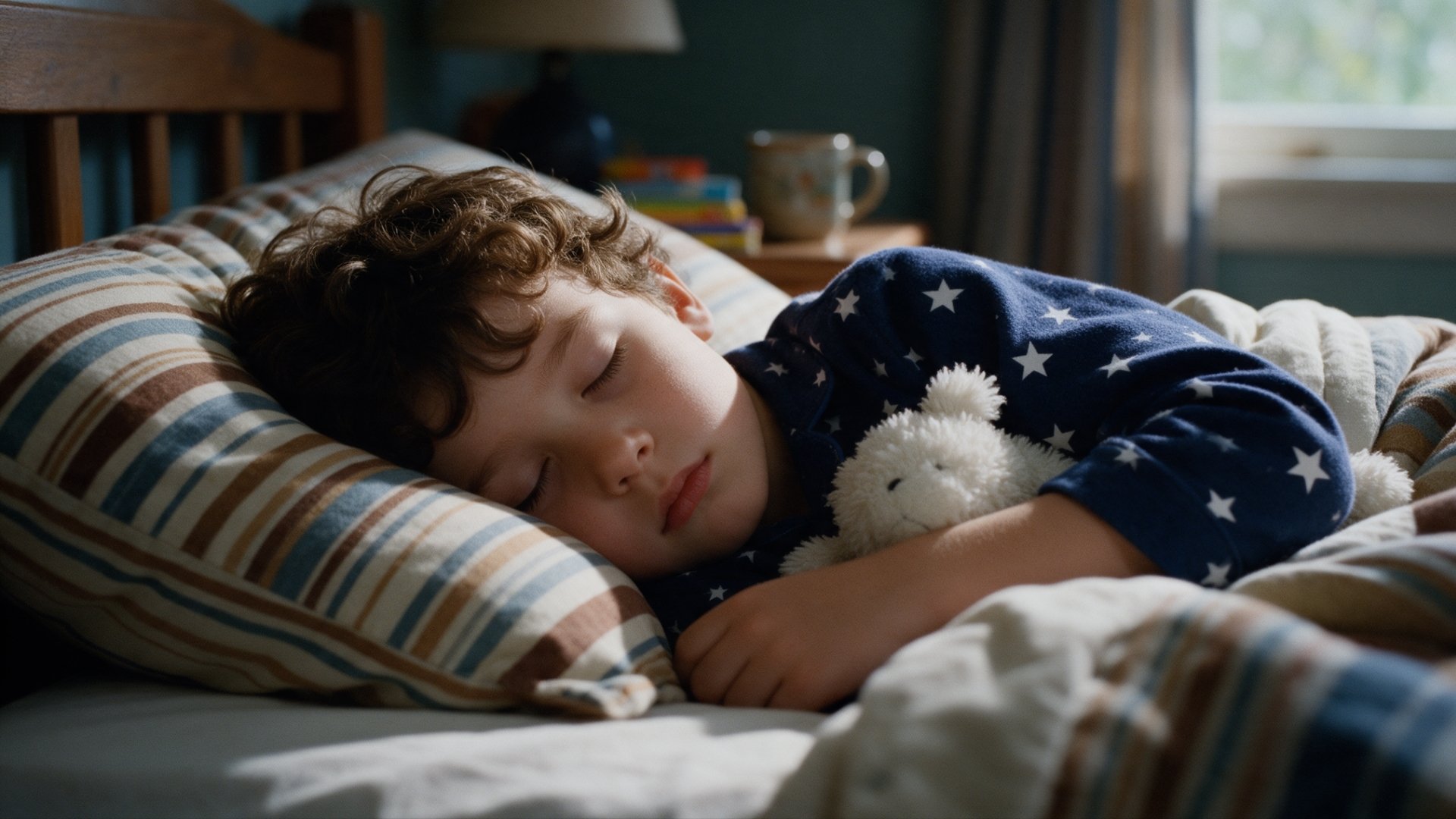
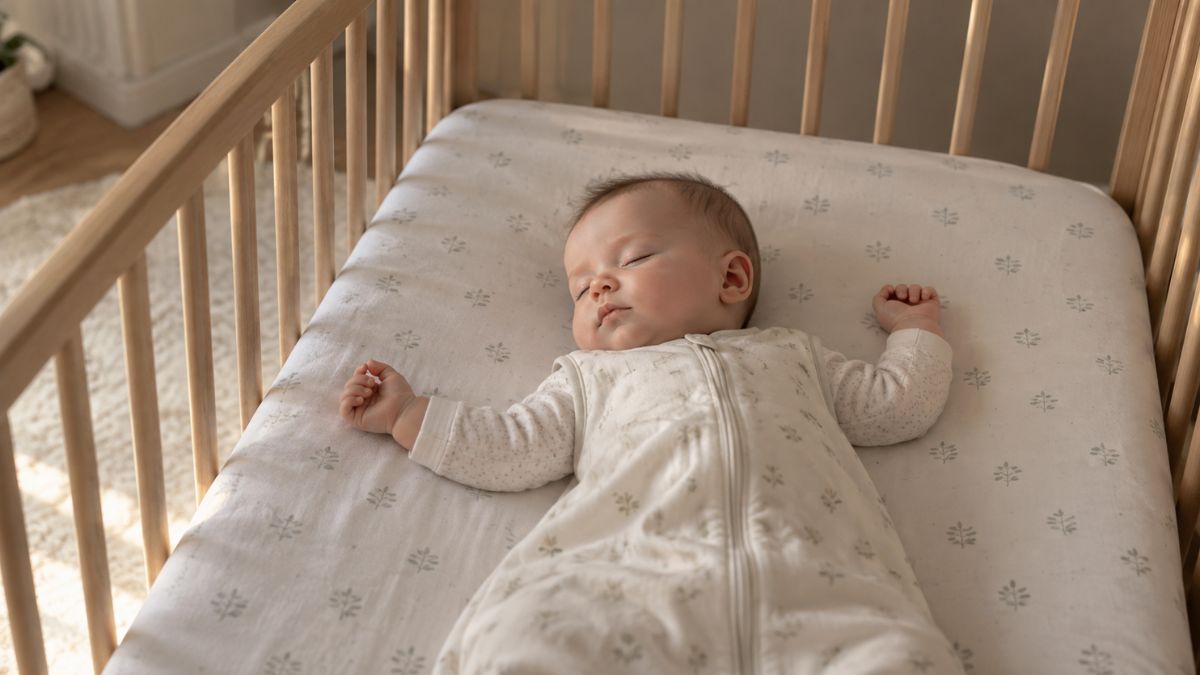
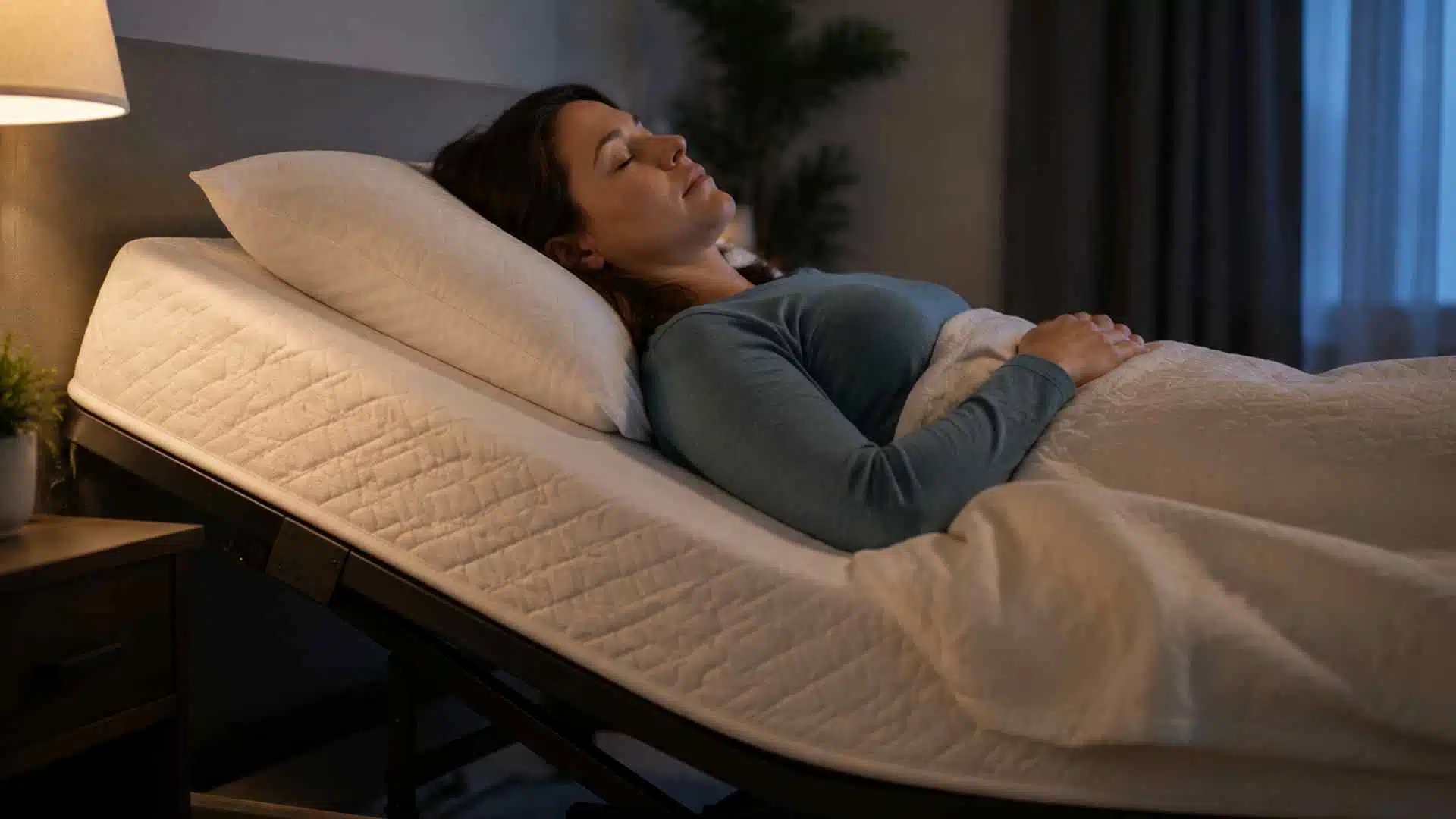

Soft, occasional snoring in babies is common and usually harmless, often appearing during a cold, a stuffy night, or the first few weeks after birth when nasal passages are still tiny.
It happens because air moving through a narrow space makes nearby tissue vibrate, and in babies that space is small enough that mild congestion, dried mucus, a dry throat from indoor heating, or an awkward head position can easily cause a surprisingly loud sound that usually clears up within a night or two.
Loud, nightly snoring, or snoring with pauses in breathing, gasping, or bluish lips, is different and needs a pediatrician’s attention.
Do Newborns Snore?
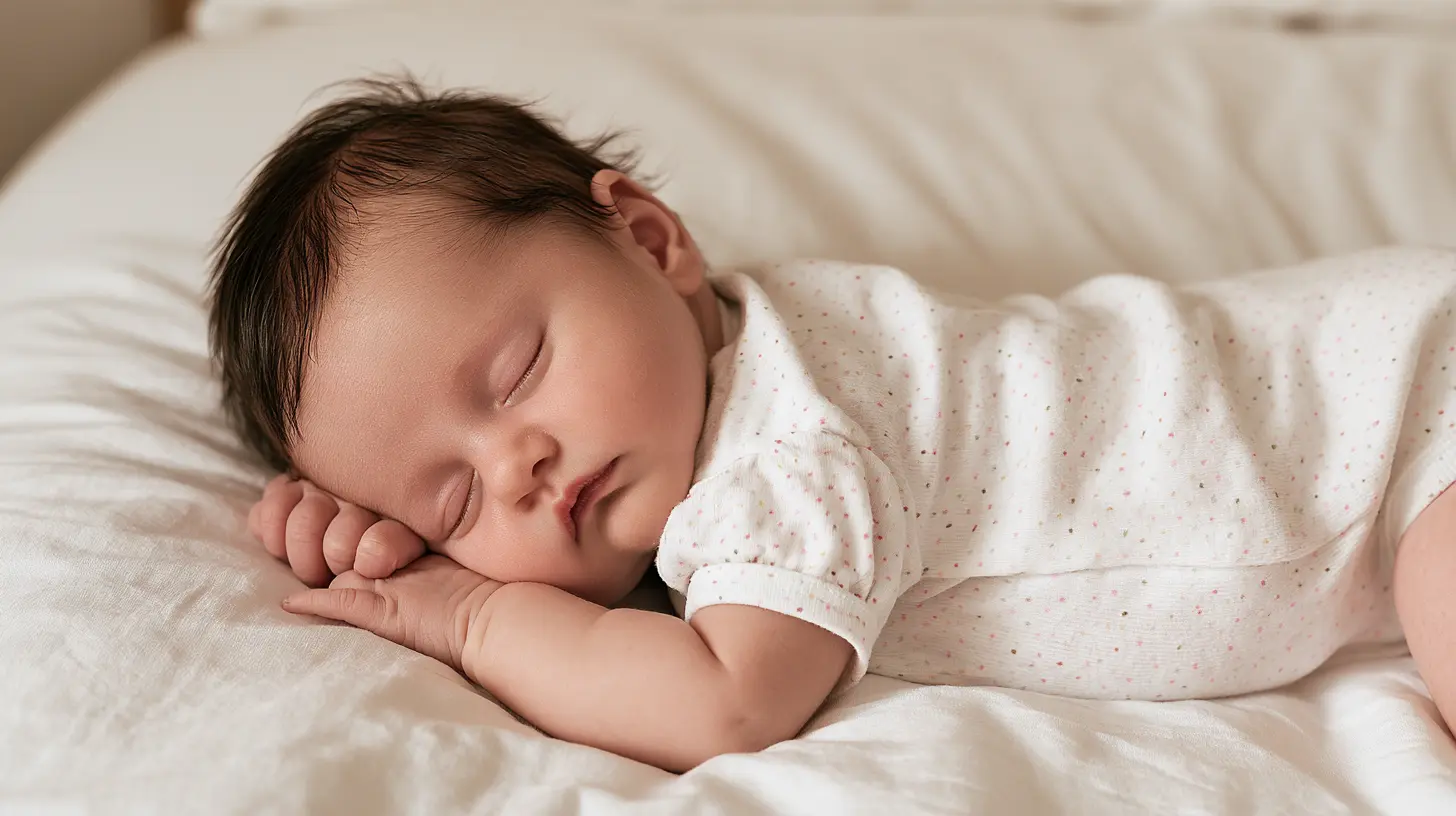
Newborns make a lot of noise while sleeping, and not all of it is snoring. Their nasal passages are so small that dried mucus, dry indoor air, or normal airway development can all produce sounds that resemble a snore.
Some noisy breathing is extremely common in the first weeks of life, since more than half of infants have noisy breathing during the first week alone, and some develop a true condition called laryngomalacia within the first four to six weeks.
Laryngomalacia is a floppiness in the tissue just above the vocal cords that causes a higher-pitched sound (called stridor) rather than a classic snore.
True, frequent snoring in a newborn is less common than in an older infant and is worth mentioning to a pediatrician if it continues past a cold or doesn’t ease with simple nasal care.
Common Causes of Baby Snoring
Baby snoring can happen for several reasons, and the cause is not always a sign of a serious problem. In many cases, it is linked to temporary issues like a stuffy nose or dry air.
Other times, ongoing snoring may be connected to airway, allergy, or sleep-related factors. Understanding the common triggers can help parents notice patterns and know when to seek advice.
- Nasal Congestion: Babies rely heavily on nose breathing, so a blocked nose has an outsized effect on how they sound at night. A cold, mucus buildup, or dry heated air in winter are the usual culprits, and snoring from congestion typically clears when the nose does.
- Enlarged Tonsils or Adenoids: Occasional snoring from a cold or allergies often goes away, but snoring caused by enlarged tonsils or adenoids usually does not, according to Ramzi Younis, MD, a pediatric otolaryngologist with the University of Miami Health System. Watch for mouth breathing, restless sleep, and frequent night waking alongside the snoring, since those often point to this cause.
- Allergies or Irritants: Dust, smoke, and strong fragrances can swell the nasal lining and make airflow harder during sleep. A pooled analysis of 24 studies covering close to 88,000 children found that secondhand smoke exposure raises the risk of habitual snoring, prompting researchers to flag it as a preventable factor parents can address directly.
- Sleep Position: Some sleep positions narrow the airway more than others, which can make snoring louder on certain nights. This is another reason to keep a baby on their back for every sleep.
- Baby’s Airway Development: Young babies simply have smaller airways than older children or adults. That smaller size alone can create noisy breathing that has nothing to do with illness and gradually fades as the airway grows.
Together, these five causes explain the large majority of baby snoring. Most resolve on their own or with simple home care, which we cover later in this article.
Is Baby Snoring Normal?
Baby snoring can be normal, especially when it happens during a cold, congestion, or after crying. However, frequent or loud snoring may point to an underlying issue. The key differences are how often it happens, how your baby breathes, and whether it affects daily behavior.
Feature | Occasional Snoring (Usually Fine) | Regular Snoring (Worth a Check) |
|---|---|---|
Frequency | A few nights, during a cold or after crying | Most nights, three or more per week |
Loudness | Soft, comes and goes | Loud, consistent |
Breathing | Normal, no pauses | Pauses, gasping, or visible effort |
Daytime effect | None | Fussiness, poor feeding, low energy |
Pattern | Clears up with the cause | Persists or gets worse |
Occasional snoring that disappears when the trigger goes away is usually not a concern. If your baby snores regularly, sounds like they are struggling to breathe, or shows changes in feeding, sleep, or energy, it is worth discussing with a pediatrician.
Regular Snoring May Need Attention
Consistent snoring in children can signal that they’re not breathing well at night, which can affect sleep quality, growth, and behavior.
Snoring during a cold is common and expected, but it becomes a concern when it persists for three months or longer.
Parents watching for this pattern should track how often the snoring happens, how loud it is, and whether breathing looks labored.
Baby Snoring vs Normal Noisy Breathing
Babies often make different sounds while sleeping, and not every noisy breath is a sign of snoring. Knowing the difference between common baby sounds can help parents understand what is normal and when to ask a pediatrician.
Sound | What It Sounds Like | When It Usually Happens | Possible Cause |
|---|---|---|---|
Grunting | Short, strained noises or pushing sounds | Often during bowel movements, feeding, or while adjusting their body | Usually related to digestion or immature muscle coordination |
Squeaking or whistling | High-pitched sound, especially while breathing in | May become louder when crying, upset, or lying on the back | Often linked to stridor, which can occur with conditions like laryngomalacia |
Snoring | Low, rough, or vibrating sound from the nose or throat | Mainly during sleep, especially with congestion or a blocked nose | Often caused by nasal congestion, colds, or relaxed airway tissues during sleep |
Understanding the type of noise your baby makes can make it easier to spot the difference between normal breathing sounds and true snoring.
If the sound is persistent, becomes louder, or comes with breathing difficulty, discuss it with a pediatrician.
How Snoring Changes as Your Baby Grows
Newborns under three months often snore due to narrow nasal passages and mucus buildup; this usually resolves as breathing patterns mature.
Between four and twelve months, occasional snoring during colds is common, but nightly snoring at this stage is worth mentioning at a checkup. By toddlerhood, enlarged tonsils or adenoids become a more likely cause, and pediatricians may check for this at routine visits.
In short, occasional snoring tends to fade with age, while snoring that persists, worsens, or comes with breathing interruptions should prompt a pediatric sleep evaluation rather than a wait-and-see approach.
When Should Parents Worry About Baby Snoring?
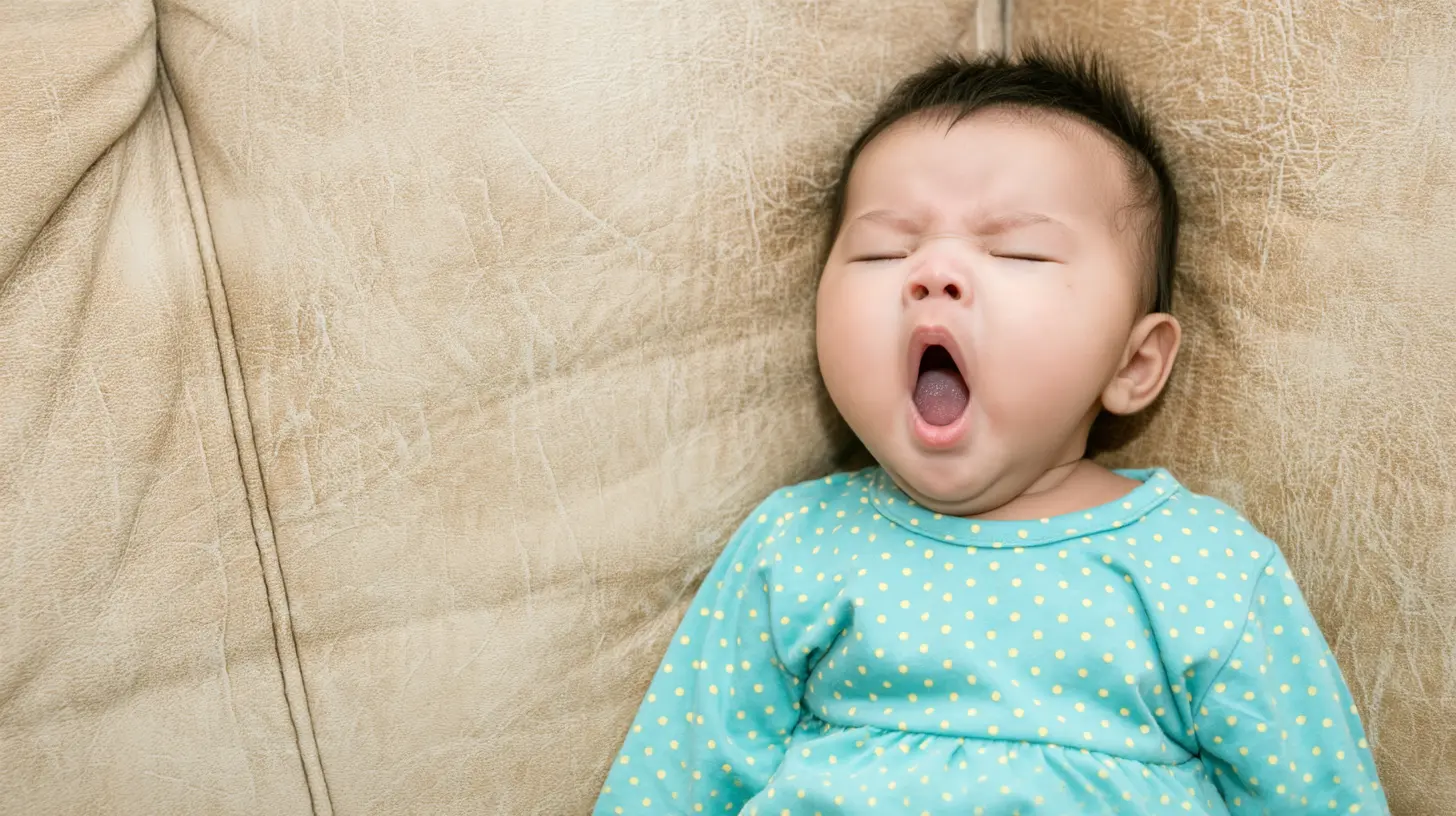
Parents should contact a pediatrician if snoring is loud and happens often, occurs most nights rather than only during illness, or seems to be getting worse over time rather than better.
A single noisy night during a cold rarely needs a call. A pattern that repeats week after week does.
- Breathing Pauses During Sleep: If a baby briefly stops breathing, gasps, or suddenly wakes during sleep, they need a medical evaluation. Pauses longer than 20 seconds, or any pause paired with blue lips or limpness, are reasons to call a doctor, sometimes urgently.
- Struggling to Breathe: Signs of increased work of breathing, such as tracheal tugging (the neck muscles sucking in), belly breathing, nasal flaring, or the chest appearing to cave in, are worth a pediatrician visit, and a baby should never look dusky or blue while breathing.
- Poor Sleep Quality: Frequent waking, restless movement, and heavy sweating during sleep can all point to disrupted breathing rather than a normal deep sleep stage.
- Daytime Symptoms: Excessive daytime tiredness, feeding trouble, and increased irritability sometimes trace back to poor sleep quality overnight, even when parents haven’t connected the two.
Occasional snoring during a cold or congestion is usually temporary, but repeated snoring with breathing changes or daytime symptoms should not be ignored. Tracking when and how your baby snores can help a pediatrician identify the possible cause and next steps.
Can Baby Snoring Be Linked to Sleep Apnea?
Sleep apnea happens when breathing repeatedly slows or stops during sleep, cutting into the amount of restful sleep a baby gets. Regular snoring combined with breathing pauses is one of the clearer warning signs.
According to the National Library of Medicine, about 3 to 5 percent of children who snore have obstructive sleep apnea, so most snoring is not apnea.
Broader estimates across studies put overall childhood OSA diagnosed by varying criteria at roughly 1 to 4 percent, which is why a pediatrician’s evaluation matters more than the snoring sound alone.
Not every snoring baby needs a sleep study, but a doctor can check for the specific pattern that does.
How Parents Can Help Reduce Baby Snoring at Home
For snoring tied to congestion, dry air, or irritants, a few simple steps at home often help within a few nights.
- Clear the nose gently: Use saline drops if a pediatrician has approved them, then a bulb syringe to clear loosened mucus before sleep.
- Improve the air in the room: Keep the space free of smoke and strong fragrances, and consider a cool-mist humidifier if dry air seems to be the trigger.
- Stick to safe sleep positioning: Always place a baby on their back for every sleep, on a firm, flat, non-inclined surface, without pillows, positioners, or soft bedding.
- Track the pattern: Note how often the snoring happens, how loud it is, and any other symptoms, so a pediatrician has real information to work with if it continues.
Home care handles most congestion-related snoring. What it won’t fix is snoring from enlarged tonsils, adenoids, or an airway issue, which needs a medical evaluation rather than a home remedy.
When to Call a Pediatrician About Baby Snoring
Occasional baby snoring during a cold, dry spell, or the first weeks of life is common and usually nothing to worry about.
Regular, loud snoring, especially alongside breathing pauses, gasping, or daytime changes, is worth a pediatrician’s evaluation rather than a wait-and-see approach.
Tracking frequency, loudness, and any other symptoms gives a doctor the clearest picture if the snoring doesn’t resolve on its own.
Contact a Doctor Soon If | Monitor at Home If |
|---|---|
Snoring happens regularly, most nights | Snoring only shows up during a cold |
Baby has breathing pauses or gasping | Breathing looks normal and easy |
Baby shows chest retractions or nasal flaring | Feeding and energy stay normal |
Sleep quality or daytime behavior changes | Symptoms fade as congestion clears |
When in doubt, a short video of the baby sleeping can help a pediatrician assess the sound and breathing pattern during the visit.
Final Thoughts
Snoring is a normal part of babyhood for many families, tied to tiny nasal passages, a cold, or a dry room.
What matters most is the pattern behind it, not the sound itself.
A few noisy nights during congestion rarely signal anything serious, while snoring that shows up most nights, gets louder, or comes with pauses, gasping, or daytime changes deserves a closer look.
Keep a simple log of when it happens and how it sounds, including a short video if you can.
Bring that log to your baby’s next pediatrician visit, or call sooner if breathing ever looks labored. That small step gives your doctor exactly what they need to help.
Frequently Asked Questions
Does Swaddling Make Baby Snoring Worse?
Swaddling itself doesn’t cause snoring, but any wrap that restricts breathing or forces an unsafe sleep position can worsen breathing sounds.
Can a Humidifier Stop Baby Snoring Completely?
A humidifier can ease snoring caused by dry air, but it won’t resolve snoring from enlarged tonsils, adenoids, or a structural airway issue.
Is Baby Snoring Linked to Acid Reflux?
Reflux can irritate the throat and worsen conditions like laryngomalacia, which may increase noisy breathing, though reflux itself doesn’t directly cause snoring.
Can Allergies Cause Snoring Year-Round, Not Just Seasonally?
Yes. Ongoing exposure to dust, pet dander, or other allergens can keep nasal passages swollen enough to cause snoring outside of allergy season.