


A Baker’s cyst can turn a good night’s sleep into a frustrating challenge.
The fluid-filled lump at the back of the knee becomes harder to ignore when you lie down, making it difficult to find a position that does not press directly on the swollen area.
People dealing with dull aching, stiffness, or sharper pain that flares with movement tend to find the discomfort feels more intense at night when there are no distractions to take their mind off it.
What follows covers the best sleeping positions, pillow support techniques, and pain relief strategies to help you sleep more comfortably with a Baker’s cyst, along with signs that it may be time to get professional medical advice.
What is a Baker’s Cyst
A Baker’s cyst is a fluid-filled swelling that develops behind the knee joint. It forms when excess synovial fluid, which normally lubricates the knee, builds up and gets trapped in a pocket of tissue.
This often happens due to underlying conditions like arthritis, cartilage tears, or joint inflammation.
The cyst can cause tightness, stiffness, or discomfort, especially when bending or fully extending the leg. In some cases, it may shrink on its own without treatment.
Why Sleeping Becomes Difficult With a Baker’s Cyst
A Baker’s cyst creates a fluid-filled bulge at the back of the knee that grows more uncomfortable once you stop moving.
During the day, regular activity helps keep swelling manageable, but lying down removes that circulation support, causing fluid to pool and increase pressure behind the joint.
The cyst presses directly against surrounding tissues, making even slight bending or straightening feel painful.
Sleep naturally involves unconscious position changes, and each shift can aggravate the sensitive area around the cyst.
Side sleepers often feel the cyst compressed between their knees, while back sleepers struggle with the pressure of the mattress pushing against the popliteal area.
Many people who sleep on their side also experience shoulder pain, which can make sleep even more uncomfortable.
This combination of stiffness, restricted range of motion, and unpredictable spikes in pain makes restful sleep genuinely hard to maintain.
Best Sleeping Positions for How to Sleep With a Baker’s Cyst
Finding a comfortable position takes some adjustment, but the right setup can significantly reduce pain and help you get through the night without constant disruption.
1. Back Sleeping With Knee Support
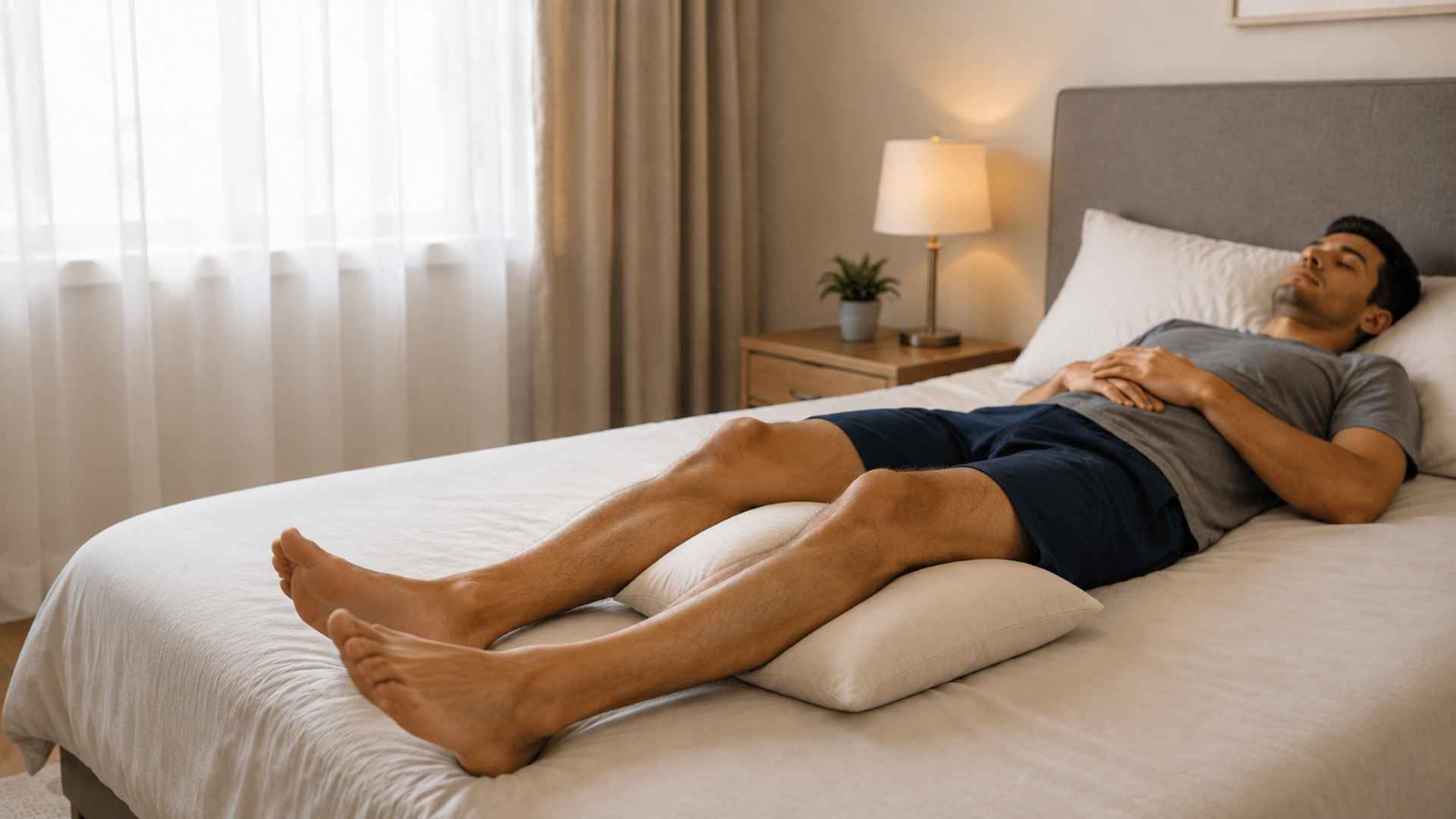
Back sleeping is one of the most recommended positions for a Baker’s cyst.
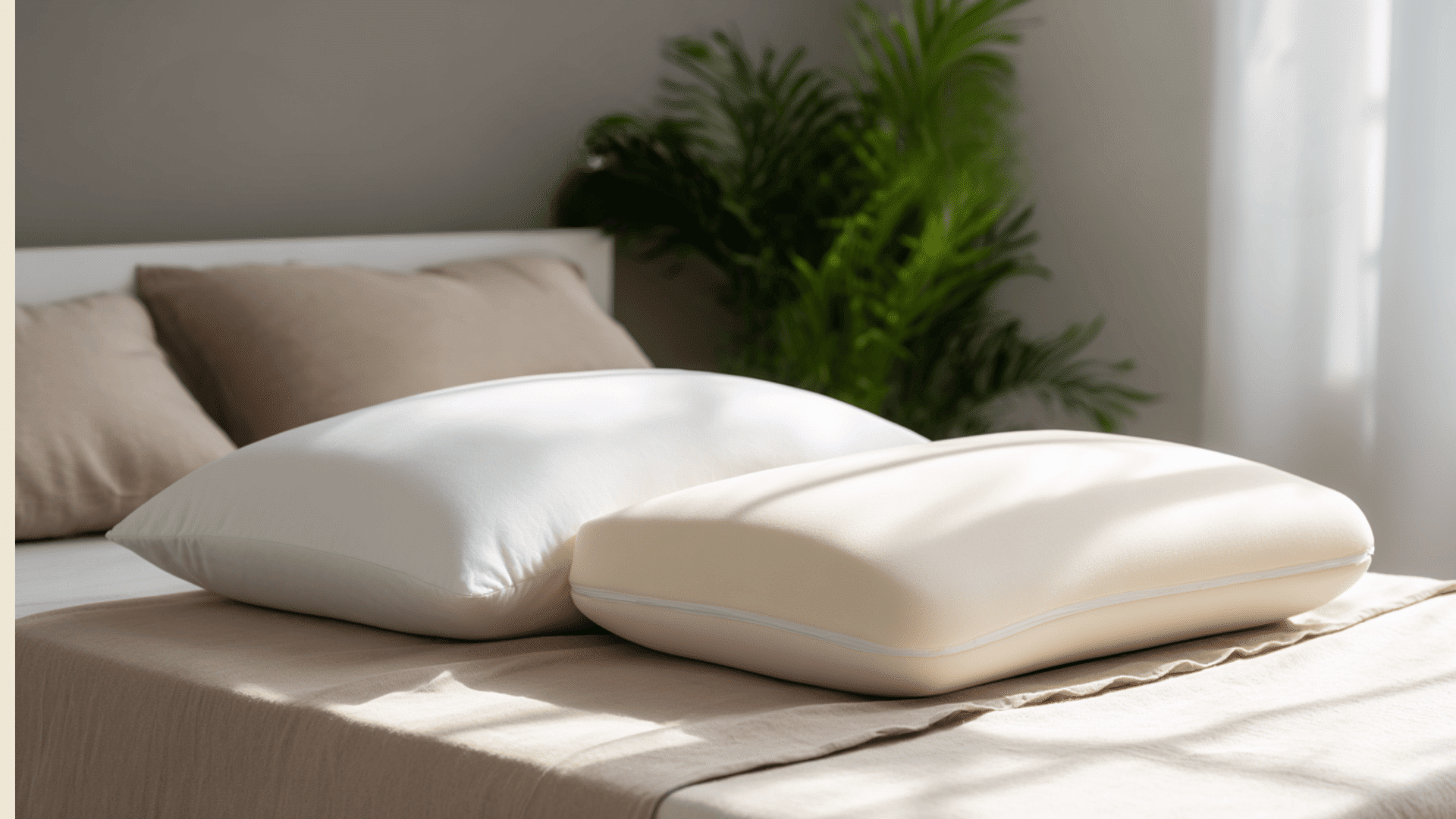
Placing a pillow or rolled blanket under the affected knee keeps it slightly bent, reducing tension on the popliteal area.
This setup prevents the knee from locking flat against the mattress and minimizes direct pressure on the cyst.
Firm support works better than soft support since it holds the knee at a stable, consistent angle throughout the night.
2. Side Sleeping With Pillow Between Knees
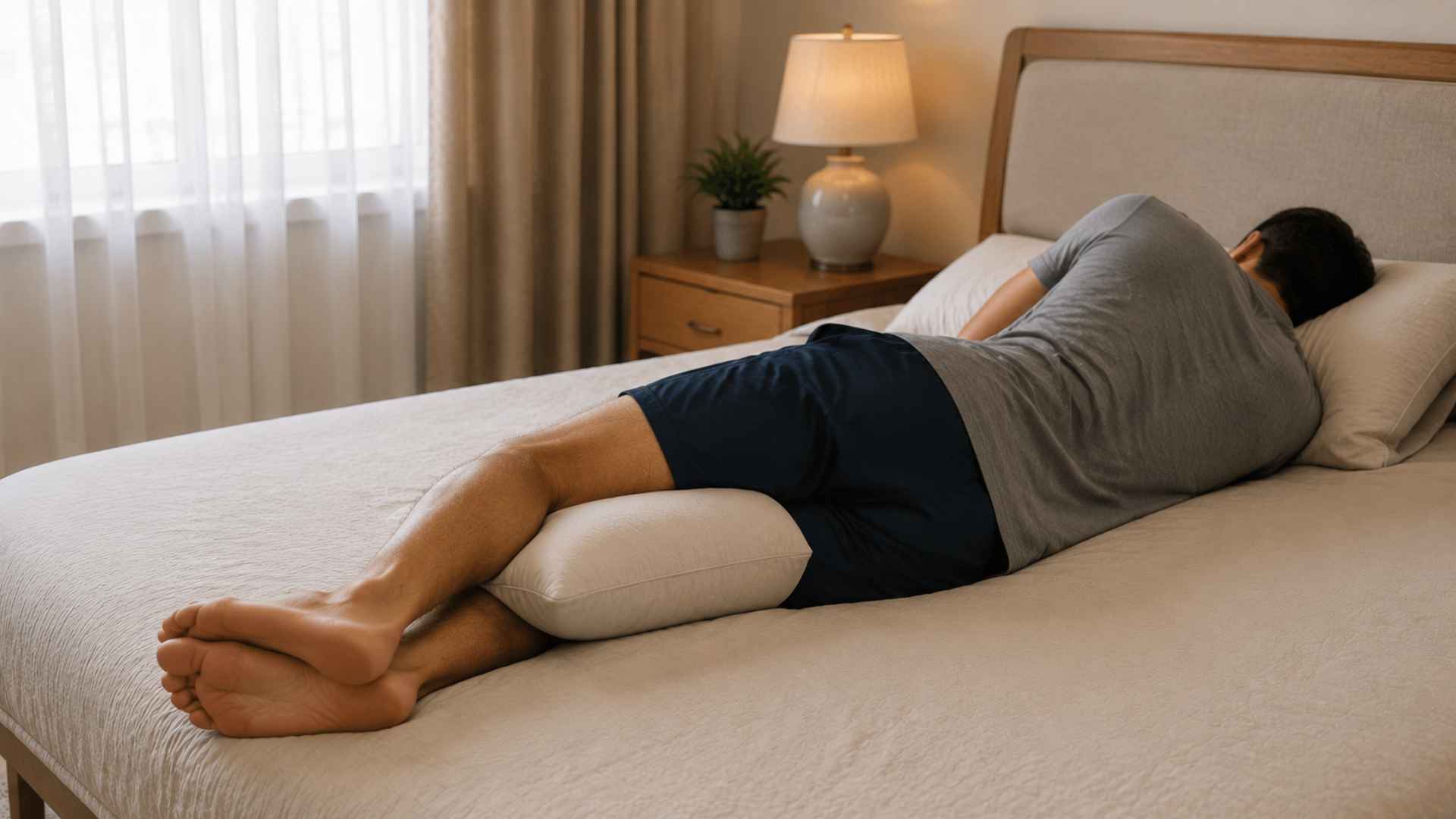
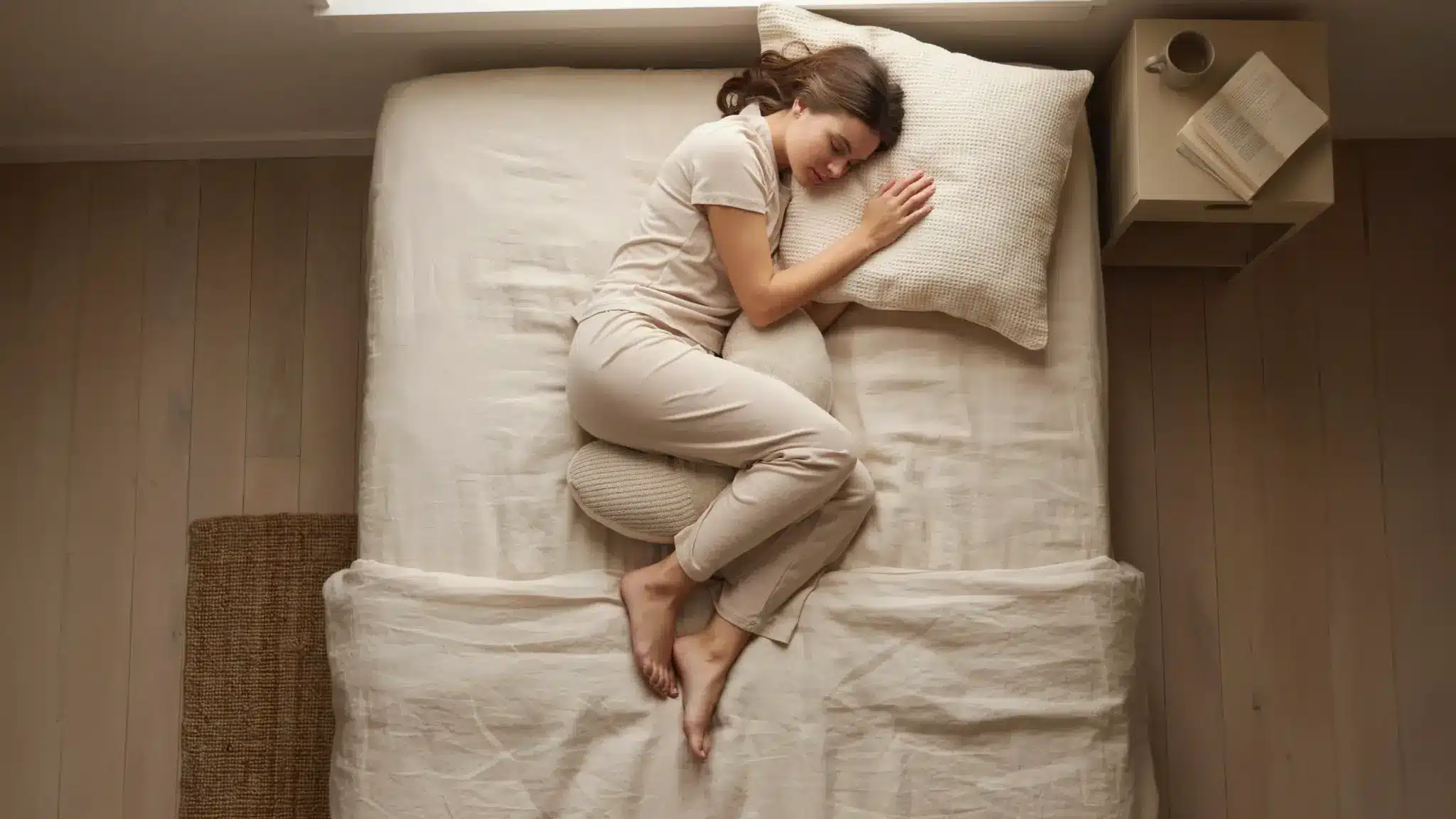
Side sleeping can work well as long as you place a pillow between your knees before lying down.
This keeps your hips, spine, and knees aligned, reducing the rotational pull that often aggravates the joints.
Sleeping on the unaffected side is the better choice, as it keeps the cyst from being compressed against the mattress.
A thick, firm pillow provides more consistent support than a flat one that collapses during the night.
3. Slight Leg Elevation to Reduce Pressure
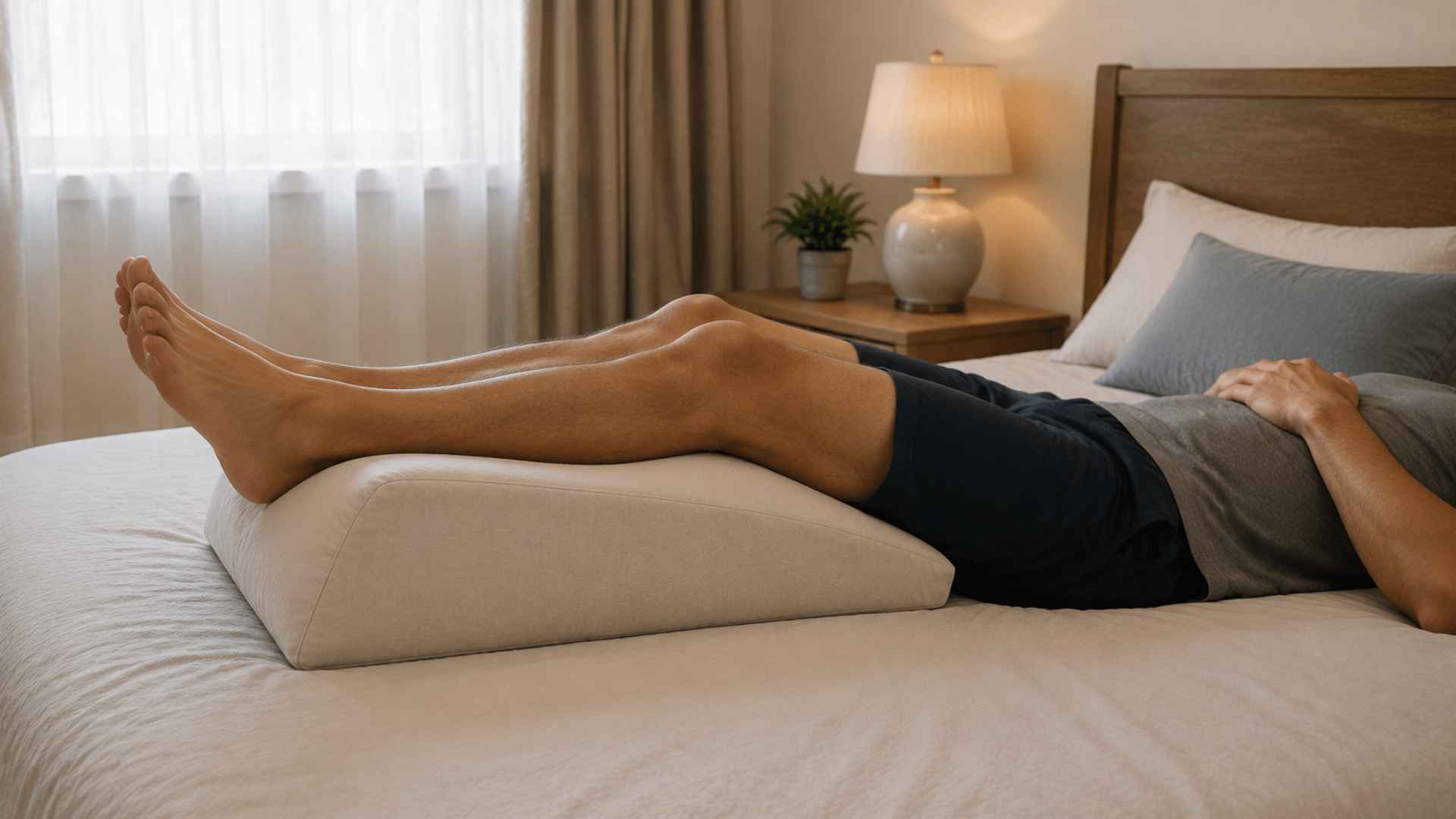
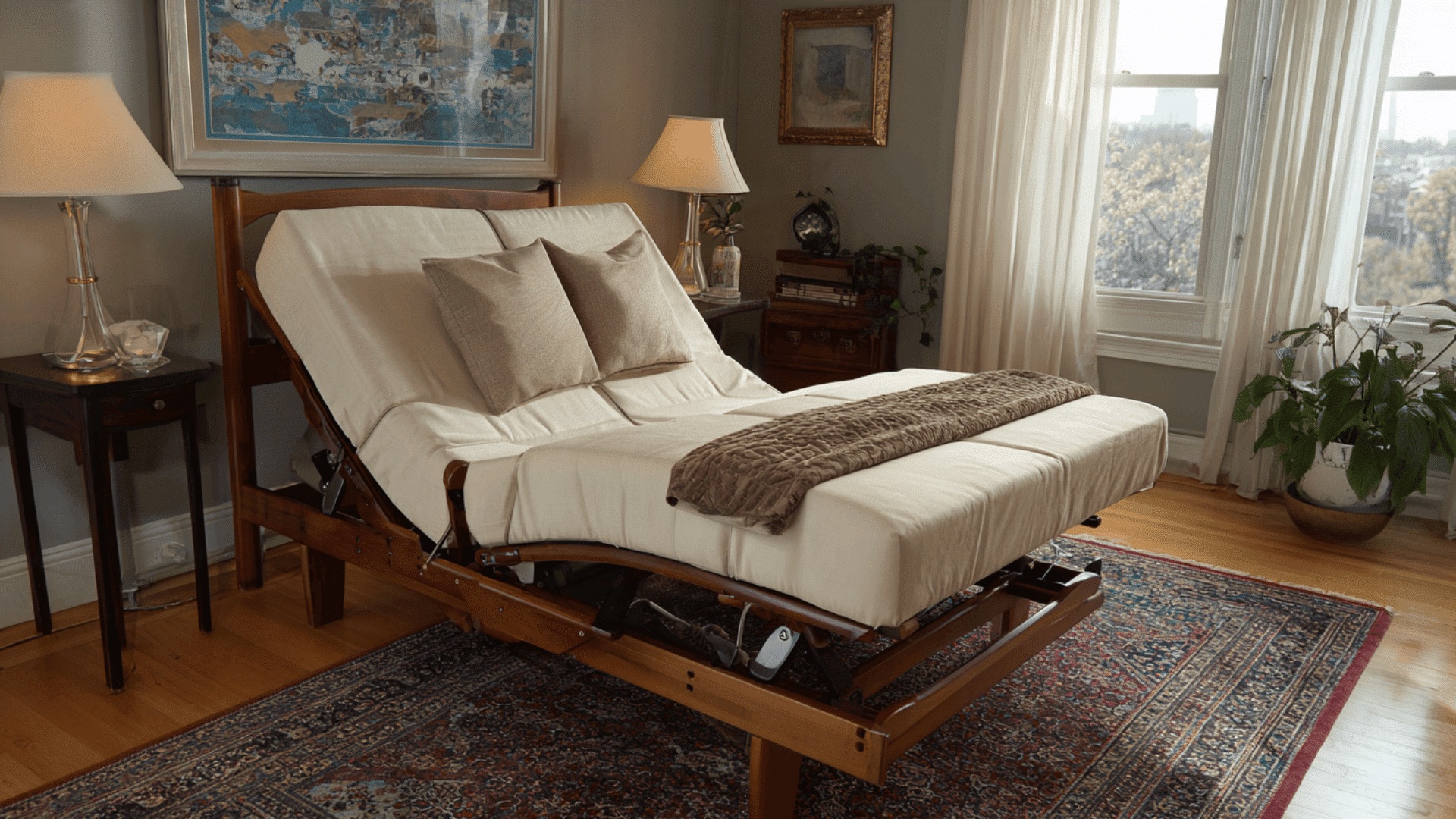
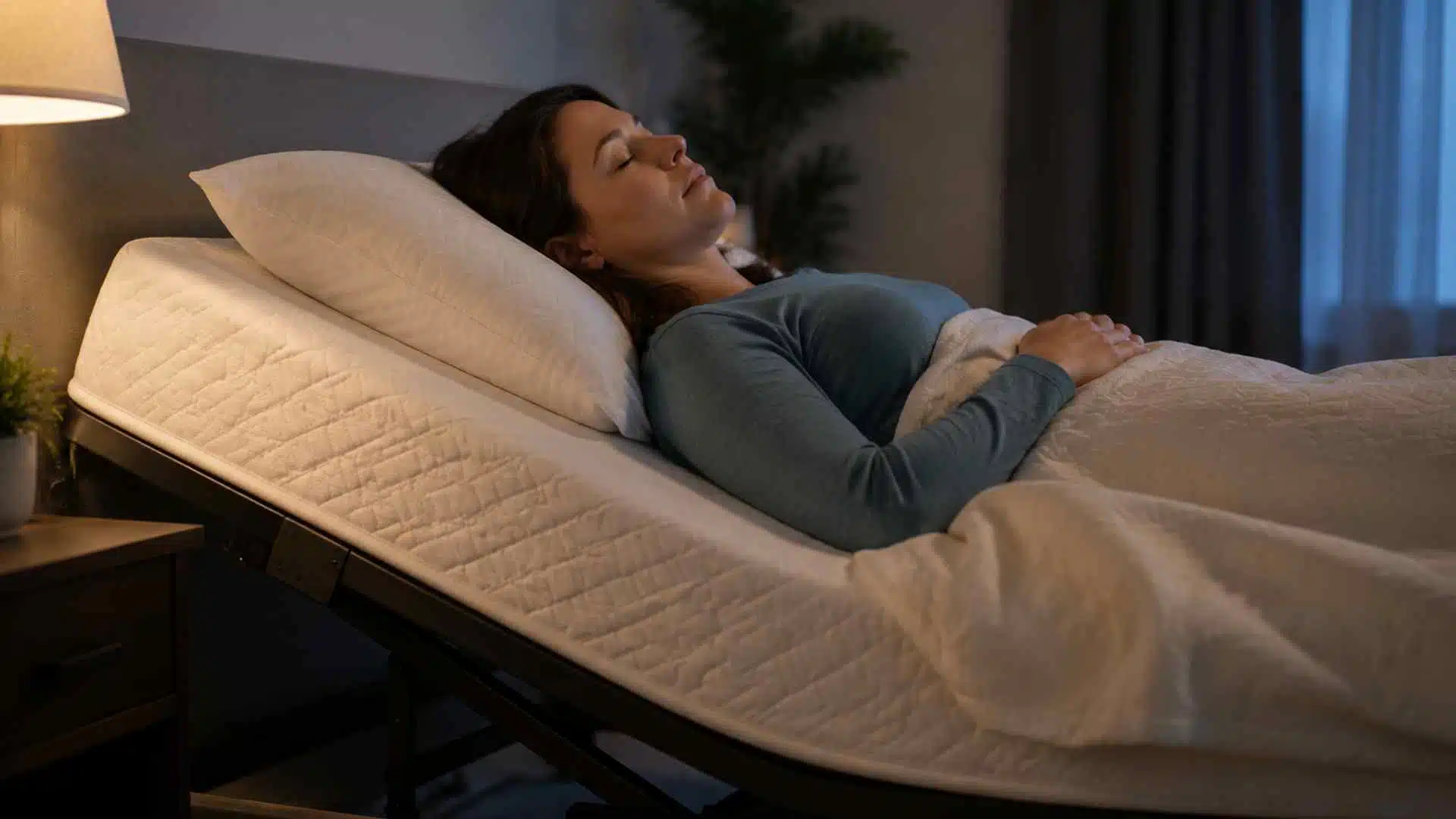
Elevating the affected leg slightly above heart level helps reduce fluid buildup around the knee joint overnight.
Placing a pillow or wedge cushion under the lower leg encourages better circulation and prevents the pooling that worsens swelling by morning.
Even a modest lift of a few inches makes a noticeable difference in how the joint feels when you wake up.
This position works particularly well when combined with back sleeping for added stability and comfort.
Nighttime Pain Relief Strategies for Baker’s Cyst
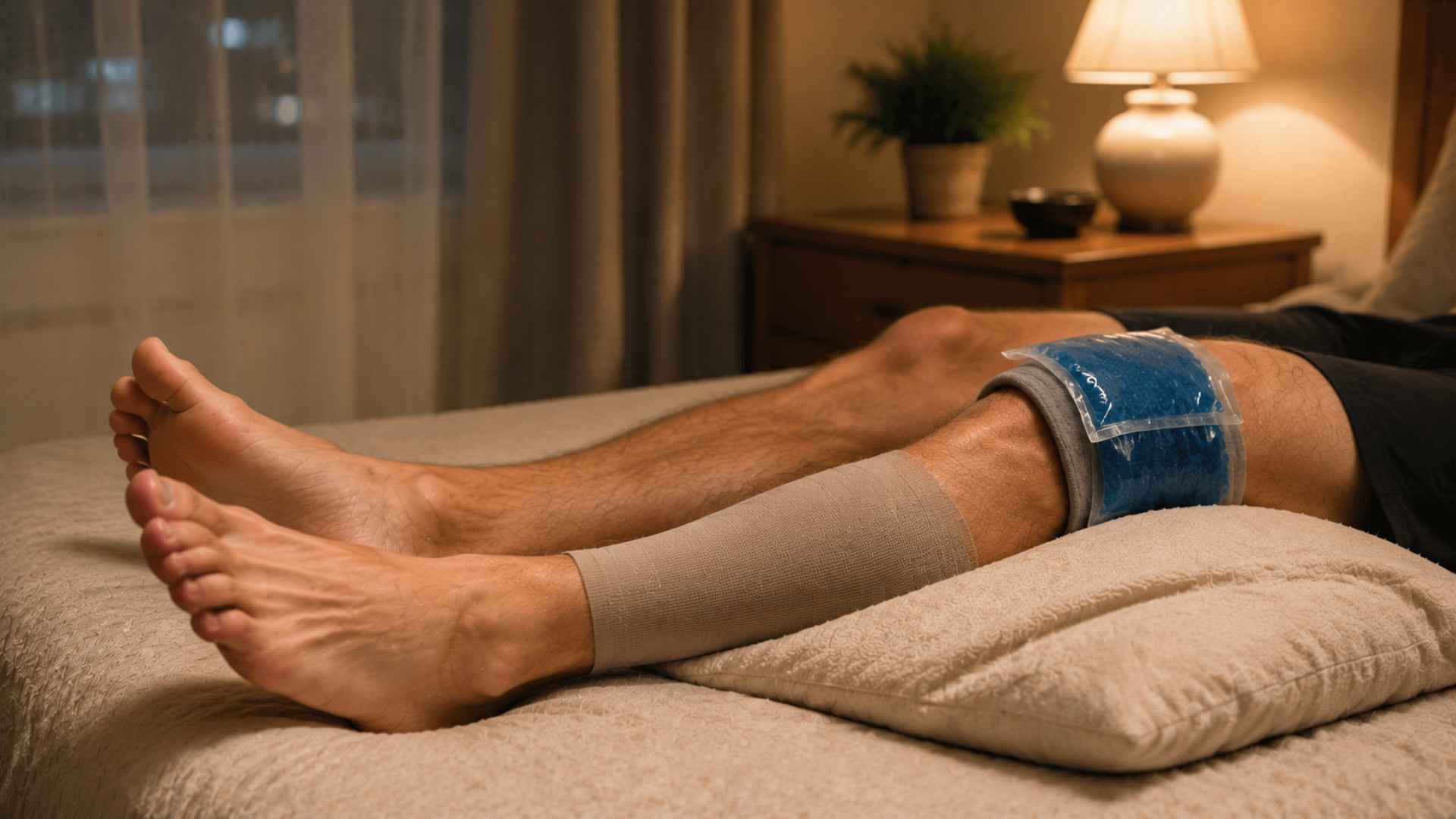
Managing discomfort before bed gives the knee a better chance of staying settled through the night without constant pain interruptions.
Applying an ice pack to the back of the knee for 15 to 20 minutes before bed helps reduce swelling and numb localized discomfort before you lie down.
Gentle stretching focused on the hamstrings and calf muscles eases the tension that builds around the joint after a full day of activity.
Over-the-counter options like ibuprofen or naproxen can help manage both pain and inflammation when taken as directed, though checking with a doctor is advisable for regular use.
Light compression sleeves worn in the evening before bed help control fluid buildup without restricting circulation, making the transition into sleep noticeably more comfortable.
Managing discomfort before bed gives the knee a better chance of staying settled through the night without constant pain interruptions.
Many people also struggle to fall asleep faster at night, especially when pain or discomfort keeps them awake.
When to Seek Medical Help for Baker’s Cyst Pain at Night
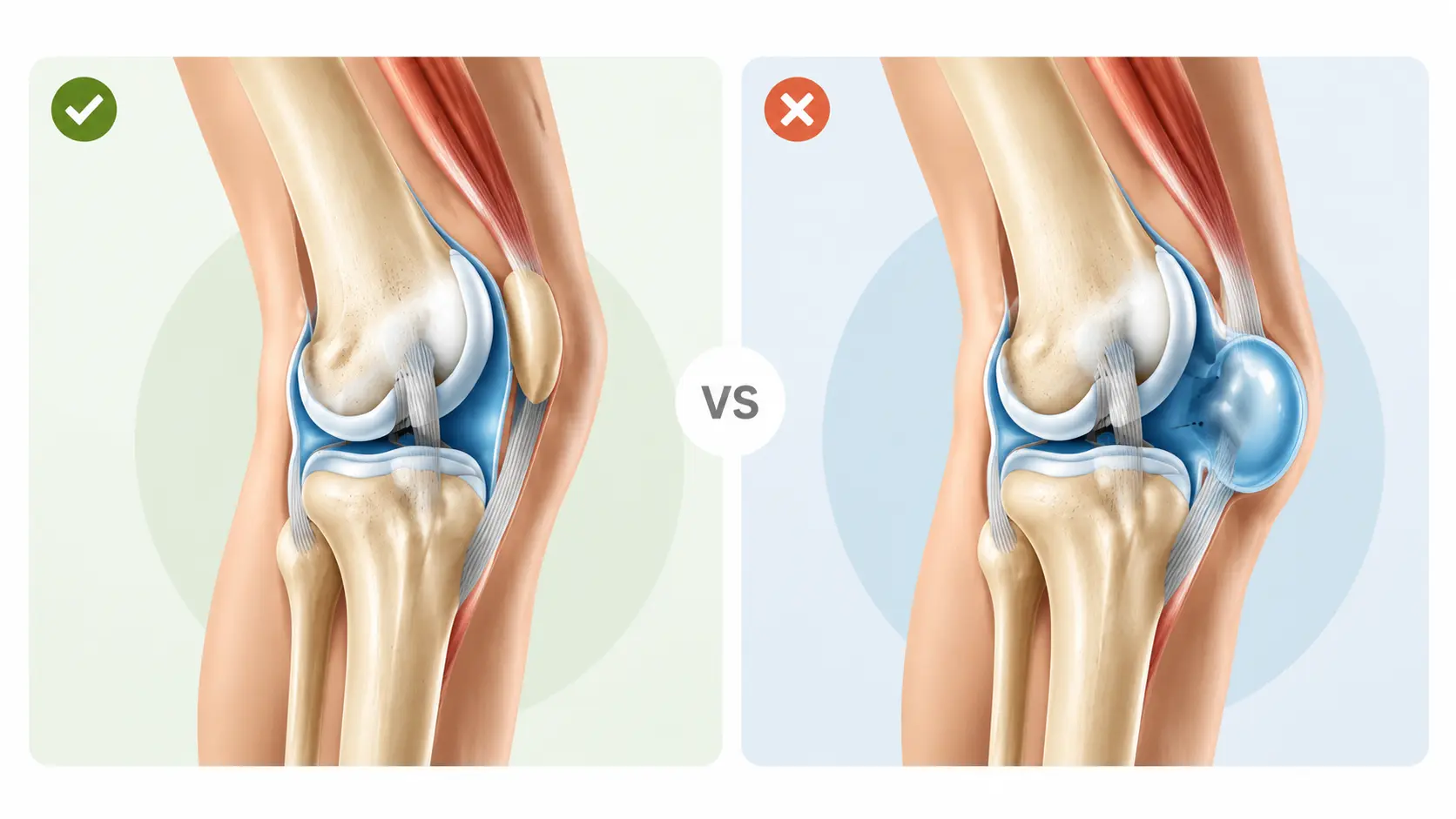
According to Mayo Clinic, common symptoms of Baker’s cyst pain include persistent or worsening nighttime pain in the joint. A Baker’s cyst is a sign that something more than positional adjustments may be needed.
Sudden sharp pain, rapid swelling, or a warm sensation behind the knee can indicate the cyst has ruptured or become infected, both of which require prompt medical attention.
Limited knee movement that begins to affect your ability to walk, climb stairs, or carry out daily tasks is worth discussing with a doctor.
If sleep disruption from cyst-related pain continues for more than a few weeks despite home care, a medical evaluation can help identify whether drainage, physical therapy, or treatment of the underlying joint condition is the right next step.
Mattress and Bedding Adjustments for Better Sleep
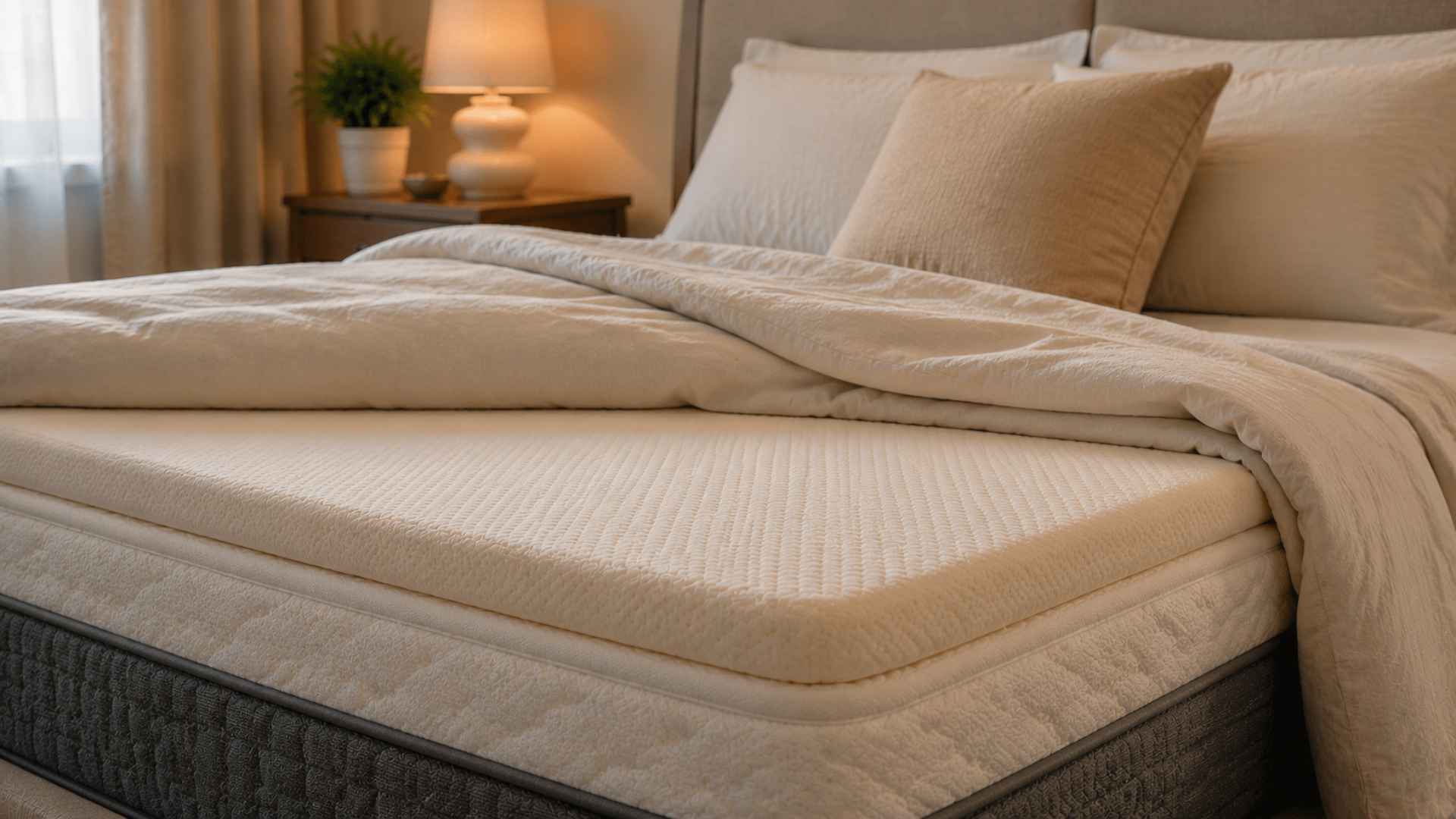
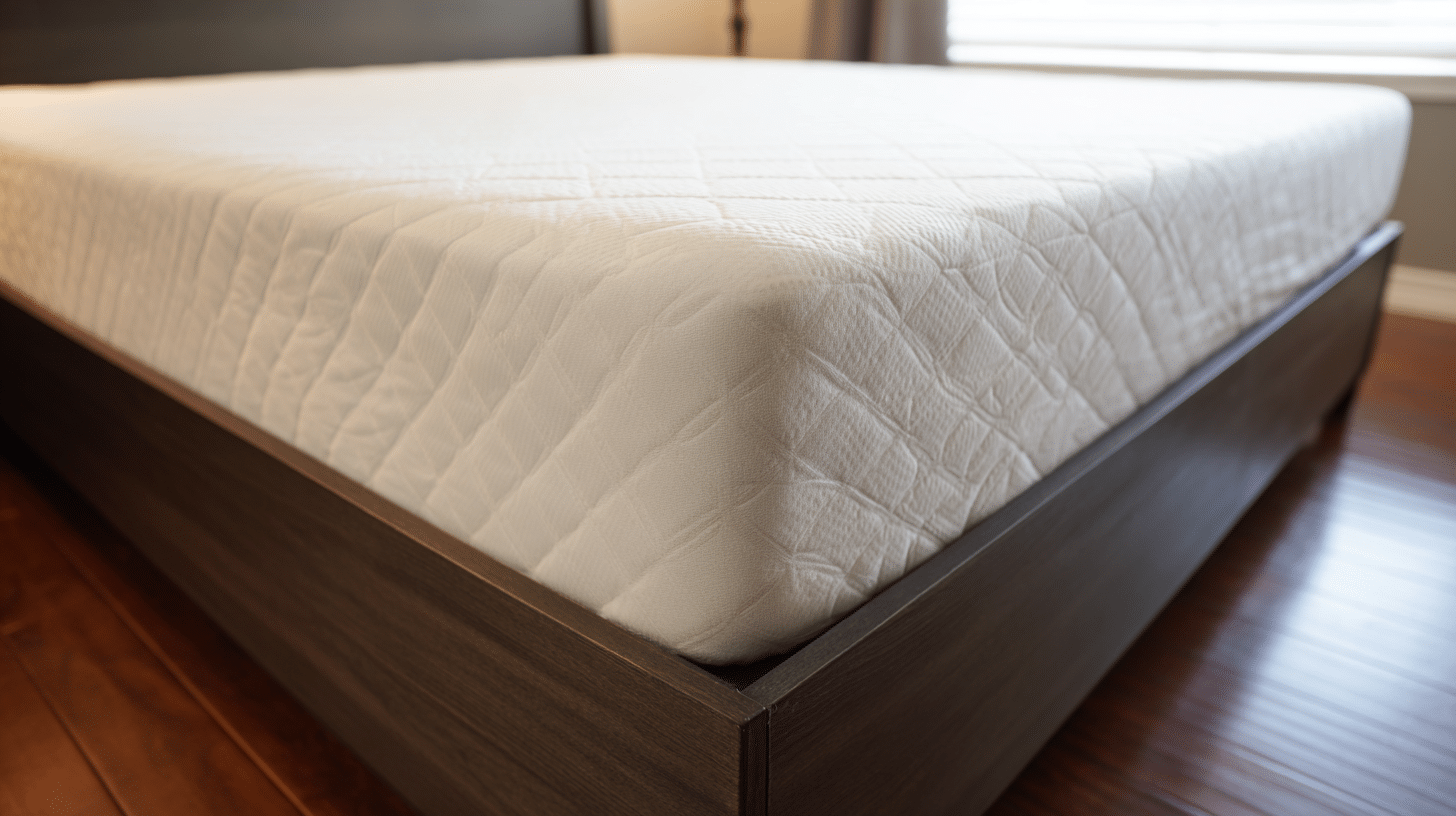
The right sleep surface can reduce pressure and heat that make a Baker’s cyst harder to manage overnight.
- A medium-firm mattress keeps the leg stable and reduces uneven pressure on the cyst through the night.
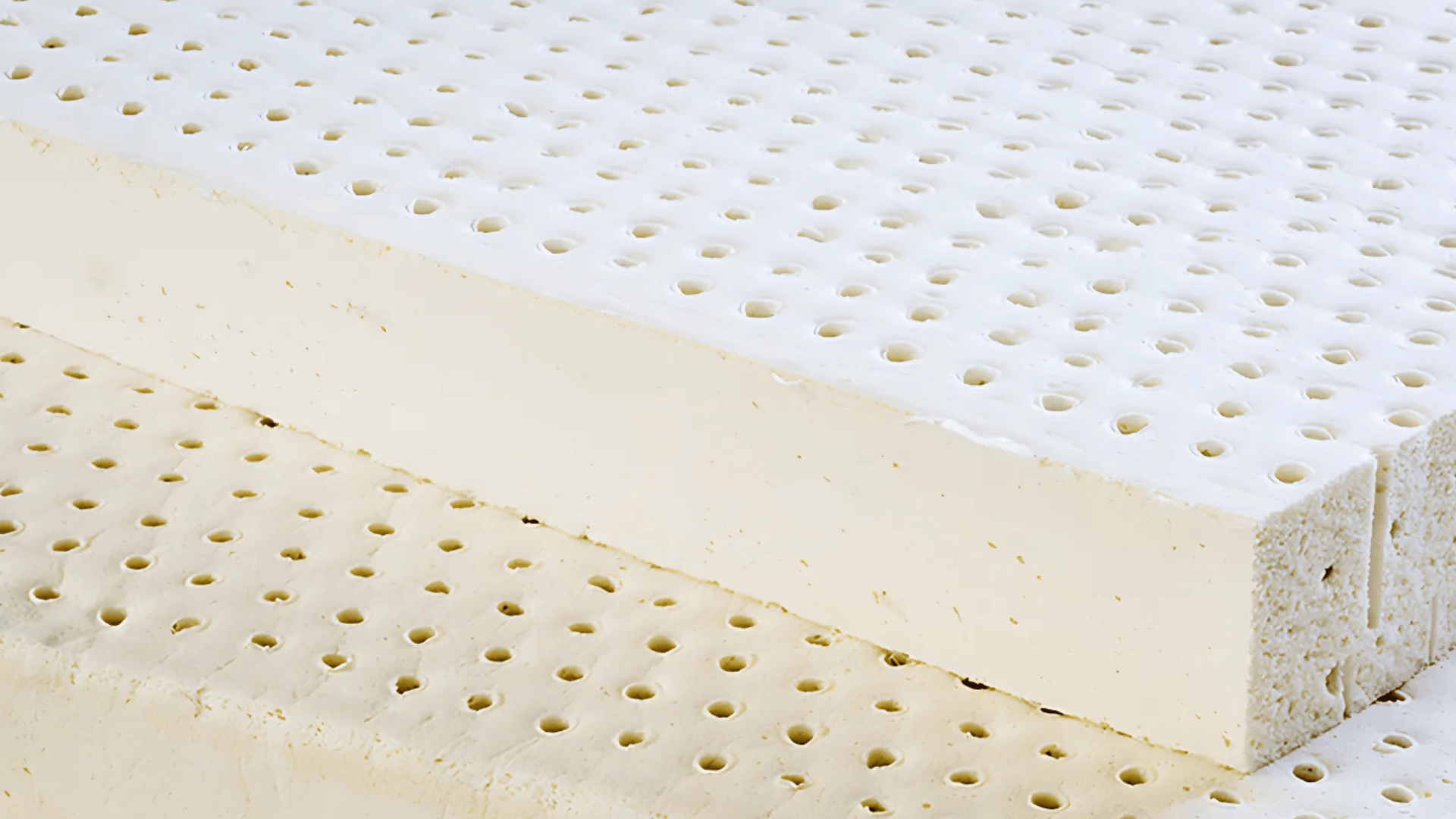
- A memory foam or latex topper cushions the knee without letting it drop into an uncomfortable angle.
- Overly soft bedding causes the leg to sink unevenly, shifting the knee out of alignment and increasing joint strain.
- Breathable materials like cotton or bamboo prevent heat buildup, which can worsen swelling and discomfort by morning.
Even one or two of these adjustments can improve how the knee feels through the night and how mobile it is when you wake up.
What to Avoid: Sleeping Mistakes That Make a Baker’s Cyst Worse
Certain sleeping habits can aggravate your Baker’s cyst pain without you even realizing it. Here are the most common mistakes people make and how to fix them.
| Avoid This | Do This Instead |
|---|---|
| Sleeping on your stomach | Sleep on your back or unaffected side with proper pillow support |
| Letting the knee lie completely flat | Keep a slight bend using a pillow or rolled blanket underneath |
| No support between knees when side sleeping | Place a firm pillow between your knees to maintain alignment |
| Soft bedding that causes uneven sinking | Use a medium-firm surface to keep the leg stable through the night |
| Tucking legs into a tight fetal position | Keep legs loosely extended to avoid compressing the cyst |
| Sudden movements when getting up | Shift slowly, roll as one unit, and use your arms for support |
Making these simple changes can help you avoid flare-ups and wake up with less stiffness.
Small adjustments in how you position and move through the night can have a real impact on your pain levels by morning.
Final Thoughts
Sleeping with a Baker’s cyst is uncomfortable, but the right adjustments make a real difference.
Choosing a supportive sleep position, using pillows strategically, managing pain before bed, and setting up a stable sleep surface all work together to reduce nighttime discomfort.
Most people see improvement with consistent changes over time.
If pain continues to disrupt your sleep despite these efforts, talking to a doctor ensures you get the right treatment and are not managing an underlying joint condition on your own.
Frequently Asked Questions
What Is the Best Sleeping Position for Baker’s Cyst Pain?
Back sleeping with a pillow under the knee or side sleeping on the unaffected side with a pillow between the knees works best for most people.
Should I Sleep with My Knee Bent or Straight?
A slight bend of around 10 to 20 degrees is more comfortable than fully straight, as it reduces tension on the joint capsule and surrounding tissue.
Does Elevating the Leg Reduce Swelling of A Baker’s Cyst at Night?
Yes, elevating the leg slightly above heart level encourages better circulation and helps reduce fluid buildup around the knee by morning.