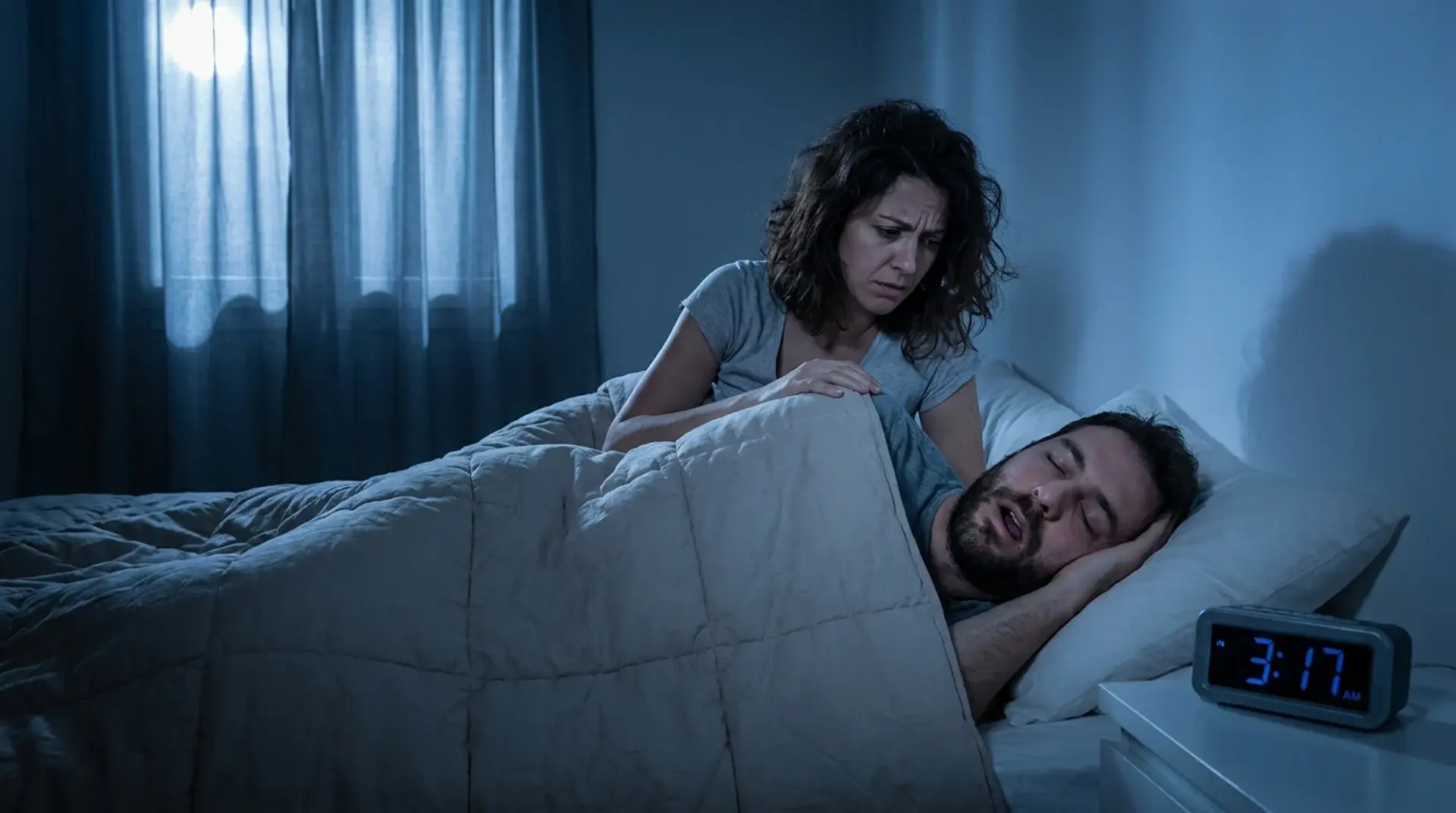





You close your eyes and wait. And wait. And wait some more. That feeling is more common than most people realize.
Most people assume falling asleep should happen the moment their head hits the pillow. When it does not, it starts to feel like something is wrong.
Sleep does not occur on demand and is regulated by circadian rhythm and sleep pressure. How long it takes to fall asleep depends on several factors, and most of them are within your control.
How Long Does It Take To Fall Asleep On Average?
Most adults take about 10 to 20 minutes to fall asleep. This range is considered normal and is referred to as sleep latency by sleep researchers and doctors.
Falling asleep in under 10 minutes, or occasionally taking up to 30 minutes, is still within a healthy range for most people. It does not automatically mean something is off.
Sleep latency varies from person to person based on age, stress levels, sleep quality, and daily habits. A consistent pattern matters more than any single night.
If you regularly fall within that 10- to 20-minute window and wake up feeling rested, your sleep onset time is likely just fine.
Children and teenagers tend to fall asleep faster than adults due to higher sleep pressure and longer sleep needs. As you age, sleep onset can naturally take a little longer.
What Affects How Long It Takes To Fall Asleep
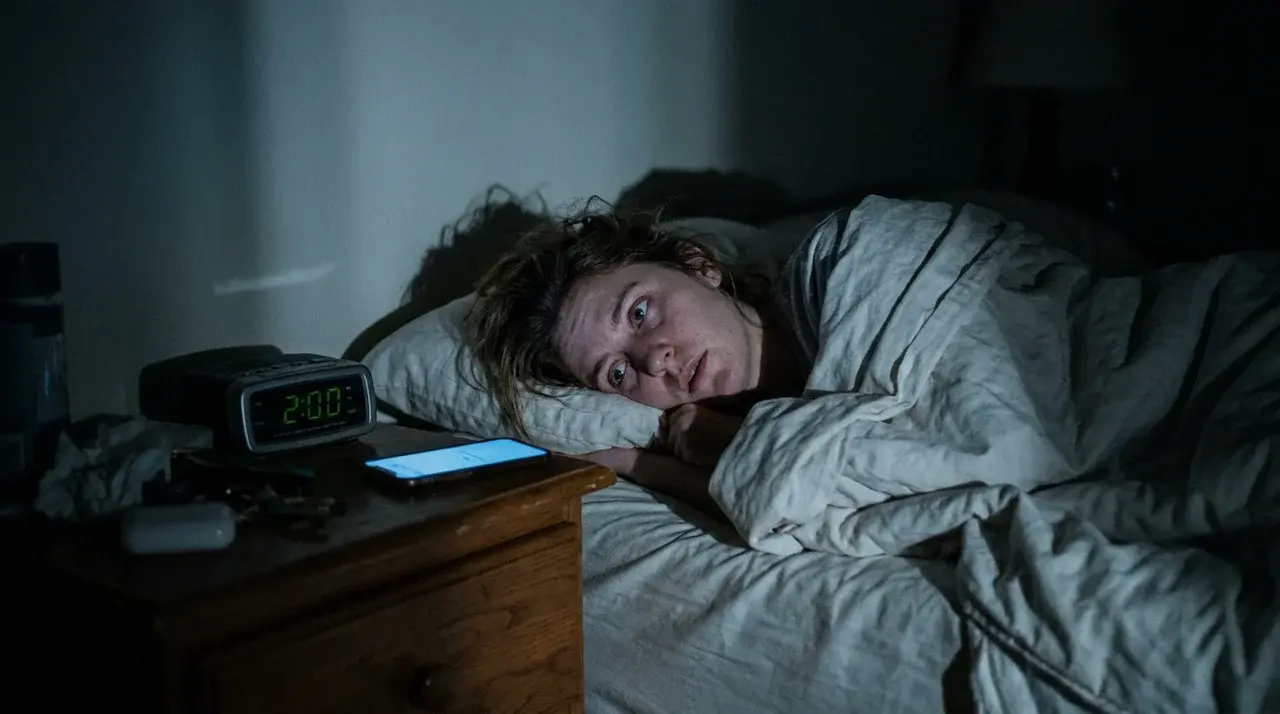
Several everyday habits can push your sleep-onset time beyond the normal range. Here is what sleep experts most often point to.
1. Stress, Anxiety, and Overthinking at Night
A racing mind is one of the most common reasons people lie awake at night. When stress hormones like cortisol remain elevated near bedtime, the brain stays alert rather than winding down.
Anxiety about the next day, unresolved thoughts, or general worry can delay sleep onset significantly. The harder you try to force sleep, the more awake you tend to feel.
2. Caffeine, Alcohol, and Late Meals
Caffeine can stay active in your system for up to six hours after consumption. Drinking coffee or tea in the afternoon can quietly push back the time it takes to fall asleep without you realizing it.
Alcohol may initially promote drowsiness, but it fragments sleep later in the night and reduces REM sleep quality. Eating heavy meals close to bedtime also keeps your body working when it should be resting.
3. Screen Time and Blue Light Exposure
Scrolling through your phone or watching TV before bed exposes your eyes to blue light. This light signals the brain that it is still daytime, which slows the release of melatonin.
Melatonin is the hormone that tells your body it is time to sleep. Even 30–60 minutes of screen exposure before bed may delay sleep onset by suppressing melatonin in sensitive individuals.
4. Irregular Sleep Schedule and Circadian Rhythm Issues
Your body runs on an internal clock that controls when you feel sleepy and when you feel awake. Going to bed and waking up at different times each day throws that clock off balance.
When your sleep schedule becomes irregular, your brain stops getting a clear signal that it is time to rest. This makes it harder to fall asleep and often leads to lying awake longer than usual.
5. Sleep Environment Factors Like Noise, Light, and Temperature
Your bedroom environment plays a bigger role in sleep onset than most people expect. Noise, excess light, and an uncomfortable room temperature can keep your nervous system alert when it should be settling down.
A cool, dark, and quiet room creates the right conditions for the brain to shift into sleep mode. Small changes to your sleep setup can make a real difference in how fast you fall asleep.
How Long Is Too Long To Fall Asleep
Taking a while to fall asleep is normal, but there is a point where it becomes a sign worth paying attention to.
| Sleep Onset Pattern | What It Means |
|---|---|
| Normal sleep onset | 10 to 20 minutes on most nights |
| Slightly delayed but okay | 20 to 30 minutes occasionally |
| Worth monitoring | 30 to 45 minutes a few times a week |
| Concern zone | More than 45 minutes regularly |
| Possible chronic issue | Difficulty falling asleep at least 3 nights per week for 3 months or longer, with daytime impairment |
| Red flag signs | Waking up exhausted, daytime fatigue, difficulty concentrating |
| Occasional vs chronic | One bad night is normal, but a consistent pattern is not |
One restless night is rarely a cause for concern. But if falling asleep takes more than 30 minutes most nights and leaves you drained the next day, your sleep pattern may need a closer look.
Why Some People Fall Asleep Very Quickly
Falling asleep the moment your head hits the pillow might seem like a superpower, but it is not always a good sign.
People who fall asleep in under five minutes are often carrying significant sleep debt. This means the body is so deprived of rest that it shuts down almost immediately out of necessity rather than healthy tiredness.
Shift workers, new parents, and individuals with sleep disorders such as sleep apnea or narcolepsy may experience this pattern. It feels like a win, but it usually points to ongoing sleep deprivation.
Falling asleep in 10 to 15 minutes after feeling genuinely tired is the healthier version of fast sleep onset. That is your body responding to natural sleep pressure the right way.
Some people also fall asleep quickly due to certain medications, underlying health conditions, or naturally low sleep pressure thresholds.
How To Fall Asleep Faster Naturally
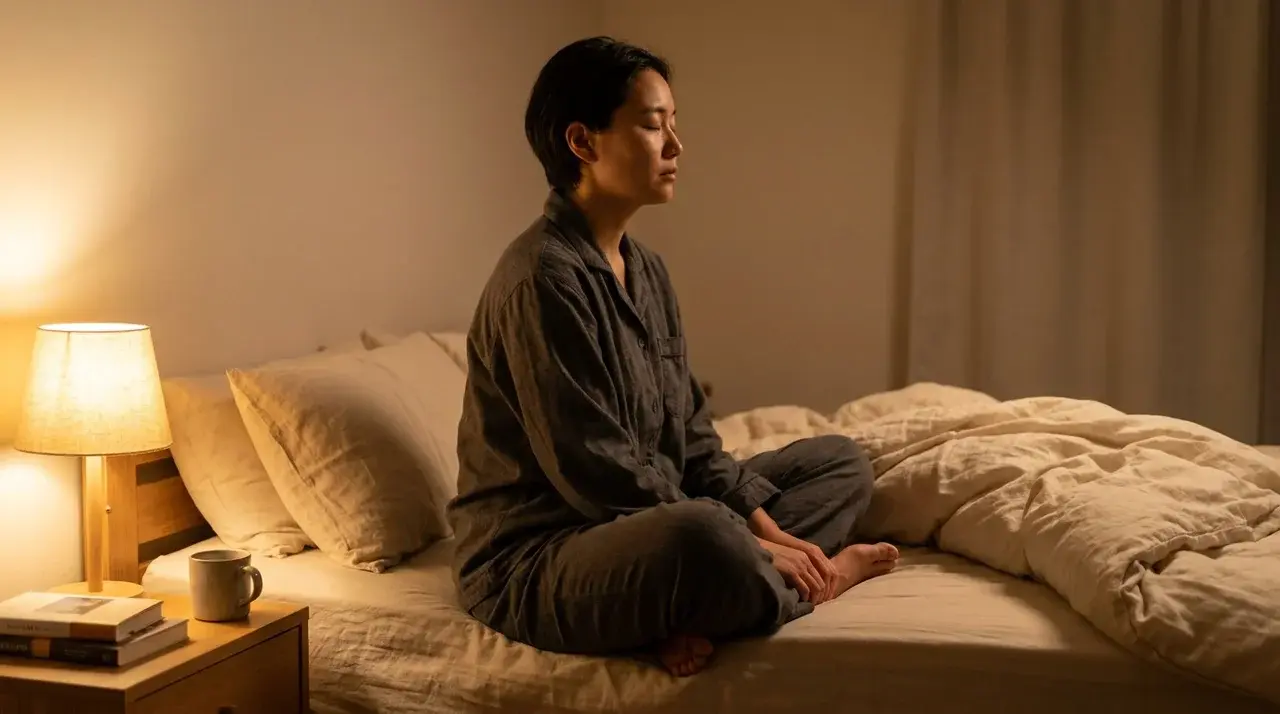
Small, consistent changes to your routine can make a real difference in how quickly you fall asleep each night.
Proven Relaxation Techniques Before Bed
Progressive muscle relaxation is one of the most researched methods for reducing sleep onset time. It involves tensing and releasing each muscle group from your feet up, signaling the body to release physical tension.
Doing this for just 10 minutes before bed can calm your nervous system and prepare your body for sleep without any medication or supplements.
Breathing Exercises and Calming Routines
Slow, controlled breathing tells your nervous system it is safe to relax. The 4-7-8 method, where you inhale for 4 seconds, hold for 7, and exhale for 8, is widely used to reduce the time it takes to fall asleep.
People who practice how to fall asleep faster consistently through structured nightly routines tend to see noticeable results within days of starting.
Mental Strategies Like Visualization and Journaling
Picturing a calm, familiar place in detail gives your mind something neutral to focus on, rather than racing thoughts. This technique interrupts the overthinking cycle that keeps many people awake at night.
Writing down your thoughts or a short to-do list before bed also helps offload mental clutter, making it easier for your brain to switch off naturally.
Sleep Hygiene Habits That Improve Sleep Onset
Going to bed and waking up at the same time every day is one of the most effective ways to shorten sleep onset over time. Your body starts anticipating sleep at that hour, making the process faster and more natural.
Avoiding screens, cutting afternoon caffeine, and keeping your room cool and dark all support a faster, smoother transition into sleep each night.
When To See A Doctor For Trouble Falling Asleep
Not every sleep struggle needs medical attention, but some signs are worth taking seriously.
- You take more than 30 minutes to fall asleep most nights, and it has been happening for at least three months.
- Your sleep trouble is affecting your concentration, mood, or ability to function during the day.
- You wake up multiple times through the night and struggle to fall back asleep.
- You feel exhausted after a full night of sleep on a regular basis.
- You have tried improving your sleep habits, and nothing has made a noticeable difference.
- You snore loudly or wake up gasping, which can be early signs of sleep apnea that only a doctor can properly diagnose.
Sleep problems that affect your daily life deserve professional attention, not just patience.
Conclusion
Falling asleep should not feel like a battle every night. Understanding how long it takes to fall asleep and what affects it puts you in a much better position to do something about it.
Most people only need a few small adjustments to see a real difference. A consistent bedtime, a calmer pre-sleep routine, and a better sleep environment can shift things faster than expected.
If the problem runs deeper, getting professional help is always the right call. Start with one change tonight and build from there. Improving sleep onset is possible with consistent behavioral changes and, when needed, clinical support.
Frequently Asked Questions
Does Melatonin Help You Fall Asleep Faster?
It can help shift sleep timing but does not work the same way for everyone and is not a guaranteed fix.
Can Napping During the Day Make It Harder to Fall Asleep at Night?
Yes, napping too late or too long reduces sleep pressure and makes it harder for your body to feel ready for bed.
Does Exercise Help You Fall Asleep Faster?
Regular activity can improve sleep onset over time, but exercising too close to bedtime may delay it for some people.
Can What You Eat at Dinner Affect How Fast You Fall Asleep?
Heavy or high-sugar meals close to bedtime can raise body temperature and digestive activity, both of which delay sleep onset.