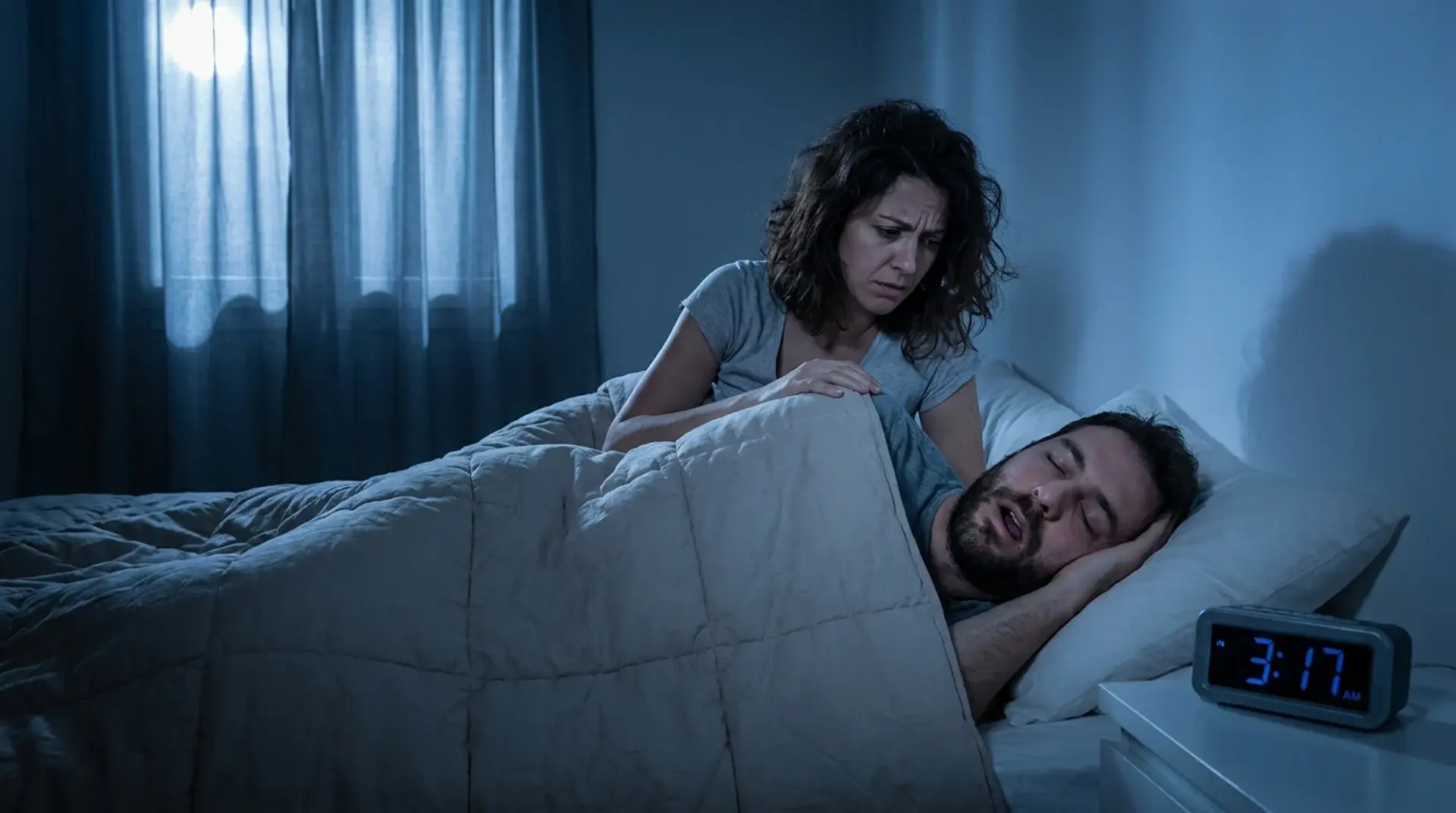


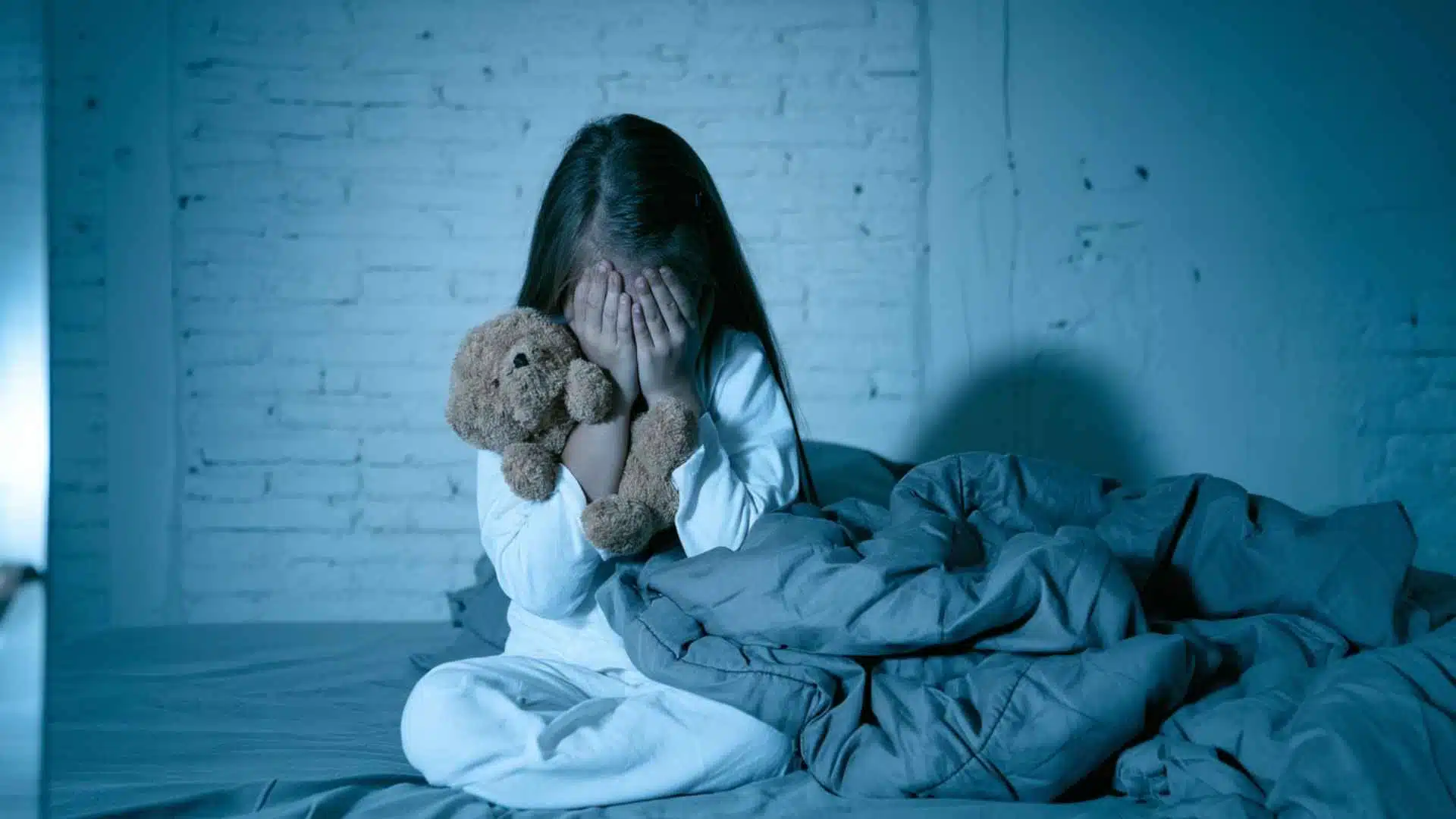

You wake to the sound of your child screaming. You rush in to find them sitting upright, eyes wide open, heart racing, but they don’t recognize you.
They’re not crying for comfort. They’re just terrified, trapped somewhere you can’t reach. The next morning, they remember nothing.
That is not a nightmare. That is a night terror, and the difference matters more than most people realize.
Understanding nightmares vs night terrors helps you respond appropriately, recognize triggers, and know when medical advice is needed.
How Sleep Stages Set the Stage
Sleep is not a single, uniform state. Every night, your brain cycles through distinct stages, and where you are in that cycle determines whether a disturbance becomes a nightmare or a night terror.
A typical sleep cycle lasts around 90 minutes and repeats four to six times per night. It moves through two main phases:
- NREM (Non-Rapid Eye Movement): Deep restorative sleep; slow brain waves. Body repairs tissues, strengthens immunity, and no active dreaming occurs. Dominates the first third.
- REM (Rapid Eye Movement): The brain is highly active; vivid dreams occur. Body temporarily paralyzed to prevent movement. Dominates the second half of the night.
This single difference in timing explains almost everything: why someone having a night terror cannot respond to you, why they remember nothing, and why the response each condition needs is so different.
Nightmares vs Night Terrors: Key Differences at a Glance
The clearest way to distinguish between these two is to consider sleep stages, behavior, and memory. Here is how they compare side by side.
| Feature | Nightmares | Night Terrors |
|---|---|---|
| Sleep Stage | REM sleep | NREM slow-wave sleep |
| Time of Night | Second half of the night | First third of the night |
| Memory of Episode | Yes recalled clearly | Rarely usually none |
| Waking Up | The person wakes fully and coherently | Appears awake but remains asleep |
| Physical Reactions | Minimal may groan or mumble | Screaming, thrashing, jumping out of bed |
| Who It Affects | Children and adults | Mainly children (ages 3–8) |
| Prevalence in Adults | 50–80% experience them occasionally | Only 1–2% of adults |
| Episode Duration | Variable | Up to 15 minutes |
| Can Be Comforted? | Yes, responds to reassurance. | No one may become more agitated if disturbed |
| Type of Disorder | Nightmare disorder (when frequent) | Parasomnia/disorder of arousal |
Understanding these differences helps guide the right response to each condition.
What are Nightmares?
A nightmare is a vivid, distressing dream that pulls you out of sleep. You wake up frightened, sometimes with your heart pounding, and you can recall what happened: the chase, the fall, the loss.
That clarity is what defines a nightmare: it lives in memory.
Because REM periods become longer as the night progresses, nightmares are most likely to happen in the second half of the night, typically in the early morning hours.
According to the NHS, nightmares are common in children and adults. About 25–35% of children and 50–80% of adults experience occasional nightmares, especially during the ages of 10–14.
Nightmare Symptoms
|
What are Night Terrors?
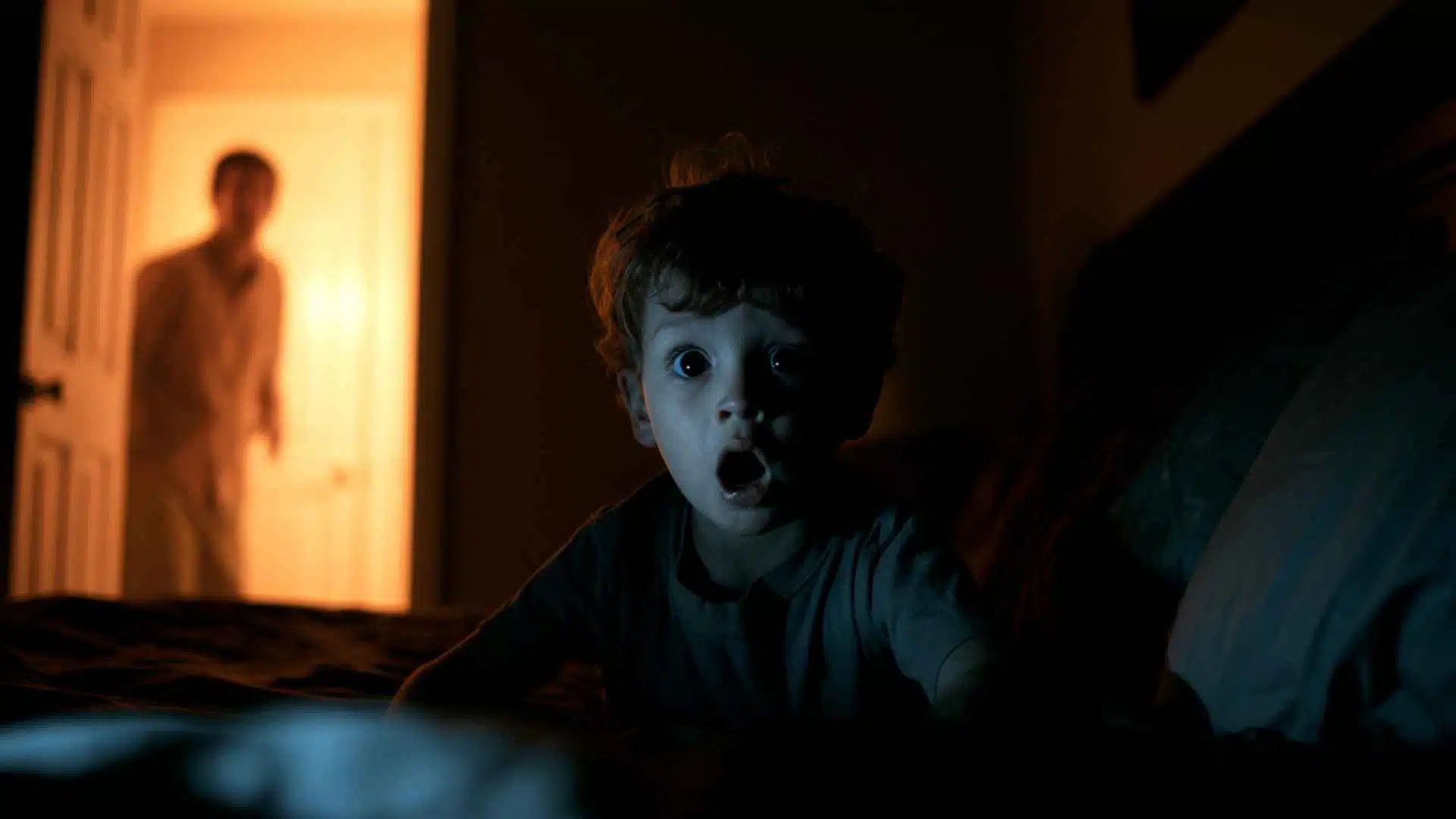
Night terrors are parasomnias in which the brain is partly awake during deep sleep. More specifically, they are a disorder of arousal: the brain gets stuck between deep sleep and waking, producing a state of panic without full consciousness.
People may scream, thrash, or appear awake but remain unconscious and unaware of their surroundings. According to the NHS, the person will not remember the episode the following morning.
They last from seconds to 15 minutes and mainly affect children aged 3–8, with only 1–2% of adults experiencing them.
Night Terror Symptoms
|
Don’t Confuse These With Sleep Paralysis
If a person cannot move or speak as they fall asleep or wake up, that is sleep paralysis, a separate condition from both nightmares and night terrors.
According to the NHS, sleep paralysis occurs during the transition between sleep stages and does not involve the same distress behaviors seen in night terrors.
Sleep paralysis is a temporary sleep disruption that often improves once underlying triggers are addressed.
While it can feel frightening, it is not dangerous and can usually be managed or significantly reduced with consistent sleep habits, stress reduction, and better sleep hygiene.
What Causes Nightmares?
Nightmares rarely appear without a reason. The most common trigger is stress or anxiety; whatever is weighing on you during the day has a way of showing up in altered form at night.
- Traumatic experiences: Nightmares are a recognized symptom of post-traumatic stress disorder (PTSD). They are often the most persistent and distressing symptom for survivors of trauma.
- Certain medications: Antidepressants, beta-blockers, and some blood pressure drugs can disrupt REM sleep and increase nightmare frequency.
- Alcohol and caffeine: Both interfere with sleep architecture, pushing the brain toward more fragmented, disturbing REM cycles.
- Frightening content before bed: The brain processes emotional material during REM sleep. What you consume in the hours before sleep can influence dream content.
- Sleep deprivation: When you are behind on sleep, the brain compensates by increasing REM activity, increasing the risk of nightmares.
- Underlying conditions: Anxiety disorders, depression, and obstructive sleep apnea are all associated with increased nightmare frequency.
These factors can increase nightmare frequency by disrupting REM sleep, emotional processing, and overall sleep quality, especially under stress.
What Causes Night Terrors?
Night terrors have a different mechanism. Rather than emerging from emotional processing during dreams, they happen when the brain fails to transition cleanly out of deep sleep
- Sleep deprivation and overtiredness: The primary trigger, particularly in children. A child who is overtired goes into deeper slow-wave sleep, which raises the risk of partial arousal.
- Fever or illness: Being unwell disrupts normal sleep cycling and is a well-known trigger in young children.
- Genetics: Night terrors run in families. The NHS notes that they are more common in people with family members who have had night terrors or who sleepwalk.
- Sleep schedule disruptions: Travel, new environments, irregular bedtimes, and time zone changes all disturb deep sleep patterns.
- Sleep disorders: Conditions such as restless legs syndrome and sleep apnea can fragment NREM sleep and increase the risk of arousal disorders.
- Stress and anxiety: While more directly linked to nightmares, ongoing stress can also disrupt the quality of deep sleep.
- Certain medications and neurological conditions: In adults, the NHS lists Parkinson’s disease and some psychiatric medications as contributing factors.
These triggers disrupt deep sleep stability, increasing arousal episodes, especially in children, making consistent sleep routines important for prevention.
Night Terrors in Children vs Night Terrors in Adults
Night terrors affect children more than adults, with different causes, patterns, and safety concerns across age groups.
In Children
Night terrors are most common in children aged 3 to 8 and often decrease as the nervous system matures. Medical advice is recommended if they continue after age 12, start later than expected, or become frequent or severe.
Parents should ensure safety but avoid trying to wake or comfort the child, as the child is not fully conscious and cannot process reassurance, which may worsen the episode.
In Adults
Adult night terrors are uncommon but often indicate an underlying condition that should be evaluated.
Common causes include obstructive sleep apnea, PTSD, anxiety disorders, and certain medications, with sleep studies sometimes used to assess breathing-related disruptions.
Adults are also at higher risk of injury during episodes, such as falling from bed, colliding with objects, or startling a bed partner. Proper assessment helps identify triggers and reduce the frequency and severity of episodes over time.
Note: Night terrors in adults are more serious than nightmares and often indicate underlying medical or psychological conditions requiring evaluation.
How to Cope With Nightmares
For occasional nightmares, improving sleep habits is usually enough to reduce their frequency. When nightmares are persistent, structured approaches exist that have solid evidence behind them.
- Keep a consistent sleep schedule. Going to bed and waking at the same time every day stabilize sleep architecture and reduce disrupted REM cycles.
- Keep a sleep diary. The NHS recommends logging sleep duration, how long it takes to fall asleep, and how you feel the next day. Patterns in this data can point to specific triggers.
- Wind down before bed. Limit screens, violent media, and stressful conversations in the hour before sleep. The brain does not switch off instantly.
- Address daytime stress directly. Nightmares are often a symptom, not the problem. Journaling, exercise, and talking to someone about stressors can reduce the nighttime echo of stressors.
- Review medications. If nightmares started around the same time as a new prescription, mention it to your doctor. A dose adjustment or timing change may help.
These habits support stable sleep patterns, reduce REM disruption, and help identify or effectively manage underlying causes of frequent nightmares.
How to Help Someone Having a Night Terror
Witnessing a night terror, especially in a child, is distressing. The instinct is to wake them, hold them, and tell them it is okay. That instinct, though understandable, can make things worse.
| What to do | What not to do |
|---|---|
Stay calm and wait for the episode to pass | Try to fully wake them this can increase confusion and distress |
Clear the area of furniture or objects that could cause injury | Restrain them unless there is a real safety risk |
Speak softly and calmly — a low voice can help without forcing wakefulness | Raise your voice or react with alarm |
Stay close to keep them safe | Bring up the episode the next morning |
Guide them gently back to bed once calm | Assume they are having a nightmare and try to comfort them the same way |
Pro tip: Scheduled awakening involves gently waking the person 15 minutes before typical episodes for two weeks to interrupt the deep-sleep cycle.
When to See a Doctor
Most nightmares and night terrors resolve without medical treatment. The NHS is clear that for most children, both get better on their own. But there are specific situations where a GP visit is the right call.
- Night terrors continue past age 12 or begin after age 5 (NHS guidance)
- A child or adult is at risk of injuring themselves during an episode
- Nightmares happen multiple nights per week and affect daytime function
- Episodes are linked to a traumatic experience or begin after one
- Nightmares co-occur with difficulty breathing during sleep, which may point to sleep apnea
- An adult has new-onset night terrors with no prior history, worth ruling out neurological or medication-related causes
- Either condition is causing significant anxiety about going to sleep
Seek medical advice if episodes are frequent, severe, or linked to trauma, injury risk, breathing issues, or daytime impairment.
The Bottom Line
Nightmares vs night terrors differ mainly in awareness and memory. Nightmares are vivid dreams that wake you in fear and are clearly remembered, while night terrors occur in deep sleep without full awareness and are usually forgotten. Both can be linked to stress, anxiety, sleep deprivation, and conditions like PTSD or sleep apnea.
Nightmares often need reassurance after waking, while night terrors require avoiding disturbance. Most cases improve naturally with better sleep habits.
If episodes are frequent, severe, or linked to trauma or breathing issues, medical guidance can help with CBT, therapy, or a sleep study to address underlying causes effectively.
Frequently Asked Questions
Should I Wake Someone Having a Night Terror?
No. Doing so can disorient them, prolong the episode, and may result in confusion or even physical resistance.
Which is More Serious: Nightmares or Night Terrors?
In children, both are common and usually harmless. In adults, night terrors are rarer and may indicate underlying conditions, while nightmares are usually non-harmful.
How Do I Stop Recurring Nightmares?
Focus on consistent sleep, stress management, and limiting stimulating content. Persistent nightmares benefit from CBT, Image Rehearsal, or trauma-focused counseling.