





Choosing the right bedding size can be tricky with the many options available. If you’re upgrading your mattress, buying new sheets, or picking out a comforter, it’s essential to know the proper bedding size chart for the perfect fit.
Ill-fitting bedding can cause discomfort, from sheets that slip off to comforters that don’t fully cover your mattress.
Properly sized bedding enhances both comfort and the overall aesthetic of your bedroom.
Understanding the standard dimensions for comforters, sheets, pillows, and mattresses will help you make confident purchasing decisions.
With this bedding size chart, you can shop with ease and create a cozy, well-fitted bed that suits your needs.
Why Bedding Size Matters
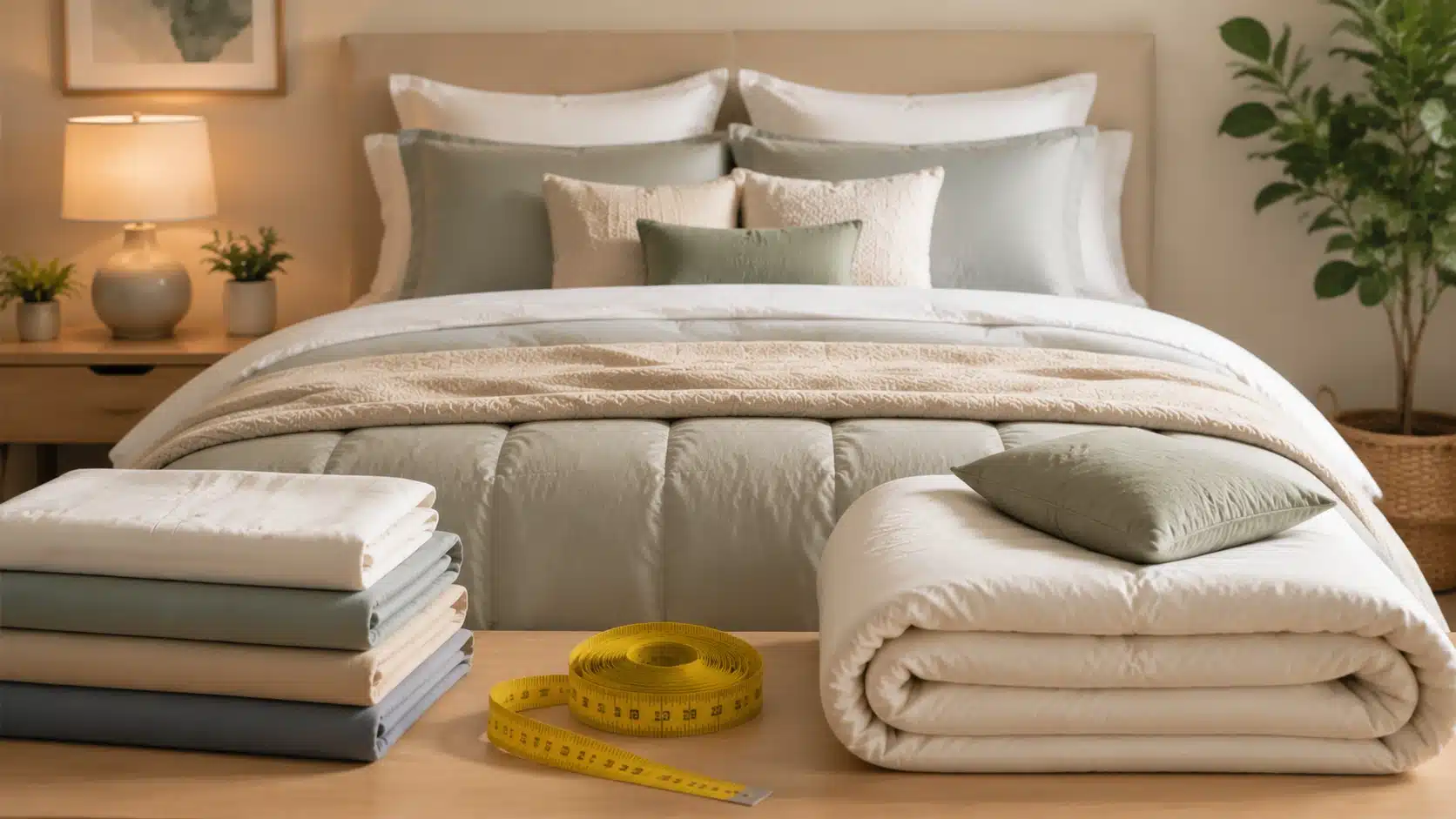
Getting the right bedding size is essential for comfort and style. Ill-fitting bedding can lead to frustration, with sheets that constantly slip off or comforters that fail to cover the bed properly.
Properly fitted bedding not only enhances the comfort of your space but also contributes to a neat, inviting look.
If you’re layering sheets, adding a duvet, or choosing the right pillow arrangement, each element plays a role in creating a cohesive, stylish bedroom.
By knowing the correct dimensions for your mattress and bedding, you can create a restful and stylish sleep environment that’s perfectly tailored to your space.
Understanding Standard Bedding Sizes
Before purchasing bedding, it’s important to understand the standard bedding sizes available.
Bedding sizes are typically larger than the mattress itself to ensure comfort and allow for draping. It’s essential to strike the right balance to keep everything neat and cozy.
Here are the standard dimensions for mattress, fitted sheet, and flat sheet sizes:
Note on twin and twin XL mattress widths: Industry-standard mattress dimensions are 38 inches wide for both Twin and Twin XL. Fitted sheets for these sizes are often labeled at 39 inches to allow for proper stretch and fit, so if you see a 39×75-inch sheet, that is correct sheet sizing for a 38×75-inch mattress.
| Bed Type | Mattress Size (W × L) | Fitted Sheet Size | Flat Sheet Size |
|---|---|---|---|
| Twin | 38 × 75 inches | 39 × 75 inches | 66 × 96 inches |
| Twin XL | 38 × 80 inches | 39 × 80 inches | 66 × 102 inches |
| Full / Double | 54 × 75 inches | 54 × 75 inches | 81 × 96 inches |
| Queen | 60 × 80 inches | 60 × 80 inches | 90 × 102 inches |
| King | 76 × 80 inches | 76 × 80 inches | 108 × 102 inches |
| California King | 72 × 84 inches | 72 × 84 inches | 102 × 110 inches |
Knowing this bedding size chart helps you choose bedding that fits your mattress without excess fabric or a tight, uncomfortable fit. These standard mattress measurements are determined using internationally recognized methods for measuring mattress dimensions to ensure consistency and proper bedding fit.
Flat sheet dimensions can vary slightly between brands, so always check the product label before buying. The sizes above are common standard measurements and work well as a general reference.
Pro Tip: When buying fitted sheets, always check the pocket depth, especially if you have a pillow-top mattress or a thicker design.
Pocket Depth and Fitted Sheets: Ensuring a Perfect Fit
When selecting fitted sheets, pocket depth is an important consideration. Pocket depth refers to the depth of the corners of the sheet, which determines how well the sheet fits over the mattress, especially if you have a thicker mattress or a topper.
| Mattress Thickness | Recommended Pocket Depth |
|---|---|
| 6–8 inches | Standard (up to 12 inches) |
| 8–12 inches | Deep (12–16 inches) |
| 12–16 inches | Extra Deep (16–20 inches) |
| 16–22 inches | Super Deep (20–24 inches) |
Always measure your mattress height (including any toppers) to ensure the fitted sheets will cover it properly. Choosing sheets with the right pocket depth will help prevent the corners from pulling up during the night.
Comforter Size Guide
Comforters should be slightly larger than the mattress so they can hang over the sides and provide better coverage. For longer beds, such as Twin XL mattresses, choose a comforter with extra length so the bedding does not look short at the foot of the bed.
The right way to calculate comforter width: take your mattress width, add twice the mattress thickness (once for each side), and add any extra drape you want.
For a queen mattress that is 60 inches wide and 12 inches thick, the minimum comforter width works out to 60 + 12 + 12 = 84 inches. Most queen comforters run 86–90 inches to give a comfortable drape.
Comforter sizes can vary by brand, so always check the exact product measurements before buying.
| Comforter Size | Common Dimensions |
|---|---|
| Twin | 66 × 86 inches to 68 × 90 inches |
| Twin XL | 68 × 90 inches to 70 × 96 inches |
| Full | 78 × 86 inches to 80 × 90 inches |
| Queen | 86 × 90 inches to 90 × 100 inches |
| King | 102 × 86 inches to 108 × 98 inches |
| California King | 104 × 96 inches to 110 × 100 inches |
A note on full/queen labeling: many brands sell a single comforter size labeled “Full/Queen.” These typically measure 86–88 inches wide. On a queen bed, this gives a moderate drape; on a full bed, it gives a generous one.
If you want a fuller drape on a queen, look for a comforter labeled specifically for queen rather than full/queen.
Pillow Sizes and Matching
Pillows may seem like a small detail, but they play a significant role in your bed’s appearance and comfort. Matching pillow sizes to your bedding not only completes the look but also ensures a restful sleep.
Here are the standard pillow sizes:
| Pillow Type | Dimensions |
|---|---|
| Standard | 20 × 26 inches |
| Queen | 20 × 30 inches |
| King | 20 × 36 inches |
| Body Pillow | 20 × 54 inches |
For a balanced look on larger beds, consider choosing between standard and queen pillows depending on your mattress width and preferred styling.
Pro Tip for Pillows: For a king-size bed, two king-size pillows will look more balanced. If you prefer a mix of sizes, try a combination of queen and king pillows for a layered, inviting look.
Duvet Inserts and Their Sizes
Duvet inserts are different from comforters because they are placed inside duvet covers. Knowing the correct dimensions for both the duvet insert and cover is essential for achieving a neat, cozy look.
Here are the common duvet insert sizes:
| Duvet Size | Common Dimensions |
|---|---|
| Twin | 66 × 86 inches |
| Twin XL | 68 × 90 inches |
| Full | 78 × 86 inches |
| Queen | 86 × 90 inches |
| King | 104 × 90 inches to 108 × 96 inches |
| California King | 104 × 96 inches to 110 × 108 inches |
Pro Tip for Duvets: Some people prefer a duvet insert slightly larger than the cover for a fuller look, while others choose matching dimensions to reduce bunching.
Tips for Choosing the Right Bedding Size
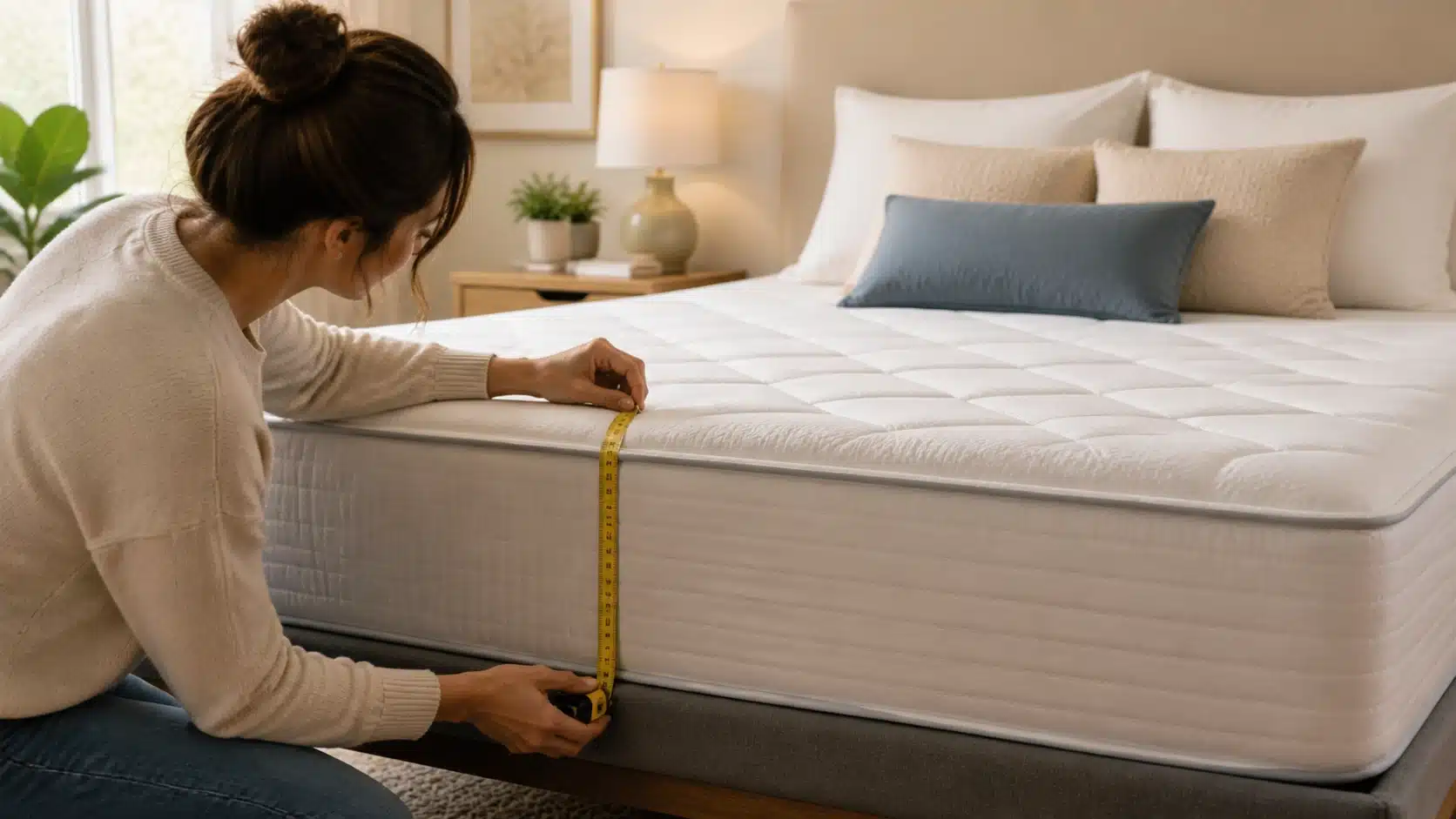
Choosing the right bedding doesn’t have to be complicated. Here are a few tips to help guide your purchase:
- Measure Your Mattress First: Know the exact width, length, and depth of your mattress before buying bedding.
- Add Extra Length: Add a few extra inches to your comforter, duvet, and flat sheet for better coverage. For example, queen-size comforter dimensions usually range from 86 × 90 inches to 90 × 100 inches, depending on the brand.
- Don’t Forget the Pillow Size: Pillows can make or break the look of your bed, so match your pillow size to your bedding for a cohesive style.
- Check the Pocket Depth Before Buying Sheets: A deep-pocket sheet on a standard mattress will bunch and slide. A standard-pocket sheet on a thick pillow-top mattress will not stay on. Measure your mattress height including any topper before ordering.
- Check Labels, Not Just Size Names: “Full/Queen” comforters and “Standard/Queen” pillowcases are common crossover sizes. Always check the actual inch measurements on the label, not just the size name, to confirm you are getting the right fit.
By following these simple tips, you’ll easily find bedding that fits your mattress, enhances comfort, and complements your style.
Pro Tip for Shopping: If you’re unsure about sizing, many stores offer bedding sets that include matching sheets, pillowcases, and comforters, ensuring everything fits together perfectly.
Final Takeaway
Choosing the right bedding can truly enhance your bedroom’s comfort and style. By understanding the standard bedding size chart, you’ll ensure a perfect fit for a polished and inviting look.
Always consider your mattress size, add extra length for a luxurious feel, and match your pillow sizes for a cohesive style.
With these simple tips, you can create a cozy, well-fitted bed that enhances your space and provides ultimate comfort for restful nights.
Frequently Asked Questions
What Is the Difference Between a Comforter and a Duvet?
A comforter is a single piece of bedding, while a duvet requires a duvet cover. Duvets are generally fluffier and provide more warmth and versatility.
Can I Use a Queen Comforter on a King Bed?
While a queen comforter can cover a king bed, it will not provide full coverage. It may leave the sides of the bed exposed.
Do I Need to Buy Special Bedding for a Pillow Top Mattress?
Yes, if you have a pillow-top mattress, look for sheets with deeper pockets to ensure they fit snugly and cover the mattress properly.
Can I Mix Pillow Sizes on a King-Sized Bed?
Yes, mixing pillow sizes can add style to your bed. For a balanced look, use two king-size pillows or a mix of king and queen pillows.