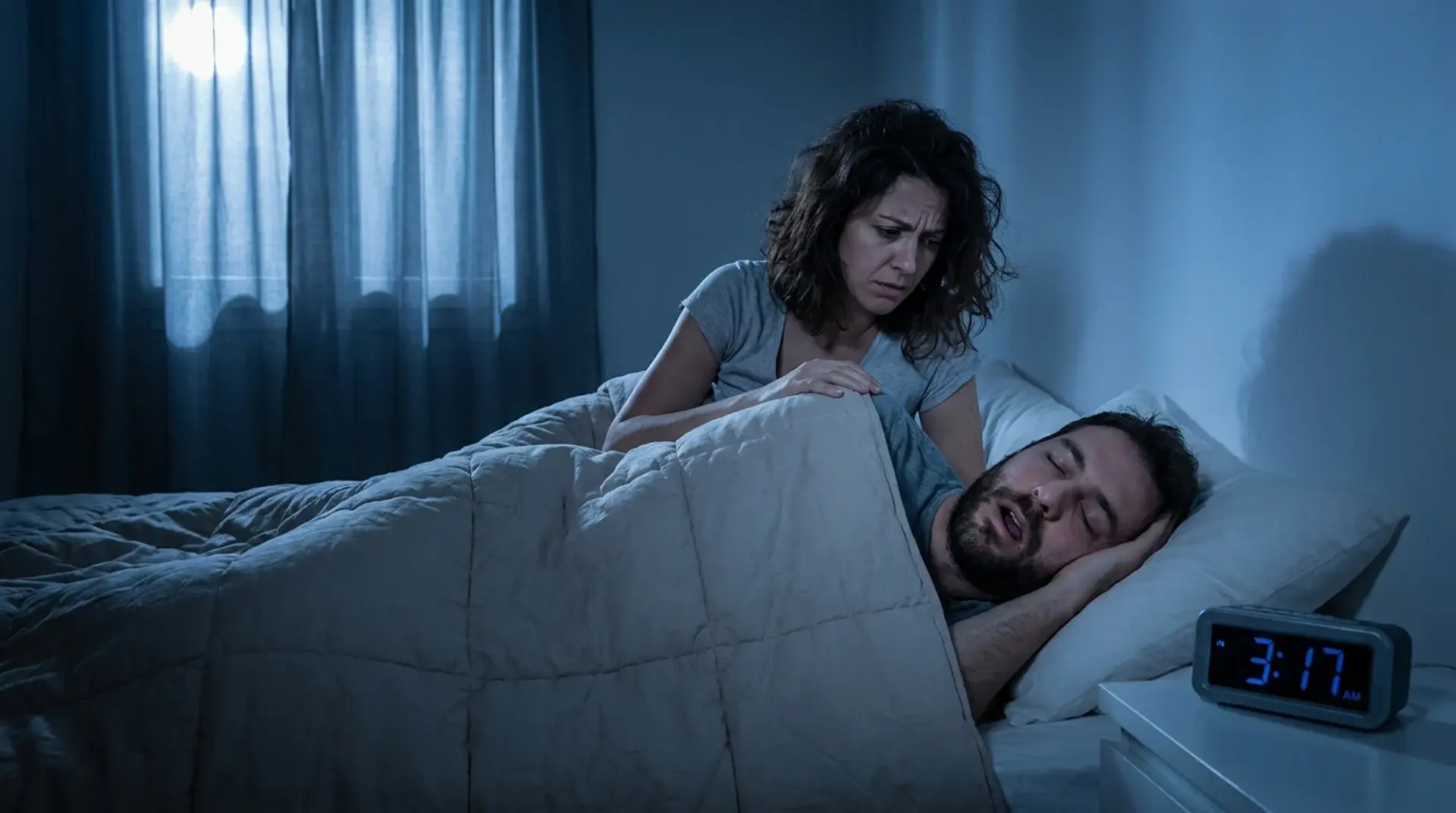





Sleeping for a full 8 hours should leave the body feeling fresh, yet many people still wake up tired and slow. It can be confusing when rest does not match energy levels.
The question “why do I wake up tired after 8 hours of sleep” is more common than it seems, and the answer is not always about sleep time.
Sleep quality, daily habits, stress, and hidden health issues can all play a role. Even small disruptions during the night can affect how rested the body feels in the morning.
Understanding these reasons can help make sense of constant morning tiredness.
Sleep Inertia: The Most Overlooked Reason You Wake Up Groggy
Before anything else, there is one cause worth knowing about that almost nobody talks about: sleep inertia.
Sleep inertia is the groggy, disoriented feeling your brain goes through in the transition from sleep to full wakefulness.
It’s not a disorder or a sign that something is wrong. It’s a normal biological process. Your brain doesn’t switch from fully asleep to fully awake in an instant.
Different regions come back online at different speeds, and for the first 15 to 60 minutes after waking, your thinking, reaction time, and coordination are genuinely impaired.
According to the Sleep Foundation, sleep inertia typically lasts between 15 and 60 minutes, though in people who are sleep-deprived, it can extend longer.
A more severe version called sleep drunkenness can produce confusion and sluggishness for up to four hours. If your alarm wakes you mid-cycle during deep sleep, sleep inertia hits harder and lasts longer.
This is why many people feel worse after hitting snooze. Those extra 7 to 9 minutes aren’t enough time to complete a proper sleep stage, so the brain gets pulled out of deep sleep a second time, and the groggy feeling compounds.
For most people who feel tired right after waking, sleep inertia is the main culprit, not poor sleep quality or a health condition. Give yourself 30 to 60 minutes before deciding how well-rested you actually are.
You May Need More Than 8 Hours
Eight hours is a general guideline, not a fixed rule for everyone. How much sleep you actually need is largely determined by genetics.
Research from Rise Science analyzing sleep data from nearly 1.95 million users found that 48% needed eight hours or more, with some individuals needing up to 11.5 hours for full recovery.
If you consistently feel tired after eight hours, your body may simply require more than that. Try going to bed 30 to 45 minutes earlier for a week and track how you feel in the mornings.
Common Reasons You Wake Up Tired After 8 Hours of Sleep

Waking up tired after a full 8 hours of sleep is more common than many people think. Even when you spend enough time in bed, your body may not get proper rest.
1. Poor Sleep Quality or Fragmented Sleep
Even if you sleep for 8 hours, poor sleep quality can still leave you tired. When your sleep is broken into short parts, your body cannot stay long enough in deep rest stages.
You may wake up briefly many times without realizing it. This stops proper recovery of your mind and body. As a result, you may feel heavy, slow, and low on energy when you wake up.
2. Your Sleep Cycle Timing May Be Off
Sleep happens in cycles of roughly 90 minutes, moving through light sleep, deep sleep, and REM. When your alarm goes off mid-cycle, especially during deep sleep, your brain gets yanked out of a stage it hasn’t finished.
That interrupted transition is what makes you feel disoriented and sluggish even after a full night. Sleeping for 7.5 hours (five complete 90-minute cycles) or 9 hours (six cycles) can sometimes leave you feeling more refreshed than a full 8 hours that cuts a cycle short.
3. Irregular Sleep Schedule or Circadian Rhythm Disruption
Your body follows a natural sleep clock called the circadian rhythm. When you sleep at different times each day, your sleep rhythm gets disrupted.
Late nights, shift changes, or sleeping in on weekends can confuse your internal clock. This makes it harder for your body to reach the deeper stages of sleep. Over time, even 8 hours of sleep may not feel refreshing or fully restful.
4. Late Caffeine, Alcohol, or Heavy Meals
What you consume before bedtime can strongly affect how well you sleep. Caffeine taken late in the day keeps your brain alert when it should be slowing down.
Alcohol may make you fall asleep faster, but it often leads to broken sleep later. Heavy meals at night can also disrupt digestion, reducing deep sleep and leaving you feeling tired in the morning.
5. Sleep Debt from Previous Nights
One night of 8 hours cannot undo a week of 5 to 6-hour nights. Sleep debt is the accumulated deficit your body carries when it doesn’t consistently get what it needs.
Even if last night was fine, the lingering deficit from earlier in the week can still make you feel drained in the morning. Recovering from sleep debt takes consistent sleep over several nights, not a single long night on a weekend.
6. Underlying Medical Conditions Affecting Energy Levels
Sometimes, constant tiredness after sleep is linked to hidden health issues.
Conditions like sleep apnea, thyroid imbalance, low iron levels, or discomfort from lower back pain can affect how your body restores energy during the night. These problems may reduce oxygen flow or slow down recovery processes.
Even after sleeping for 8 hours, you may still wake up feeling weak, drained, and not fully rested.
7. Poor Sleep Environment (Noise, Light, Temperature)
Your sleep environment plays a big role in how well you rest. Loud noises, bright lights, or an uncomfortable room temperature can disturb your sleep throughout the night.
Even if you do not fully wake up, these small interruptions reduce the time spent in deep sleep. Over time, this leads to poor-quality sleep, leaving you feeling tired and low on energy in the morning.
Sleep Apnea Could Be the Silent Cause of Morning Fatigue
Sleep apnea is a condition in which breathing stops and starts repeatedly during sleep. This happens without you fully noticing it. It can quietly disturb your rest throughout the night.
Common signs include loud snoring, gasping for air, dry mouth, and morning headaches.
Some people also wake up feeling like they did not sleep at all. This condition lowers oxygen levels in the body while you sleep.
When your brain and body do not get enough oxygen, your sleep becomes less restful. Even after 8 hours in bed, you may still feel very tired and low on energy.
Your Sleep Cycle Might Be Out of Sync (Circadian Rhythm Issues)
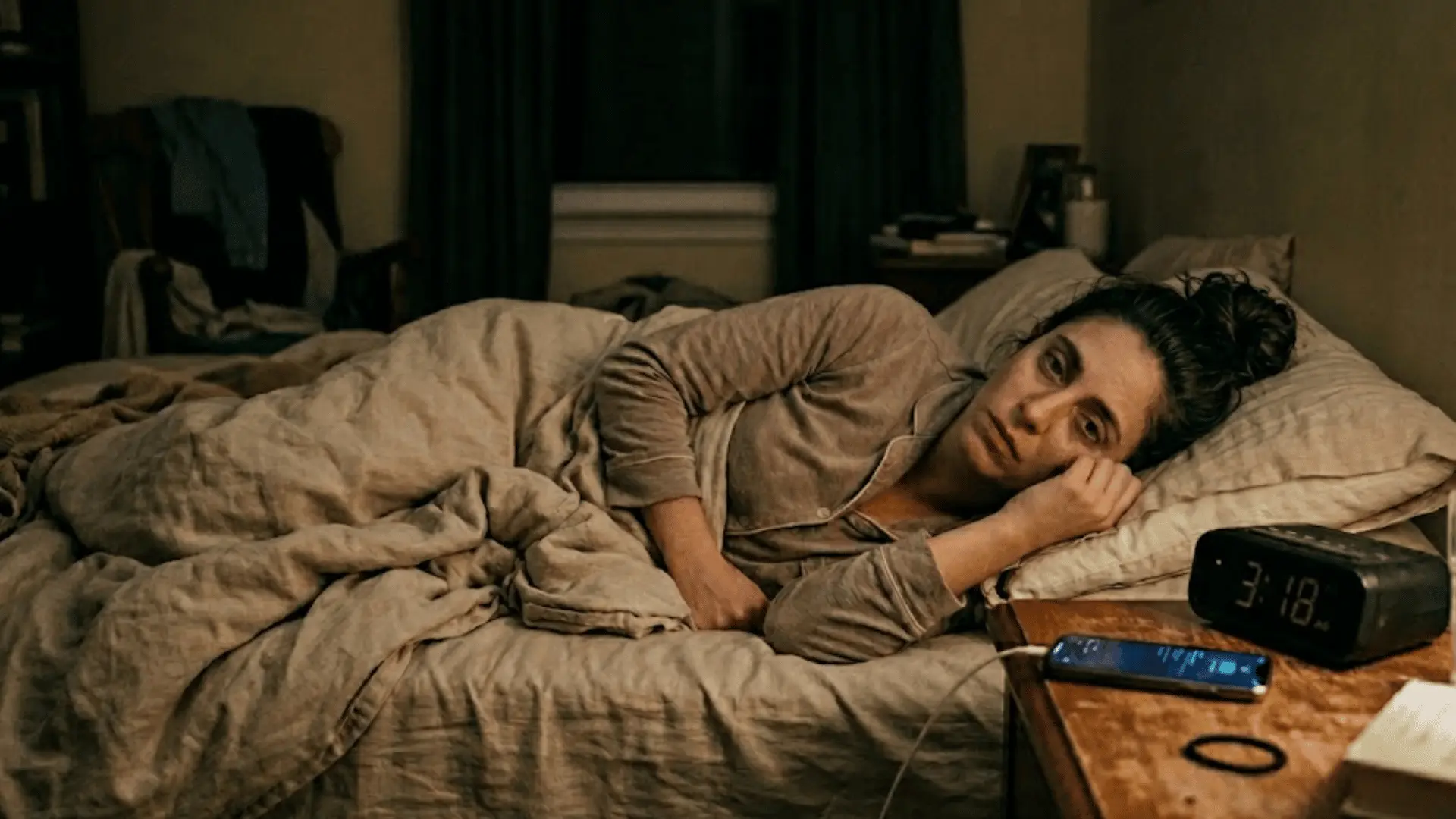
Your body has a natural clock that controls when you feel sleepy and when you feel awake. This is called the circadian rhythm.
When this rhythm is disturbed, your sleep quality can drop even if you sleep for enough hours. Small changes in daily habits can slowly confuse your body clock and affect how rested you feel in the morning.
- Irregular Sleep Times: Sleeping at different hours every day confuses your body and reduces sleep quality.
- Late-Night Screen Use: Phone or laptop light can delay sleep and reduce deep rest.
- Jet Lag Feeling: Your body may feel tired and out of sync even without traveling.
When this cycle is not stable, waking up tired becomes more common and harder to fix over time.
Stress, Anxiety, and Overthinking Can Drain You Overnight
Stress and anxiety do not stop when you go to bed. When your mind stays busy with thoughts, it becomes harder for your body to relax fully.
This mental pressure can reduce the quality of sleep, even if you stay in bed for 8 hours. Practicing natural techniques to fall asleep can help calm the mind and reach deeper rest stages.
Stress can also keep cortisol levels high at night, which keeps the brain alert. This leads to a “tired but wired” feeling in the morning. Over time, stress reduces restorative sleep, leaving you drained and low on energy.
Lifestyle Habits that Make You Wake Up Exhausted
Some daily habits can quietly affect how well you sleep at night. Drinking caffeine too late in the day can keep your brain active when it should slow down.
Alcohol before bed may help you fall asleep, but it often breaks sleep later in the night.
Heavy meals can make digestion harder and disturb rest. Spending too much time on screens before bed can also delay sleep. On top of this, insufficient physical activity during the day can reduce sleep quality.
These habits may seem small, but together they can leave you tired in the morning.
Nutrient Deficiencies that Can Make You Feel Fatigued After Sleep
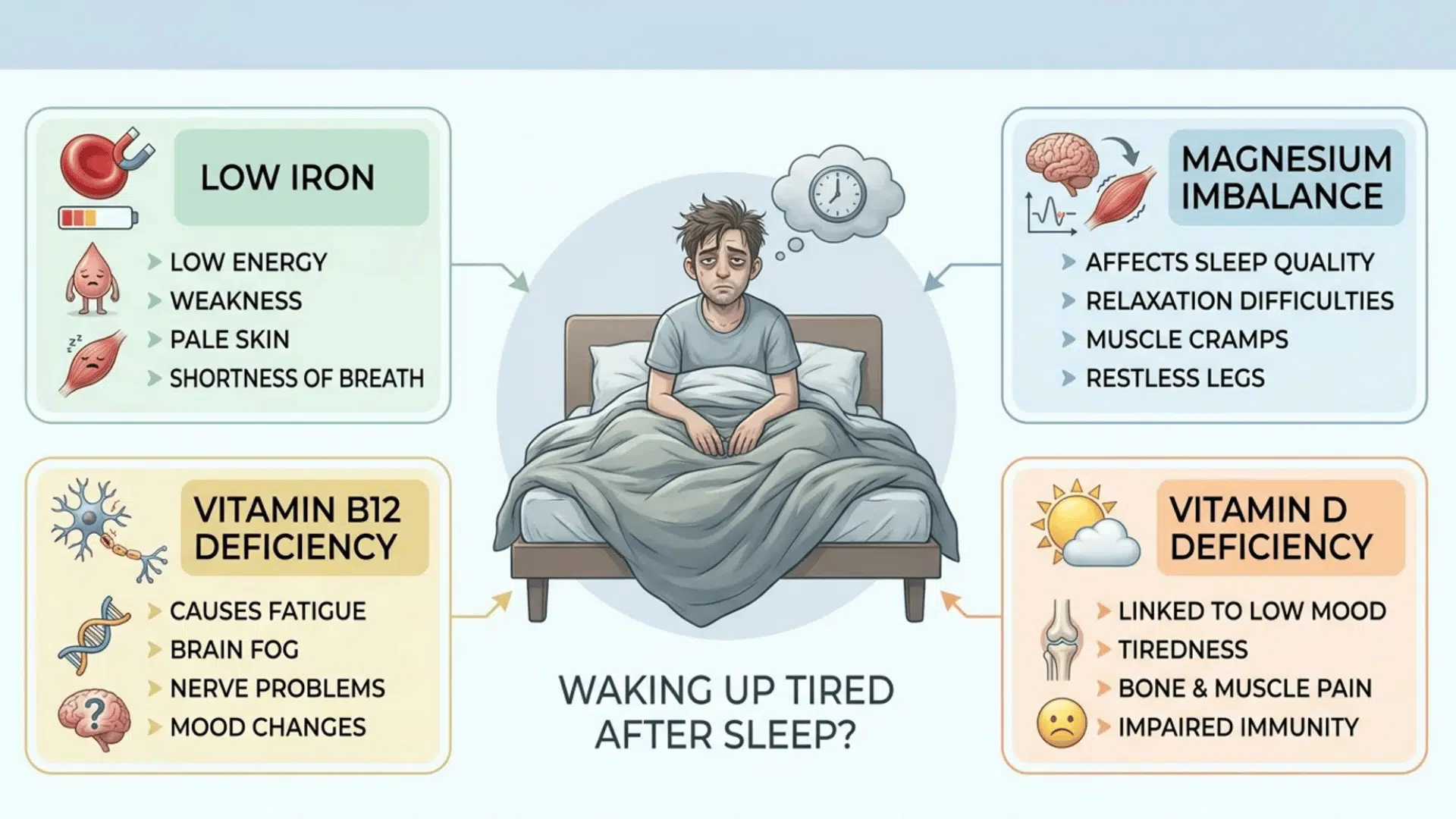
Sometimes, feeling tired after a full night of sleep is linked to missing nutrients in the body. When your body does not get enough vitamins or minerals, it cannot produce or restore energy properly.
- Low Iron: Low iron levels can reduce oxygen flow in the body. This may cause weakness, fatigue, and low energy upon waking.
- Magnesium Imbalance: Magnesium supports sleep quality and relaxation. Low levels may disturb deep sleep stages.
- Vitamin B12 Deficiency: B12 helps in energy production. A lack of it can lead to constant fatigue and poor sleep recovery.
- Vitamin D Deficiency: Low vitamin D can affect mood and energy levels, making you feel slow and less refreshed in the morning.
If you consistently wake up tired despite good sleep habits, it is worth asking your doctor for a blood panel to check these levels. Nutrient gaps are easy to miss and straightforward to address once identified.
Wake Up Tired After “Good” Sleep? Health Causes to Consider
Sometimes, feeling tired after a full night of sleep is linked to medical conditions that affect how your body restores energy.
A thyroid imbalance can slow down body functions and make you feel weak and slow. Chronic fatigue syndrome may cause long-lasting tiredness that does not improve with rest.
Depression can also affect sleep quality and leave you drained in the morning. Other sleep disorders beyond sleep apnea can interrupt deep sleep.
These conditions may require medical attention if tiredness persists despite proper sleep habits.
Simple Fixes to Stop Waking Up Tired Every Morning
Small changes in daily habits can improve sleep quality and help you feel more refreshed in the morning. The way you prepare for sleep and start your day both play important roles in your energy levels.
- Sleep Hygiene Routine: Follow a calm bedtime routine, such as reading or dimming the lights before sleep.
- Consistent Sleep Schedule: Go to bed and wake up at the same time every day, even on weekends.
- Limit Caffeine and Screens: Avoid caffeine late in the day and reduce screen use before bed.
- Improve Bedroom Setup: Keep your room dark, quiet, and at a comfortable temperature for better rest.
- Morning Sunlight Exposure: Get natural light as soon as you wake up to help reset your body clock.
These small steps can help your body get better rest and improve morning energy over time.
Final Thoughts
Waking up tired after a full night’s rest often raises the question of why morning energy still feels low even after enough sleep. The reason usually goes beyond time spent in bed.
Sleep quality, daily habits, stress levels, and possible health conditions all influence how refreshed the body feels. Small routine changes, such as better sleep habits or healthier lifestyle choices, can gradually improve morning energy.
Paying attention to patterns can help identify possible causes. If tiredness persists for an extended period, medical advice may be needed.
Share in the comments if you experience similar morning tiredness and what you have noticed.
Frequently Asked Questions
Can You Be SleepDeprived Even After Sleeping 8 Hours?
Yes, because accumulated sleep debt from previous days cannot be erased by one good night’s sleep. If you consistently sleep 5–6 hours on weekdays, a single 8-hour night is often insufficient for full recovery.
Am I Sleeping Enough Hours but Not at the Right Time?
Yes, sleeping outside your body’s natural circadian rhythm reduces sleep quality even if the duration is adequate. For example, sleeping 8 hours during the day as a night-shift worker prevents proper progression through the deep and REM sleep stages.
Is My Bed Partner Causing My Poor Sleep Quality Without Me Knowing?
Yes, a partner’s snoring or movements can fragment your sleep dozens of times per night without you fully waking up. These micro-disruptions prevent deep sleep recovery, leaving you tired even after 8 hours in bed.