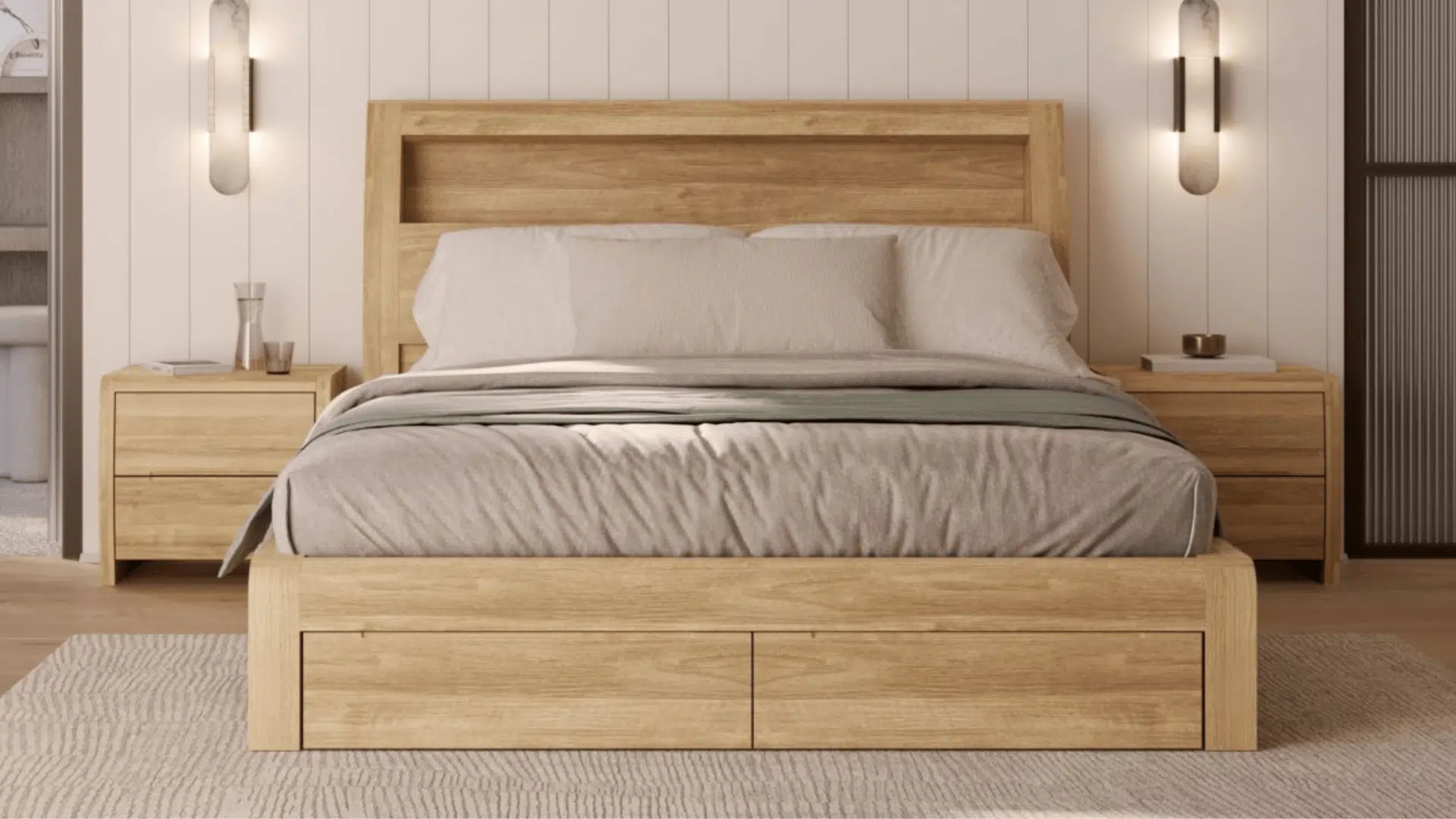




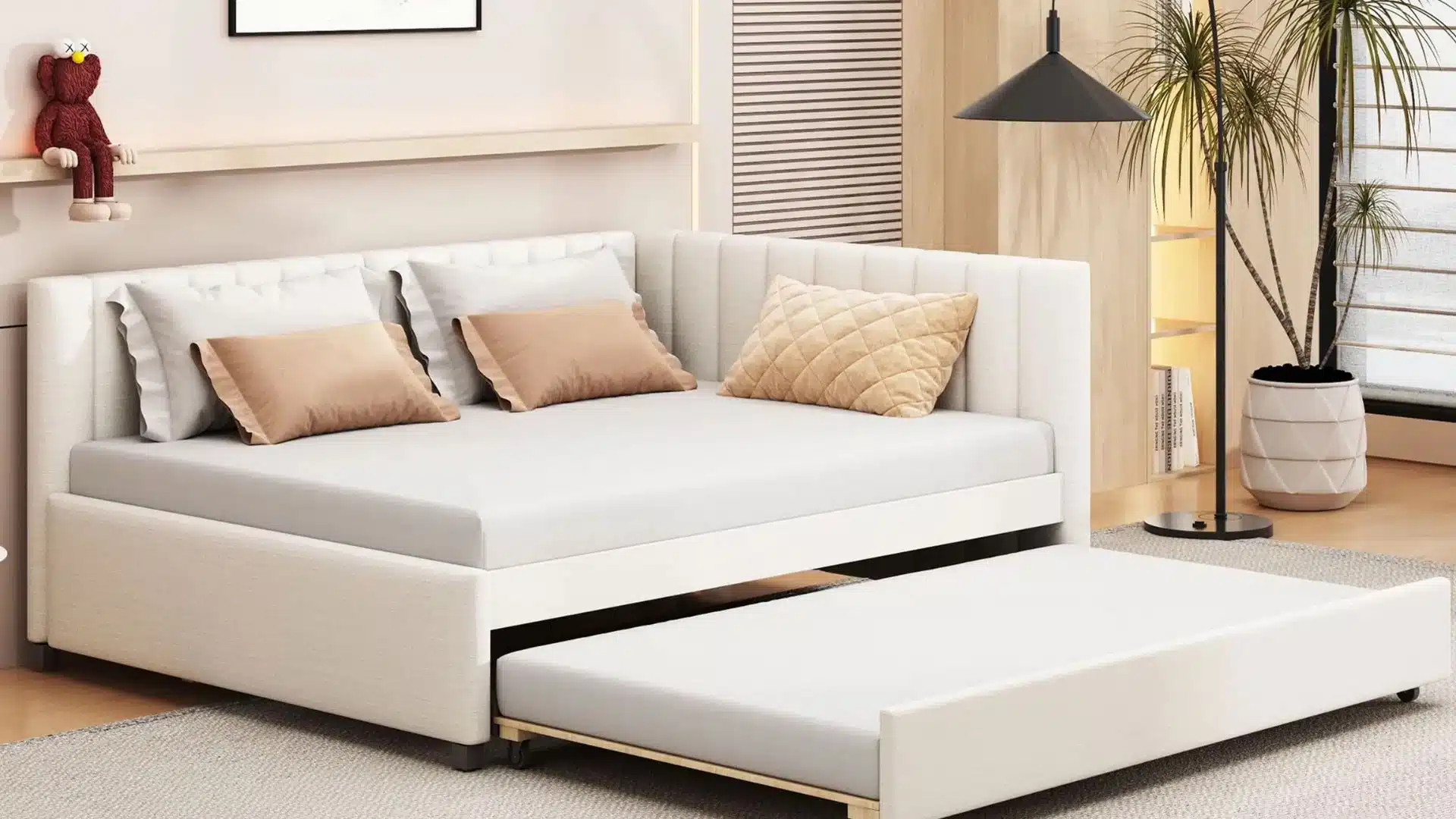
Ever looked up bed sizes and walked away more confused than before? That happens a lot. A 3/4 bed size sits right between a twin and a full. Bigger than a single. Smaller than a double.
Simple enough, but shopping for one isn’t always easy. The US and UK don’t use the same sizing references, so the same bed can be called different things depending on where you look. That mix-up trips up many buyers.
Coming up are the exact dimensions, honest comparisons, pros and cons, mattress options, and a clear picture of who this size actually works best for.
Whether someone is furnishing a small room or looking for a middle-ground option, the answers are all here.
One Bed, Many Names: What Exactly is a 3/4 Bed Size?
A 3/4 bed is a bed size that sits between a twin and a full. It’s wider than a single but narrower than a standard double. Pretty straightforward.
This size goes by several names depending on where someone shops. It’s often called a three-quarter bed. Some UK sellers refer to it as a small double.
In older US mattress discussions, it sometimes shows up as an antique double. All these names point to the same basic size.
One thing to keep in mind, not every brand carries this size. It’s not a standard option across all regions, so availability can vary.
What are the Dimensions of a 3/4 Bed?
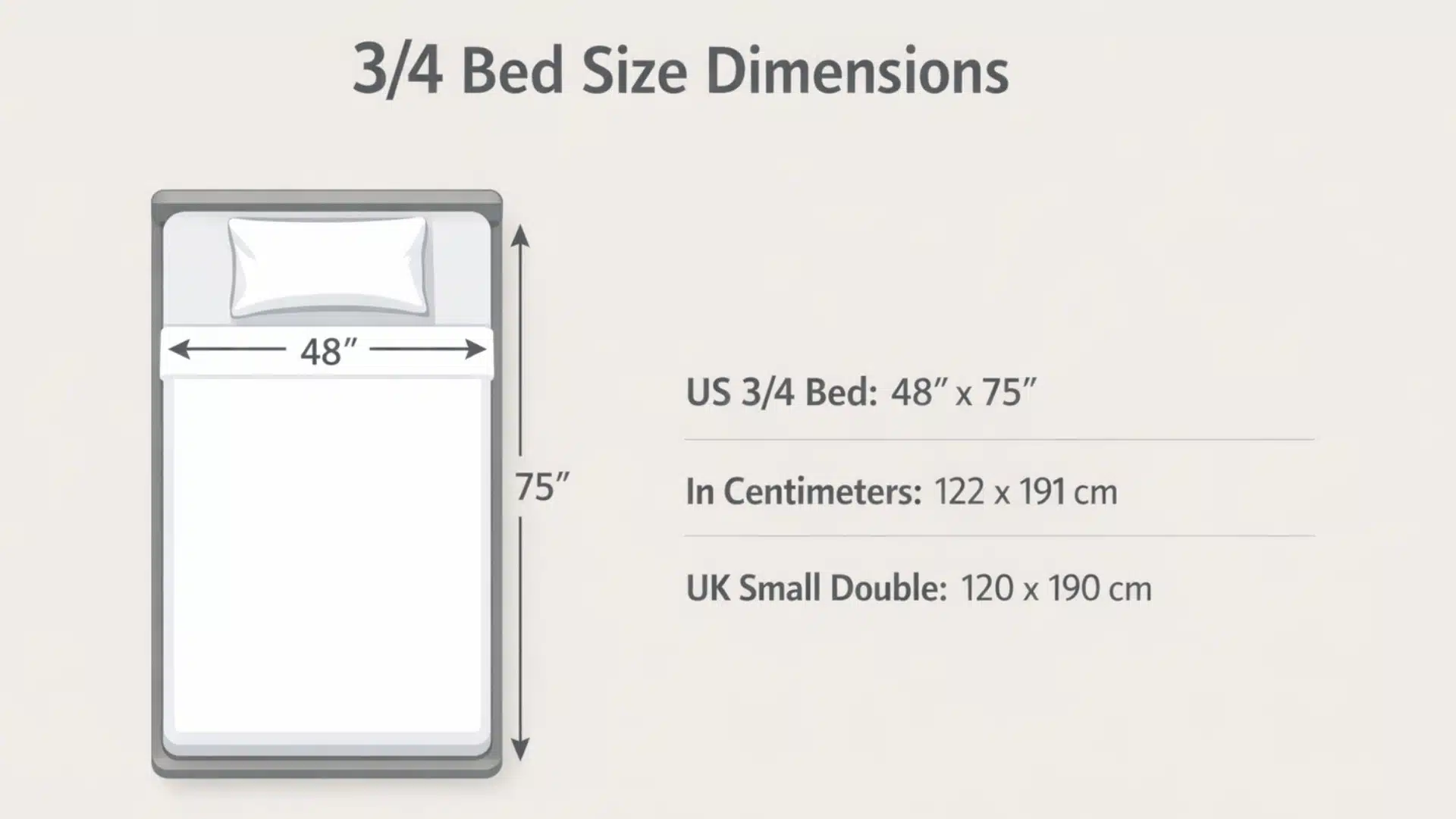
Knowing the exact size before buying saves a lot of trouble. The 3/4 bed has fairly consistent dimensions, but small differences do show up depending on the brand or region. Here’s a clear breakdown.
1. Standard 3/4 Bed Size in Inches
The most common size for a 3/4 bed in the US is 48 inches wide and 75 inches long. That extra width compared to a twin makes a real difference in comfort. It gives one sleeper plenty of room to stretch out without taking up too much floor space overall.
2. 3/4 Bed Size in Centimeters
In metric measurements, a 3/4 bed measures roughly 122 cm wide by 191 cm long. These numbers are simply converted versions of the standard US inch measurements.
It is very useful to know when shopping from international sellers or comparing product listings from different countries around the world.
3. UK Small Double Size Often Linked to a 3/4 Bed
In the UK, the small double is the closest match to a 3/4 bed. It measures 120 cm wide and 190 cm long, which is just slightly smaller than the US version.
That small gap is exactly why so many different numbers keep appearing across online listings today.
Some sellers use the term “3/4 bed” loosely, not always adhering to the exact standard measurements. Always check the product listing carefully before ordering a frame or mattress.
A few centimeters off can easily cause real fitting problems, so taking the time to verify the numbers beforehand is always worth it.
The dimensions of a 3/4 bed are fairly simple once the naming confusion is cleared up. Keeping these numbers handy makes shopping much easier and helps avoid costly sizing mistakes down the line.
Is a 3/4 Bed a Good Buy? Let’s Weigh it Out
Every bed size has its strengths and its weak spots. A 3/4 bed is no different. It’s a solid option for some people and the wrong call for others. Knowing both sides before buying makes the decision a whole lot easier.
| Pros | Cons |
|---|---|
| More sleeping space than a twin | Less common than standard bed sizes |
| Fits well in small bedrooms | Mattresses and bedding can be harder to find |
| Great for guest rooms and older homes | Can feel too narrow for two adults |
| Works well in antique or vintage frames | Size confusion can lead to wrong purchases |
| Easier to fit in tight room layouts | Not carried by all brands or retailers |
A 3/4 bed works really well for the right person in the right space. But it’s worth checking mattress availability first before committing to this size.
How is a 3/4 Bed Size Different from Other Standard Bed Sizes?
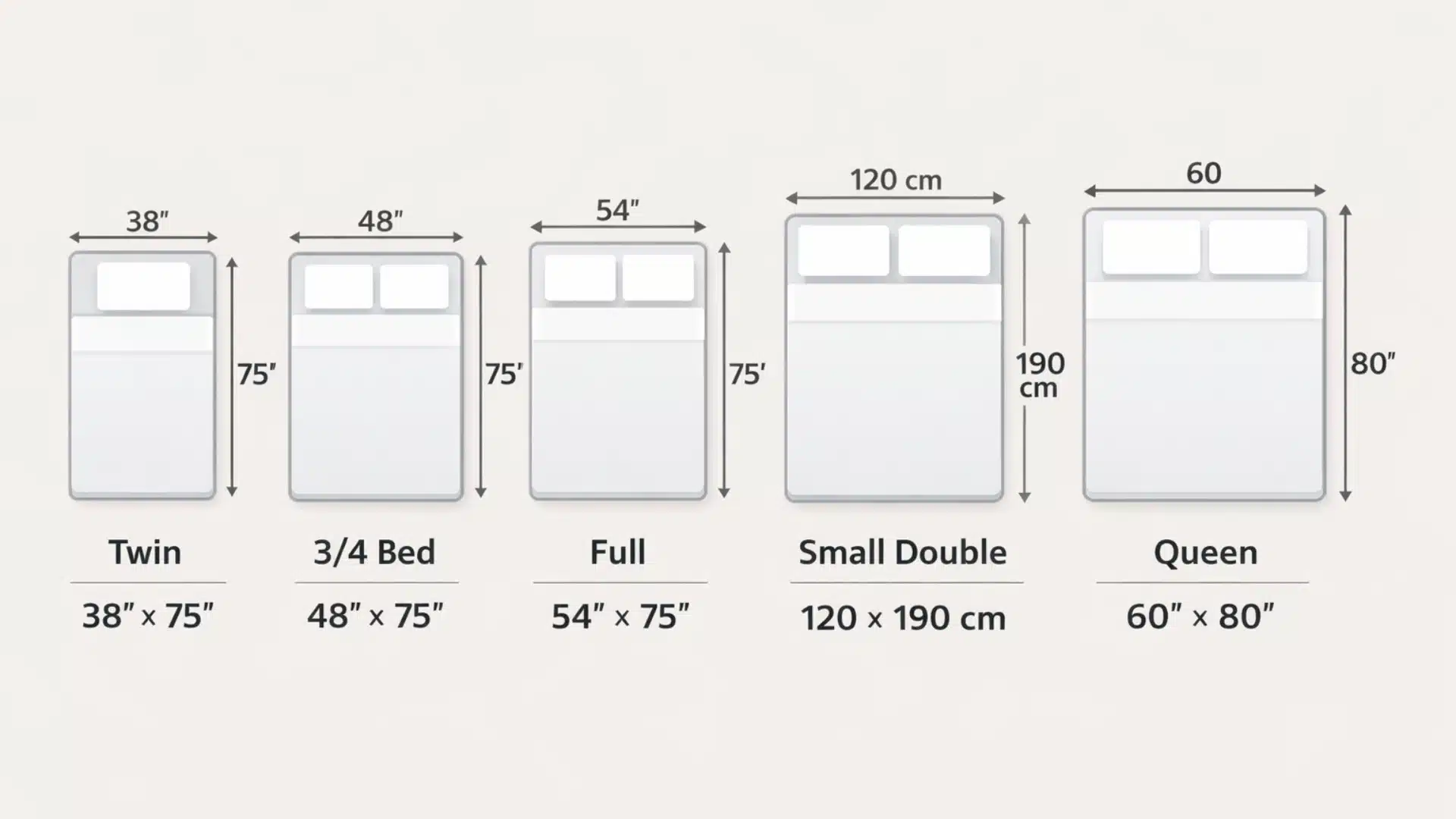
Bed sizes can look similar on paper but feel very different in real life. Comparing a 3/4 bed to other common sizes makes it easier to figure out which one actually fits the space and the sleeper best.
1. 3/4 Bed Vs Twin
A 3/4 bed is noticeably wider than a twin. A twin measures 38 inches wide, while a 3/4 bed measures 48 inches.
That extra 10 inches gives one sleeper more room to move around comfortably. It’s a good middle step up without jumping all the way to a full bed.
2. 3/4 Bed Vs Full Bed
A full bed measures 54 inches wide, making it about 6 inches wider than a 3/4 bed. That difference matters in a smaller room. Many people get confused by the difference between double and full beds, though they’re actually the same size.
A 3/4 bed fits more easily in tight spaces while still offering decent sleeping room for one person. The full is better for those who want more spread.
3. 3/4 Bed Vs Small Double
In the UK, a small double and a 3/4 bed are often treated as the same size. Both are around 120 cm wide.
However, exact measurements can vary slightly depending on the seller or region. It’s always smart to check the listed dimensions rather than going by the name alone.
4. 3/4 Bed Vs Queen
A queen bed is 60 inches wide, a big jump from a 3/4 bed at 48 inches. That extra space makes a queen much better for couples.
A 3/4 bed simply doesn’t offer enough room for two adults to sleep comfortably together. The queen wins for shared sleeping space.
5. Bed Size Comparison Chart
Still not sure how a 3/4 bed compares to other options? This chart shows the most common bed sizes side by side, so it’s easier to see the differences in width, length, and overall fit. Looking at all the standard sizes together can help you decide which one makes the most sense for your space.
| Bed Size | Width x Length (Inches) | Width x Length (CM) | Best For |
|---|---|---|---|
| Twin | 38″ x 75″ | 97 x 191 cm | Kids, single sleepers, small rooms |
| 3/4 Bed | 48″ x 75″ | 122 x 191 cm | Solo sleepers, guest rooms, tight spaces |
| Full/Double | 54″ x 75″ | 137 x 191 cm | Single adults who want more space |
| Queen | 60″ x 80″ | 152 x 203 cm | Couples, larger bedrooms |
Compared to modern mattress options, this size feels quite compact, especially given how large beds are today.
Each bed size serves a different purpose. A 3/4 bed holds its own for solo sleepers in smaller rooms, but it’s worth comparing all options carefully before making a final decision.
Who Should Choose a 3/4 Bed Size?
A 3/4 bed is a great fit for single sleepers who want more room than a twin offers. It works well in guest rooms where space is limited, but comfort still matters.
Small apartments and box rooms benefit from this size since it doesn’t eat up too much floor space. It’s also a practical pick for anyone working with an antique bed frame that needs a less common size.
However, most couples will find it too narrow for shared sleeping. This size is really built for one, but it does that job well.
How to Choose and Measure a 3/4 Bed Size for Your Room?
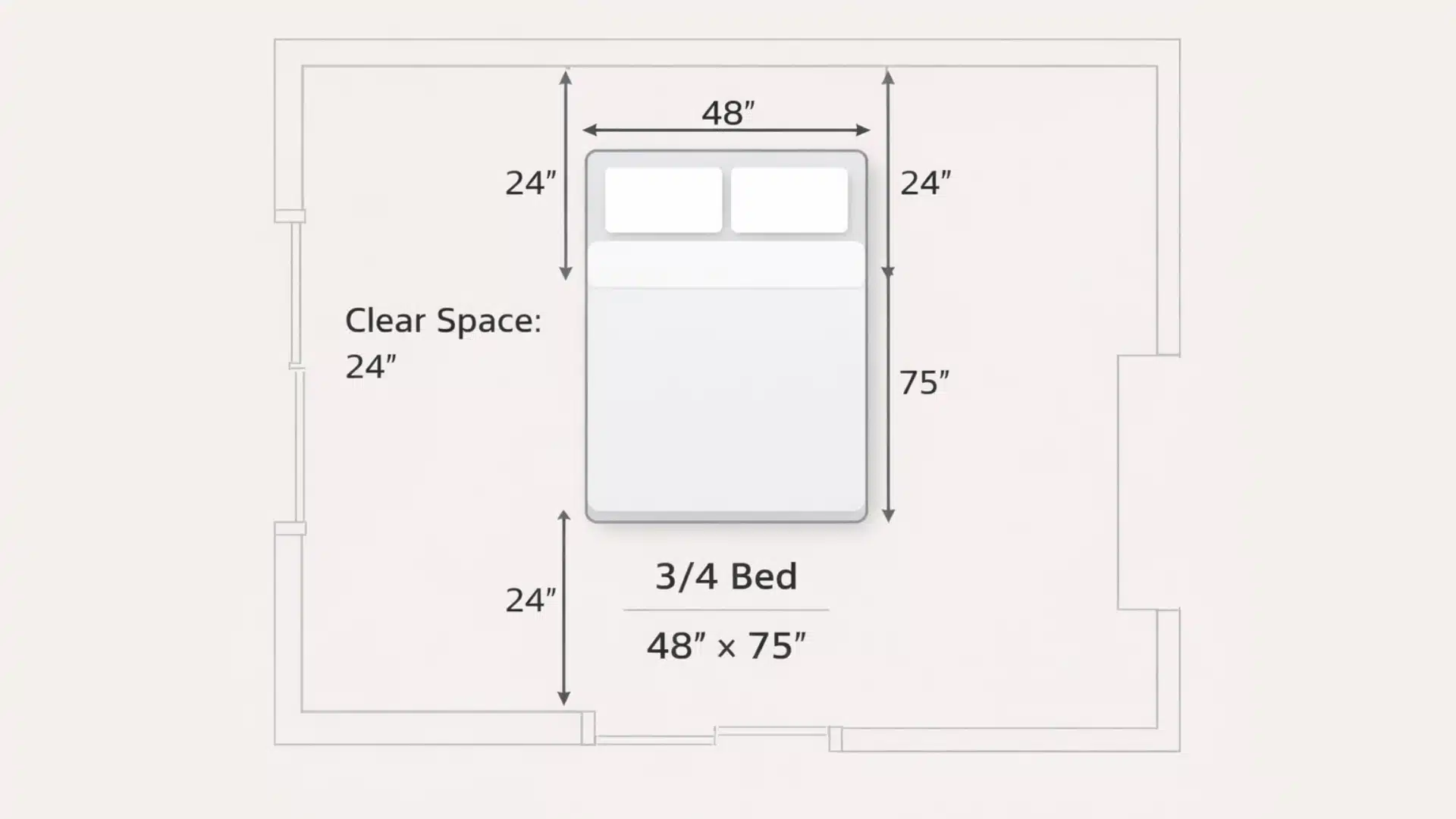
Picking the right bed takes a little planning. Room size, the sleeper, and correct measurements all matter. Here are simple steps to get it right before buying.
- Check room dimensions first: Measure the room before buying anything. A 3/4 bed is 48 inches wide and 75 inches long. Make sure the space fits comfortably.
- Think about who will sleep on it: A 3/4 bed suits one person best. It works well for a child, a teenager, or a single adult who wants a little extra sleeping space.
- Consider the walking space around the bed: leave at least 24 inches of clear space on the sides and the foot. This keeps the room open and makes daily movement much easier.
- Measure the width and length of the frame: Use a tape measure to record both measurements. Don’t rely on the label alone since older or non-standard frames often run slightly off.
- Double-check antique or custom frames: Older 3/4 bed frames rarely match modern standard sizes exactly. Always measure twice before ordering a mattress for any antique or vintage frame.
- Compare measurements with the seller’s size chart: Every seller sizes things a little differently. Matching personal measurements against the listed chart before checkout prevents returns and fitting headaches later.
A little measuring goes a long way. Getting the numbers right before buying saves time, money, and the frustration of a mattress that simply doesn’t fit.
What Mattress Types Work Best for a 3/4 Bed?
Finding the right mattress for a 3/4 bed depends on the sleeper’s comfort needs, not just the size. Memory foam works well for pressure relief. Hybrid mattresses offer a mix of support and softness.
Innerspring options are firmer and widely available. Latex mattresses are durable and good for those who sleep hot. For older or non-standard frames, a custom mattress may be the only fitting option.
Availability varies by seller and region, so checking stock early is smart. Firmness should always be chosen based on sleeping style, whether side, back, or stomach sleeper.
Things to Know Before Buying a 3/4 Bed
A 3/4 bed can be a great choice, but there are a few things worth knowing before spending any money. These points can save a lot of trouble down the line.
- Bedding fit: Sheets and covers made for twin or full beds won’t always fit correctly. Always search for bedding that lists exact dimensions before buying.
- Separate parts: Not every seller bundles frames and mattresses together. Always confirm what’s included in the listing and measure both pieces before placing an order.
- Return policies: Many sellers have stricter return policies on less common sizes. Reading the return policy carefully before buying prevents a lot of unnecessary stress later.
- Brand sizing: One brand’s 3/4 bed may not match another’s exactly. Always compare listed measurements rather than relying on the size name alone when shopping.
- Custom mattress needs: Older or antique frames often don’t match modern sizes. In those cases, a custom mattress may be the only option that fits properly.
Taking time to check these details before buying makes the whole process much smoother. A little research up front goes a long way when shopping for a less common bed size.
What are the Best Alternatives to a 3/4 Bed?
A 3/4 bed isn’t always easy to find. If the size isn’t available or doesn’t feel like the right fit, there are other options worth considering. Here’s a look at the closest alternatives.
- A twin bed measures 38 inches wide and 75 inches long. It’s smaller than a 3/4 bed but works well for kids, teens, and single sleepers in very tight spaces.
- A twin XL is the same width as a twin but 5 inches longer at 80 inches. It’s a better pick for taller sleepers who don’t need extra width.
- A full bed measures 54 inches wide by 75 inches long. It gives more sleeping space than a 3/4 bed and is much easier to find in stores.
- A small double is a UK size that often lines up closely with a 3/4 bed. It measures around 120 cm wide and is a good option for shoppers in the UK.
- A custom-size mattress is worth considering for anyone with an older or non-standard frame. It costs more but guarantees a proper fit when no standard size works.
Each of these options fills a slightly different need. Comparing them against the room size and the sleeper’s needs makes it easier to choose the right option.
The Bottom Line
A 3/4 bed size is a smart, practical option for the right person and the right room. It gives more sleeping space than a twin without taking up as much floor space as a full.
It works best for solo sleepers, guest rooms, and smaller spaces. However, finding the right mattress, frame, and bedding takes a little extra effort since these aren’t standard sizes everywhere.
Always verify exact dimensions before buying anything. One wrong measurement can lead to a poor fit.
After reading through all the comparisons and sizing details, which bed size feels like the right fit for your room? Drop a comment below and let us know.
Frequently Asked Questions
Will Standard Sheets Fit a 3/4 Bed?
No. Standard twin or full sheets won’t fit a 3/4 bed correctly. Sheets made to exact 48 x 75-inch dimensions work best. Always check the sizing label before buying.
What Room Size is Best for a 3/4 Bed?
A room that is at least 9 x 10 feet works well. This leaves enough space for the bed and comfortable movement around it without feeling cramped.
Can You Use a Custom Mattress on a 3/4 Bed Frame?
Yes. A custom mattress is actually a smart option for older or antique 3/4 bed frames that don’t match any standard mattress size available today.