





Weighted blankets have become a cozy favorite for better sleep and relaxation, but picking the right weight can feel trickier than it sounds.
If you’ve ever wondered, should mine be 10 pounds? 15? Or is that way too heavy? You’re not alone.
People in online forums and sleep communities swap stories about their just-right blanket weight the same way others talk about their favorite coffee order.
The truth is, while experts often suggest a starting point, personal comfort and individual needs play a huge role.
In this guide, we’ll combine trusted recommendations with real-world experiences so you can find the weight that works best for you, without turning bedtime into a workout.
Why Weighted Blankets Work
Weighted blankets aren’t just cozy, they’re designed to give your body a gentle, even pressure called deep touch pressure (DTP).
This pressure works a lot like a firm hug or a warm swaddle. It helps your brain release feel-good chemicals like serotonin and oxytocin, which can make you feel calmer and less anxious.
At the same time, it can lower cortisol, the stress hormone that sometimes keeps you awake at night.
Many people also find that the steady weight helps them stay still, which can reduce tossing and turning.
That’s why weighted blankets are often used not only for better sleep, but also to help people with sensory sensitivities feel more grounded and secure.
How Heavy Should Your Weighted Blanket Be?

If you’re unsure where to start when picking the weight of your blanket, the 10% rule is the most common recommendation from sleep experts. The idea is simple: choose a blanket that’s around 10% of your body weight.
| Body Weight (lbs) | Recommended Blanket Weight (lbs) | Comfort Range (lbs) |
|---|---|---|
| 80 | 8 | 4 – 10 |
| 100 | 10 | 5 – 12 |
| 120 | 12 | 6 – 14 |
| 140 | 14 | 7 – 17 |
| 160 | 16 | 8 – 19 |
| 180 | 18 | 9 – 22 |
| 200 | 20 | 10 – 24 |
| 220 | 22 | 11 – 26 |
| 240 | 24 | 12 – 29 |
Pro Tip: The comfort range is useful if you’re in between sizes or want to adjust for personal preference. Lighter blankets are better for those who toss and turn, while heavier ones can give a deeper, more grounded feeling.
Weighted Blankets for Different Types of People
Not everyone needs the same weighted blanket, and your ideal weight can depend on age, body type, health, and sleeping habits. Here’s how to adapt the 10% rule for different groups:
- Children – For kids over 3 years old, choose a blanket that’s about 10% of their body weight plus 1–2 pounds. Always supervise use and avoid weighted blankets for babies or toddlers under 3 due to safety risks.
- Teens – Most teens can follow the standard 10% rule, adjusting for comfort and sleeping style. A lighter option might work better if they sleep hot or move a lot.
- Adults – The 10% rule works well for most adults, but consider lifestyle factors. Side sleepers and people with mobility issues might go slightly lighter, while those wanting extra pressure may go heavier.
- Seniors – Opt for the lower end of the comfort range (around 8–10% of body weight) to make it easier to move under the blanket and reduce joint strain.
- Couples – If sharing a blanket, base the weight on 10% of your combined body weight, or consider two separate blankets so each person can pick their preferred weight.
- People with Health Conditions – Those with breathing issues, circulation problems, or joint pain should consult a doctor and usually choose a lighter blanket.
Bottom line: There’s no one-size-fits-all. The perfect weight depends on who’s using it, how they sleep, and what feels most comfortable night after night.
Blanket Fillings and How They Affect Weight
The filling inside a weighted blanket plays a huge role in how it feels, how warm it gets, and how evenly the weight is spread.
Different materials can change your comfort level, so knowing what’s inside your blanket can help you pick one that fits your sleep style and needs.
1. Glass Beads

Glass beads are tiny, smooth, and heavy for their size, allowing the blanket to be slim yet weighty. They spread evenly, providing a balanced feel without creating extra bulk.
This makes them a popular choice for people who prefer a cooler, sleeker blanket that still offers deep pressure comfort.
2. Plastic Pellets

Plastic pellets are slightly larger and lighter than glass beads, giving the blanket a puffier, softer feel.
They can shift around a bit more, but they’re budget-friendly and easy to find. These are ideal if you want a warmer blanket and don’t mind a little extra bulk.
3. Micro Glass Beads

Micro glass beads are even finer than regular glass beads, creating a smoother texture and better weight distribution.
They’re especially good for people with sensory sensitivities or those who want a blanket that feels almost fluid in its movement. The result is a soft, gentle pressure that’s evenly spread out.
4. Steel Shot Beads
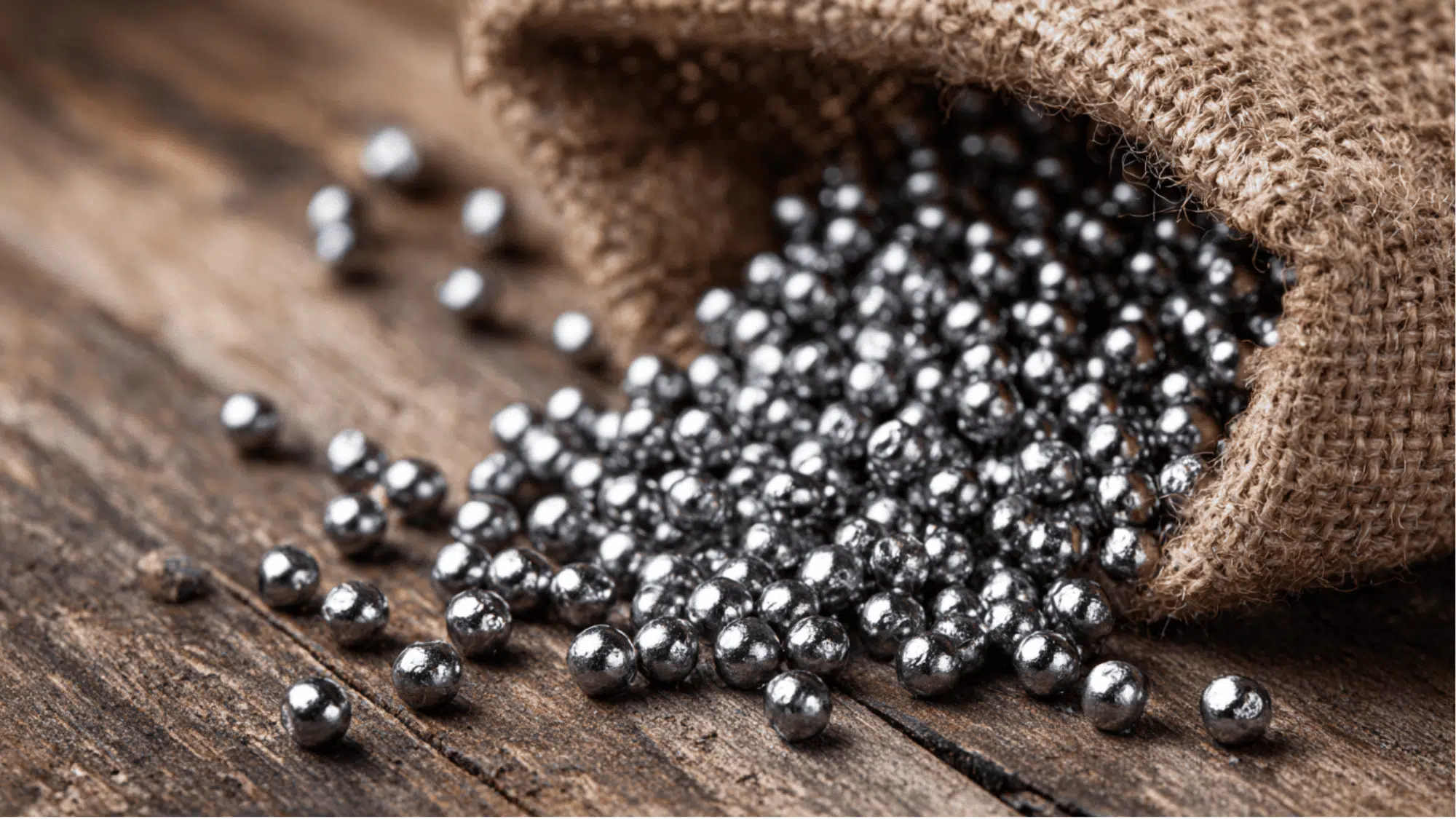
Steel shot beads are dense and heavy, so fewer are needed to reach the same weight. They give a more grounded, hugged in feel but can make the blanket less flexible.
While they’re very durable, they can sometimes make a slight noise when shifting, which may bother light sleepers.
5. Organic Fillings (Sand, Rice, or Grains)

Organic fillings like rice, sand, or grains are common in homemade blankets.
They’re inexpensive and create a natural feel, but they can absorb moisture, clump over time, and are often not machine-washable.
They’re better suited for occasional or therapeutic use rather than nightly sleep.
Seasonal and Climate Considerations
The weight and material of your weighted blanket can feel very different depending on the season or the climate you live in.
In warmer months or hot climates, a heavy blanket with thick fabric can trap too much heat, making it uncomfortable.
For summer use, choose a lighter blanket made with breathable fabrics like cotton or bamboo, and consider sticking to the lower end of your comfort weight range.
In winter seasons or cold climates, a slightly heavier blanket with cozy materials like fleece, flannel, or blankets with added batting can keep you warmer and more comfortable.
Some people even have two different blankets, one for summer and one for winter, so they can enjoy the benefits year-round.
From Users to Experts, What Really Works

Finding the perfect weighted blanket isn’t just about following a formula; it’s also about learning from real experiences.
Community and Personal Insights
From my own trial-and-error to the stories shared in online communities and the insights brands have gathered from thousands of customers, here’s what I’ve learned about getting the weight just right.
1. Personal Experience
When I bought my first weighted blanket, I went with the exactly 10% of my body weight, no more, no less. It felt amazing for relaxation, but after a week, I realized it was a bit too heavy on warmer nights.
Dropping just one pound made a noticeable difference, giving me the same calming effect but with more breathability and movement.
2. Community Experiences
On sleep-focused forums and Reddit threads, people often say they’ve had to experiment to find their sweet spot.
A common approach is to start with a rule weight, then adjust to a lighter weight for improved mobility or a heavier weight for added stress relief.
Many also recommend making seasonal adjustments, keeping a lighter one for summer and a heavier one for winter. Couples often suggest using separate blankets to avoid compromise on weight preference.
3. Manufacturers’ Experiences
Companies that make weighted blankets generally suggest starting with about 10% of your body weight but acknowledge that personal comfort often leads to adjustments.
Customer feedback indicates that many first-time users eventually opt for a slightly lighter option, particularly if they tend to sleep warm or frequently move around at night.
Maintaining Your Weighted Blanket the Right Way
Taking care of your weighted blanket keeps it clean, comfortable, and prolongs its lifespan. A little attention to washing, drying, and storage can make a big difference in how well it holds its shape and feel.
- Check the care label first – Follow the manufacturer’s washing and drying instructions to avoid damage.
- Use a removable cover – A duvet-style cover can protect the blanket from dirt and spills, making it easier to clean.
- Spot clean when possible – For small stains, use a damp cloth and mild detergent instead of washing the whole blanket.
- Wash in a large-capacity machine – Heavy blankets can damage smaller washers; consider a laundromat if needed.
- Use gentle detergent – Avoid bleach and fabric softeners, which can break down fabric and fillings.
- Air dry or tumble dry low – High heat can shrink or damage the blanket; low heat or air drying is safer.
- Shake and fluff regularly – Keeps the filling evenly distributed and prevents clumping.
With a few simple habits, your blanket will stay fresh, soft, and evenly weighted, ready to give you years of cozy, restful nights.
The Final Snuggle
Choosing the right weighted blanket is about more than following a simple formula; it’s about finding the weight, material, and style that match your body, sleep habits, and comfort needs.
The 10% rule is a reliable starting point, but as both personal experiences and community insights show, small adjustments can make a big difference.
If you go slightly lighter for easier movement or a bit heavier for deeper pressure, the goal is the same: a blanket that helps you relax, sleep better, and wake up refreshed.
Pay attention to how you feel after a few nights, and don’t be afraid to experiment until you find your just right.
With the right fit, your weighted blanket can become more than just bedding; it can be a nightly comfort you look forward to wrapping yourself in.
Have you tried a weighted blanket yet? Comment down below, do you prefer lighter for flexibility or heavier for that deep, cozy hug?