Best Edge Support Mattress for Comfort & Stability

edge support mattress

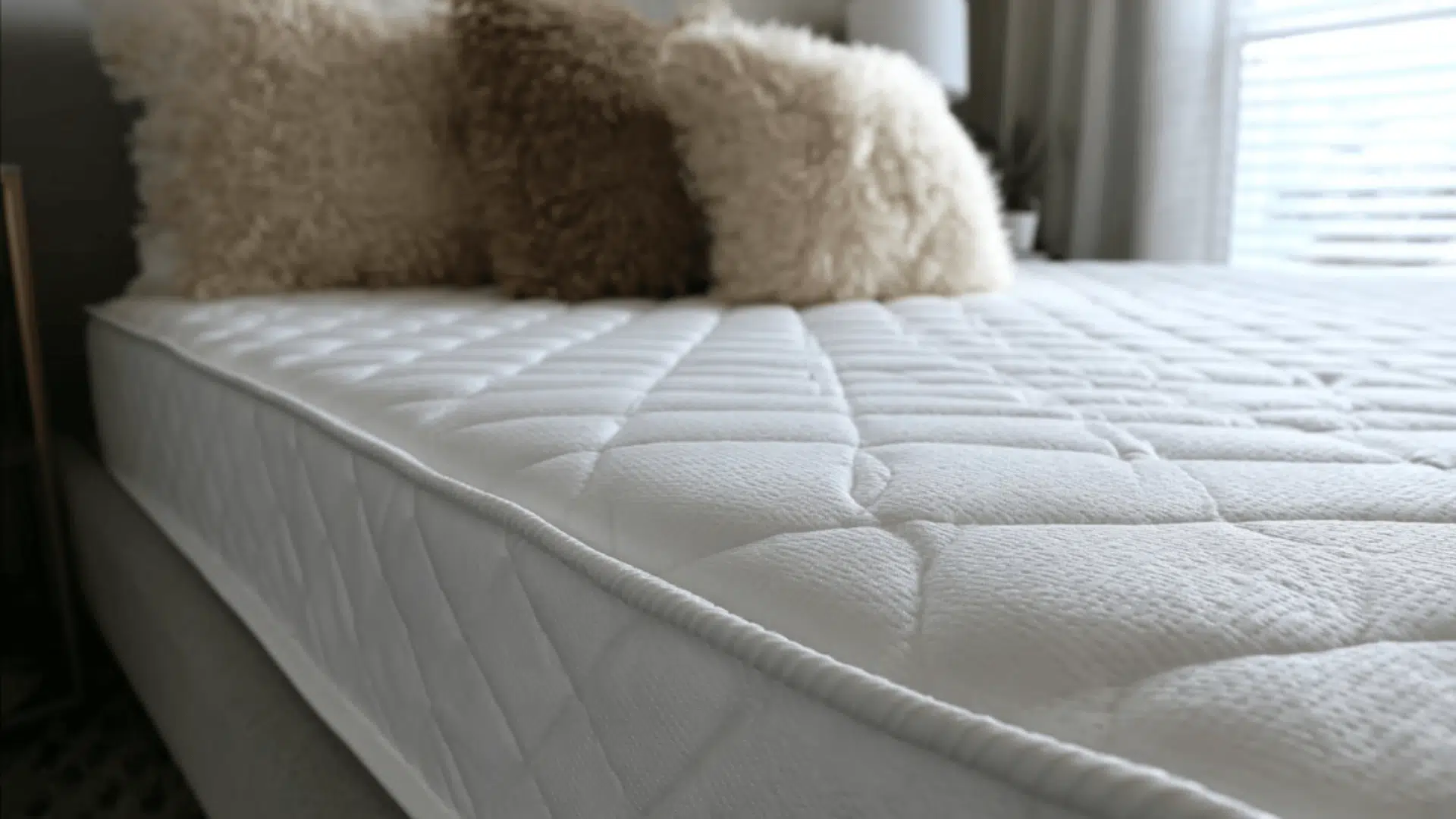
Ever sat on the edge of your bed and felt like you might slide right off? That is a sign your mattress may not have good edge support. An edge support mattress keeps the sides firm and stable, giving you more room to sleep comfortably and making it easier to get in and out of bed. It also helps prevent mattress sagging on edges, which means your bed will stay supportive for a longer time. I n this guide, we will share the best edge support mattresses of 2025, including budget-friendly picks, luxury models, and eco-friendly options. You will also learn how to test edge support and when to shop for the best deals. Why Does Edge Support Matter? Edge support is the firmness and stability you feel along the sides of a mattress when you sit or lie near the edge. A mattress with good edge support keeps the sides from sinking too much and helps the bed stay in shape. Strong edges mean: A more usable sleep surface that provides comfort all the way to the sides, without feeling like you will roll off. Better durability and less risk of mattress sagging, keeping the bed supportive for years. Safer for mobility and easier for seniors or people with joint pain to sit or stand. Good edge support makes your bed more comfortable, more durable, and safer for everyday use. What Materials & Designs Provide Strong Edge Support? The type of materials and construction in a mattress can make a big difference in how well its edges hold up. Here are the most common designs that offer strong edge stability: Material / Design Description Innerspring Mattresses Perimeter coils give a firm, bouncy feel and provide strong stability along the edges. Hybrid Mattresses Combine coils for support with foam for comfort, and they are often reinforced at the edges. Latex Mattresses Naturally durable and springy, holding their shape well over time. High-Density Foams Dense foam encasements around the mattress perimeter help resist sagging and maintain edge support. Choosing the right material is the first step to avoiding discomfort and enjoying long-lasting comfort. Top Platforms with Best Edge Support Mattress Strong edge support means more comfort, stability, and durability. These five mattresses stand out in 2025 for keeping their edges firm while delivering a great night’s sleep. 1. Saatva The Saatva Classic is a hybrid innerspring mattress with reinforced edges, three firmness choices, and luxury comfort. Known for exceptional durability, it offers stable support for all sleepers who use the sides for sitting or sleeping. Feature Details Type Hybrid Innerspring Edge Support Rating 5/5 Best For All sleepers Price Range $1,500–$3,000+ Eco-Friendly Yes Best Deal Time: Labor Day and Memorial Day sales often give 15–20% off ,plus free white-glove delivery. 2. Helix Helix Midnight Luxe combines zoned lumbar support with a reinforced perimeter, offering strong pushback and plush comfort. Especially great for side sleepers who need both edge stability and a soft feel throughout the night. Feature Details Type Hybrid Edge Support Rating 4.5/5 Best For Side sleepers Price Range ~$1,400–$2,900 Eco-Friendly No Best Deal Time: Black Friday and Cyber Monday can offer 25% off, plus two free pillows. 3. Nolah Nolah Evolution 15″ is a plush hybrid with high-density foam edges and advanced cooling. Delivers hotel-quality luxury and lasting edge support, perfect for those seeking premium comfort with no compromise on stability. Feature Details Type Hybrid Edge Support Rating 5/5 Best For Luxury comfort Price Range ~$1,600–$2,100 Eco-Friendly No Best Deal Time: Fourth of July and New Year sales often give $700 off, plus free bedding bundles. 4. Awara Awara Natural Hybrid uses organic latex and durable coils for outstanding edge stability. Perfect for seniors or anyone needing easier bed access, with eco-friendly materials and a comfortable, supportive design that lasts. Feature Details Type Latex + Coil Edge Support Rating 5/5 Best For Mobility support Price Range ~$999 (discounted) Eco-Friendly Yes Best Deal Time: Earth Day and Black Friday events often give $400 off ,plus free organic bedding. 5. Layla Layla Hybrid features two firmness levels in one flippable mattress, with reinforced coils for consistent edge support. Ideal for individuals seeking versatility, strong side stability, and comfort across multiple sleep positions. Feature Details Type Hybrid Edge Support Rating 4.5/5 Best For Multi-purpose users Price Range ~$1,100–$1,700 Eco-Friendly No Best Deal Time: Labor Day and Presidents’ Day sales can slash prices by up to $200 ,plus include a free pillow set. How to Test Edge Support Yourself Not sure if a mattress has strong edges? A quick test can help you find out before you commit to buying. Sit on the side of the bed to see if it sinks too much. Lie near the edge in different sleeping positions, and you should feel stable and not like you’ll roll off. Review product details for mentions of reinforced edges or foam encasement, which are signs of strong edge support. A few simple checks can help you avoid a bad buy and ensure your new mattress will keep you supported from corner to corner. Eco-Friendly and Organic Options For many sleepers, a mattress is more than just a place to rest; it is also a chance to make an eco-conscious choice. If you care about sustainability, look for mattresses made with latex or organic-certified hybrid designs. Certifications like GOTS (Global Organic Textile Standard) and GOLS (Global Organic Latex Standard) ensure safer, eco-friendly materials. Options such as Saatva Zenhaven and Bear Natural Latex offer excellent edge support while using natural, non-toxic components that are better for both you and the environment. Choosing eco-friendly mattresses means you get lasting comfort and strong edge support while also reducing your impact on the planet. What to Do If You Already Have Mattress Sagging on Edges Even the best mattress can develop sagging over time, but you can take steps to slow it down or fix the problem. Rotate it every 3 to 6 months to even out wear. Use a strong bed base or closely spaced slats for better support. If sagging is severe or the mattress is past its warranty, it might be time for a replacement. Taking care of your mattress can extend its life, but knowing when to replace it will keep you sleeping comfortably and safely. Making the Decision Choosing the right mattress with strong edge support is about more than comfort; it is about safety, durability, and making the most of your bed. A well-built edge support mattress gives you more usable space, helps prevent sagging, and makes getting in and out of bed easier. If you need a budget-friendly hybrid, a plush luxury model, or an eco-friendly latex option, the right choice will keep you comfortable for years. Remember to check the construction, test the edges if possible, and shop during seasonal sales for the best deals. With the mattresses and tips shared in this guide, you can sleep confidently, knowing your bed supports you from corner to corner. Frequently Asked Questions Does Edge Support Affect Mattress Lifespan? Yes, strong edges prevent sagging on edges, maintaining shape and extending mattress life by reducing perimeter wear. Is Edge Support More Important for Certain Sleep Positions? Yes, especially for side sleepers who press against edges frequently, needing stability to avoid roll-off and maintain comfort. Can Mattress Toppers Improve Edge Support? No, toppers change surface feel but cannot strengthen edges; real support comes from coils, dense foam, or reinforced perimeters. How Does Body Weight Influence Edge Support Performance? Heavier sleepers compress edges more, requiring stronger perimeter coils or dense foam, while lighter sleepers experience slower sagging.

What are Shams: Types, Uses & Tips Explained

What are Shams- Types, Uses & Tips Explained

Pillow shams can make any bed look nicer without much effort. They’re like decorative covers that give your pillows a polished, finished look. Even though they’re not the pillows you sleep on, they help your bed appear cozy, neat, and well put together. Many people use them to add color, texture, or style to their room. If you’ve ever thought of what shams are and why people use them, this guide will make everything easy to understand, and also give you clarity to choose between other pillowcases. They’re a small detail, but they can make a big difference in how your bedroom feels. By the end, you’ll know exactly what they are and how to use them. What Does Pillow Sham Mean? A pillow sham is a decorative cover for a pillow that makes your bed look nicer. Instead of being used for sleeping, shams are mostly used for style and design. They often have pretty patterns, textured fabrics, or fancy edges that help your bed look more put-together. When people decorate their bedrooms, they often place sham-covered pillows in front of the regular ones to create a layered, cozy look. The word “sham” comes from an old term meaning “something meant for show,” which fits perfectly since these covers are mainly for decoration. Even though you don’t sleep on them, they play a big role in making your room feel complete and inviting. Difference Between Pillow Shams and Pillowcases Pillow shams and pillowcases might look similar at first, but they’re designed for very different purposes. Understanding the differences helps you choose the right one for comfort, style, or both. Feature Pillow Shams Pillowcases Purpose Decorative and used to style the bed Functional and used for sleeping Design Fancy edges, trims, buttons, or envelope backs Simple open-ended design Fabric Thicker, textured, or decorative materials Soft, smooth fabrics for comfort Placement on Bed Placed in front of or as the top decorative layer Placed behind shams and used nightly Function Adds style, color, and a finished look Protects the pillow and provides a comfy surface Use Removed before sleeping Stayed on the pillow while sleeping Different Types of Pillow Shams Pillow shams come in several shapes and sizes, and each one adds something unique to your bed’s overall look. Knowing the different types helps you choose the ones that fit your style, bed size, and decorating needs: 1. Standard Shams These are the most common shams and fit standard-size pillows. They’re usually placed right in front of your regular sleeping pillows to add shape and style to the bed. They work well on twin, full, and queen beds. Most bedding sets include these because they match almost any room style. 2. Queen Shams Queen shams are a little longer than standard ones. They’re made to fit queen-size pillows and look best on queen or full beds. They help fill the width of the bed, making the arrangement look even. If you want a clean, hotel-style look, queen shams are a great choice. 3. King Shams King shams are large and wide, perfect for king-size beds. They cover big pillows and help the bed look balanced and complete. They’re great for creating a bold, full look at the head of the bed. Because of their size, they also add extra support when sitting up. 4. Euro Shams These are square-shaped shams, usually 26″ x 26″. You place them at the back of your pillow arrangement for height and a decorative “hotel-style” look. They’re perfect for adding layers, depth, and a designer feel. You can also use them as backrests when reading or watching TV. 5. Boudoir Shams Small and rectangular, these shams are mostly used as accent pieces. They add a fancy touch and often sit at the very front of the pillow setup. They’re great for bringing in pops of color or texture. Even though they’re small, they make the whole bed look more styled. 6. Breakfast Shams Another small, decorative style, breakfast shams are used for extra detail. They don’t serve any practical purpose; they’re just for visual appeal. They’re often included in luxury bedding sets to complete the look. These shams make a simple bed instantly feel more special. How to Pick the Right Sham Choosing the right pillow sham depends on your bed size, room style, and how you plan to use it. These simple tips will help you pick a sham that looks great and fits your needs perfectly: Factor What to Look For Why It Matters Bed Size Choose standard, queen, or king shams based on your mattress size. Ensures the pillows look balanced and not too small or too large. Room Style Simple rooms: clean, solid shams. Decorative rooms: textured or patterned shams. Helps the sham match your bedroom’s overall design. Purpose Euro shams for support; boudoir/breakfast shams for accents. Different shams serve different functions on the bed. Color & Fabric Pick colors that match or complement your bedding; choose soft or textured fabrics. Creates a coordinated, stylish look that doesn’t clash. Arrangement Needs Larger shams in back; smaller in front. Helps you build a layered, neat pillow setup. Maintenance Choose fabrics that are easy to wash if you use them daily. Keeps your bedding clean and simple to care for. How to Arrange All These Shams on a Bed Start by placing the largest pillows, such as Euro shams, against the headboard to add height. Add your king, queen, or standard shams in front of the Euros to form a solid middle layer. Place your sleeping pillows with regular pillowcases behind or underneath the shams, depending on your style. Add boudoir or breakfast shams at the very front as small accent pieces for color and detail. Keep the arrangement balanced by matching sizes and placing similar shapes beside each other. Mix patterns, textures, or colors for a designer look, or keep everything matching for a clean, simple style. Conclusion Pillow shams may seem like small details, but they can completely change the look and feel of your bedroom. By learning about the different types and what each one is used for, you can create a bed that looks cozy, stylish, and organized. From large Euro shams that add height to tiny breakfast shams that bring charm, each style plays a special role in how your bed comes together. With just a few shams, you can upgrade your whole room without spending a lot of money or effort. No matter your style, there’s a sham out there that can make your space feel more inviting and complete! Frequently Asked Questions How many Shams Should Go on A Bed? It depends on your bed size. A twin may only need one, a queen often uses two, and a king bed usually looks best with two or three, plus smaller accent shams. Are Pillow Shams Washable? Yes! Most shams can be washed, but always check the fabric label. Some delicate or textured shams may need gentle care. Can I mix different sham styles? Absolutely. Mixing sizes, colors, and textures can make your bed look more interesting and well-designed.

What are the Measurements of a Queen Bed? Comparison Guide

what are the measurements of a queen bed a quick comparison guide

When you’re setting up your bedroom, it’s normal to think about how much space you really have to work with and what size will feel right. If you’re trying to figure out what the measurements of a queen bed are and whether they fit your room and lifestyle, you’re in the right place. Choosing a mattress isn’t only about the numbers; it’s also about space, comfort, and how you like your room to feel. You’ll walk through the key points that matter most, from fit and layout to how a queen compares with other sizes. The goal is to help you get clear on what works for you without confusion or pressure, so your final choice feels simple and right for your everyday life. What are the Measurements of a Queen Bed? A standard queen mattress measures 60″ × 80″ (about 5 ft × 6.67 ft or 152 cm × 203 cm). Most queen bed frames are slightly larger because they include the structure and headboard, so you’ll usually see: 62–65 inches in width 82–86 inches in length The total bed height depends on your setup. You can choose: Low-profile if you want a bed closer to the floor Standard height for a typical setup Taller beds if you use a thick mattress or prefer more height Pick a height that feels easy to sit on and stand up from, and make sure it fits comfortably in your room. Queen vs. Other Bed Sizes (Twin, Full, King & More) This table gives you a quick side-by-side look at how a queen mattress compares to every common bed size. It helps you see what fits your room, your budget, and your sleeping needs: Bed Size Dimensions (W × L) Recommended Room Size Approx. Price Range Best For Queen 60″ × 80″ 10×10 – 12×12 ft $600–$2,000 Couples, solo sleepers wanting space King 76″ × 80″ 12×12 – 12×14 ft $900–$3,500 Couples wanting maximum width California King 72″ × 84″ 12×12 – 12×14 ft $1,000–$3,500 Tall sleepers, long rooms Full / Double 54″ × 75″ 10×10 ft $300–$900 Solo adults, guest rooms Twin 38″ × 75″ 7×10 ft $150–$600 Kids, teens, small rooms Twin XL 38″ × 80″ 8×10 ft $200–$700 Tall teens, dorms Full XL 54″ × 80″ 10×11 ft $350–$1,000 Tall solo sleepers RV Queen 60″ × 74″ RV layouts $350–$1,000 Campers + RV setups Olympic Queen 66″ × 80″ 11×12 ft $700–$2,200 Couples wanting more width without moving to a king Split Queen Two 30″ × 80″ mattresses 10×10 – 12×12 ft $1,200–$3,000 Adjustable bases, coupled with different needs Small Single / Cot 30″ × 75″ 7×10 ft $200–$500 Kids, bunk beds, tiny spaces Alaskan King 108″ × 108″ 16×16 ft+ $2,500–$7,000 Families co-sleeping, luxury spaces Note: Price ranges are approximate mid-range mattress prices. They vary by brand, build, and materials. How Much Space Do You Need for a Queen Bed? A queen bed works well in many homes, but the room size affects how open or tight the space feels. The notes below make it easy to understand what to expect before you set up your room. Minimum Room Size for a Queen Bed A few room sizes work well with a queen bed, but each one creates a different feel: 10×10 ft: The bed fits, but there is limited room for larger furniture. Small nightstands work best, and walking paths may feel tight. 11×12 ft: Most people find this size comfortable. You get enough space for nightstands on both sides and a smoother walkway around the bed. 12×12 ft or larger: The room feels open and easier to decorate. There is space for a dresser, wider nightstands, and extra walking room. Clearance Guidelines Open space around the bed helps with movement and daily comfort. These simple guidelines keep the room easy to use: Leave 24–36 inches of walking space around the sides of the bed. Make sure the door can open fully without hitting the bed or furniture. Keep room for nightstands on one or both sides if you plan to use them. Queen Bed Layout Examples Different room sizes change how you arrange the bed and furniture. These examples show how a queen might fit in common layouts: 10×10: Center the bed on the main wall. Use small nightstands or skip them if space is tight. Walking space will be limited, so a simple layout works best. 11×12: You have more placement freedom. Most people can use two nightstands and still keep a comfortable walkway. Furniture feels less crowded. 12×12: The room feels more balanced. You can add a dresser, larger nightstands, or even a bench at the foot of the bed without making the space feel tight. A little planning helps your room feel open and easy to move around. Choose the layout that fits your space and supports how you use the room every day. Pros and Cons of Choosing a Queen Bed This section gives a quick, honest look at what makes a queen bed a strong choice and where it may fall short. It helps you decide if this size fits your room and your sleep needs: Pros A queen bed offers several helpful benefits: Works well for couples or solo sleepers Fits comfortably in medium-sized rooms Has widely available bedding, frames, and accessories Offers more room than a full without needing a large bedroom Good balance of comfort, cost, and space efficiency Cons A queen bed also has a few drawbacks to keep in mind: Can feel tight for larger couples May not fit comfortably in very small bedrooms Larger variations (Olympic Queen, Split Queen) cost more Takes up more floor space than a full layout, limiting room layout options Harder to fit into narrow hallways, tight stairs, or older homes with small door frames A queen bed can be a great middle-ground choice, but the right fit depends on your space and how you sleep. Weigh the pros and cons to see if this size matches your everyday comfort needs. How to Choose the Right Mattress Size for Your Space? Choosing the right mattress size starts with knowing your space and how you sleep. This table breaks down the key things to check before picking a mattress: Category Key Points Purpose Why It Matters Measure Your Room – Measure room size.– Mark the mattress area with tape.– Leave 24–36 in walking space. Check available floor space. Prevents a crowded layout. Consider Your Sleeping Needs – Your height.– Sleeping position.– Sharing the bed. Match size to comfort needs. Ensures enough room while sleeping. Check Your Furniture and Layout – Space for nightstands and dressers.– Doors and closets must open fully.– Keep walkways clear. Confirm furniture fits with the bed. Avoids blocked doors and tight paths. Quick Space Checklist – Measure all walls.– Check doorway clearance.– Note window placement.– Plan paths. Verify room and delivery fit. Helps avoid setup issues. Bedding for a Queen Bed – Use queen bedding.– Optional: king duvet.– Match sheet-pocket depth. Ensure bedding fits properly. Prevents loose or tight bedding. Queen Bed Frame Styles – Platform.– Storage.– Sleigh.– Minimalist. Choose a frame that fits your layout. Frame style affects space and height. Use these points as a quick guide when planning your room. A little measuring and layout planning make it much easier to pick the size that fits your space and comfort. Who Should Choose a Queen Bed? A queen bed works for many types of sleepers and room setups. These points make it easy to see if it’s the right size for you: Couples: Offers enough width for two people while still fitting in most bedrooms. Tall individuals: The 80-inch length is ideal for those who need more legroom. Guest rooms: Give visitors a comfortable sleeping space without requiring a large room. Teens transitioning into adult rooms: Provides extra space to grow and lasts through different life stages. Wrapping Up Now that you’ve spent some time exploring what are the measurements of a queen bed and how that size fits into real rooms and real routines, you probably have a clearer sense of what works for your space. You picked up a feel for how comfort, layout, and room size all connect without needing to sort through confusing details. Use these quick checks as a guide when you’re planning your setup or browsing options. A bit of measuring and honest thinking always helps. And if a queen bed matches your sleep style and your home, you’re already on the right path to a bedroom that feels simple, comfortable, and easy to live in every day!

What Is the Biggest Bed Size? Find Out Now

what is the biggest bed size

If you’re curious about what is the biggest bed size available for your bedroom, you’re in the right place. When you’re tired of feeling cramped at night or sharing space with family members and pets, oversized beds might be the perfect solution. From the massive Alaskan King to the extra-long Texas King, these giant mattresses offer incredible comfort and space. Understanding your options helps you choose the right bed that fits both your sleeping needs and bedroom dimensions. Read on to learn about the largest bed sizes and find out which one works best for you. What Are Oversized Beds? Oversized beds are mattresses that go beyond the standard king size, which measures 76 by 80 inches. These extra-large options provide significantly more sleeping space, making them ideal for families who co-sleep, couples who want extra room, or anyone who simply enjoys stretching out. The most popular oversized bed types include the Alaskan King at 108 by 108 inches, the Wyoming King at 84 by 84 inches, and the Texas King at 80 by 98 inches. Family beds are another category designed specifically for multiple sleepers. Unlike standard sizes found in most furniture stores, oversized beds typically require custom mattresses, sheets, and frames, which can make them more expensive and harder to find. Exploring the Biggest Bed Size Options When it comes to oversized beds, several options stand out for their impressive dimensions and unique benefits. Each type offers different advantages depending on your needs. 1. Wyoming King Bed At 84 by 84 inches, the Wyoming King offers a balanced square design slightly smaller than the Alaskan King. It provides ample room for couples and children without overwhelming your bedroom. The main drawback is finding custom sheets and frames. You’ll need approximately 11 by 11 feet of floor space to comfortably accommodate this bed. 2. Alaskan King Bed The Alaskan King measures 108 by 108 inches, making it the largest standard oversized bed. Its square shape provides equal space in all directions, perfect for families with children or pets. You’ll need a room at least 13 by 13 feet and custom bedding. This bed is best suited to co-sleeping families who prioritize comfort and space. 3. Texas King Bed The Texas King measures 80 by 98 inches, offering 18 extra inches of length compared to a standard king. This rectangular shape fits better in longer bedrooms and suits tall individuals perfectly. Custom bedding is required, but the mattress width matches a California King, making frame options slightly easier to find than other oversized beds. Alaskan King vs Wyoming King vs Texas King Comparing these oversized bed options can help you decide which one matches your sleeping needs and bedroom space. Each bed offers unique dimensions and benefits suited to different lifestyles and room layouts. BED TYPE DIMENSIONS (WxL) SURFACE AREA (sq. in.) RECOMMENDED ROOM SIZE IDEAL USERS Alaskan King 108″ x 108″ 11,664 16′ x 16′ Large families, couples with pets, tall sleepers Wyoming King 84″ x 84″ 7,056 12′ x 12′ Couples needing extra space, small families Texas King 80″ x 98″ 7,840 12′ x 14′ Tall individuals, couples with pets, restless sleepers Understanding these differences makes it easier to choose the right oversized bed for your home. Consider your room size, number of sleepers, and budget when making your final decision. Going Even Bigger: Family Beds and XL Family Beds Their rectangular shape fits larger bedrooms, offering ample space for parents, kids, and pets to share a cozy sleeping surface and promote bonding and convenience in multi-person co-sleeping. Family Beds Family Beds typically measure around 108 inches wide by 80 inches long, providing a generous sleeping area that surpasses many oversized mattresses. Their rectangular shape offers flexibility in fitting into larger bedrooms while giving ample room for parents, kids, and pets to share one cozy sleeping surface. XL Family Beds XL Family Beds take the concept of spacious sleep even further, often measuring 144 inches wide and around 84 inches long. This size is ideal for large families wanting maximum space to stretch out, play, or relax together. While they require a sizable bedroom, XL Family Beds become a centerpiece for family intimacy and comfort, making bedtime a shared, joyful experience for everyone involved. Is Bigger Always Better? Pros and Cons of Super-Sized Beds Before investing in an oversized bed, it’s important to weigh the benefits against the potential challenges. While these beds offer incredible comfort and space, they also come with practical considerations that affect daily life. Aspect Advantages Disadvantages Comfort & Space Extra room for families, pets, or couples Requires a very large bedroom space Luxury Appeal Creates a luxurious, spacious sleeping area Can be impractical for small or average rooms Lifestyle Fit Ideal for tall sleepers and co-sleeping families Expensive to buy, maintain, and move Practicality Less disturbance from the partner’s movements Bedding and frames are harder to find Cost Adds high-end appeal and potential resale value Higher upfront cost and ongoing expenses Weighing these pros and cons can help you decide whether a super-sized bed fits your lifestyle and space. Consider your budget, bedroom size, and sleeping habits before making the investment. How to Choose the Right Biggest Bed Size for Your Bedroom? Choosing the right oversized bed requires careful planning to ensure it fits comfortably in your space. Start by measuring your bedroom and leaving at least 24 to 36 inches of walking space on each side of the bed. Consider the ceiling height if you’re using a platform or adjustable frame, as these add extra height. Think about your mattress preferences, whether memory foam, innerspring, or hybrid, since custom options may be limited. Sketch your room layout to visualize how the bed will fit alongside dressers and nightstands. Remember that doorways and hallways must be wide enough to move the mattress and frame inside. Also factor in your budget, as oversized beds and custom bedding cost significantly more than standard sizes. The Bottom Line Now you know the biggest bed sizes and how they compare. The right oversized bed depends on your specific sleeping needs and available bedroom space. Remember to measure your bedroom carefully and consider your budget before making a purchase. These giant beds provide unmatched comfort for families, tall sleepers, and anyone who loves extra room. Have you tried an oversized bed, or are you thinking about getting one? Share your thoughts and experiences in the comments below! Frequently Asked Questions (FAQs) How Do I Find Custom Bedding for Oversized Beds? You can order custom bedding from specialty retailers or mattress manufacturers who offer made-to-measure sheets, comforters, and bed skirts for oversized bed sizes. Can Oversized Beds Be Used with Standard Bed Frames? No, oversized beds typically require custom frames to support their larger dimensions, as standard frames are not designed to accommodate their size. Are There Any Health Benefits to Sleeping on a Larger Bed? Sleeping on a larger bed can reduce sleep disturbances caused by movement, improving sleep quality, especially for restless sleepers or couples.

King Size Blanket Dimensions for the Perfect Fit

King Sized Blanket

Choosing the right blanket size is just as important as picking the right material or design. If your blanket is too small, you might end up fighting for warmth. If it’s too big, it can feel heavy or messy on the bed. A king-size blanket is perfect for anyone who wants extra space, and if you share your bed with a partner, kids, pets, or simply loves to snuggle up. However, when it comes to king blanket dimensions, things can get confusing because sizes aren’t always the same across brands. If you’ve ever wondered what size is a king size blanket, a simple size chart can make it clear. It helps you know exactly what you’re getting so your blanket fits your bed just right, looks neat, and keeps you cozy from head to toe. King Size Blanket Dimensions: Perfect Fit for Maximum Comfort A standard king-size blanket typically measures around 108 inches wide by 90 to 100 inches long. This generous size is designed to fully cover a king mattress, which measures about 76 inches wide by 80 inches long, while leaving enough extra fabric to drape nicely over the sides and foot of the bed. The extra width also makes it ideal for couples who want plenty of personal space without tugging the blanket away from each other during the night. Some brands may vary slightly, so always check the label before buying. If you’re layering it with other bedding or using it as your main cover, a king-size blanket offers both style and comfort for a truly cozy night’s sleep. Why Choosing the Right Blanket Size Matters Picking the right blanket size isn’t just about looks; it’s about comfort and practicality. A blanket that’s too small might leave your feet or shoulders uncovered, making it hard to stay warm through the night. On the other hand, a blanket that’s too large can feel heavy, bunch up, or drag on the floor, which can make your bed look messy. The right size ensures full coverage, a neat appearance, and a comfortable sleeping experience. It also helps with temperature control, since proper drape keeps warmth in without adding unnecessary weight. If you want a cozy wrap for cold nights or a lightweight cover for summer, matching the blanket size to your bed and needs makes all the difference in comfort, style, and usability. Complete Blanket Size Chart for Every Bed Blanket sizes can be confusing because they vary between brands and countries. Having a clear reference makes it easier to find the perfect fit for your bed. The right size ensures your blanket covers you completely, drapes nicely over the edges, and feels just right, neither too short nor too bulky. Blanket Size Dimensions (inches) Best For Twin 65″ × 90″ Twin beds, single sleepers Full / Double 85″ × 90″ Full beds, single or two sleepers Queen 90″ × 90 Queen beds, couples King 108″ × 100 King beds, couples, families, pets California King 104″ × 108″ California king beds Throw 50″ × 60″ Couches, chairs, decorative use Oversized Throw 50″ × 70″+ Extra lounging space If you’re upgrading your bedding, buying a gift, or making your own blanket, knowing the right size helps you avoid awkward fits and keeps your bed looking polished. Different Types of Blanket Materials and Their Benefits While the size of a blanket determines how well it fits your bed, the material decides how it feels, how warm it keeps you, and how easy it is to care for. Each fabric has unique qualities, making it important to choose one that matches your comfort needs and lifestyle.’ 1. Cotton Cotton blankets are soft, breathable, and versatile, making them great for year-round use. They’re easy to wash, gentle on sensitive skin, and available in various weaves for different levels of warmth. Cotton is a reliable choice for both summer and winter, especially for those who prefer a natural, lightweight feel. 2. Wool Wool blankets are known for their excellent warmth and durability. They naturally wick away moisture, keeping you comfortable even in cooler conditions. While they may require special cleaning, wool’s insulating properties and long lifespan make it a favorite for cold-weather comfort. It’s ideal for those who want a classic, cozy bedding option. 3. Fleece Fleece is lightweight yet surprisingly warm, making it a great choice for quick comfort without the heaviness of thicker fabrics. It’s soft to the touch, easy to maintain, and dries quickly. Fleece blankets are especially popular for lounging, camping, or adding an extra layer of warmth to your bed in colder months. 4. Polyester / Microfiber Polyester and microfiber blankets are durable, wrinkle-resistant, and budget-friendly. They trap heat effectively, making them ideal for colder nights. Easy to wash and quick to dry, these materials are perfect for busy households or as an everyday blanket option. Their soft, smooth feel also adds a touch of comfort to any bed. 5. Linen Linen blankets are breathable, cool, and perfect for warm climates or hot sleepers. They absorb moisture well and feel fresh against the skin. While linen can be more expensive, its durability and naturally textured look make it a worthwhile investment for those who want a stylish yet functional blanket. Best Blanket Choices for Every Season Blankets aren’t one-size-fits-all when it comes to the seasons. The right fabric and thickness can make the difference between a sweaty summer night and a chilly winter sleep. By choosing season-appropriate blankets, you can stay comfortable, regulate your body temperature, and even save on heating or cooling costs. Spring – Light cotton or linen blankets are ideal for mild temperatures. They’re breathable and help regulate body heat as the weather shifts. Summer – Go for lightweight cotton, bamboo, or thin microfiber. These fabrics are airy and wick away moisture, keeping you cool on warm nights. Fall – Mid-weight fleece or cotton blends add warmth without feeling heavy, making them perfect for crisp evenings. Winter – Wool, heavy fleece, or down blankets provide maximum insulation and coziness during cold months. Weighted blankets can also add an extra layer of comfort. Year-Round – A medium-weight cotton blanket layered with a throw lets you adjust warmth easily for any season. Matching your blanket to the season isn’t just about comfort; it’s also about getting the most out of your bedding. With the right seasonal choices, you’ll sleep better, feel cozier, and enjoy your blanket all year long. Blanket Care and Maintenance Tips Taking proper care of your blankets helps them stay soft, clean, and long-lasting. Always start by checking the care label for washing instructions, as different materials have specific needs. Cotton and microfiber blankets can usually go in the washing machine, while wool and delicate fabrics may require hand washing or dry cleaning. Use mild detergent and avoid harsh bleach, which can damage fibers and fade colors. For large blankets, use an oversized washer or take them to a laundromat to prevent tangling or uneven cleaning. Dry blankets completely before storing to avoid musty odors or mildew. When not in use, fold and store them in a breathable cotton bag or on a shelf to keep dust away. Avoid vacuum-sealing natural fiber blankets for long periods, as this can compress and damage the fibers. With regular care, your blanket will stay cozy and beautiful for years. Final Thoughts on Choosing the Right King-Size Blanket A well-chosen blanket can be the difference between restless nights and truly restful sleep. A king-size blanket provides the coverage, comfort, and style you need, but achieving the right fit requires attention to dimensions, materials, and seasonal needs. If you love the breathable softness of cotton, the cozy warmth of wool, or the lightweight comfort of fleece, your choice should reflect how you sleep and the look you want for your bedroom. Don’t forget proper care will keep your blanket fresh, soft, and long-lasting. Now that you know the standard sizes, key differences, and material options, you’re ready to make a confident choice. Take a moment to measure your bed, think about your comfort preferences, and invest in a blanket that truly fits your life. What’s your favorite blanket material: cotton, wool, fleece, or something else? Comment down below and share your pick!

Split King vs King: Find the Best Bed for Your Sleep Needs

Split King vs King

Shopping for a larger bed and debating between a classic King and a modern Split King? You’re not alone. The choice often comes down to how you sleep, what you prefer, and how well your needs match your partner’s. A King offers a traditional, seamless surface many couples love, while a Split King gives each person more flexibility and control over their own side of the bed. The right decision can influence comfort, motion isolation, and how easily you both settle into a restful night’s sleep. If you value closeness or personalized support, understanding how each option fits your lifestyle can help you choose with confidence. What Are the Dimensions & Basic Specs? Before comparing comfort or features, it’s important to look at the basic measurements that separate a King from a Split King bed. 1. Standard King Bed Size Dimensions: 76 inches wide × 80 inches long A king-size bed is the largest standard bed size available in most stores. This makes it spacious enough for couples to sleep comfortably without feeling crowded. 2. Split King Bed Size Dimensions: Two 38-inch × 80-inch placed together (total: 76″×80″) A Split King delivers the same sleeping surface area as a standard King, but the two separate beds allow for complete customization on each side of the bed. 3. Room Size Requirements Both King and Split King beds require adequate space to avoid feeling cramped: Minimum room size: 12 feet × 12 feet (though 13 feet × 13 feet is more comfortable) Ideal room size: 14 feet × 14 feet or larger for easy movement Furniture considerations: Leave at least 2-3 feet of walking space on each side and at the foot of the bed Account for nightstands, dressers, and other bedroom furniture If using adjustable bases, ensure there’s clearance for the head and foot sections to lift Keep in mind that while the mattresses themselves are the same size, you’ll need enough space to maneuver them during setup and when changing sheets. Standard King Bed: Key Advantages & Drawbacks Choosing a Standard King depends on whether you prefer shared comfort, simple bedding, and a seamless sleep surface without any separation. Advantages Unified comfort surface: One large mattress supports closeness and shared sleeping without a middle seam. Simple bedding setup: One fitted sheet keeps bed-making quick and uncomplicated for everyday use. Shared firmness feel: Ideal for couples comfortable with the same mattress type and support level. Great for co-sleepers: A seamless surface is ideal for partners, pets, or kids who sleep close together. Budget-friendly option: One mattress and one base typically cost less than dual-mattress setups. Disadvantages No independent adjustability: Both partners must share the same elevation and sleep position throughout the night. More motion disturbance: Movements, turning, or getting up may transfer across the entire mattress. Firmness compromise: Different comfort needs can leave one partner unsupported or uncomfortable. Difficult to maneuver: Large, heavy frame and mattress make moving or repositioning challenging. Less personalized comfort: A single surface limits the support for individual sleep styles. A Standard King is best for couples who value closeness, simplicity, and a unified sleep space over personalized adjustments. Split King Bed: Key Advantages & Drawbacks Sharing a bed doesn’t always mean sharing the same sleep experience, and finding a setup that supports both partners can feel surprisingly important. Advantages Custom firmness choices: Each partner selects their ideal support level without compromising on comfort. Independent elevation control: Adjustable bases allow each side to move independently for personalized positioning. Zero motion transfer: Separate mattresses prevent movement from disturbing the other sleeper. Easy to transport: Twin XL pieces fit through narrow spaces much more easily than a single large mattress. Replace one side: Only one side of the mattress needs replacing if comfort changes over time. Disadvantages Center seam present: The gap between mattresses may feel noticeable when sleeping or cuddling in the middle. More complex bedding: Requires two Twin XL fitted sheets plus a shared top layer, which adds weight. Higher initial cost: Two mattresses, and often dual bases, increase overall investment. Not ideal for central sleepers: Kids or pets between partners may feel the separation line. Requires coordination: Different mattress heights or feels can seem uneven without careful matching. A Split King is ideal for couples seeking maximum personalization, independent control, and disturbance-free sleep, even when they have different sleep preferences. How a Split King Bed Works Sleep setups can look simple on the surface, but the way a Split King functions behind the scenes makes it surprisingly unique. Two-Mattress Formation: The bed uses two Twin XL mattresses placed side by side to create the full King-sized layout. Individual Mattress Function: Each mattress operates independently, allowing movements or adjustments on one side without affecting the other. Adjustable Base Operation: When paired with dual bases, each partner controls their own elevation settings through separate remotes or app-based systems. Shared Frame Compatibility: The two mattresses can sit on a traditional King frame, platform base, or split adjustable base without any special modifications. Alignment Support Tools: Non-slip pads, straps, or a shared topper keep both mattresses aligned and prevent shifting throughout the night. Even though the bed uses two separate pieces, the overall setup works together seamlessly to create a unified sleeping environment for both partners. Bonus Section: Simple Differences That Matter Before choosing the right setup, it’s helpful to compare how the Split King and King differ in everyday use, comfort, and practicality. Split King vs King Mattress Differences Deciding between a King and Split King mattress depends on how much individuality, customization, and flexibility you want in your shared sleep experience. Feature King Mattress Split King Mattress Sleep Surface One seamless, unified surface Two separate surfaces with a center split Firmness Options Same firmness for both partners Each side chooses its own firmness Replacement Entire mattress replaced at once One side is replaced when needed Your ideal choice depends on whether you prefer shared simplicity or a sleep setup that gives both partners personalized comfort without compromise. Split King Sheets vs King Sheets The bedding setup for each mattress type influences convenience, cost, and how easily the sheets stay in place during everyday use and adjustments. Feature King Sheets Split King Sheets Fitted Sheets One fitted sheet Two Twin XL fitted sheets Bed-Making Simple and quick Slightly more steps required Availability Widely available everywhere Mostly available online Ultimately, King sheets simplify daily routines, while Split King sheets support independent movement and adjustable bases, offering flexibility suited to modern sleep needs. Recommendations for King and Split King Setups The right frame, mattress, and sheets create a complete sleep setup that feels comfortable, supportive, and easy to maintain. Split King Products : GhostBed Adjustable Base Two Twin XL Mattresses Split King sheet set (2 Twin XL fitted + 1 King flat) Standard King Products: Mercury Row Bowdoin King-size Bed Emma King hybrid mattress (best for couples) King bamboo cooling se Choosing high-quality frames, comfortable mattresses, and breathable sheets ensures a complete setup that supports better sleep and long-term durability. Decision Matrix: Which One Should You Pick? Use this quick reference to determine which bed suits your situation: Situation Choose a King Choose a Split King You love cuddling or co-sleeping with kids/pets ✔️   You and your partner want different firmness levels   ✔️ One partner snores or has reflux & needs elevation   ✔️ Light sleeper easily disturbed by movement   ✔️ You want the most affordable large bed ✔️   You prefer simple bedding and no mattress gap ✔️   You use (or want) an adjustable base   ✔️ Bedroom access is tight (stairs/hallways)   ✔️ Different sleep schedules or routines   ✔️ You both agree on mattress firmness ✔️   One partner has a medical condition requiring specific positioning   ✔️ With these differences outlined clearly, selecting the bed that supports your sleep, comfort, and daily routines becomes much simpler and more reassuring. Making Your Final Decision Choosing between a King and a Split King ultimately depends on how you and your partner sleep. A standard King works best when you both prefer the same firmness, value simplicity, and want a seamless surface. On the other hand, Split King suits couples with different comfort needs, those who benefit from elevation, and anyone who wants flexibility and independent control. Think about how your sleep habits may evolve and what will support both partners in the long term. The right setup can convert your nights and improve your daily life far more than you expect. Ready to choose your perfect setup? Explore your options and invest in better sleep today. Frequently Asked Questions How Long Does It Take To Set Up A Split King? Most setups take under thirty minutes, especially with adjustable bases that connect and align easily. Can A Split King Work With A Headboard? Yes, most King headboards fit perfectly because both mattresses share the same overall dimensions. Do Split King Mattresses Require More Maintenance? Only slightly more; each mattress rotates independently, but overall care remains simple and manageable. Will A Split King Feel Too Different On Each Side? Not unless intentionally chosen; most couples select similar models for a balanced, unified feel.

Choosing the Right Weighted Blanket Weight for Better Sleep

weighted blanket

Weighted blankets have become a cozy favorite for better sleep and relaxation, but picking the right weight can feel trickier than it sounds. If you’ve ever wondered, should mine be 10 pounds? 15? Or is that way too heavy? You’re not alone. People in online forums and sleep communities swap stories about their just-right blanket weight the same way others talk about their favorite coffee order. The truth is, while experts often suggest a starting point, personal comfort and individual needs play a huge role. In this guide, we’ll combine trusted recommendations with real-world experiences so you can find the weight that works best for you, without turning bedtime into a workout. Why Weighted Blankets Work Weighted blankets aren’t just cozy, they’re designed to give your body a gentle, even pressure called deep touch pressure (DTP). This pressure works a lot like a firm hug or a warm swaddle. It helps your brain release feel-good chemicals like serotonin and oxytocin, which can make you feel calmer and less anxious. At the same time, it can lower cortisol, the stress hormone that sometimes keeps you awake at night. Many people also find that the steady weight helps them stay still, which can reduce tossing and turning. That’s why weighted blankets are often used not only for better sleep, but also to help people with sensory sensitivities feel more grounded and secure. How Heavy Should Your Weighted Blanket Be? If you’re unsure where to start when picking the weight of your blanket, the 10% rule is the most common recommendation from sleep experts. The idea is simple: choose a blanket that’s around 10% of your body weight. Body Weight (lbs) Recommended Blanket Weight (lbs) Comfort Range (lbs) 80 8 4 – 10 100 10 5 – 12 120 12 6 – 14 140 14 7 – 17 160 16 8 – 19 180 18 9 – 22 200 20 10 – 24 220 22 11 – 26 240 24 12 – 29 Pro Tip: The comfort range is useful if you’re in between sizes or want to adjust for personal preference. Lighter blankets are better for those who toss and turn, while heavier ones can give a deeper, more grounded feeling. Weighted Blankets for Different Types of People Not everyone needs the same weighted blanket, and your ideal weight can depend on age, body type, health, and sleeping habits. Here’s how to adapt the 10% rule for different groups: Children – For kids over 3 years old, choose a blanket that’s about 10% of their body weight plus 1–2 pounds. Always supervise use and avoid weighted blankets for babies or toddlers under 3 due to safety risks. Teens – Most teens can follow the standard 10% rule, adjusting for comfort and sleeping style. A lighter option might work better if they sleep hot or move a lot. Adults – The 10% rule works well for most adults, but consider lifestyle factors. Side sleepers and people with mobility issues might go slightly lighter, while those wanting extra pressure may go heavier. Seniors – Opt for the lower end of the comfort range (around 8–10% of body weight) to make it easier to move under the blanket and reduce joint strain. Couples – If sharing a blanket, base the weight on 10% of your combined body weight, or consider two separate blankets so each person can pick their preferred weight. People with Health Conditions – Those with breathing issues, circulation problems, or joint pain should consult a doctor and usually choose a lighter blanket. Bottom line: There’s no one-size-fits-all. The perfect weight depends on who’s using it, how they sleep, and what feels most comfortable night after night. Blanket Fillings and How They Affect Weight The filling inside a weighted blanket plays a huge role in how it feels, how warm it gets, and how evenly the weight is spread. Different materials can change your comfort level, so knowing what’s inside your blanket can help you pick one that fits your sleep style and needs. 1. Glass Beads Glass beads are tiny, smooth, and heavy for their size, allowing the blanket to be slim yet weighty. They spread evenly, providing a balanced feel without creating extra bulk. This makes them a popular choice for people who prefer a cooler, sleeker blanket that still offers deep pressure comfort. 2. Plastic Pellets Plastic pellets are slightly larger and lighter than glass beads, giving the blanket a puffier, softer feel. They can shift around a bit more, but they’re budget-friendly and easy to find. These are ideal if you want a warmer blanket and don’t mind a little extra bulk. 3. Micro Glass Beads Micro glass beads are even finer than regular glass beads, creating a smoother texture and better weight distribution. They’re especially good for people with sensory sensitivities or those who want a blanket that feels almost fluid in its movement. The result is a soft, gentle pressure that’s evenly spread out. 4. Steel Shot Beads Steel shot beads are dense and heavy, so fewer are needed to reach the same weight. They give a more grounded, hugged in feel but can make the blanket less flexible. While they’re very durable, they can sometimes make a slight noise when shifting, which may bother light sleepers. 5. Organic Fillings (Sand, Rice, or Grains) Organic fillings like rice, sand, or grains are common in homemade blankets. They’re inexpensive and create a natural feel, but they can absorb moisture, clump over time, and are often not machine-washable. They’re better suited for occasional or therapeutic use rather than nightly sleep. Seasonal and Climate Considerations The weight and material of your weighted blanket can feel very different depending on the season or the climate you live in. In warmer months or hot climates, a heavy blanket with thick fabric can trap too much heat, making it uncomfortable. For summer use, choose a lighter blanket made with breathable fabrics like cotton or bamboo, and consider sticking to the lower end of your comfort weight range. In winter seasons or cold climates, a slightly heavier blanket with cozy materials like fleece, flannel, or blankets with added batting can keep you warmer and more comfortable. Some people even have two different blankets, one for summer and one for winter, so they can enjoy the benefits year-round. From Users to Experts, What Really Works Finding the perfect weighted blanket isn’t just about following a formula; it’s also about learning from real experiences. Community and Personal Insights From my own trial-and-error to the stories shared in online communities and the insights brands have gathered from thousands of customers, here’s what I’ve learned about getting the weight just right. 1. Personal Experience When I bought my first weighted blanket, I went with the exactly 10% of my body weight, no more, no less. It felt amazing for relaxation, but after a week, I realized it was a bit too heavy on warmer nights. Dropping just one pound made a noticeable difference, giving me the same calming effect but with more breathability and movement. 2. Community Experiences On sleep-focused forums and Reddit threads, people often say they’ve had to experiment to find their sweet spot. A common approach is to start with a rule weight, then adjust to a lighter weight for improved mobility or a heavier weight for added stress relief. Many also recommend making seasonal adjustments, keeping a lighter one for summer and a heavier one for winter. Couples often suggest using separate blankets to avoid compromise on weight preference. 3. Manufacturers’ Experiences Companies that make weighted blankets generally suggest starting with about 10% of your body weight but acknowledge that personal comfort often leads to adjustments. Customer feedback indicates that many first-time users eventually opt for a slightly lighter option, particularly if they tend to sleep warm or frequently move around at night. Maintaining Your Weighted Blanket the Right Way Taking care of your weighted blanket keeps it clean, comfortable, and prolongs its lifespan. A little attention to washing, drying, and storage can make a big difference in how well it holds its shape and feel. Check the care label first – Follow the manufacturer’s washing and drying instructions to avoid damage. Use a removable cover – A duvet-style cover can protect the blanket from dirt and spills, making it easier to clean. Spot clean when possible – For small stains, use a damp cloth and mild detergent instead of washing the whole blanket. Wash in a large-capacity machine – Heavy blankets can damage smaller washers; consider a laundromat if needed. Use gentle detergent – Avoid bleach and fabric softeners, which can break down fabric and fillings. Air dry or tumble dry low – High heat can shrink or damage the blanket; low heat or air drying is safer. Shake and fluff regularly – Keeps the filling evenly distributed and prevents clumping. With a few simple habits, your blanket will stay fresh, soft, and evenly weighted, ready to give you years of cozy, restful nights. The Final Snuggle Choosing the right weighted blanket is about more than following a simple formula; it’s about finding the weight, material, and style that match your body, sleep habits, and comfort needs. The 10% rule is a reliable starting point, but as both personal experiences and community insights show, small adjustments can make a big difference. If you go slightly lighter for easier movement or a bit heavier for deeper pressure, the goal is the same: a blanket that helps you relax, sleep better, and wake up refreshed. Pay attention to how you feel after a few nights, and don’t be afraid to experiment until you find your just right. With the right fit, your weighted blanket can become more than just bedding; it can be a nightly comfort you look forward to wrapping yourself in. Have you tried a weighted blanket yet? Comment down below, do you prefer lighter for flexibility or heavier for that deep, cozy hug?

The Hidden Risks of Quiet Sleep Apnea Without Snoring

Why Sleep Apnea is Dangerous

Some questions arrive quietly, almost the way an unsettled night lingers without explanation. “Can I have sleep apnea if I don’t snore?” is one of those thoughts that slips in when mornings feel heavier than they should or when rest never seems to refresh the way it once did. Silence can be comforting, but it can also blur the signals the body tries to send. Not every experience shows itself through sound; sometimes it’s the absence of it that invites deeper attention. As you move through these lines, let yourself pause, listen inward, and consider what your quiet nights may be trying to express. What Is Sleep Apnea? A Simple Explanation Sleep apnea is a condition in which breathing slips in and out during sleep, creating small pauses that interrupt the natural rhythm of the night. These pauses can last several seconds and recur repeatedly, often without leaving any lasting memory. The body gently pulls you from deeper rest each time, just enough to start breathing again, but never enough to feel fully awake. Over time, these constant interruptions soften the quality of sleep, leaving the mind and body without the deep restoration they’re reaching for. What seems like a full night can turn out to be far less replenishing. The Big Myth: “No Snoring Means No Sleep Apnea” Many people assume sleep apnea always announces itself with loud snoring, yet it can go unnoticed in its silence. This belief often keeps real signs unnoticed. Persistent exhaustion, morning heaviness, or quiet moments of gasping observed by a partner can all hint at deeper disruptions, even when the night seems soundless. Understanding the Three Types of Sleep Apnea Image Credit: Atlus Not all sleep apnea is the same. There are three main types, and each affects your breathing differently: 1. Obstructive Sleep Apnea (OSA) This is the most common type, affecting about 90% of people with sleep apnea. OSA occurs when the muscles in your throat relax during sleep, narrowing or completely closing your airway. Does it cause snoring? Often, yes, though not always. Some experience quiet obstruction, where airflow shifts without creating the familiar vibration of sound. 2. Central Sleep Apnea (CSA) This type is much less common, accounting for about 10% of cases. With CSA, your brain fails to send the proper signals to the muscles that control breathing. Your body simply doesn’t try to breathe for short periods. Does it cause snoring? No. Since there’s no physical blockage or breathing effort, central sleep apnea typically doesn’t produce snoring. This makes it even harder to detect. 3. Complex Sleep Apnea Syndrome (CompSAS) Also called treatment-emergent central sleep apnea, this condition is a combination of both obstructive and central sleep apnea. Some people develop it after starting CPAP treatment for OSA. Does it cause snoring? Sometimes. Sound varies as patterns shift between obstruction and pauses, creating nights that move between quiet moments and subtle changes in airflow. Why Sleep Apnea Can Occur Without Snoring Sometimes the body moves through the night in quiet patterns, offering no sound, yet carrying subtle interruptions that reshape how rest unfolds. Brain-based breathing patterns: Central apnea pauses breathing without obstruction, creating silent nights where the body’s rhythm shifts quietly beneath the surface. Mild airway collapse: Gentle narrowing softens airflow, disrupting sleep without producing the familiar vibration that usually turns breaths into sound. Individual anatomy: Unique airway shapes influence vibration, allowing disturbances to pass quietly even when breathing patterns drift away from ease. Sleep position: Side-sleeping lessens vibration, yet breathing pauses can still appear softly, hidden within the stillness of the night. Silence can feel comforting, yet it doesn’t always mean ease; sometimes it reflects quiet disruptions, inviting a deeper look at rest. Why Silent Sleep Apnea Is So Dangerous Silent sleep apnea moves quietly through the night, leaving few clues, yet its hidden disruptions can deeply influence the heart, mind, and overall well-being. 1. Cardiovascular Risks Silent apnea repeatedly lowers oxygen levels, prompting stress responses that strain the heart. Over time, these quiet interruptions contribute to high blood pressure, rhythm disturbances, and increased chances of heart disease or stroke, even when nights appear peaceful. 2. Metabolic Consequences Disrupted sleep affects hormone balance, appetite, and blood sugar control. These subtle changes can encourage weight gain, heighten diabetes risk, and weaken the body’s ability to manage insulin, making silent apnea a significant contributor to long-term metabolic strain. 3. Cognitive and Mental Health Effects Interrupted breathing fragments deep rest, affecting the brain’s ability to process information and regulate emotions. This can lead to forgetfulness, slower thinking, heightened irritability, and lingering feelings of anxiety or sadness that shift how daily life is experienced. 4. Safety and Quality of Life Daytime fatigue from restless nights affects attention, mood, and relationships. It raises accident risk, reduces work performance, and creates emotional distance, gradually shaping life in ways that feel heavier and less connected than they should. The Hidden Warning Signs When nights remain quiet, the body often communicates through softer signals, offering gentle reminders that rest may not be unfolding naturally. Daytime Symptoms Extreme tiredness: Persistent exhaustion lingers through the day, even after seemingly adequate hours of sleep. Morning headaches: A heavy, squeezing discomfort greets you on waking, lingering longer than you expect. Difficulty concentrating: Focus drifts easily, leading to memory lapses and mental fog during daily tasks. Mood changes: Unexpected irritability or sadness rise without a clear cause, coloring simple moments. Falling asleep easily: Sudden drowsiness appears during still activities, quietly reshaping everyday safety and presence. Nighttime Symptoms Waking up gasping: Sudden breaths pull you awake, breaking the stillness of the night unexpectedly. Frequent awakenings: Sleep fragments into brief moments, leaving the night feeling disjointed and shallow. Dry mouth or throat: Mornings bring a parched sensation, hinting at disrupted night breathing. Increased urination: Repeated nighttime bathroom visits subtly interrupt your natural sleep rhythm. Restless sleep: Sheets tangle easily as the body shifts repeatedly in search of comfort. What Others May Notice: Pauses in breathing, shallow or irregular breaths, small body jerks, or quiet gasping sounds during sleep. Who’s at Higher Risk? Some patterns make silent sleep apnea more likely, creating a quiet vulnerability that unfolds slowly, shaped by age, lifestyle, and underlying health. Risk Factor Why It Matters Age Risk rises naturally with time, especially beyond forty. Sex Men face higher rates; women’s risk increases significantly after menopause. Weight Extra weight around the neck gently narrows the airway during sleep. Neck circumference Larger measurements suggest reduced airway space, raising the likelihood of breathing interruptions. Family history Genetic patterns can quietly influence airway shape or breathing control. Medical conditions Heart failure, stroke, or high-altitude exposure can affect nighttime breathing stability. Medications Long-term opioid use may disrupt the brain’s breathing signals during sleep. Understanding these patterns offers a quiet clarity, helping you notice when subtle risks may be shaping how your nights unfold. Begin the Diagnostic Process Image Credit: Everyday Health Some moments call for gentle attention, especially when quiet signs begin to shape your nights and nudge you toward deeper clarity about your sleep. Step 1: Speak With Your Doctor Share your symptoms, sleep patterns, medications, and family history openly. This simple conversation creates a clearer picture of your concerns and helps your doctor understand the subtle shifts affecting your rest. Step 2: Find Sleep Study Options An in-lab sleep study offers the most detailed insight, gently tracking brain activity, breathing, oxygen levels, and movement through the night. A home sleep apnea test provides a simpler option for many, using portable equipment to record breathing and oxygen changes while you sleep in your own space. Step 3: Understand Your Results Your report includes anApnea-Hypopnea Index (AHI) showing how often breathing pauses occur each hour: Normal: fewer than 5 Mild: 5–14 Moderate: 15–29 Severe: 30 or more These numbers help clarify the depth of your sleep disruptions and shape the next steps in your care. Treatment Options That Work Finding the right support begins gently, with treatments that steady your breathing, soften your nights, and guide your body toward deeper, calmer rest. CPAP therapy: Delivers a gentle stream of air that keeps your airway open, helping your body settle into deeper, uninterrupted, restorative sleep. Oral appliances: Deliver subtle jaw or tongue repositioning, encouraging smoother airflow and offering a quieter, more comfortable approach for milder sleep apnea experiences. Adaptive servo-ventilation (ASV): Delivers real-time airflow adjustments that guide your breathing into steadier patterns, especially helpful for central or complex sleep apnea. Lifestyle changes: Deliver small, meaningful shifts, like side sleeping, weight balance, or reduced alcohol, that quietly support easier breathing and calmer nightly rhythms. Surgical options: Deliver structural improvements that open blocked pathways when other treatments fall short, making breathing smoother and more consistent through the night. Treating underlying conditions: Delivers stability by addressing heart issues, medication effects, or altitude changes, gently reducing the disturbances behind central sleep apnea. Each option offers its own quiet form of support, helping your nights grow steadier and guiding your body toward breathing with greater ease. What Sleep Doctors Want You to Know Snoring is NOT the only warning sign of sleep apnea. Many other symptoms are just as important. Loud snoring doesn’t always mean sleep apnea. Some people snore for other reasons, such as nasal congestion or sleep position. Not snoring doesn’t mean you’re safe. Silent sleep apnea can be just as dangerous as the snoring variety. Silence at night can be more concerning than snoring, especially with central sleep apnea, where there’s no breathing effort at all. Never judge apnea severity based on noise level. Quiet sleepers can have severe sleep apnea. Prevention and Long-Term Management Healing begins with small, steady choices. Once treatment starts, consistency becomes the quiet thread that helps your nights grow calmer and your days feel lighter. Use your therapy every night: CPAP or oral devices work best when woven into your nightly rhythm without interruption. Follow up with your doctor: Regular visits offer time to adjust, refine, and ensure your treatment continues to support you. Monitor your symptoms: Notice how your body feels and share any shifts that appear along the way. Maintain healthy habits: Gentle lifestyle changes continue nurturing your progress long after treatment begins. Replace equipment when needed: Masks and supplies soften with time, and refreshing them keeps your therapy comfortable and effective. Staying attentive to your routines creates a quiet foundation for long-term ease, allowing each night to restore you more fully than before. The Bottom Line Silent sleep apnea is real, dangerous, and more common than many people realize. The absence of snoring can actually make the condition harder to detect, leading to delayed diagnosis and treatment. If you recognize any of the symptoms described in this article, extreme daytime tiredness, morning headaches, difficulty concentrating, or witnessed breathing pauses, don’t wait. Talk to your doctor about a sleep study. Early diagnosis and treatment can protect your heart health, improve your quality of life, and may even save your life. Remember: sleep apnea is a serious medical condition, but it’s also highly treatable. Taking that first step toward diagnosis could be the best decision you make for your health. Frequently Asked Questions Can Silent Sleep Apnea Affect Dream Quality? It can gently disrupt deeper sleep stages, making dreams feel faint, fragmented, or harder to remember. Does Silent Sleep Apnea Change Morning Mood? Subtle nighttime interruptions may create softened energy, shaping your morning mood with unexpected heaviness or irritability. Can Silent Sleep Apnea Worsen During Travel? Changes in routine, altitude, or sleep position can quietly intensify nighttime breathing disruptions while away. Does Drinking Water Before Bed Persuade Silent Apnea? Hydration itself doesn’t cause events, but nighttime awakenings may feel more frequent when bladder interruptions occur.

Flea Dirt on Bed: Easy Ways to Spot and Remove It

Flea Dirt on Bed- Easy Ways to Spot and Remove It

Finding tiny black specks on your bed can feel confusing, and honestly, a bit worrying, especially when you don’t know what they are. You’re not alone; many people spot these little dots and later learn they’re actually flea dirt. It’s one of the clearest signs that fleas are close by. Even if you haven’t seen a single flea, the dirt can still show up on your sheets, bedding, or even your mattress. By understanding what flea dirt looks like, why it appears, and what it means for your home, you can take the right steps to protect both your space and your pets. What is Flea Dirt? Flea dirt is a polite way of saying flea poop, and it often looks like tiny black or dark brown specks. Even though it resembles regular dirt, it’s actually made of digested blood that fleas leave behind after feeding on pets or humans. You might find it on your bed, your pet’s fur, blankets, carpets, or anywhere fleas have been. When you touch it, flea dirt feels like soft grains of pepper. The easiest way to confirm it’s flea dirt is by placing a speck on a wet tissue; if it turns red or rusty, it’s from fleas. Understanding what flea dirt looks like is the first step to knowing whether you might have a flea problem. Difference Between Bed Bugs and Fleas Here’s a simple guide to help you quickly spot the difference between bed bugs and fleas. This helps you understand what you’re dealing with and choose the right treatment: Feature Bed Bugs Fleas Appearance Flat, oval, reddish-brown insects Small, dark brown, narrow-bodied insects Size About the size of an apple seed Much smaller, like a grain of pepper Movement Crawl slowly, do not jump Jump high and move quickly Where They Hide Mattresses, bed frames, cracks, seams Pet fur, carpets, bedding, soft fabrics Bite Pattern Straight lines or clusters Random clusters, often on legs or ankles Hosts Feed on humans Prefer animals, but will bite people Signs Blood spots, shed skins, musty smell Flea dirt, live fleas, heavy pet scratching Lifespan With a Host 1–2 weeks 2–3 months Lifespan Without a Host Up to a year in cool areas 4–6 months Main Cause Travel, secondhand furniture, and infested spaces Pets bringing fleas indoors Impact Causes itchy welts, sleep disruption, and difficult long-term infestations due to hiding habits Causes itching, skin irritation, flea dirt buildup, and fast-spreading infestations due to rapid reproduction Signs of Fleas on Your Bedding Fleas hide easily in soft bedding, so your sheets and blankets are often the first place you’ll notice a problem. Watch for small changes that signal activity and help you catch the issue early. 1. Tiny Black Specks on Your Sheets or Pillowcases These specks look like pepper flakes and are usually flea dirt. Finding them on sheets, pillowcases, or your comforter often means fleas are present or your pet recently brought them onto the bed. 2. Itchy Red Bites After Waking Up Small, itchy bumps on your arms, legs, or stomach can point to fleas in your bedding. Flea bites often appear in clusters or short lines and itch more than mosquito bites. 3. Your Pet Scratching or Shaking on the Bed If your pet scratches or shakes while on the bed, fleas may be in their fur and falling onto your sheets. This can leave flea dirt, eggs, or live fleas behind. 4. Tiny Moving Specks on the Sheets Seeing a small insect jumping or crawling on your bed is a clear sign of fleas. Even spotting one can mean more are hiding in your bedding or nearby areas. Fleas spread quickly, so noticing these signs early makes a big difference. Check your bedding regularly and treat the issue promptly to stop the infestation. How to Get Rid of Fleas on the Bed Getting rid of fleas on your bed takes a few careful steps, but it’s completely doable with the right approach. Follow these tips to clean your bedding, remove the fleas, and keep them from returning: Strip All Bedding: Remove sheets, pillowcases, blankets, comforters, throw pillows, and mattress covers. Wash Bedding in Hot Water: Use the hottest safe setting and dry on high heat to kill fleas, eggs, and larvae. Vacuum the Mattress: Clean the top, sides, seams, and edges using a hose attachment. Use Steam or Flea Spray: Steam kills fleas on contact; mattress-safe sprays help target remaining ones. Clean the Area Around the Bed: Vacuum floors, rugs, nightstands, and under the bed to remove spread. Wash Your Pet’s Bedding: Clean pet blankets and cushions in hot water. Treat Your Pets: Use vet-approved flea treatments, such as topicals, oral meds, or collars. Repeat Cleaning: Continue washing and vacuuming every few days to break the flea cycle. How to Get Rid of Bed Bugs Getting rid of bed bugs can feel overwhelming, but taking the right steps makes the process much easier. Start with these key actions to clear your bed and stop the bugs from spreading. Wash Bedding in Hot Water: Clean sheets, blankets, pillowcases, and covers using the hottest safe setting. Dry on High Heat: Run bedding in the dryer for at least 30 minutes to kill bugs and eggs. Vacuum Mattress and Bed Frame: Focus on seams, cracks, corners, and stitching. Empty the vacuum outside. Use Steam or Bed Bug Spray: Steam kills on contact; mattress-safe sprays treat harder-to-reach areas. Inspect Nearby Furniture: Check nightstands, headboards, chairs, and floors for hiding bugs. Seal Cracks and Gaps: Close openings in walls, furniture, and flooring to limit hiding spots. Use Bed Bug-Proof Covers: Encase the mattress and pillows to trap bugs and prevent new ones. Reduce Clutter: Fewer hiding places make treatment more effective. When To Call a Professional Professionals can help when the problem becomes too large or difficult to manage on your own.If you notice worsening signs or constant reinfestation, it’s time to get expert support. Growing Infestation: More bites, more specks, or more insects appearing each day. Uncontrolled Spread: Pests appearing in multiple rooms, not just in beds or pet areas. Failed Home Treatments: DIY sprays, powders, or cleaning not reducing the problem. Severe Pet Irritation (Fleas): Pets scratching nonstop, showing redness or hair loss. Severe Human Irritation (Bed Bugs): Frequent clusters of bites or sleep disruption. Uncertain Pest Type: Unsure whether the issue is fleas or bed bugs, and need expert ID. Need Fast, Lasting Results: Want reliable treatment that stops the infestation from returning. Conclusion If you’ve made it this far, you’re already taking the right steps to protect your home. Finding flea dirt can feel unsettling, but understanding what it means puts you in control. Every small action you take moves you closer to a clean, comfortable, pest-free bed. What matters most now is staying consistent and paying attention to any new signs. You know what to look for, you know how to respond, and you know when it’s time to bring in a professional if things don’t improve. Thanks for reading and taking the time to learn about this issue. With a bit of patience and steady effort, your space will feel like yours again: calm, clean, and truly restful! Frequently Asked Questions Can Flea Dirt Make You Sick? While flea dirt itself isn’t toxic, it can trigger allergic reactions in some people, causing skin irritation or respiratory issues. Can Fleas Survive in a Bed without Pets? Yes, fleas can survive for several days to weeks on a bed without a host, especially if there are leftover eggs or larvae in the bedding. They’ll actively search for a new host, which could be you. Do I Need to Throw Away My Mattress if I Find Flea Dirt? No, you don’t need to discard your mattress. Thorough cleaning, vacuuming, steam treatment, and using a mattress cover can eliminate fleas without replacing your mattress. Can Flea Eggs Survive the Washing Machine? Flea eggs can survive cold water washes, which is why hot water (at least 130°F or 54°C) is essential for killing them along with any larvae or adult fleas in your bedding.