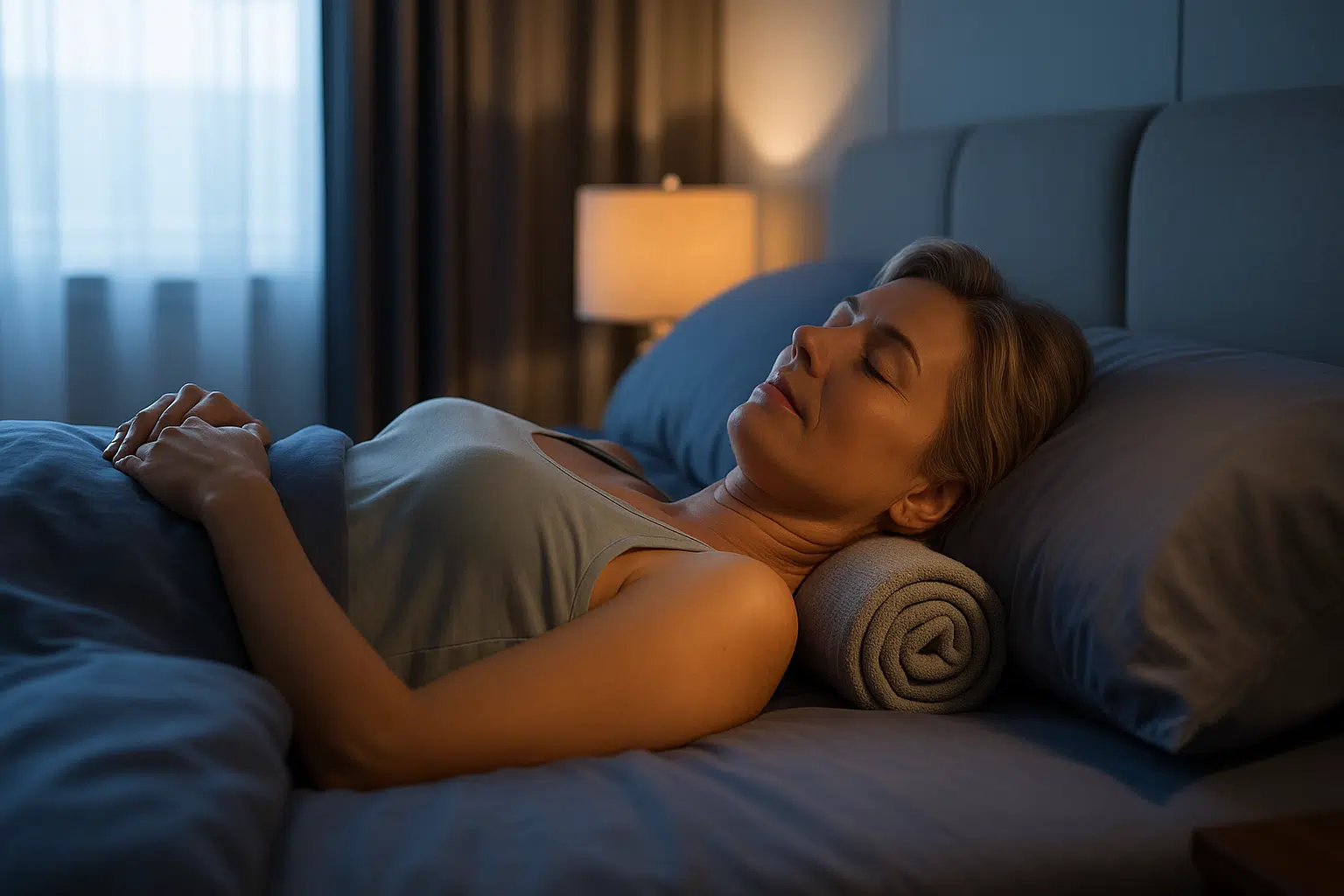
How to Sleep with a Thoracic Herniated Disc Comfortably
A thoracic herniated disc can turn bedtime into a painful struggle. This condition affects the middle part of your spine, causing discomfort that makes it hard to find a comfortable sleeping position. Many people find themselves tossing and turning all night, unable to get the rest they need. Quality sleep is crucial for healing and managing pain, but disc problems can make this feel impossible. The good news is that with the right sleeping positions and helpful tips, you can get better rest and wake up feeling more comfortable. This guide will walk through the best sleeping positions, mattress choices, and practical strategies to help you sleep better with thoracic disc pain. By making a few simple changes, you can improve your sleep quality and support your body’s natural healing process. What Is a Thoracic Herniated Disc? A thoracic herniated disc occurs in the middle section of your spine, between your neck and lower back. This area has 12 vertebrae that connect to your ribcage and protect vital organs like your heart and lungs. When a disc herniates in this area, the soft inner material pushes through the tough outer layer. This can put pressure on nearby nerves or the spinal cord itself. The thoracic spine is naturally more stable than other areas, so herniations here are less common but can be more serious. How Does It Disrupt Sleep? Thoracic disc problems create several sleep challenges that can leave you exhausted and in pain. Understanding why this happens can help you find better solutions for comfortable rest. Mid-back pain increases – Lying flat can put pressure on the affected disc area Radiating discomfort – Pain may spread around your ribcage or into your arms Muscle stiffness develops – Your back muscles tense up to protect the injured area Position changes hurt – Rolling over or getting up from bed becomes painful Best Sleeping Positions for Thoracic Herniated Disc Relief Finding the right sleeping position can make a huge difference in your comfort level. These positions help reduce pressure on your spine and support natural alignment. 1. Side Sleeping with Pillow Support Side sleeping in a slightly curled position is often the most comfortable for thoracic disc issues. Place a pillow between your knees to keep your spine aligned and prevent rotation. Choose the side that feels most comfortable, as this may vary from person to person. Keep your hips stacked on top of each other throughout the night. Note: If one side causes more pain, try sleeping on the opposite side to reduce pressure on the affected disc area. 2. Back Sleeping with Knee Elevation Back sleeping distributes your weight evenly and can provide relief for thoracic disc pain. Place a pillow under your knees to maintain the natural curve of your lower back. Make sure your head pillow supports your neck without pushing it too far forward. Your ears should align with your shoulders when lying on your back. Note: This position works best on a medium-firm mattress that supports your spine’s natural curves without letting you sink too deeply. 3. Keep Your Head and Neck Aligned Your pillow should keep your neck in a neutral position, not too high or too low. The goal is to maintain the natural curve of your cervical spine while you sleep. Consider using a contoured pillow designed for spinal support, or adjust your current pillow by folding or adding/removing filling to get the right height. Note: Poor neck alignment can create tension that travels down your spine and worsens thoracic disc symptoms, so pillow choice is crucial. Other Helpful Sleep-Related Tips for Herniated Discs Beyond sleeping positions, several other factors can improve your sleep quality and reduce thoracic disc pain throughout the night. 1. Alignment Is Key Maintaining proper alignment while sleeping and changing positions protects your spine from additional strain. Focus on keeping your ears, shoulders, and hips in a straight line. Use pillows to fill any gaps between your body and the mattress. This extra support helps maintain your natural spinal curves throughout the night. When changing positions, move your body as one unit instead of twisting. Roll over slowly and use your arms and legs together to maintain alignment. 2. Choose the Right Mattress Your mattress plays a crucial role in supporting your spine and reducing thoracic disc pain. The right firmness level can make a significant difference in your comfort and healing. Your Situation Best Mattress Type Why It Helps Severe pain when lying down Medium-firm memory foam Contours to reduce pressure points Pain when changing positions Hybrid with responsive coils Makes movement easier at night Stiffness in the morning Latex mattress Provides supportive bounce and alignment Budget constraints Medium-firm innerspring with topper Affordable support with added comfort Hot sleeper with disc pain Cooling gel hybrid Combining support with temperature control Medium-firm mattresses typically work best for disc problems, providing support while still contouring to your body’s shape. They prevent excessive sinking while cushioning pressure points. 3. Pick a Suitable Pillow by Sleep Style Different sleeping positions require different pillow heights and support levels. Choosing the right pillow for your preferred position helps maintain proper spinal alignment. Back sleepers need a thinner pillow that supports the natural curve of their neck without pushing the head too far forward. Side sleepers require a thicker pillow to fill the gap between their shoulder and neck, keeping the spine straight. Combination sleepers may benefit from an adjustable pillow that can be modified for different positions throughout the night. 4. Use a Mattress Topper (If Needed) If you can’t replace your current mattress, a quality mattress topper can provide additional comfort and support. This is an affordable way to improve your sleep surface without buying a new mattress. Choose a topper that adds the right amount of cushioning for your needs. Memory foam toppers provide contouring, while latex toppers offer more responsive support. A good topper can also make it easier to change positions during the night by reducing pressure points and friction. 5. Consider an Adjustable Bed Adjustable beds allow you to elevate different parts of your body for optimal comfort and spinal alignment. This can be especially helpful for thoracic disc issues by reducing pressure on your spine. Leg elevation – Reduces spinal compression and improves circulation Head positioning – Helps find the most comfortable angle for your upper body Custom support – Allows you to adjust throughout the night as needed Easy position changes – Makes getting in and out of bed less painful Investment consideration – Higher cost but significant comfort improvement potential Lifestyle Changes That Support Better Sleep Making changes to your daily routine and sleep environment can help reduce thoracic disc pain and improve your overall sleep quality. 1. Create a Sleep-Friendly Environment Your bedroom environment plays a big role in sleep quality and pain management. Small changes can make a big difference in how well you rest. Keep your bedroom cool, dark, and quiet to promote deeper sleep. Use blackout curtains or an eye mask to block light, and consider earplugs or a white noise machine for sound control. Establish a consistent bedtime routine and sleep schedule. Going to bed and waking up at the same time each day helps regulate your body’s internal clock. 2. Physical Therapy & Movement Staying active during the day can help reduce thoracic disc pain and improve your sleep quality. Gentle exercises and stretches support spinal health and reduce stiffness. Work with a physical therapist to learn safe exercises that strengthen your core and back muscles. Stronger muscles provide better support for your spine. Avoid sitting or lying in one position for too long during the day. Take regular breaks to move and stretch, which can prevent stiffness that interferes with sleep. 3. Mind-Body Connection: Pain and Stress Chronic pain and stress can create a cycle that interferes with sleep and healing. Learning to manage both can improve your overall well-being and sleep quality. Practice relaxation techniques like deep breathing, meditation, or gentle yoga before bedtime. These activities can help calm your mind and reduce muscle tension. Consider working with a counselor who specializes in chronic pain management. Cognitive behavioral therapy can provide tools for coping with pain and improving sleep. When Medication Helps Sometimes medication can be a helpful part of your pain management and sleep improvement plan. Always work with your healthcare provider to find the right approach for your situation. Over-the-counter anti-inflammatory medications can help reduce pain and inflammation that interferes with sleep. Follow dosing instructions and check with your doctor about long-term use. Muscle relaxants may help if muscle spasms are contributing to your sleep problems. Some people also benefit from medications that address both pain and sleep issues. For severe cases, steroid injections may provide longer-lasting relief that allows for better sleep and healing. Discuss all options with your healthcare team. Ergonomic Tips for Sitting During the Day How you sit during the day can affect your thoracic disc pain and sleep quality at night. Good posture and ergonomic support help prevent additional strain on your spine. Maintain proper posture – Keep your back straight and shoulders relaxed while sitting Use lumbar support – A small pillow or cushion can help maintain your spine’s natural curve Position feet properly – Keep both feet flat on the floor or use a footrest Take frequent breaks – Stand and move for a few minutes every 30-60 minutes Adjust your workspace – Make sure your computer screen and keyboard are at the right height Getting Better Sleep with a Thoracic Herniated Disc Living with a thoracic herniated disc doesn’t mean you have to accept poor sleep forever. The right sleeping positions, mattress support, and lifestyle changes can make a significant difference in your comfort and rest quality. Start with the sleeping positions and pillow adjustments that feel most comfortable for your body. Remember that everyone’s pain is different, so you may need to try several approaches to find what works best. Combine these strategies for the best results, and don’t hesitate to work with healthcare professionals for additional support. Ready to start sleeping better tonight? Try one new positioning tip from this guide and see how it affects your comfort. Share your experience or questions in the comments – your insights could help other readers find relief too! Frequently Asked Questions What Is the Best Sleeping Position for a Thoracic Herniated Disc? Side sleeping with a pillow between your knees is often most comfortable, but back sleeping with knee support can also provide relief. Should I Use a Firm or Soft Mattress for My Disc Problem? Medium-firm mattresses typically work best, providing support while still contouring to your body’s pressure points. Can an Adjustable Bed Help with Thoracic Disc Pain? Yes, adjustable beds allow you to find the most comfortable position and can reduce pressure on your spine during sleep.

Best Latex Mattress Topper: Complete Reviews & Buying Guide
Tired of waking up feeling like you wrestled a bear all night? Your mattress might be the culprit, but before you blow your savings on a brand new bed, consider this simple solution. A latex mattress topper can turn your sleep disaster into a dream without breaking the bank or your back carrying a new mattress up three flights of stairs. If you’re dealing with a mattress that’s too firm, too soft, or just too old to remember when smartphones weren’t a thing, the best latex mattress topper can work miracles. From budget-friendly natural options to premium organic latex mattress topper choices that cost more than your first car, we’ve done the homework so you don’t have to. Here’s everything you need to know to sleep like a baby again. What Makes Latex Mattress Toppers Special Latex mattress toppers are thick, cushioned layers made from natural or synthetic latex that sit on top of your existing mattress. They’re designed to change how your bed feels and add years to your mattress’s life. There are two main types you’ll see: Dunlop latex is denser and more supportive, while Talalay latex feels softer and breathes better. Most toppers range from 1 to 4 inches thick, providing varying levels of comfort. Natural latex comes from rubber tree sap and lasts 8 to 10 years with proper care. It naturally resists dust mites, stays cool, and bounces back to shape night after night. Organic latex mattress topper options take this further with certified materials that meet strict environmental and health standards. Natural vs Synthetic: Which Type Should You Choose Understanding the difference between latex types helps you pick the right topper for your needs and budget. Each has its benefits and drawbacks. Type What It Is Benefits Drawbacks Natural Latex Made from rubber tree sap Lasts longer, breathes well, and is eco-friendly Costs more than synthetic Organic Latex Certified natural latex with strict standards Non-toxic, sustainable, safest option Premium pricing Synthetic Latex Made with chemicals Lower price point Less breathable, shorter life Fun Fact: It takes about 6 years for a rubber tree to produce enough sap for latex harvesting, and each tree can produce latex for up to 25 years! Why Latex Toppers Beat Other Materials Latex toppers offer several advantages that make them stand out from memory foam, down, and fiber alternatives. These benefits explain why they’re becoming more popular with savvy shoppers. Unlike memory foam that swallows you whole, latex gives spinal support without the quicksand effect. It relieves pressure points and bounces back instantly when you move, plus naturally fights allergens while keeping you cool all night. The real winner? Latex maintains its shape for nearly a decade, while foam breaks down in just a few years. Organic options skip the chemical cocktail entirely, giving you clean sleep that lasts. Our Top-Rated Latex Mattress Toppers After reviewing expert recommendations from leading sleep sites and customer feedback, these toppers consistently rank as the best latex mattress topper options available. Each offers something special for different sleep needs. 1. Saatva Natural Latex Mattress Topper This premium topper combines 1.5″ hypoallergenic Dunlop latex with an organic cotton cover for balanced comfort and support. The 180-night trial makes it risk-free to try. 1.5″ hypoallergenic Dunlop latex construction Organic cotton cover with secure corner straps 180-night trial with easy returns Excellent for hip and back pain relief 2. Brooklyn Bedding Talalay Latex Topper Features 3″ customizable Talalay latex with organic cotton cover and multiple firmness options. The breathable design and Oeko-Tex certification make it perfect for temperature-sensitive sleepers. 3″ Talalay latex in Soft, Medium, or Firm options Organic cotton cover with cooling upgrade available Oeko-Tex Standard 100 certified for safety Highly breathable and customizable firmness 3. PlushBeds Natural Latex Topper Offers 100% USA-made natural latex with GOTS-certified organic cotton cover and five firmness levels. The multiple certifications and customization options make it ideal for picky sleepers. 100% natural latex made in the USA GOTS-certified organic cotton cover Five firmness levels in 2″ or 3″ thickness GREENGUARD Gold + Oeko-Tex certified 4. Avocado Organic Latex Mattress Topper This premium organic option features GOLS-certified latex with GOTS-certified cover and GREENGUARD Gold certification. The 1-year trial and 10-year warranty show exceptional quality confidence. GOLS-certified organic latex in Plush or Firm GOTS-certified organic cotton cover GREENGUARD Gold certified for air quality 1-year trial with 10-year warranty 5. Naturepedic Adagio Organic Topper Explicitly designed for joint pain relief with 2″ certified organic latex and thermal neutral technology. The breathable organic cotton cover and health focus make it perfect for sensitive sleepers. 2″ certified organic latex construction Breathable organic cotton cover Thermal neutral design for temperature regulation 100-night trial and 10-year warranty 6. Latex for Less Mattress Topper Offers GOLS-certified natural latex at budget-friendly prices with Eco-Institut certification and a 5-year warranty. The customizable thickness and firmness options make it an excellent value for side sleepers. GOLS-certified latex in 2″ or 3″ thickness Soft to Medium-Firm options available Eco-Institut certified materials 5-year warranty included What Sleep Experts and Customers Think Real experiences from professionals and users give you the complete narrative of latex topper performance. Here’s what matters most in actual use. Chiropractors and sleep specialists consistently recommend organic latex mattress topper options for spinal alignment and allergy relief. Talalay wins for softness and airflow, while Dunlop excels at firmer, longer-lasting support. Most customers love improved comfort, cooler sleep, and reduced pain. Main complaints include the initial smell, heavier weight compared to foam, and higher prices. Organic buyers especially value certifications and eco-benefits. Quality latex toppers maintain comfort and support much longer than foam alternatives, making the higher cost worthwhile over time. Latex Topper Pros and Cons: The Complete Narrative Understanding both benefits and drawbacks helps you make the right choice for your situation and expectations. Advantages Disadvantages Lasts 8-10+ years with proper care Higher upfront cost than foam toppers Naturally breathable and hypoallergenic Heavier and less flexible to move Provides support with pressure relief Some find latex too firm or springy Organic options ensure safe, non-toxic sleep Natural latex smell is initially possible Maintains shape and support over time Limited firmness adjustment once purchased Pro Tip: That “new latex smell” usually disappears within 24-48 hours of unpacking. Speed it up by letting your topper air out in a well-ventilated room before putting it on your bed. How to Pick Your Perfect Latex Topper Matching your sleep style, body type, and values to the right topper ensures you get the comfort and support you need. Use this guide to narrow down your options. Your Sleep Style Best Topper Choice Back sleepers Medium-firm Dunlop latex for balanced support Side sleepers Soft Talalay latex for pressure point relief Stomach sleepers Firm Dunlop latex to maintain spine alignment Hot sleepers Talalay latex with breathable cover Eco-conscious buyers Certified organic latex mattress topper Budget-focused shoppers Natural latex without premium certifications Fun Fact: Side sleepers make up about 74% of all sleepers, which explains why soft and medium-soft toppers are the most popular options! Additional factors to consider: Thickness: 2″ for subtle changes, 3-4″ for major comfort upgrades Firmness: Softer for side sleepers, firmer for back/stomach sleepers Certifications: Look for GOLS, GOTS, or GREENGUARD for health assurance Trial periods: Longer trials let you test the topper thoroughly Final Recommendations: Our Top Picks After reviewing all options, these toppers stand out as the best choices for different needs and budgets. Each offers proven performance and value. 1. Best Overall: Saatva Natural Latex Topper delivers the perfect balance of comfort, support, and value with a generous trial period. 2. Best Organic Option: Avocado Organic Latex Mattress Topper leads in certifications and environmental responsibility without sacrificing performance. 3. Best Budget-Friendly Choice: Latex for Less Topper offers high-quality natural latex at affordable prices, backed by solid warranty coverage. 4. Best for Pressure Relief: Naturepedic Adagio Organic Topper excels at joint comfort with temperature regulation features. Wrapping Up Your Search for Better Sleep Finding the best latex mattress topper doesn’t have to be overwhelming when you know what to look for. If you choose a budget-friendly natural option or invest in a premium organic latex mattress topper, you’re making a wise decision for your sleep and health. Remember that the right topper should match your sleep style, address your specific comfort needs, and fit your budget without compromising on quality. Most importantly, take advantage of trial periods to make sure your choice works for you. Good sleep isn’t a luxury – it’s essential for your health, productivity, and happiness. With the right latex topper, you’re just one purchase away from the restful nights you deserve. Stop counting sheep and start sleeping like one. Comment below and tell us about your pick!
Is Lyocell Breathable? The Complete Fabric Guide
Have you ever wondered, “is lyocell breathable?” when shopping for comfortable clothes or bedding? With so many fabric options available today, it can be confusing to know which ones will actually keep you cool and comfortable. Lyocell has been gaining popularity as a sustainable, soft fabric, but many people are still unsure about its breathability. If you’re looking for summer clothes, workout gear, or cozy pajamas, understanding how well a fabric breathes is crucial for your comfort. It will help you understand everything you need to know about lyocell’s breathability, how it compares to other fabrics, and why it might be the perfect choice for your wardrobe. Understanding Lyocell: What You’re Really Wearing Lyocell is a type of fabric made from wood pulp, usually from fast-growing trees like eucalyptus and beech. Think of it as turning trees into soft, comfortable clothing! The process begins with chopping wood into small pieces, followed by dissolving it with special chemicals to create a thick liquid. This liquid gets pushed through tiny holes to form long fibers, which are then spun into yarn and woven into fabric. What makes Lyocell special is its “closed-loop” process, meaning the chemicals used to make it get recycled and reused instead of being thrown away. This makes Lyocell much better for the environment than many other fabrics, while still creating clothes that feel smooth and comfortable against your skin. Is Lyocell a Natural Fiber? Lyocell sits somewhere between natural and synthetic fibers, making it what experts call “semi-synthetic.” True natural fibers like cotton, wool, and linen come straight from plants or animals without much processing. Synthetic fibers like polyester are made completely from chemicals. Lyocell starts with natural wood but needs chemical processing to become fabric, putting it in the middle category. However, many people group lyocell with natural fabrics because it comes from plants and breaks down naturally when thrown away. Unlike plastic-based synthetics, lyocell behaves more like cotton or linen in how it feels, breathes, and impacts the environment. So while it’s technically semi-synthetic, it shares many qualities with truly natural fibers. Is Lyocell Breathable? Yes, lyocell is very breathable! This fabric lets air flow through it easily, which helps keep you cool and comfortable. Lyocell naturally pulls moisture away from your skin and lets it evaporate quickly, so you don’t feel sticky or sweaty. Perfect for hot weather because it doesn’t trap heat against your body Allows air to move freely through the fabric fibers Helps regulate your body temperature by letting excess heat escape Doesn’t hold onto sweat like polyester does, which can make you feel clammy This makes Lyocell an excellent choice for summer clothes, workout gear, or any time you want to stay cool and dry. Many people also love it for pajamas and bed sheets because it helps prevent overheating during sleep. How Lyocell Compares to Other Common Fabrics When choosing breathable fabrics, it helps to see how Lyocell measures up against other popular options. Here’s a simple comparison focusing on the features that matter most for comfort and breathability: FEATURE LYOCELL COTTON LINEN POLYESTER Breathability Very breathable Breathable Highly breathable Poor Softness Smooth, soft, slightly silky Soft, natural feel Rougher texture Can feel synthetic Moisture-wicking Excellent Moderate Moderate Low Best for Warm weather, sensitive skin Everyday wear Hot, dry climates Sportswear (not for heat) Sustainability Eco-friendly, low-impact process Depends on how it’s grown Natural and biodegradable Synthetic, not biodegradable As you can see, lyocell combines the best qualities from different fabrics. It’s as breathable as linen but much softer, and it handles moisture better than cotton while being more sustainable than polyester. Pros and Cons of Lyocell Like any fabric, lyocell has both good points and some drawbacks. Understanding these can help you decide if it’s right for your needs. Let’s take a closer look at what makes Lyocell special and where it might fall short. Pros: Keeps you cool and dry by letting air flow through and pulling sweat away. Feels silky smooth against your skin, even softer than cotton. Great for people with allergies or sensitive skin since it doesn’t irritate. Breaks down naturally when thrown away, making it good for the planet. Resists bacteria and odors, so clothes stay fresher longer. Cons: Costs more than basic cotton or polyester clothes. Wrinkles easily and may need ironing or steaming. It can shrink or get damaged if washed in hot water or high heat. Not as widely available as other fabric types in stores. It may lose its shape if not cared for properly. Overall, most people find that lyocell’s benefits outweigh these minor downsides, especially if you value comfort and environmental friendliness. The extra cost often pays off in the long run because lyocell clothes tend to last longer and feel better than cheaper alternatives. Best Uses for Lyocell Fabric Lyocell’s breathable and moisture-wicking properties make it perfect for clothing and items where staying cool and comfortable matters most. Here are some of the best ways to use this versatile fabric in your everyday life. 1. T-Shirts Lyocell t-shirts are amazing for daily wear because they keep you dry and comfortable all day long. The fabric feels soft against your skin and doesn’t get smelly like synthetic shirts do. If you’re at work, school, or just hanging out, lyocell tees help regulate your body temperature and prevent that sticky feeling you get with other materials. 2. Summer Clothing Summer dresses, shorts, and lightweight tops made from lyocell are perfect for hot weather. The fabric lets air flow through easily, so you stay cool even when temperatures rise. Lyocell summer clothes also dry quickly if you get caught in the rain or work up a sweat, making them ideal for vacation wear and outdoor activities. 3. Sleepwear Lyocell pajamas and nightgowns help prevent overheating while you sleep, leading to better rest. The smooth texture feels gentle on your skin, and the moisture-wicking properties keep you from waking up sweaty. Many people who struggle with night sweats or hot flashes find lyocell sleepwear much more comfortable than cotton or synthetic alternatives. How to Care for Lyocell? Taking good care of lyocell is easy and helps keep it soft and breathable for years. Always wash Lyocell clothes in cold water on a gentle cycle to prevent shrinking and damage. Skip the hot water and harsh detergents, which can break down the fibers. When drying, use low heat or air dry whenever possible, since high heat can make the fabric stiff and less comfortable. If your lyocell clothes get wrinkled, iron them on a low setting or use a steamer. Following these simple care tips helps preserve the fabric’s natural breathability and silky softness. With proper care, your lyocell items will stay comfortable and last much longer than poorly maintained pieces. Final Thoughts Lyocell stands out as a fabric that brings together comfort, breathability, and sustainability in a way that few materials do. With its moisture-wicking properties and temperature-regulating abilities, it’s a smart choice for everything from everyday t-shirts to breathable bedding and lightweight summer wear. While it may be a bit more of an investment than basic fabrics, the comfort and eco-friendly benefits make it a strong contender for anyone looking to upgrade their wardrobe or home textiles. Have you tried Lyocell before? Let us know your thoughts or questions in the comments below!
What’s Modal Fabric? Definition, Properties, Pros & Cons
Have you ever touched a fabric that felt like silk but was as durable as cotton? You’ve probably encountered modal fabric without even knowing it. This semi-synthetic textile has quietly taken over closets and bedrooms worldwide, becoming the secret ingredient in your favorite underwear, softest t-shirts, and most comfortable bedsheets. Modal fabric combines the luxury feel of natural fibers with the practicality of modern manufacturing. From eco-conscious fashion brands to premium bedding companies, everyone’s talking about this beech tree-based material. But what exactly makes modal fabric so special, and why are consumers choosing it over traditional cotton? Let’s go through the enthralling world of modal and see why it might be the perfect fabric choice for your lifestyle What Is Modal Fabric and How It’s Made Modal is a semi-synthetic fabric made from European beech tree cellulose, developed in the 1950s and primarily produced by Lenzing AG. It’s valued for breathability and comfort in lingerie, activewear, and bedding. Modal offers superior performance through: Superior texture – Silky feel from fine fibers at affordable prices Durability – Maintains softness after frequent washing Sustainability – Made from fast-growing, low-water beech trees Manufacturing process: Extraction – Trees are chipped and purified to extract cellulose Chemical processing – Treated with sodium hydroxide and carbon disulfide, then spun through spinnerets Finishing – Acid treatment creates yarn, then washed and woven into fabric This process creates finer, longer fibers than standard rayon for superior comfort and durability. Key Properties and Characteristics Modal stands out because of its unique balance of luxury and practicality. The specialized production process produces a fabric that is softer and more durable than standard viscose, giving it a premium feel. Property Modal Performance Why It Matters Softness Silky, smooth texture rivaling silk and cashmere Perfect for clothing worn close to the skin Breathability Excellent airflow, 50% more than cotton Keeps you cool and dry during hot days or workouts Moisture Absorption Absorbs up to 50% more moisture than cotton Ideal for sportswear and towels Durability Resists pilling, shrinking, and fading Holds softness and structure after frequent washing Color Retention Holds dye exceptionally well Garments stay vibrant without bleeding or dulling Environmental Impact Made from renewable beech trees Uses 10-20 times less water than cotton These properties are particularly suitable for clothing that touches your skin directly. The fabric maintains its softness even after multiple washes, while its moisture-wicking abilities keep you comfortable throughout the day. Common Uses and Applications Thanks to its comfort, performance, and appearance, tmodaldal is widely used across various industries. Its flexibility and skin-friendly properties make it suitable for items that require both durability and a luxurious feel. Clothing Applications: Underwear and lingerie for superior comfort and breathability Sleepwear and pajamas that feel soft against the skin all night Activewear and sportswear for moisture-wicking performance T-shirts, dresses, and blouses that drape beautifully Home Textile Uses: Bed sheets and pillowcases for a luxury sleep experience Towels that absorb moisture effectively while staying soft Curtains and drapes that hang gracefully Modal is often blended with other fibers like cotton for added softness and breathability, or with spandex for stretch and shape retention. This adjustability allows manufacturers to create products that meet specific performance needs. Pros and Cons of Modal Fabric Modal has both impressive strengths and some limitations that consumers should understand. The benefits often outweigh the drawbacks for most applications, but knowing both sides helps you make informed choices. Advantages Drawbacks Exceptionally soft – Comfortable against skin, rivaling luxury natural fibers Can wrinkle easily – More prone to wrinkles than polyester or treated cotton blends High breathability – Excellent moisture control keeps you cool and dry all day May stretch excessively – Can lose shape in structured garments without proper construction. Superior durability – Holds shape, texture, and color through repeated washing Environmental impact varies, and benefits depend on responsible manufacturing practices. More eco-friendly – Uses renewable sourcing and 10-20 times less water than cotton. Higher cost – Generally more expensive than basic cotton fabrics Lightweight drape – Creates graceful, flattering fits that move with your body Chemical processing – Requires careful management of production chemicals Long-lasting quality – Maintains premium feel and appearance longer than cotton Limited structure – Not ideal for garments requiring rigid shape retention The advantages of modal explain why it has become the preferred choice for premium clothes and home textiles, where comfort and performance matter most. Fun Fact: Modal fabric is often called “the underwear fabric” in the textile industry because its moisture-wicking properties and silky softness make it perfect for intimate apparel. Modal vs Other Popular Fabrics Understanding how modal compares to other standard fabrics helps you choose the right material for specific needs. Each fabric type has distinct characteristics that make it suitable for different applications. 1. Modal vs Cotton Comparison Cotton remains the most widely used natural fiber, but modal offers several improvements. Modal feels softer against the skin and maintains that softness longer than cotton. It also provides better moisture-wicking performance and requires significantly less water to produce. However, cotton may be more suitable for structured garments that need to hold their shape precisely. 2. Modal vs Viscose and Rayon Viscose rayon is modal’s close relative; modal represents a significant upgrade. The manufacturing process of modal creates stronger, more durable fibers that resist damage when wet. Modal also shrinks less and maintains its appearance better after washing. While both come from wood pulp, modal undergoes additional processing that makes it superior in almost every way. 3. Modal vs Synthetic Fabrics While polyester offers durability and wrinkle resistance, it lacks the breathability and natural feel that modal provides. Modal offers superior comfort for skin contact applications. Synthetic fabrics may be cheaper and more structured, but they don’t provide the moisture-wicking properties and softness that make modal ideal for clothing worn close to the body. Fun Fact: A single beech tree can produce enough cellulose to make approximately 3,000 modal t-shirts! Making Smart Modal Fabric Choices Modal fabric represents a significant advancement in textile technology, combining luxury comfort with practical benefits and environmental responsibility. Its exceptional softness, durability, and eco-friendly production make it an excellent choice for clothing and home goods where comfort matters most. While modal costs more than basic cotton, the superior performance, longevity, and sustainable qualities often provide better overall value. This ensures you enjoy all the benefits of this remarkable fabric while supporting environmental stewardship and ethical manufacturing. Check your clothing labels next time, and give it a try!
European Mattress Sizes vs. US Mattress Sizes: A Comparison
Ever tried to buy a mattress abroad and got confused by the sizes? You’re not alone. Shopping for a bed in Europe when you’re used to US sizes can feel like solving a puzzle. A “King” size in America isn’t the same as a “King” in Europe. The differences go beyond just names – the actual measurements are different too. This happens because Europe uses centimeters while the US uses inches. Plus, each region has its way of naming mattress sizes. Understanding the differences between European bed sizes and American standards can help you avoid purchasing a mattress that doesn’t fit your bedroom or bed frame. Getting the wrong size means expensive returns, uncomfortable sleep, and frustrated shopping experiences. Why European and US Mattress Measurements Are Different Europe follows the metric system, so all European mattress sizes are measured in centimeters. Most European mattresses are 200 cm long as a standard. The US uses inches for measurements. American bed sizes in the USA are larger than European sizes, with most being either 75 or 80 inches long. Standard Mattress Sizes in the United States Here are the most common bed sizes USA shoppers will find across the country. These measurements have been standard for decades and are used by almost every mattress manufacturer in America. Twin: 38″ x 75″ (96.5 x 191 cm) Twin XL: 38″ x 80″ (96.5 x 203 cm) Full/Double: 54″ x 75″ (137 x 191 cm) Queen: 60″ x 80″ (152 x 203 cm) King: 76″ x 80″ (193 x 203 cm) California King: 72″ x 84″ (183 x 213 cm) These sizes work well for most American homes and bedroom layouts. Standard European Bed Sizes You’ll Find European bed sizes are simpler and more uniform across countries. Most European mattress sizes stick to the same 200 cm length, making shopping easier once you know the system. Single: 90 x 200 cm (35.4″ x 78.7″) Double: 140 x 200 cm (55″ x 78.7″) King: 160 x 200 cm (63″ x 78.7″) Grand King: 180 x 200 cm (71″ x 78.7″) Note: Some countries use 160 x 200 cm for European King, while “Super King” can be even wider. The consistency in length makes European bed sizes much easier to understand than the variety found in bed sizes in the USA. Complete Size Comparison Chart Comparing European mattress sizes with bed sizes in the USA becomes much clearer when you see the numbers side by side. This comprehensive table shows all the standard sizes and their exact measurements. Size Name US Mattress Size Europe Mattress Size Europe Size (inches) Twin/Single 38″ x 75″ (96 x 191 cm) 90 x 200 cm 36″ x 78″ Twin XL 38″ x 80″ (96 x 203 cm) 90 x 210 cm (Extra Long) 36″ x 82″ Full/Double 54″ x 75″ (137 x 191 cm) 140 x 200 cm 55″ x 78″ Queen 60″ x 80″ (152 x 203 cm) 160 x 200 cm 63″ x 79″ King 76″ x 80″ (193 x 203 cm) 180 x 200 cm 71″ x 79″ Cal King 72″ x 84″ (183 x 213 cm) 200 x 200 cm 79″ x 79″ Additional Common European Sizes: Small Single: 80 x 200 cm (31″ x 79″) Large Single: 100 x 200 cm (39″ x 79″) Extra-Large Double (Netherlands/Continental): 200 x 210 cm (79″ x 83″) and up to 220 cm (87″ long) Notice how European bed sizes are consistently longer than most American sizes, and Europe offers more variety in single bed options. How Different European Countries Handle Mattress Sizes Each region has its twist on mattress sizing, and these differences can be pretty surprising. The UK uses slightly different measurements from the rest of Europe, while some countries have their special sizes. 1. United Kingdom Specific Sizes: The UK follows its system, which differs from both the US and continental Europe. UK mattresses are typically shorter than European mattress sizes: UK Single: 90 x 190 cm (35″ x 75″) UK Double: 135 x 190 cm (53″ x 75″) UK King: 150 x 200 cm (59″ x 79″) UK Super King: 180 x 200 cm (71″ x 79″) 2. Netherlands and Germany: These countries often offer extra-large sizes that you won’t find elsewhere. Dutch beds can be massive, with some reaching 220 cm in length (87 inches). 3. Scandinavian Countries: Norway, Sweden, and Denmark typically follow the standard European bed sizes, but they also offer “family beds” that can be 200 x 210 cm or even larger. 4. France and Italy: These countries stick closely to the standard European mattress sizes, but French mattresses sometimes come in 140 x 190 cm instead of the usual 200 cm length. Fun Fact: Did you know that California King mattresses are actually narrower than regular King size beds? Despite the name suggesting something bigger, they’re just longer and thinner. Simple Ways to Compare Mattress Sizes Converting to a single unit makes it much easier to compare European mattress sizes with bed sizes in the USA. Step Action Example 1 Pick one unit (cm or inches) Use inches if you are familiar with US sizes 2 Convert using cm × 0.39 = inches 160 cm = 63 inches 3 Compare the width first European King (63″) vs US Queen (60″) 4 Check the length for tall sleepers European (79″) vs US (75″-80″) A European King (160 cm) equals 63 inches wide. That’s 3 inches wider than a US Queen (60″) but 13 inches narrower than a US King (76″). Quick conversion reference for European bed sizes: Metric Inches Use 160 cm 63″ European King width 180 cm 71″ European Grand King width 200 cm 79″ Standard European length Width Priority Guide: When shopping for two people, prioritize width over length for most couples. European bed sizes tend to be narrower but longer, while bed sizes in the USA are often wider but shorter. UK vs US Mattress Sizes: Not the Same Many people think UK and US sizes are identical because both countries use similar names and imperial measurements. This isn’t true, and the differences can cause expensive mistakes. 1. The Name Game Problem: Both countries use names like “Double,” “King,” and “Single,” but the actual sizes are entirely different. A UK King is much smaller than a US King in both width and length. 2. Detailed UK vs US Comparison: UK Single: 90 x 190 cm (35″ x 75″) vs US Twin: 38″ x 75″ UK Double: 135 x 190 cm (53″ x 75″) vs US Full: 54″ x 75″ UK King: 150 x 200 cm (59″ x 79″) vs US King: 76″ x 80″ UK Super King: 180 x 200 cm (71″ x 79″) vs US Cal King: 72″ x 84″ 3. Why These Differences Matter: The biggest issue is that UK mattresses are generally narrower than their US counterparts. A UK King at 59 inches wide is closer to a US Queen (60 inches) than a US King (76 inches). This means if you move from the US to the UK with your bed frame, your new UK mattress might not fit properly. 4. Bedding Complications: UK and US sheets are not interchangeable. UK bedding follows different sizing standards, and even if the mattress dimensions were close, the fitted sheet corner depths and flat sheet sizes would still be wrong. 5. Historical Reasons: The UK developed its mattress sizes based on traditional British bed-making practices and room sizes in older homes. The US created its standards for different living spaces and different customer needs. Essential Things to Consider When Buying Room size matters just as much as mattress size. European mattress sizes are often longer than bed sizes in the USA, so measure your space first. Fun Fact: The longest standard mattress you can buy is the California King at 84 inches long. That’s 7 feet of sleeping space! Bed Frame Fit: Make sure your imported mattress matches your existing frame Sheet Compatibility: European and US mattresses need different-sized sheets Bedroom Space: Larger European sizes might not work in smaller US bedrooms Sleep Needs: Think about your height, comfort preferences, and if you share the bed Pro Tip: When choosing between European bed sizes and bed sizes in the USA, always prioritize the person who needs more space. If one partner is tall, consider European mattress sizes, as they’re consistently 200 cm long. Wrapping Up: Size Matters When Shopping Internationally Getting the right mattress size can make or break your sleep quality and room setup. European mattress sizes and bed sizes in the USA follow completely different systems. The names might sound familiar, but the actual measurements tell a different story. European bed sizes are typically longer and use metric measurements, while US sizes vary more in length and use imperial units. Before you buy, always check the exact centimeter or inch measurements rather than trusting the size names. This simple step can save you from expensive mistakes and ensure you get a mattress that fits perfectly in your space. Remember to consider your bed frame, sheets, and room size too. Ready to find your perfect mattress size? Measure your space and compare the exact dimensions before you buy.
Are Linen Sheets Comfortable? Linen vs Cotton Guide
Your grandmother probably slept on linen sheets, and so did ancient Egyptian pharaohs. This fabric has been keeping people comfortable for thousands of years, yet many modern sleepers have never experienced its unique benefits. With social media buzzing about linen bedding and luxury hotels switching to linen, you might wonder: are linen sheets comfortable enough to justify all the attention? Linen sheets offer a completely different kind of comfort than regular cotton bedding. They’re not soft and silky like bamboo or smooth like percale cotton. Instead, they provide a relaxed, breathable experience that improves over time. But are linen sheets comfortable for everyone, and do they live up to the hype? Let’s break down everything you need to know about linen sheet comfort. Are Linen Sheets Comfortable? How Are They Different? Linen comes from the flax plant, not cotton fibers like most sheets. This makes all the difference in how it feels and performs. The flax plant creates longer, thicker fibers that give linen its signature airy feel. While cotton fibers are shorter and finer, flax fibers create a more open structure that lets air flow freely through the fabric. The Best Types of Linen for Maximum Comfort Not every type of linen feels the same when you first touch it. Some varieties are softer right away, while others need time to break in. Stonewashed Linen: Pre-treated with stones or enzymes for instant softness and a relaxed feel from day one Belgian/French Flax Linen: Premium quality that gets softer with each wash and lasts for decades Raw Linen: More textured initially, but develops incredible softness over time. How Linen Sheets Feel When You First Use Them Here’s the truth: brand-new linen sheets don’t feel like cotton. They have a slightly rough, textured feel that some people love and others need time to get used to. Think of linen like a good pair of jeans – it starts stiff but becomes your favorite item once it’s broken in. The texture is part of linen’s charm, and it gets remarkably soft and smooth after 3-5 washes without losing its strength. Cotton vs. Linen: The Big Differences That Matter When choosing between these two popular options, several key differences stand out. Each material has its strengths and works better for different types of sleepers. Feature Linen Cotton Feel Textured, gets softer over time Smooth and soft immediately Temperature Excellent cooling, very breathable Good breathability, can trap heat Durability Lasts decades with proper care Wears out faster over time Maintenance Wrinkles easily, low-maintenance washing Easy to keep wrinkle-free Cost Higher upfront investment More budget-friendly options Fun Fact: Linen gets stronger when wet, which is why it becomes more durable with each wash—the opposite of most fabrics! Linen has been around forever, but it’s having a significant moment right now. The rise of minimalist home design and eco-conscious living has made linen the go-to choice for stylish, sustainable bedding. Social media has also played a massive role in linen’s popularity. The naturally wrinkled, effortless look fits perfectly with the “perfectly imperfect” style that’s trending everywhere. Temperature Control: Which Material Keeps You Comfortable? If you sleep hot or live somewhere warm and humid, linen wins hands down. Its loose structure and natural moisture-wicking properties keep air moving around your body, making it the ultimate cooling bedding choice. Cotton can be breathable too, but it depends on the construction. High thread count cotton often feels warmer because the fibers are packed more tightly together. Linen adapts to your body temperature better than most fabrics – in summer, it keeps you cool and dry, while in winter, it provides just enough warmth without making you overheat. Cotton offers more insulation, which makes it better for people who tend to get cold at night. However, this same quality can make cotton uncomfortable for hot sleepers. Quality Markers and Value: What to Look For Thread count gets thrown around a lot in bedding marketing, but it’s one of the most misunderstood concepts in sheet shopping. For cotton sheets, a thread count between 200-400 typically offers the best performance – numbers above 600 often mean thinner, weaker threads. With linen, thread count is practically meaningless. Instead, look for GSM (grams per square meter) between 160-190 for optimal weight and breathability. Cost vs. Value Breakdown: Linen costs 2-3 times more upfront than quality cotton Linen lasts 10-20 years with proper care Cotton typically needs replacing every 2-5 years Cost per year often favors linen in the long run Linen gets better with age, but cotton deteriorates over time Fun Fact: Some of the world’s finest linen comes from Belgium and Northern France, where the cool, damp climate is perfect for growing flax Pros and Cons: What to Expect from Each Material Every bedding choice comes with trade-offs, and understanding these helps you set realistic expectations. Both linen and cotton have devoted fans, but they deliver comfort in very different ways. Let’s break down the real advantages and challenges you’ll face with each option. This honest comparison will help you decide which drawbacks you can live with and which benefits matter most for your sleep quality. Linen Sheets: Things You Should Know Linen has a reputation for being high-maintenance, but many of its “flaws” are features once you understand them. The key is knowing what you’re signing up for and how to work with linen’s natural characteristics. Here’s the reality of living with linen bedding and what you can do to maximize the benefits: What You’ll Love What Takes Getting Used To Gets softer with every wash Rough texture at first Incredibly breathable and cooling Wrinkles very easily Lasts for years and years Costs more upfront Great for people with allergies Needs several washes to reach peak softness Eco-friendly choice Can feel scratchy initially Pro Tip: To speed up the softening process, wash your new linen sheets with a cup of white vinegar on the first wash – it helps break down fibers naturally! Cotton Sheets: Things You Should Know Cotton is the reliable choice that most people grew up with, but it’s not perfect for every sleeper. Understanding cotton’s limitations helps you decide if its convenience is worth the trade-offs. Modern cotton comes in many varieties, each with different performance characteristics. Here’s what cotton brings to the table and where it might fall short: What You’ll Love What Might Bother You Soft and comfortable immediately Not as cooling as linen Easy to wash and maintain Wears out faster over time Available at many price points Can feel stuffy in hot weather Doesn’t wrinkle as much May trap moisture and heat Familiar thinks that most people expect Less durable long-term Pro Tip: Wash cotton sheets in warm water (not hot) to prevent shrinking and fading. How to Choose Between Linen and Cotton Your decision should depend on your personal preferences and sleeping habits. Consider your climate, sleep temperature, and maintenance preferences. Choose Linen If You: Sleep hot or live in warm climates Love sheets that improve with age Want a relaxed, casual bedroom look Value long-term quality and sustainability Don’t mind a textured feel initially Prefer natural, breathable materials Choose Cotton If You: Want immediate softness and comfort Prefer low-maintenance bedding Are you shopping on a tighter budget Like a crisp, polished appearance Sleep cool or get cold easily Want familiar, predictable comfort Fun Fact: Linen was so valuable in ancient Egypt that it was sometimes used as currency, while cotton didn’t become widely available until the Industrial Revolution! Conclusive Thoughts So, are linen sheets comfortable? The honest answer is yes, but with a twist. Linen comfort isn’t about instant gratification like cotton. It’s about investing in bedding that changes over time into something truly special. If you sleep hot, value sustainability, or want sheets that last for decades, linen is your match. If you prefer immediate softness and easy care, cotton still has its place. The key is understanding what type of sleeper you are and what comfort means to you personally. Both options can give you better sleep – it just depends on your priorities and patience level. Ready to sleep cooler tonight? Choose the bedding that matches your sleep style and comment below to let others know as well.
Who Invented Blankets: A Warm History Story
Have you ever wondered who invented blankets while snuggling under your favorite cozy cover? This question takes us through human history that spans thousands of years and reveals surprising secrets about how this essential comfort item came to be. The story behind blankets touches every culture around the world, from prehistoric times to today’s high-tech materials. Learning who invented blankets will change how you think about that simple cover, keeping you warm right now. Unlike many modern inventions that have clear creators, blankets have a much more interesting backstory that involves survival, creativity, and the basic human need for comfort and warmth throughout history. Who Invented Blankets? Nobody can claim to be the inventor of blankets because they weren’t created by just one person. Instead, blankets developed naturally as early humans figured out ways to stay warm and survive. Different groups of people around the world came up with similar ideas at different times, all because they needed protection from the cold. The concept emerged during prehistoric times, when survival was the primary concern. Early humans used whatever they could find – animal hides from their hunts, woven reeds from rivers, and plant fibers from their surroundings. These materials served one simple but crucial purpose: keeping people warm enough to live through harsh weather. Blankets evolved from pure necessity, making them one of humanity’s most practical and universal inventions. The Earliest Blankets in Human History The first blankets weren’t soft or colorful like today’s versions. Prehistoric humans used animal hides and thick fur from bears, mammoths, and other large animals to stay warm during cold nights. These weren’t really “invented” but were simply survival tools that kept people alive in harsh weather. Archaeologists have found evidence of early blankets in ancient sites. In some Neolithic settlements, scientists discovered pieces of woven plant fibers that were likely used as simple blankets around 9,000 years ago. These early humans learned to weave grasses and other materials together to create basic coverings. Back then, blankets weren’t about comfort or style – they were essential for survival. Without these simple coverings, early humans might not have survived the cold winters that could last for months. Did Thomas Blanquette Really Invent the Blanket? The story goes that Thomas Blanquette, a Flemish weaver who lived in England during the 1300s, gave blankets their name. However, this is more legend than fact. Blanquette didn’t actually invent blankets – people had been using coverings for warmth for thousands of years before he was born. What Blanquette might have done was help make the word “blanket” popular. Some historians think his name became connected to the thick, woolen coverings that were common in medieval Europe. During this time, wool weaving was a huge business, especially in England and Flanders. These regions produced high-quality woolen goods that were traded across Europe. So while Blanquette didn’t create the first blanket, he may have helped give this essential item its lasting name. How Blankets Evolved Across Cultures Blankets developed differently around the world as people used local materials and created their own styles. Each culture made blankets that fit their climate, available resources, and traditions. These differences show how one simple idea – staying warm – led to an amazing variety across continents. 1. Asia In Asia, cotton became the favorite material for blankets because it grew well in the warm, wet climate. Japan developed a sleeping system with futons, thick cotton mattresses that could be folded and stored during the day. Japanese families would layer cotton blankets on top of futons to stay cozy. This system saved space in small homes and kept bedrooms tidy and organized. 2. Africa African cultures turned blanket-making into an art form. The Basotho people of southern Africa created colorful woven blankets that weren’t just for warmth – they showed a person’s status and told community stories. These blankets used bright patterns and symbols that had special meanings. Today, traditional African blankets are still worn during important ceremonies and celebrations as symbols of cultural dignity. 3. North America Native American tribes like the Navajo became master weavers, creating blankets that were both beautiful and practical. They used wool from sheep and dyed it with natural colors from plants and minerals. Navajo blankets featured geometric patterns that often had spiritual meanings. These blankets were so well-made that they became valuable trade items, and people from other tribes would travel long distances to get them. 4. Middle East In the Middle East’s desert regions, people made blankets from camel hair and sheep wool. These materials were perfect for desert life because they kept people warm during cold nights but weren’t too heavy during hot days. Camel hair was especially valuable because it was soft, strong, and naturally water-resistant. Desert tribes wove these blankets in earth tones that matched their sandy surroundings. The Industrial Revolution and Mass Blanket Production The Industrial Revolution completely changed how blankets were made. Before the 1700s, people had to weave blankets by hand, which took a very long time and made them expensive. Then, machines were invented that could spin wool and weave fabric much faster than humans ever could. These new wool mills meant that blankets could be produced quickly and cheaply. For the first time in history, ordinary families could afford to buy multiple blankets instead of making do with just one or two. Factory owners also started experimenting with new materials like cotton blends, which were softer and easier to wash than pure wool. This revolution turned blankets from luxury items into everyday necessities that almost everyone could own. The Modern Blanket: Materials, Tech, and Trends The blanket industry has changed dramatically over the centuries, moving from simple handmade coverings to high-tech comfort solutions. Here’s how traditional and modern blankets compare: ASPECT TRADITIONAL MODERN Materials Wool, cotton, animal hides Polyester, fleece, bamboo, microfiber Production Hand-woven, slow process Machine-made, mass production Features Basic warmth and comfort Electric heating, weighted therapy, moisture-wicking Technology Natural insulation only Thermal regulation, smart fabrics, temperature control Sustainability Naturally biodegradable Recycled materials, organic cotton, and eco-friendly dyes Special Types Single-layer coverings Weighted blankets, heated blankets, cooling blankets Today’s blankets offer features our ancestors never imagined – from electric heating to therapeutic weight distribution. As technology advances, manufacturers are also focusing more on environmental responsibility, creating blankets that are both innovative and sustainable. Why Blankets are More than Just Warmth Blankets do much more than keep us warm – they hold special places in our hearts and cultures. From the moment we’re born until we grow old, blankets become part of our most important memories and traditions. Baby blankets become treasured family heirlooms passed down through generations. Security blankets help children feel safe and provide emotional comfort during stressful times. Emergency blankets represent hope and community care during disasters. Cultural symbols appear in movies, books, and traditions as representations of comfort and belonging. These simple pieces of fabric connect us to our emotions, memories, and each other. Whether it’s a grandmother’s quilt or a favorite childhood blanket, these coverings wrap us in more than just warmth – they wrap us in love, security, and belonging that lasts a lifetime. Wrapping It Up The story of who invented blankets shows us how human creativity and survival instincts work together across time and cultures. This simple piece of fabric has traveled through history, connecting ancient peoples to modern families through our shared need for warmth and comfort. Every blanket tells a tale of innovation, culture, and care that makes this everyday item truly special. From prehistoric animal hides to today’s weighted and electric blankets, these coverings continue to evolve with our needs. The next time you wrap yourself in your favorite blanket, you’ll know you’re part of an incredible human tradition that spans the globe. What’s your favorite blanket memory? Share your cozy stories in the comments below!
Pillowcase Sizes Chart: Standard Size & Complete Guide
Ever bought a pillowcase only to find it doesn’t fit your pillow properly? You’re not the only one. Finding the right pillowcase sizes can be tricky when you’re unsure what to look for. A loose pillowcase lets your pillow slide around all night, while a tight one can compress your pillow and make it uncomfortable. The wrong fit also makes your bed look messy and unprofessional. Different pillow types require different case sizes; what works for a standard pillow won’t work for a king-size one. Understanding pillowcase dimensions helps you get better sleep, protect your pillows, and make your bedroom look great. The standard pillowcase size works for most people, but knowing all your options helps you make the best choice for your specific needs and sleeping setup. Understanding the Most Common Pillowcase Option The standard pillowcase size is what most people use in their bedrooms every day. This size works well for the majority of sleeping situations and pillow types. Dimensions: 20 x 26 inches (51 x 66 cm) Best for: Standard pillows, twin beds, twin XL beds, and full-size beds Common use: Regular sleeping pillows and most bedding sets This size offers a good balance between fit and comfort. Many bedding sets include standard pillowcase size options because they work with the most common pillow types. The Importance of Getting Pillowcase Sizing Right Pillowcase sizes aren’t just about looks – they affect how well you sleep and how long your pillows last. The right fit keeps everything in place while you move around at night. A properly fitted pillowcase protects your pillow from body oils, sweat, and dust. It also makes changing your bedding much easier and keeps your bedroom looking neat and organized. Standard Pillowcase Sizes Available There are several pillowcase sizes beyond the basic standard option. Each size serves different sleeping needs and bed types. Knowing these options helps you match your pillowcases to your specific pillows and bed setup. The right size makes a big difference in comfort and appearance. 1. Standard Pillowcase This pillowcase size is the most widely used, fitting the majority of sleeping pillows and working perfectly for smaller beds and standard sleeping arrangements. Dimensions: 20 x 26 inches (51 x 66 cm) Best for: Twin, Twin XL, and Full beds with regular sleeping pillows 2. Super Standard Pillowcase Offers a slightly more generous fit than the standard size, providing extra room for fuller pillows or those who prefer a looser feel. Dimensions: 20 x 28 inches (51 x 71 cm) Best for: People who want a slightly looser fit or have fuller pillows 3. Queen Pillowcase Specifically designed to accommodate the larger dimensions of queen-size pillows, providing the ideal fit for queen bed setups. Dimensions: 20 x 30 inches (51 x 76 cm) Best for: Queen beds and people who prefer larger pillows 4. King Pillowcase The longest standard pillowcase available, designed to fit oversized pillows and provide maximum comfort for larger bed configurations. Dimensions: 20 x 36–36.5 inches (51 x 91–92 cm) Best for: King beds, California king beds, and people who move a lot while sleeping Special Purpose Pillowcase Options Beyond regular sleeping pillows, there are specialty pillowcase sizes for different needs. These serve specific purposes and sleeping preferences. Body pillows and decorative pillows require unique sizes. European-style pillows also follow different measurement standards from American ones. 1. Body Pillowcase Extra-long pillowcases are explicitly designed for body pillows that provide full-body support and comfort during sleep. Dimensions: 20 x 54 inches (51 x 137 cm) Best for: Pregnancy support, side sleepers, and back pain relief 2. Euro/Square Pillowcase Square-shaped pillowcases that accommodate European-style pillows, perfect for both decorative and functional use. Dimensions: 26 x 26 inches (66 x 66 cm) or 25.6 x 25.6 inches (65 x 65 cm) Best for: Decorative bed styling and European sleeping preferences 3. Oxford Pillowcase Features a graceful decorative fabric border around the edges while maintaining the exact internal dimensions as standard sizes. Special feature: Decorative fabric border around the edges Purpose: Adds a fancy touch to your bedding setup 4. Pillow Sham Designed primarily for decorative purposes, with a back opening rather than an end opening for easy pillow insertion and removal. Design: Opens in the back instead of the end Purpose: Mainly decorative, used for bed styling during the day International Pillowcase Size Differences Pillowcase sizes vary between countries, just like mattress sizes do. European and American standards use different measurements and naming systems. If you’re buying pillowcases internationally or online from foreign retailers, always check the exact measurements. Size names can be misleading across different countries. Region Size Name Dimensions (cm) Dimensions (inches) European Standard 50 x 75 19.5 x 29.5 European King 50 x 90 19.5 x 34.5 European Square 65 x 65 25.6 x 25.6 Key Differences: European pillowcases are typically shorter in width compared to American standard pillowcase size options. They focus more on length variations rather than width changes. How to Measure Your Pillow for Perfect Sizing Getting the right fit starts with measuring your pillow correctly. Don’t guess – take actual measurements to avoid buying the wrong size. Always measure your pillow when it’s fluffed up to its standard sleeping shape. Compressed measurements will give you inaccurate results. Measuring Steps: Fluff your pillow to its normal sleeping thickness Measure width from one edge to the opposite edge Measure length from the head to the foot of the pillow Add 1-2 inches to each dimension for a comfortable fit Compare with standard sizes to find your match Pro Tip: If your pillow measures between two pillowcase sizes, choose the larger option. A slightly loose fit is better than a tight one that compresses your pillow. Complete Pillowcase Size Reference Chart Use this chart to match your pillow measurements with the correct pillowcase sizes. This takes the guesswork out of shopping for new bedding. Name Dimensions (inches) Dimensions (cm) Typical Use Standard 20 x 26 51 x 66 Twin, Twin XL, Full beds Super Standard 20 x 28 51 x 71 Slightly longer than standard, extra snug fit Queen 20 x 30 51 x 76 Queen pillows, Queen beds King 20 x 36 / 20 x 36.5 51 x 91 / 51 x 92 King pillows, King or California King beds Body 20 x 54 51 x 137 Body pillows for flexible positioning Euro/Square 26 x 26 / 25.6 x 25.6 66 x 66 / 65 x 65 European style decorative or sleeping pillows Remember that these are internal dimensions – the actual pillowcase fabric will be slightly larger to allow for seams and hems. Final Thoughts Getting the right pillowcase sizes makes a bigger difference than most people realize. The correct fit keeps your pillows comfortable, protected, and looking good night after night. Standard pillowcase size works for most situations, but queen and king options give you better fits for larger pillows. Specialty sizes like body and Euro pillowcases serve specific needs and preferences. Always measure your pillows before shopping, and remember that a slightly loose fit is better than a tight squeeze. Consider your washing habits and fabric choices too, since some materials shrink more than others. Taking a few minutes to get the sizing right saves you from uncomfortable nights and poor-looking bedding. Ready to find your perfect pillowcase fit? Measure your pillows and shop with confidence.
Is Memory Foam Mattress Good? Find Out Here
What if your mattress could read your mind and give you the perfect sleep? Picture this: you come home after a long, tiring day and sink into a bed that perfectly hugs every part of your body. No more tossing and turning or waking up with a sore back! Memory foam mattresses are like having a personal sleep assistant that works all night long. These great beds remember your exact body shape and give you the most comfortable sleep ever. Did you know that NASA created memory foam in the 1960s to protect astronauts during launches, and now it helps millions sleep better on Earth! If you’re tired of your old lumpy mattress or just curious about better sleep, you’re about to find something that could change your nights forever. Get ready to meet your new best friend for bedtime! What is a Memory Foam Mattress? Imagine a mattress that remembers your body shape! That’s exactly what memory foam does. This special foam was first made by NASA scientists in the 1960s to protect astronauts during launches. Memory foam, made from viscoelastic material, softens and stretches with body heat and weight, slowly molding around your body like a gentle hug and supporting every curve. So, is a memory foam mattress good for everyone? Absolutely! When you get up, the foam slowly bounces back to its original shape, just like it has memory! Today, millions of people sleep on memory foam mattresses because they’re incredibly comfortable and help reduce pressure on sore spots while you sleep. Why Memory Foam Mattresses are Great for Your Sleep! These special mattresses can make your nights so much better. Let’s examine what makes them super cool! 1. Pressure Relief Imagine sleeping on a fluffy marshmallow that knows exactly where you need extra cushioning! Memory foam gently wraps around your body curves, giving your shoulders and hips a break from all the weight they carry during the day. It’s like having a personal pillow that covers your whole body, making those sore spots feel much better. 2. Spinal Alignment Your spine is like a long chain that needs to stay straight while you sleep, just like a ruler lying flat on a table. Memory foam acts like a smart helper that keeps your back in perfect position all night long. When you wake up, you’ll feel refreshed instead of twisted up like a pretzel! 3. Motion Isolation Ever had someone jump on a trampoline while you’re trying to balance? That’s what regular mattresses feel like when your partner tosses and turns! Memory foam is like a magic bubble that keeps all the bouncing and moving on one side only. You can sleep like a peaceful baby even if your partner is doing gymnastics next to you. 4. Hypoallergenic Think of memory foam as a superhero mattress that fights off tiny invisible enemies called dust mites and allergens. These little troublemakers love to hide in regular mattresses and make you sneeze, cough, and feel stuffy. Memory foam creates a special shield that keeps these annoying guests away from your sleeping space. 5. Durability A good memory foam mattress is like that favorite stuffed animal that never loses its fluffiness, no matter how much you squeeze it. While cheaper mattresses get bumpy and saggy after a few years, quality memory foam bounces back to its original shape night after night. It’s like having a brand new mattress that stays new for many years! Things to Think About Before Getting a Memory Foam Mattress While memory foam mattresses are excellent, there are a few things you should know first. Let’s look at some important points to consider before making your choice. 1. Heat Trap Memory foam feels like a cozy campfire under your sheets, hugging your body tightly and trapping heat like a warm blanket. This can make you feel super toasty during summer nights when you just want to stay cool. It’s like the mattress is giving you a big, warm hug that you can’t escape from. 2. New Smell When unboxing a memory foam mattress, it might smell like a lab or a new car due to the chemicals used to make the foam special and squishy. The good news is that this weird odor will disappear after a few days, just like when you open a new box of crayons. You just need to be patient and let your mattress “breathe” for a while. 3. Slow Movement Memory foam moves more slowly than a sleepy turtle! When you press down on it, the foam takes its sweet time bouncing back to its original shape. This means when you try to roll over or change positions, you might feel stuck for a moment. It’s like trying to move through thick peanut butter instead of jumping on a bouncy trampoline. 4. Super Heavy Memory foam mattresses are the heavyweight champions of the bedroom, weighing as much as a baby elephant, making them tough to move. If you need to flip it or move to a new house, you’ll definitely need help from family or friends. It’s like trying to carry a giant marshmallow that weighs as much as a refrigerator. 5. Higher Price Memory foam mattresses cost more money than regular mattresses because they’re made with special space-age materials! Think of it like buying a fancy sports car instead of a regular bicycle – you’re paying extra for all the cool technology. Who Should Get a Memory Foam Mattress? Memory foam mattresses are like having a personal sleep assistant that works all night! They’re perfect for people whose backs and joints ache because the foam hugs your body just right, taking away pressure points that cause pain. If you sleep with a partner who tosses and turns, memory foam is your hero – it stops movement from traveling across the bed, so you won’t feel every wiggle. People with allergies love them too since they naturally keep dust mites and allergens away. Best of all, memory foam learns your body’s shape and gives you custom comfort that’s just for you. It’s like sleeping on a cloud that remembers exactly how you like it! Key Memory Foam Mattress Features Shopping for a new mattress can feel overwhelming, but knowing what to look for makes it much easier! Memory foam mattresses are super popular because they hug your body and help you sleep better. Feature What to Look For Why It Matters Foam Density & Firmness Pick between soft, medium, or firm based on how you sleep Side sleepers need softer foam, back sleepers need medium, and stomach sleepers need firm support Cooling Technology Look for gel layers, breathable covers, or special cooling foam Keeps you from getting too hot and sweaty while you sleep Edge Support Sit on the edge – it shouldn’t sink down too much You can use the whole bed and won’t roll off when getting in or out Responsiveness Press down and see how fast it bounces back Helps you move around easily and doesn’t make you feel “stuck.” Warranty & Trial At least a 10-year warranty and a 90+ night trial period Protects your money and lets you test if the mattress really works for you Brand & Expert Reviews Check what sleep doctors and real customers say online Helps you avoid bad mattresses and find ones that actually work Remember, the best mattress is the one that feels right for YOUR body and sleeping style. Don’t rush – take your time to research and use those trial periods to make sure you love your new bed! Note: Prices for memory foam mattresses can range from $300 to $3,000+, so set a budget before you start shopping to avoid getting overwhelmed by all the choices. Recommended Best Memory Foam Mattresses on the Market Finding the perfect mattress can change your sleep forever! Memory foam mattresses wrap around your body like a gentle hug, helping you wake up refreshed and pain-free. Nectar Classic – Incredible value at $649 with lifetime warranty and 365-night trial. Tempur-Pedic Tempur-Adapt – NASA-grade pressure relief, perfect for back pain sufferers. Glacier Apex Hybrid – #1 rated memory foam hybrid with cooling technology and springs. Amerisleep AS3 Hybrid – Modern memory foam with faster response and better cooling. Leesa Original – Budget-friendly choice with excellent motion isolation for couples. Getting a quality memory foam mattress doesn’t have to break the bank. Choose hybrid models for extra cooling and support, or stick with all-foam for that classic hugging feel! Care and Maintenance Tips Your memory foam mattress is like a sleeping superhero that needs proper care to keep protecting your dreams! Clean spills fast with cold water and mild soap – never soak it or use harsh chemicals that could damage the foam. Vacuum regularly to fight dust mites and allergens. Flip your mattress every few months to prevent sagging and wear spots. Use a waterproof protector to shield against accidents and sweat. Keep your bedroom cool since heat can break down memory foam faster. With these simple steps, your mattress will stay comfy and supportive for many years! Wrapping It Up Ready to sleep like a superhero? Memory foam mattresses are great inventions that started with NASA and ended up in bedrooms around the world. They hug your body, keep your spine happy, and stop your partner’s midnight wiggling from waking you up. Sure, they might feel warm sometimes and cost more than regular mattresses, but think about it – you spend one-third of your life sleeping! Investing in great sleep means waking up refreshed and ready to conquer your day. If you pick a cooling gel model or a classic foam design, your body will thank you every morning. Sweet dreams are waiting for you! What’s your biggest sleep problem that keeps you tossing and turning? Tell us in the comments below – we’d love to help you find your perfect mattress match!
25 Hotel Quality Sheets: Sleep Like Royalty at Home
Have you ever wondered why you sleep so much better in hotels? The secret isn’t just the vacation vibes – it’s the hotel quality sheets! Those crisp, soft, perfectly smooth sheets that make you want to stay in bed all morning are the real magic behind a great hotel experience. The good news is you don’t need to book a fancy room to enjoy this luxury. You can bring that same comfort home by learning what makes hotel-quality sheets special and how to choose the right ones for your bedroom. Let’s find out how to turn your bed into a five-star sleeping experience. What are Hotel Quality Sheets Really? When hotels talk about “hotel quality sheets,” they’re not just using fancy words to sell you bedding. This term refers to sheets that meet strict standards for comfort and durability. These sheets must be soft enough for guests to sleep well, strong enough to handle daily washing, and breathable so people don’t get too hot at night. Bedding that meets high standards in softness, durability, breathability, and appearance, often made from premium materials. Most luxury hotels choose cotton sheets with thread counts between 200 and 400. They prefer materials like Egyptian cotton, Pima cotton, or high-quality percale weaves. These materials feel smooth, last longer, and keep their crisp appearance even after many washes. Why Do Hotel Sheets Feel So Much Better Than Ours? Ever wonder why you sleep so well in hotels? It’s not just because you’re on vacation. Hotels use special tricks and high-quality materials to make their beds feel amazing. High-Quality Cotton – Hotels use premium cotton like Egyptian or Pima, which has longer fibers that make sheets softer and stronger. Perfect Weave – They use weaves like percale or sateen that create the right balance of crisp and soft. Professional Washing – Hotels use commercial machines and special detergents that keep sheets fresh without making them rough. Smart Layering – Hotels carefully layer sheets, mattress toppers, and duvets to create the perfect sleeping surface. Fresh Replacements – Hotels replace their sheets regularly, so you always get bedding in great condition. The good news is you can recreate this hotel experience at home by choosing the right materials and taking better care of your sheets. You don’t need to spend a fortune to sleep like you’re at a five-star hotel every night. Best Hotel-Quality Sheets You Can Buy Ready to bring that luxury hotel feeling home? These picks offer the perfect mix of comfort, quality, and value. If you’re a hot sleeper, love super soft sheets, or want something that lasts for years, there’s an option here for you. 1. Brooklinen Luxe Core Sheet Set These sheets feel soft and smooth, just like the ones in fancy hotels. They’re made from 100% long-staple cotton with a 480 thread count, which makes them strong and comfy. The sateen weave adds a little shine and warmth. They’re great if you want cozy, high-quality sheets that still feel cool and breathable. Why We Love It: Soft, luxurious feel with a 480-thread count. Perfect balance of warmth and breathability. 2. Boll & Branch Signature Hemmed Sheets These sheets are made from 100% organic cotton, which is good for your skin and the planet. They’re super soft and last a long time – just like the sheets in 5-star hotels. They’re also OEKO-TEX certified, so they don’t have harmful chemicals. A great pick if you want comfort, safety, and quality in one. Why We Love It: Made from organic cotton, super soft, and eco-friendly, providing a safe, toxin-free sleeping experience. 3. Cozy Earth Bamboo Sheet Set These bamboo sheets are soft, smooth, and cool – perfect if you get hot at night. They’re made from bamboo fabric that feels like silk but is easier to care for. Even Oprah loves them! Cozy Earth sheets are soft on your skin, very breathable, and great for anyone who wants hotel comfort at home. Why We Love It: Silky smooth and breathable, perfect for hot sleepers. Luxurious comfort and eco-friendly fabric. 4. Silk & Snow Percale Sheets These sheets are cool, crisp, and feel just like the ones in fancy boutique hotels. They are made from 100% cotton and are perfect for people who get hot while sleeping. The percale weave makes them light and breathable. If you love that clean, hotel-bed feeling, these are a great choice. Why We Love It: Crisp, cool feel with a breathable percale weave. Ideal for those who prefer fresh, hotel-like sheets. 5. Sijo AiryWeight Eucalyptus Sheet Set These soft sheets are made from eucalyptus trees using a fabric called TENCEL™ Lyocell. They feel cool and smooth on your skin and are great for hot sleepers. They’re also eco-friendly, so they’re good for the Earth. If you want soft, light, and breathable sheets, this set is a smart and kind pick. Why We Love It: Soft, cool, and eco-friendly with natural moisture-wicking properties for a comfortable night’s sleep. 6. Luxome Luxury Sheet Set These bamboo sheets feel soft and silky, like sleeping on a cloud. The fabric is breathable, which keeps you cool at night. They have a smooth finish, just like sheets in a luxury hotel. They also stay soft after many washes. If you want hotel-style comfort, these are a great option. Why We Love It: Ultra-soft bamboo fabric that stays soft wash after wash. Perfect for a luxury hotel experience at home. 7. Cariloha Resort Bamboo Sheets These sheets are made from bamboo viscose, which feels soft and silky. They help keep you cool by controlling your body temperature. This makes them perfect for warm summer nights or if you sleep hot. They are smooth and light, giving you a relaxing hotel-like sleep every night. Why We Love It: Soft, silky feel and temperature-regulating bamboo fabric, ideal for hot sleepers looking for comfort year-round. 8. Buffy Eucalyptus Sheets Buffy sheets are made from eucalyptus trees and dyed naturally, so they are gentle on the environment. The fabric, called TENCEL™, feels very soft and smooth on your skin. These sheets are also great at keeping you cool and fresh while you sleep. They’re a smart, eco-friendly choice for comfy bedding. Why We Love It: Eco-friendly TENCEL fabric, incredibly soft, and keeps you cool all night. Perfect for those who sleep hot. 9. Nest Bedding TENCEL Luxury Sheet Set These sheets are made in the USA from TENCEL, a fabric known for being soft and breathable. They help pull away moisture so you stay dry and comfy all night. Perfect for people who get warm while sleeping, these sheets feel light and cool, just like hotel bedding you’d love. Why We Love It: Soft and breathable TENCEL fabric with moisture-wicking properties. Perfect for hot sleepers and made in the USA. 10. Casper Percale Sheets These sheets are made from crisp cotton percale, which feels cool and lightweight. They have a simple and clean design inspired by hotel bedding. The fabric lets air flow well, so you stay comfortable all night. If you like classic, soft sheets that keep you cool, these are a great choice. Why We Love It: Crisp cotton feel with breathable percale weave. Great for staying cool and comfortable all night. 11. Snowe Percale Sheet Set Snowe sheets use 500-thread-count Italian milled cotton, making them lightweight and crisp. They feel fresh and cool, which is perfect for hot summer nights or warm climates. If you want sheets that give you a clean, airy hotel feel, these sheets are soft, breathable, and very comfortable. Why We Love It: High-quality, lightweight, and crisp Italian milled cotton. Ideal for a fresh, hotel-like sleep experience. 12. Parachute Percale Venice Set Made from 100% long-staple Egyptian cotton, these sheets are soft and strong. Many boutique hotels use sheets like these because they feel crisp and smooth. If you want to make your bed feel like a fancy hotel, this set offers a high-quality, luxurious experience every night. Why We Love It: Long-staple Egyptian cotton offers a crisp, luxurious feel. A premium choice for those who love boutique hotel sheets. 13. Coyuchi Organic Percale Sheets These sheets are soft-washed and certified organic by GOTS, which means they are made without harmful chemicals. They offer the true feel of boutique hotel sheets with a crisp and breathable percale weave. If you want clean, natural, and gentle bedding, these sheets are an excellent choice. Why We Love It: Soft-washed organic cotton with a fresh, crisp feel. Perfect for a breathable, chemical-free sleeping environment. 14. Riley Cotton Sheet Set Riley sheets are made from soft, organic cotton and crafted in Portugal, known for great quality. They have 300 threads per inch, making them smooth and strong. These sheets are breathable and cool, with special washing that makes them extra soft. Plus, each set is dyed to give a unique, rich color just for you. Why We Love It: Crafted from organic cotton, offering a soft and breathable sleep. Unique dyed colors and incredible softness. 15. Chateau Home Collection Egyptian Cotton Sheets These luxurious sheets are made from 100% Egyptian cotton, known for being incredibly soft and durable. The high thread count gives them a smooth, silky feel, while the deep pockets ensure they fit snugly on your mattress. Perfect for creating a hotel-quality sleep experience right at home. Why We Love It: Premium Egyptian cotton with a luxurious, silky feel. Great for creating a five-star sleep experience. 16. Frette Hotel Classic Sheet Set Frette sheets are used in five-star hotels, and their Hotel Classic set brings that luxury to your home. Made from high-quality cotton, these sheets are soft, breathable, and have a beautiful sheen. The crisp feel and refined look will give your bedroom a refined, upscale atmosphere. Why We Love It: Used in five-star hotels. Luxurious cotton feel with a soft sheen, perfect for adding grace to your bed. 17. Pact Room Service Organic Sateen Pact’s Room Service Sheet Set is made from 100% organic cotton, offering a soft, luxurious feel without harming the environment. The sateen weave gives them a silky finish, and they’re chemical-free, making them perfect for those with sensitive skin. These sheets provide hotel-quality comfort while being eco-friendly. Why We Love It: Organic cotton, chemical-free with a silky finish. Soft and eco-friendly for a luxurious sleep. 18. American Blossom Linens American Blossom Linens are made from 100% organic cotton, grown and woven in the USA. These sheets are soft, durable, and perfect for sensitive skin. With a clean, crisp feel, they help you sleep cool and comfortably. Plus, they’re eco-friendly, making them a great choice for both you and the planet. Why We Love It: Made in the USA with 100% organic cotton. Durable and soft, perfect for sensitive skin. 19. Authenticity50 Signature Sheets Authenticity50 Signature Sheets are made with premium Supima cotton, known for its strength and softness. These sheets are made in the USA and designed to last longer than regular cotton. With a smooth feel and luxurious finish, they provide hotel-quality comfort. Plus, they’re free of harmful chemicals, making them gentle on your skin. Why We Love It: Crafted from Supima cotton for exceptional softness and durability. Made in the USA with a long-lasting finish. 20. Lands’ End Supima Sateen Lands’ End Supima Sateen Sheets are crafted from 100% Supima cotton, offering a soft and smooth feel. The sateen weave gives them a luxurious, shiny finish. These sheets are breathable, durable, and easy to care for, providing comfort and style for your bed. They’re perfect for anyone who loves hotel-quality softness. Why We Love It: Premium Supima cotton offers a silky, luxurious feel with long-lasting softness and durability. 21. BedVoyage Bamboo Sheets BedVoyage Bamboo Sheets are made from soft, eco-friendly bamboo fabric. They are naturally breathable and moisture-wicking, keeping you cool and dry throughout the night. These sheets have a silky smooth feel, making them perfect for anyone who wants luxurious, comfortable bedding with cooling benefits. Why We Love It: Soft, breathable bamboo fabric that keeps you cool and dry all night long. Eco-friendly and silky smooth. 22. SlumberCloud SlumberCloud sheets feature NASA’s Outlast technology, which regulates your body temperature by absorbing and releasing heat. If you’re too hot or too cold, these sheets help maintain the perfect sleep temperature. They’re a great choice for hot sleepers who want to stay comfortable throughout the night without overheating. Why We Love It: NASA Outlast technology regulates temperature, keeping you cool and comfortable no matter the season. 23. Quince Organic Sateen Set Quince Organic Sateen Sheets are made from 100% organic cotton, offering a silky smooth texture with a beautiful shine. These sheets are breathable and cool, perfect for all-season comfort. With an eco-friendly and affordable design, they provide luxurious softness and long-lasting quality. Why We Love It: Soft, eco-friendly, and affordable with a beautiful shine. Made from 100% organic cotton for a luxurious feel. 24. DAPU Pure Linen Sheets Made from 100% French-grown flax, DAPU Pure Linen Sheets are soft, durable, and eco-friendly. Stone-washed for a smooth finish, they become softer with every wash. The breathable linen keeps you cool in summer and warm in winter, perfect for hot sleepers. With a long lifespan and OEKO-TEX certification, these sheets offer comfort year-round. Why We Love It: Made from 100% French-grown flax, these sheets are eco-friendly and become softer with every wash. 25. PeachSkinSheets Original Sheet Set PeachSkinSheets are made with a smart fabric that keeps you cool in summer and cozy in winter. Designed for hot sleepers, they feature moisture-wicking and airflow technology for year-round comfort. The deep-pocket fitted sheets fit mattresses up to 22″ thick, ensuring they are free of harmful chemicals. Why We Love It: Smart fabric technology keeps you cool and cozy year-round, with moisture-wicking and airflow for ultimate comfort. How to Pick the Right One Hotel Quality Sheet Shopping for hotel-quality sheets can feel overwhelming with so many choices. Here’s a simple guide to help you find the perfect sheets for your bed and sleeping style. Pick Based on Temperature – Hot sleepers should choose bamboo, Tencel, or percale for better cooling. Choose Your Comfort Level – For a classic hotel feel, go with sateen or long-staple cotton. Check the Certifications – Look for Oeko-Tex or GOTS labels for safe, chemical-free sheets. Measure Your Mattress – Get deep pockets if you have a thick mattress, so sheets stay put. Read Reviews Carefully – Check what buyers say about softness and how sheets feel after washing. Remember, the best sheets are the ones that match your personal needs and budget. Start with one good set and see how you like the material before buying more. Final Thoughts Getting hotel-quality sheets for your home is easier than you think. By choosing the right materials, weaves, and care methods, you can enjoy that luxurious hotel bed feeling every single night. Remember to consider your sleep style, check for quality certifications, and invest in sheets that will last. Your bedroom deserves the same comfort as a high-end hotel. With the right hotel-quality sheets, you’ll look forward to bedtime and wake up feeling refreshed. Sweet dreams are just a sheet set away! Have you tried hotel-quality sheets at home? Share your experience in the comments below – we’d love to hear which brands and materials worked best for you and your family.