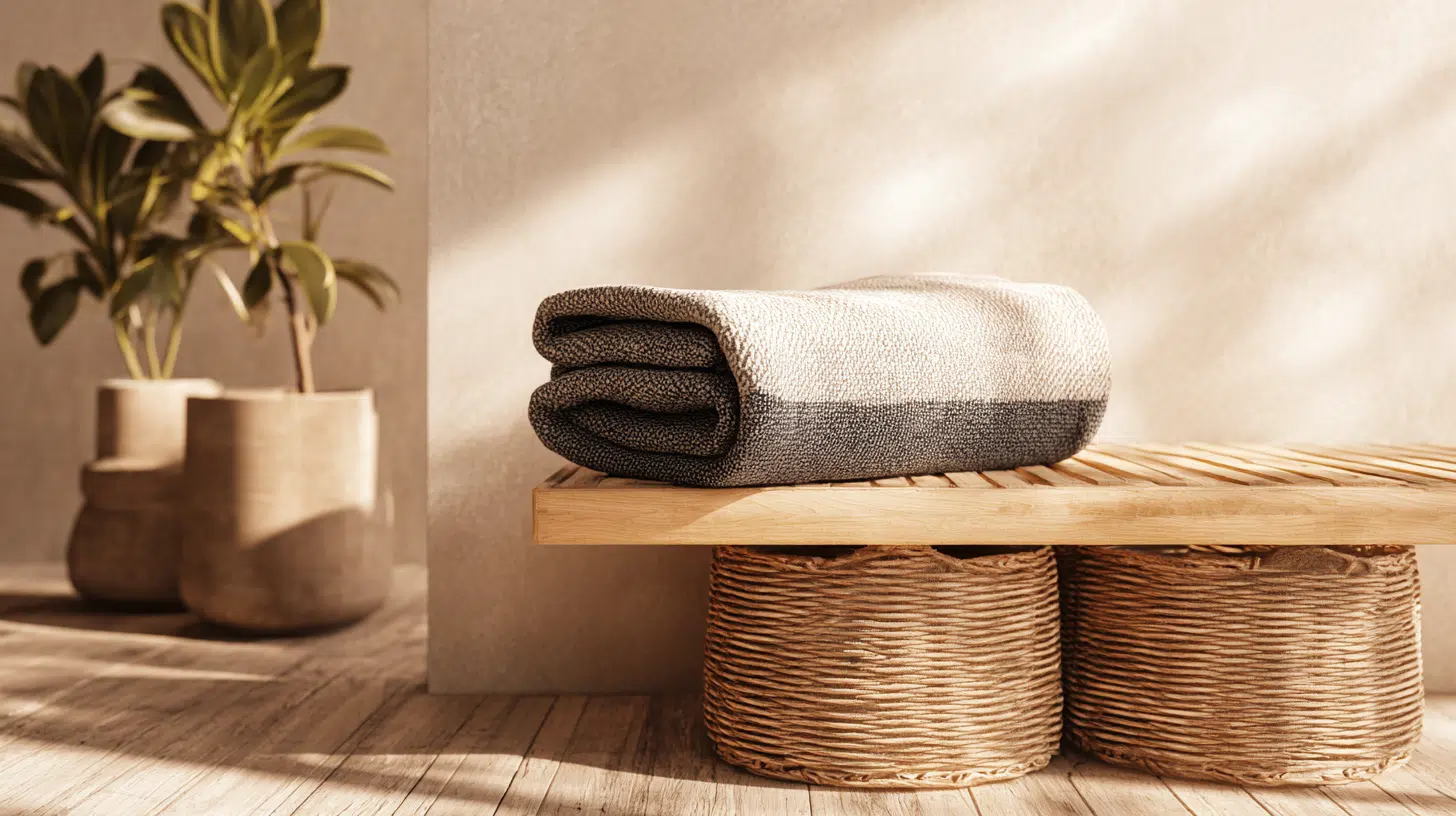
How Big Is a 50×60 Throw Blanket? Choose the Right Fit
Shopping for a throw blanket and wondering if 50×60 inches is the right size for you? You’re not alone. This is one of the most common questions people ask when buying blankets online. A 50×60 blanket is what we call a standard throw size, and it’s popular for good reason. It perfectly covers one adult from shoulders to feet when lounging on the couch. But will it work for your specific needs? In this guide, you’ll get clear answers about exactly how big this blanket really is. We’ll show you easy ways to picture the size, compare it to other options, and help you decide if it’s the perfect fit for your home and lifestyle. How Big Is a 50×60 Blanket? A 50×60 blanket measures 50 inches wide by 60 inches long. In centimeters, that’s 127 cm by 152 cm. These numbers might not mean much on their own, so let’s break them down in simple terms. Visualizing the Size The width of 50 inches is just over 4 feet. Picture stretching your arms out wide – that’s about how wide this blanket is. The length of 60 inches equals 5 feet, which is long enough to cover most adults from shoulders to feet when you’re sitting down. Think of it this way: if you’re relaxing on your couch, this blanket will cover you nicely. It’s not too big or too small for one person to use comfortably. This size works best for one adult who wants full coverage. If you’re watching TV or reading a book, you’ll stay cozy from head to toe. Two adults can share it when sitting side by side, but it will only cover your laps and legs. It’s really designed as a personal-sized blanket for solo relaxation. Household Comparisons A 50×60 blanket is wider than a single mattress but shorter in length. It’s the ideal size for draping over your sofa or adding as an extra layer at the foot of a queen or full bed. You can also fold it and store it easily in a basket or closet. Think of it as the perfect middle ground between small lap blankets and full bed covers. Blanket Size Comparison: Finding the Perfect Fit Here’s how a 50×60 blanket compares to other common blanket sizes: Blanket Type Size (inches) Size (cm) Best For Baby Blanket 12-16 x 12-16 30-41 x 30-41 Newborns and toddlers Lap Blanket 22-36 x 30-48 56-91 x 76-122 Kids, wheelchairs, small throws Throw Blanket 50 x 60 127 x 152 Adults on sofas, reading nooks Twin Size 65 x 90 165 x 229 Single beds, taller adults Full/Double 85 x 90 216 x 229 Medium beds, sharing Queen Size 90 x 90-100 229 x 229-254 Queen beds with full coverage King Size 108 x 90-100 274 x 229-254 King beds, maximum coverage The 50×60 size sits right in the middle. It’s bigger than small lap blankets but smaller than bed-sized options. This makes it perfect for everyday use around the house. Practical Uses for a 50×60 Blanket The 50×60 size is perfect for so many situations around your home and beyond. Here are the most popular ways people use this handy blanket size: 1. Home Decor Use your 50×60 blanket as a stylish throw for your furniture. Drape it over the back of your couch or fold it neatly on an armchair. It adds color and texture to any room while staying ready for use. Choose patterns and colors that match your existing decor for the best look. 2. Lounging and Relaxation This size is perfect for cozy activities around the house. Whether you’re watching movies, reading, or taking a nap, you’ll have just the right amount of coverage. It’s not too heavy or bulky, so you won’t feel weighed down. The size lets you curl up completely or stretch out comfortably on most couches. 3. Travel and Outdoors The 50×60 size is light and easy to carry wherever you go. Pack it for car trips, camping adventures, or outdoor events like concerts and sports games. It folds up small but gives you plenty of warmth when you need it. Many people keep one in their car for unexpected chilly moments. 4. Gift Giving A 50×60 blanket makes a thoughtful gift for almost anyone. It’s useful for new homeowners, college students, or anyone who loves to stay cozy. Choose colors and patterns that match the person’s style for a personal touch. The size works well for most living situations, making it a safe gift choice. 5. Multi-Purpose Layering Add your throw blanket as an extra layer at the foot of any bed. It won’t take up too much space, but it gives you extra warmth on cold nights. You can also use it as a light cover during warmer months when heavy bedding feels too hot. It’s perfect for those in-between temperature days when you need just a little extra comfort. Tips for Choosing the Right Blanket Size Shopping for the perfect blanket can feel overwhelming with so many size options available. Use these simple tips to find the blanket that matches your needs and lifestyle: Consider Your Main Use: Think about how you’ll use your blanket most often. Choose 50×60 for solo lounging or go bigger for sharing and full bed coverage. Think About Your Height: Taller people over 6 feet might prefer a twin size (65×90) for better length coverage. Match Your Home Style: Pick colors and textures that work with your decor. Larger blankets feel more luxurious, but smaller throws are easier to change seasonally. Care and Storage Needs: Make sure it fits in your washing machine and storage space. A 50×60 works well for most homes. When in Doubt, Go Bigger: You can always fold a larger blanket, but you can’t make a small one cover more area. Quick Reference: Blanket Size Chart Blanket Size Blanket Dimensions Best For Bed Size Coverage Throw (50×60) 50″ x 60″ Any bed is an accent Foot of bed, decorative Twin 65″ x 90″ Twin bed Full coverage Full/Double 85″ x 90″ Full/Double bed Full coverage Queen 90″ x 100″ Queen bed Full coverage King 108″ x 100″ King bed Full coverage Keep this chart handy when shopping for blankets. It will help you match the right blanket size to your bed and coverage needs. Final Thoughts A 50×60 blanket hits the sweet spot for most people’s needs. It’s big enough to keep you comfortable but small enough to be practical for everyday use. This size works well whether you’re decorating your home, staying cozy, or looking for the perfect gift. The key is choosing based on how you plan to use it the most. Consider your height, living space, and personal comfort preferences. Remember that this throw size is ideal for solo relaxation but might feel small if you like to share blankets regularly. Now that you know all about 50×60 blankets, we’d love to hear from you! What’s your favorite way to use a throw blanket? Do you prefer smaller throws or larger blankets for your home? Share your thoughts and experiences in the comments below. Frequently Asked Questions Is a 50×60 Blanket Big Enough for Two People? A 50×60 blanket can cover two people sitting side by side, but it will only reach your laps and legs, not full body coverage for both. Can I Use a 50×60 Blanket on a Queen Bed? Yes, a 50×60 blanket works great as a decorative throw at the foot of a queen bed, but it won’t provide full bed coverage for sleeping. Will a 50×60 Blanket Fit in a Standard Washing Machine? Most standard home washing machines can easily handle a 50×60 blanket, making it simple to keep clean and fresh.

What Size is a Queen Blanket? A Complete Dimensions Guide
Finding the perfect blanket size can make the difference between a cozy night’s sleep and constantly fighting with covers that are too small or too big. The right blanket should cover your entire bed with enough overhang to tuck in comfortably without overwhelming your space. This guide covers everything you need to know about queen blanket sizes, including exact dimensions, how they compare to other sizes, and the best materials for different needs. If you’re shopping for your first queen bed or upgrading your bedding, you’ll have all the information needed to make the perfect choice. Queen Size Blanket Dimensions A standard queen blanket measures 90 inches wide by 90-100 inches long (229 cm x 229-254 cm). This size is specifically designed to comfortably cover a queen mattress, which measures 60 inches wide by 80 inches long. The extra width and length provide a generous overhang on both sides and at the foot of the bed. This overhang typically gives you about 15 inches on each side and 10-20 inches at the foot, creating that cozy, tucked-in feeling. Keep in mind that dimensions can vary slightly between manufacturers and blanket styles. Some brands make their queen blankets closer to 90×90 inches, while others go up to 90×100 inches for extra length. Visual Size Comparisons To help you picture queen blanket size, let’s compare it to an average adult man (about 6 feet tall). A queen blanket at 90×90 inches would be wide enough for that person to stretch his arms out completely and still have fabric left over. The queen size strikes a perfect balance between coverage and manageability. At 90 inches wide, it’s about 1.5 times the width of an average person’s arm span, giving plenty of room to wrap up comfortably. When that same 6-foot person lies down on a queen bed with a queen blanket, he’ll have about 15 inches of extra fabric on each side. Household Comparisons A queen blanket is larger than most household items you might compare it to. It’s about the same width as a standard sectional sofa and long enough to drape from the seat to the floor with extra length. You could easily wrap a queen blanket around a dining table that seats six people. Think of it as big enough to cover a small car or create a cozy fort that multiple people can fit inside comfortably. When folded, a queen blanket takes up significant storage space – roughly the size of a large pillow or small suitcase. Best Materials for Queen Blankets Choosing the right material affects your comfort, maintenance routine, and how long your blanket lasts: Cotton: Breathable, soft, and works well in all seasons. Gets softer with each wash and is hypoallergenic for sensitive skin. Fleece: Provides lightweight warmth and is incredibly easy to maintain. Dries quickly, resists wrinkles, and stays soft wash after wash. Minky: Feels luxuriously soft and plush against your skin. Made from polyester microfibers that create an incredibly smooth, “hug-like” texture. Flannel: Warm and fuzzy, perfect for winter nights. The brushed surface traps heat effectively but can shrink if not pre-washed properly. Wool: Offers excellent temperature regulation – keeps you warm in winter and cool in summer. Naturally resists odors but requires special care. Consider your climate, how often you want to wash your blanket, and any allergies when choosing materials. Blanket Size Comparisons Understanding all blanket sizes helps you make the best choice for your specific needs and bed setup. Here’s how queen blankets stack up against every other standard size. Blanket Size Dimensions Mattress It Fits Best For Throw/Lap 50″ x 60″ None (decorative) Couches, chairs, light coverage Twin 65″ x 90″ Twin beds (39″ x 75″) Kids, single sleepers, dorm rooms Twin XL 65″ x 95″ Twin XL (39″ x 80″) Tall single sleepers, college dorms Full/Double 80″ x 90″ Full beds (54″ x 75″) Young adults, guest rooms Queen 90″ x 90-100″ Queen beds (60″ x 80″) Couples, most bedrooms King 108″ x 90-100″ King beds (76″ x 80″) Large beds, people who like extra coverage California King 108″ x 102″ Cal King (72″ x 84″) Tall people, extra-long beds Choosing the Right Blanket Size Choosing the right blanket size depends on your bed size, sleep habits, and personal preferences for coverage. Here’s how to decide whether queen size is perfect for you or if you should consider going bigger or smaller. 1. When Queen Size is Perfect Queen blankets work best when you have a queen mattress and want balanced coverage. They’re easy to handle when making the bed and provide enough material for two people to share comfortably. If you sleep alone on a queen bed, a queen blanket gives you plenty of extra material to wrap up in. For couples who don’t move around much during sleep, a queen-size bed provides adequate coverage without excess bulk. 2. When to Consider Going Bigger Some people prefer using a king-size blanket on their queen bed for extra coverage and drape. This works well if you’re tall, move around a lot during sleep, or just like having lots of blankets to work with. A larger blanket also helps if you have a thick mattress or use multiple layers of bedding. The extra material ensures you still have good coverage even with added height from mattress toppers or thick sheets. 3. Personal Sleep Habits Matter Consider how you and your partner sleep before choosing a size. If either of you tends to hog the covers or moves around frequently, a larger blanket might prevent nighttime battles over bedding. Solo sleepers who like to cocoon themselves in blankets often prefer the extra material that comes with sizing up. However, remember that larger blankets are heavier and take up more storage space. Additional Tips for Buying and Caring for Your Queen Blanket Getting the most from your queen blanket investment requires smart shopping and proper maintenance. Care Aspect Best Practice Why It Matters Washing Frequency Every 2-3 weeks or as needed Keeps the blanket fresh without overwashing Water Temperature Cold water for most materials Prevents shrinking and color fading Detergent Gentle, fragrance-free options Maintains softness and prevents skin irritation Drying Low heat or air dry Prevents damage and maintains texture Storage Clean, dry, breathable container Prevents mildew and pest damage These practical tips will help you choose wisely and keep your blanket looking and feeling great for years. Conclusion Knowing the right queen blanket dimensions (90″ x 90-100″) and understanding material options helps you make an informed choice for better sleep. The queen size offers excellent coverage for most people while remaining manageable for daily use. Consider your mattress size, sleep habits, and climate preferences when selecting both size and material. If you choose cotton for flexibility, fleece for easy care, or wool for temperature regulation, the right queen blanket will keep you comfortable year-round. Take time to measure your bed and think about your specific needs before making a purchase. Comment below with any questions you have before making the purchase! Frequently Asked Questions What Is The Exact Size Of A Queen Blanket? A standard queen blanket measures 90 inches wide by 90-100 inches long, providing generous coverage for queen-size mattresses. Can I Use A Queen Blanket On A Full-Size Bed? Yes, a queen blanket works great on a full bed and provides extra drape and coverage for a more luxurious feel. How Do I Know If My Queen Blanket Will Shrink? Check the care label and pre-wash cotton or flannel blankets in cold water to prevent shrinking, while synthetic materials like fleece typically don’t shrink
Crib Mattress Dimensions Every Parent Must Know
Your baby’s first bed is more important than you might think. Most new parents spend hours researching car seats and strollers, but many don’t give much thought to crib mattress sizing. But here’s what we wish someone had told us: getting the mattress size wrong can actually be dangerous. Too small, and there are gaps where little arms or legs could slip through. Too big, and it won’t sit properly in the crib frame. The tricky part? Not all “standard” crib mattresses are created equal. Some brands run slightly different sizes, which can catch even the most prepared parents off guard. This guide walks you through everything about crib mattress dimensions, from exact measurements to measuring your crib at home. What are Standard Crib Mattress Dimensions? Federal law sets the minimum crib mattress size at 27¼ inches wide by 51 5/8 inches long. This isn’t just a suggestion – it’s required by the Consumer Product Safety Commission (CPSC) for safety reasons. Most mattresses you’ll find in stores are sold as 28 inches by 52 inches. These slightly larger dimensions still meet safety standards while giving manufacturers a bit more room to work with. Why These Exact Numbers Matter? These measurements aren’t random. They’re designed to create a snug fit in standard cribs, which is crucial for your baby’s safety. When a mattress fits properly, it prevents dangerous gaps where tiny fingers, toes, or even heads could get stuck. The tighter the fit, the safer your baby will be. Why Crib Fit Matters: Safety & Snugness Here’s something that might surprise you: more babies are injured by poorly fitting mattresses than you’d think. That innocent-looking gap between the mattress and crib rail? It’s actually dangerous. Babies can get their arms, legs, or heads trapped in spaces that seem too small to matter. Infants don’t have the strength to free themselves if they get stuck. What looks harmless to adults can be life-threatening to babies. The Two-Finger TestAfter placing the mattress in the crib, slide your hand along each edge. Try to fit your fingers between the mattress and crib sides.More than two fingers fit? Return the mattress immediately. It’s too small and unsafe.Two fingers or less? Perfect. Your baby can sleep safely. Even newborns move around more than parents expect. They wiggle, roll, and scoot during sleep. A properly fitted mattress keeps all that movement safely contained. Think of it as invisible bumpers that guide your baby back to center. No gaps mean no worries. Not All Cribs Are Created Equal: Size Variations You Should Know Think all cribs use the same mattress size? Think again. While most follow standard dimensions, there are several variations that might catch you off guard. Standard cribs offer the longest use and best mattress selection. Mini cribs save space, but your baby outgrows them faster. Shaped cribs, like oval or round designs, need custom mattresses that cost more. Crib Type Mattress Dimensions Best For Lifespan Standard Crib 28″ × 52″ Most families have, longest use Birth to 2-3 years Mini Crib 24″ × 38″ Small spaces, apartments Birth to 18 months Shaped Crib Custom (varies) Designer nurseries Varies by design What This Means for You Standard cribs offer the best value and longest use for most families. You’ll find the widest selection of mattresses at every price point. Mini cribs work great for tight spaces or as travel beds for grandparents’ houses. Just plan to transition to a bigger bed sooner than expected. Shaped cribs make stunning statement pieces but limit your mattress options. Custom mattresses often take weeks to arrive and cost significantly more. Remember: never mix mattress sizes. A mini mattress in a standard crib creates dangerous gaps that put your baby at risk. How to Measure Your Crib Correctly Here’s a parenting truth nobody talks about: Even “standard” cribs aren’t always standard. Those tiny measurement differences? They can mean the difference between a perfect fit and a safety hazard. Just grab a tape measure and something to write with. This takes five minutes but could save you hours of returns later. Step 1: Measure Length First Put your tape measure at one end of the crib interior. Stretch it to the other end. Don’t measure the outside frame – only the inside where the mattress will sit. Write down the exact number. It might be 52 inches, or it could be 51.75 inches. Every decimal matters. Step 2: Check the Width Now measure across the short side. Again, inside edges only. You’re looking for something close to 28 inches, but don’t worry if it’s slightly different. Step 3: Don’t Forget Depth Measure from the top rail down to where the mattress sits. This tells you how thick your mattress can be while keeping the sides safe and high. Choosing the Best Crib Mattress (Beyond Size) Getting the right dimensions is just step one. The perfect crib mattress combines proper sizing with features that protect your baby and give you peace of mind. Fueling Safety: Firmness, Materials & Certifications Here’s what surprises new parents: baby mattresses should feel almost uncomfortably firm to adults. Soft might seem cozy, but it’s actually dangerous for infants. A firm surface prevents suffocation risks, especially for newborns who can’t lift their heads yet. When you press down on a good mattress, it should bounce back immediately without leaving any dents or impressions. What to Look For in Materials: Waterproof covers that handle diaper leaks Breathable construction to prevent overheating Chemical-free materials without flame retardants or VOCs Safety Certifications That Matter: Certification What It Means CertiPUR-US Foam meets strict safety standards GREENGUARD Gold Low chemical emissions tested Oeko-Tex Standard 100 Textile safety verified Long-Term Value: Convertibility & Durability Many cribs convert to toddler beds, and your mattress should work for both stages. Standard 28 × 52-inch mattresses fit most conversion kits perfectly, meaning one purchase can last from newborn through preschool. Some mattresses offer dual-firmness designs with a firm infant side and slightly softer toddler side. This gives you the safety newborns need and the comfort toddlers prefer. Look for warranties of 10 years or more as a sign that the manufacturer stands behind their product. The best strategy? Buy after your crib is assembled so you can test the fit immediately. Your Baby’s Safe Sleep Starts Here Choosing the right crib mattress dimensions isn’t just about following guidelines; it’s about creating a safe sleep environment for your most precious person. Remember the essentials: standard mattresses measure 28 × 52 inches, but always measure your specific crib first. Use the two-finger test to ensure proper fit. Never compromise on size, even if it means returning a mattress. Beyond dimensions, prioritize firmness and safety certifications. A well-fitting, firm mattress will serve your family from newborn nights through the toddler years. Your baby deserves safe, comfortable sleep from day one. Ready to find the perfect mattress? Start by measuring your crib today; your baby’s safety depends on getting this right.
Weighted Blanket Calculator: How to Pick the Right Weight
Imagine falling asleep in under 10 minutes every night, feeling calm and secure from the moment you pull up your covers. Weighted blankets make this possible by using gentle pressure to trigger your body’s natural relaxation response. The science is simple – deep pressure stimulation releases feel-good chemicals that reduce anxiety and improve sleep quality. But here’s the catch: choosing the wrong weight can ruin the entire experience. Too light and you won’t feel the benefits. Getting the weight right changes your weighted blanket from a trendy purchase into a nightly sleep solution that actually works. What is a Weighted Blanket and Why Does Weight Matter? A weighted blanket is a regular blanket filled with tiny glass beads or plastic pellets to make it heavier. The extra weight creates gentle pressure on your body, which helps release calming chemicals in your brain. This feeling is called deep pressure stimulation. Getting the weight right is key to getting these benefits. A blanket that’s too light won’t create enough pressure to help you relax. One that’s too heavy can make you feel stuck, overheat, or have trouble moving during sleep. How Do Weighted Blanket Calculators Work? Most weighted blanket calculators use a simple math formula to help you choose. The standard rule is to pick a blanket that weighs about 10% of your body weight. Some experts suggest a range of 8% to 12% of your body weight for more flexibility. Here’s how the math works: If you weigh 150 pounds, multiply by 0.10 to get 15 pounds. Some calculators add 1-2 extra pounds for comfort, so you might choose a 16 or 17-pound blanket. The same formula works with kilograms – just multiply your weight by 0.10. Special Considerations for Kids, Adults, and Couples The basic 10% formula works as a starting point, but different age groups and sleeping arrangements need special adjustments. Understanding these variations helps you choose the safest and most comfortable weight for your specific situation. 1. Children Children need extra care when choosing weighted blankets because their smaller bodies are more sensitive to weight. Use 10% of the child’s weight plus 1-2 pounds as your starting calculation. Always check with your pediatrician before introducing a weighted blanket to make sure it’s safe for your child’s specific needs. Never use weighted blankets for babies under 2 years old, as they pose safety risks. Start with short supervised sessions during the day to help your child get comfortable with the feeling before nighttime use. 2. Adults Adults have the most flexibility when choosing weighted blanket weights within the 8-12% range of their body weight. If you like feeling more secure and cozy, lean toward the heavier end of the range. If you move around a lot during sleep or get hot easily, try the lighter end first. You can always exchange for a different weight if your first choice doesn’t feel right. Most adults find their sweet spot within 1-2 pounds of the 10% calculation. 3. Couples Couples have two main options when it comes to weighted blankets for shared beds. Calculate 7.5-10% of your combined weight for one large blanket that covers both of you. Alternatively, buy separate blankets in your individual calculated weights for personalized comfort. Separate blankets work better if you have very different weight preferences or sleep styles. Consider the extra cost and bed space needed when deciding between one shared blanket or two individual ones. Weighted Blanket Size & Weight Chart (Quick Reference) Body Weight Blanket Weight Recommendation 60–80 lbs 6–8 lbs 80–100 lbs 8–10 lbs 100–120 lbs 10–12 lbs 120–140 lbs 12–14 lbs 140–160 lbs 14–16 lbs 160–180 lbs 16–18 lbs 180–200 lbs 18–20 lbs 200–250 lbs 20–25 lbs Note: These are starting points – always choose what feels most comfortable for you personally. Additional Factors to Consider Beyond the basic weight calculation, several other factors can make or break your weighted blanket experience. These considerations help you fine-tune your choice for maximum comfort and safety. Personal preference – Some people naturally like more pressure while others prefer lighter touches. Your comfort should always come first, even if it means going outside the standard formula. Sleep style – If you toss and turn a lot, try a lighter blanket so you can move easily. If you sleep still and calmly, you might enjoy a heavier weight. Health conditions – Talk to your doctor before using a weighted blanket if you’re pregnant, elderly, or have breathing problems. Some medical conditions make weighted blankets unsafe. Materials and filling – Glass beads are smaller and distribute weight more evenly than plastic pellets. Cooling fabrics help if you get hot at night, and hypoallergenic options work for sensitive skin. What to Expect When Using Your Weighted Blanket Understanding both the benefits and challenges helps you make the best choice for your needs. Benefits You Can Expect Most people notice positive changes within the first few nights of using their weighted blanket. Better sleep quality – The gentle pressure helps you fall asleep faster and stay asleep longer throughout the night. Reduced anxiety – Deep pressure stimulation naturally calms your nervous system and reduces stress hormones. Less tossing and turning – The weight keeps you in place, leading to more restful and uninterrupted sleep. Morning alertness – Better sleep quality means you wake up feeling more refreshed and ready for the day. Common Challenges and How to Overcome Them Every weighted blanket user faces some adjustment period and practical considerations. Initial heaviness – Start with shorter periods during the day to get used to the weight before using it all night. Temperature concerns – Choose breathable fabrics like bamboo or cotton, and consider a lighter weight if you sleep hot. Care and cleaning – Look for removable covers that are machine washable, as full blankets can be hard to clean. Size limitations – Weighted blankets are usually smaller than regular comforters, so you might need to adjust your expectations. Practical Tips for Choosing Your Weighted Blanket Start by using online calculators or weight charts as your baseline, but remember these are just starting points. Try to test blankets in stores when possible, or buy from companies with good return policies. Consider the practical details before buying. Check washing instructions, warranty length, and customer reviews. Some blankets need professional cleaning, while others have removable, washable covers. For gifting, err on the lighter side for safety and comfort. It’s easier for someone to get used to a lighter blanket than to struggle with one that’s too heavy. Include the gift receipt so they can exchange it if needed. Conclusion The 10% body weight rule and online calculators give you a great starting point for choosing your weighted blanket weight. Remember that personal comfort matters more than following formulas exactly. Some people prefer lighter or heavier blankets based on their sleep style and preferences. Weighted blankets can improve your sleep quality and reduce anxiety when you find the right weight and size. Take time to consider all the factors – your body weight, sleep habits, health conditions, and personal preferences. Most people find that their perfect weighted blanket brings better rest and more peaceful nights. What weight range sounds right for your body and sleep style? Share your weighted blanket experience or questions in the comments below! Frequently Asked Questions Can A Weighted Blanket Be Too Heavy? Yes, blankets over 12% of your body weight can restrict movement and cause discomfort, so stick to the recommended ranges for safety. Can Pets Use Weighted Blankets? Small pets should avoid them entirely, but large dogs might enjoy lightweight blankets designed specifically for animals. Are Weighted Blankets Safe For Children And the Elderly? Children over 2 can use them with proper weight calculations, but elderly people with mobility issues should consult doctors first.
Best Organic Mattresses for Side Sleepers in 2025
Choosing an organic mattress has become more important than ever for health-conscious sleepers who care about both their well-being and the environment. If you’re a side sleeper, you need specific features that many regular mattresses can’t provide, like pressure relief for your shoulders and hips. Side sleepers face unique challenges when finding the right mattress. You need softer contouring to cushion pressure points, but still require support to keep your spine aligned. This guide covers everything you need to know about choosing the perfect organic mattress for side sleeping. By the end, you’ll know exactly which organic mattress will give you the comfortable, healthy sleep you deserve. What Makes a Mattress “Organic”? An organic mattress uses certified natural materials instead of synthetic chemicals and petroleum-based foams. The main materials include organic latex, wool, and cotton that meet strict environmental and safety standards. Look for these important certifications when shopping for organic mattresses. GOTS (Global Organic Textile Standard) ensures textiles meet organic fiber criteria and ethical manufacturing practices. GOLS (Global Organic Latex Standard) certifies that latex comes from organic rubber tree plantations. Other valuable certifications include OEKO-TEX Standard 100, GREENGUARD Gold, and MADE SAFE, which test for harmful chemicals and emissions. Why Side Sleepers Need a Specialized Organic Mattress Side sleeping is the most popular sleep position, but it creates specific pressure points that need special attention. Understanding these unique needs helps you choose the right organic mattress for comfortable, healthy sleep. 1. Side Pressure Relief Your shoulders and hips bear most of your body weight when sleeping on your side. Without proper cushioning, these pressure points can cause numbness, pain, and circulation problems that disrupt your sleep. Organic materials like latex and memory foam naturally contour to these pressure points. They provide targeted relief by distributing your weight more evenly across the mattress surface. The key is finding materials that cushion these areas without letting you sink too deeply. Organic options provide this balance better than synthetic alternatives. 2. Spine Alignment Maintaining proper spinal alignment is crucial for side sleepers to prevent back pain and stiffness. Your mattress needs to support the natural curve of your spine while allowing your hips and shoulders to sink in slightly. Medium to medium-soft firmness typically works best for side sleepers. This firmness level provides effective contouring while maintaining the support needed for proper spinal positioning. Organic latex naturally contours to your body’s shape and provides resilient support that keeps your spine aligned. 3. Side Sleeping with Partners Sharing a bed adds another layer of complexity for side sleepers. You need a mattress that minimizes motion transfer so your partner’s movements don’t wake you up during the night. When your partner moves or gets up, the foam absorbs the motion instead of transferring it across the bed. The natural materials in organic mattresses also tend to be more responsive than synthetic options. This means the mattress quickly returns to its original shape when pressure is removed, preventing long-lasting body impressions. Top Organic Mattress Materials for Side Sleepers Understanding the different organic materials helps you choose the best option for your sleeping style and comfort needs. 1. Organic Latex Organic latex provides the perfect combination of contouring and bounce that side sleepers need. It naturally contours to your shoulders and hips while providing responsive support that makes changing positions easy. Latex is naturally antimicrobial, resistant to dust mites, and highly long-lasting. It also sleeps cooler than memory foam, making it ideal for hot sleepers. Pros Cons Natural pressure relief and support Highly durable – can last 15-20 years with proper care Higher initial cost It can feel too bouncy for some side sleepers who prefer a sinking sensation 2. Organic Memory Foam Alternatives Plant-based memory foam alternatives conform closely to your body’s curves, providing superior pressure relief for shoulders and hips. These materials offer excellent motion isolation, perfect for couples. While not as bouncy as latex, these alternatives provide the deep contouring that many side sleepers prefer. They’re also often more affordable than all-latex options. Pros Cons Excellent pressure point relief Superior motion isolation prevents partner disturbance More affordable than natural latex options May retain more heat Superior motion isolation prevents partner disturbance More affordable than natural latex options 3. Hybrid Construction Hybrid mattresses combine organic latex or foam with supportive coil systems. This design provides zoned support that’s ideal for maintaining proper spinal alignment while side sleeping. The coil base offers enhanced airflow and edge support, while the organic comfort layers provide pressure relief. This combination works well for side sleepers who need both support and contouring. Pros Cons Balanced support and comfort Enhanced breathability from the coil system promotes cooler sleep Strong edge support allows full use of the sleeping surface More complex construction Higher price point due to multiple material layers May transfer some motion between partners due to the coil system Expert Reviews: Best Organic Mattresses for Side Sleepers Based on expert testing and customer feedback, here are the top organic mattresses that provide the comfort and support side sleepers need. Avocado Green Mattress – Features organic latex hybrid construction with zoned support and GOTS/GOLS certifications. Ideal for eco-conscious sleepers who need balanced support and gentle contouring. PlushBeds Botanical Bliss – All-latex construction with customizable firmness options. Perfect for side sleepers who need pressure relief and want to adjust their comfort level over time. Nolah Natural 11″ – Hybrid design with Talalay latex and supportive coils. The medium firmness provides excellent shoulder relief while maintaining spinal balance for side sleepers. Birch Natural by Helix – Combines breathable organic wool with latex in a hybrid design. Great airflow and medium-firm feel work well for side sleepers and combination sleepers. Saatva Latex Hybrid– Features zoned coils plus latex for enhanced support in different body areas. GOTS/GOLS certified with excellent long-term strength for lasting comfort. Side-by-Side Comparison Brand Type Certifications Firmness Price (Queen) Best For Avocado Green Latex Hybrid GOTS, GOLS Medium $1,399 Balanced feel, eco-conscious PlushBeds Botanical All-Latex GOTS, GOLS Multiple $2,199 Pressure relief, customization Nolah Natural Latex Hybrid eco-INSTITUT, GOTS Medium $1,365 Combo side sleepers, airflow Birch Natural Latex Hybrid GOLS, GREENGUARD Medium-Firm $1,499 Hot side sleepers, support Saatva Latex Latex Hybrid GOTS, GOLS Medium-Firm $2,095 Lumbar support, joint comfort Note: All prices are approximate and may vary based on promotions, sizes, and current market conditions. What to Consider When Choosing Your Organic Mattress Several factors will help you pick the perfect organic mattress for your side sleeping needs and personal preferences. Firmness Level should be medium or slightly soft to allow proper contouring for your shoulders and hips while maintaining spinal alignment. Body Weight affects your firmness needs – lighter sleepers typically need softer surfaces, while heavier sleepers require more support to prevent sinking. Trial Periods are crucial for testing how well the mattress works for your side sleeping position over several weeks of use. Cooling Features become important if you tend to sleep hot, as some organic materials provide better temperature regulation than others. Motion Isolation matters for couples or restless sleepers who need to minimize movement transfer throughout the night. Budget Breakdown: How Much Should You Spend? Organic mattresses cost more than conventional options, but the investment in your health and sleep quality is worth it. Here’s what to expect at different price points. Price Range Features What You Get Entry-level ($1,000-$1,400) Basic organic materials Reliable comfort, basic certifications Mid-range ($1,400-$2,200) Enhanced features Zoned support, more certifications, longer trials Premium ($2,200+) Top-tier construction Custom builds, thicker profiles, enhanced breathability The higher cost comes from natural latex processing, global certifications, handcrafting, advanced coil systems, and U.S. manufacturing standards. Mattress Care Tips for Side Sleepers Proper care helps your organic mattress maintain its comfort and support for years to come. These simple steps protect your investment and ensure consistent sleep quality. Rotate every 6 months – Prevents uneven wear from your body impressions Use organic protectors – Breathable covers protect without trapping heat Choose a proper foundation – Adjustable bases or solid slat systems work best Add toppers if needed – Organic latex toppers can provide extra contouring Keep it clean – Regular vacuuming and spot cleaning maintain freshness Finding Your Perfect Organic Sleep Solution Side sleepers benefit greatly from organic mattresses that provide targeted pressure relief, medium firmness, and clean, breathable materials. The natural materials work with your body to create the ideal sleep environment while supporting your health and the planet. When choosing your organic mattress, prioritize proper certifications, pressure-relieving support, and generous trial periods. Consider your body weight, temperature preferences, and whether you sleep alone or with a partner. Share your organic mattress experience in the comments – your insights could help other side sleepers find their perfect match! Frequently Asked Questions What Firmness Level Is Best for Side Sleepers? Medium or medium-soft firmness typically works best, allowing pressure relief while maintaining spinal alignment. Are Organic Mattresses Better for Joint Pain? Yes, organic materials often provide better pressure relief and support, which can help reduce joint pain and stiffness. How Do Organic Latex and Memory Foam Compare? Latex offers more bounce and cooling, while memory foam provides deeper contouring – both can work well for side sleepers.