


Yellow stains on pillowcases are one of those annoying problems that almost everyone deals with, yet most people don’t fully understand why it happens.
It’s easy to assume it’s just dirt or poor hygiene, but that’s not accurate. Even clean people who shower daily still face this issue.
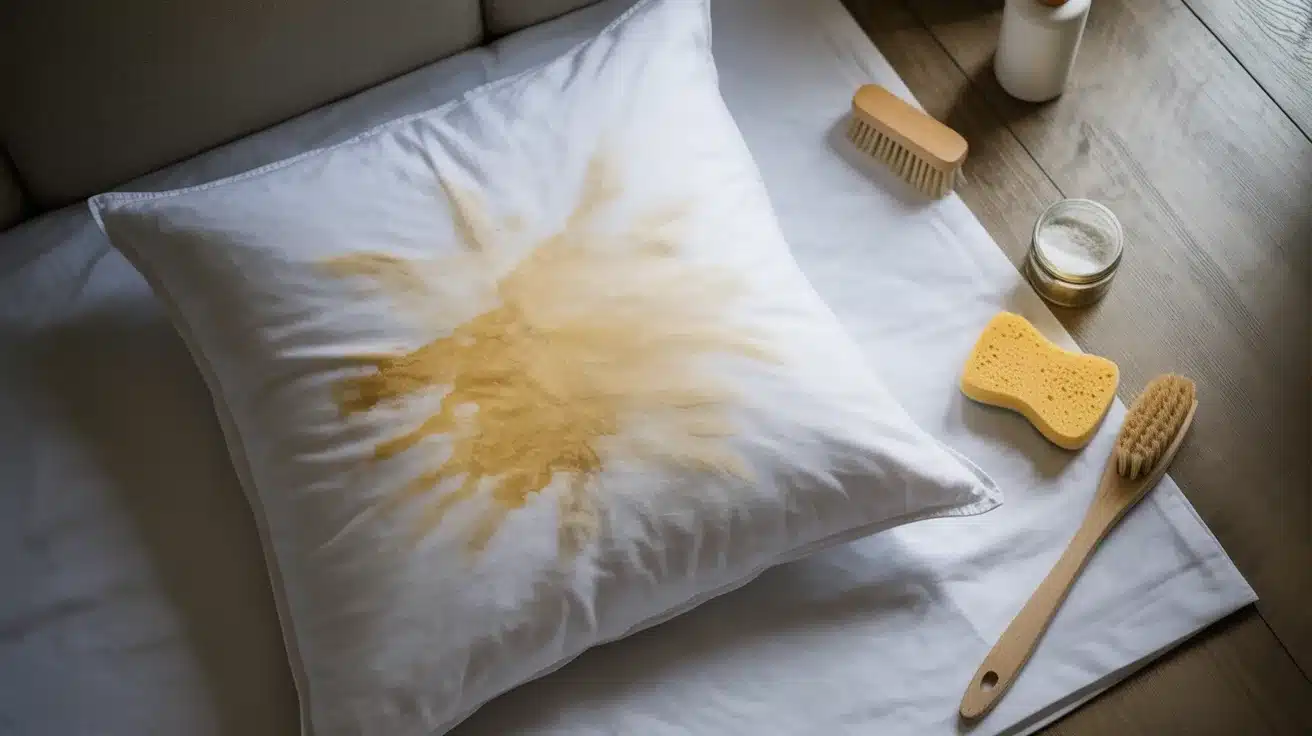
The real reason is a buildup of sweat, body oils, and product that slowly soak into the fabric over time.
These stains don’t come from surface dirt; they develop gradually as buildup settles deep into the fibers, which is why normal washing often fails to remove them.
Why Pillowcases Turn Yellow?
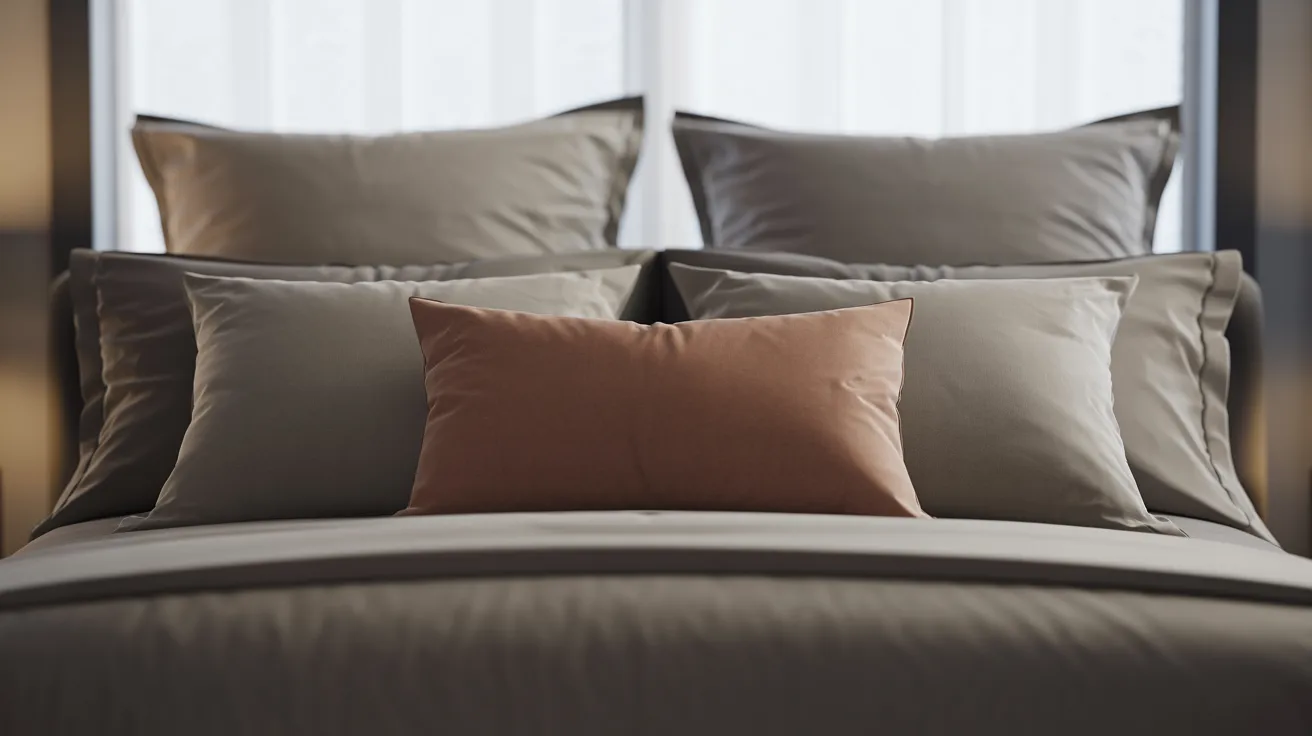
Before getting into the causes, it’s worth understanding the difference between a pillow sham and a pillowcase, since they’re often confused with one another but serve different purposes.
Yellowing isn’t caused by a single factor; it builds up over time from multiple sources that slowly settle into the fabric.
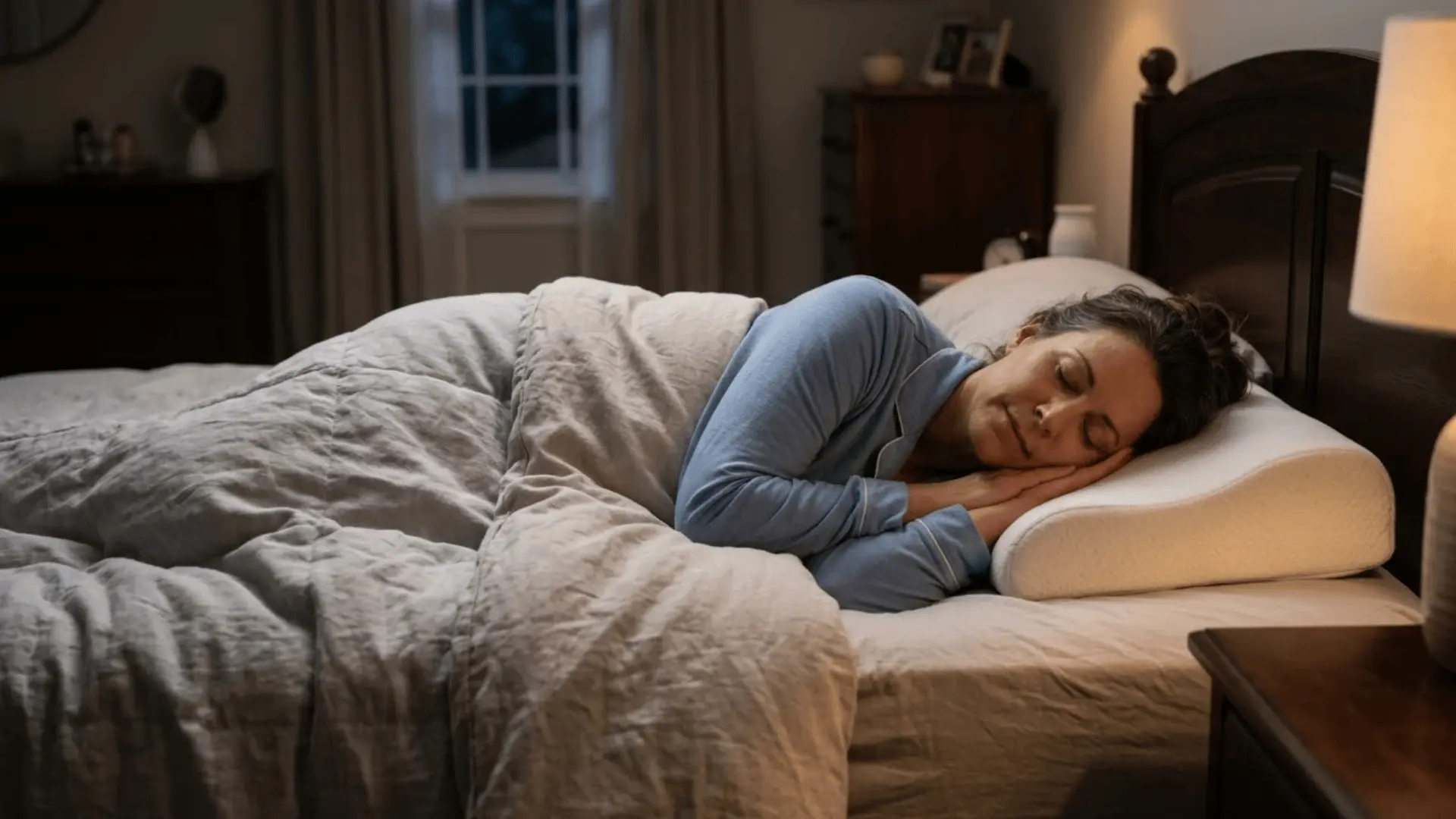
- Sweat and Body Oils: Sweat contains salts and proteins, while your skin releases natural oils during sleep. These combine and oxidize over time, causing yellow discoloration.
- Hair Products and Skincare: Oils, conditioners, and creams transfer onto the fabric while you sleep. They build up over time and don’t fully wash out with regular cleaning.
- Saliva: Saliva contains enzymes that can leave stains on fabric. Repeated exposure in the same area leads to visible yellowing.
- Detergent Residue: Using too much detergent leaves behind a residue on the fabric. This traps dirt and oils, making stains worse instead of cleaner.
- Poor Washing Habits: Irregular washing allows buildup to settle deep into the fibers. Cold washes alone often fail to effectively break down oil-based stains.
All of these factors work together, which is why yellowing often appears even with basic hygiene. Understanding these causes makes it easier to choose the right cleaning methods rather than relying only on regular washing.
Why Regular Washing Doesn’t Fix It?
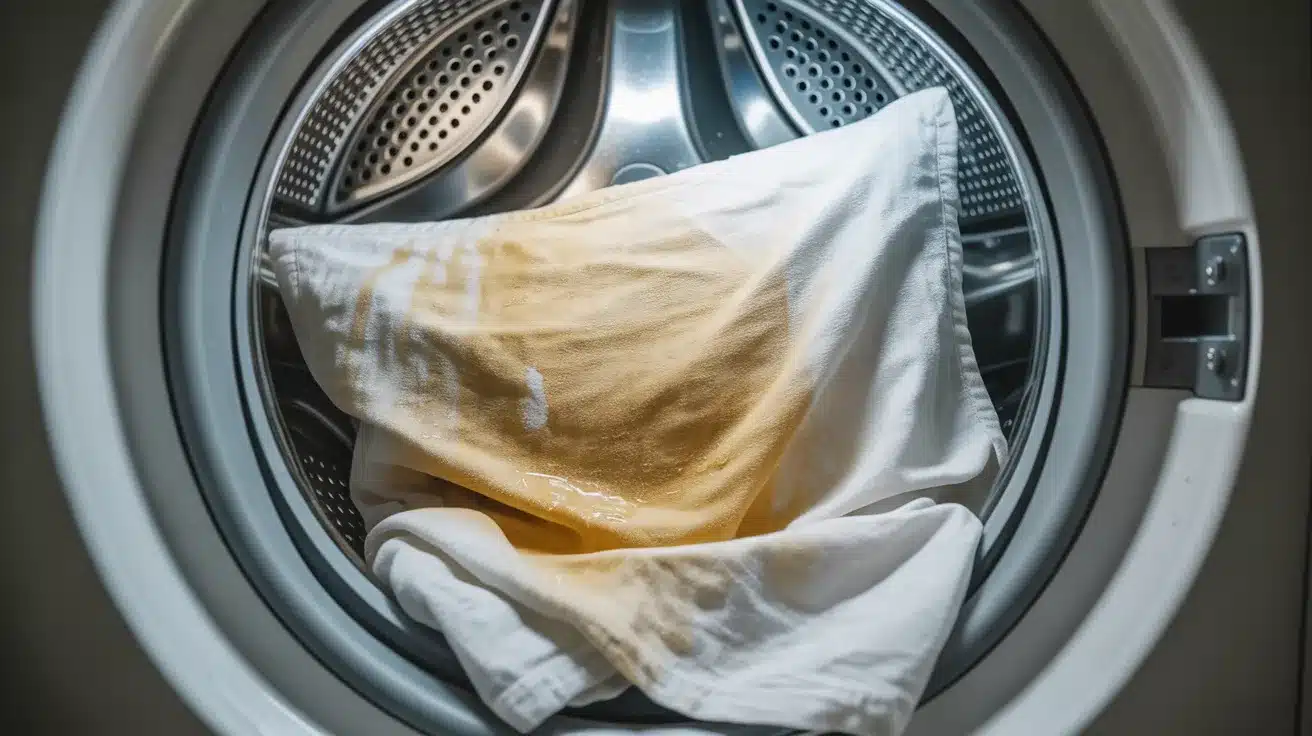
If you’ve been washing your pillowcases regularly and they’re still yellow, the issue isn’t frequency; it’s effectiveness. Standard washing removes surface dirt but struggles with embedded oils and other stains.
Cold water cycles are especially weak against grease-based stains. As a result, each wash removes only a portion of the buildup, and the rest continues to build.
Eventually, the fabric may appear permanently discolored unless you use stronger cleaning methods designed to break down oils.
Along with proper cleaning, how you use and arrange your pillows also plays a role. Simple setups like the 2-2-1 pillow rule can make bedding easier to manage and keep clean over time.
How to Remove Yellow Stains?
Regular washing isn’t enough because these stains are oil-based and deeply embedded in the fabric. You need methods that actually break down buildup, not just clean the surface.
- Baking Soda + Vinegar (Mild stains): Soak in warm water with baking soda, then wash and add vinegar during the rinse cycle. This helps remove light buildup and neutralize odors.
- Hydrogen Peroxide + Detergent (Most effective): Apply a mix to stains, leave for 30–60 minutes, then wash in hot water. This breaks down oxidized oils and removes most visible stains.
- Oxygen Bleach (Deep stains): Soak for a few hours or overnight, then wash as usual. It penetrates fabric fibers and lifts stubborn, set-in stains.
- Sun Drying (Final step): Dry in sunlight to naturally brighten and whiten fabric. It works best as a finishing step, not a primary cleaning method.
Using the right method based on stain harshness makes a big difference in results. Once the stains are removed, constant washing habits will help prevent them from returning.
What Not to Do
A lot of common advice online is either incomplete or flat-out wrong. Don’t overload your washing machine with detergent, thinking it will clean better; it won’t.
Avoid relying solely on cold washes when dealing with oil-based stains.
Also, be careful with chlorine bleach. While it may seem like the obvious solution, it can react with certain residues (such as sweat proteins) and actually worsen yellowing over time.
How to Prevent Yellowing?
Prevention is simpler than removal, but only if you stay consistent. Most yellowing happens because small habits are ignored over time, so keeping a basic routine makes a noticeable difference.
Washing pillowcases at least once a week is essential, since delays make stains harder to remove. Using the right amount of detergent also matters; too much leaves a residue that traps oils and dirt rather than properly cleaning.
Simple habits outside the wash also play a role. Going to bed clean reduces the transfer of sweat and oils, while limiting heavy night products prevents them from soaking into the fabric.
Using warm or hot water occasionally helps break down oil-based stains more effectively than cold washes alone. Extra layers, such as pillow shams, can also add maintenance and make it harder to keep bedding consistently clean.
Conclusion
Yellow pillowcases aren’t a sign of poor hygiene; they’re the result of normal body processes combined with product buildup and ineffective washing methods. The real issue is accumulation, not dirt.
Once you understand that, the solution becomes straightforward: use stronger cleaning methods when needed and maintain better washing habits. If you do both consistently, yellow stains stop recurring.