

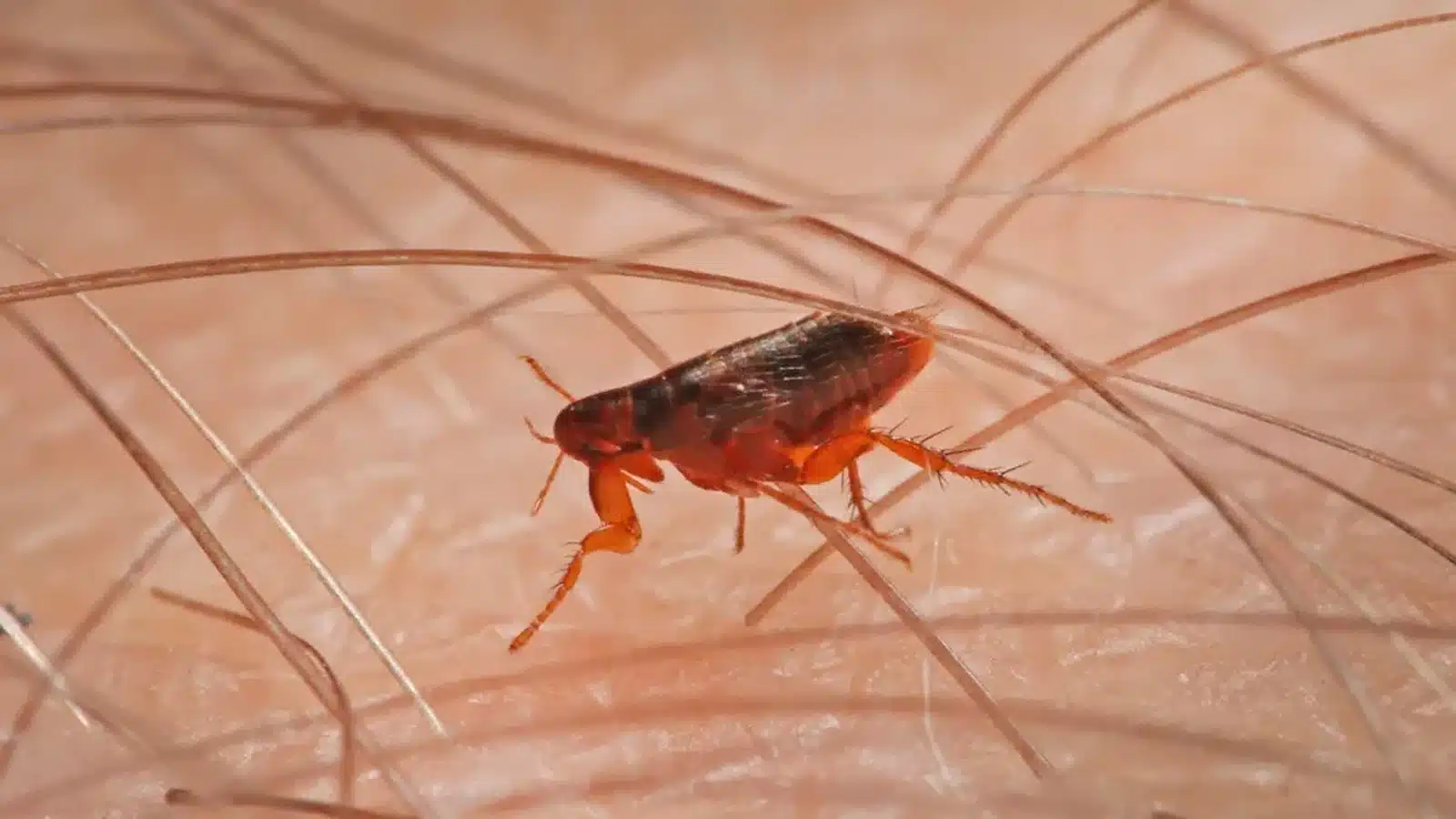

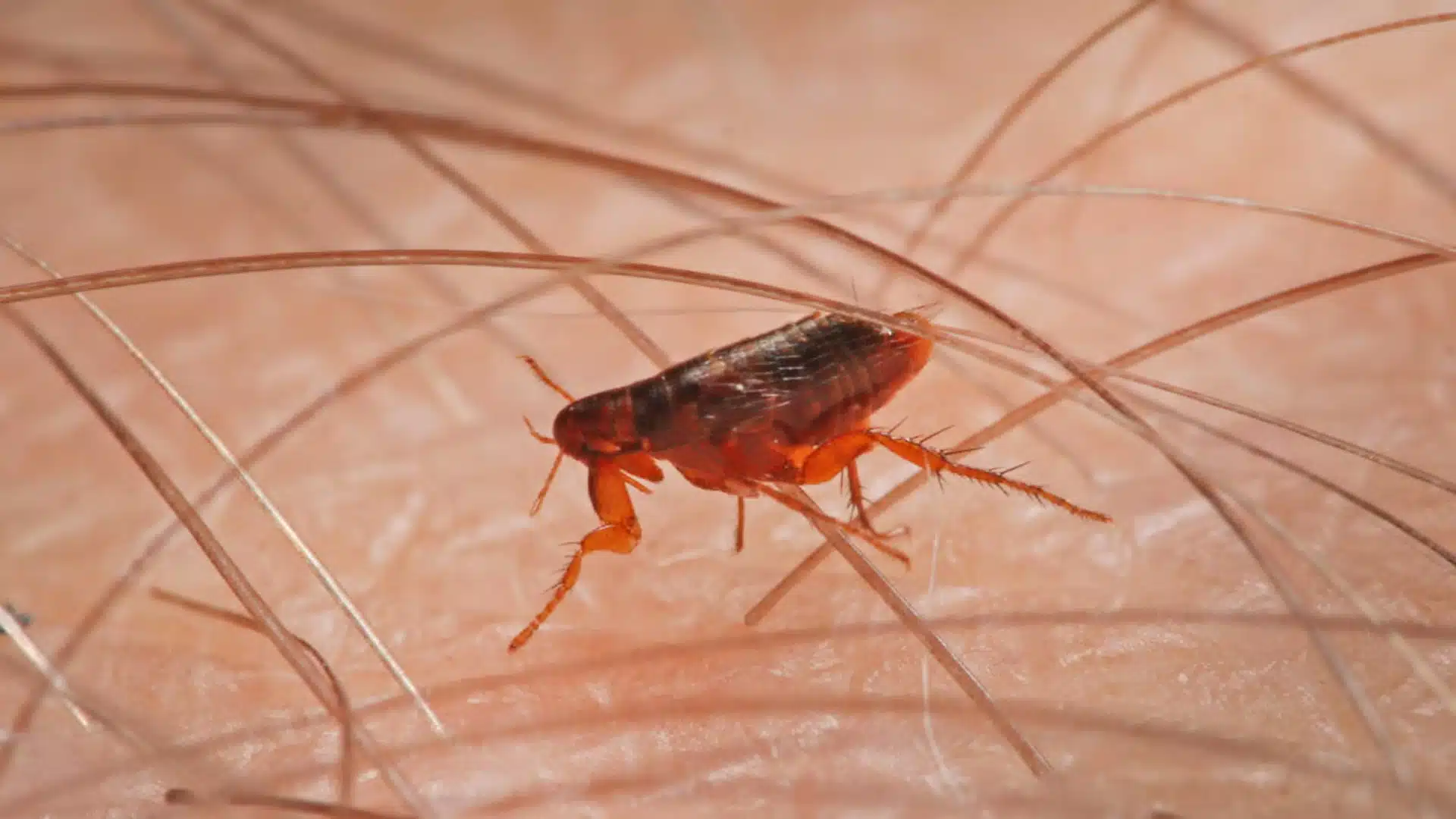
Fleas often return even after treatment because of hidden eggs in carpets, bedding, and furniture. Understanding what triggers flea egg hatching is key to stopping infestations early.
Flea egg hatching depends on environmental conditions like heat and humidity, along with subtle cues in the surroundings. Once these conditions align, eggs quickly move into the next stage of the flea life cycle.
In most indoor environments, these conditions are easily met, which is why flea infestations can develop quickly without early intervention.
Why Flea Eggs Matter More Than You Think
Before focusing on triggers, it helps to understand the flea life cycle. Fleas go through four stages: egg, larva, pupa, and adult.
After feeding on a host, adult fleas lay eggs that often fall off pets and settle in your home.
This is why infestations persist even after treating pets, as most fleas develop off the animal in hidden areas such as carpets and fabrics.
The Main Conditions Flea Eggs Need to Hatch
So, what triggers flea egg hatching?
Flea eggs require a combination of:
- Warm temperatures
- Moderate to high humidity
- Protected, undisturbed spaces
- Environmental activity, such as movement
These factors create the ideal setting for flea larvae development, which explains why some homes experience sudden outbreaks.
Best Temperature Range for Flea Egg Development
Temperature plays a major role in how quickly flea eggs hatch. Warmer conditions between about 21°C and 29°C (70°F to 85°F) speed up development, which is why warm-weather fleas are more common during certain seasons.
Indoors, heating systems and pet bedding often create ideal conditions for flea eggs to develop. When this temperature range is maintained, eggs can hatch within just a few days.
On the other hand, cold temperatures slow development or halt it entirely. Extremely high heat can also reduce survival rates.
Why Humidity Helps Flea Eggs Survive and Hatch
Humidity is often overlooked, but it is just as important as temperature. Flea eggs and larvae are highly sensitive to dryness.
Without enough moisture, they can dehydrate and die before reaching the next stage. Higher humidity levels, typically above 50 percent, support survival and increase the likelihood of hatching.
Areas like carpets and pet bedding trap moisture, making them ideal for flea growth.
Do Flea Eggs Respond to Movement or Host Activity?
Environmental cues also influence flea development, but mostly in later stages. Flea eggs depend mainly on environmental conditions, while movement and activity become more important as fleas mature.
Vibrations from footsteps, pets moving around, or regular household activity indicate that a host may be nearby.
This mainly supports the later stages of the flea life cycle, especially when adult fleas begin emerging.
Once fleas mature, they respond more strongly to cues like body heat and carbon dioxide. An active environment supports survival and contributes to faster infestation spread.
Typical Flea Egg Hatching Timeline
A common question is: how long do flea eggs take to hatch?
Under favorable conditions, flea egg hatching can occur within 2 to 10 days. When temperatures are lower or humidity is insufficient, the process can take longer, sometimes up to two weeks, or fail altogether.
The timeline varies based on:
- Temperature levels
- Humidity conditions
- Location within the home
Even after hatching, the flea continues developing through larval and pupal stages, which can extend the overall cycle. This flexibility is what makes fleas difficult to eliminate completely.
This timing variation is one of the main reasons flea infestations can persist even after initial treatment.
Common Places Flea Eggs Hatch Indoors
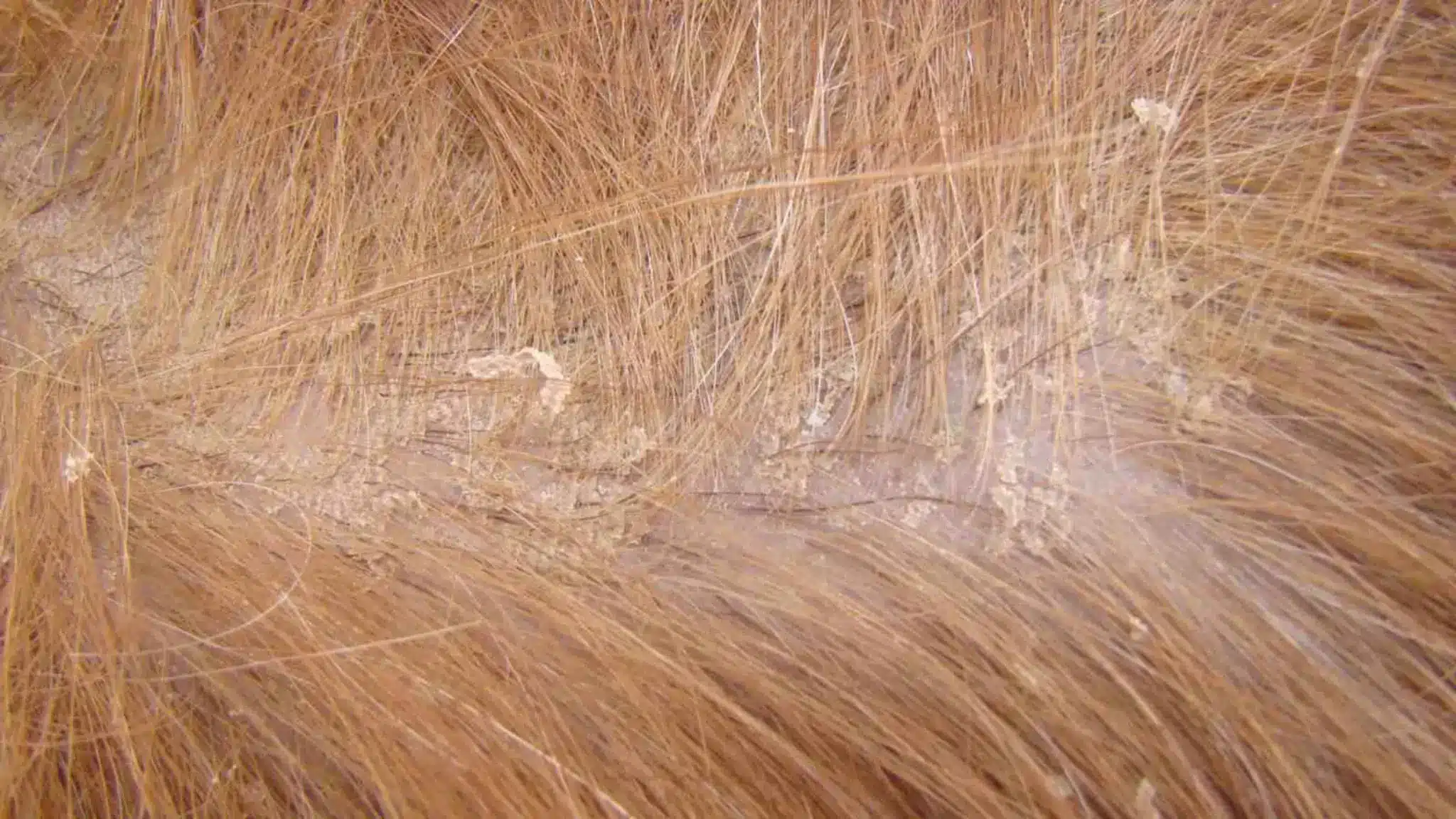
Flea eggs don’t stay in one place. They spread throughout the home and settle in areas that offer warmth, protection, and organic debris.
In many homes, carpets and fabrics create a stable microenvironment that supports consistent flea egg hatching.
Common hotspots include:
- Carpets and rugs
- Pet beds and blankets
- Upholstered furniture
- Floor cracks and baseboards
- Corners with low light and airflow
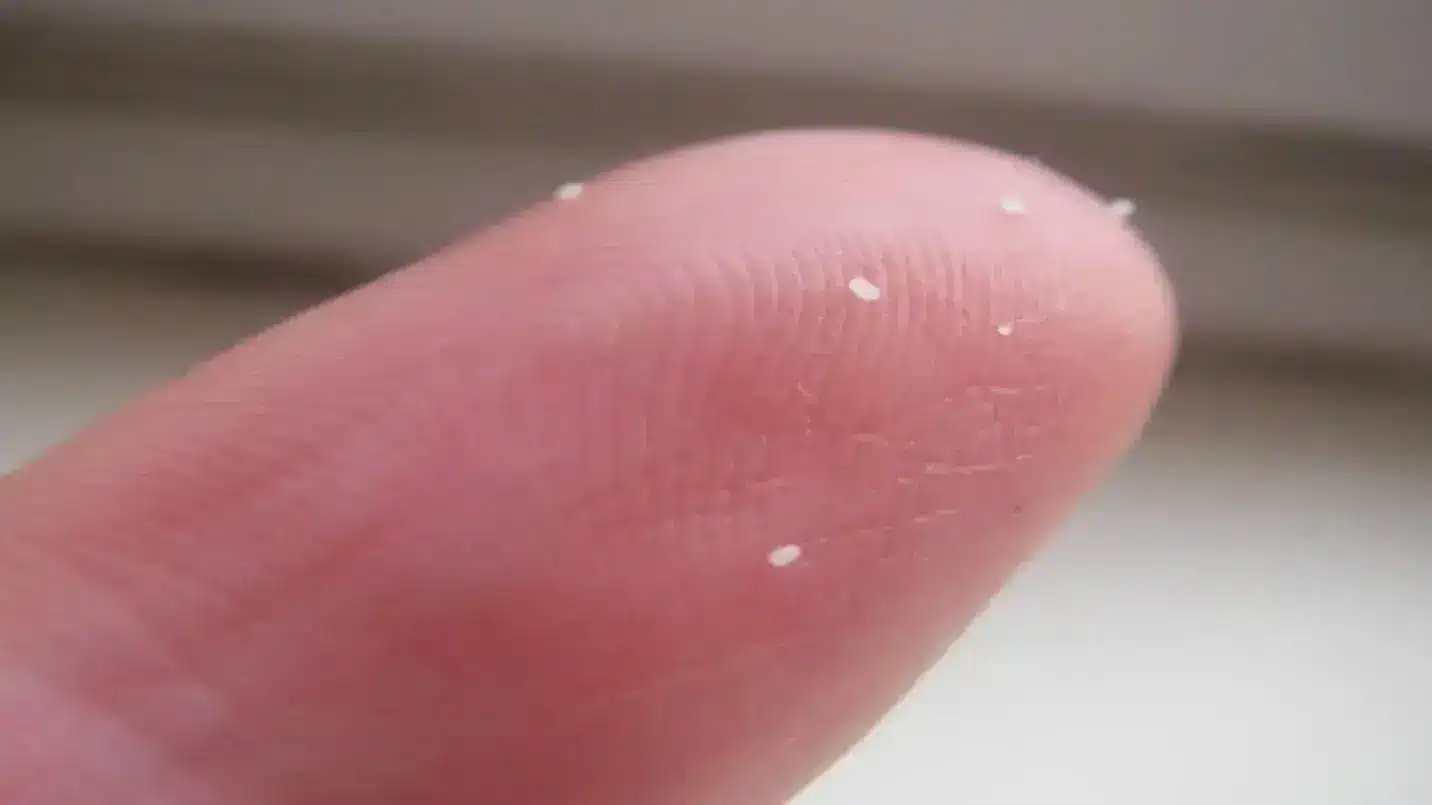
These locations support ongoing flea development. For example, if you’ve noticed tiny white particles on bedding or fabrics, especially in areas where pets rest, it could be an early sign of flea activity, indicating eggs or early-stage fleas.
In such cases, eggs found on sheets or in sleeping areas often indicate deeper infestation patterns that require thorough cleaning and treatment.
How to Break the Flea Life Cycle at the Egg Stage
Stopping flea eggs from hatching is one of the most effective ways to control an infestation.
Here are practical steps:
- Wash pet bedding frequently in hot water
- Vacuum carpets, rugs, and upholstery regularly
- Treat pets and home environments together
- Reduce indoor humidity where possible
- Clean hidden and neglected areas
Natural deterrents, such as certain scents fleas tend to avoid, can also help reduce flea activity in specific areas when combined with cleaning and treatment routines.
The key is consistency. Targeting only adult fleas will not solve the problem if eggs continue to hatch in the background.
Conclusion
Flea egg hatching occurs when the right combination of heat, humidity, and surrounding factors is present. These factors allow the flea life cycle to continue quietly until it becomes noticeable.
Understanding these triggers helps prevent infestations early. By managing indoor conditions and addressing all life stages, you can reduce the likelihood that flea eggs become a recurring problem.
Taking early action is essential, especially when signs begin to appear in common household areas.