
Rayon is everywhere, yet many people are still unsure what it really is.
It is used in dresses, blouses, bed sheets, and even hospital gowns. People like it because it feels soft, light, and easy to wear.
But there is one thing that often causes confusion. Is rayon a natural fabric, or is it man-made?
The answer is more interesting than most expect. Rayon starts as plant material, but it also undergoes a factory process before becoming fabric.
That is part of what gives it its smooth feel and soft touch. Knowing where rayon comes from and how it is made can make fabric labels much easier to understand.
What Is Rayon Made Of?
Rayon is made from cellulose, a plant-based material usually sourced from wood pulp or cotton linters.
Although it comes from natural origins, it is chemically processed into a soft, smooth fabric, which is why rayon is considered semi-synthetic.
- Wood pulp: from trees like pine, spruce, and hemlock
- Cotton linters: tiny fibers left on cotton seeds after the ginning process
Both are natural raw materials, but heavy chemical processing transforms them into the soft, smooth, and silky fabric we call rayon today.
Step-by-Step Process of Making Rayon
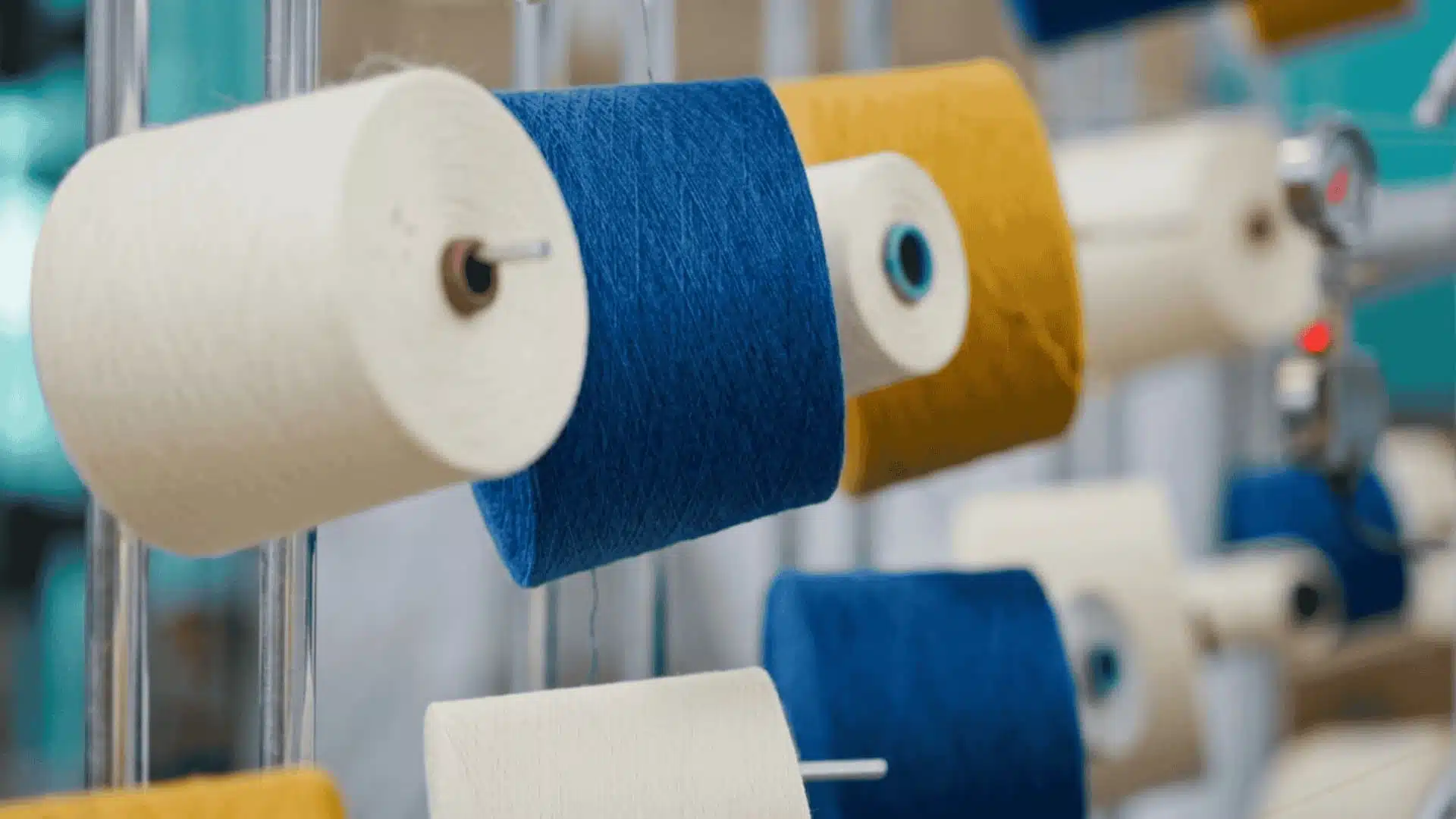
Rayon is made through a simple process that turns natural plant pulp into soft fibers using controlled chemical steps.
- Extract Cellulose: Wood from trees is broken down into pulp. This pulp contains cellulose, the main raw material used to make rayon.
- Turn Into Liquid: The pulp is mixed with chemicals to form a thick liquid called viscose, which is ready for shaping.
- Fiber Formation: This liquid is pushed through tiny holes in a device called a spinneret, forming thin fibers.
- Solidify & Spin: The fibers harden, are spun into threads, and then woven into fabric.
This step-by-step process helps turn natural materials into soft, wearable fabrics used in everyday clothing.
Types of Rayon Fabrics You Should Know
Not all rayon is the same. It comes in different types, each made slightly differently. Take a quick look at the most common ones.
| Type | Feel | Best Used For |
|---|---|---|
| Viscose Rayon | Soft, silk-like | Dresses, blouses, linings |
| Modal | Smooth, stronger | Activewear, underwear |
| Lyocell (Tencel) | Soft, eco-friendly | Sustainable clothing |
| Cuprammonium Rayon | Lightweight, delicate | Mostly phased out now |
Each type has its own strengths, and the right choice depends on whether you value comfort, durability, or sustainability. Among them, viscose is the most common rayon used in everyday clothing.
Benefits of Wearing Rayon
Rayon is a popular fabric choice because it feels comfortable, looks stylish, and works well for everyday wear, especially in warm weather.
- Soft on skin: Rayon feels smooth and gentle, making it comfortable for long hours without irritating sensitive skin.
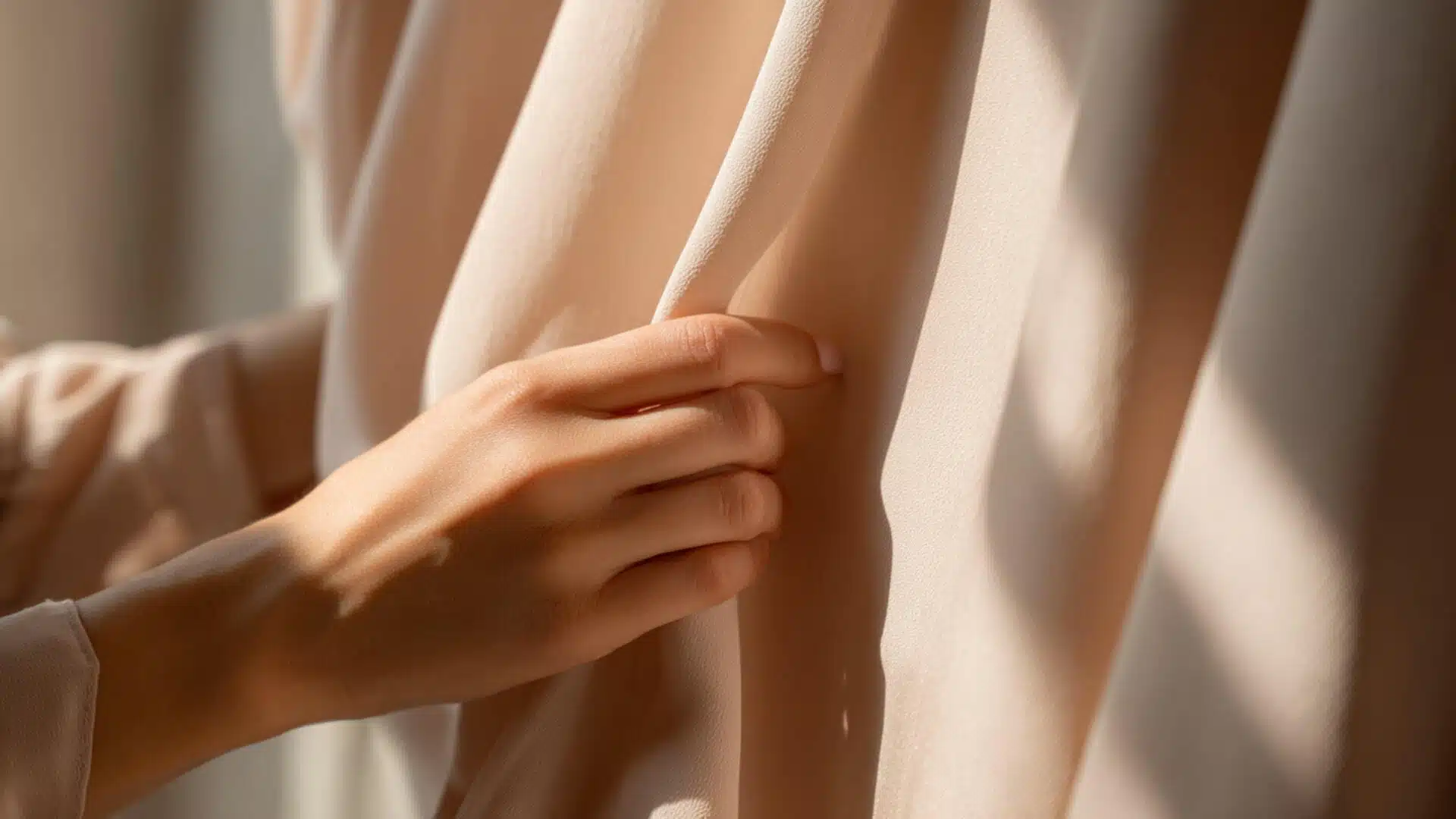
- Breathable fabric: Rayon drapes softly and stays cool on the skin, making it a favorite for everyday wear, especially if you want to understand its real comfort and texture.
- Lightweight feel: Rayon is light and easy to wear, making it perfect for daily outfits like dresses, shirts, and summer clothing.
- Good moisture absorption: It absorbs sweat well, keeping you dry and comfortable, especially in warm climates or during outdoor activities.
- Stylish appearance: Rayon drapes nicely on the body, giving the clothes a clean, elegant look similar to that of more expensive fabrics, such as silk.
Rayon is a great option for everyday wear because it combines comfort, style, and affordability. With proper care, it can stay soft and look good for a long time.
Drawbacks of Wearing Rayon
Rayon feels soft and looks nice, but it also has some downsides. Knowing these drawbacks helps you decide if rayon is the right fabric choice.
- Weak when wet: Rayon can lose strength after washing, making it more prone to stretching, tearing, or losing its original shape.
- Wrinkles easily: The fabric can crease fast, so it may need regular ironing to keep clothes looking neat and fresh.
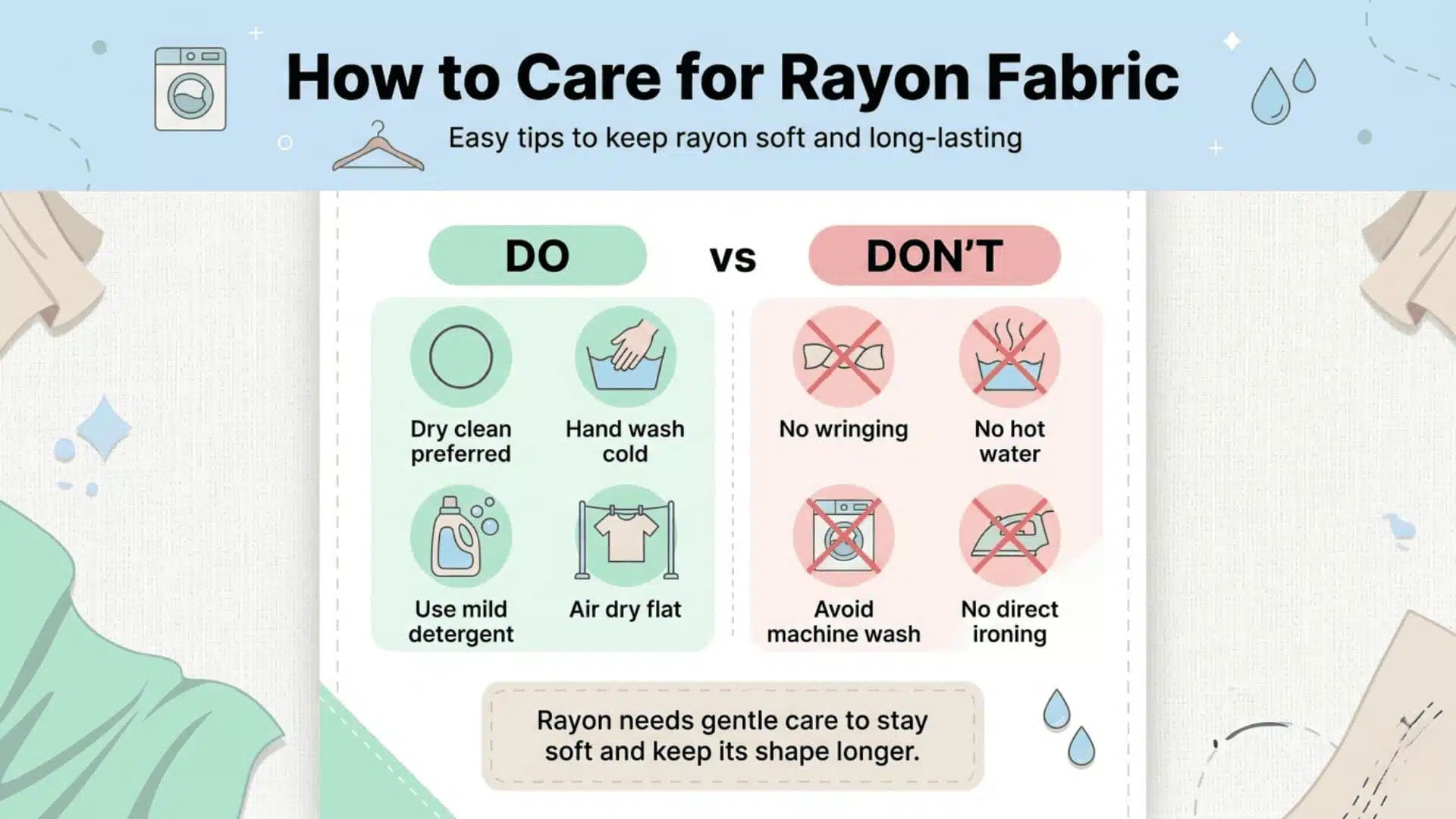
- Needs gentle care: Rayon often requires handwashing or dry cleaning, which can complicate daily care and make it less convenient.
- May shrink: If washed the wrong way, rayon can shrink and no longer fit properly after just a few washes.
- Chemical processing: Rayon is made with chemicals, which can be a concern for people seeking more natural fabric options.
Rayon offers comfort and style, but it is not always easy to maintain. Proper washing and careful use are important if you want it to last longer.
Is Rayon Safe and Eco-Friendly?
Rayon can be safe and eco-friendly, but it depends on the type. Standard viscose rayon is made from plant cellulose, but it undergoes extensive chemical processing.
Because of this, it is often seen as less eco-friendly than fully natural fabrics. It can also affect the environment if the production process is not handled properly.
Lyocell, on the other hand, is considered a better option. It is also made from plant-based cellulose, but it uses a cleaner process that generates less waste and uses fewer harmful chemicals.
This often leads people to ask how sustainable rayon fabric really is. So, rayon is not always bad, but some types, like lyocell, are clearly a more eco-friendly choice.
Final Thoughts
Rayon is a unique fabric; it starts from nature but is shaped by science. It is soft, breathable, and affordable, making it one of the most used fabrics in everyday clothing.
But it also requires careful handling and has some environmental concerns worth knowing about.
Whether you are buying clothes or just curious about what you wear, knowing your fabric always helps you make smarter choices.
Found this helpful? Share it with someone who loves fashion or is just as curious about fabrics as you are. And if you have a question, drop it in the comments below!
Frequently Asked Questions
Is Rayon Natural or Synthetic?
Rayon is semi-synthetic. It comes from natural plant cellulose but undergoes extensive chemical processing before becoming fabric.
Does Rayon Shrink After Washing?
Yes, rayon can shrink when washed incorrectly. Always hand-wash in cold water or dry clean for best results.
Is Rayon Good for Summer?
Yes, rayon is lightweight and breathable, making it a great choice for staying cool and comfortable in hot weather.