
Spotted tiny black specks on your pet, and are not sure what they are?
Those tiny black specks may not be regular dust; they could be signs of flea dirt on your bed. The paper towel flea dirt test is the fastest way to find out at home.
Simply place the specks on a damp paper towel and watch what happens. If they turn reddish-brown, that is digested blood, which is a strong sign of fleas.
It takes less than a minute and gives a clear answer without any guesswork. Here is everything to know about how it works.
What is Flea Dirt and Why Does ot Matter?
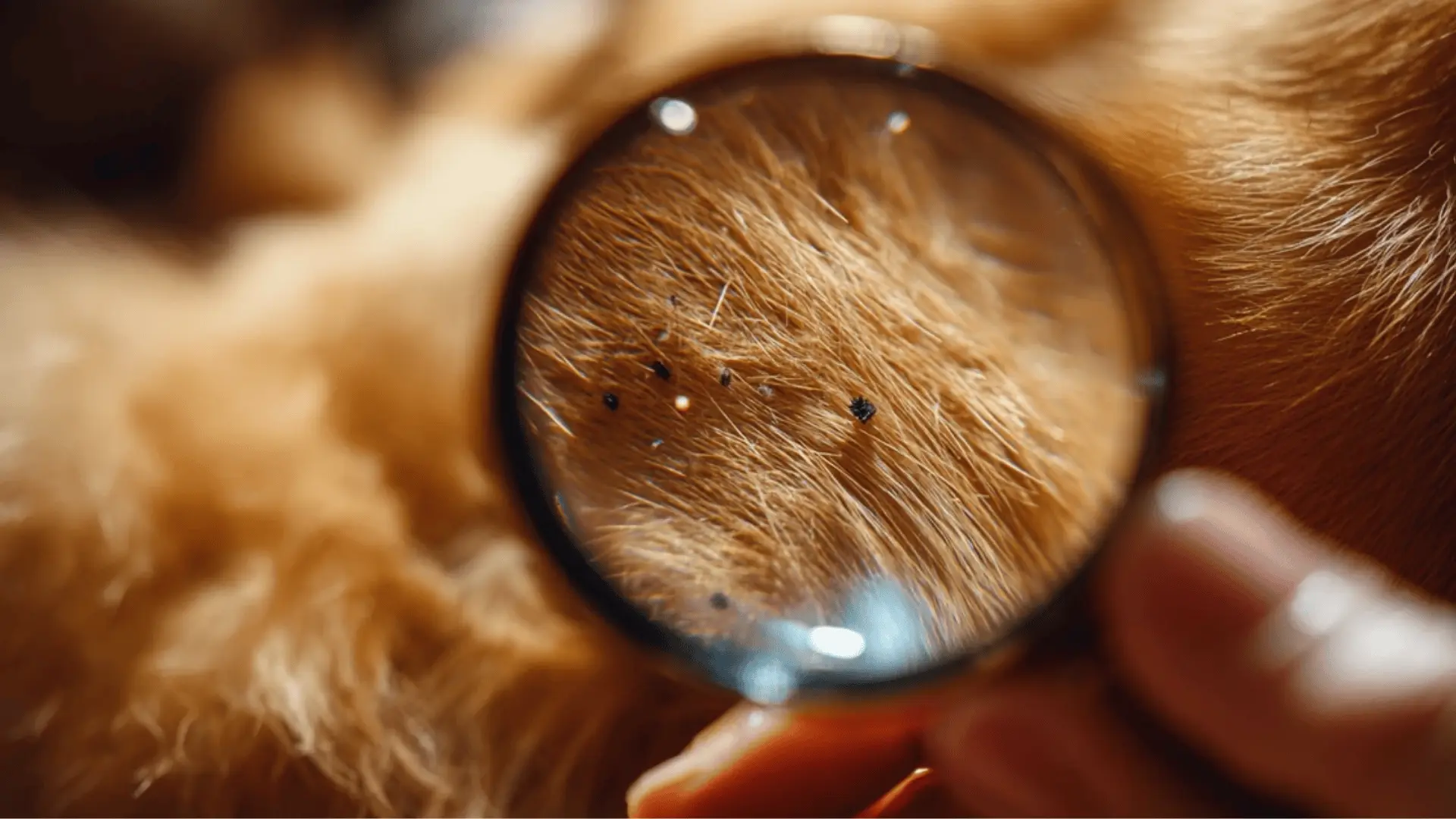
Flea dirt is the waste that fleas leave behind after feeding on your pet. It looks like tiny black or dark brown specks, similar to ground pepper or specks of soil, and is often found on a pet’s skin or fur.
It can be easy to mistake it for regular dirt, which is why many pet owners do not notice it right away.
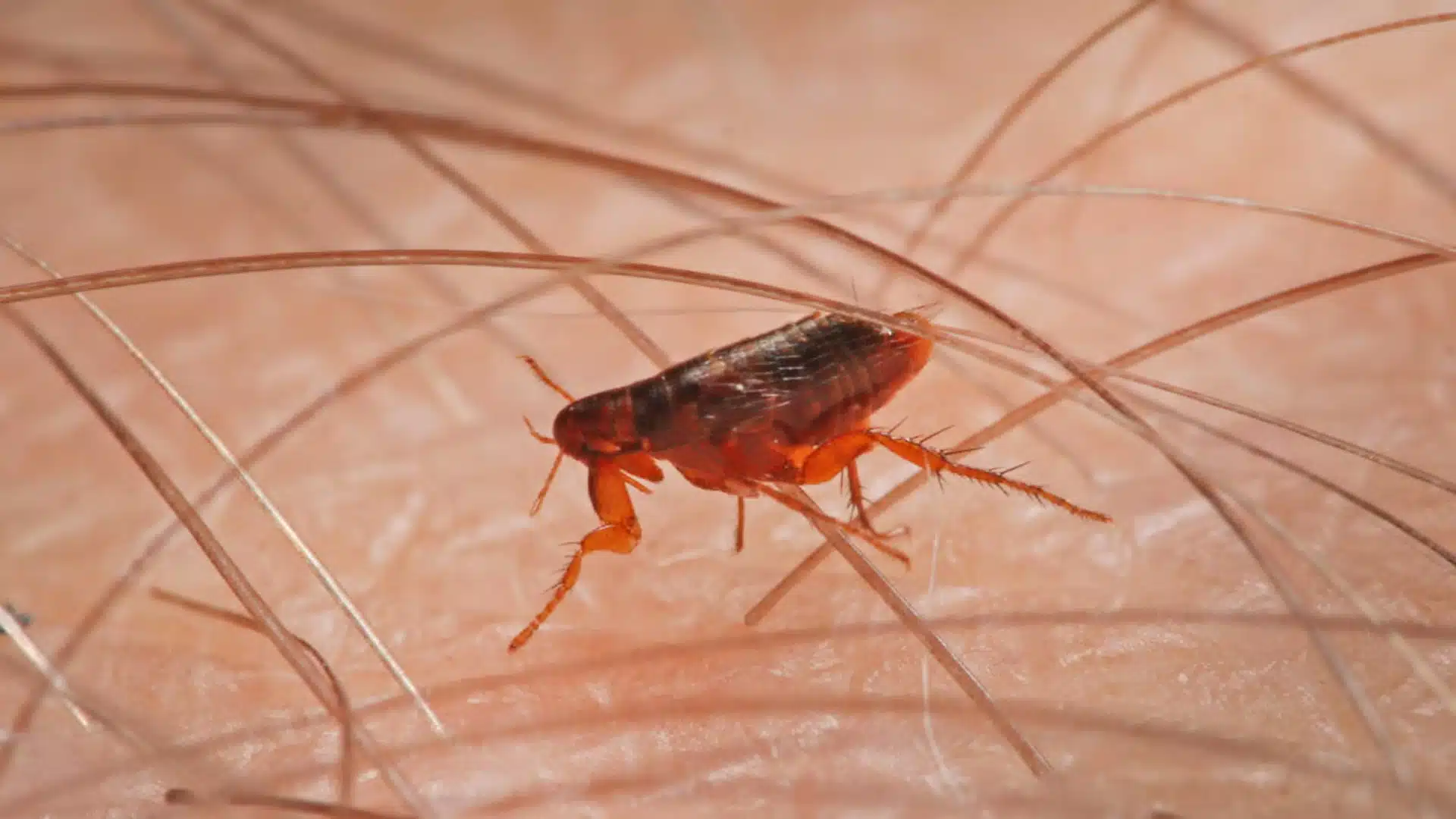
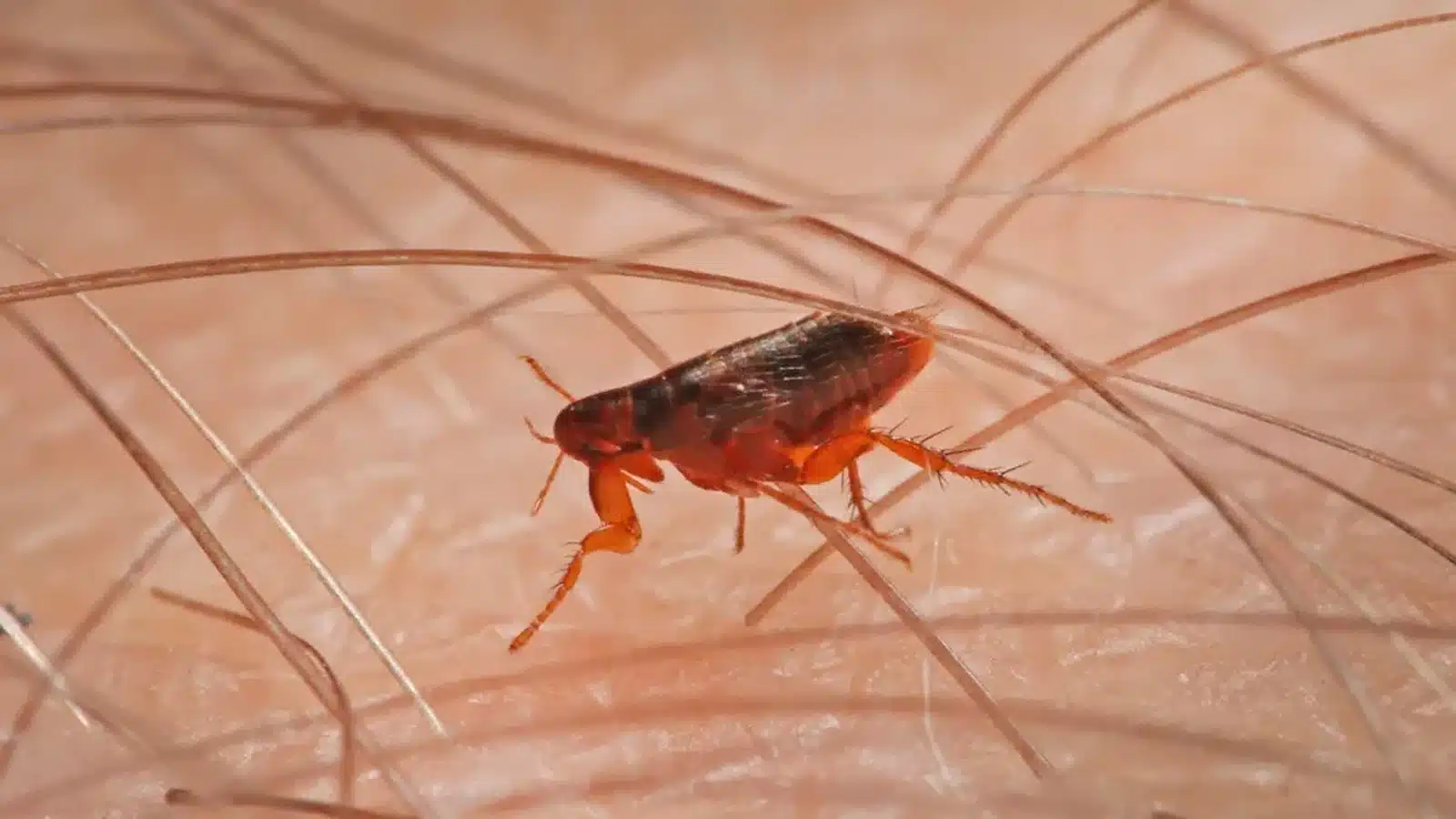
Since flea dirt is made from digested blood, finding it on your pet is a clear sign that fleas have been feeding, even if you have not spotted a flea yet.
What os the Paper Towel Flea Dirt Test?
The paper towel flea dirt test works because flea dirt contains dried blood. When it gets wet, that blood spreads out and turns rust-red or reddish-brown. Regular dirt just dissolves or stays dark, so the color change is the key clue.
| What You Need | Why You Need It |
|---|---|
| White paper towel or tissue | A light background makes the color change easy to spot |
| Flea comb or fine-tooth comb | Collects specks from your pet’s fur quickly |
| Water | A few drops are enough to wet the specks |
| Good lighting | Helps see the color change clearly |
With just these four things, the test can be done at home in under a minute.
The Right Way to Do the Paper Towel Flea Dirt Test
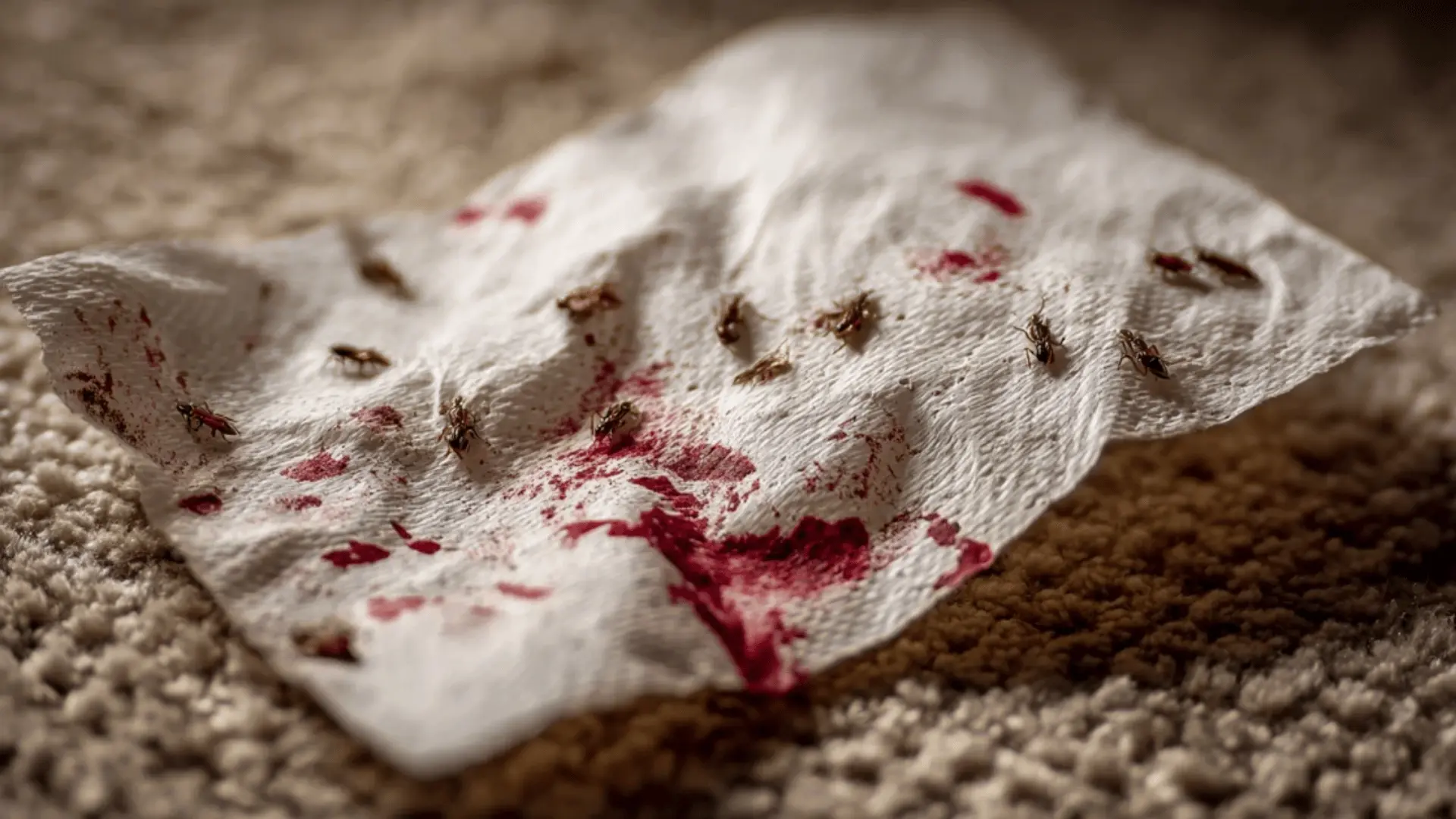
The test is quick and needs no special tools. Follow these four steps to get a clear answer in under a minute.
Step 1: Check the Areas Where Fleas Commonly Hide
Look closely at the neck, tail base, belly, lower back, and behind the ears. These are the spots where flea dirt shows up most often on pets.
Step 2: Collect the Black Specks
Use a flea comb or your fingers to gather any black or dark brown specks from your pet’s fur. A few specks are enough to run the test.
Step 3: Place the Specks on a Damp White Paper Towel
Drop the collected specks onto a damp white paper towel or tissue. Press them down gently and let them sit for a few seconds to absorb the moisture.
Step 4: Watch for a Red or Rust-Brown Smear
If the specks turn reddish-brown or rust-colored, that is flea dirt. If they stay dark or turn grey, the specks are likely just regular dirt.
If the result comes back positive, it is a good idea to check the rest of the home and speak with a vet about next steps.
How to Tell if it is Flea Dirt or Just Regular Dirt?
The easiest way to tell flea dirt apart from regular dirt is the wet paper towel test. Regular dirt stays dark, gray, or muddy when wet, while flea dirt turns reddish-brown because it contains dried blood.
Dandruff looks different, too, since it is usually white or flaky and will not leave a red smear. Flea dirt can also show up on a pet before any live fleas are spotted, so a positive result is still worth taking seriously.
Other Methods to Check for Fleas on Your Pets
The paper towel test is not the only way to check. Here are a few other simple methods that work well for dogs and cats.
- Run a flea comb slowly through your pet’s fur to pick up both live fleas and flea dirt hiding close to the skin.
- Watch for constant scratching, biting at the fur, or patches of hair loss, as these are common signs of a flea problem.
- Part your pet’s fur and look at the skin directly for any red, irritated, or raw spots that were not there before.
Using multiple methods provides a much clearer picture of what is happening with your pet.
Where Else to Check for Fleas in Your Home?

Fleas do not stay on pets alone. Pet bedding is one of the first places to check since fleas gather where animals sleep the most.
Carpets and rugs also trap flea dirt and eggs deep in the fibers, making them easy to miss. Upholstered furniture like sofas and chairs can harbor fleas, too, especially where pets sit often.
Indoors, check along baseboards and cracks. Outside, shaded spots where pets rest are also worth a close look.
What to Do After a Positive Flea Dirt Test and When to Get Help?
A positive result means it is time to act quickly. Fleas multiply fast, so the sooner treatment starts, the easier it is to get things under control.
- Treat Your Pet First: Use a vet-approved flea shampoo, topical treatment, or oral product to start clearing fleas from your pet right away.
- Wash All Bedding: Wash your pet’s bedding and any soft covers in hot water to kill flea eggs and dirt left behind.
- Vacuum Thoroughly And Often: Vacuum carpets, rugs, and furniture regularly and empty the vacuum outside to stop fleas from spreading back indoors.
- Treat The Home Too: Treating only the pet is not enough. Use a home flea spray or powder on carpets, furniture, and baseboards to clear the rest of the infestation.
If home treatment is not working after a few weeks, or if your pet is scratching severely or developing skin problems, it is time to call a vet.
If fleas keep coming back despite regular treatment, a pest control expert may be needed to fully eliminate them from the home.
Conclusion
The paper towel flea dirt test is one of the fastest ways to confirm whether black specks on your pet are flea dirt. It takes less than a minute and requires no special tools.
Catching flea dirt early means treatment can start sooner, which protects both your pet and your home.
Have you tried this test on your pet? Share what happened in the comments and help other pet owners know what to look for.