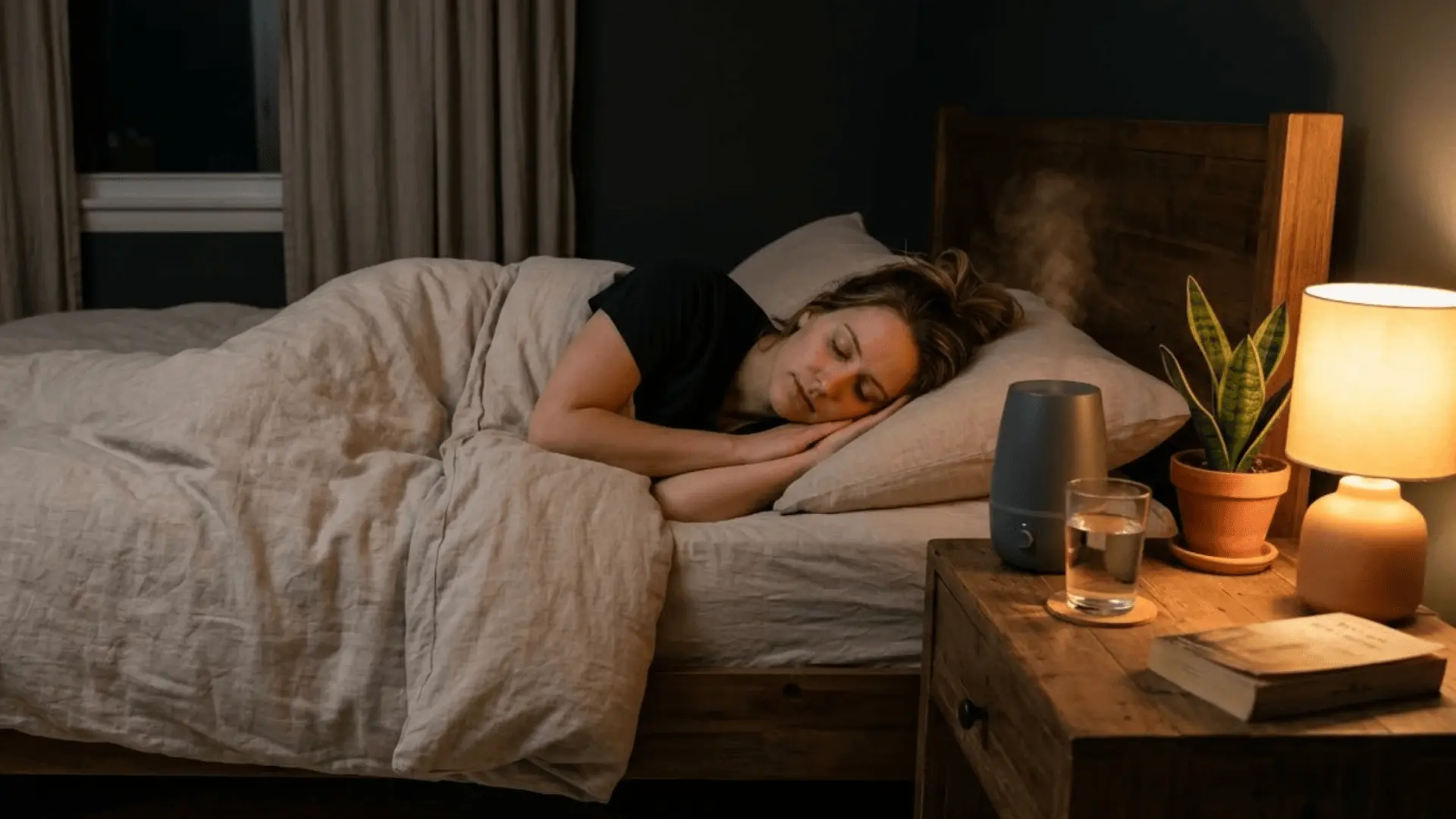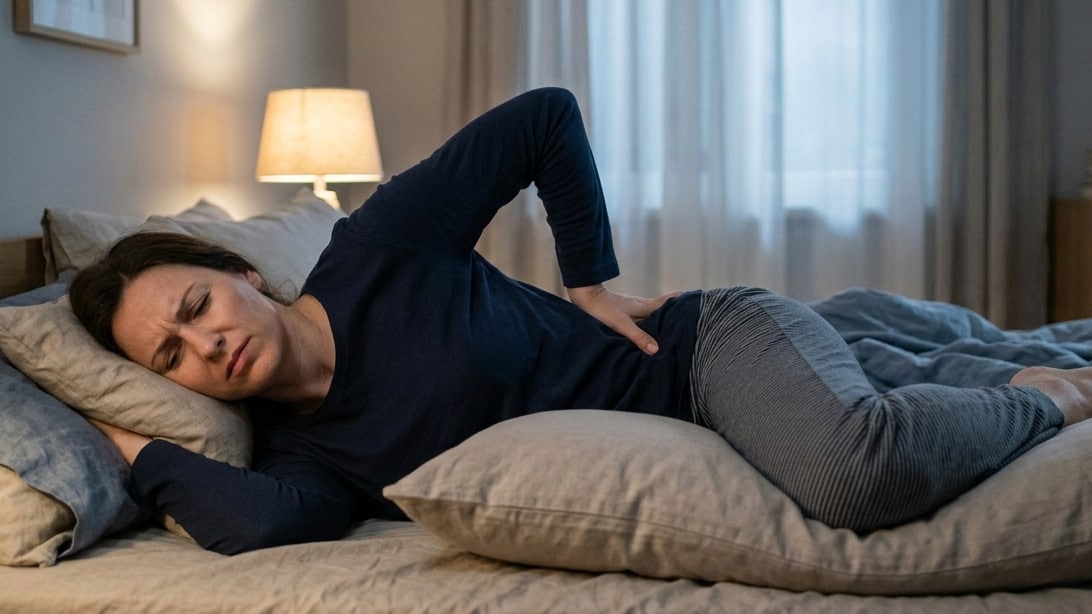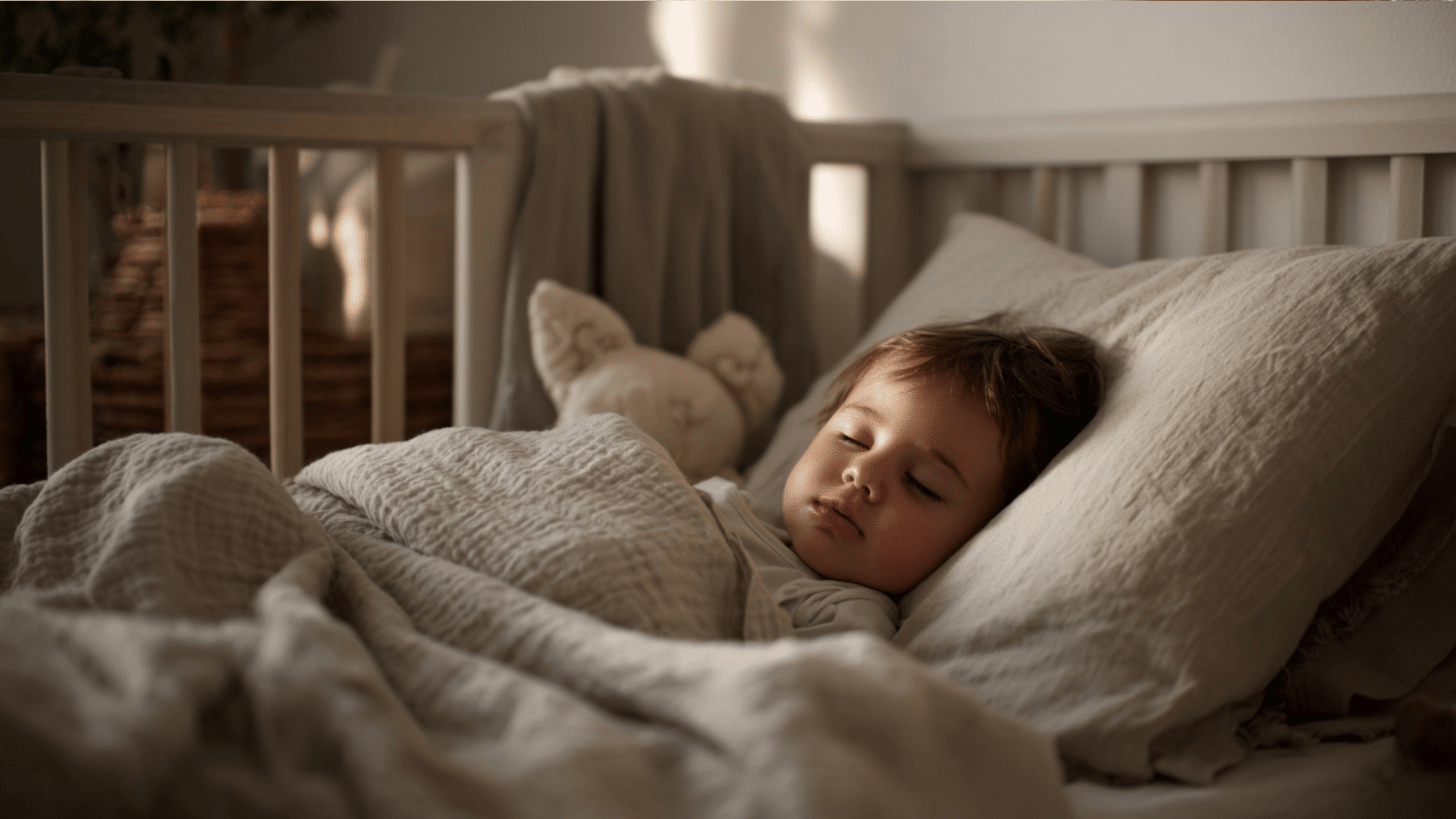

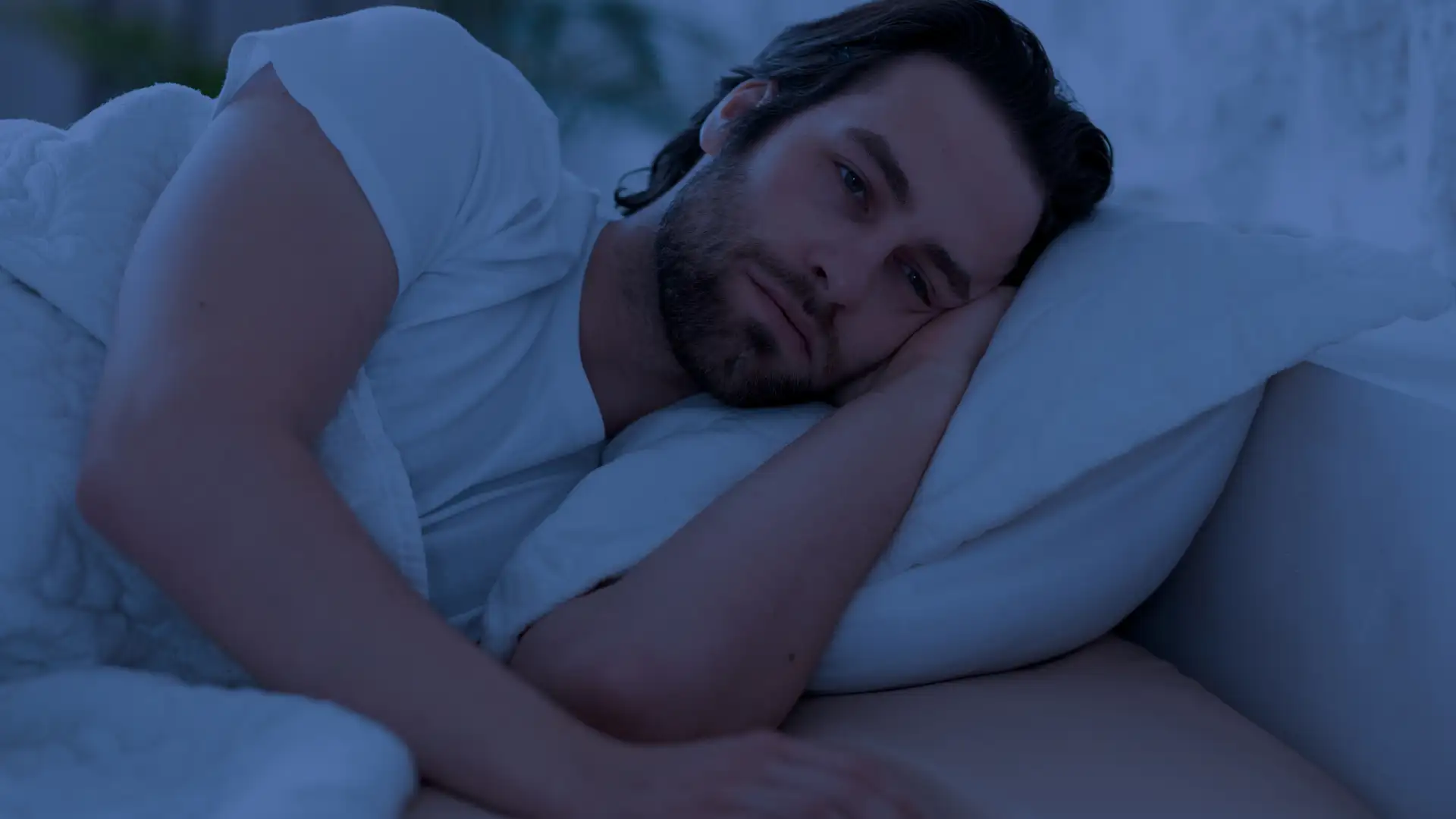
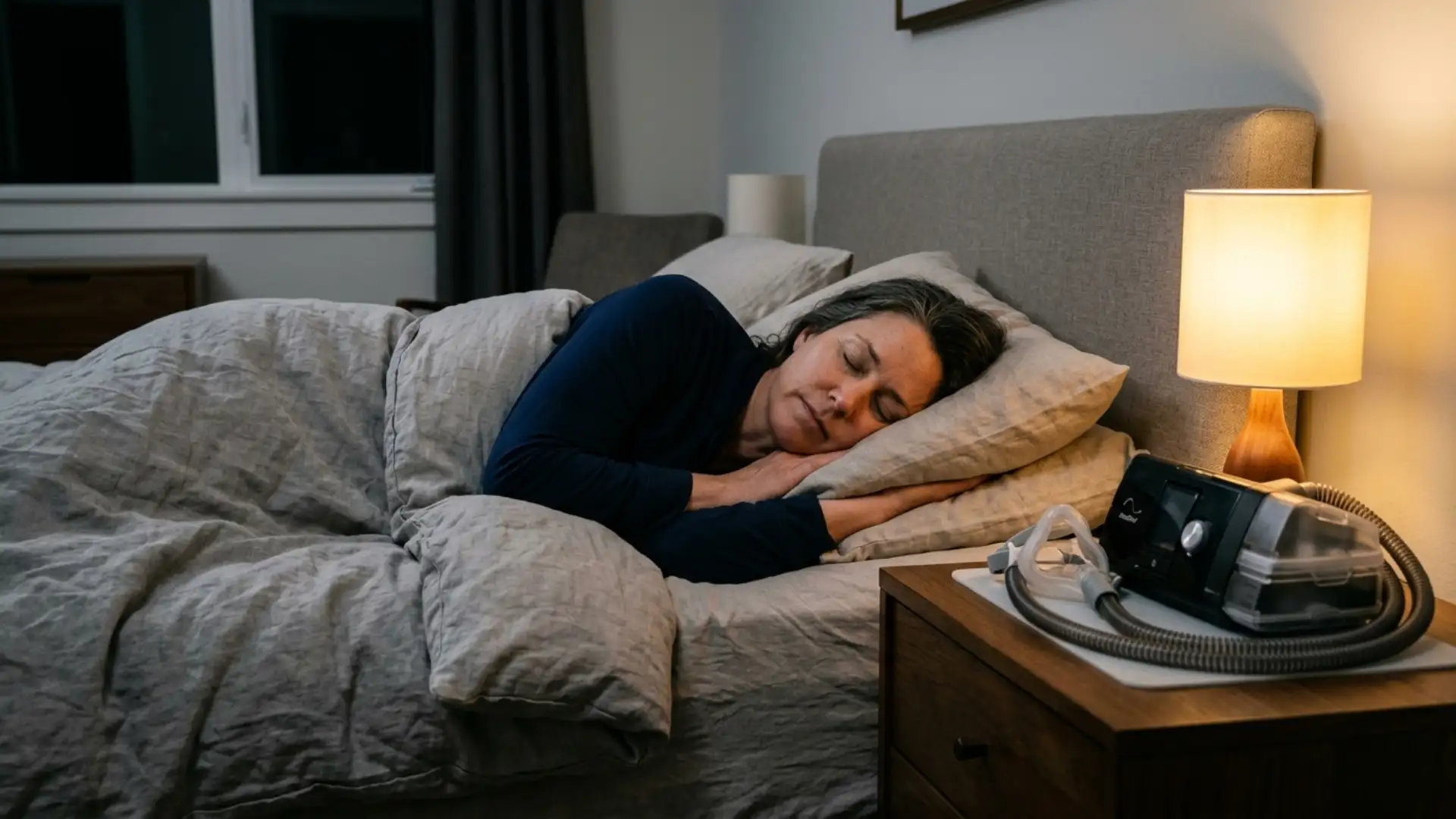
Waking up tired, dealing with morning headaches, or hearing from a partner that you snore or stop breathing at night can be signs of sleep apnea, especially when symptoms like snoring and breathing interruptions during sleep become apparent.
This common sleep disorder often goes unnoticed, even though it can affect your energy, focus, mood, and long-term health.
Many people look for sleep apnea natural remedies when they want relief before getting diagnosed, while others try home remedies to support medical care.
In mild cases, certain lifestyle changes may help ease symptoms.
But ongoing snoring, choking, dry mouth, or daytime exhaustion should not be ignored, because the right treatment can greatly improve sleep and overall well-being.
What Is Sleep Apnea?
Sleep apnea is a sleep disorder that causes breathing to stop and start during sleep. These pauses can last several seconds and may happen many times each hour.
Many people do not notice the problem because it occurs while they are asleep. The most common type is obstructive sleep apnea. It happens when the throat muscles relax and block the airway.
Another type, central sleep apnea, occurs when the brain does not send proper signals to control breathing.
Some people have complex sleep apnea, which includes features of both types. Common signs include loud snoring, gasping for air during sleep, morning headaches, dry mouth, and strong daytime tiredness.
Risk factors include excess weight, nasal blockage, alcohol use, and certain jaw or throat structures.
Home Remedies for Sleep Apnea
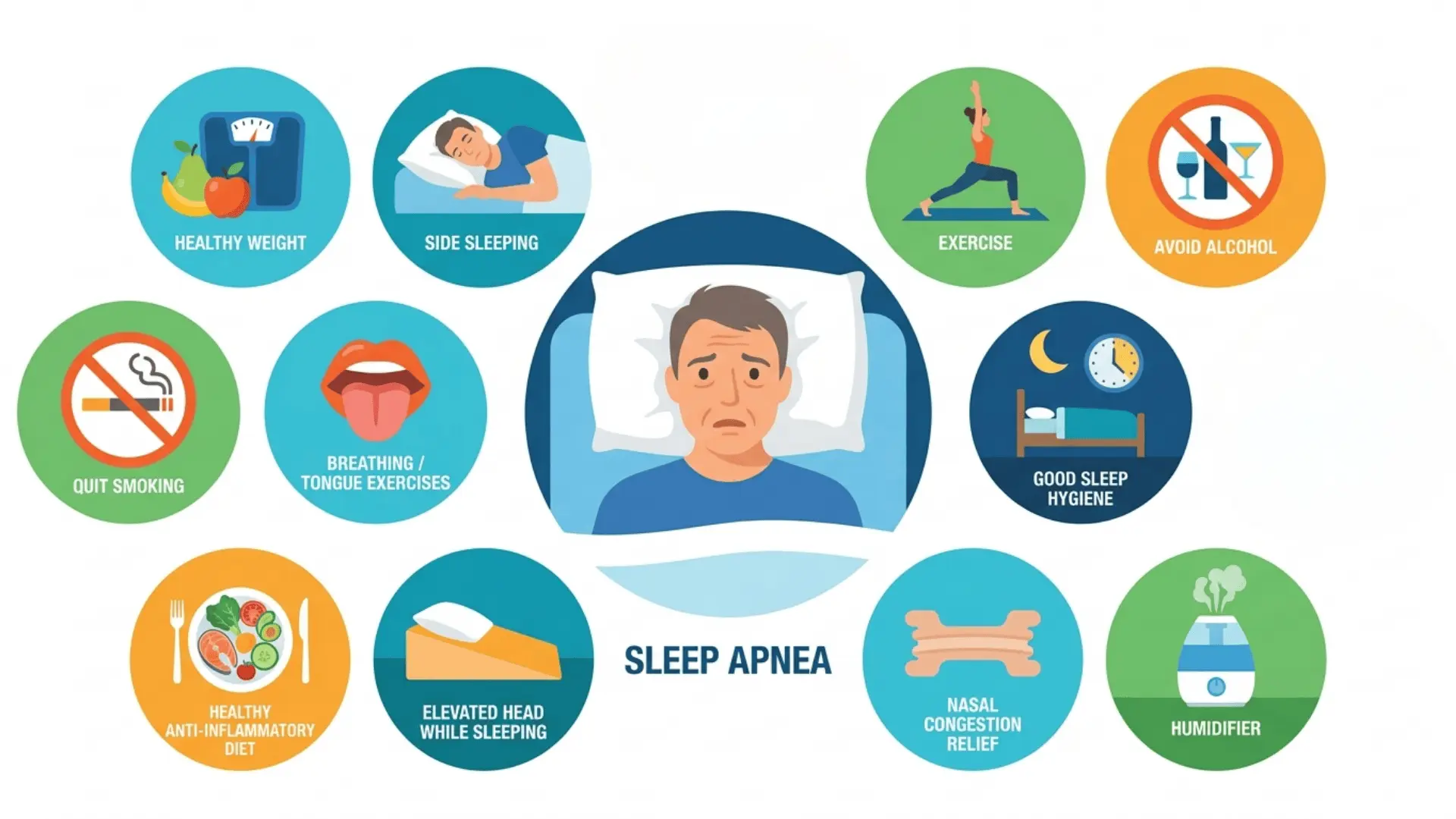
These remedies may help reduce symptoms, improve sleep quality, and improve nighttime breathing, especially for people with mild obstructive sleep apnea or those already receiving medical treatment.
1. Maintain a Healthy Weight
Excess body weight, particularly around the neck and upper airway, increases pressure on the throat muscles, increasing the likelihood of their collapse during sleep.
Even a modest weight loss can reduce the severity of sleep apnea. A balanced diet, reduced intake of processed foods, and regular physical activity all support healthy weight management.
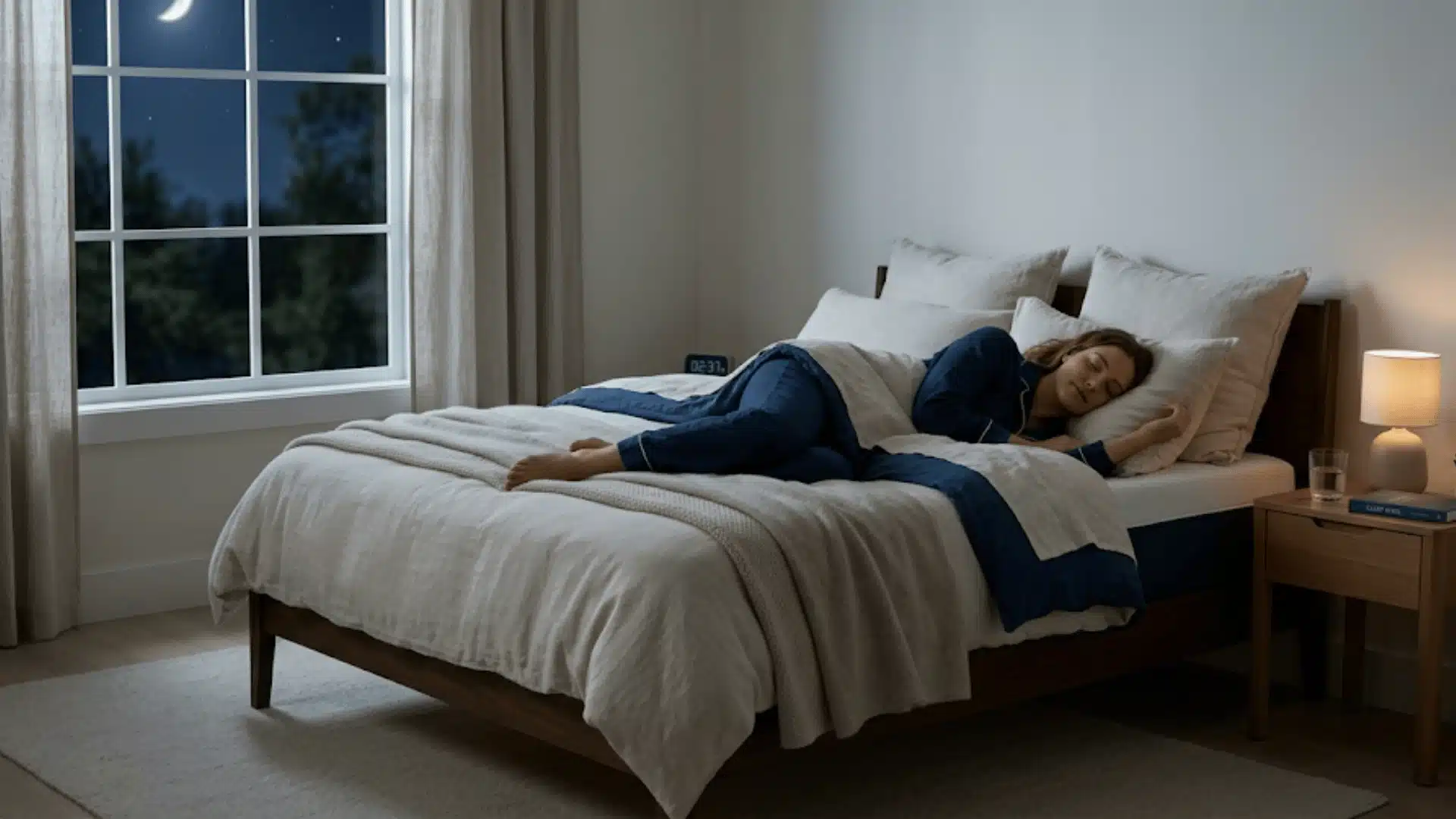
2. Sleep on Your Side
Sleeping on the back allows the tongue and soft tissues to fall backward, narrowing the airway and increasing breathing interruptions. Side sleeping helps keep the airway more open and may reduce snoring and apnea episodes.
Many people notice fewer breathing pauses when they stay on their side. If you tend to roll onto your back at night, a wedge pillow or a tennis ball sewn into a snug T-shirt can help maintain a side position.
3. Exercise Regularly
Regular physical activity supports weight control, improves muscle tone, and helps maintain healthier breathing patterns during sleep. Exercise can reduce the severity of sleep apnea symptoms, especially when excess weight is a contributing factor.
Activities like walking, cycling, strength training, yoga, and breathing-focused exercises may also strengthen muscles that support the airway and promote better overall sleep quality.
4. Avoid Alcohol Before Bed
Alcohol relaxes the throat muscles, increasing the risk of airway blockage during sleep. This can worsen snoring and breathing pauses in people with sleep apnea.
Avoiding alcohol before bed may help reduce nighttime breathing disruptions. Sedatives and some sleep medications can have similar effects, so regular use should be discussed with a healthcare professional.
5. Stop Smoking
Tobacco smoke irritates and inflames the tissues lining the airways, leading to increased swelling, mucus production, and airway resistance.
Smoking is also linked to a higher risk of developing sleep-disordered breathing overall. Quitting is one of the most impactful steps a person with sleep apnea can take, as airway inflammation gradually decreases after stopping.
6. Improve Sleep Hygiene
Healthy sleep habits support more consistent, restful sleep and may help reduce nighttime breathing disruptions. Going to bed and waking up at the same time each day helps regulate the body’s internal clock.
Keeping the bedroom cool, dark, and quiet also promotes better rest. Limiting screen use before bed and following a relaxing pre-sleep routine can further support steady breathing and improved sleep quality.
7. Use a Humidifier
Dry air can irritate the airways and worsen nighttime congestion, making nasal breathing more difficult during sleep. Using a humidifier adds moisture to the air, which may ease throat dryness and nasal irritation.
This can make breathing more comfortable overnight. Some people add essential oils like eucalyptus or lavender, but the primary benefit comes from maintaining adequate humidity in the room.
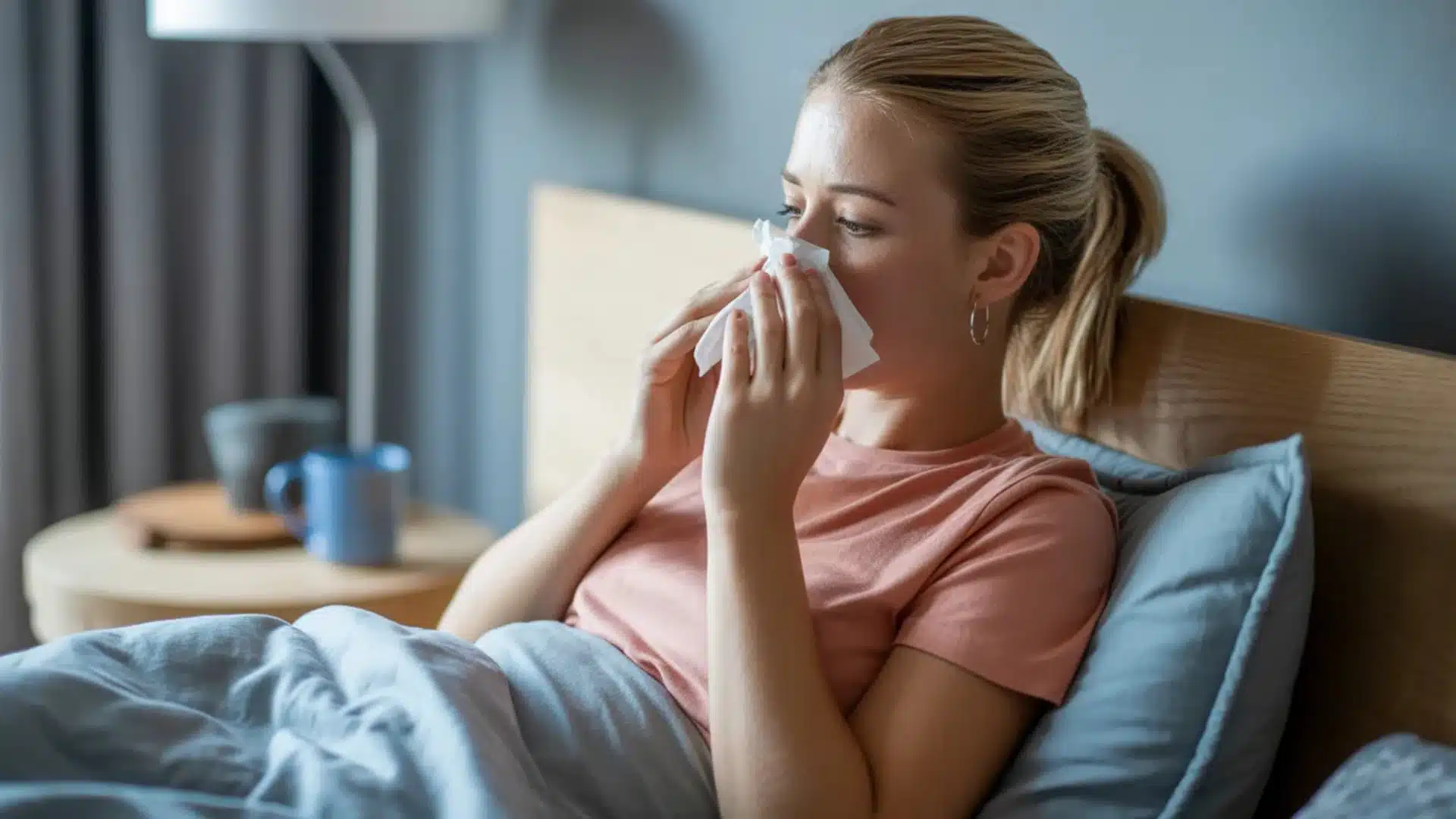
8. Relieve Nasal Congestion
Nasal congestion forces mouth breathing during sleep, which can significantly worsen sleep apnea symptoms.
Keeping the nasal passages as clear as possible helps maintain better airflow throughout the night. Useful tools include saline rinse, nasal sprays, nasal strips, and dilator devices.
Addressing underlying allergies that cause chronic stuffiness can also make a meaningful difference.
9. Elevate Your Head While Sleeping
Slightly raising the head of the bed helps prevent the tongue and soft tissues from collapsing into the airway during sleep.
A bolster pillow, wedge pillow, or adjustable bed frame can all provide this support. This approach works best for people whose symptoms worsen when lying flat and pairs well with side sleeping.
10. Follow a Healthy, Anti-Inflammatory Diet
A diet built around whole foods, vegetables, fruits, lean proteins, whole grains, and healthy fats supports weight management, reduces systemic inflammation, and promotes better sleep health.
Cutting back on heavily processed foods, refined sugar, and excessive sodium may also address underlying contributors to sleep apnea. Avoid heavy meals and caffeine in the hours before bed.
11. Try Breathing, Tongue, and Throat Exercises
Mouth and throat exercises, sometimes called oropharyngeal exercises, help strengthen the muscles that support the airway during sleep.
Targeted movements like tongue slides, tongue-to-palate holds, soft palate lifts, and controlled breathing repetitions tone these muscles over time.
Studies show consistent practice may lead to fewer apnea events, reduced snoring, and better overall sleep quality.
Myofunctional Therapy for Sleep ApneaSome of the breathing and tongue exercises above fall under myofunctional therapy, a structured approach that trains the muscles of the mouth, tongue, throat, and face. It aims to improve tongue posture, support nasal breathing, and strengthen the airway during sleep. Common exercises include tongue slides, tongue-to-palate holds, soft palate lifts, exaggerated vowel sounds, and diaphragmatic breathing. With regular practice, it may help reduce snoring and support better airflow in some people. |
Risks of Untreated Sleep Apnea
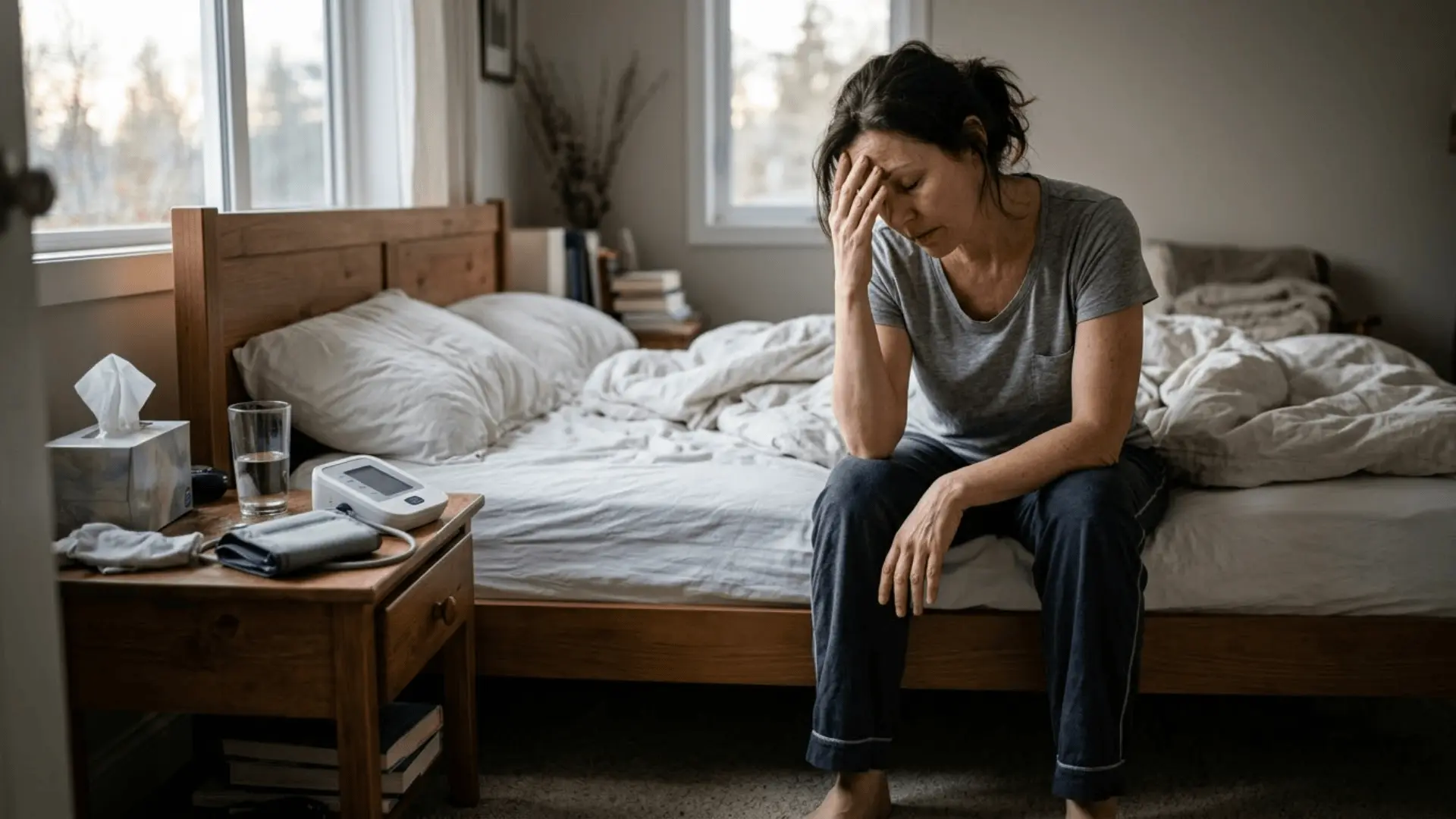
Untreated sleep apnea affects much more than sleep quality. Over time, it can harm your heart, brain, mood, and metabolism.
- Heart and Blood Pressure Problems: Repeated breathing pauses lower oxygen levels and place ongoing strain on the cardiovascular system, increasing the risk of serious heart conditions.
- Daytime Fatigue and Accident Risk: Fragmented sleep can lead to daytime sleepiness, slower reaction times, poor focus, and a greater risk of accidents.
- Mood and Mental Health Effects: Ongoing sleep disruption may worsen mood, memory, and concentration, and is often associated with anxiety, depression, and irritability.
- Metabolic and Long-Term Health Risks: Sleep apnea is linked with insulin resistance, higher blood sugar, metabolic syndrome, and a greater risk of type 2 diabetes.
Ignoring symptoms can allow these complications to build slowly, making early diagnosis and proper treatment important for long-term health protection.
When to Seek Medical Treatment for Sleep Apnea
Medical help is important if symptoms suggest more than simple snoring. Loud, frequent snoring, pauses in breathing noticed by a partner, or waking up gasping or choking during the night are common warning signs.
Ongoing daytime sleepiness, morning headaches, dry mouth, and trouble focusing may also point to sleep apnea.
High, difficult-to-control blood pressure can be another clue. People with obesity, heart disease, or existing high blood pressure should be especially careful if these symptoms appear.
A medical evaluation can confirm the problem and rule out other sleep issues. Early diagnosis allows proper treatment and may lower the risk of heart problems, poor sleep quality, and ongoing fatigue.
Diagnosis and Treatment for Sleep Apnea
Proper diagnosis is essential for effectively treating sleep apnea. Medical evaluation helps confirm the condition and determine the most appropriate treatment.
How Sleep Apnea Is Diagnosed
Doctors usually begin with a review of symptoms, medical history, and a physical exam.
Diagnosis is confirmed through a sleep study, either in a sleep lab (polysomnography) or with a home sleep apnea test that monitors breathing patterns, oxygen levels, and sleep stages.
Medical Treatments for Sleep Apnea
Treatment depends on severity. CPAP therapy is the most common option for moderate to severe cases.
Other treatments include custom oral appliances, positional therapy, and surgery in selected situations to help keep the airway open.
Can Natural Remedies Replace Medical Treatment?: Natural remedies may ease mild symptoms, but they rarely replace medical treatment. They work best as supportive strategies alongside proper care.
What You Can Do in the Meantime
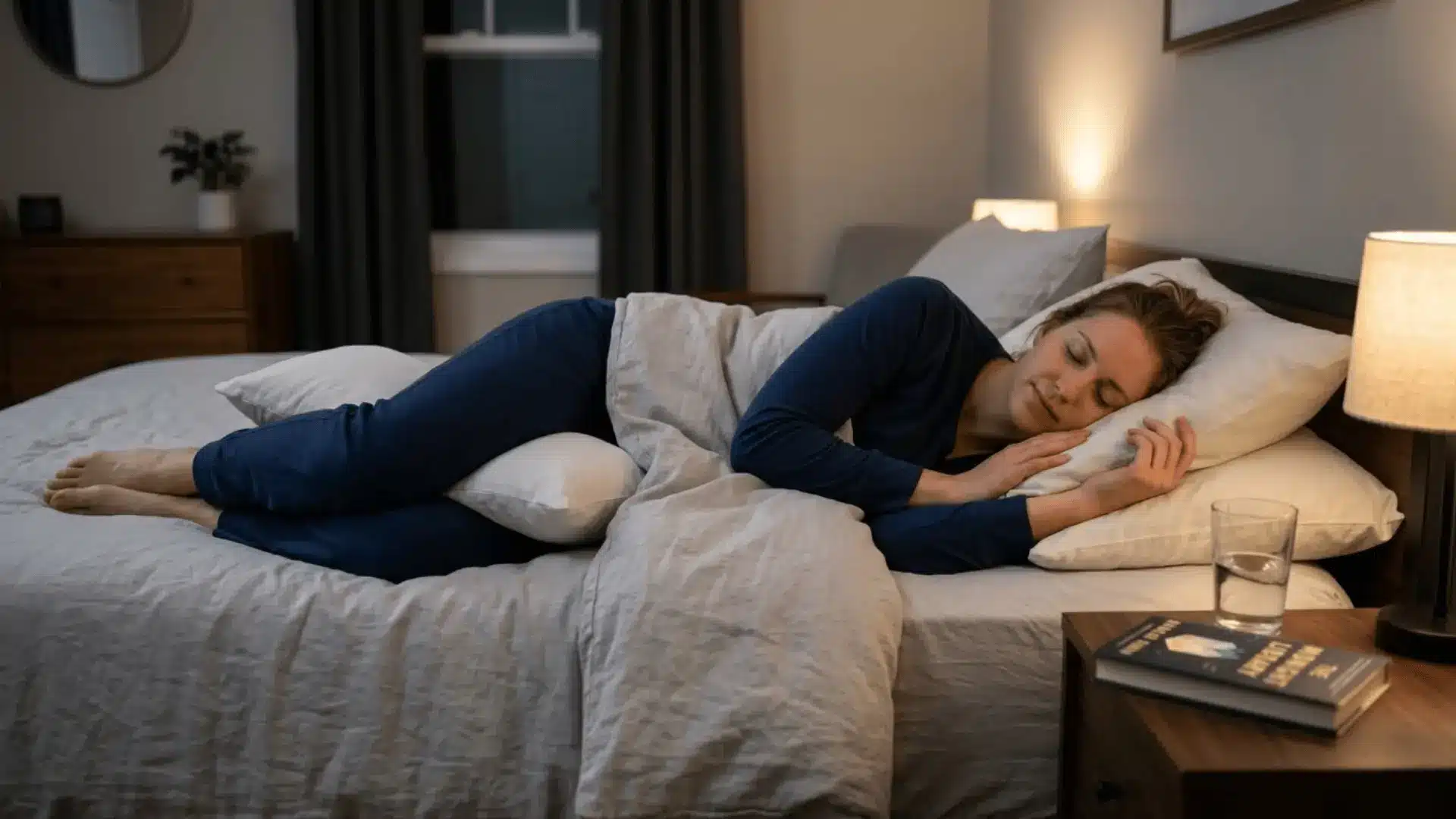
If you are waiting for an appointment or a sleep study, there are practical steps you can take right now.
Sleep on your side. Avoid alcohol and sedatives before bed. Address any nasal congestion. Stick to a consistent sleep schedule.
Work toward healthy weight loss if excess weight is a factor. Begin practicing tongue and throat exercises.
Just as importantly, avoid self-diagnosing based on snoring alone, do not dismiss persistent daytime sleepiness as simply being “tired,” and do not rely on snoring remedies if breathing pauses are also present.
Final Thoughts
Sleep apnea natural remedies, such as sleeping on the side, weight management, nasal care, and breathing exercises, may help improve sleep quality and ease symptoms for some people.
These changes can be a helpful place to start, especially in mild cases or while waiting for a professional evaluation.
Still, lasting improvement often begins with understanding what is causing the problem and choosing the right treatment plan.
If snoring, choking, or daytime exhaustion continue, do not brush them off.
Speak with a healthcare provider, ask about a sleep assessment, and take the next step toward quieter nights, steadier breathing, and better rest.
DisclaimerThis article is for informational purposes only and does not constitute medical advice. Always consult a qualified healthcare provider for diagnosis and treatment recommendations. |
Frequently Asked Questions (FAQs)
Is Snoring Always a Sign of Sleep Apnea?
No. Snoring alone is common, but snoring with choking, gasping, or fatigue may suggest sleep apnea.
Can Sleep Apnea Go Away on Its Own?
Usually not. Mild symptoms may improve with lifestyle changes, but the condition rarely resolves without addressing underlying causes.
Can Children Have Sleep Apnea Too?
Yes. Children can have sleep apnea, often associated with enlarged tonsils, mouth breathing, restless sleep, or behavioral changes.
Are Nasal Strips Useful for Sleep Apnea?
Nasal strips may improve airflow and comfort, but they do not address the airway collapse that causes obstructive sleep apnea.