





When shopping for a new mattress, weight might not be the first thing on your mind, but it’s more important than you might think.
Understanding mattress weight helps you prepare for delivery day, ensures your bed frame can handle the load, and gives you insight into the mattress’s construction quality.
Even if you’re moving into a new apartment, upgrading to a larger size, or simply curious about what makes some mattresses heavier than others, this comprehensive guide covers everything you need to know.
From lightweight foam options to hefty hybrid constructions, we’ll break down weights by type, size, and thickness.
Helping you make an informed decision that fits both your comfort needs and practical considerations.
How Much Does a Mattress Weigh?
Mattress weights typically range from 40 to 180 pounds, depending on size, materials, and construction.
A twin mattress usually weighs between 40-60 pounds, while a California king can reach 120-180 pounds.
Memory foam mattresses tend to be heavier due to their dense construction, while innerspring models vary based on coil count and padding layers.
Hybrid mattresses, combining foam and springs, often fall in the middle weight range.
Thickness also plays a significant role, with each additional inch potentially adding 10-20 pounds, depending on the materials used.
Does Mattress Weight Really Matter?
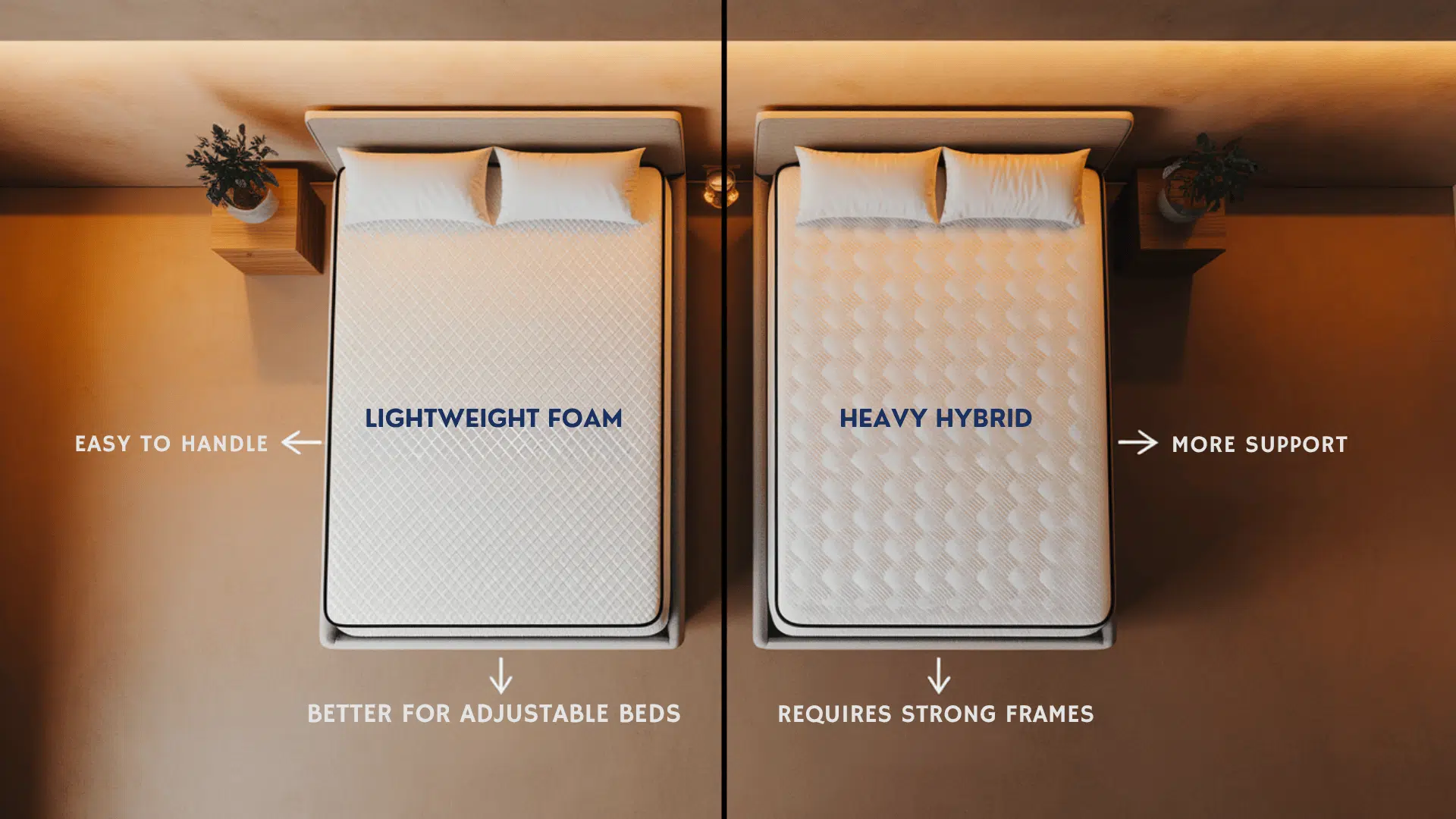
Mattress weight significantly impacts your daily life in several ways. Heavier mattresses require more people for setup and moving, which affects delivery logistics and future relocations.
Weight also indicates material density and construction quality, with denser mattresses often providing better support and longevity.
Your bed frame must support the combined weight of the mattress and sleepers, especially important for platform beds and adjustable bases.
Storage beds with lifting mechanisms have weight limits that lighter mattresses accommodate better.
Consider your living situation, physical capabilities, and long-term plans when evaluating mattress weight.
How Much Does Every Type of Mattress Weigh?
Different mattress types vary significantly in weight due to their unique construction materials and manufacturing processes.
The following breakdown examines each major mattress category with detailed weight ranges across all sizes.
| Mattress Type | Twin (38″×75″) | Full (54″×75″) | Queen (60″×80″) | King (76″×80″) | Cal King (72″×84″) |
|---|---|---|---|---|---|
| Memory Foam | 45-65 lbs | 60-80 lbs | 70-90 lbs | 90-120 lbs | 85-115 lbs |
| Innerspring | 40-60 lbs | 55-75 lbs | 65-85 lbs | 80-110 lbs | 75-105 lbs |
| Hybrid | 50-70 lbs | 65-90 lbs | 80-110 lbs | 100-140 lbs | 95-135 lbs |
| Latex | 55-75 lbs | 70-95 lbs | 85-115 lbs | 110-150 lbs | 105-145 lbs |
| Airbed | 35-55 lbs | 50-70 lbs | 60-80 lbs | 75-100 lbs | 70-95 lbs |
Understanding these weights helps you anticipate delivery requirements and long-term handling needs.
1. Memory Foam Mattress Weight
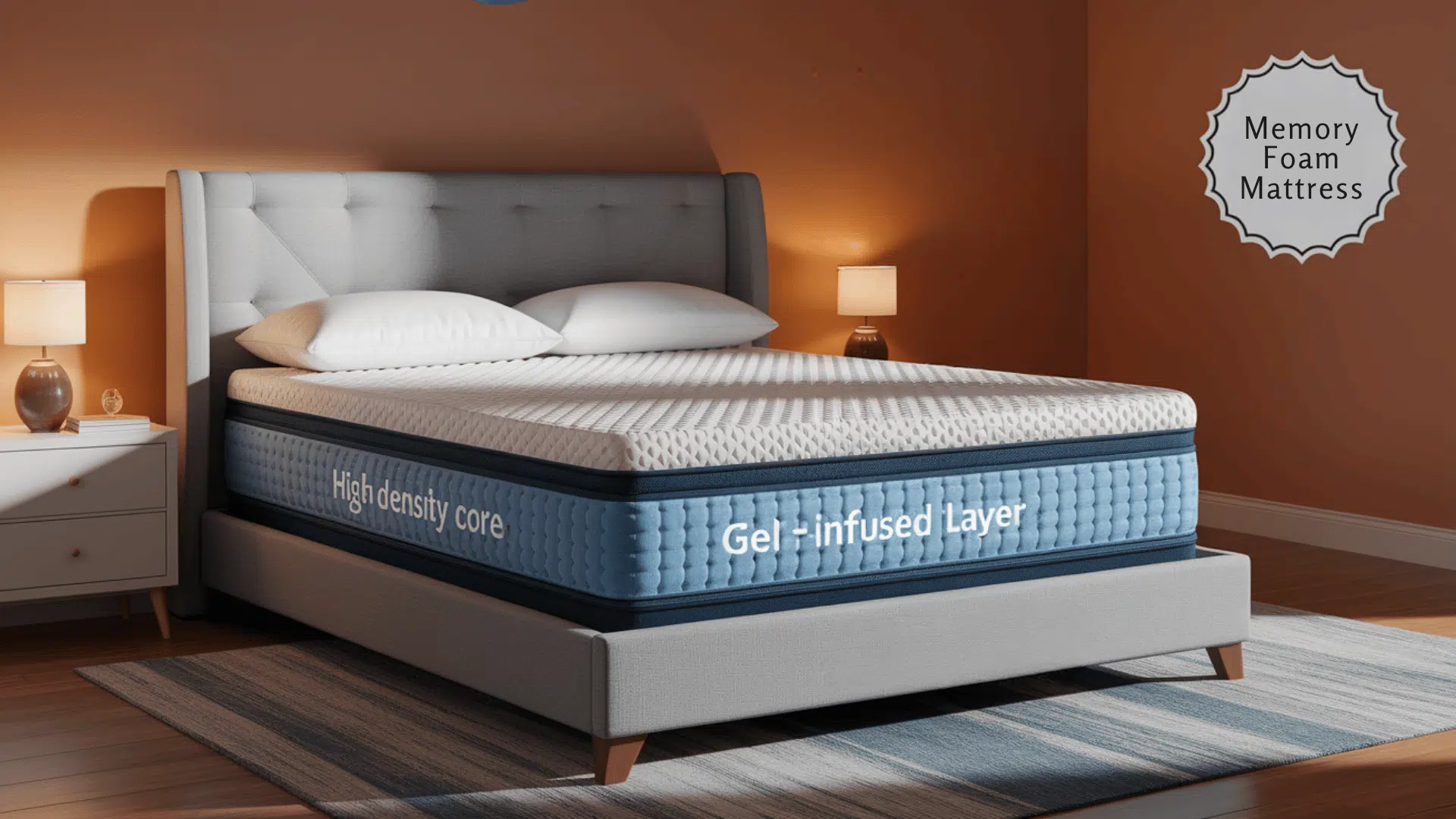
Memory foam mattresses are among the heaviest due to their dense polyurethane construction. High-density foams provide better support but increase weight significantly.
Gel-infused memory foam adds extra weight through cooling gel beads or layers. Multi-layer constructions with different foam densities create varying weights within the same brand.
Premium memory foam mattresses often weigh more than budget options due to higher-quality, denser materials. The slow-response nature of memory foam requires substantial material density, contributing to overall heaviness.
2. Innerspring Mattress Weight
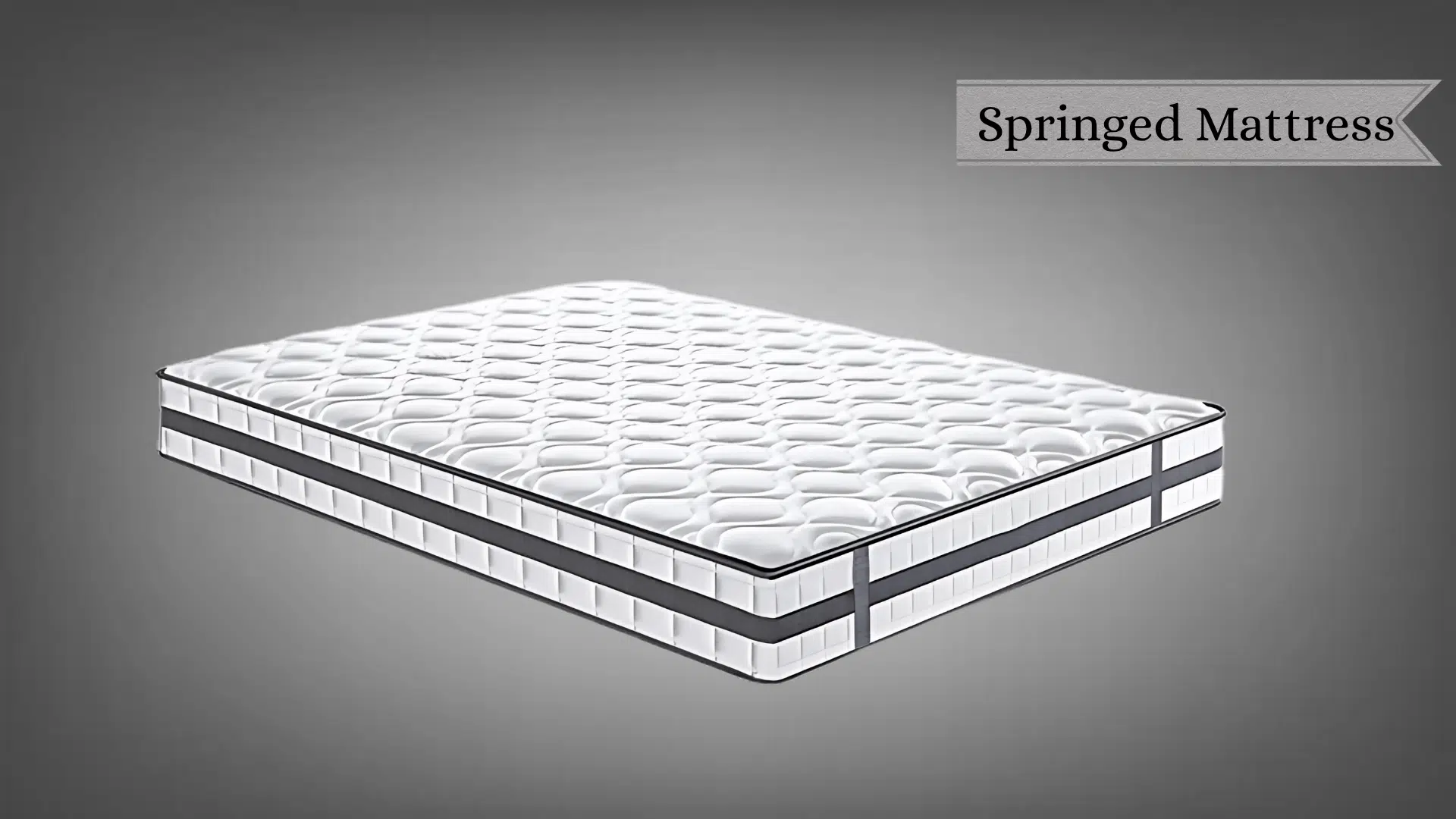
Traditional innerspring mattresses vary widely in weight based on coil count, gauge, and padding layers. Higher coil counts increase weight but improve support and durability.
Pillow-top innersprings add significant weight through extra padding layers. Pocketed coil systems tend to weigh more than Bonnell coil constructions due to individual fabric encasements.
Steel coil quality affects weight, with heavier gauge coils providing better support but increasing overall mattress weight. Minimal foam layers keep some innerspring models relatively lightweight.
3. Hybrid Mattress Weight
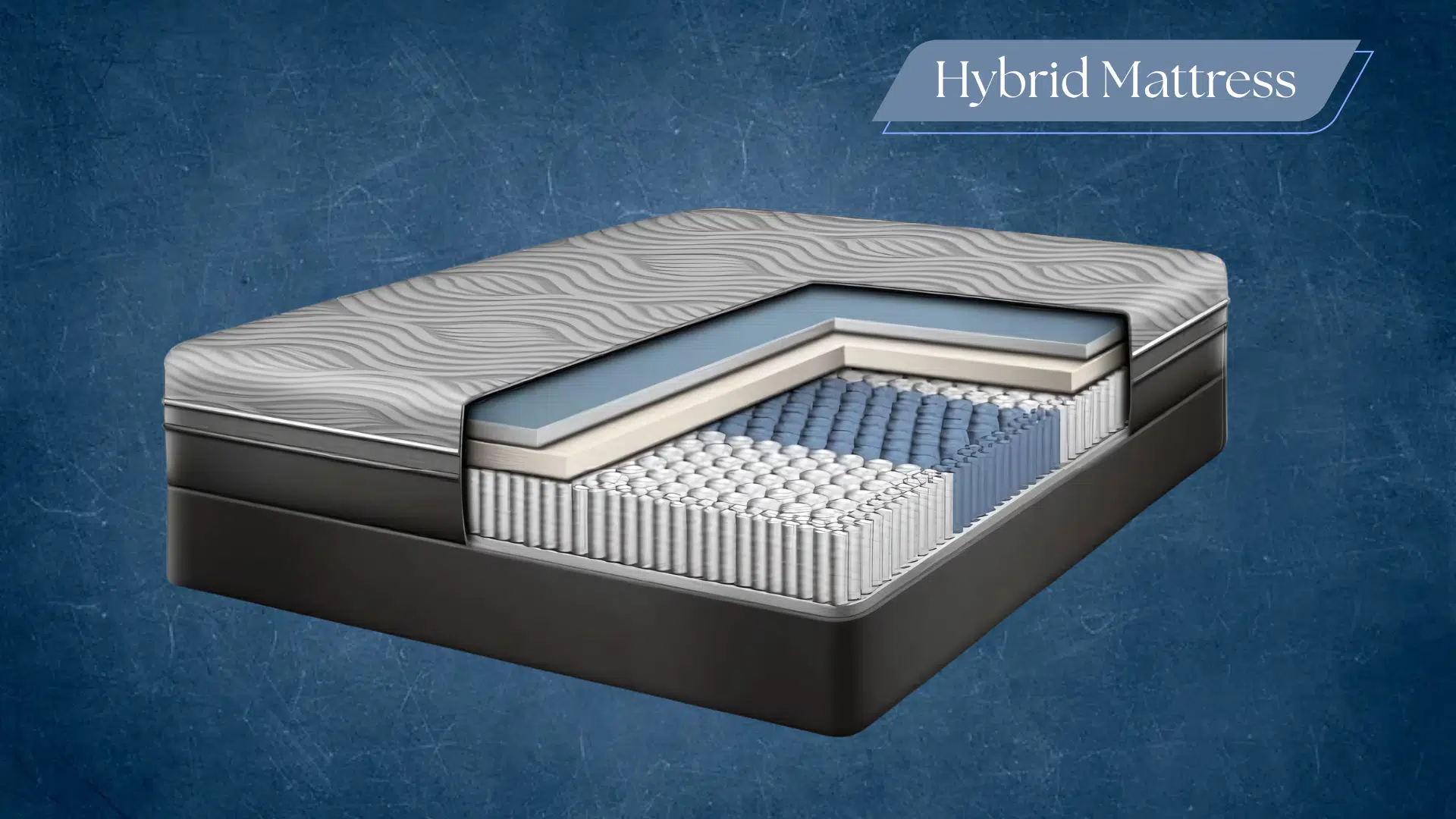
Hybrid mattresses combine springs and foam, creating moderate to heavy weights. The combination of steel coils and multiple foam layers makes them heavier than pure innerspring models.
Premium hybrids with thick memory foam or latex comfort layers weigh considerably more. Zoned support systems with varying coil types can increase weight complexity.
Hybrid construction allows for customized support while maintaining reasonable portability. The balance of materials aims to optimize comfort without excessive weight.
4. Latex Mattress Weight
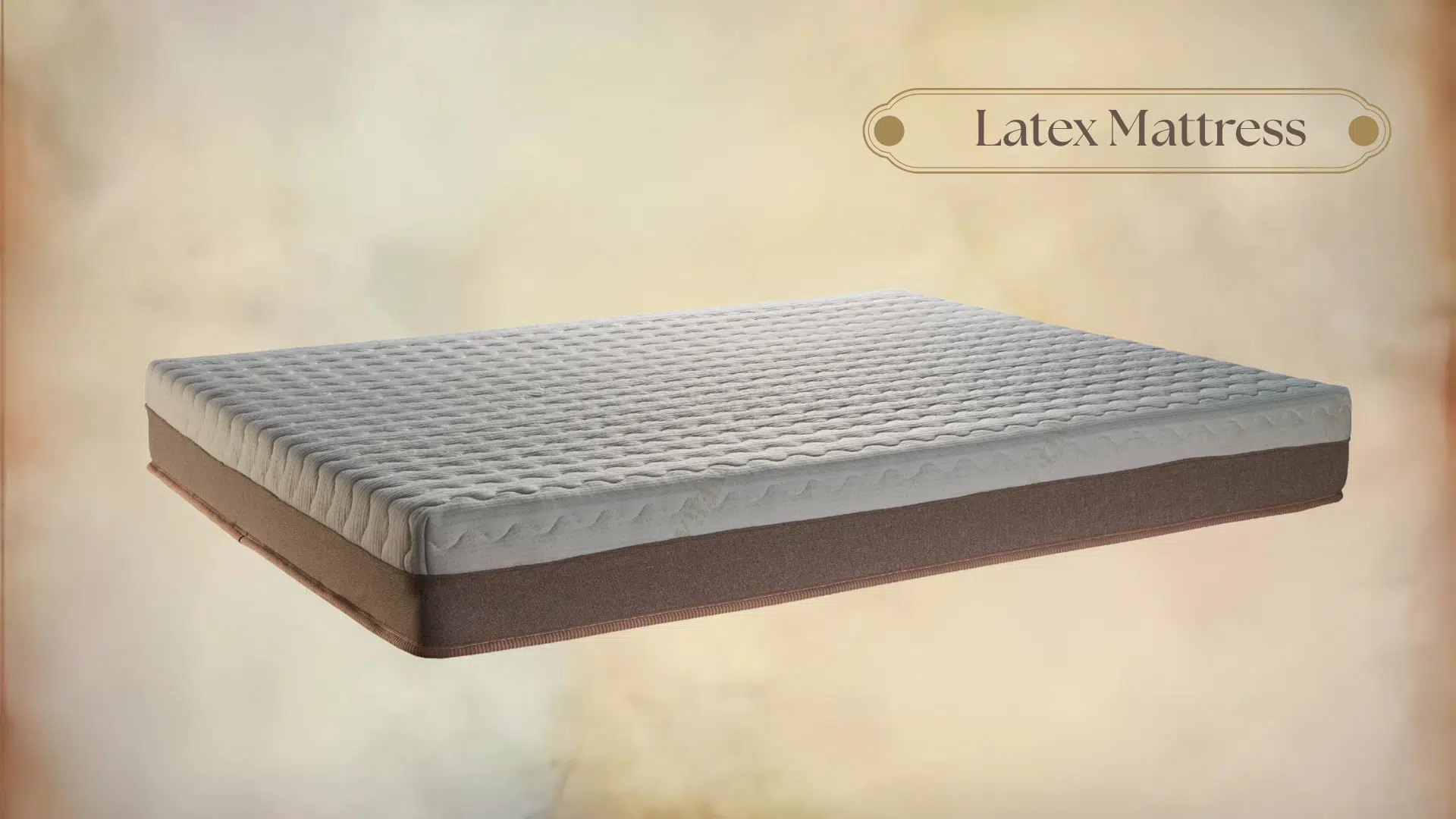
Natural latex mattresses are notably heavy due to the material’s density and durability. Synthetic latex weighs similarly but may vary based on manufacturing processes.
Talalay latex tends to be slightly lighter than Dunlop latex due to different production methods. Organic latex mattresses often include additional natural materials that increase weight.
The exceptional durability of latex justifies the extra weight for many buyers. Latex’s natural properties require substantial material thickness for proper support.
5. Airbed Mattress Weight
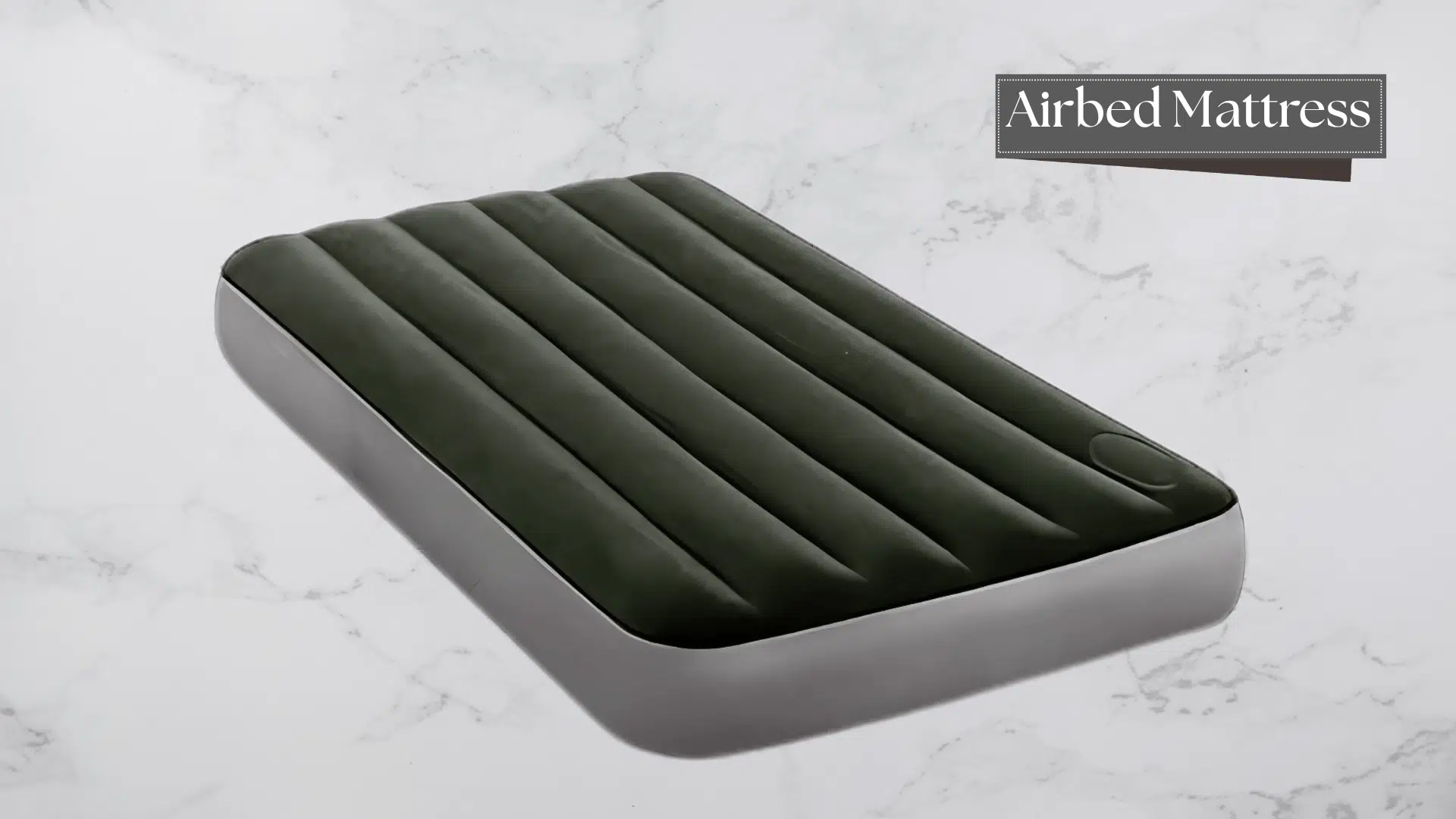
Adjustable airbeds are typically the lightest mattress option when deflated. The weight comes primarily from the air chamber materials and control systems.
Dual-chamber king-size models weigh more due to separate air systems. Built-in pumps and digital controls add weight to the base unit.
Comfort layers over air chambers increase overall weight but improve sleep surface feel. The adjustability feature makes the extra weight worthwhile for many users.
Mattress Thickness & Weight
Mattress thickness directly impacts weight, with each additional inch typically adding 10-15 pounds, depending on the materials used.
The relationship between thickness and weight varies by material type, with dense foams adding more weight per inch than springs. Consider your comfort needs against practical weight limitations.
| Thickness Range | Weight Impact | Comfort Layers | Practical Considerations |
|---|---|---|---|
| 6-8 inches | Lightest option | Basic support, minimal comfort layers | Easy handling, budget-friendly, may lack durability |
| 8-10 inches | Standard weight | Adequate comfort layers for most sleepers | Good balance of comfort and manageability |
| 10-12 inches | Moderate weight increase | Enhanced comfort with multiple foam layers | Requires standard deep-pocket sheets |
| 12-14 inches | Heavy construction | Luxurious comfort layers and support zones | May need a stronger bed frame support |
| 14+ inches | Heaviest option | Maximum comfort with premium materials | Requires extra-deep sheets, multiple people for setup |
Thicker mattresses provide more comfort layers but create handling challenges. Ultra-thick mattresses over 14 inches may require special deep-pocket sheets and stronger bed frames.
Does Your Mattress Really Gain Weight Over Time?

Mattresses do accumulate some weight over time, but not as dramatically as internet myths suggest. Dead skin cells, dust mites, and their waste products can add a few pounds over several years of use.
However, claims of mattresses doubling in weight are exaggerated. Regular cleaning with vacuuming and mattress protectors minimizes accumulation.
Most weight gain occurs gradually over 8-10 years. Quality mattresses maintain their structural integrity regardless of minor weight increases.
Replacing mattresses every 7-10 years for hygiene and support reasons addresses any weight concerns naturally. Proper maintenance prevents excessive buildup of allergens and debris.
Final Thoughts
Heavier mattresses often indicate higher-quality materials and better construction, but weight alone doesn’t guarantee superiority. Quality construction matters more than weight alone.
Dense materials typically provide better support and durability, justifying extra weight for long-term use. However, excessively heavy mattresses create practical challenges with setup, moving, and frame requirements.
The ideal weight balances material quality with usability.
Consider your specific needs: couples might benefit from heavier, more supportive mattresses, while frequent movers might prefer lighter options.
Ready to find the perfect mattress weight for your needs? Consider your lifestyle, bedroom setup, and comfort preferences when making your choice. Remember that the best mattress balances quality construction with practical usability.
Frequently Asked Questions
How Much Does a King-Size Memory Foam Mattress Weigh?
A king-size memory foam mattress typically weighs between 90-120 pounds, depending on foam density, thickness, and additional features like gel infusions or multiple layers.
What’s the Lightest Type of Mattress?
Airbed mattresses are generally the lightest option, especially when deflated, followed by basic innerspring mattresses with minimal padding layers.
Do Heavier Mattresses Last Longer?
Generally, yes, heavier mattresses often contain denser, higher-quality materials that resist sagging and wear better over time, though proper construction matters more than weight alone.