




If you’re waking up with neck or shoulder pain, you’re not alone, and you’re about to learn a few things that can finally make a difference.
This guide walks you through the best sleeping position for neck and shoulder pain, along with small setups and habits that can help you feel better in the morning.
You’ll get easy tips and practical adjustments you can test tonight. No heavy terms, no overwhelm, just straight answers that help you understand what actually matters for pain-free sleep.
Keep reading, because the smallest change might be the one thing your body has been waiting for.
Why Neck and Shoulder Pain Gets Worse While Sleeping
Neck and shoulder pain often worsens during sleep due to poor positioning and inadequate pillow support.
When a pillow is too high, too low, or too firm, your neck stays in an awkward angle for hours. This creates tension in the neck muscles and adds pressure on the shoulders.
Sleeping positions also affect pain. Stomach sleeping keeps the neck turned to one side. Twisted or curled positions can shift the neck and shoulders out of alignment.
A “neutral spine” means your head, neck, and back stay in one straight line. This helps reduce strain on the muscles and joints. Common signs your sleep posture is causing pain:
- Morning stiffness or soreness
- Pain when turning your head after waking
- Pain that improves during the day
- Numbness or tingling in the arm
- Pressure or heaviness in the shoulder
Best Sleeping Positions for Neck and Shoulder Pain
Good alignment keeps your head, neck, and spine in one straight line. The right position lowers pressure on your muscles and helps you sleep with less pain. Here’s how to sleep based on the kind of pain you have:
1. How to Sleep with Neck Pain?

Neck pain improves when your head stays level and your spine stays straight. Back sleeping works well with a low or medium-height pillow and a small rolled towel under your neck.
Side sleeping also helps if you use a thicker pillow that fills the space between your ear and shoulder. Keep your chin neutral and avoid tucking it toward your chest.
Best setups for neck pain:
- Low or medium-height pillow
- Rolled a towel under the neck
- Thicker pillow for side sleeping
- Chin in a neutral position
2. How to Sleep with Shoulder Pain?

Shoulder pain gets worse when you put weight on the painful side, so sleep on the side that does not hurt.
Keep the painful arm slightly forward or supported, rather than tucking it under your body. Hugging a pillow helps keep the top shoulder from rolling inward.
Best setups for shoulder pain:
- Sleep on the non-painful side
- Pillow between the knees
- Hug a pillow to stop the top shoulder from collapsing
- Keep the painful arm slightly forward or supported
3. How to Sleep with Both Neck and Shoulder Pain?

Both areas need support at the same time. A medium-height pillow keeps your neck level without lifting your head too high.
Sleeping on your back or on the less painful side helps reduce shoulder pressure. A small pillow under each arm keeps the shoulders relaxed and supported.
Best setups for combined pain:
- Medium-height pillow
- Back sleeping or the less painful side
- Small pillows under each arm
- Thick pillow for side alignment if needed
4. Modified Stomach Sleeping

If you naturally sleep on your stomach, tilt your body slightly toward one side. This reduces the need to turn your head fully.
Use a thin pillow or no pillow to avoid neck twisting, and keep one arm down with the other bent near your chest.
Best setups for stomach sleepers:
- Slight body tilt
- Thin pillow or no pillow
- One arm down, one arm bent near the chest
Choosing the position that matches your pain type can help reduce strain and improve your sleep. Even a small adjustment in support can make a noticeable difference in how you feel in the morning
Sleeping Positions to Avoid (And Why)
Stomach sleeping forces your head to stay turned to one side for long hours. This twists the neck, tightens the muscles, and puts strain on the upper spine.
It can also flatten the natural curve of your lower back, making the whole spine work harder during sleep.
Sleeping on the painful shoulder adds direct weight to a joint that is already irritated. This pressure can increase inflammation and slow down healing.
It may also cause soreness that worsens when you wake up and start moving.
The arm-over-head position lifts your shoulder into an awkward angle that your body cannot hold comfortably for long.
This position pulls on the neck and can compress nerves, leading to tingling, numbness, or a “dead arm” feeling in the morning.
Avoiding these positions can help reduce strain on your neck and shoulders overnight. Small adjustments in how you sleep can make your mornings feel much easier.
Best Pillow and Mattress Setup for Pain-Free Sleep
The right sleep setup keeps your neck and shoulders in a neutral line. This reduces pressure and helps you sleep more comfortably.
Best Pillow and Mattress Types
Choosing the right pillows and mattress can help you in your pain days; these options offer the most support for neck and shoulder pain:
| Pillow or Mattress Type | Best Setup | Best For (Pain Type) |
|---|---|---|
| Memory Foam Pillow | Molds to your head and supports the neck. | Neck pain, mild shoulder strain |
| Cervical Contour Pillow | Matches your neck curve and maintains alignment. | Chronic neck pain, stiffness |
| Adjustable Loft Pillow | Height can be adjusted for alignment. | Neck + shoulder pain |
| Medium-Firm Mattress | Supports the body without sinking. | Neck pain, shoulder discomfort |
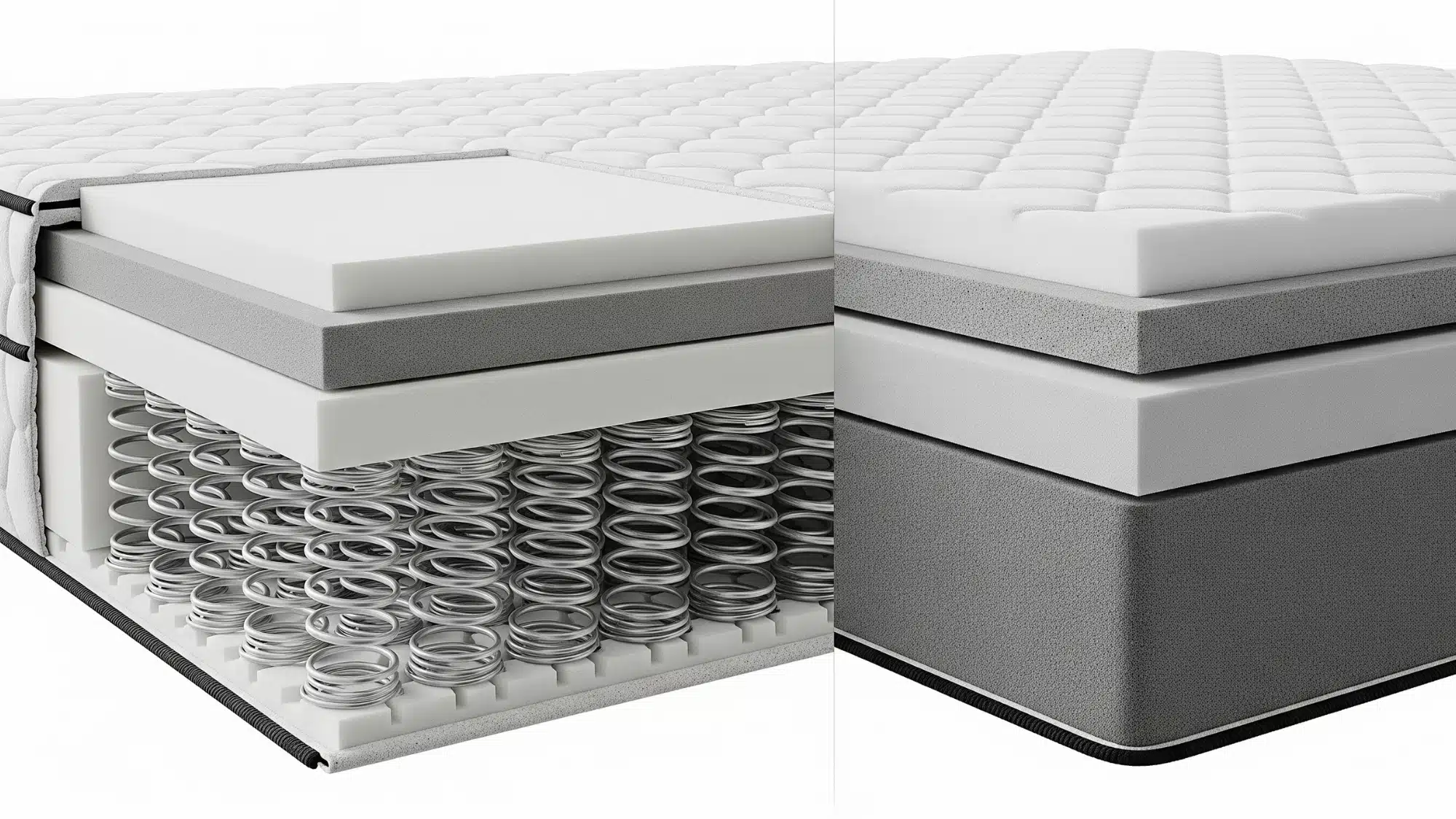
| Hybrid Mattress | Foam + springs for even pressure. | Shoulder pain, side sleepers |
Helpful Sleep Setup Tips
These simple add-ons improve alignment fast:
- Use a rolled towel under your neck.
- Add a pillow under your knees if you sleep on your back.
- Avoid pillows that are too high.
- Avoid pillows that are too flat.
Small changes in your setup can help you wake up with less pain.
Simple Nighttime Habits to Prevent Pain
Small nighttime habits can make a big difference in how your neck and shoulders feel. These easy steps help you relax and wake up with less pain:
1. Do Gentle Neck and Shoulder Stretches
Light stretching before bed helps loosen tight muscles and prevents stiffness from building overnight.
Slow, controlled movements relax the neck and shoulders, making it easier to fall asleep comfortably and wake up without that heavy, achy feeling in the morning.
2. Use Warmth to Relax Tight Muscles
A warm shower, heating pad, or warm towel can help melt away tension before sleep.
Heat increases blood flow, softens tight muscles, and prepares your body for deeper rest so your neck and shoulders stay more relaxed through the night.
3. Avoid Heavy Bags and Poor Posture During the Day
The habits you have during the day affect how your neck and shoulders feel at bedtime. Carrying heavy bags or slouching keeps muscles tight.
Improving posture and reducing strain helps your body settle comfortably once you’re ready to sleep.
When to See a Doctor
Sometimes neck or shoulder pain is more than just a bad night’s sleep. These symptoms can signal something deeper that needs proper medical attention.
- Severe or sudden stiffness that limits movement or appears out of nowhere.
- Pain that spreads into the arm, especially with burning or electric sensations.
- Numbness, tingling, or weakness in the arm, hand, or fingers.
- Pain that doesn’t improve after several days of proper sleep adjustments.
- Night pain that wakes you up repeatedly, even with good positioning and support.
If any of these show up, it’s best to get checked sooner rather than later.
Conclusion
If you’ve made it all the way here, that already says something; you’re serious about finally easing your neck and shoulder pain and getting the kind of sleep you’ve been missing.
And honestly, that’s worth celebrating. You’ve walked through clear, simple steps that can help you sleep with better support, less strain, and more comfort.
Even if you try just one change tonight, you’re giving your body a chance to rest the way it deserves.
What matters most now is noticing what feels good for you. Your best sleeping position for neck and shoulder pain might take a little experimenting, and that’s perfectly okay.
Small shifts, better alignment, and mindful bedtime habits can add up faster than you expect!