




Do your fingers feel like rusty door hinges when you wake up?
Millions of people struggle with stiff, achy fingers every morning, making simple tasks like brushing their teeth or making coffee feel impossible.
Learning how to treat stiff fingers in the morning can change your daily routine and help you start each day pain-free.
If your stiffness comes from arthritis, sleeping position, or other causes, there are proven ways to get your fingers moving smoothly again.
The thing is that most finger stiffness can be improved with simple home treatments, gentle exercises, and smart lifestyle changes. We will show you everything you need to know to beat morning finger stiffness once and for all.
Understanding Stiff Fingers in the Morning
Morning stiffness in your fingers can make simple tasks like opening jars or buttoning shirts feel impossible. Your fingers might feel tight, achy, or hard to move when you first wake up.
This happens because your joints get less blood flow while you sleep, and they don’t move for hours. Several things can cause stiff fingers in the morning.
Arthritis is the most common reason, especially in older adults. Other causes include swelling from inflammation, poor blood circulation, or simply staying still too long during sleep.
Some people also experience stiff hands in the morning, which often goes along with finger stiffness and has similar causes.
What Causes Stiff Hands in the Morning?
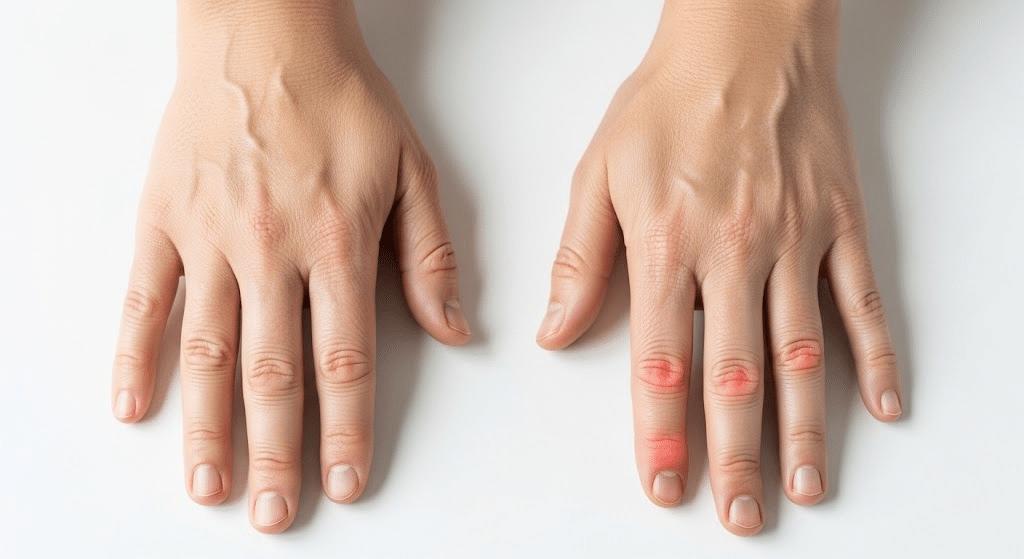
Stiff hands and fingers in the morning can have many different causes. Some are related to health conditions, while others happen because of how our bodies work during sleep. Understanding the cause can help you find the right treatment.
1. Arthritis (Osteoarthritis, Rheumatoid Arthritis)
Arthritis is the most common cause of morning finger stiffness. Osteoarthritis happens when the smooth covering on your joints wears down over time.
Rheumatoid arthritis occurs when your body’s immune system mistakenly attacks your joints. Both types cause pain, swelling, and stiffness that’s often worst in the morning.
Why It Happens: Your joints don’t move during sleep, so fluid builds up and makes them stiff when you wake up.
2. Carpal Tunnel Syndrome
Carpal tunnel syndrome happens when a nerve in your wrist gets squeezed. This causes numbness, tingling, and weakness in your thumb and first three fingers.
The stiffness is usually worse at night and in the morning. Many people who type a lot or do repetitive hand movements get this condition.
Why It Happens: Fluid builds in your wrist overnight, increasing pressure on the squeezed nerve.
3. Trigger Finger
Trigger finger causes one or more fingers to become stuck in a bent position. When you try to straighten the finger, it might snap back like pulling a trigger.
This happens because the tendon that moves your finger gets swollen and can’t slide smoothly. It’s often worse in the morning after not moving your hands all night.
Why It Happens: The tendon swells up more during sleep when your hands don’t move, making it harder to slide through its tunnel.
4. Dupuytren’s Contracture
Dupuytren’s contracture causes thick, rope-like bands to form under the skin of your palm and fingers. Over time, these bands can pull your fingers into a bent position that you can’t straighten.
This condition usually affects the ring finger and pinky finger first. It tends to run in families and is more common in older men.
Why It Happens: The thick tissue contracts more after long periods without movement, causing fingers to be stiffer in the morning.
5. Scleroderma
Scleroderma is a condition where your body makes too much collagen, causing skin and tissues to become thick and hard.
When it affects your hands, your fingers can become stiff, tight, and hard to move. The skin on your fingers might also look shiny or feel tight. This condition can also affect your internal organs.
Why It Happens: The thick, hard tissue doesn’t stretch well after staying in one position all night during sleep.
Effective Home Remedies
Many simple home treatments can help reduce morning finger stiffness. These natural methods are easy to try and often provide quick relief. You can use these remedies alone or combine them for better results.
| REMEDY TYPE | METHOD | HOW IT HELPS |
|---|---|---|
| Heat Therapy | Warm showers or baths | Increases blood flow and relaxes stiff joints |
| Heating pads or warm compresses | Reduces pain and loosens tight muscles | |
| Paraffin wax baths | Provides deep, moist heat to fingers | |
| Cold Therapy | Ice packs for acute inflammation | Reduces swelling and numbs pain |
| Natural Supplements | Turmeric and ginger | Natural anti-inflammatory properties |
| Dietary Changes | Omega-3 fatty acids (fish oil) | Reduces inflammation throughout the body |
| Limit processed sugars and trans fats | Prevents foods that increase inflammation |
Start with one or two remedies that seem easiest for you to try. Heat therapy works well for most people and is usually the first choice. If your stiffness doesn’t improve after a few weeks, consider talking to your doctor about other treatment options.
Morning Finger Exercises & Stretches

Simple exercises can help wake up your stiff fingers and get them moving smoothly. These gentle movements increase blood flow to your joints and help reduce morning stiffness. You can do these exercises right in bed or while sitting at the edge of your bed.
- Gentle Finger Movements: Making a gentle fist, spreading fingers wide, touching each fingertip to the thumb.
- Wrist Flexor Stretches: Extend your arm with your palm facing down, then gently press your fingers down with your opposite hand.
- Tendon and Nerve Gliding Exercises: Helps in conditions like carpal tunnel syndrome.
Start slowly and don’t force any movements that cause pain. Do these exercises for just a few minutes each morning. As your fingers become less stiff over time, you can repeat the exercises throughout the day for extra relief. Remember that consistency is more important than doing many repetitions at once.
Physical Therapy Techniques
Sometimes, home exercises aren’t enough to fix stiff fingers. A physical therapist can teach you special techniques and exercises that work better than what you can do alone. They know exactly how to help your specific problem and can create a plan just for you.
1. Manual Therapy

Physical therapists use their hands to gently move your finger joints in ways you can’t do yourself. These special movements help your joints move more freely and reduce stiffness.
The therapist applies gentle pressure and moves your fingers through their full range of motion. This hands-on treatment can provide immediate relief and improve flexibility over time.
2. Strengthening Exercises
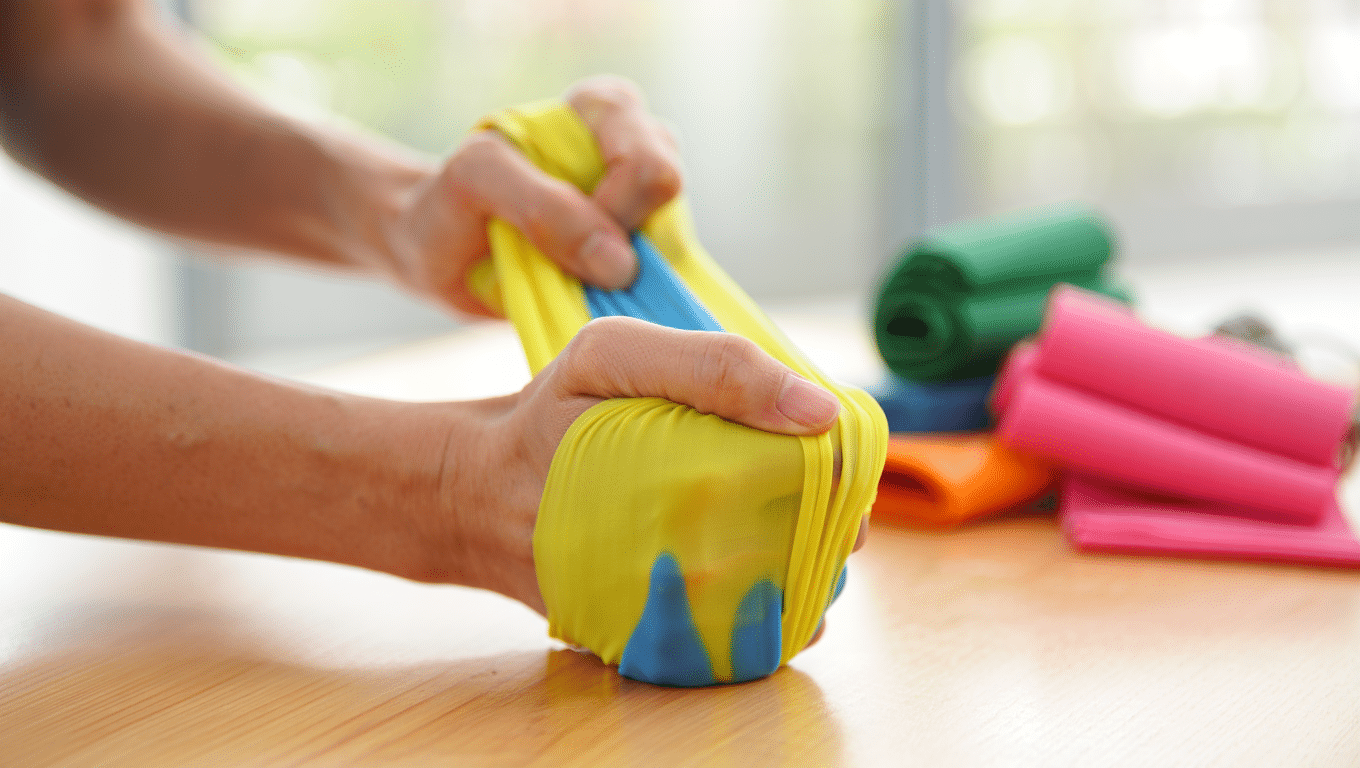
Your therapist will give you special exercises using therapy putty or resistance bands to make your fingers stronger. Therapy putty comes in different colors for different difficulty levels.
You squeeze, pinch, and stretch the putty to work all your finger muscles. Resistance bands add gentle tension that helps build strength without causing pain or stress to your joints.
3. Ergonomic Adjustments

A physical therapist can look at how you use your hands at work and suggest changes to reduce strain. This might include getting a special keyboard, a mouse pad with wrist support, or adjusting your desk height.
They can also teach you better ways to hold things and position your hands. These small changes can make a big difference in preventing morning stiffness.
When to Seek Medical Attention
While morning finger stiffness is often normal, sometimes it can be a sign of a serious problem. It’s important to know when your symptoms need medical care instead of just home treatment.
- Severe pain or swelling that doesn’t go away with rest and home remedies.
- Numbness or tingling in your fingers that lasts more than a few minutes.
- Can’t straighten your fingers, or they get stuck in a bent position.
- Symptoms last longer than an hour after you wake up and start moving.
- The condition is getting worse over time despite trying exercises and home treatments.
Your doctor can help figure out what’s causing your stiff fingers and suggest stronger treatments. They might give you steroid shots to reduce swelling, recommend special splints to support your fingers, or, in serious cases, suggest surgery to fix the problem.
Final Thoughts
Now you know how to treat stiff fingers in the morning with simple, effective methods. From warm baths and gentle exercises to knowing when to see a doctor, you have many tools to fight morning finger stiffness.
Remember that consistency is key – try these treatments regularly for the best results. Most people see improvement within a few weeks of starting a morning routine.
Don’t let stiff fingers control your mornings anymore. With patience and the right approach, you can wake up with flexible, pain-free hands ready to tackle your day. Have you tried any of these treatments?
Share your experience in the comments below and let us know what worked best for you!