




Ever tried squeezing a king mattress through a narrow hallway? Or bought a beautiful bed frame only to find your mattress doesn’t fit right?
Choosing the wrong mattress size happens more often than you think. The bed looks perfect in the store, but feels cramped in your bedroom. Or worse, it doesn’t fit through your door.
Understanding mattress dimensions saves you from these headaches. This complete bed sizes chart shows all standard mattress sizes. You’ll learn exact measurements, room requirements, and how to measure your space correctly.
Getting the size right the first time saves money, time, and frustration. You’ll learn everything you need to know about mattress sizes.
What Is a Bed Size Chart and Why Does It Matter?
A bed size chart is a reference tool that lists all standard mattress dimensions. It shows the width and length of each bed size in inches, centimeters, and feet.
The chart helps you compare mattress sizes at a glance. You can see exactly how much bigger a queen is than a full. Or how a king compares to a California king.
This information matters because buying the wrong size creates real problems. Your mattress might not fit through your doorway. It could overwhelm a small bedroom. Or it might be too small for your needs.
A bed size chart prevents these mistakes. You can measure your room and match it to the right mattress dimensions. You’ll know if you have enough space before you buy. The chart also helps you budget for bedding and accessories. Larger sizes cost more for sheets and comforters.
Mattress Sizes Chart
This comprehensive chart shows all standard mattress sizes with exact dimensions in inches, centimeters, and feet. Use it to compare bed sizes and find the right mattress for your space.
| Mattress Size | Dimensions (In) W ×L | Dimensions (Cm) W × L | Dimensions (Ft) W × L + Area |
|---|---|---|---|
| Twin | 38″ × 75″ | 96.5 × 190.5 cm | 3’2” × 6’3” (19.8 sq ft) |
| Twin XL | 38″ × 80″ | 96.5 × 203.2 cm | 3’2″ × 6’8″ (21.1 sq ft) |
| Full | 53″ × 75″ | 137.2 × 190.5 cm | 4’6″ × 6’3″ (28.1 sq ft) |
| Queen | 60″ × 80″ | 152.4 × 203.2 cm | 5’0″ × 6’8″ (33.3 sq ft) |
| King | 76″ × 80″ | 193.0 × 203.2 cm | 6’4″ × 6’8″ (42.2 sq ft) |
| California King | 72″ × 84″ | 182.9 × 213.4 cm | 6’0″ × 7’0″ (42.0 sq ft) |
By comparing different mattress dimensions in one place, this chart helps simplify your bed-buying decision. Refer back to it whenever you need a quick overview of standard mattress sizes.
Standard Mattress Sizes and Dimensions
Understanding standard mattress dimensions helps you choose the right bed for your space and sleep needs. Here’s what you need to know about each size.
1. Twin Mattress

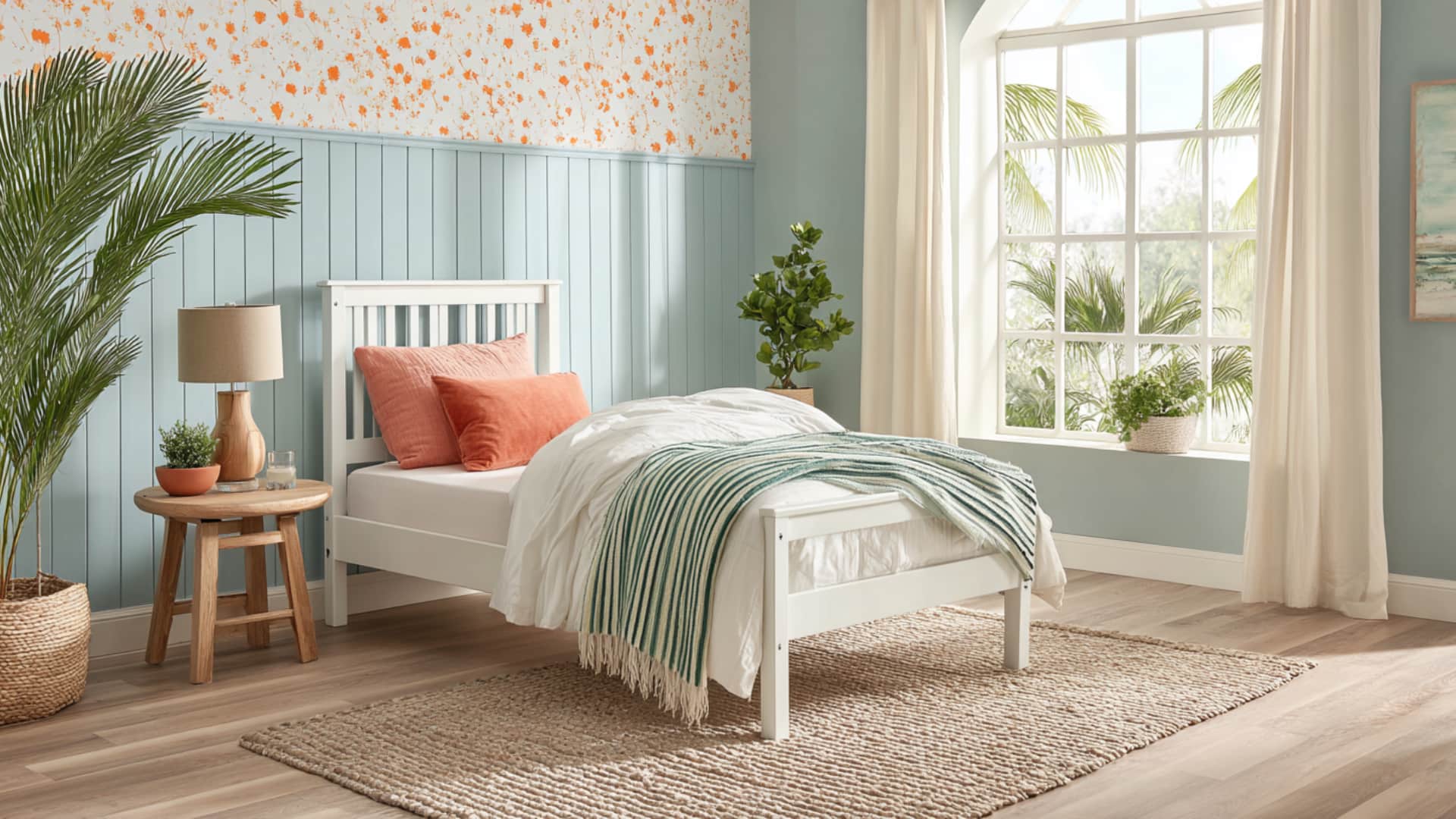
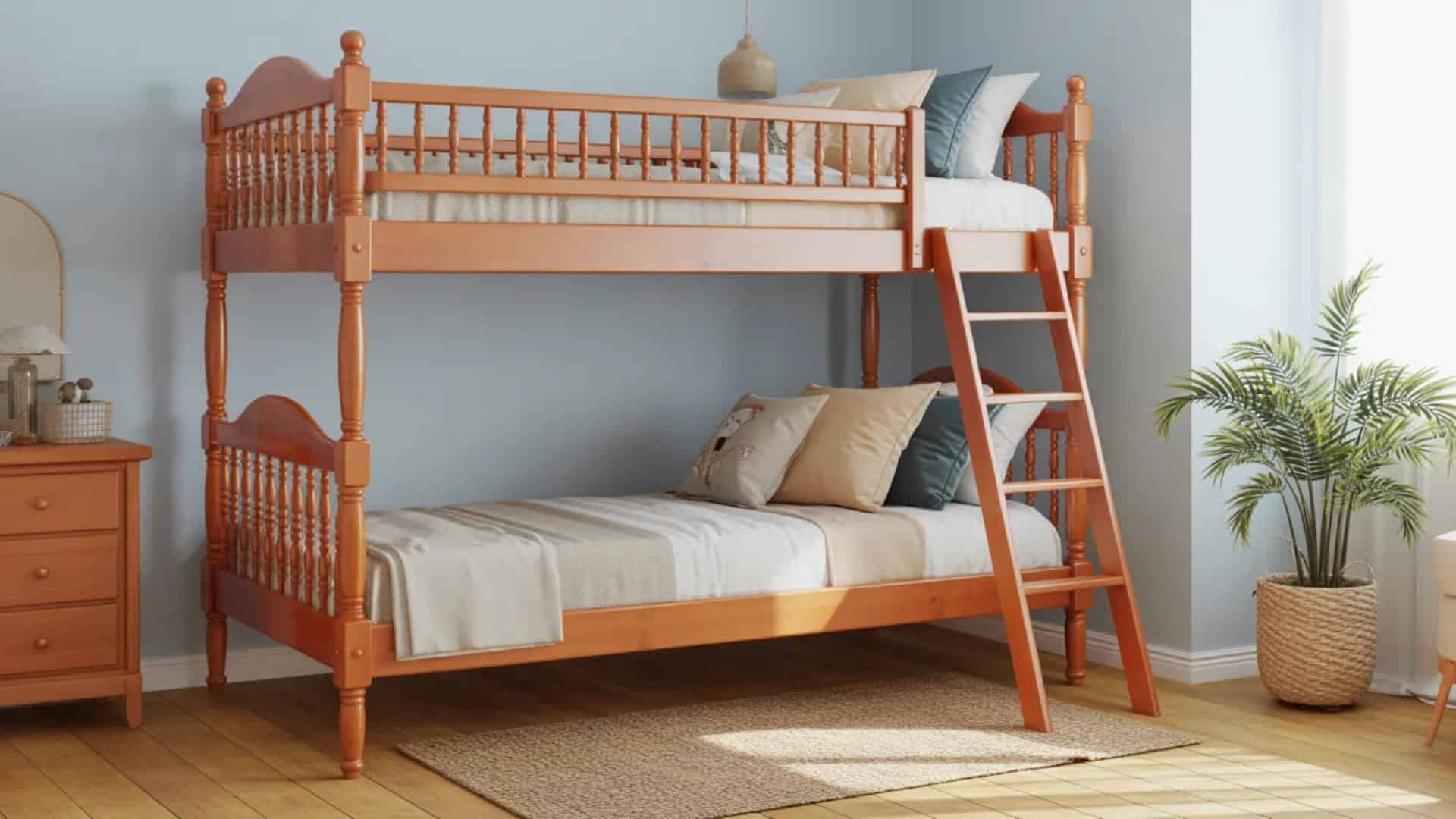
The twin is the smallest standard mattress size. It provides just enough space for one person to sleep comfortably. This size works well in tight spaces and is the most affordable option for mattresses and bedding.
Specifications:
- Dimensions: 38 inches wide × 75 inches long
- Best for: Children, teenagers, single adults, bunk beds, daybeds
- Minimum room size: 7 feet × 10 feet
- Price range: $200 – $800
2. Twin XL Mattress

The Twin XL offers 5 extra inches of length compared to a standard twin. This additional length accommodates taller individuals without requiring more width. Two Twin XL mattresses side by side create a split king configuration for adjustable beds.
Specifications:
- Dimensions: 38 inches wide × 80 inches long
- Best for: College students, tall teenagers, taller single adults, dorm rooms
- Minimum room size: 7 feet × 10 feet
- Price range: $250 – $900
3. Full (Double) Mattress

A full mattress is 16 inches wider than a twin while maintaining the same length. It offers a comfortable space for one person or a cozy place to sleep for two. This size fits well in smaller master bedrooms and guest rooms.
Specifications:
- Dimensions: 53 inches wide × 75 inches long
- Best for: Single adults, teenagers, guest rooms, small apartments, budget-conscious couples
- Minimum room size: 10 feet × 10 feet
- Price range: $300 – $1,000
4. Queen Mattress

The queen is the most popular mattress size in America. It provides each couple with 30 inches of personal space while fitting comfortably in average-sized bedrooms. This size offers the best balance between sleeping space and room footprint.
Specifications:
- Dimensions: 60 inches wide × 80 inches long
- Best for: Couples, single sleepers who want extra space, master bedrooms, and guest rooms
- Minimum room size: 10 feet × 10 feet
- Price range: $400 – $1,500
5. King Mattress

A king mattress offers the most width of any standard size. Each sleeper gets 38 inches of personal space, equivalent to a twin mattress. This size is ideal for couples who value space and families who co-sleep with children or pets.
Specifications:
- Dimensions: 76 inches wide × 80 inches long
- Best for: Couples wanting maximum space, families, co-sleeping with kids or pets, restless sleepers
- Minimum room size: 12 feet × 12 feet
- Price range: $500 – $2,000+
6. California King Mattress

The California King is 4 inches longer and 4 inches narrower than a standard king. This makes it the longest standard mattress available. It suits taller individuals who need extra legroom and bedrooms that are longer than they are wide.
Specifications:
- Dimensions: 72 inches wide × 84 inches long
- Best for: Tall sleepers (6’2″ and above), couples with height needs, narrow master bedrooms
- Minimum room size: 12 feet × 12 feet
- Price range: $500 – $2,000+
Knowing the standard mattress sizes and dimensions makes it easier to compare options before buying a bed. It ensures you select a mattress that suits your room size, sleeping style, and comfort preferences.
Specialty and Oversized Mattress Sizes
Beyond standard sizes, specialty and oversized mattresses serve unique needs. These options include extra-large beds, custom dimensions, and sizes designed for specific spaces, such as RVs.
| Mattress Size | Dimensions (Inches W × L) | Best For | Details |
|---|---|---|---|
| Split King | 76″ × 80″ (two 38″ × 80″ mattresses) | Couples using adjustable bases | Each side moves independently for comfort. |
| Split California King | 72″ × 84″ (two 36″ × 84″ mattresses) | Tall couples with adjustable beds | Longer length with independent movement. |
| Olympic Queen | 66″ × 80″ | Couples wanting extra width without a king | 6 inches wider than a standard queen. |
| Wyoming King | 84″ × 84″ | Families or co-sleeping with kids/pets | Large square mattress with lots of space. |
| Texas King | 80″ × 98″ | Very tall sleepers | Extra-long mattress for maximum legroom. |
| Alaskan King | 108″ × 108″ | Large families, luxury bedrooms | One of the largest mattress sizes available. |
| RV King | 72″ × 80″ | RVs and motorhomes | Slightly narrower than a standard king. |
| Short Queen | 60″ × 75″ | RVs and campers | Same width as a queen but shorter length. |
While less common, specialty and oversized mattress sizes provide additional comfort and flexibility for specific situations. Choosing the right one can help maximize sleeping space and enhance overall comfort.
How to Choose the Right Mattress Size for You
Selecting the right mattress size involves evaluating your sleep needs, room space, and budget. These factors help you find a bed that fits your lifestyle perfectly.
- Measure Your Bedroom Space: Use a tape measure to check room dimensions. Compare measurements against the bed sizes chart. Leave 24 inches of walking space on each side.
- Count Your Sleepers: Single sleepers can choose twin, full, or queen sizes. Couples need a queen or a king. Add space if kids or pets join you at night.
- Check Your Height: People over 6 feet tall need at least 80 inches of length. Choose Twin XL, queen, king, or California king for adequate legroom and comfort.
- Consider Your Sleep Style: Restless sleepers need extra width to move freely. Side sleepers benefit from more space. Couples with different schedules should choose king-size beds to minimize disturbance.
- Set Your Budget: Larger mattresses cost more upfront. Factor in bedding expenses too. Sheets and comforters for king beds cost 20-35 percent more than those for queen beds.
- Think About Future Needs: Plan for life changes like marriage or growing children. Buying a slightly larger size now prevents the need to upgrade later. Consider how long you’ll keep the mattress.
Selecting the right mattress size becomes easier when you consider your room dimensions, number of sleepers, and comfort preferences. Taking these factors into account ensures a better and more restful sleep experience.
International Mattress Sizes
If you’re buying a mattress abroad or moving overseas, don’t assume sizes match up. A “King” in the US is not the same as a “King” in the UK, and that mix-up can cost you.
| Size Name | US (inches) | UK (inches) | EU (cm) |
|---|---|---|---|
| Single | 38 × 75 | 36 × 75 | 90 × 190 |
| Double | 54 × 75 | 54 × 75 | 140 × 190 |
| Queen | 60 × 80 | Not standard | 160 × 200 |
| King | 76 × 80 | 60 × 78 | 180 × 200 |
| Super King | Not standard | 72 × 78 | 200 × 200 |
US mattress sizes are different from European mattress sizes. Because the sizing systems don’t line up, US-bought sheets simply won’t fit a European frame and vice versa.
Mattress Thickness and Bed Height Considerations
Most people focus on length and width when checking the bed sizes chart. But mattress thickness matters just as much for proper fit and comfort.
Standard mattresses range from 8 to 14 inches thick. Some specialty models go even thicker with pillow tops or extra padding.
Thickness affects how high the bed sits off the ground. This changes how easy it is to get in and out of bed. Your bed frame needs to accommodate the mattress height, too.
Fitted sheets come with pocket depths measured in inches. Deep-pocket sheets fit thick mattresses. Standard sheets only work on mattresses under 12 inches thick. Tall mattresses can hide headboards. Check the total height from floor to mattress top before you buy.
Bedding and Accessories Fit
Different mattress sizes require specific bedding and accessories. Understanding these requirements helps you budget properly and ensures your sheets, comforters, and bed frames fit correctly.
- Fitted Sheets: Fitted sheets must match your exact mattress dimensions. A queen sheet won’t fit a king mattress. Check the pocket depth too, especially for thicker mattresses.
- Flat Sheets: Flat sheets are typically 15-20 inches longer and wider than the mattress. This extra fabric tucks under the mattress and provides coverage when you move during sleep.
- Comforters and Duvets: Comforters should hang 10-15 inches over each side of the bed. Larger mattresses need bigger comforters. California King comforters differ significantly from standard King-size comforters.
- Bed Frames: Bed frames must match your mattress dimensions exactly. Measure the interior frame opening before buying a mattress. Even a 2-inch difference causes major fit problems and instability.
- Mattress Protectors: Mattress protectors come in sizes specific to each bed type. They shield your mattress from spills and stains. Buy the exact size that matches your mattress dimensions.
- Pillows: Standard pillows work with most bed sizes. King and California King beds often use king-size pillows. These larger pillows fill the extra width and look more proportional.
Ensuring your bedding and accessories match the mattress size helps create a comfortable and well-fitted sleep setup. The right fit also improves the overall look and functionality of your bed.
Mattress Dimensions vs Bed Frame Dimensions
Mattresses and bed frames don’t always match perfectly. Understanding common fit issues helps you avoid problems with height, clearance, and compatibility before you buy.
| Fit Issue Area | What Happens | Quick Fix / What To Check |
|---|---|---|
| Mattress vs Frame Outer Size | The frame can be larger than the mattress. | Measure the frame’s outside width/length. |
| Platform Bed | Tight inner edges can make the mattress feel snug. | Check the platform’s inside opening. |
| Box Spring / Foundation | The wrong base can make the bed too high/low. | Confirm if the frame needs a box spring. |
| Adjustable Base | The base may not fit some frames/supports. | Match the size (including split king) and check the inner clearance. |
| Headboard / Footboard | A tall mattress can hide a headboard or cramped legs. | Check the total height and the space between the footboard and the length. |
| Doors / Drawers | Bed blocks closet doors or drawers. | Leave about 24″ clearance where you walk/open. |
Understanding the difference between mattress dimensions and bed frame dimensions helps ensure a proper fit. Checking both measurements prevents gaps, overhang, or installation issues.
Tips Before Buying a Mattress
Smart mattress shopping requires planning and preparation. These practical tips help you avoid common mistakes and choose the right size for your bedroom and sleep needs.
- Measure Everything First: Measure your bedroom, doorways, hallways, and stairways before shopping. Compare these measurements against the bed sizes chart to find what fits safely.
- Verify Bed Frame Compatibility: Check the interior dimensions of your existing bed frame. Measure from inside rail to inside rail. Your new mattress must match these measurements exactly.
- Factor in Delivery Logistics: Consider how the mattress gets to your bedroom. Bed-in-a-box options compress for easy transport. Traditional mattresses need wider doorways and turning space.
- Budget for Complete Setup: Include sheets, mattress protectors, and pillows. Larger sizes cost 20-35 percent more for bedding. Foundation or box springs add extra expense.
- Read Return Policies Carefully: Check trial periods and return fees before purchasing. Many brands offer 100-night trials. Understand restocking charges and who pays return shipping costs.
- Compare Mattress Dimensions Across Brands: Standard sizes vary slightly between manufacturers. Verify exact measurements before ordering. A few inches’ difference affects bedding fit and frame compatibility.
Before buying a mattress, consider factors such as size, comfort preferences, and bedroom space. Taking a little time to calculate these details can help you make a smarter purchase.
The Bottom Line
Finding the right mattress size starts with measuring your bedroom and calculating walking space. Compare your room dimensions against the bed sizes chart to see what fits comfortably.
Remember that mattress dimensions affect more than just floor space. Consider who will be sleeping on the bed, your height, and your bedding budget.
Think about future needs, too. A slightly larger mattress now prevents the need to upgrade later. Take time to measure doorways, hallways, and your existing bed frame.
These small details prevent big problems during delivery and setup. Your perfect mattress size balances comfort, space, and practicality. The right choice improves sleep quality for years to come.
Bookmark this page for easy reference when you’re ready to buy. Share it with anyone planning to buy a mattress soon.
Frequently Asked Questions
What Is the Standard Size of a Bed?
Standard bed sizes include Twin (38″ × 75″), Full (54″ × 75″), Queen (60″ × 80″), King (76″ × 80″), and California King (72″ × 84″). Queen is the most popular choice.
Which Size Is Best for Sleeping?
The best size depends on your needs. Single sleepers do well with Full or Queen. Couples should choose Queen or King. Tall people need Twin XL, Queen, King, or California King.
Does Bed Size Affect Sleep?
Yes, bed size affects sleep quality. A mattress that’s too small restricts movement and disturbs your partner. Adequate space helps you sleep better and wake up less often during the night.