




Getting a good night’s sleep often comes down to one simple thing: the right pillow.
But with so many options on store shelves, it is easy to feel lost. Down pillows, feather pillows, blends, what does it all mean?
A lot of people ask, what is a down pillow, and how is it different from a regular feather pillow? It is a fair question. The two may look the same from the outside, but they feel and perform quite differently.
Knowing the difference can change how well you sleep each night.
You will learn everything needed to make a smart choice, from fill types and firmness to care tips and allergy concerns. By the end, picking the right pillow will feel much less overwhelming.
What is a Down Pillow?
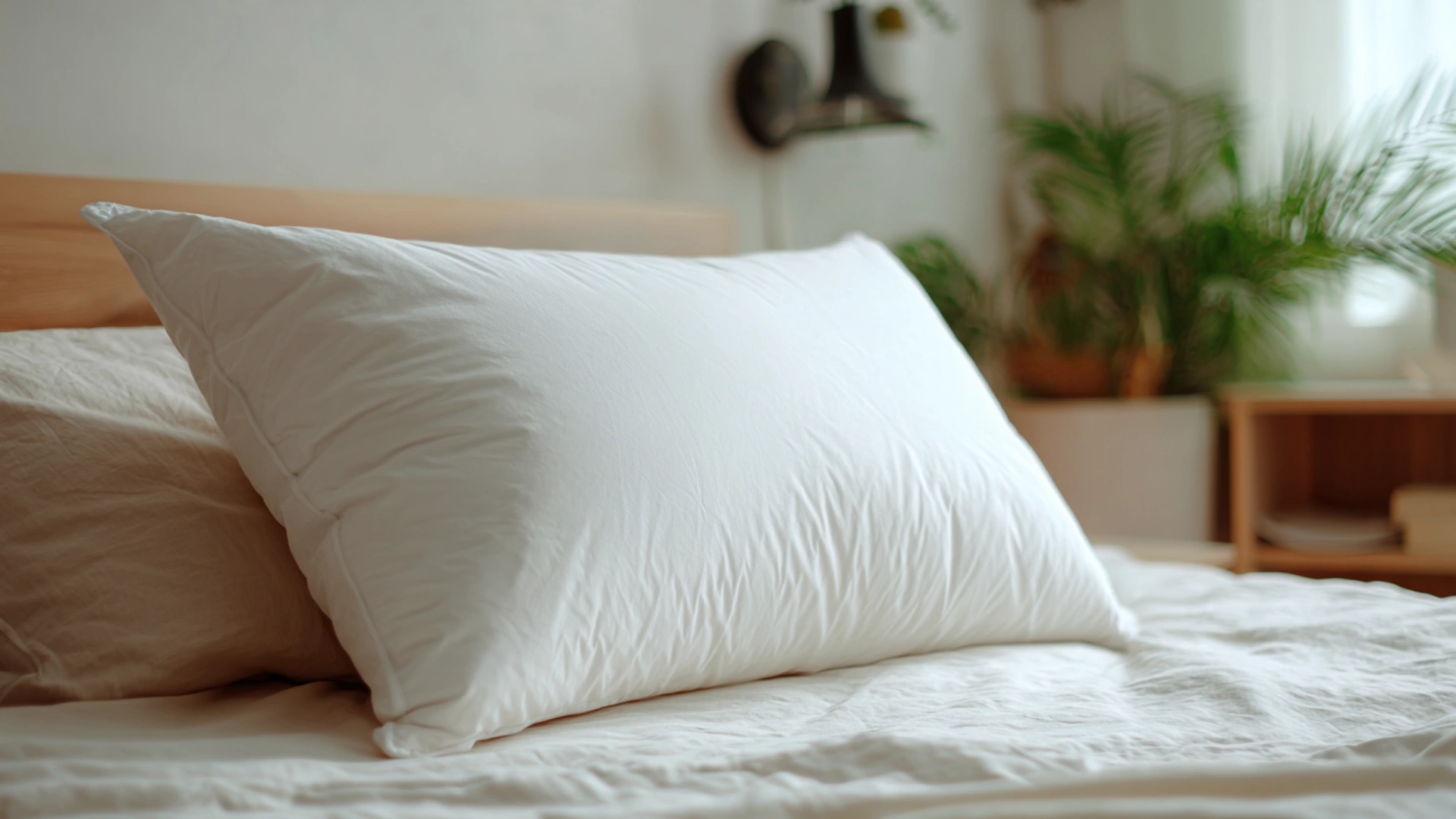
A down pillow is filled with soft, fluffy clusters found under the outer feathers of ducks or geese. These clusters are called “down.” They feel light and airy.
Down is different from feathers. Feathers have a stiff quill in the center. Down clusters have no quill at all. Down feather pillows often mix both down and feathers. This changes how firm or soft the pillow feels.
Down pillows are warm, light, and comfortable for most sleepers. But they cost more than regular feather pillows. Feather pillows are firmer and more budget-friendly. Over time, quills can poke through the fabric.
Knowing this helps you choose the best feather pillow for your sleep needs.
Advantages and Disadvantages of Down Pillows
Down pillows come with clear strengths and a few trade-offs. Looking at both sides can help you figure out if this fill type matches your needs.
| Pros of Down Pillows | Cons of Down Pillows |
|---|---|
| Very soft and plush feel | Usually more expensive than many other pillow types |
| Lightweight and airy | May not give enough support for people who like firm pillows |
| Molds well to the head and neck | Needs regular fluffing to keep its shape |
| Great for sleepers who like a cozy, cloud-like pillow | Can go flat over time with daily use |
| Good breathability for many sleepers | Not ideal for some allergy-sensitive users if poorly cleaned |
| Often lasts a long time when made well | High-quality down options can be costly |
| Quiet and smooth, without the crinkly feel some fills have | Requires careful washing and drying |
| Available in different firmness levels | Some buyers may have concerns about animal sourcing |
Now that you know what down offers, it’s helpful to look at feather pillows, too. The next section breaks down what feather fill brings to the table.
What is a Feather Pillow?
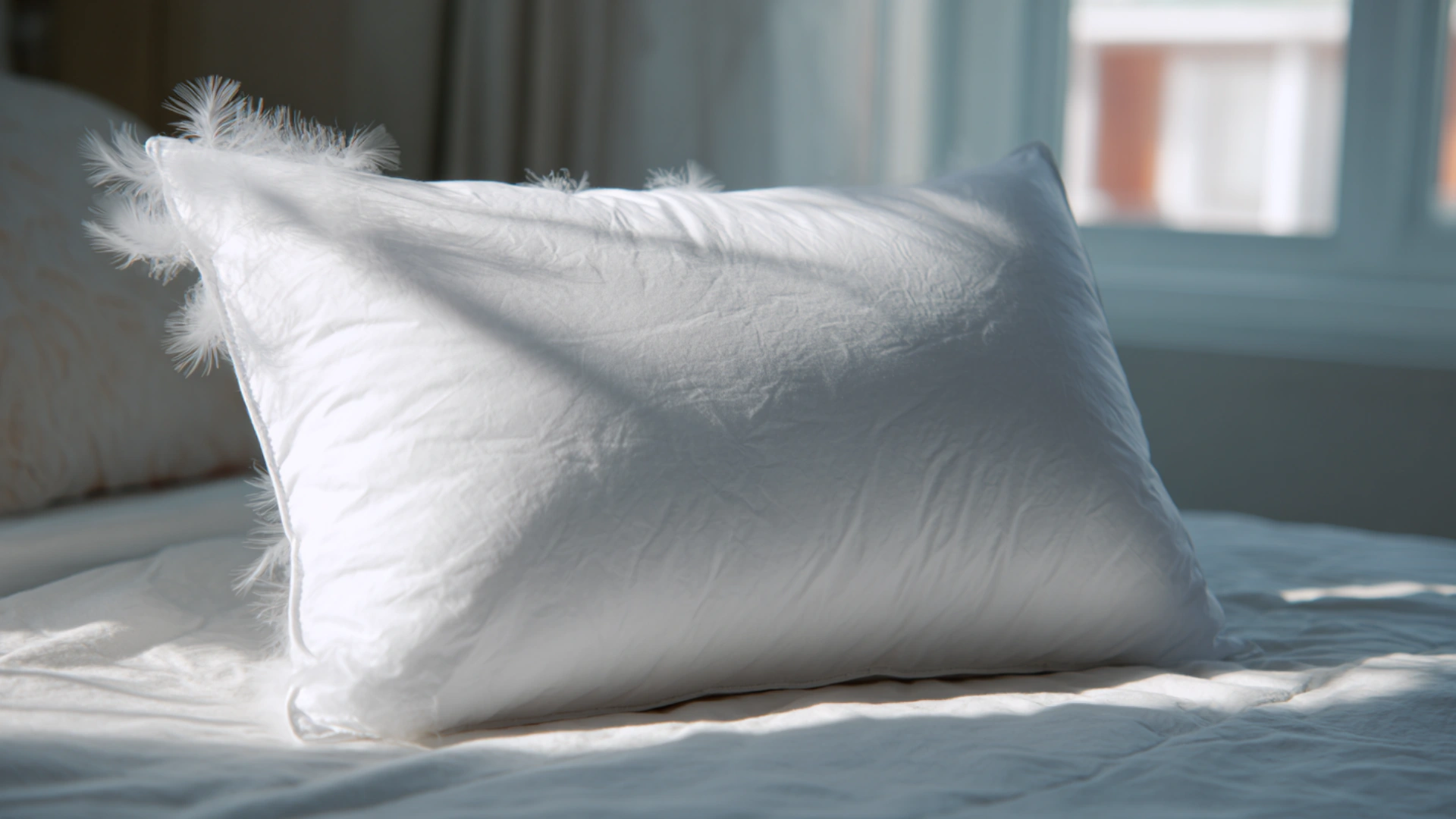
A feather pillow is filled with the outer feathers of ducks or geese. These feathers have a stiff center spine called a quill.
Feather pillows feel firmer than down pillows. They also cost less, making them a popular choice for many people. One downside is that quills can sometimes poke through the pillow cover. This can feel uncomfortable over time.
Feather pillows are heavier than down feather pillows. They also need regular fluffing to keep their shape.
Unlike the best feather pillows, which are a mix of down and feathers, pure feather pillows offer less softness. But they do give better support for some sleepers.
They work well for people who prefer a firmer, flatter pillow at night.
Advantages and Disadvantages of Feather Pillows
Feather pillows have their own set of strengths and drawbacks. Knowing what to expect before buying can save you from a disappointing night’s sleep.
| Pros of Feather Pillows | Cons of Feather Pillows |
|---|---|
| Usually more affordable than down pillows | Quills can poke through the fabric over time |
| Offers better support than very soft down pillows | Needs frequent fluffing to keep its shape |
| Molds easily to the head and neck | Can flatten faster with regular use |
| Good option for people who like a balance of softness and firmness | May feel too dense or heavy for some sleepers |
| Widely available in many price ranges | Can make noise when you move on it |
| Often durable with proper care | May trap dust or irritate allergy-sensitive users |
| Works well for many back and side sleepers | Requires careful washing and drying |
| Can be part of down-feather blends for mixed comfort | Lower-quality options may lose comfort quickly |
With both pillow types covered, it is easier to compare them side by side. The next section lays out the key differences between down and feather pillows.
Down vs. Feather Pillow: Key Differences Explained
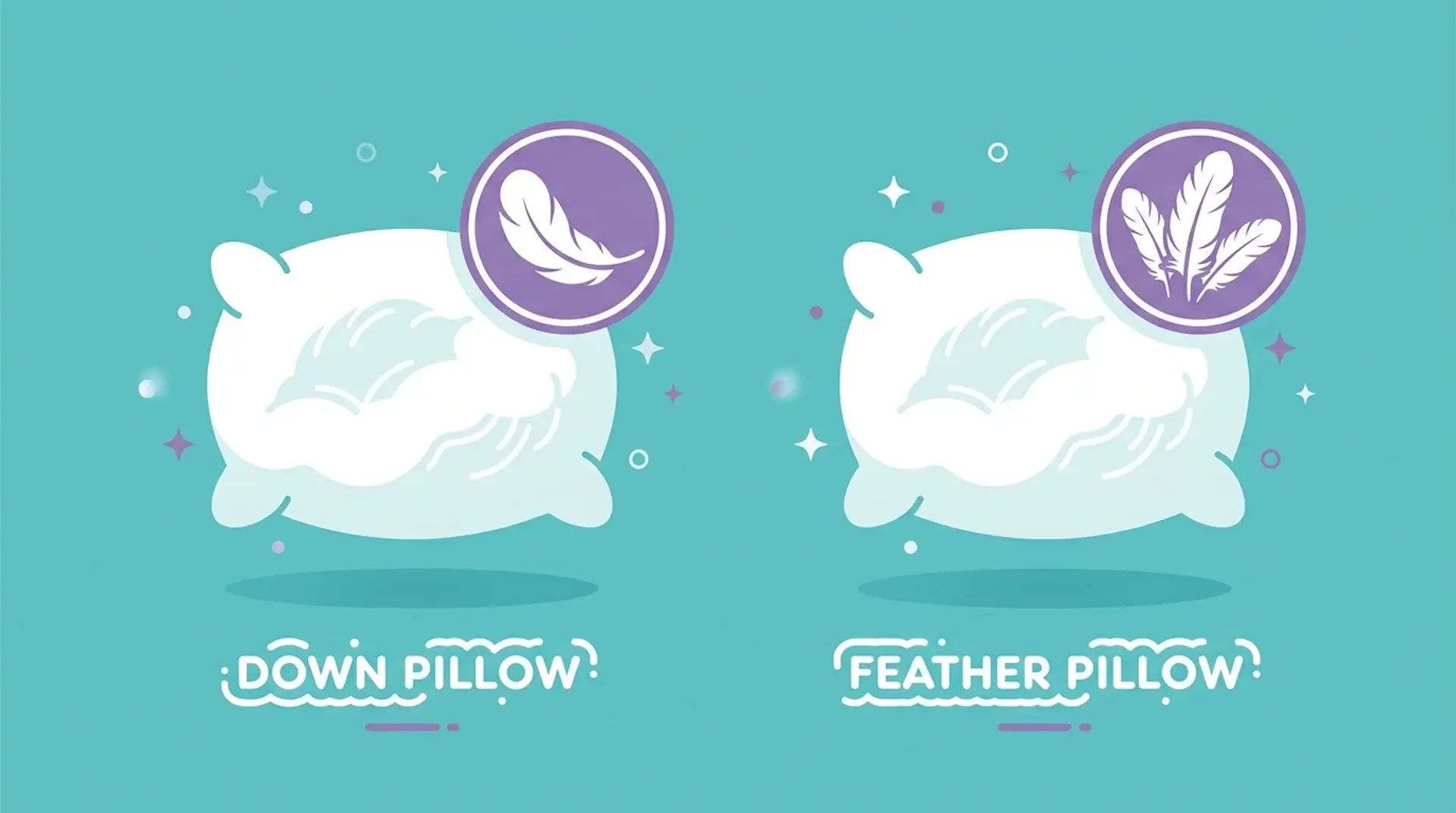
Choosing between down and feather pillows can feel confusing. This breakdown covers the key differences in feel, support, heat, cost, and lifespan to help you decide.
1. Softness & Feel
Down pillows feel light and fluffy. The clusters are soft against your skin and mold to your head easily. Feather pillows feel firmer. The quills inside give them more structure.
Some people like this, but others find it less comfortable over time. Down feather pillows fall in between, offering a mix of both softness and some firmness.
2. Support & Loft
Feather pillows hold their shape better through the night. They offer more support for people who need a firmer surface. Down pillows are soft but can flatten faster.
They may not give enough support for stomach or back sleepers. The best feather pillows often blend down and feathers to balance both loft and support well.
3. Temperature Regulation
Down is a natural insulator. It traps warmth, which is great in cooler months. But it can feel too warm in summer. Feather pillows are also warm but slightly less so than pure down.
If you tend to sleep hot, neither may be ideal. Look for down feather pillows with a breathable cotton cover.
4. Price & Value
Down pillows cost more. High-quality down is harder to source, which raises the price. Feather pillows are more budget-friendly. They give you a natural fill at a lower cost.
Down feather pillows sit in the middle price range. They offer decent quality without the full cost of pure down pillows.
5. Durability & Longevity
A good down pillow can last 10 to 15 years with proper care. The clusters hold up well over time.
Feather pillows are also long-lasting but may lose shape faster.
Quills can break down and poke through the fabric. The best feather pillows use tightly woven covers to slow this process and extend the pillow’s life.
Now that the differences are clear, you may want to know which specific pillows are worth trying. The next section covers some well-known options to consider.
Best Feather Pillows and Down Feather Pillows to Consider
Not sure where to start? Here are some well-known pillow options across different fill types, firmness levels, and price points worth looking at.
- Pacific Coast Double Down Around Pillow: A popular down feather pillow with a soft inner core and supportive outer layer for balanced comfort.
- Continental Bedding White Goose Down Pillow: A pure goose down pillow that feels light and soft, good for side and back sleepers.
- Allied Home Decorative Feather Pillow: A firm, budget-friendly feather pillow that holds its shape well through the night for most sleepers.
- Parachute Down Pillow: A well-reviewed down pillow with a high fill power, known for lasting softness and good breathability.
- Beckham Hotel Collection Feather Pillow: A widely used feather pillow that offers decent support at a low price point for everyday use.
- The Pillow Bar Down Feather Pillow: A mixed-fill option that blends down and feathers for people who want both softness and firmer support.
- Sleep Number True Temp Feather Pillow: A feather pillow designed to help manage warmth, a useful pick for people who tend to sleep hot.
Once you find a pillow you love, how you dress it matters, too; the right decorative pillow covers can add structure and style to your bed while also protecting the fill. Finding the right pillow also depends on how you sleep.
The next section matches pillow types to different sleep positions so you can make a better choice.
Which is Best for Your Sleep Position?
Your sleep position plays a big role in how a pillow feels and performs. This table matches each position with the fill type that tends to work best.
| Sleep Position | Best Pillow Choice | Why It Works |
|---|---|---|
| Side Sleepers | Feather pillows or firmer down-feather pillows | Side sleepers usually need more loft and support to fill the gap between the head and shoulder. |
| Back Sleepers | Medium-support down pillows or down-feather blend pillows | These can cushion the head well while still helping keep the neck in a more natural position. |
| Stomach Sleepers | Soft down pillows | Stomach sleepers often do better with a low-loft, soft pillow that does not push the head up too much. |
| Combination Sleepers | Down-feather blend pillows | A blend can offer a mix of softness and support, which works well for people who change positions at night. |
Once you find the right pillow, taking care of it matters just as much. The next section covers simple steps to keep your pillow clean and in good shape.
How to Care for Down & Feather Pillows
Taking care of your pillow helps it last longer and stay fresh. These simple steps work for both down and feather pillows.
- Wash Every 3 to 6 Months: Machine wash on a gentle cycle with mild detergent. Avoid harsh chemicals that break down natural fill over time.
- Use a Large Capacity Washer: A bigger machine gives the pillow room to move freely. This helps clean the fill more thoroughly without clumping.
- Dry Thoroughly After Washing: Tumble dry on low heat. Make sure the pillow is completely dry before use to prevent mold or mildew.
- Add Dryer Balls While Drying: Toss in two or three dryer balls. They help break up clumps and keep the fill evenly distributed throughout drying.
- Fluff Your Pillow Daily: Give it a good fluff each morning. This helps restore loft and keeps the fill from settling in one spot.
- Use a Pillow Protector: A zippered cover adds a barrier against sweat, oils, and dust mites, and, when paired with the right pillowcase fabric and fit, also reduces how often you need to wash the pillow itself.
Proper care helps with hygiene, but allergies are a separate concern for many buyers. The next section looks at whether down and feather pillows are safe for allergy-prone sleepers.
Are Down and Feather Pillows Hypoallergenic?
Many people worry about allergies when choosing down or feather pillows. It is a fair concern.
According to a study published in the journal Allergy, researchers found that synthetic pillows actually harbored significantly more house dust mite allergens than feather pillows, largely due to the tighter shell construction used on feather products.
In other words, the pillow cover matters more than the fill type when it comes to dust mite exposure.
Most allergic reactions are not caused by the down or feathers themselves. They are usually triggered by dust mites that collect inside the pillow over time.
Some down feather pillows are labeled hypoallergenic. This means the fill has been cleaned and treated to reduce allergens.
If you have allergies, look for pillows with a tightly woven cover. This helps keep dust mites out.
Washing your pillow regularly also helps. Most down and feather pillows can be machine-washed on a gentle cycle.
When in doubt, check the product label before buying.
The Bottom Line
Picking the right pillow does not have to be hard.
Understanding what a down pillow is, how feather pillows differ, and what each fill type offers makes the decision much clearer.
Down pillows are soft and light. Feather pillows are firmer and more affordable. Down feather blends give you a bit of both. The best choice depends on how you sleep, your budget, and if allergies are a concern.
Taking care of the pillow also matters. Regular washing and daily fluffing can add years to its life.
A good pillow supports more than just your head. It supports better sleep every single night.
Found this helpful? Save this page for the next time a pillow-buying decision comes around, or share it with someone who has been waking up with a sore neck.
Frequently Asked Questions
Do Feather Pillows Go Flat?
Yes, feather pillows can go flat over time. Daily fluffing helps restore shape. Quills break down with regular use, accelerating the flattening process.
Can I Be Allergic to a Down Pillow?
Possibly. Most reactions come from dust mites inside the pillow, not the down itself. Hypoallergenic options and tightly woven covers can help reduce irritation.
Are Down Pillows Worth the Extra Cost?
For many people, yes. They are soft, long-lasting, and comfortable. A quality down pillow can last 10 to 15 years with proper care.