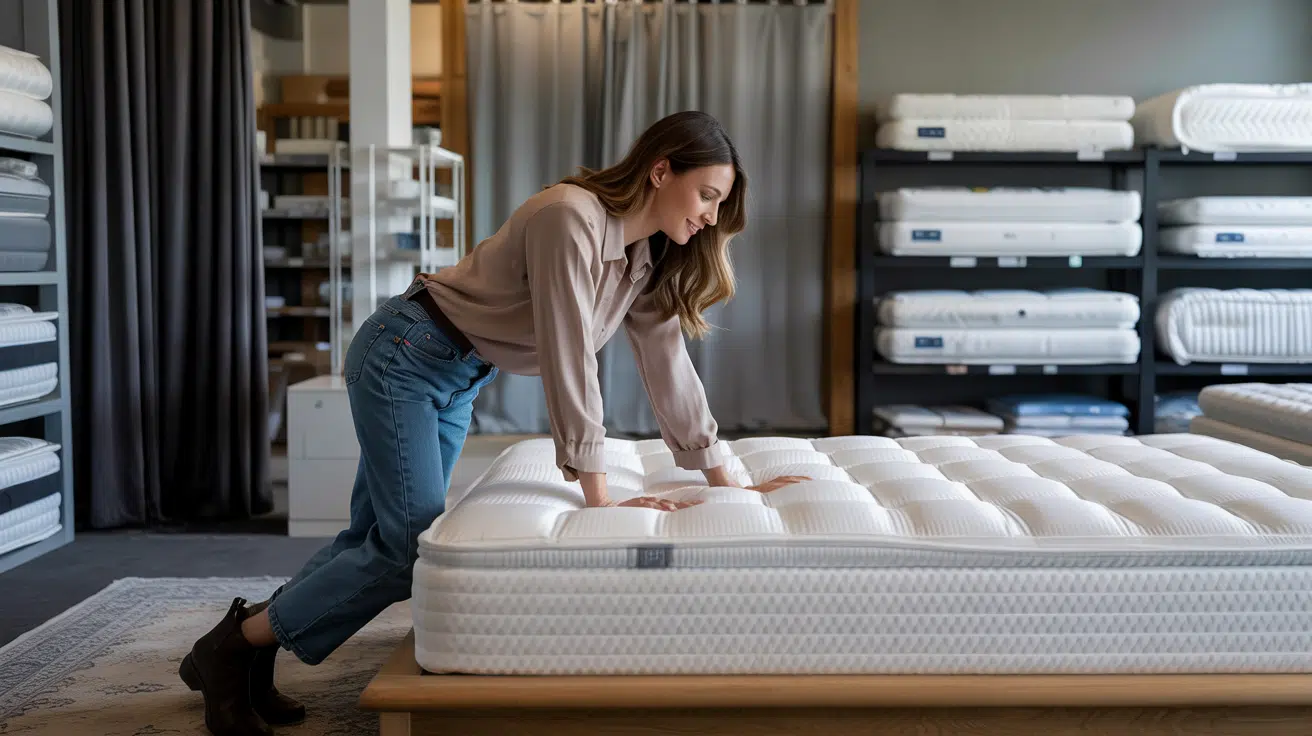
Mattress Firmness Scale: Your Complete Guide to Better Sleep
Choosing the right mattress firmness can make or break your sleep quality. With so many options available, understanding the firmness scale becomes crucial for finding your perfect match. This comprehensive guide breaks down the standard 1-10 firmness scale, helping you decode manufacturer labels and match firmness levels to your specific needs. Even if you’re a side sleeper seeking pressure relief, a back sleeper needing spinal support, or someone dealing with a specific health concern firmness directly impacts your comfort and sleep health. We’ll find out how each firmness level impacts your sleep, discuss how your sleeping position and body weight influence your ideal choice, and provide practical tips for testing mattresses before making this critical investment in your nightly rest. What is the Mattress Firmness Scale? The mattress firmness scale typically ranges from 1 to 10, with 1 being the softest and 10 being the firmest. This standardized system helps manufacturers and consumers communicate about mattress feel consistently. However, it’s essential to understand that firmness refers to the initial surface feel, not the overall support structure of the mattress. The scale serves as a starting point for narrowing down options, though personal preference and individual body characteristics ultimately determine what feels right for you. Mattress Firmness Scale Levels Explained Each firmness level on the scale offers distinct characteristics that cater to different sleep needs and body types. Understanding these differences will help you identify which range aligns best with your comfort preferences and physical requirements. 1. Extra Soft (1–2) These mattresses feel ultra-plush, allowing the body to sink in almost completely. They provide maximum contouring, which can feel like sleeping “in” the bed rather than on top of it. Extra soft surfaces may feel luxurious for very lightweight sleepers, but usually lack the structure needed for proper support. Heavier individuals often find them uncomfortable over time as the body sinks too deeply. 2. Soft (3–4) Soft mattresses still have a plush, cushioned feel but with slightly more resilience than extra soft options. They allow noticeable sinkage, cradling the body while offering decent motion isolation. Many people enjoy them for their cozy, enveloping surface that eases pressure points. However, some may find them too yielding if they prefer a stable, supportive feel. 3. Medium (5–6) Medium-firm mattresses strike a balance between contouring comfort and supportive structure. They provide enough softness to relieve pressure without making you feel stuck in the bed. This level adapts to a wide range of sleep styles and body types, which is why it’s often considered the most “universal comfort” option. Couples with different preferences frequently settle on this range as a compromise. 4. Medium-Firm (7–8) Medium-firm options feel stable and supportive while still offering a touch of cushioning on the surface. They prevent excessive sinkage and help the body maintain a more neutral alignment. People often choose this level for its reliable balance between comfort and durability. It’s a great option if you want firmness without sacrificing all softness. 5. Extra Firm (9–10) Extra firm mattresses feel very solid, with almost no contouring or give. They prioritize stability, preventing the body from sinking into the surface at all. This firmness can feel highly supportive for those who prefer to sleep “on” the mattress rather than “in” it. For some sleepers, though, the rigid feel may cause pressure buildup and reduced comfort over long periods. How Firmness Affects Sleep Quality Firmness directly impacts several key sleep factors. Pressure point relief occurs when softer surfaces allow your body to sink in slightly, reducing stress on shoulders, hips, and other prominent areas. Conversely, proper spinal alignment requires adequate support to prevent your body from bending unnaturally. Motion isolation tends to be better with softer mattresses, as they absorb movement rather than transferring it across the surface. Additionally, firmness affects durability differently depending on construction materials and your body weight distribution. Mattress Firmness by Sleep Position Your sleep position is the most critical factor when choosing mattress firmness. Each position creates different pressure points and requires specific support to keep your spine correctly aligned throughout the night. 1. Side Sleepers: Soft to Medium (3-6) Side sleepers place concentrated pressure on shoulders and hips, requiring softer surfaces for comfort. Without proper cushioning, you’ll wake with joint pain and poor circulation. Your shoulders and hips need cushioning to prevent pressure points and maintain spine alignment. Key Benefits: Reduces pressure on joints Fills waist gap for proper spine curve Prevents arm numbness and tingling Warning: Shoulder or hip pain means your mattress is too firm. 2. Back Sleepers: Medium to Medium-Firm (5-7) Back sleeping distributes weight evenly but requires support for your spine’s natural curves. This position offers the most firmness and flexibility of all sleep styles. This is the most flexible position, accommodating various firmness levels. Key Benefits: Supports natural lower back curve Even weight distribution Best balance of comfort and support Warning: Lower back pain indicates wrong firmness level. 3. Stomach Sleepers: Firm to Extra-Firm (7-9) Stomach sleeping puts your spine in an unnatural position that can cause back strain. Firm support is essential to prevent your midsection from sinking too deeply. Requires firmest support to prevent back strain. Key Benefits: Prevents midsection sinking Keeps spine straight Reduces neck strain Warning: Any sinking in the midsection causes back problems. 4. Combination Sleepers: Medium-Firm (6-7) Moving between positions throughout the night requires a mattress that performs adequately in all positions. Medium-firm provides the best compromise for multiple sleep styles. Change positions frequently? Choose a medium-firm. Key Benefits: Works for multiple positions Easier movement between positions Balanced support throughout the night Quick Tip: When unsure of your primary position, medium-firm (6-6.5) works for most people. How to Choose the Right Firmness for You Think about these factors to choose the right fit for yourself Factor Soft (1-4) Medium (5-6) Firm (7-10) Sleep Position Side sleepers Combination sleepers Back/stomach sleepers Body Weight Under 130 lbs 130-230 lbs Over 230 lbs Pressure Relief High Moderate Low Support Level Low Moderate High Motion Isolation High Moderate Low Based on Sleeping Position Side sleepers typically need softer surfaces to accommodate hip and shoulder curves. Back sleepers benefit from medium to medium-firm options that support the natural spine curve while cushioning pressure points. Stomach sleepers require firmer surfaces to prevent excessive sinking around the midsection, which can strain the lower back. Based on Body Weight Lightweight individuals often prefer softer mattresses because they compress the surface less. Heavier sleepers typically need firmer options to prevent excessive sinkage and maintain proper support throughout the night. Testing Mattress Firmness Before You Buy When testing in-store, spend at least 10-15 minutes lying in your typical sleep position. Pay attention to pressure points and whether your spine feels aligned. For online purchases, prioritize brands offering extended trial periods (90+ nights) with hassle-free returns. Read customer reviews from people with similar body types and sleep preferences. Remember that new mattresses may feel different initially and often require a brief break-in period for optimal comfort. Common Myths About Mattress Firmness Many misconceptions surround mattress firmness, leading consumers to make decisions based on outdated or inaccurate information. Let’s examine some of the most common myths and the reality behind each one. Myth Reality Firmer mattresses are always better for back pain. The right firmness depends on your specific condition, sleep position, and body type. Soft mattresses wear out faster. Durability depends more on construction quality and materials than surface firmness. Firmness feels identical for everyone. Body weight, shape, and sleep position dramatically affect how firmness feels to each individual. Find Your Perfect Mattress Today! Now that you understand the firmness scale and how to match it to your needs, it’s time to start shopping with confidence. Remember to consider your sleep position, body weight, and any specific health concerns when making your decision. Take advantage of sleep trials to ensure your choice works for your unique needs. Don’t rush the decision-making process, as investing time in research will pay off with years of better sleep quality. Keep in mind that what feels comfortable in a showroom for 10 minutes may feel different after sleeping on it for several weeks. Start your search today by visiting reputable mattress retailers or surveying online options with generous trial periods. Your best night’s sleep is waiting!

What Size is a King Mattress? Dimensions & Choosing the Fit
Selecting the right mattress size plays a crucial role in ensuring quality sleep and overall comfort. Many people find themselves confused by the various dimensions available in the market, particularly when it comes to understanding what constitutes a “king” mattress. The choice between different king mattress sizes can significantly impact your sleep quality, bedroom layout, and budget. This comprehensive guide will clarify mattress dimensions, compare them with other popular sizes, and provide essential factors to consider when making your decision. Even if you’re upgrading from a smaller bed or furnishing a new bedroom, understanding these specifications will help you make an informed choice that suits your space, needs, and sleeping preferences for years to come. Is a King Mattress Right for You? It works exceptionally well for couples with different sleeping preferences, as the extra width minimizes partner disturbance during the night. Families who practice co-sleeping with young children also benefit from the additional space. Individuals who simply prefer more room to move around during sleep find king sizes comfortable and accommodating. However, alternatives exist for different situations. Queen mattresses offer a good compromise between space and room size for smaller bedrooms. Those on a budget might consider queen or full sizes, which cost less initially and require less expensive bedding. California King works better for taller people in rooms that can accommodate the extra length but have width constraints. What Are the Dimensions of a King Mattress? Standard King Size – The traditional size measures 76 inches wide by 80 inches long, making it one of the most spacious options available. This size provides ample room for couples who value personal space during sleep, allowing each person approximately 38 inches of width, equivalent to a twin mattress per person. California King Size – Measuring 72 inches wide by 84 inches long, the California King offers a different proportion than the standard version. While it’s 4 inches narrower, it provides an additional 4 inches of length, making it particularly suitable for taller individuals who need extra legroom. Standard King vs California King When deciding between options, understanding the key difference helps you make the right choice for your specific needs. Feature Standard King California King Dimensions 76″ W x 80″ L 72″ W x 84″ L Total Area 6,080 sq inches 6,048 sq inches Best For Couples wanting maximum width Tall individuals (6’2″ and above) Room Shape Square or wide rooms Long, narrow rooms Bedding Cost Standard pricing Slightly higher (less common) Availability More widely available Limited selection Partner Space 38″ per person 36″ per person Ideal Room Size 12′ x 12′ minimum 10′ x 14′ minimum Consider your height, room dimensions, and whether width or length matters more for your comfort when choosing between these two spacious options. King Mattress vs. Other Mattress Sizes Choosing the right mattress size depends on your sleeping arrangements, room dimensions, and personal space preferences. Here’s a comprehensive guide to standard mattress dimensions and their ideal uses. Mattress Size Width (inches) Length (inches) Best For Twin 38 75 Single sleepers, children Twin XL 38 80 Tall single sleepers, dorms Full/Double 54 75 Single adults, small rooms Queen 60 80 Couples, master bedrooms King 76 80 Couples wanting extra space California King 72 84 Tall couples, narrow rooms Consider your height, sleeping partner, and bedroom layout when selecting a size. Remember that larger mattresses require compatible bed frames and may affect room flow and furniture placement. Why Choose a King Mattress? For Couples: The generous width allows each partner to move freely without disturbing the other’s sleep. This proves especially beneficial when partners have different sleep schedules or movement patterns during the night. For Families: Parents who co-sleep with children appreciate the extra room that accommodates multiple people comfortably without compromising anyone’s sleep quality. For Taller People: California mattresses provide the extra length needed for individuals over 6 feet tall, ensuring their feet don’t hang off the bed. For Space Lovers: Those who enjoy stretching out, sleeping in different positions, or simply prefer more personal space find the luxury and comfort they desire for optimal rest. Factors to Consider When Choosing a Mattress When deciding if a king or California mattress or any size fits your lifestyle, it’s important to look beyond just dimensions. A mattress is a long-term investment in your sleep health, so consider these essential factors before making your choice: Room Size and Layout – Ensure the mattress fits comfortably without overcrowding your bedroom. Sleeping Arrangement – Consider if you’re sleeping alone, with a partner, kids, or pets. Comfort Preferences – Choose based on if you value more width for space or extra length for legroom. Budget Considerations – Larger sizes often cost more, including frames and bedding. Ease of Movement and Delivery – Bigger mattresses can be heavy and harder to move through tight spaces. Lifestyle and Habits – Think about how you use your bed, from lounging to co-sleeping with family. Future Needs – Choose a size that can grow with your family or living situation. Final Thoughts Understanding mattress dimensions – 76″ x 80″ for standard and 72″ x 84″ for California King – helps you make an informed decision about your next bed purchase. Consider your room size, current furniture, budget constraints, and personal sleep preferences when evaluating if a mattress suits your needs. Take time to measure your space, assess your sleep habits, and determine your budget before making this important investment in your comfort and rest quality. The right mattress size contributes significantly to better sleep and overall well-being. Ready to upgrade your sleep experience? Start by measuring your bedroom dimensions and comparing them with the mattress requirements. Visit local mattress stores to test different king sizes and feel the difference in comfort and space.
Can Full Sheets Fit a Queen Bed Comfortably?
Ever wake up tangled in your sheets because they slipped off the corners, leaving you in a messy fabric burrito? If you’ve tried putting full-size sheets on a queen bed, you’ve probably experienced this. It’s a common bedding problem, usually happening when people want to save money or reuse extra sheets. So,can full sheets fit a queen? Sometimes they can, but not in a way that feels secure or comfortable. They tend to come loose or bunch up while you sleep. In this guide, we’ll cover the exact sizes, explain why the fit doesn’t work well, share some simple fixes you can try, and show why getting the right size sheets makes a big difference for your sleep. Do Full Sheets Fit Queen? No, full sheets do not properly fit a queen bed. A queen mattress is 6 inches wider and 5 inches longer than a full, which makes the size difference too big for a snug, secure fit. Flat full sheets can cover most of the surface, but won’t have enough overhang to tuck in firmly. Fitted full sheets are even more challenging; they’re too small to wrap around the corners and will often slip off during the night. For a perfect fit, comfort, and a sheet that stays put, use queen-sized sheets designed for your mattress. Why the Size Difference Matters? To understand why full sheets won’t stay on a queen bed, it helps to compare the size of a full sheet to the size of a queen mattress. The extra 6 inches in width and 5 inches in length result in less fabric to grip the mattress, forcing the elastic on fitted sheets to overstretch. Mattress Sizes and Sheet Variations Knowing your mattress size and sheet type helps explain why full sheets rarely fit a queen bed properly or comfortably. 1. Mattress Size Guide Your mattress dimensions determine how well your sheets will fit. Even a few inches of difference can cause slipping and discomfort. Mattress Size Dimensions (Width × Length) Common Sheet Sizes Available Full 54″ × 75″ Full, Full/Queen Queen 60″ × 80″ Queen, Full/Queen King 76″ × 80″ King California King 72″ × 84″ California King Choosing the right sheet size for your mattress ensures secure corners, proper coverage, and a smoother, more comfortable sleeping surface. 2. Sheet Variations Different sheet types are designed for specific needs. Using the wrong variation can cause poor coverage, loose corners, or bunching. Flat Sheets: Large rectangles; size affects how much fabric tucks under your mattress. Fitted Sheets: Elasticated for exact mattress dimensions; too small and they pop off, too large and they bunch. Full/Queen Sheets: Hybrid size; slightly larger than full, not perfectly snug for queens. Deep Pocket Sheets: Made for mattresses over 14 inches deep; ideal for thick pillow-top queen beds. Selecting the correct variation avoids nightly sheet battles, improves comfort, and helps your bedding last longer without elastic strain or fabric damage. 3. Mattress and Sheet Compatibility Matching sheet size to mattress size is key to avoiding slipping, bunching, and early fabric wear. Here’s how they compare: Mattress & Sheet Combo Fit Quality Coverage Security Comfort Full Bed + Full Sheets Perfect Full Corners stay put High Queen Bed + Full Sheets Poor Partial Corners slip off Low Queen Bed + Queen Sheets Perfect Full Corners stay put High Queen Bed + Full/Queen Sheets Acceptable Almost full May shift Medium Using the correct pairing ensures a secure, comfortable fit, while mismatched sizes lead to frustration and reduced sleep quality. Why Full Sheets Slip Off a Queen Bed? There are a few key reasons full sheets struggle to stay on a queen mattress: Elastic Limitations: The elastic corners on fitted sheets are designed for the smaller perimeter of a full bed. On a queen, they have to stretch too far, which weakens them over time. Not Enough Tuck: Flat sheets need around 8–12 inches of extra length and width to tuck securely. On a queen, full sheets leave far less fabric, so they come loose easily. Deeper Mattresses: Many queen beds are 12–16 inches deep, while most full beds are made for thinner mattresses. Peacock Alley Linens notes: “Forcing a smaller fitted sheet on a larger mattress will stretch the elastic and seams, often ruining the sheet in just a few uses.” Real-Life Experiences and Better Alternatives In real-life use, full sheets can work on a queen bed in certain situations, such as in guest rooms where the bed isn’t used nightly, or in kids’ rooms with thinner mattresses. However, for everyday use, they often slip and require frequent re-tucking. For a more reliable and comfortable fit. It is best to choose queen-sized sheets, consider deep-pocket options for thicker mattresses, or mix and match by using a queen fitted sheet with a full flat sheet for layering. Quick Fixes for Using Full Sheets on a Queen Bed If you don’t have queen-sized sheets on hand, these quick fixes can make full sheets work better, at least temporarily: Use sheet straps: Clip them underneath the mattress to hold the fitted sheet corners in place. Rotate the fitted sheet: Turning it 90° can sometimes create a more secure hold. Remove toppers: A thinner mattress makes it easier for the sheet to stretch and stay put. Try a military tuck: Tuck a full flat sheet tightly on all sides for extra grip. Layer strategically: Pair a queen fitted sheet with a full flat sheet for style and coverage. These hacks can work in guest rooms or for occasional use, but they aren’t a substitute for the comfort and fit of queen-sized sheets. Smart Buying and Care Tips Choosing the right sheets ensures they fit securely, last longer, and feel great every night. Here’s how to get the best results: Measure first: Know your mattress width, length, and depth before buying. Match depth: Get deep-pocket or extra-deep-pocket sheets for thick mattresses or toppers. Choose full elastic: Fitted sheets with elastic all the way around hold more securely. Wash before use: Pre-washing softens fabric and helps sheets shrink to their true size. Label sizes: Store full, queen, and king sheets separately to avoid mix-ups. Buy the right size: The correct fit will stay in place, feel smoother, and protect your bedding from wear. With the right sheets, your bed will stay neat, comfortable, and inviting, no more waking up tangled or readjusting corners in the middle of the night. Final Takeaway While full sheets can technically be stretched onto a queen bed, they’re not built for the job. The extra width and length of a queen mattress mean full sheets won’t grip securely, leading to slipping corners, bunching, and midnight readjustments. They fit snugly, stay put through the night, and protect your bedding from premature wear. Matching your sheet size to your mattress size not only saves you frustration but also improves your sleep quality, making bedtime the cozy, restful experience it should be. Upgrade to the right-size sheets today and feel the difference tonight. Frequently Asked Questions Can Full Sheets Fit A Queen Bed? No, full sheets are too small for a queen bed, leading to slipping corners and poor coverage. What’s The Size Difference Between Full And Queen Sheets? A queen mattress is 6 inches wider and 5 inches longer than a full, making sheets incompatible. Can Full Flat Sheets Work On A Queen Bed? Yes, but they lack enough overhang to tuck securely, so they often come loose during sleep. Are Full/Queen Sheets A Good Option? They fit better than full sheets but are rarely as snug and secure as true queen-sized sheets.
Complete Guide to Twin Sheet Measurements
When you buy a new sheet set, nothing’s more frustrating than putting it on your bed only to find it’s either slipping off the corners or bunching up awkwardly. That’s why knowing twin sheet measurements before you shop is so important. If you’re outfitting a child’s bed, a dorm room, or a guest space, understanding exactly how big twin sheets are, and how they compare to other sizes, will help you get a perfect fit every time. In this guide, we’ll cover standard mattress sizes, twin fitted sheet dimensions, flat sheet sizes, and what to look out for when shopping. We’ll also include tips for measuring your bed, choosing the right depth, and keeping your sheets looking and feeling great. Understanding Twin Bed and Sheet Dimensions Getting the right sheets starts with knowing your mattress size. For twin beds, even an inch’s difference can affect how well your sheets fit, so it’s worth learning the exact measurements before you shop. Standard Twin Mattress Size Think of the twin mattress as the small but mighty option in the bed world. Measuring 38–39 inches wide and 75 inches long, it’s the perfect size when you want comfort without taking up too much space. You’ll often find it in: Kids’ rooms for that first big kid bed Teen bedrooms where floor space matters Bunk beds (because anything bigger just won’t fit) Cozy guest rooms that still deserve a proper bed Flat sheets for a twin bed average 66 inches wide by 96 inches long. Some brands make them slightly wider (up to 70–72 inches) for easier tucking and more overhang, ideal for restless sleepers who move around at night. Twin Fitted Sheet Dimensions For a twin bed, twin fitted sheet dimensions are typically 39 inches wide by 75 inches long, matching the mattress size. The key factor to check is pocket depth, the height of the mattress it can fit over: Standard pocket: 14 inches deep (most mattresses) Deep pocket: 16–18 inches (pillow-top or plush mattresses) Extra-deep pocket: 20–22 inches (thick mattresses or ones with toppers) If your mattress has a topper, go for deep or extra-deep pockets to avoid sheets slipping off. Common Variations & What to Watch For While the numbers above are considered standard, there are variations you might encounter: 1. Brand Differences Some companies slightly adjust their twin fitted sheet dimensions or flat sheet sizes. A difference of an inch or two might not seem like much, but it can make a big difference in fit, especially for fitted sheets. 2. Fabric Shrinkage Cotton sheets, especially 100% cotton without pre-shrinking treatment, can shrink after the first few washes. Buying sheets with a little extra length or width can help account for this. 3. Twin vs. Twin XL Twin XL mattresses are the same width as standard twins (38–39 inches) but are 5 inches longer (80 inches instead of 75). If you use a Twin XL fitted sheet on a regular twin mattress, it will be too loose lengthwise. 4. Imported Sizes If you buy sheets made for international markets, the sizing may differ slightly. Always check the actual dimensions before purchasing. How to Measure Your Mattress for the Right Fit Even though “twin” is a standard size, your mattress might be a little different depending on the brand, topper, or wear over time. Measuring is simple and ensures you get a sheet set that fits like a glove. Width: Measure from one side to the other across the top surface of the mattress. Length: Measure from the head of the bed to the foot along the top surface. Depth: This is the big one for fitted sheets. Start at the bottom seam on one side, go up and over the top, and down to the bottom seam on the other side. Include any mattress toppers in your measurement. When you shop, compare your measurements to the manufacturer’s size chart. For fitted sheets, make sure the pocket depth is at least 1–2 inches greater than your mattress depth for a secure fit. Quick Reference Table of Twin Sheet Measurements Type Width Length Pocket Depth (Fitted) Twin Mattress 38–39″ 75″ — Twin Fitted Sheet ~39″ ~75″ 14″ standard / 16–22″ deep Twin Flat Sheet ~66″ ~96″ — Twin XL Mattress 38–39″ 80″ — Twin XL Fitted Sheet ~39″ ~80″ 14–22″ Twin XL Flat Sheet ~66″ ~100″ — Pro Tips for Buying & Using Twin Sheets Getting the right measurements is only part of the equation. Here are some extra tips to help you choose and care for your sheets: Pick the right fabric: Percale for crisp feel, sateen for smoothness, flannel for warmth. Choose deeper pockets if unsure: Easier to tuck extra fabric than stretch a too-small sheet. Wash before first use: Softens the fabric and removes any factory residue. Rotate your sets: Keep at least two or three to make them last longer. Match the season: Light fabrics for summer, warmer ones for winter. Bonus Tip: Invest in sheets with strong, high-quality elastic, they’ll stay snug on the corners and last much longer. Twin Sheet Sizing Compared to Other Bed Sizes Understanding how twin sheet measurements compare to other standard sizes helps if you have multiple beds in your home: Mattress Size Width Length Notes Twin 38–39″ 75″ Standard small bed size, common in kids’ rooms, dorms, and guest spaces Full/Double 54″ 75″ Much wider than a twin, fits two people snugly Queen 60″ 80″ Popular for couples, provides extra length and width King 76″ 80″ Extra-wide sleeping space, ideal for master bedrooms California King 72″ 84″ Slightly narrower than a King but longer, great for taller sleepers Note: You can’t use twin sheets on larger mattresses, but twin flat sheets can be repurposed for small tables, picnic blankets, or lightweight summer throws. How to Keep Sheets Fitting Perfectly Over Time Even if you buy the right size, sheets can loosen up or shrink with use and washing. To maintain a great fit: Wash in cold or warm water (hot water can shrink cotton). Avoid overdrying; high heat can cause shrinkage and weaken the elastic. Use mattress clips or suspenders if your fitted sheet starts slipping. Store sheets folded neatly in a cool, dry place to prevent fabric warping. With the right care, your sheets will stay snug, smooth, and comfortable, keeping your bed looking fresh and feeling inviting. Why Pocket Depth Is the Most Overlooked Sheet Measurement While length and width are important, pocket depth is the number one reason people return fitted sheets. Mattresses have become thicker over the years, and even budget models can exceed 14 inches in depth once you add a topper. When in doubt, always measure and err on the side of a deeper pocket, a slightly loose fitted sheet is easier to work with than one that won’t stretch over the corners. The Bottom Line on Twin Sheet Measurements Buying sheets isn’t as simple as picking up a package labeled twin. To get a perfect fit, you’ll want to know your mattress’s exact width, length, and depth, plus the standard twin fitted sheet dimensions and flat sheet sizes. It’s also important to understand the difference between twin and twin XL, and how brand or fabric variations can slightly change the fit. The right measurements mean no slipping corners, no bunching fabric, and a smoother, more comfortable sleep. Armed with the details in this guide, you can shop with confidence and choose sheets that fit snugly, feel amazing, and stand the test of time. Measure today, shop smart, and give your bed the fit it deserves! Frequently Asked Questions Can I Use Twin XL Sheets On A Standard Twin Bed? Not ideally. The fitted sheet will be too long, which can cause bunching. The flat sheet will work fine, though it may have extra length. How Much Extra Width Should A Flat Sheet Have For Tucking? At least 10 inches more than your mattress width gives enough fabric to tuck in securely. My Twin Mattress Is 18 Inches Deep. What Should I Do? Look for deep-pocket or extra-deep-pocket fitted sheets with 18–22 inches of depth. Will Cotton Sheets Shrink? Yes, especially 100% cotton without pre-shrinking treatment. Wash in warm (not hot) water and tumble dry on low to reduce shrinkage.
Best Mattress for Scoliosis: Sleep Better with Less Pain
Living with scoliosis can make getting a good night’s sleep feel impossible. Your curved spine creates pressure points and pain that keep you tossing and turning all night. Many people with scoliosis struggle to find comfortable positions and wake up feeling stiff and sore. But here’s the good news – the right mattress can make a huge difference. A supportive mattress helps align your spine and reduces pain, so you can finally get the rest you need. Let’s walk through what makes a mattress perfect for scoliosis. This guide will cover the best types, top recommendations, and practical tips to help you choose. By the end, you’ll know exactly what to look for to get better sleep and less back pain. What Is Scoliosis? Scoliosis is a condition where your spine curves sideways instead of staying straight. This creates an “S” or “C” shape when viewed from behind. The curve can be mild or severe, and it often develops during childhood growth spurts. Most cases are idiopathic, meaning doctors don’t know the exact cause. Some people have functional scoliosis caused by muscle imbalances or leg length differences. Others develop it due to birth defects or neurological conditions. Common symptoms include uneven shoulders, one hip higher than the other, and back pain. The curved spine puts extra pressure on certain areas, making it hard to find a comfortable sleeping position. How Does Scoliosis Affect Sleep? Scoliosis creates several sleep challenges that can leave you tired and sore. Your curved spine puts pressure on certain points while leaving gaps in others, making it hard to get comfortable. Pressure point pain – The Hip and shoulder areas bear extra weight and create discomfort Spinal misalignment – Poor mattress support can worsen your curve during sleep Muscle tension – Your back muscles work overtime to compensate for the curve Restless nights – Pain and discomfort lead to frequent position changes and poor sleep quality What to Look for in a Mattress for Scoliosis Shopping for a mattress with scoliosis means focusing on specific features that support your unique needs. The right mattress should work with your spine’s natural curve, not against it. Spinal alignment support – Keeps your spine in proper position all night long Pressure point relief – Cushions the hips and shoulders to reduce pain and stiffness Medium-firm feel – Provides support while still contouring to your body’s shape Even weight distribution – Spreads your body weight to prevent pressure buildup Quality materials – Strong construction that maintains support over time Types of Mattresses: Pros and Cons for Scoliosis Different mattress types offer various benefits for people with scoliosis. Understanding your options helps you make the best choice for your specific needs and sleeping style. 1. Memory Foam Memory foam mattresses are known for their body-contouring abilities and pressure point relief. They mold to your body’s shape, which can help support the curves in your spine. These mattresses are also great at isolating motion, so you won’t feel your partner moving during the night. 2. Hybrid Hybrid mattresses combine the support of innerspring coils with the comfort of foam layers on top. This combination gives you the best of both worlds – bouncy support and pressure relief. They work well for people who change positions during sleep or share a bed with a partner. 3. Latex Latex mattresses are made from natural or synthetic rubber materials that provide responsive support. They have a bouncy feel that makes it easy to change positions during the night. Latex is also naturally cooling and resistant to dust mites and allergens. 4. Innerspring Innerspring mattresses use a system of metal coils to provide support and structure. They’re the most traditional type of mattress and offer good airflow to keep you cool. These mattresses tend to be more affordable than other types but may lack the pressure relief needed for scoliosis. Ideal Mattresses for Lower Back Pain Relief Lower back pain is common with scoliosis, so choosing the right firmness and support features is crucial. Research shows that medium-firm mattresses work best for most people with back pain. Medium-firm mattresses support your spine’s natural curve while still providing pressure relief. They’re firm enough to prevent sinking but soft enough to cushion your pressure points. Look for mattresses with zoned support that provides extra firmness in the lumbar area. This targeted support keeps your lower back aligned and reduces pain throughout the night. Sleeping Positions and the Best Mattress for Scoliosis Your preferred sleeping position affects what type of mattress will work best for your scoliosis. Each position puts different pressures on your spine and requires specific support features. 1. Back Sleepers Back sleepers need medium-firm to firm mattresses that support the natural curve of their lower back. Look for mattresses with good lumbar support to prevent your spine from flattening out during sleep. A mattress that’s too soft will let your hips sink in too much, creating an unnatural arch. Choose mattresses with zoned support or firmer cores to keep your spine properly aligned all night. 2. Side Sleepers Side sleepers benefit from softer, more contouring mattresses that cushion their hips and shoulders. These pressure points need extra relief to prevent pain and stiffness in the morning. Medium-firm hybrid or memory foam mattresses work well for side sleepers with scoliosis. They provide enough support for your spine while still conforming to your body’s curves. Look for mattresses with pressure-relieving top layers and supportive cores underneath for the best combination of comfort and spinal alignment. 3. Stomach Sleepers Stomach sleepers require the firmest support to prevent their lower back from sagging into the mattress. Without proper support, your spine can arch uncomfortably and worsen pain. However, stomach sleeping isn’t recommended for people with scoliosis as it can worsen spinal alignment. This position forces your neck to turn to one side and can increase the curve in your spine. If you must sleep on your stomach, choose the firmest mattress possible and consider placing a thin pillow under your hips for extra support. Cost Breakdown: What to Expect Mattress prices vary widely based on the type and materials used. Here’s what you can expect to pay for different mattress types that work well for scoliosis. Mattress Type Price Range Best For Scoliosis Memory Foam $400-$1,500 Pressure relief, contouring support Hybrid $800-$2,500 Balanced support and comfort Latex $1,000-$3,000 Natural support, cooling, long-lasting Innerspring $300-$1,200 Basic support, budget-friendly Don’t forget about additional costs like shipping, setup, adjustable bases, and extended warranties. Recommended Mattresses for Scoliosis Based on expert reviews and customer feedback, here are the top mattresses for people with scoliosis. Each offers unique benefits for spinal support and pain relief. Helix Midnight Luxe – Offers personalized support based on a sleep quiz, great edge support, and targeted pressure relief for different body zones. Saatva Classic – Luxury hybrid with lumbar zone support, multiple firmness options, and excellent durability for long-term spinal health. Brooklyn Bedding Signature Hybrid – Affordable option with multiple firmness levels, good for both side and back sleepers with scoliosis. Nectar Premier – Memory foam with cooling features and deep contouring, plus a generous trial period to test comfort. Purple Mattress – Unique gel grid design provides optimal spinal alignment and excellent airflow for temperature regulation. Tips for Mattress Shopping with Scoliosis Shopping for a mattress with scoliosis requires extra care and consideration. These tips will help you make the best choice for your specific needs. Take advantage of trial periods to test the mattress at home for at least 30 nights. Your body needs time to adjust, and you’ll get a better sense of long-term comfort. Read customer reviews from other people with scoliosis or back pain. Look for comments about spinal support, pressure relief, and long-term durability. Consider pairing your new mattress with an adjustable base. Being able to elevate your head or legs can provide additional comfort and support for your curved spine. Finding the Right Mattress for Better Sleep Choosing the right mattress is one of the most important steps you can take to manage scoliosis pain and improve your sleep quality. The right combination of support and comfort can make a dramatic difference in how you feel each morning. Remember that everyone’s scoliosis is different, so what works for others might not work for you. Take time to research your options and test mattresses during trial periods. Don’t hesitate to consult with your healthcare provider or physical therapist for personalized advice. They can provide guidance based on your specific curve pattern and symptoms. Have you found a mattress that works well for your scoliosis? Share your experience or ask questions in the comments below – your insights could help other readers find better sleep! Frequently Asked Questions Should I Choose a Firm or Soft Mattress for Scoliosis? Medium-firm mattresses typically work best, providing support while still contouring to your body’s curves. How Does My Mattress Choice Affect Long-Term Back Pain? A supportive mattress can reduce pain and improve sleep quality, while a poor mattress can worsen symptoms over time. Can a Mattress Alone Relieve My Scoliosis Pain? While a good mattress helps significantly, it should be part of a comprehensive treatment plan that may include physical therapy and medical care.
How to Wash Sheets: Guidance for Avoiding Common Problems
Ever pulled your sheets out of the washer only to find them twisted into a giant knot with your socks trapped inside? You’re not alone. Washing sheets seems simple, but most people make mistakes that lead to tangled messes, faded colors, or scratchy fabric. The truth is that your washing machine isn’t the enemy. The problem is the technique. Fresh, clean sheets aren’t just about comfort – they impact your health, sleep quality, and how long your bedding lasts. Learning how to wash sheets properly means no more wrestling with twisted fabric or wondering why your expensive sheets feel rough. Master how to wash bed sheets and how to wash new sheets with these proven methods. Tools You’ll Need Having the right supplies ready makes the sheet washing process smoother and more effective. These basic items ensure you can handle any situation that comes up during washing. Essential Tools Purpose Washing machine Front-loading or top-loading for cleaning Dryer or drying rack For drying sheets after washing Mild laundry detergent Cleaning agent suitable for your fabric type Stain remover Pre-treatment spray for spot cleaning Measuring cup Accurate detergent measurement Clean laundry basket Transporting sheets to and from machines Quality tools protect your investment in good bedding while making the entire process more efficient and less stressful. How to Wash Bed Sheets: Step-By-Step Follow this simple step-by-step process for perfect results every time. These steps work for all sheet types and prevent the most common washing mistakes. Proper sheet care extends fabric life significantly while maintaining comfort and appearance over hundreds of wash cycles. Step 1: Check Care Label and Pre-Treat Stains Look for fabric instructions and temperature settings printed on the manufacturer’s label attached to your sheets. Following these specific guidelines prevents shrinkage, fading, and permanent damage that can ruin expensive bedding sets. Spot clean any visible stains with a gentle stain remover before placing sheets in the washing machine to ensure complete removal during the wash cycle. Step 2: Load Sheets Properly in the Machine Wash sheets separately from towels, clothes, and other household items to prevent lint transfer and reduce tangling during the wash cycle. Avoid overloading your washer by giving sheets plenty of room to move freely and spreading them loosely throughout the drum. Proper loading ensures even cleaning and prevents bunching that can trap dirt and detergent residue. Step 3: Choose Correct Settings and Detergent Use mild detergent in the recommended amount and avoid using excessive soap, which can leave residue buildup on fabric fibers. Cotton sheets typically handle warm or hot water well, while soft materials like silk or bamboo require cold water settings. Select the appropriate cycle length and agitation level based on soil level and fabric sensitivity for optimal cleaning results. Step 4: Handle the Washing and Drying Process Always wash new sheets before first use to remove manufacturing residues, chemicals, and sizing agents that can irritate skin or affect comfort. Remove sheets promptly from the washer and shake them out thoroughly to prevent wrinkles from setting during the drying process. Use low or medium heat settings in the dryer to prevent shrinkage and fabric damage from excessive temperatures. Step 5: Store Sheets Properly Once sheets are completely dry, fold them neatly while still warm to minimize wrinkles and create crisp edges. Store folded sheets in a cool, dry place away from direct sunlight to maintain freshness and prevent yellowing over time. Proper storage in breathable containers or linen closets helps sheets maintain their shape and prevents musty odors from developing. Smart Loading Tips and Detergent Selection Proper prep prevents tangled disasters and protects your sheets. Check for Stains First – Treat makeup, sweat, or food spots with gentle stain remover. Sort by Color – Keep whites, lights, and darks separate Turn Sheets Inside Out – Protects colors and reduces pilling Leave Space in the Washer – Overstuffing increases tangles Wash Alone or With Similar Items – Avoid heavy or tiny items Pick the Right Detergent – Match your sheet’s fabric type Pro Tip: Wash new sheets twice before first use for maximum softness and to remove all manufacturing residues. Machine Settings and Water Temperature Guide Different fabrics need different care to stay soft and last longer. Using the wrong settings can damage expensive sheets in just one wash. Water temperature and cycle speed affect how your sheets feel and how long they last. Fabric Type Water Temperature Cycle Setting Special Notes Cotton Warm or hot water Gentle or normal Can handle higher temperatures Linen Cold water Delicate cycle ents excessive wrinkling Bamboo Cold water Delicate cycle tains softness Silk Cold water Delicate cycle wash if possible Polyester Blends Warm water Regular cycle. It’s faster other than natural fibers Use your washer’s “Sheets” or “Bulky” cycle – it’s designed for large, flat items like bedding. Color-Specific Washing Tips White sheets and colored sheets need different care to stay looking their best. The wrong approach can leave you with gray whites or faded colors. Colored Sheets – Stick to color-safe detergents and wash in cool or warm water to prevent fading White Sheets – Hot water works well if the label allows, and non-chlorine bleach helps with tough stains. How to Wash New Sheets New sheets often feel stiff and may have leftover chemicals from manufacturing. First-time washing removes factory residues and softens the fabric naturally without damaging the fibers. Step What to Do Why It Matters Pre-Wash Always wash before first use Removes chemicals and softens stiff fabric Water & Detergent Use a gentle detergent with cool or warm water Prevents shrinking and color loss What to Skip Avoid fabric softeners and bleach Prevents fiber coating and maintains breathability Color Sorting Keep similar colors together Extra important for bright or dark new sheets Avoiding Common Washing Problems Sheet washing problems can damage expensive bedding and waste your time. Here are the most frequent issues and quick fixes to prevent them. Tangling: Wash sheets alone, use extra spin cycle, untangle before drying Color bleeding: Separate new colored sheets, use cold water, turn inside out Lint and pilling: Never wash with towels, use a gentle cycle with less water, and clean the lint trap Soap residue: Use less detergent, add an extra rinse cycle, and skip fabric softener Master Clean Sheets for Better Sleep Learning how to wash sheets properly changes your laundry routine and your sleep quality – no more tangled messes, faded colors, or rough fabric that feels uncomfortable against your skin. If you’re figuring out how to wash bed sheets for the first time or perfecting your technique, these steps ensure your bedding stays soft, fresh, and lasts for years. Good sheet care means better sleep, and better sleep means better days. Your washing machine and your bedding will thank you for following these simple but effective techniques. Start washing your sheets the right way tonight and feel the difference tomorrow.
Is Silk Good for Hot Weather? Pros, Cons & Real Opinions
Ever stood in front of your closet on a blazing hot day, staring at that stylish silk top? You’re not alone in this summer fashion puzzle. Silk has this fancy reputation. People say it’s cool and breezy. Others claim it’s way too hot for summer. So what’s the real deal? The internet is full of mixed messages. Some fashion bloggers swear by silk in 90-degree weather. Your friend might have warned you it’s a sweaty disaster waiting to happen. Here’s the thing – silk isn’t as simple as people make it seem. There are different types. Some work great in heat. Others? Not so much. Let’s cut through the confusion together. Time to find out what really happens when silk meets summer heat. Silk: Nature’s Magic Fabric Silk is like nature’s perfect fabric! It comes from silkworms that spin tiny protein threads that are super special. These silk fibers have a unique structure with lots of tiny spaces that let air flow through easily – that’s why silk feels so breathable. When you wear silk, it acts like a smart material. If you’re hot, silk helps pull sweat away from your skin and lets heat escape. If you’re cold, those same protein fibers trap warm air close to your body to keep you cozy. Cotton and polyester can’t do this amazing trick! Silk is basically like having a personal air conditioner and heater built right into your clothes. What Makes Silk Appear Summer-Friendly Silk comes from natural sources, which many people associate with breathability and comfort in warm conditions. The material feels light against your skin and has a notably smooth surface that glides comfortably without sticking. Silk is commonly used in luxury vacations and high-end summer fashion, giving the impression it naturally suits hot climates. The fabric’s luxurious reputation also contributes to its summer appeal, with many viewing it as the premium choice for modern warm-weather dressing. Additionally, silk’s temperature-regulating properties are frequently mentioned in fashion discussions. Many believe that silk naturally adapts to your body temperature, keeping you cool when it’s hot outside. Silk for Summer: Pros and Cons Breakdown Not everyone agrees that silk belongs in summer wardrobes, but understanding both sides helps you make an informed decision about this luxurious fabric’s hot-weather performance. PROS CONS Natural Ventilation – Allows hot air to escape while cool air enters, preventing heat buildup Clingy When Wet – Sticks uncomfortably to sweaty skin and shows perspiration marks on light colors Lightweight Comfort – Feels like a second skin without the weight of heavy fabrics Expensive Care – Requires costly dry cleaning and special maintenance Moisture-Wicking – Pulls sweat away from the body and helps it evaporate quickly Sun & Humidity Damage – UV rays and moisture cause fibers to break down and lose shape Premium Look & Feel – Maintains a polished appearance with smooth texture all day Limited Outdoor Use – Not suitable for beach, outdoor events, or extended summer activities These factors explain why silk generates divided opinions for summer wear, with many people eventually seeking alternatives when expectations don’t match reality. Best Types of Silk for Hot Weather If you’re set on wearing silk during the summer months, certain varieties perform better than others in hot conditions. Understanding the differences between silk types can help you make a more informed choice. 1. Mulberry Silk This premium silk offers top quality and the smoothest texture available in the silk market. Many people choose mulberry silk for its reputation and luxurious feel against the skin. However, its dense weave traps heat, making it unsuitable for hot weather. While beautiful and costly, mulberry silk lacks the breathability needed in summer. 2. Charmeuse Silk Charmeuse silk has a shiny front and matte back, offering visual appeal and versatility for casual or formal summer garments. The construction slightly improves over solid weave silks but still has traditional heat-retention issues. Although better than mulberry silk, charmeuse still faces moisture and temperature regulation problems in hot weather. 3. Habotai Silk Habotai silk uses a lighter-weight construction and a more open weave pattern compared to denser silk varieties. This improved structure allows for slightly better airflow and heat management during warm weather. The thinner profile improves layering and comfort but retains silk’s limitations in hot conditions. 4. Silk Blends with Cotton or Linen These hybrid fabrics combine silk’s luxurious feel and appearance with the practical benefits of natural fiber blends. Cotton and linen additions provide essential moisture-wicking properties that pure silk lacks. The blend balances silk’s visual appeal with summer comfort, offering better breathability while keeping its smooth texture. Alternatives to Silk for Summer If silk doesn’t meet your hot-weather needs, several other fabrics offer superior comfort and practicality during the summer months. Cotton absorbs moisture effectively while allowing air circulation, plus it handles frequent washing without special care requirements, making it the most reliable choice for everyday summer wear Linen offers exceptional breathability with its loose weave and natural cooling properties, keeping you cooler than most other fabrics despite its tendency to wrinkle Bamboo fabric provides silk-like smoothness with significantly better moisture-wicking capabilities and excellent temperature regulation, while feeling luxurious Rayon delivers a lightweight, flowing drape similar to silk but with improved breathability and lower maintenance costs Each alternative handles heat and humidity more effectively than silk while requiring less specialized care for your summer wardrobe needs. Smart Ways to Wear Silk in Summer (Expert Edition) Even though silk has its summer limitations, fashion and textile experts have developed strategies to make it work when you absolutely want to include it in your warm-weather wardrobe. Choose lighter silk weights like habotai or silk chiffon in loose-fitting styles that allow air circulation. Select light colors such as white, cream, or pastels that reflect heat instead of absorbing it. Limit wear time to short events or indoor occasions and plan for climate control by wearing silk only in air-conditioned environments or shaded areas. These expert strategies can help minimize silk’s summer drawbacks, though most professionals still recommend choosing more suitable fabrics for hot weather comfort. Conclusion After considering user experiences and expert advice, silk’s summer performance depends on specific circumstances. It works better in dry climates and air-conditioned spaces but struggles in humid, outdoor conditions. Silk succeeds for brief indoor events where appearance matters, but fails during outdoor activities or extended wear. The consensus points toward silk being a secondary summer choice, with cotton, linen, and bamboo delivering better comfort. Silk should remain a special occasion summer fabric, chosen strategically while building your foundation with heat-designed alternatives. What’s your experience with silk in summer? Share your thoughts in the comments below!
Are Bamboo Sheets Good? Comfort & Benefits
Tossing and turning all night because your sheets feel too hot? You’re not alone. More people are choosing bamboo sheets as their secret weapon for better sleep. These soft, breathable sheets have taken the bedding world by storm, promising everything from temperature control to eco-friendly comfort. But with so many bedding options out there, you might wonder if bamboo sheets actually live up to the buzz. Are they just another marketing trend, or do they genuinely deliver on their promises? In this guide, we’ll examine what makes bamboo sheets special, how they stack up against cotton and other materials, and whether they’re the right choice for your bedroom. Understanding Bamboo Sheets: What Exactly Are They? Before we examine whether bamboo sheets are worth buying, let’s clear up what they actually are. Despite the name, bamboo sheets don’t come directly from bamboo stalks. Instead, manufacturers process bamboo fibers through different methods to create soft fabric. TYPE PROCESS FEATURES Bamboo Viscose Chemical processing changes plant fibers Silky texture, the most common type Bamboo Lyocell Eco-friendly closed-loop system More sustainable, recycles chemicals Bamboo Blends Mixed with cotton or other materials Varies by blend ratio and quality Each processing method affects the final product’s feel, durability, and environmental impact. Understanding these differences helps you make a smarter choice when shopping. Now that we know how bamboo becomes bedding, let’s examine why so many people are making the switch from traditional sheets. The Top Reasons People Love Bamboo Sheets Bamboo sheets have earned their reputation for several compelling reasons. Here’s what makes them stand out from regular bedding options: 1. Incredible Softness That Lasts Right out of the package, bamboo sheets feel incredibly smooth against your skin. Many people describe them as silky or luxurious, similar to expensive high-thread-count cotton sheets. This natural softness often gets better with each wash. Unlike synthetic materials, bamboo fibers keep their smooth texture through many washes. The rounded fibers feel gentle against skin without irritation, making them ideal for sensitive skin or affordable luxury comfort. 2. Natural Temperature Control Hot sleepers often struggle with cotton or synthetic sheets that trap heat. Bamboo sheets naturally regulate temperature, keeping you cool during summer nights and comfortably warm when it’s cold. The breathable structure of bamboo allows air to flow freely through the fabric, preventing that stuffy feeling that disrupts sleep. This works year-round, adapting to your body heat for consistent comfort. 3. Superior Moisture Management If you wake up damp from sweating, bamboo sheets can be a real solution. They pull moisture away from your body and let it evaporate quickly, keeping you dry throughout the night. This moisture-wicking property works because bamboo fibers absorb more moisture than cotton while releasing it faster. The result is a consistently dry sleeping surface that maintains comfortable body temperature. 4. Better for the Planet Bamboo grows incredibly fast without needing pesticides or excessive water. When processed responsibly, bamboo sheets have a smaller environmental footprint than conventional cotton sheets. This renewable plant can be harvested without killing the root system, allowing continuous regrowth. Bamboo also produces more oxygen and absorbs more carbon dioxide than trees, making it an environmentally smart choice for conscious consumers. 5. Gentle on Sensitive Skin People with allergies or skin conditions often find bamboo sheets more comfortable than other materials. The smooth fibers don’t irritate sensitive skin, and bamboo naturally resists dust mites and bacteria. The antimicrobial properties of bamboo create a cleaner sleeping environment without chemical treatments. This helps reduce skin flare-ups and provides healthier rest for sensitive sleepers. Bamboo Sheets vs. Other Popular Sheet Types To determine if bamboo sheets are right for you, it helps to see how they measure up against other common bedding materials. Here’s a quick comparison to help you decide: FACTOR BAMBOO COTTON MICROFIBER LINEN Feel Silky, smooth Crisp, classic Soft, synthetic Textured, natural Cooling Excellent Good Poor Excellent Moisture Control Excellent Moderate Poor Good Durability Moderate High Low-Moderate Very High Care Gentle wash Easy Very easy Easy Best For Hot sleepers All-purpose Budget buyers Natural lovers Quick Decision Guide: Choose bamboo for cooling comfort and eco-friendliness. Pick cotton for durability and variety. Go with microfiber for budget-friendly basics. Select linen for natural texture and maximum breathability. This comparison shows bamboo sheets excel in temperature control and comfort, though they may not be the most durable option. Next, let’s examine some potential drawbacks to consider. Potential Drawbacks to Consider Despite their many benefits, bamboo sheets do have some limitations worth considering before you buy: Higher Price Point – Quality bamboo sheets typically cost more than basic cotton or microfiber options Special Care Requirements – Need gentler treatment with cool water and mild detergent Quality Variation – Not all bamboo sheets are created equal; some use lower-quality processes Limited Color Options – Fewer design choices compared to cotton sheet varieties Durability Questions – May not last as long as premium cotton with heavy use Understanding these potential issues helps you set realistic expectations and choose the right bamboo sheets for your needs. Who Benefits Most from Bamboo Sheets? Bamboo sheets aren’t necessarily the best choice for everyone, but certain types of sleepers tend to love them: SLEEPER TYPE WHY BAMBOO WORKS KEY BENEFITS Hot Sleepers Natural cooling properties Temperature regulation, breathability Night Sweaters Moisture-wicking ability Stays dry, quick evaporation Sensitive Skin Smooth, gentle fibers Less irritation, antimicrobial Eco-Conscious Sustainable materials Lower environmental impact Luxury Seekers Premium feel at a moderate price Hotel-quality comfort at home If you fit into any of these categories, bamboo sheets might be an excellent investment for better sleep. Tips for Choosing High-Quality Bamboo Sheets Since bamboo sheet quality varies significantly between brands, knowing what to look for helps ensure you get the best value for your money. Here are the most important factors to consider: Check the Bamboo Percentage – Always look for sheets with at least 85-100% bamboo content. Lower percentages mean you’re getting more synthetic materials than actual bamboo benefits. Verify Processing Method – Lyocell processing is more eco-friendly and durable than viscose. If the brand doesn’t specify its method, that’s often a red flag. Read Return Policies – Quality bamboo sheet companies typically offer 30-90 day sleep trials because they’re confident in their product performance. Compare Thread Count Carefully – Bamboo doesn’t need high thread counts like cotton. A range of 250-400 is ideal for bamboo sheets. Look for Care Instructions – High-quality bamboo sheets come with specific washing guidelines. Vague or missing care instructions suggest lower quality manufacturing. Following these guidelines will help you avoid low-quality products and find bamboo sheets that truly deliver the comfort, cooling, and durability benefits you’re looking for. Quality Indicators vs Warning Signs When shopping for bamboo sheets, knowing the difference between quality products and low-grade options can save you money and disappointment. Here’s what to watch for: QUALITY INDICATORS WARNING SIGNS 100% bamboo viscose or lyocell Vague bamboo percentage descriptions OEKO-TEX Standard 100 certification Extremely low prices (too good to be true) Positive long-term durability reviews No certifications mentioned Clear processing method information Poor customer service policies Using this checklist when comparing brands helps you identify sheets that will actually deliver the comfort and performance you expect from bamboo bedding. Pro Tip: Lyocell offers better sustainability and durability than viscose. Always research thoroughly before buying to ensure quality bamboo sheets that provide genuine comfort benefits. Final Thoughts: Are Bamboo Sheets Worth It? After examining all the factors, bamboo sheets are genuinely good for most sleepers, especially those who prioritize comfort, temperature regulation, and sustainability. They deliver on their promises of softness, breathability, and moisture-wicking capabilities. While they may cost more than basic cotton sheets and require gentler care, many users find these minor drawbacks worthwhile for the superior sleep experience. Bamboo sheets won’t necessarily last as long as premium cotton, but they offer excellent value for hot sleepers, people with sensitive skin, and anyone wanting eco-friendly luxury bedding. The investment often pays off in better sleep quality and comfort. Ready to upgrade your sleep experience? Try bamboo sheets for 30 nights and feel the difference yourself.
Is Rayon Fabric Good or Bad? Its Role in Sustainable Fashion
The fashion world is buzzing with debates about fabric choices, and rayon sits right at the center of this conversation. This semi-synthetic material, known for its silk-like texture and affordability, has captured both praise and criticism from consumers and environmental advocates alike. As more people become conscious about their clothing choices, understanding rayon’s true impact becomes essential. Is this popular fabric a sustainable option or an environmental concern? Let’s examine the facts and help you make informed decisions about rayon in your wardrobe. What Is Rayon Fabric? Rayon emerged in the late 1800s as an artificial silk alternative. Manufacturers create this semi-synthetic fiber by dissolving wood pulp through chemical processes, then spinning it into threads that mimic natural fibers. Three main types dominate the market: Viscose Rayon is the most common variety, known for its versatility and low cost. However, it requires intensive chemical processing. Modal is made from beech trees; this version offers better durability and color retention than regular viscose. Lyocell is produced using a closed-loop system that recycles chemicals, making it the most environmentally responsible option. Fashion brands favor rayon for clothing, home textiles, and blended fabrics because it combines natural fiber qualities with synthetic durability. The Benefits of Rayon Fabric Rayon offers several advantages that explain its popularity in modern fashion: Feels smooth like silk, making it ideal for clothing that touches the skin directly. Rayon allows air to flow through, keeping you cool, especially in warm weather. It falls naturally and beautifully, making garments look flowy and elegant. Absorbs moisture and dyes well, leading to vibrant colors in fashion wear. Offers a luxurious appearance without the high price tag of natural silk. Easily blended with other fabrics and used for dresses, linings, blouses, and activewear. These qualities make rayon a staple in both fast fashion and higher-end collections, appealing to diverse consumer needs and budgets. Drawbacks of Rayon Fabric Despite its benefits, rayon comes with notable limitations: The fabric shrinks easily when exposed to heat or water. Many rayon garments require dry cleaning or careful hand washing, increasing maintenance costs. Wet rayon becomes weak and prone to tearing. This vulnerability affects the garment’s lifespan and limits washing options. Rayon wrinkles easily, requiring frequent ironing or steaming to maintain a polished appearance. Some individuals experience skin irritation from the chemicals used in rayon processing, particularly with lower-quality versions. These limitations often frustrate consumers who expect durability and easy care from their clothing investments. Environmental Impact of Rayon Rayon’s environmental footprint presents a complex picture with both concerning and promising aspects, while conventional production contributes to deforestation and chemical pollution, newer closed-loop technologies offer hope for more sustainable manufacturing processes. Resource Consumption Traditional rayon production contributes to forest loss, particularly in biodiversity-rich areas. Some manufacturers source wood from ancient forests, threatening ecosystems. Environmental Factor Impact Level Details Water Usage High Processing requires large water volumes Chemical Use Very High Carbon disulfide, caustic soda are needed Energy Consumption Moderate Less than synthetic fibers Land Use Variable Depends on wood sourcing practices The production process releases toxic chemicals into the air and water systems. Carbon disulfide, a key chemical, poses risks to workers and surrounding communities. However, newer production methods and certifications offer more responsible alternatives for environmentally conscious consumers. Health Considerations Rayon’s health implications vary depending on production methods and individual sensitivities: Skin Reactions: While finished rayon garments rarely cause problems, some people experience irritation from residual chemicals or dyes. Those with sensitive skin should test new rayon items carefully. Manufacturing Exposure: Workers in rayon facilities face serious health risks from chemical exposure, particularly carbon disulfide, which can cause neurological problems. Formaldehyde Content: Some rayon products contain formaldehyde-based finishes that may trigger allergic reactions or respiratory issues in sensitive individuals. Microfiber Shedding: Unlike natural fibres, rayon can shed microscopic fibres during washing, though research on health impacts remains limited. For most consumers, wearing rayon poses minimal direct health risks, but supporting manufacturers with safer production practices benefits workers and communities. Fashion Industry Perspective The fashion sector faces key challenges with rayon production. Fast fashion companies choose rayon for its affordability and silk-like qualities, making trendy clothes accessible but creating environmental issues. Progressive brands like Eileen Fisher and Stella McCartney invest in cleaner production methods and responsible sourcing. Certification programs help identify responsible producers, guiding consumer decisions. The sector must balance cost-effectiveness, fabric performance, and environmental responsibility. Success requires adopting cleaner production technologies while maintaining affordability and quality standards that meet both consumer expectations and sustainability goals. Comparing Rayon to Other Fabrics Rayon typically requires less water than cotton during cultivation, but involves more chemical processing than natural fibers like linen or hemp. Compared to synthetic materials like polyester, rayon offers better biodegradability but generally has a higher production-phase environmental impact. 1. Rayon vs Cotton Rayon and cotton are both popular for their softness and comfort, but they differ in longevity and environmental footprint. Below is a quick comparison to help you understand where each fabric stands. Feature Rayon Cotton Comfort Breathable and soft Breathable and soft Durability Less durable, especially when wet Generally longer-lasting Environmental Impact Lower water use, but involves chemicals Higher water use and pesticide-intensive Care Needs delicate care Easier to wash and maintain 2. Rayon vs Polyester While both rayon and polyester are often found in affordable fashion, their textures, durability, and eco-footprints vary significantly. Here’s a breakdown to compare their key features. Feature Rayon Polyester Feel Soft, natural-like texture Smooth, synthetic feel Moisture Management Absorbs moisture well Moisture-wicking but less breathable Durability Prone to wrinkles and shrinkage Highly durable, wrinkle-resistant Environmental Impact Derived from plants but chemically treated Derived from petroleum, non-biodegradable 3. Rayon vs Silk Rayon is often considered a vegan alternative to silk due to its similar feel and drape. But how do the two really stack up when it comes to luxury, ethics, and performance? Feature Rayon Silk Luxury Feel Imitates silk’s softness and drape Naturally luxurious and smooth Cost Affordable alternative to silk Expensive and high-end Animal Welfare Plant-based, no animal harm Involves silkworms, raises ethical concerns Performance Moderate temperature regulation Excellent insulation and cooling ability Each fabric serves different needs, budgets, and values, making informed selection important. Making Smart Rayon Choices Rayon embodies the complex relationship between fashion, convenience, and environmental responsibility. Traditional production methods raise legitimate concerns about deforestation, chemical pollution, and worker safety. The fabric’s affordability, comfort, and versatility ensure its continued presence in our wardrobes. However, consumers hold the power to drive positive change through informed choices. Choosing certified, responsibly made rayon and supporting sustainable brands allows us to enjoy this versatile fabric while reducing its negative impacts. Start making a difference by researching brands’ sustainability commitments before your next purchase. Look for certifications like OEKO-TEX or FSC when shopping for rayon garments.
Mattress Pad vs Protector: Key Differences
Confused about mattress pads and mattress protectors? You’re not alone. Many people think these two bedding essentials are the same thing. They’re not. Each serves a different purpose in keeping your bed comfortable and clean. A mattress pad adds extra cushioning and softness to your sleep surface. Think of it as a fluffy layer that makes your bed more comfortable. A mattress protector acts like a shield. It guards your mattress against spills, stains, and allergens. Choosing the wrong one can leave you with an uncomfortable night’s sleep or a stained mattress. Understanding the difference is simple once you know what to look for. Let’s break down everything you need to know to make the right choice for your bed. What is a Mattress Pad? A mattress pad is a thin layer of cushioning that sits on top of your mattress. Most pads are filled with materials like cotton, polyester, memory foam, or down alternative fibers. The main job of a mattress pad is to make your bed more comfortable by adding extra softness to firm surfaces. Key Benefits: Improved Comfort – Adds softness and reduces pressure points Temperature Control – Helps regulate body heat for better sleep Easy Maintenance – Simple to wash compared to cleaning a mattress Cost-Effective – Less expensive than buying a new mattress When to Get One: Consider a mattress pad if your mattress feels too firm. They’re great for guest beds, dorm rooms, or when partners prefer different firmness levels. If your mattress is old but still supportive, a pad can give it new life. What is a Mattress Protector? A mattress protector is a thin, waterproof cover that wraps around your mattress like a fitted sheet. It creates a barrier between your mattress and anything that might damage it. The main purpose is to keep your mattress clean and safe. Key Benefits: Spill Protection – Blocks spills, sweat, and stains from reaching your mattress Allergen Defense – Keeps out dust mites and allergens for healthier sleep Warranty Protection – Protects your mattress warranty from being voided due to stains Extended Freshness – Helps your mattress stay clean and fresh longer When to Get One: Consider using a protector if you have kids or pets who might have accidents. They’re also great for people with allergies. If you want to keep your mattress investment safe, you should use one from day one. Key Differences Between Mattress Pads and Mattress Protectors Understanding the main differences between these two bedding items will help you choose the right one for your needs. Here’s a quick comparison of how they stack up against each other. FEATURE MATTRESS PAD MATTRESS PROTECTOR Function Adds comfort and softness to firm mattresses Creates a waterproof barrier against spills and allergens Materials Cotton batting, memory foam, down alternative, bamboo fibers Waterproof vinyl/polyurethane backing with cotton or polyester top Thickness 1-4 inches deep, changes the bed feel Very thin (less than 0.5 inches), barely noticeable Durability May compress or wear out faster, especially foam types Lasts longer due to sturdy protective materials Maintenance Takes longer to dry; some need special care Easy machine washing, dries quickly Primary Benefit Better sleep comfort Mattress protection and hygiene As you can see, mattress pads and protectors serve completely different purposes. Choose a pad for comfort or a protector for safety, or use both together for the best of both worlds. Your Complete Buying Guide Finding the right mattress pad or protector doesn’t have to be overwhelming. Here’s what you need to know before you shop. 1. Getting the Right Size and Fit Measure your mattress before you buy anything. You’ll need the length, width, and height measurements. Standard sizes work for most beds, but thick mattresses need deep pocket versions. Look for elastic edges that stretch around your mattress corners without slipping off. A good fit stays in place all night without bunching up. 2. Signs of Quality Products Not all mattress pads and protectors are made the same. Here’s what to look for when checking quality: Mattress pads: Even filling distribution, strong stitching, baffle-box construction Protectors: Water beads up on surface, soft top feel, no plastic-like texture Both products: Reinforced seams, quality materials, good customer reviews Avoid products that feel cheap, make noise, or have thin elastic bands. Quality items last longer and perform better. 3. Budget-Smart Shopping You don’t need to spend a fortune to get good bedding protection and comfort. Here’s what you can expect to pay: Product Type Price Range Budget Option Premium Option Mattress Pads $30-150 Basic cotton ($30-50) Memory foam ($100-150) Mattress Protectors $20-80 Simple waterproof ($20-30) Breathable premium ($40-80) Shop during back-to-school sales or January white sales for the best deals. Trusted brands include Sleep Innovations and Lucid for pads, SafeRest and Utopia Bedding for protectors. Shop at Amazon for variety, Target for mid-range options, or specialty stores for premium choices. Read customer reviews before buying to make the best decision for your needs. Which One Do You Need? The answer depends on your biggest bedding concern. Let’s break it down by common situations so you can make the right choice for your sleep needs. Your mattress feels too firm, and you wake up sore. A mattress pad is your solution. It adds the softness and support that your mattress is missing. Memory foam pads work well for pressure point relief, while cotton pads offer breathable comfort for hot sleepers. Do you have kids or pets who might have accidents? A mattress protector is what you need. It creates a safe barrier against spills and stains. Many mattress warranties become void if stains occur, making protectors a smart financial choice. Situations Where You Need Both Your mattress is firm, and you need protection from spills You have allergies, but also want extra comfort Your kids need a soft, safe sleeping surface You want to protect an expensive mattress while making it more comfortable Use both products together by putting the protector on first, then adding the pad on top. The decision comes down to your main need. Uncomfortable mattress? Get a pad for softness. Worried about spills? Get a protector for safety. Have both concerns? Use both together. Conclusion Choosing between a mattress pad and a mattress protector is simple once you know the difference. Pads add comfort to firm mattresses. Protectors create a waterproof barrier against spills and allergens. Think about your main need. Uncomfortable mattress? Get a pad. Worried about accidents? Choose a protector. Many people use both together for complete comfort and protection. Your sleep quality affects everything from your mood to your health. A small investment in the right bedding can make a huge difference in how you feel every morning. If your mattress needs extra softness or better protection, there’s a simple solution waiting for you. Don’t let sleep problems continue. Choose the right solution for your mattress tonight and start getting the comfortable, protected sleep you deserve. Frequently Asked Questions (FAQ) Can I Use A Mattress Pad And Mattress Protector Together? Yes, you can use both together. Put the protector directly on your mattress first, then place the pad on top. This gives you waterproof protection plus extra comfort. Do Mattress Pads Affect The Firmness Of My Mattress? Yes, mattress pads make your bed softer. The thicker the pad, the more it changes your mattress’s feel. Memory foam adds significant softness, while cotton provides moderate cushioning. How Often Should I Replace My Mattress Protector Or Pad? Replace protectors every 2-3 years or when water soaks through. Replace pads every 1-2 years, depending on material and use. Replace either immediately if you see tears or permanent stains.