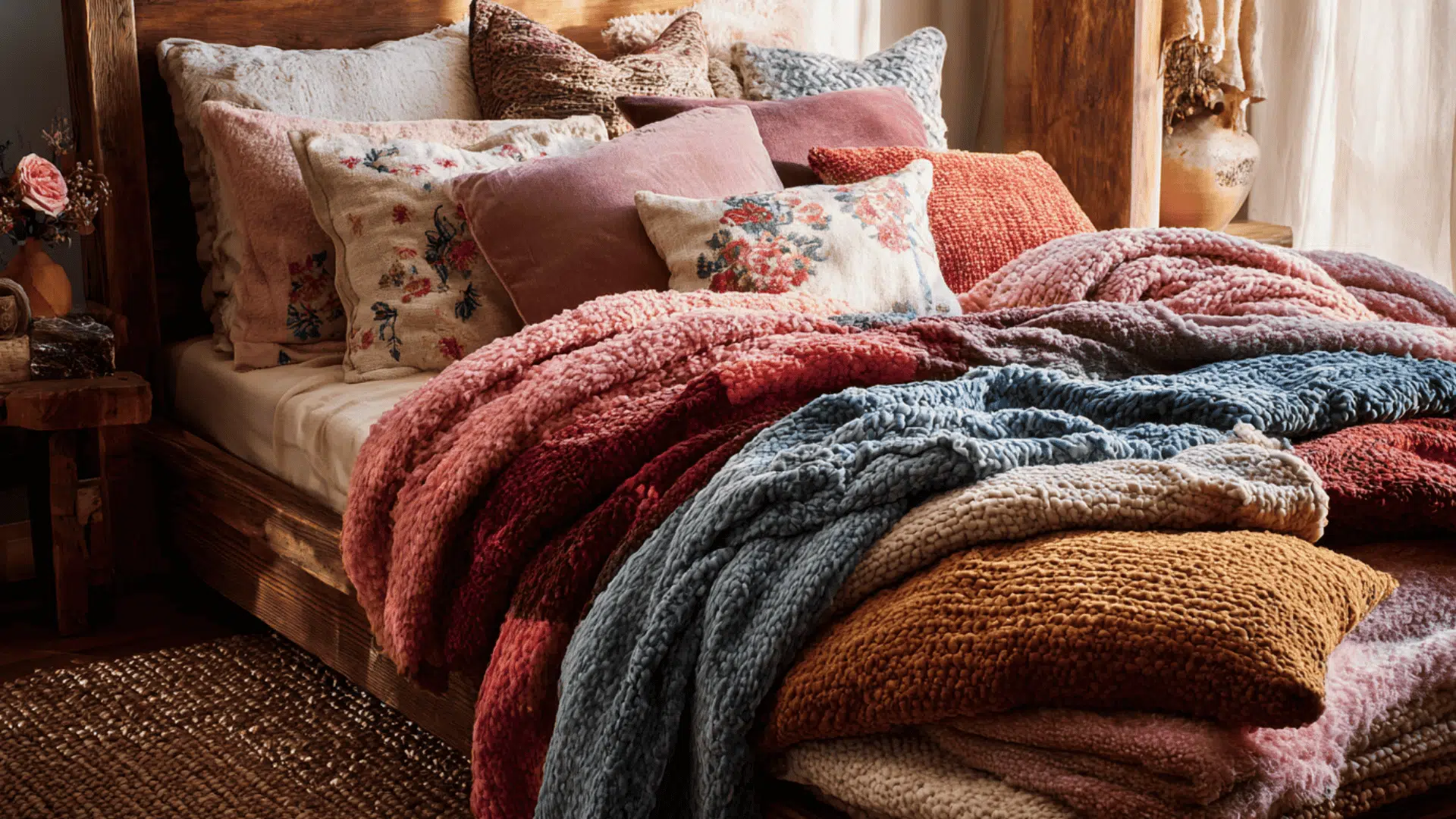
Types of Blanket Material: The Cuddle Championships!
Imagine wrapping yourself in a cloud that knows exactly how to keep you perfectly cozy! Have you ever wondered why your favorite blanket feels so fantastic while another one makes you feel too hot or scratchy? It’s all about what it’s made from! The material of your blanket decides everything – how warm you’ll be, how soft it feels, and even how easy it is to wash. Did you know that some blankets are made from bamboo? Yes, the same plant that pandas love to munch on can become your new favorite snuggle buddy! From cotton that breathes like a gentle breeze to wool that works like a smart heater, each blanket material has its own special superpower. Get ready to become a blanket detective and find which material will be your perfect sleep companion! What Are Blanket Materials? Ever wonder why some blankets feel super cozy while others make you too hot or scratchy? It’s all about the material they’re made from! Blanket materials are the different types of fabrics used to create your favorite snuggle companion. The material you choose makes a huge difference in how warm you’ll stay, how easily air flows through the blanket, how simple it is to wash, and most importantly, how comfortable you feel. From soft cotton that breathes well in summer to warm wool that keeps you toasty in winter, each material has its own special powers. Understanding these materials helps you pick the perfect blanket for every season and sleep style! Natural Fiber Blanket Materials Natural fiber blankets are made from plants and animals instead of man-made materials. These cozy blankets feel great and work well to keep you warm and comfortable all year long. 1. Cotton Blankets Cotton blankets are soft and let air flow through them easily. They don’t make most people itchy or cause allergies, which makes them perfect for everyone in the family. You can wash them in your regular washing machine, and they work great in summer and winter. Cotton blankets are a smart choice because they’re not too hot and not too cold. 2. Wool Blankets Wool blankets are like having a personal heater that’s really smart! They keep you warm in cold weather and help you stay cool in warm weather. Wool naturally keeps water away from your body and won’t catch fire easily. These blankets are perfect for camping trips or when you live somewhere with cold winters. 3. Cashmere Blankets Cashmere blankets feel like touching a fluffy cloud – they’re incredibly soft and smooth. Even though they’re not heavy, they keep you really warm and cozy. These special blankets cost more money, but they last for many years. Cashmere blankets make you feel fancy and are perfect for special times or when you want to treat yourself. 4. Bamboo Blankets Bamboo blankets are great because they’re good for the Earth and fight germs naturally. They feel silky and smooth against your skin, helping to pull sweat away from your body. If you get hot when you sleep or care about protecting nature, bamboo blankets are perfect for you. They’re soft, clean, and help keep you at just the right temperature. Synthetic Blanket Materials Synthetic blankets are made from man-made materials that are super practical and budget-friendly. These blankets are perfect for busy families because they’re tough, easy to clean, and won’t break the bank! 1. Polyester Blankets Polyester blankets are like the superhero of bedding! They can handle lots of washing without falling apart, and you’ll never have to worry about ironing them. These blankets are perfect for kids’ rooms, guest beds, or anyone who wants a reliable blanket that won’t cost too much. They’re tough enough to last for years and simple enough that anyone can take care of them. 2. Fleece Blankets Fleece blankets are super cozy without being heavy, making them perfect for snuggling on the couch or taking on camping trips. They dry super fast after washing, which is great for busy families or outdoor experiences. Many fleece blankets are made to resist those annoying little fuzzballs that can form over time. Kids especially love fleece blankets because they’re soft, warm, and come in tons of fun colors and patterns. 3. Microfiber Blankets Microfiber blankets are incredibly soft because made from tiny fibers thinner than human hair. They fight stains and are allergy-friendly. If you have pets that love to snuggle or family members with sensitive skin, microfiber blankets are an excellent choice. They’re easy to clean and stay looking new even after lots of use and washing. Specialty Blanket Materials Looking for something extra special? These blankets are made from great materials that do cool things regular blankets can’t do. Each one has its own superpower to keep you comfortable! 1. Down and Down Alternative Down blankets are like having a cloud wrapped around you! They’re made from fluffy feathers that trap warm air but don’t weigh much at all. You can squish them down tiny for trips, but they puff right back up. They last for years and years, making them perfect for camping or when it’s really cold outside. 2. Linen Blankets Linen blankets are the cool kids of the blanket world. They let air flow through them really well, so you won’t get too hot. The more you wash them, the softer and better they get! They’re like having a personal air conditioner that works all year long, especially when summer gets super hot. 3. Silk Blankets Silk blankets are pretty fabulous – they’re smart enough to know what temperature you need! When you’re cold, they keep you warm. When you’re hot, they help cool you down. They feel super smooth and fancy, and they don’t collect dust or cause allergies. If you get too hot or cold at night, silk blankets are like having a perfect temperature friend. Picking the Perfect Blanket Material for You Choosing the right blanket isn’t just about looks – it’s about finding what feels best for your body and lifestyle. The material you pick can make the difference between cozy comfort and restless nights. What to Think About Quick Tips Hot or Cold Weather Cotton and linen for summer; wool and fleece for winter All-Season Options Bamboo and lightweight cotton work year-round How It Feels Touch samples before buying if possible Heavy vs Light Weighted blankets for calm, light ones for hot sleepers Easy Care Check care labels – machine washable saves time Allergies Try hypoallergenic options like bamboo or synthetic fills Budget & Quality Set a limit, but remember you use it every night The best blanket material is the one that matches YOUR needs, not what works for someone else. Take time to think about what matters most to you – temperature, feel, or easy care. Note: Always read care instructions before washing any new blanket to keep it looking and feeling great longer. Care and Maintenance Tips Keep your blankets cozy and lasting longer with the right care! Different materials need different love. Learning how to wash, store, and care for your blankets properly will save you money and keep you warm for many years. Cotton blankets love warm water washes and tumble drying on medium heat settings. Wool blankets need gentle hand washing or dry cleaning to prevent shrinking and damage. Synthetic materials like polyester wash easily in cold water and dry quickly. Store blankets in breathable cotton bags or cedar chests to prevent dust buildup. Replace cotton blankets every 5-7 years when they feel thin or rough. Check for wear signs like holes, fading colors, or loss of softness regularly. Follow these tips to keep your blankets soft, warm, and beautiful for years! Taking care of your blankets ensures they keep you cozy during cold nights and movie times. You’re Now a Certified Blanket Expert! Now you’re officially a blanket expert – congratulations on graduating from Blanket University! You’ve learned that cotton is like a friendly breeze, wool is your smart temperature buddy, and fleece is the superhero of cozy comfort. If you’re a hot sleeper who needs bamboo’s cooling powers or someone who loves cashmere’s cloud-like softness, there’s a perfect blanket material waiting for you. Remember, the best blanket isn’t the most expensive one – it’s the one that makes YOU feel fantastic every night. Think about what matters most: staying cool, feeling warm, or having something super easy to wash. Your blanket experience starts now! Time to find that perfect material that will give you the sweetest dreams. Drop a comment below and tell us: What’s your blanket superpower? Are you Team Cotton, Team Wool, or something totally different?

Saatva Memory Foam Hybrid Review: Is It Worth It?
The Saatva Memory Foam Hybrid mattress combines the pressure relief of memory foam with the support and bounce of innerspring coils. This popular hybrid design aims to give sleepers the best of both worlds – contouring comfort and responsive support. The Saatva Memory Foam Hybrid promises to solve these common sleep problems with its carefully engineered layers and cooling features. This review will help you understand the mattress’s comfort, performance, and overall value through expert testing and real user experiences. This blog will cover everything from construction details to sleeping position preferences, so you can decide if this hybrid mattress is right for your sleep needs and budget. Understanding the Saatva Memory Foam Hybrid Mattress The Saatva Memory Foam Hybrid uses a layered construction designed to balance comfort and support. The top layer features gel-infused memory foam that contours to your body while helping regulate temperature throughout the night. Below that, you’ll find zoned lumbar support that provides extra firmness in the middle section where your hips rest. This helps maintain proper spinal alignment and prevents the sinking feeling that some people dislike about memory foam mattresses. The support core uses individually wrapped coils that respond to your body’s movements while reducing motion transfer. An organic cotton cover tops off the construction, providing a breathable and soft sleeping surface that feels natural and comfortable. Firmness and Feel The Saatva Memory Foam Hybrid rates around 6.5 out of 10 on the firmness scale, making it a medium-firm mattress. This firmness level works well for most sleeping positions and body weights, providing support without feeling overly rigid. The mattress offers a balanced feel that combines the slow-response contouring of memory foam with the bouncy support of coils. Most sleepers find this combination comfortable, though personal preferences for firmness can vary significantly. The zoned support helps prevent excessive sinking in the hip area while still allowing enough contouring for comfort. User Reviews Based on Sleeping Positions Different sleeping positions benefit from different mattress features, and the Saatva Memory Foam Hybrid performs differently depending on how you sleep. 1. Side Sleepers Side sleepers generally love this mattress because it provides excellent pressure relief for shoulders and hips. The memory foam layers contour to these pressure points, reducing numbness and pain that can occur with firmer mattresses. Most side sleepers report waking up with less pain and stiffness than they experienced on their previous mattresses. 2. Back Sleepers Back sleepers appreciate the balanced support that keeps their spine in proper alignment throughout the night. The zoned lumbar support provides extra firmness where the lower back needs it most. The memory foam layers provide enough contouring to fill the natural curve of the lower back without creating an uncomfortable arch. Most back sleepers find the firmness level just right for comfortable, supportive sleep. 3. Stomach Sleepers Stomach sleepers may find this mattress too soft, especially if they weigh over 230 pounds. The memory foam can allow the hips to sink too deeply, creating an uncomfortable arch in the lower back. Lighter stomach sleepers may still find it comfortable, but heavier stomach sleepers often prefer firmer mattresses that keep their body in better alignment. This is one area where the Saatva Memory Foam Hybrid may not be the best choice. 4. Combination Sleepers Combination sleepers often enjoy this mattress because the responsive coil core makes it easier to change positions during the night. You won’t feel stuck in one position like you might with all-foam mattresses. The balanced feel works well whether you’re on your side, back, or stomach, though stomach sleeping may still be less comfortable for heavier sleepers. The bounce from the coils helps with movement without being too springy. Pros and Cons Summary Understanding the strengths and limitations helps you determine if this mattress aligns with your priorities and sleep needs. What We Love Medium-firm balance works for most sleeping positions and body types Memory foam layers cushion pressure points effectively for side sleepers Cooling technology with gel-infusion and coil ventilation prevents overheating Reinforced edges provide stable support across the entire sleep surface Year-long trial gives plenty of time to test comfort and performance Potential Drawbacks Premium pricing costs more than many competing hybrid options Foam longevity may decrease faster than latex or all-spring alternatives Stomach sleeper concerns: Heavier individuals may find insufficient support Return fees apply if you decide to send the mattress back Performance Features Understanding how this mattress performs in key areas helps you determine if it will meet your specific sleep needs and preferences. Here’s how the Saatva Memory Foam Hybrid rates across the most important performance categories. 1. Temperature Control The Saatva Memory Foam Hybrid includes several cooling features that help prevent overheating during sleep. These design elements work together to create a more comfortable sleep temperature than traditional memory foam mattresses. Cooling Feature How It Works Effectiveness Gel-infused memory foam Draws heat away from your body Good heat dissipation Breathable cotton cover Allows airflow and moisture wicking Helps the surface stay cool Pocketed coil ventilation Promotes air circulation throughout the mattress Excellent airflow Note: Most users report sleeping 2-3 degrees cooler than they did on traditional memory foam mattresses, making this a good choice for hot sleepers. 2. Motion Isolation The memory foam top layers provide very good motion isolation, making this a great choice for couples. The design minimizes disturbances when your partner moves or gets out of bed during the night. Motion Transfer Test Rating Real-World Impact Partner getting up Excellent Minimal disturbance felt Rolling over in bed Very Good Slight movement may be noticed Sitting on the edge Good Some motion transferred to the center Note: The individually wrapped coils help reduce motion transfer compared to traditional innerspring mattresses, with each coil moving independently. 3. Edge Support The Saatva Memory Foam Hybrid offers strong edge support thanks to reinforced foam rails around the perimeter. This creates a stable sleeping surface that extends to the very edges of the mattress. Edge Support Test Performance Benefit Sitting on the edge Excellent Stable support without sinking Sleeping near the edge Very Good No roll-off feeling Getting in/out of bed Excellent Easy entry and exit Note: Strong edge support creates a larger usable sleep surface, especially beneficial for couples who need every inch of space. 4. Ease of Movement The responsive coil core balances the contouring effects of memory foam with enough bounce to make position changes comfortable. This hybrid design prevents the “stuck” feeling that some people experience with all-foam mattresses. Movement Type Ease Level User Experience Changing positions Excellent Natural, effortless movement Getting up at night Very Good Quick response, no struggle Combination sleeping Excellent Smooth transitions between positions Note: The coils provide support and bounce without being too springy or disruptive, making this suitable for active sleepers and couples. Trial, Returns, and Warranty Saatva offers comprehensive policies that protect your investment and give you confidence in your purchase. Here’s what you need to know about trying, returning, and maintaining your mattress warranty. 365-night sleep trial – Full year to test the mattress at home with a complete refund if unsatisfied Return processing fee applies – A Small fee is charged for returns, but you still get most of your money back 15-year limited warranty – Covers defects in materials and workmanship for comprehensive protection Free White Glove delivery – Includes bedroom setup and old mattress removal in most areas Uncompressed shipping – Mattress arrives ready to use immediately without expansion, waiting time Warranty requires proper support – Must use appropriate foundation to maintain coverage throughout the mattress’s life Cost and Value Considerations The Saatva Memory Foam Hybrid sits in the higher price range compared to many online mattresses, but the cost includes several value-added services and features. Mattress Size Price Range Key Value Features Twin $1,095-$1,295 White Glove delivery, 365-night trial Queen $1,695-$1,895 15-year warranty, premium materials King $2,095-$2,295 Uncompressed shipping, setup service The higher price reflects the quality construction, premium materials, and comprehensive services included with the purchase. When you factor in delivery, setup, and the long trial period, the value proposition becomes more competitive. Conclusion: Is the Saatva Memory Foam Hybrid Right for You? The Saatva Memory Foam Hybrid is a solid choice for sleepers who want balanced comfort and support with good cooling features. It works especially well for side sleepers and back sleepers who appreciate pressure relief without sacrificing support. The mattress offers premium construction, comprehensive services, and policies that provide good value despite the higher price point. The 365-night trial gives you plenty of time to determine if it’s right for your sleep needs. Consider your sleeping position, weight, and temperature preferences when making your decision. Share your mattress shopping experience in the comments – your insights could help other readers make the right choice for better sleep! Frequently Asked Questions Is This Mattress Good for Side Sleepers? Yes, the memory foam layers provide excellent pressure relief for hips and shoulders, making it ideal for side sleepers. How Does It Handle Motion Transfer? Very well – the memory foam top layers isolate motion effectively, making it suitable for couples. Does It Sleep Hot Like Traditional Memory Foam? No, the gel-infused foam and coil ventilation help it sleep cooler than traditional memory foam mattresses.
What Is Pima Cotton? The Soft Secret You Need to Know
Your clothes are lying to you about what “soft” really means! The secret lies in a special type of cotton that’s been around for thousands of years! This unique fabric comes from plants with extra-long fibers that create the softest, strongest material you’ll ever touch. Wearing a shirt made from this cotton feels smooth and silky, almost magical. Named after a Native American tribe, it thrives in ideal weather. Did you know that cotton’s fibers can grow up to 2 inches long, twice as long as regular cotton? Once you experience how incredible it feels, regular cotton will seem rough and scratchy in comparison! Get ready to uncover why this cotton is called the “luxury choice” that feels amazing and lasts forever! What Is Pima Cotton? Pima cotton is like the superhero of all cottons! This special fabric comes from a plant called Gossypium barbadense, which has extra-long fibers that make it incredibly soft and strong. Originally grown by ancient people in Peru thousands of years ago, Pima cotton also thrives in the southwestern United States today. What makes it so amazing? Those extra-long fibers create fabric that feels silky smooth against your skin and lasts much longer than regular cotton. When you touch a soft, high-quality t-shirt or bed sheet, it’s likely made from Pima cotton, nature’s perfect material for comfortable, durable clothing and bedding. How Is Pima Cotton Made? Pima cotton begins its trip on special farms, where farmers treat each plant like a treasure. Unlike regular cotton, Pima cotton is carefully handpicked by workers who know exactly when the fluffy white bolls are perfectly ripe. This gentle harvesting keeps the long, silky fibers from breaking. After picking, the cotton goes through a careful cleaning process where machines gently remove seeds and dirt without damaging those precious long fibers. Every step is done slowly and carefully to protect what makes Pima cotton so special – its incredible softness and strength that will last for years. Key Properties of Pima Cotton What Makes Pima Cotton So Special? Pima cotton isn’t just any ordinary cotton – it’s the luxury choice that feels amazing and lasts forever! Extra-long fibers make Pima cotton super soft and silky, measuring up to 2 inches long Incredibly strong – it’s 30% tougher than regular cotton, so your clothes won’t tear easily Natural shine gives Pima cotton a beautiful, sleek look that makes everything appear more expensive Perfect for hot weather – it breathes well and soaks up moisture to keep you cool Gentle on skin – hypoallergenic properties make it ideal for people with sensitive or fragile skin Once you try Pima cotton, you’ll never want to go back to regular cotton again! Pima Cotton vs Regular Cotton What makes Pima cotton so special compared to regular cotton? Let’s examine the key differences between these two popular fabric types and see why one costs more than the other. Feature Pima Cotton Regular Cotton Fiber Length Extra-long fibers (1.4+ inches) create smoother, stronger threads Shorter fibers (less than 1.1 inches) can feel rougher Softness Super soft and silky feel that gets even softer with each wash Softer than synthetic fabrics but not as luxurious as Pima Durability Lasts much longer – can handle many washes without wearing out Good quality, but may show wear and tear sooner Color Retention Holds bright, vibrant colors for years without fading much Colors may fade faster, especially after many washes Price Point More expensive due to special growing conditions and quality A much more affordable and budget-friendly option Environmental Impact Uses more water and resources but creates less waste over time Uses fewer resources upfront, but may need replacing sooner Pima cotton is like the luxury car of fabrics – it costs more upfront but gives you better quality and lasts longer. Regular cotton is practical and affordable, making it perfect for everyday use. Note: Pima cotton gets its name from the Pima Native American tribe who first helped grow this special cotton in Arizona. Cotton Showdown: Pima vs Egyptian vs Organic Ever wondered why some cotton feels like a cloud while others feel rough? It’s all about the type of cotton! Let’s meet three cotton superstars and see how they stack up against each other. 1. Meet Egyptian Cotton: The Ancient Luxury King Egyptian cotton has been around for thousands of years, growing along the famous Nile River in Egypt. Just like Pima cotton, it has super-long fibers that make it incredibly soft and strong. Think of it as Pima cotton’s ancient cousin! Egyptian cotton sheets and towels are so luxurious that they’re found in fancy hotels around the world. 2. Say Hello to Organic Cotton: The Earth-Friendly Hero Organic cotton is like the superhero of the cotton world! It’s grown without any harmful chemicals, pesticides, or fertilizers. Farmers use natural methods like helpful bugs and crop rotation to keep plants healthy. This means organic cotton is better for the environment, safer for farmers, and gentler on your skin. 3. The Cotton Comparison Chart Here’s a quick look at how these three cotton types measure up against each other in the most important ways: Feature Pima Cotton Egyptian Cotton Organic Cotton Staple Length Extra-long (1.4+ inches) Extra-long (1.4+ inches) Regular to long (varies) Where It’s Grown USA (mainly Southwest) Egypt (Nile River valley) Worldwide Earth-Friendly? Some sustainable practices Traditional farming 100% chemical-free How It Feels Silky smooth, gets softer with washing Luxuriously soft, very smooth Softer than regular cotton, natural feel Best Used For Premium sheets, clothes, and towels High-end bedding, luxury items Baby clothes, sensitive skin items Price Range Expensive Most expensive Moderate to expensive Special Certificates Supima certification available Giza cotton certification GOTS, OEKO-TEX organic labels Pima and Egyptian cotton win for luxury and softness, while organic cotton takes the crown for being kind to our planet. Your choice depends on what matters most to you: ultimate comfort or environmental care! Typical Uses of Pima Cotton Pima cotton is so special that it’s used to make the softest, most comfortable things you use every day. From the clothes on your back to the sheets on your bed, Pima cotton makes everything feel like a cozy hug! Clothing (Premium Shirts, Dresses, Leggings) When you put on a shirt made from Pima cotton, it feels incredibly soft against your skin. The fabric is exceptionally smooth and strong, ensuring it won’t become rough or worn out after multiple washes. Many luxury clothing brands use Pima cotton because it retains bright colors and resists shrinkage. If for a dress shirt or leggings, Pima cotton garments last longer and feel great. Bedding (Sheets, Pillowcases, Duvet Covers) Imagine sleeping on clouds every night – that’s what Pima cotton bedding feels like! The long, silky fibers make sheets that are super soft and get even softer each time you wash them. Pima cotton bedding stays cool in summer and warm in winter, helping you sleep better. Accessories (Towels, Luxury Linens) Pima cotton towels feel like wrapping yourself in a fluffy marshmallow after a shower. They absorb water well due to the strong, absorbent fibers of the cotton. Luxury stores sell Pima cotton napkins and tablecloths that feel silky smooth and look smart for special dinners. These accessories last for years and years, making them worth the extra money because they stay beautiful and soft. Pros and Cons of Pima Cotton Pima cotton is like the superhero of fabrics! It’s softer, stronger, and lasts way longer than regular cotton. But like all good things, it comes with both awesome benefits and a few drawbacks. PROS CONS Super Soft Touch – Feels like silk against your skin, making clothes incredibly comfortable to wear Costs More Money – You’ll pay extra for this premium cotton, sometimes double the price of regular cotton Lasts Forever – Your clothes won’t fall apart easily and can handle lots of washing without wearing out Watch Out for Fakes – Some companies lie and sell regular cotton as Pima cotton to trick buyers Colors Pop – Dyes stick better, so your shirts stay bright and colorful even after many washes Not Always Organic – Just because it’s Pima doesn’t mean it was grown without chemicals When you buy Pima cotton, you’re getting something special that will make you feel great and last for years. Sure, you might spend more upfront, but think of it as buying quality that pays off in the long run. Pro Tip: Always check for authentic Pima cotton certificates or labels from trusted brands. Real Pima cotton will feel noticeably softer and smoother than regular cotton – trust your hands to tell the difference! Is Pima Cotton Good? Do you love super soft sheets that feel great against your skin? Pima cotton might be perfect for you! This special cotton is like the fancy version of regular cotton. It’s much softer and lasts way longer than cheap sheets. If you have sensitive skin that gets itchy easily, Pima cotton is gentle and won’t bother you. It also gets softer every time you wash it – pretty cool, right? Sure, it costs more money upfront. But since it lasts for years and years, you actually save money in the long run. It’s like buying one really good thing instead of buying cheap stuff over and over again. Wrapping It Up Now you know why Pima cotton is so special! It’s like getting a superpower fabric that feels amazing, lasts forever, and makes you look great. Sure, you might spend a bit more money at first, but think about it – would you rather buy cheap clothes that fall apart quickly or invest in something that stays soft and beautiful for years? If you’re buying your first set of luxury sheets or treating yourself to a premium t-shirt, Pima cotton is a smart choice. Your skin will thank you, your wallet will thank you in the long run, and you’ll sleep like a baby every night! Ready to try Pima cotton for yourself? Tell us in the comments below – what’s the first Pima cotton item you want to buy?
What Is Organic Latex? Uncover Its Benefits Today!
“What if your bed could be made from tree sap and still be the comfiest thing ever?” Ever wonder what makes some mattresses bouncy and comfy while others feel like sleeping on a rock? The secret might be hiding in rubber trees! Did you know that a single rubber tree can produce latex for up to 30 years, giving about one cup of milky sap every other day – that’s enough to make a small pillow! Just like bees make honey and cows give milk, rubber trees produce a remarkable substance called latex. This stretchy, bouncy material can turn your bed into the perfect sleep spot. But here’s the thing – not all latex is created equal. Some comes from trees grown with lots of chemicals, while others are grown naturally, like a backyard garden. Understanding the difference can help you pick the best option for your family’s health and comfort. What Is Organic Latex? Organic latex is a natural material that comes from the sap of rubber trees grown without harmful chemicals or pesticides. Think of it like maple syrup from trees – but instead of sweetness, we get bouncy, stretchy material perfect for mattresses and pillows! These rubber trees are grown with certified organic methods, avoiding chemicals. Organizations like GOLS and GOTS ensure everything remains clean and natural. The best part? Making organic latex doesn’t hurt our planet. It’s processed without toxic chemicals, making it safe for families and friendly to the environment. Nature gives us this amazing gift that’s both comfy and eco-friendly! What Is Natural Latex? Natural latex comes from the milky white sap of rubber trees, just like maple syrup comes from maple trees! Workers make small cuts in the bark and collect the sticky liquid that drips out. This sap gets turned into bouncy, stretchy material for mattresses and pillows. While natural latex is 100% from trees, it’s different from organic latex. Natural latex might come from farms that use pesticides and chemicals to grow the trees faster. It also usually has some safe additives mixed in during processing. Most natural latex lacks organic certification, meaning the farming methods aren’t as strictly controlled as those for organic products. But it’s still way more eco-friendly than fake, petroleum-based latex! Organic Latex vs Natural Latex: What’s the Real Difference? Both organic and natural latex come from rubber trees, but they’re made very differently. Think of it like the difference between organic apples and regular apples at the grocery store – they’re both apples, but one follows stricter rules about how it’s grown and made. What’s Different Organic Latex Natural Latex Farming No chemicals ever Some chemicals OK Pesticides Banned completely Often used Who Checks It Strict certification required Basic safety rules only Purity 95%+ pure, super clean Pretty clean, some leftovers Environment Best for Earth Good, but not perfect Price More expensive Less expensive The main takeaway? Organic latex follows much stricter rules from tree to finished product, while natural latex is still good quality but allows some shortcuts. Both are way better choices than synthetic latex made from petroleum, but organic latex is the premium option if you want the cleanest, most eco-friendly choice. Note: Always look for official certification labels like GOLS (Global Organic Latex Standard) or GOTS (Global Organic Textile Standard) when shopping for organic latex products to make sure you’re getting the real deal. Properties and Benefits of Organic Latex Imagine sleeping on a cloud that’s also good for the planet! Organic latex is made from rubber tree sap and offers great benefits for your bedroom. It naturally fights off dust mites, mold, and allergens that can make you sneeze and sniffle at night. This bouncy material lasts for years while giving your body perfect support and pressure relief. Unlike regular mattresses that trap heat, organic latex breathes like your skin, keeping you cool and comfortable all night long. Best of all, it’s natural and chemical-free, so you don’t breathe in toxins while sleeping. When replacing, organic latex decomposes naturally without harming the environment! Properties and Benefits of Natural Latex Natural latex is like nature’s perfect pillow and mattress material! It comes from rubber trees and gives you amazing comfort that bounces back night after night. Your body gets great support while you sleep, and these beds last for years and years. The best part? Natural latex is good for our planet because it comes from trees that keep growing. It costs less than fancy organic latex but still gives you most of the same benefits. Some natural latex might have tiny amounts of safe additives, but it’s still way better than fake materials. It’s comfort that makes sense for your body and your wallet! Potential Drawbacks of Organic and Natural Latex Thinking about switching to organic or natural latex? While these materials offer many benefits, it’s helpful to know about some potential challenges before making your decision. Let’s break down what you might encounter with each option. Material Main Drawbacks What This Means for You Organic Latex Higher cost You’ll pay more upfront, but it may last longer Heavier weight Moving furniture or mattresses takes more effort Limited availability Fewer stores carry it, so shopping takes more time Natural Latex Possible pesticide traces The rubber trees might have been treated with chemicals Less clear production info It’s harder to know exactly how it was made Both Types Latex allergy risk Some people are allergic, but it’s pretty rare Remember that these drawbacks don’t mean organic and natural latex are bad choices – they’re still great materials for many people. Understanding these points just helps you make the best decision for your needs and budget. Note: Latex allergies affect only about 1-6% of people, and the proteins that cause reactions are often removed during processing, making allergic reactions to latex products uncommon. Choosing the Right Latex for You When choosing between organic and natural latex, consider what matters most to you. Organic latex costs more but has strict rules about how it’s made – no nasty chemicals allowed! It’s perfect if you want the cleanest option for your family’s health. Natural latex remains a viable option and is safer than regular foam, although it may contain some processing chemicals. If you’re on a tight budget, natural latex is a great option and far superior to synthetic alternatives. Look for certificates like GOLS or Oeko-Tex to make sure you’re getting the real deal. Both types are way better than cheap foam mattresses! Final Words Imagine your bed made from the milky sap of rubber trees, giving you the perfect mix of bounce, comfort, and eco-friendliness! If you choose organic latex, grown without chemicals, or natural latex, which is still better than synthetic materials, you’re picking a mattress that supports your body and protects the planet. Organic latex costs more but offers extra safety for your health and the Earth. Natural latex is wallet-friendly and still a strong, comfy choice. Both can help you sleep cooler, cleaner, and comfier night after night. So why settle for boring, rock-hard beds when you can enjoy nature’s gift? Ready to switch to a mattress that feels like a dream and cares for the Earth? Tell us in the comments below: Would you try a mattress made from tree sap? We’d love to hear your thoughts!
Latex vs Memory Foam Pillows: Which Should You Choose?
Choosing the right pillow can make a huge difference in your sleep quality and comfort. Latex and memory foam are two of the most popular pillow materials, each offering unique benefits for different types of sleepers. Both materials have their loyal fans, but they work in very different ways. Latex provides bouncy, responsive support that keeps you sleeping “on” the pillow. Memory foam offers slow, contouring support that cradles your head and neck. Understanding these differences helps you pick the pillow that matches your sleep style, health needs, and personal preferences. This guide will compare both materials across all the factors that matter most for a good night’s sleep. Material Overview: Latex vs Memory Foam Latex pillows are made from rubber tree sap or synthetic rubber compounds. The material has a naturally bouncy, responsive feel that springs back quickly when pressure is applied. Latex has an open-cell structure that allows air to flow freely through the material. Memory foam is a synthetic material also called viscoelastic foam. It was originally developed by NASA and responds slowly to pressure and heat. The foam gradually molds to match the shape of your head and neck. Both materials can be made in different densities and firmness levels. However, their basic properties remain the same regardless of how firm or soft they are. Key Differences Between Latex and Memory Foam Both materials offer unique benefits, but they work in completely different ways. Understanding these core differences helps you choose the pillow that matches your specific sleep needs and preferences. 1. Comfort & Support Latex provides buoyant, responsive support that pushes back against your head and neck. The material doesn’t compress much, so you sleep “on” the pillow rather than sinking into it. Memory foam offers deep contouring support by slowly molding to your head and neck shape. This creates a “cradling” or “hugging” sensation that many people find very comfortable. Note: Latex provides consistent firmness while memory foam adapts to your body shape and temperature. 2. Durability & Maintenance Latex pillows typically last much longer than memory foam options. High-quality latex can maintain its shape and support for 5-10 years or even longer. The material naturally resists sagging and doesn’t break down as quickly as other pillow materials. Memory foam pillows are durable but tend to soften and lose their shape faster than latex. Most quality memory foam pillows last 2-5 years before needing replacement. Heavy use can cause the foam to compress permanently over time. Note: Latex’s natural resistance to dust mites and bacteria makes it more hygienic with less upkeep required. 3. Cooling & Breathability Latex offers superior airflow thanks to its open-cell structure and natural properties. Air moves freely through the material, helping regulate temperature throughout the night. Traditional memory foam tends to retain body heat, which can make some people feel warm or even hot during sleep. The dense structure traps heat and restricts airflow through the material. Newer memory foam pillows often include gel infusions or ventilated designs to address heat retention. Note: Newer memory foam includes gel infusions and ventilation, but latex remains naturally cooler overall. 4. Hypoallergenic Properties Latex is naturally hypoallergenic and antimicrobial. The material naturally resists dust mites, mold, and bacteria without needing chemical treatments. However, some people are allergic to latex itself, so always check for latex sensitivity before purchasing. Memory foam’s dense structure blocks dust mites and other allergens from penetrating the pillow. This provides good protection for allergy sufferers, though it’s not naturally antimicrobial like latex. The hypoallergenic qualities can vary depending on the cover fabric and any chemical additives used. Note: Latex offers natural protection while memory foam provides physical barrier protection – both effective but through different mechanisms. Price, Sustainability, & Other Features Cost and environmental impact are important considerations for many pillow shoppers. These factors can help you decide which material fits your budget and values. Feature Latex Pillow Memory Foam Pillow Price Range $80-$200+ $25-$100+ Lifespan 5-10+ years 2-5 years Eco-Friendliness High (if natural latex) Low (synthetic material) Heat Retention Cool sleeping Warm sleeping Response Time Immediate bounce Slow molding Weight Heavier Lighter Note: Natural latex pillows cost more upfront but often provide better long-term value due to their extended lifespan and durability. Pros and Cons Comparison Understanding the advantages and disadvantages of each material helps you weigh what matters most for your sleep needs. These side-by-side comparisons highlight the key trade-offs between latex and memory foam pillows. 1. Pros Comparison Here are the main advantages each pillow type offers to help you see their strongest benefits. Latex Pillow Pros Memory Foam Pillow Pros Superior cooling and breathability Excellent pressure point relief Long-lasting durability (5-10+ years) Deep contouring for neck support Naturally hypoallergenic and antimicrobial Wide range of firmness options Responsive, bouncy support Budget-friendly pricing Eco-friendly (if natural latex) Great for chronic pain sufferers Low maintenance requirements Slow, molding response Cons Comparison Understanding the potential drawbacks helps you decide which limitations you can live with. Latex Pillow Cons Memory Foam Pillow Cons Higher upfront cost Retains heat, can sleep warm Heavier than other pillows Shorter lifespan (2-5 years) Strong rubber smell initially Chemical odor when new Not suitable for latex-allergic people Less environmentally friendly Limited contouring compared to memory foam Can feel too soft over time Firm feels may not suit all sleepers Slow response frustrates some users Who Should Choose What? Your sleep habits, health needs, and personal preferences should guide your pillow choice. Here’s how to match your specific situation with the right pillow material. Choose Latex if: You sleep hot and need better temperature regulation during the night You change positions frequently and want responsive support that adjusts quickly You prefer firm support that maintains spine alignment without deep sinking You have allergies and want naturally antimicrobial, hypoallergenic materials You want long-term value and don’t mind paying more for a pillow that lasts years Choose Memory Foam If: You have neck or back pain and need pressure point relief from contouring support You sleep in one position most of the night, and like a “hugging” sensation You’re on a budget and want quality support without a high upfront investment You prefer softer support that molds closely to your head and neck shape You don’t sleep hot, and temperature isn’t a major concern for your comfort Conclusion Both latex and memory foam pillows offer unique benefits that can improve your sleep quality. The best choice depends on your personal sleep preferences, temperature needs, and budget considerations. Neither material is universally better than the other. Consider your sleep style, any pain issues, and how much you’re willing to invest in a pillow. Quality matters with both materials, so choose reputable brands that offer good warranties or trial periods. Take time to think about what bothers you most about your current pillow. Have you tried latex or memory foam pillows before, or are you still deciding between them? Share your experiences and questions in the comments below to help others choose the perfect pillow for better sleep. Frequently Asked Questions Which Type Lasts Longer? Latex pillows typically last much longer than memory foam options. Quality latex can maintain support for 5-10 years, while memory foam usually needs replacement after 2-5 years. Do Latex and Memory Foam Pillows Need Special Care? Latex pillows need minimal care beyond regular pillowcase washing and occasional fluffing. Memory foam may need periodic airing out to prevent odor buildup, but shouldn’t be machine-washed. Can I Try Before Buying? Many pillow companies offer sleep trials that let you test the pillow at home for 30-90 nights. This is especially helpful since comfort is very personal and hard to judge from a quick store test.