



You roll out of bed, catch a glimpse of yourself in the mirror, and barely recognize your own face.
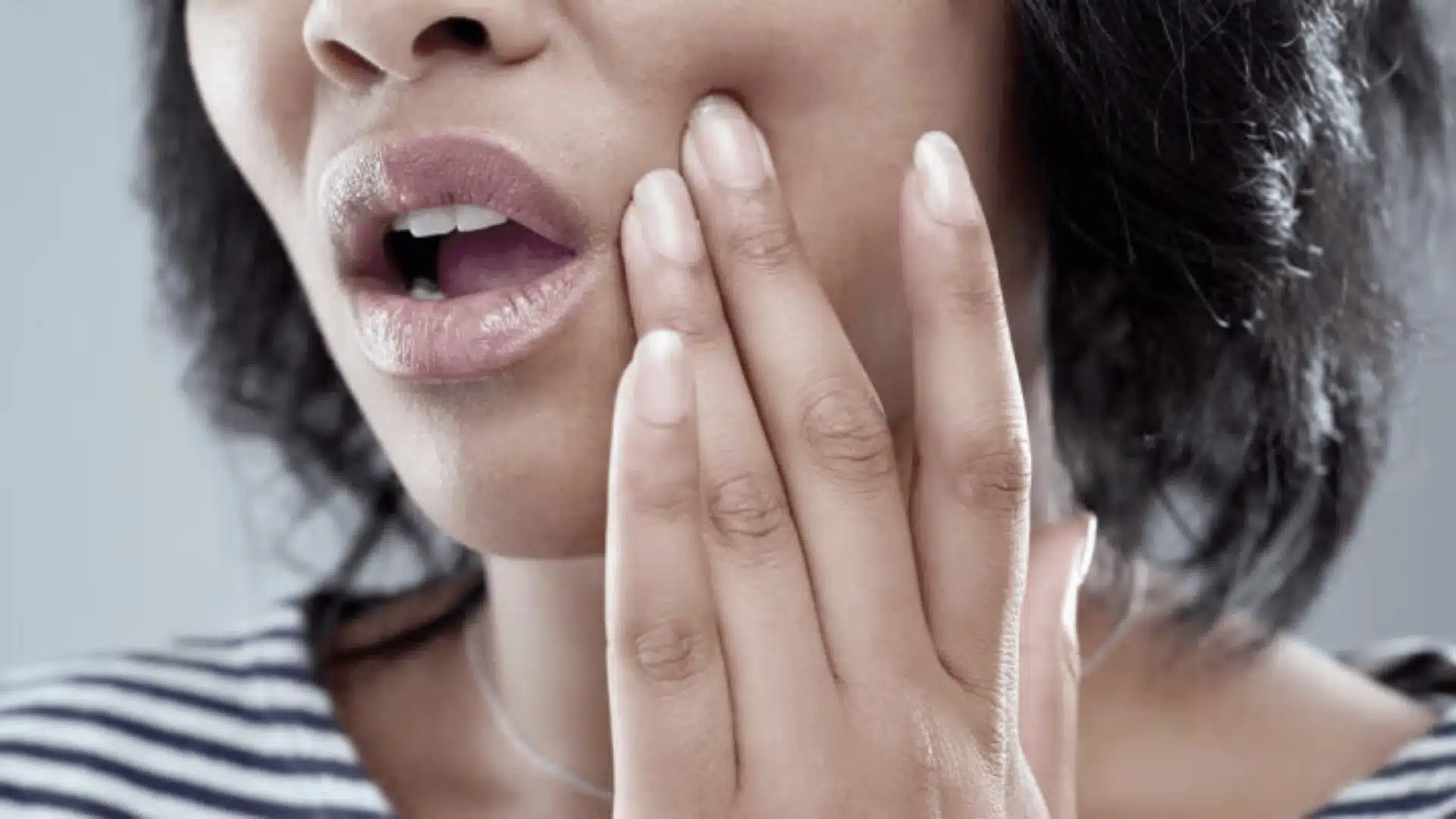
A puffy, swollen face in the morning is one of those things that can genuinely catch you off guard.
If you have ever asked yourself, “why is my face swollen when I wake up,” the reasons behind it range from totally harmless to worth paying attention to.
From the way you sleep to what you ate the night before, several factors play a role.
Read on to find out what is actually going on with your face each morning and what simple changes can help you wake up looking and feeling more like yourself.
Woke Up Puffy? Here’s What’s Really Happening
Waking up with a puffy face is something most people deal with at some point.
Morning face swelling happens when fluid builds up in the tissues under your skin while you sleep.
Your body naturally redistributes fluids when you lie down for several hours, and that fluid tends to collect in your face because gravity no longer pulls it downward.
This is called fluid retention, and it shows up most clearly in the morning because you have been still for so long.
The thing is that this kind of puffiness usually goes away within an hour or two once you are up and moving. In most cases, it is completely normal and nothing to worry about.
Common Reasons Your Face Looks Swollen in the Morning

Waking up with a puffy face is more common than you might think. In most cases, it is linked to simple habits or everyday factors rather than serious health problems.
Things like what you eat, how you sleep, and your body’s hydration level can all play a role.
1. Sleeping Position (Flat or Face Down)
Your sleeping position can affect how fluid moves in your body overnight. When you lie flat or sleep on your face, fluid tends to collect in your face due to gravity.
This can make your cheeks and eyes look puffy in the morning. Keeping your head slightly raised with an extra pillow can help prevent this buildup and reduce swelling when you wake up.
2. Eating Salty Foods at Night
Eating salty foods before bed can cause your body to retain extra water. Salt increases water retention, which can lead to swelling in different parts of the body, including your face.
This is why your face may look puffier after a late-night snack like chips or processed food. Reducing salt intake in the evening can help keep morning swelling under control.
3. Dehydration
It may seem strange, but not drinking enough water can actually cause your face to look swollen. When your body is dehydrated, it tries to hold on to any water it has, leading to fluid retention.
This can show up as puffiness, especially in the morning. Drinking enough water during the day helps your body stay balanced and reduces the chances of waking up with a swollen face.
4. Alcohol Before Bed
Drinking alcohol at night can lead to a puffy face the next morning. Alcohol dehydrates your body and can also trigger inflammation, both of which contribute to swelling.
It can also affect your sleep quality, making the puffiness worse. Even small amounts can have this effect in some people, so limiting alcohol before bed may help reduce facial swelling.
5. Lack of Sleep or Poor Sleep Quality
Not getting enough sleep or having poor sleep quality can affect your body in many ways, including how your face looks. When you are tired, your body may not manage fluids properly, leading to puffiness.
Poor sleep can also affect blood flow and hormones, which can make swelling more noticeable. Getting enough restful sleep can help your face look fresher and less swollen.
6. Allergies (Dust, Pollen, Bedding)
Allergies are a common reason for facial swelling, especially around the eyes. Dust, pollen, or even your pillow and bedsheets can trigger a reaction while you sleep.
This can cause inflammation and fluid buildup, leading to a puffy face in the morning. Washing your bedding regularly and keeping your room clean can help reduce allergy-related swelling.
7. Hormonal Changes
Hormonal changes can also cause your face to look swollen. For example, some people notice puffiness at certain points in their menstrual cycle due to fluid retention.
Thyroid problems can also lead to facial swelling over time. These changes affect how your body holds and moves fluids, which can show up as morning puffiness. Tracking patterns can help you better understand the cause.
Hidden Reasons Your Face May Look Puffy in the Morning

Sometimes the cause of morning puffiness goes beyond just how you slept. A few hidden factors could be making your face look more swollen than usual.
- Sinus Infections: Inflammation and congestion cause fluid to build up around your eyes and cheeks overnight.
- Medications: Steroids and blood pressure drugs can trigger fluid retention that shows up on your face.
- Crying the Night Before: Tears cause inflammation around the eyes, and lying down gives that fluid nowhere to drain.
- Skincare Reactions: A new product or irritating ingredient can cause overnight swelling and puffiness.
- Weight Fluctuations: Even small changes in body weight can affect how much fluid your body holds.
If your puffiness seems tied to one of these causes, addressing that specific issue is usually the fastest way to see a change.
When Morning Swelling Could Be a Medical Issue
Sometimes, a swollen face in the morning is more than just a minor issue. While many causes are harmless, certain symptoms may point to an underlying health problem.
Signs You Should Not Ignore
Some symptoms, along with facial swelling, may need quick attention. Pain, redness, or warmth can be signs of infection or inflammation.
If the swelling lasts all day or keeps coming back, it should not be ignored.
Difficulty breathing is serious and needs urgent care. Swelling on only one side of the face can also be a warning sign that something more serious may be going on.
Possible Conditions Linked to Facial Swelling
Certain health conditions can cause facial swelling in the morning. Angioedema can cause sudden swelling under the skin, often triggered by allergies.
Cellulitis is a skin infection that causes redness and swelling.
Kidney or thyroid problems can affect how your body manages fluids. Sinus infections can also cause pressure and swelling in the face, especially around the cheeks and eyes.
How to Reduce a Puffy Face in the Morning (Fast Fixes)

A puffy face in the morning can feel uncomfortable, but a few quick steps can help reduce the swelling fast. These simple actions can improve blood flow, reduce fluid buildup, and help your face look more refreshed within minutes.
- Cold Splash or Ice Roller: Splash your face with cold water or use an ice roller to reduce swelling and tighten the skin.
- Drink Water Early: Start your day with a glass of water to help your body flush out excess fluids.
- Keep Your Head Elevated: Use an extra pillow at night to stop fluid from collecting in your face.
- Cut Down Salt at Night: Avoid salty foods before bed to reduce water retention.
- Gentle Face Massage: Light massage can help move trapped fluid and improve circulation.
Small changes like these can make a noticeable difference in how your face looks and feels each morning.
Simple Habits to Prevent Morning Face Swelling
Preventing facial swelling often comes down to daily habits. Making a few simple lifestyle changes can help your body stay balanced and reduce puffiness over time.
- Stay Well Hydrated: Drink plenty of water throughout the day to prevent fluid retention.
- Avoid Salty Late-Night Snacks: Limit high-salt foods, especially in the evening.
- Limit Alcohol Intake: Reduce alcohol intake, as it can lead to dehydration and swelling.
- Keep Bedding Clean: Wash pillowcases often to avoid allergens that can cause puffiness.
- Get Enough Sleep: Aim for consistent and restful sleep each night.
Building these habits into your routine can help you wake up with a fresher, less swollen face more often.
That’s a Wrap
Morning face swelling is rarely something to panic about, but it is worth understanding what your body is trying to tell you.
If you have been waking up wondering, “why is my face swollen when I wake up,” the answer is usually fluid retention, sleep habits, diet, or an underlying factor that is easy to address.
Small changes, like adjusting your sleep position or cutting back on salty foods, can make a real difference.
That said, if the swelling is severe or does not go away, checking in with a doctor is always a smart move. I hope this helped clear things up.