




If you’ve ever shopped for a king bed and felt confused by all the different names and sizes, you’re not alone. I’ve been in the same spot, thinking which option actually fits my room and sleep style.
It can feel overwhelming when every size sounds similar but offers something completely different.
That’s exactly why I put this guide together: to help you quickly understand the different types of king beds, what sets them apart, and how to figure out which one might be the right match for you.
You’ll get just enough detail to compare the sizes and spot your perfect choice. Let’s make the decision feel easy.
What are the Different Types of King Beds?
King beds come in many shapes and sizes, and each one is designed for a different type of sleeper.
Some offer more width, some offer extra length, and some are built for families who want plenty of room to share.
The name “king bed” can also change based on where you live and how much space you have at home. That’s why it helps to know the main types before choosing one.
Each size also comes with its own benefits, from comfort and movement space to how well it fits your room layout.
Understanding these differences makes it easier to pick the king bed that matches your sleep style, your room size, and your everyday needs.
Types Of King Beds
King beds come in many sizes, and each one is built for a different type of sleeper and room layout.
Here’s a detailed look at the main king bed options so you can easily compare what each size offers:
1. Standard King (Eastern King)

The Standard King measures 76″ × 80″ and offers generous width for couples. It fits well in medium to large bedrooms and works with most furniture layouts.
This size is suitable for couples, families with a small child, or anyone who prefers extra shoulder and elbow room. A room around 12′ × 12′ or larger provides enough space for easy movement and balanced placement.
2. California King

The California King measures 72″ × 84″, offering additional length for tall sleepers. It works well in long, narrow bedrooms that need extra legroom.
This size is ideal for couples who want length without adding width. It fits best in rooms around 12′ × 14′ or longer, allowing enough clearance on each side for nightstands and walking space.
3. Split King
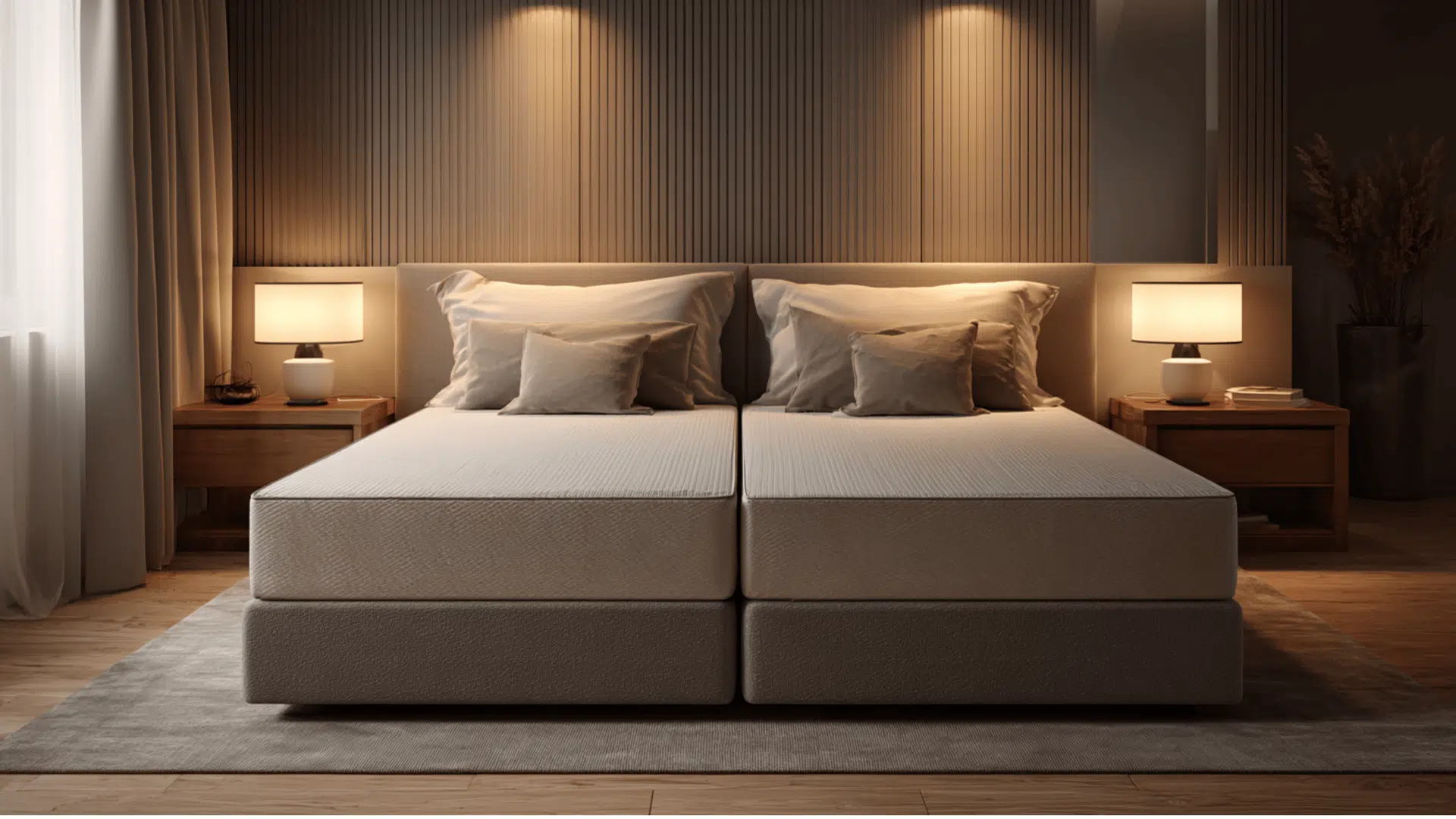
A Split King combines two Twin XL mattresses to create a king-sized surface. Each side can have a different firmness level, making it useful for couples with different sleep preferences.
It pairs well with adjustable bases because both sides can move independently. This setup also reduces motion transfer. It requires the same bedroom size as a standard king, typically 12′ × 12′ or more.
4. Short King

A Short King measures 72″ × 75″, offering the width of a king with reduced length. It is commonly used in RVs and compact bedrooms where space is limited.
This size works for sleepers who do not need extra legroom but want enough width to sleep comfortably.
It fits well in tighter layouts, though having additional open space around the bed improves accessibility.
5. Super King

A Super King typically measures 80″ × 98″, depending on the manufacturer. It provides more space than Standard and California Kings, making it suitable for couples and families who co-sleep.
This bed works best in large bedrooms where the added width and length can be accommodated comfortably. A room around 14′ × 16′ or larger is recommended to keep the layout functional.
6. Texas King

The Texas King measures about 80″ × 98″, offering both extended width and length. It is ideal for tall adults and families needing extra shared space.
This bed size works well as a central feature in large bedrooms with open layouts. It requires a room around 14′ × 16′ or more to ensure enough clearance for walking and furniture placement.
7. Wyoming King
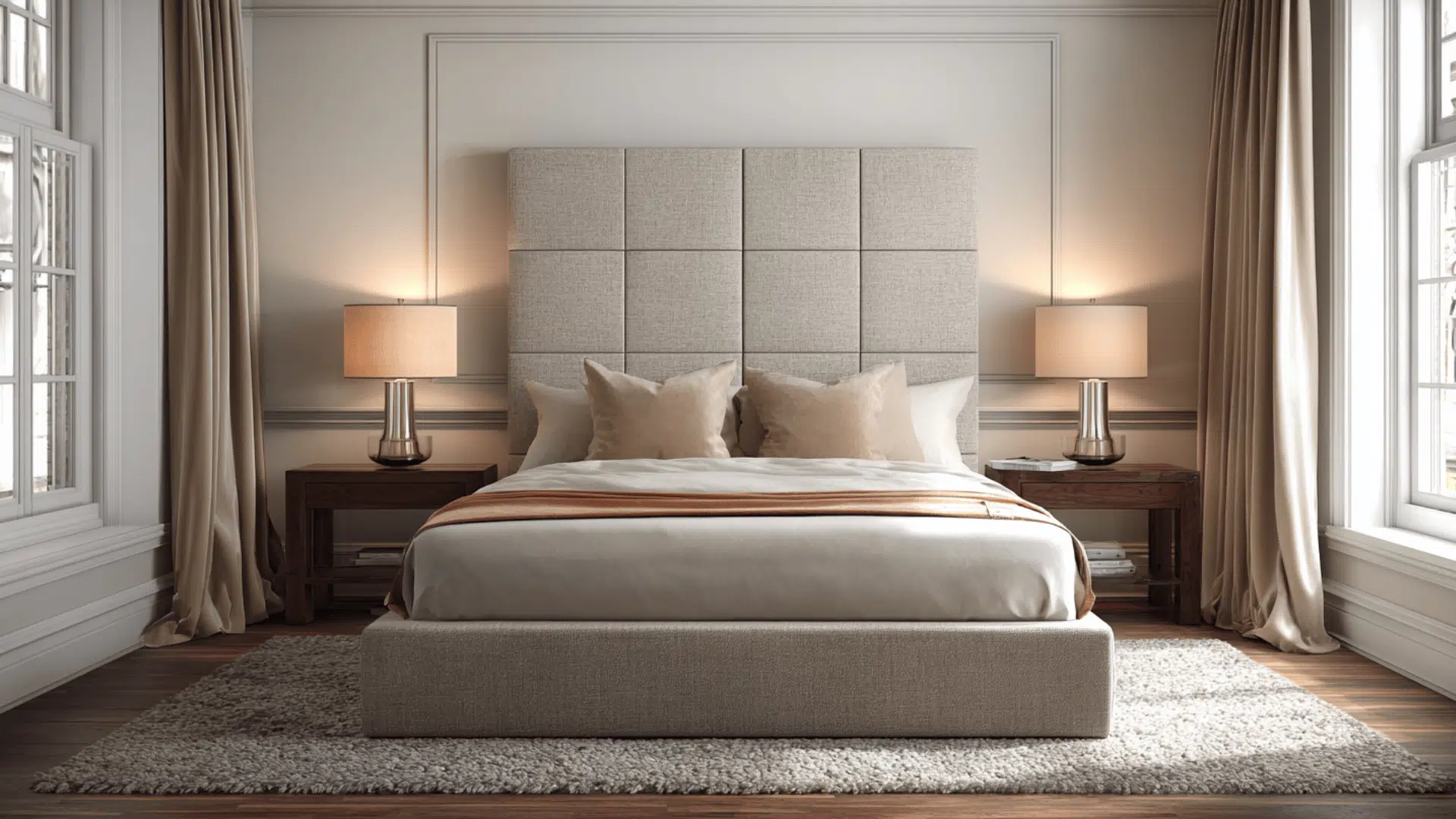
The Wyoming King measures 84″ × 84″, creating a spacious square shape. It fits small families, couples who want extra room, or sleepers who move frequently during the night.
This size works best in large, balanced bedrooms. A room around 14′ × 14′ or larger is ideal to maintain comfortable spacing around the bed.
8. Alberta King

The Alberta King is usually 96″ × 96″, offering a large square sleep surface. It is suitable for families, co-sleepers, and anyone who wants both width and length without choosing an oversized extreme.
This bed requires a large bedroom to avoid crowding the space. A room around 16′ × 16′ or more is recommended for proper placement and circulation.
9. Alaskan King
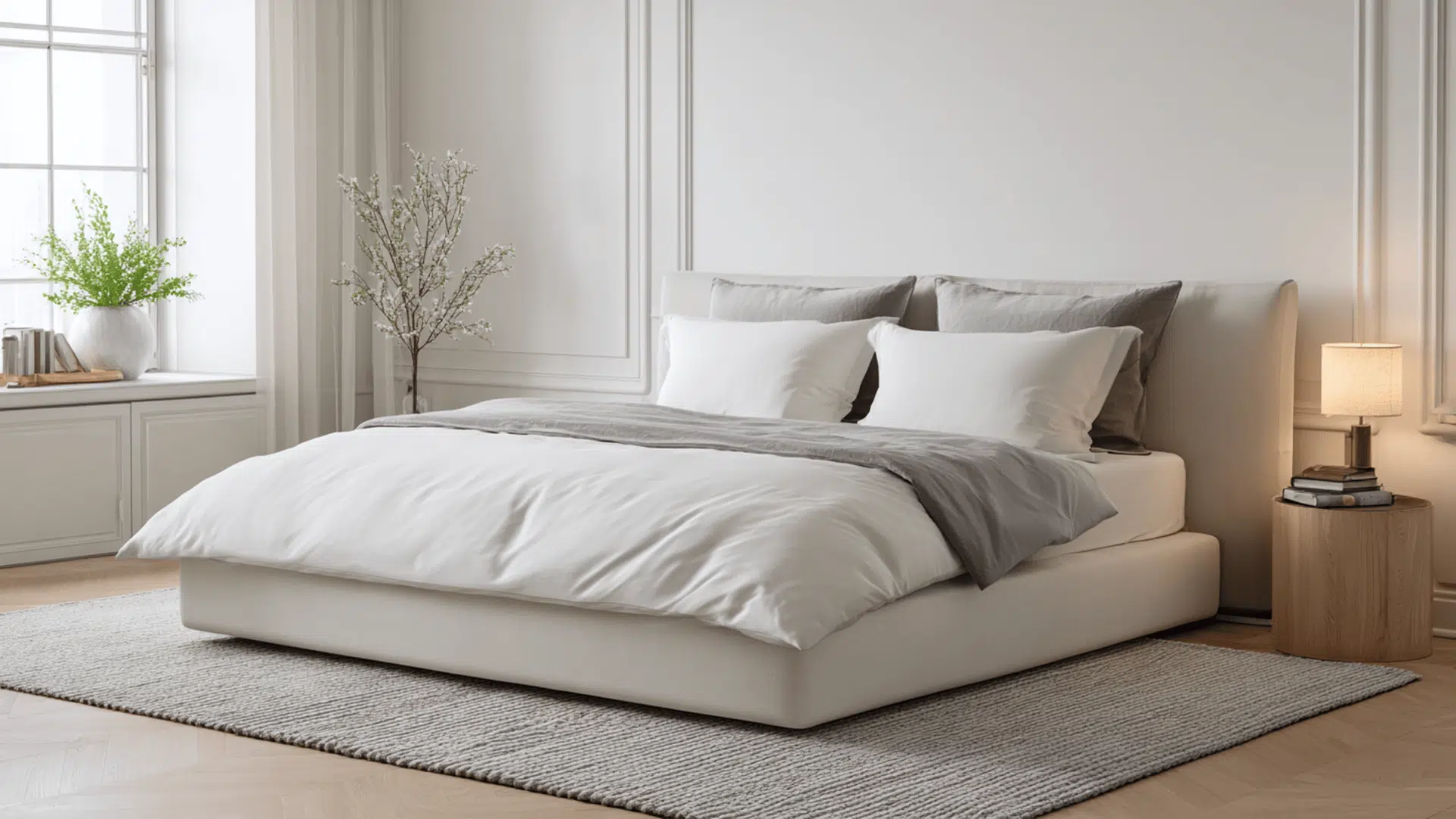
The Alaskan King measures 108″ × 108″ and is one of the largest king beds available. It provides ample space for families, co-sleepers, and pet owners.
This bed is only suitable for oversized master bedrooms due to its dimensions. A room at least 16′ × 20′ or larger is recommended to allow for furniture, walking space, and a comfortable overall layout.
10. Family Bed

The Family Bed is typically 108″ wide, offering more width than most oversized kings. It is designed for households where multiple children or pets share the bed.
This size requires a very large room to remain usable and comfortable. A room around 18′ wide or more provides adequate space for placement and movement.
11. Family XL Bed

The Family XL Bed measures around 144″ wide, making it the widest bed size available. It suits large families who want a single shared sleeping space with maximum room.
This bed fits only in oversized primary suites with open floor plans. A room around 18′ × 20′ or larger is needed to accommodate its width and allow comfortable walking areas.
These sizes give you a clear idea of how much space each king bed requires and who it best suits.
With the basics covered, it becomes much easier to pick the size that matches your room and sleep style.
Types of King Beds: A Quick Comparison
This quick table gives you an easy way to compare all king bed sizes side-by-side. It highlights the key details you need to decide your fit accordingly:
| King Bed Type | Dimensions (inches) | Price Range | Room Size Needed | Best Suited For | Key Benefit |
|---|---|---|---|---|---|
| Standard King | 76″ × 80″ | $800–$3,000 | 12′ × 12′ | Couples, small families | Widest standard size |
| California King | 72″ × 84″ | $900–$3,200 | 12′ × 14′ | Tall sleepers, narrow rooms | Extra legroom |
| Split King | 2 × Twin XL (38″ × 80″) | $1,200–$4,000 | 12′ × 12′ | Couples with different sleep needs | Adjustable on both sides |
| Short King | 72″ × 75″ | $700–$2,500 | Small–medium rooms | RVs, compact rooms | King width in a shorter length |
| Super King | ~80″ × 98″ | $2,000–$5,000 | 14′ × 16′ | Couples, co-sleepers | Extra space without going huge |
| Texas King | 80″ × 98″ | $2,500–$6,000 | 14′ × 16′ | Tall adults, large rooms | Long + wide for full stretch |
| Wyoming King | 84″ × 84″ | $2,800–$6,500 | 14′ × 14′ | Small families, co-sleepers | Big square sleeping space |
| Alberta King | 96″ × 96″ | $3,000–$7,000 | 16′ × 16′ | Big families, big rooms | Large square layout |
| Alaskan King | 108″ × 108″ | $3,500–$8,000+ | 16′ × 20′ | Co-sleeping families, pets | One of the largest beds available |
| Family Bed | 108″ wide | $3,000–$7,500 | 18′ width | Families with kids/pets | Very wide for group sleep |
| Family XL Bed | 144″ wide | $4,000–$9,000+ | 18′ × 20′ | Large families | Maximum shared space |
Types of King Bed Frames
Once you know the size, the next step is choosing a frame style that fits your comfort and room layout. Each frame offers different support, so picking the right one is important.
Platform King Bed: A platform bed has a solid or slatted base that supports the mattress without a box spring. It sits lower to the ground, adding a simple, modern look to the room.
Upholstered King Bed: An upholstered bed is covered in fabric or faux leather with soft padding underneath. It adds comfort, reduces sharp edges, and brings a warm, cozy style to the bedroom.
Wooden King Bed: A wooden frame is made from solid wood or engineered wood in different finishes. It’s strong, long-lasting, and fits both classic and modern rooms with ease.
Metal Frame: A metal frame is made of steel or iron and is usually lightweight yet sturdy. It offers a simple, minimal look and works well in rooms where durability matters.
Storage King Bed: A storage bed includes drawers or a lift-up base for keeping clothes or blankets organized. It’s ideal for small rooms or anyone who needs extra storage without more furniture.
Adjustable Base: An adjustable base lets you raise or lower the head and foot of the bed with a remote. It’s especially useful with Split Kings because each side can move independently.
How to Choose the Right King Bed Size
Use these quick points to match the bed size to your height, the size of your room, and how many people share the bed.
- If you’re tall (6’2″+), choose a longer size like California King, Texas King, or Alaskan King.
- If two adults share the bed, a Standard King or California King usually works well.
- If co-sleeping with kids, go wider with a Wyoming King, Alberta King, or Alaskan King.
- If you have pets, pick wider options like a Super King, a Wyoming King, or a Family Bed.
- If your room is long and narrow, a California King fits better.
- If your room is square, a Wyoming, Alberta, or Alaskan King works well.
- If you’re on a budget, Standard King and California King are the most affordable.
- If the budget is flexible, Oversized options like Texas, Wyoming, Alberta, and Alaskan King offer more space.
Final Thoughts
Choosing among the many types of king beds becomes much easier once you understand how each size fits your height, room layout, and daily routine.
This guide walked you through every major option, from the Standard King to oversized family beds, so you can see how each one changes your comfort, space, and the way your room feels.
With everything laid out simply, you’re now in a solid place to pick the king bed size that truly works for you and your home.
Ready to choose the king bed that finally feels right for you? Take the next step and pick the size that fits your space and sleep style!