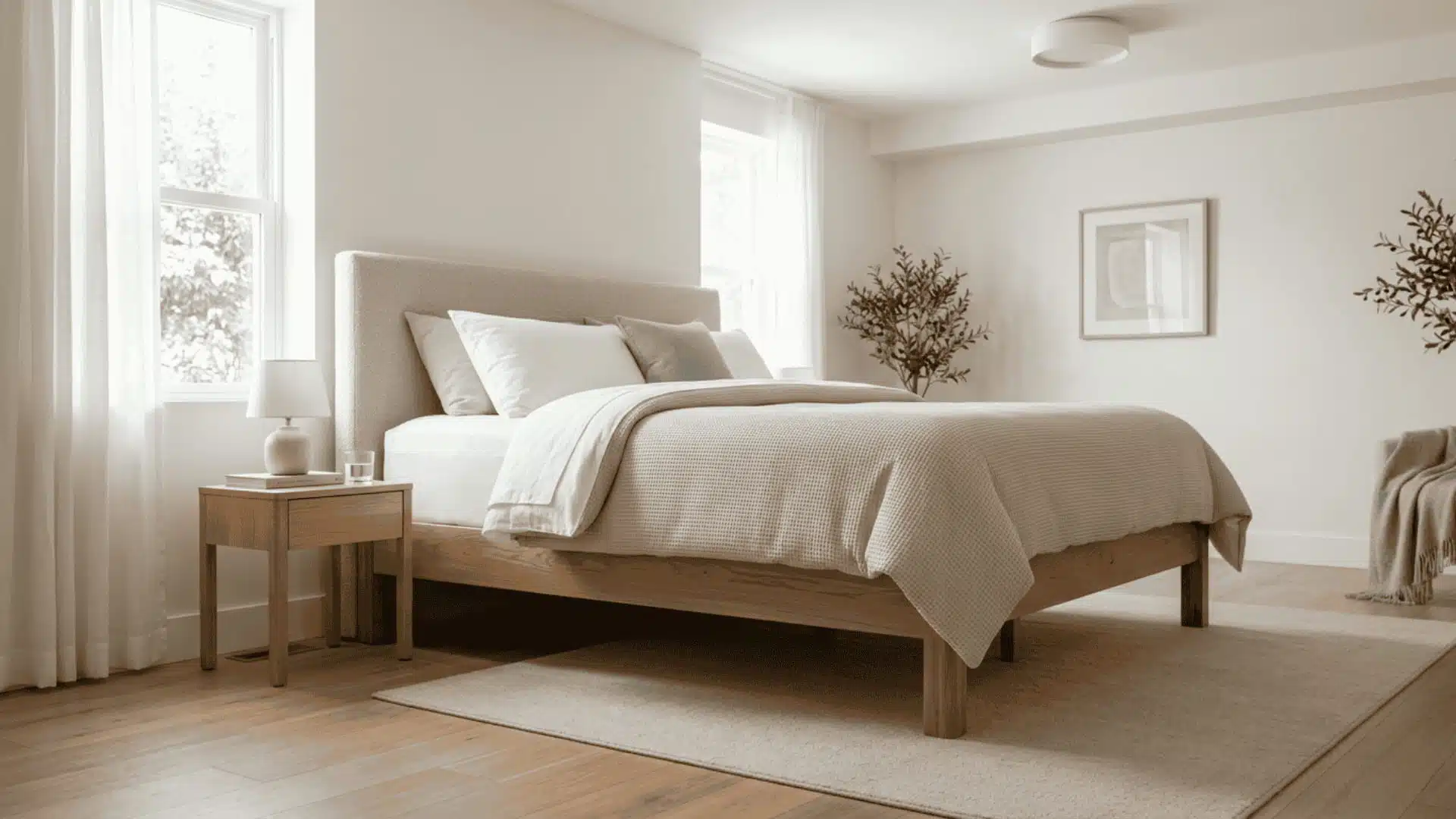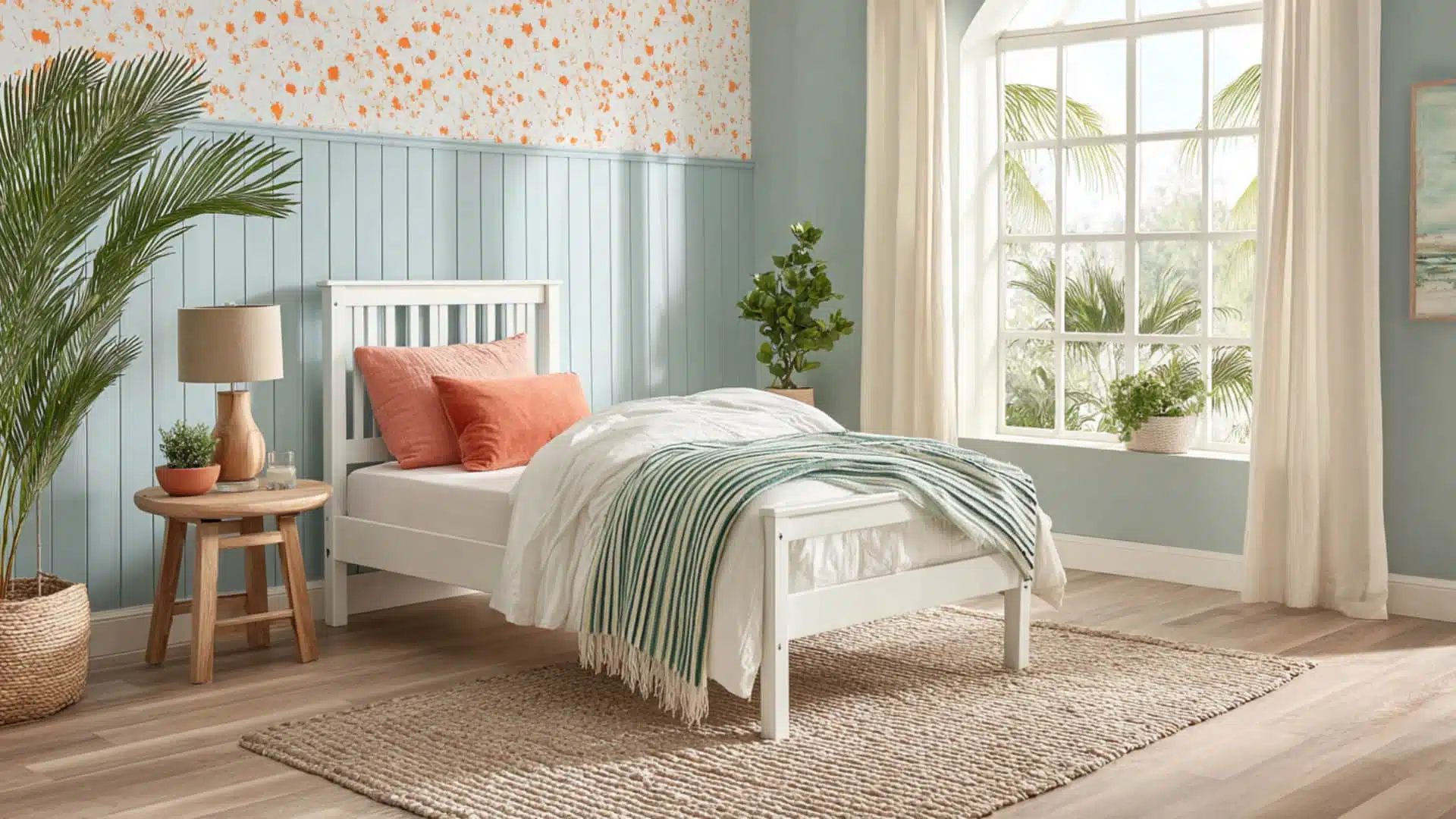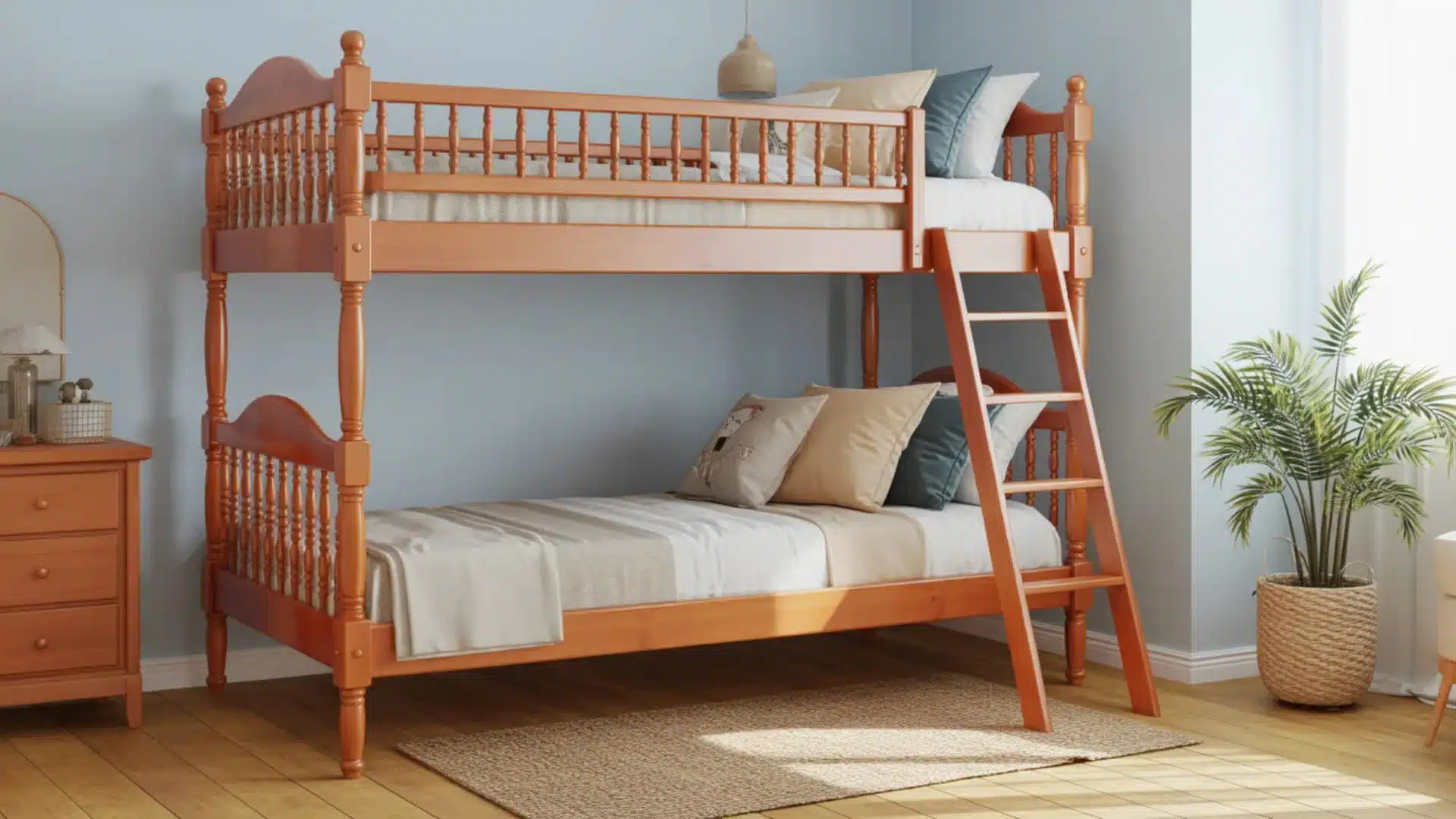





Ever measured a room and felt totally lost about which bed would fit? It happens to a lot of people. That’s exactly why knowing twin bed measurements in inches matters so much.
A standard twin bed measures 38 inches wide by 75 inches long. These numbers may seem small, but they make a real big impact on daily comfort.
They help when planning a bedroom layout, picking the right mattress sizes, or comparing different bed options before making a final purchase.
A twin bed fits one person well and works great in smaller spaces. Getting the measurements right saves time and avoids costly mistakes.
Having the right numbers on hand makes shopping for a bed feel a whole lot easier and less stressful.
Twin Bed: What It Is and Who Uses It?
A twin bed is one of the most common bed sizes available. It is a single-person bed that fits well in smaller spaces without taking up too much room.
Kids love it because it gives them their own cozy sleeping spot. Teens use it through high school and even college. Single adults find it practical for studio apartments or smaller bedrooms.
It also works well in guest rooms with limited space. Many parents pick a twin bed when setting up a first bedroom for their child. Simply put, it is a reliable, space-saving option for many different types of sleepers.
Twin Bed Measurements In Inches: The Dimensions
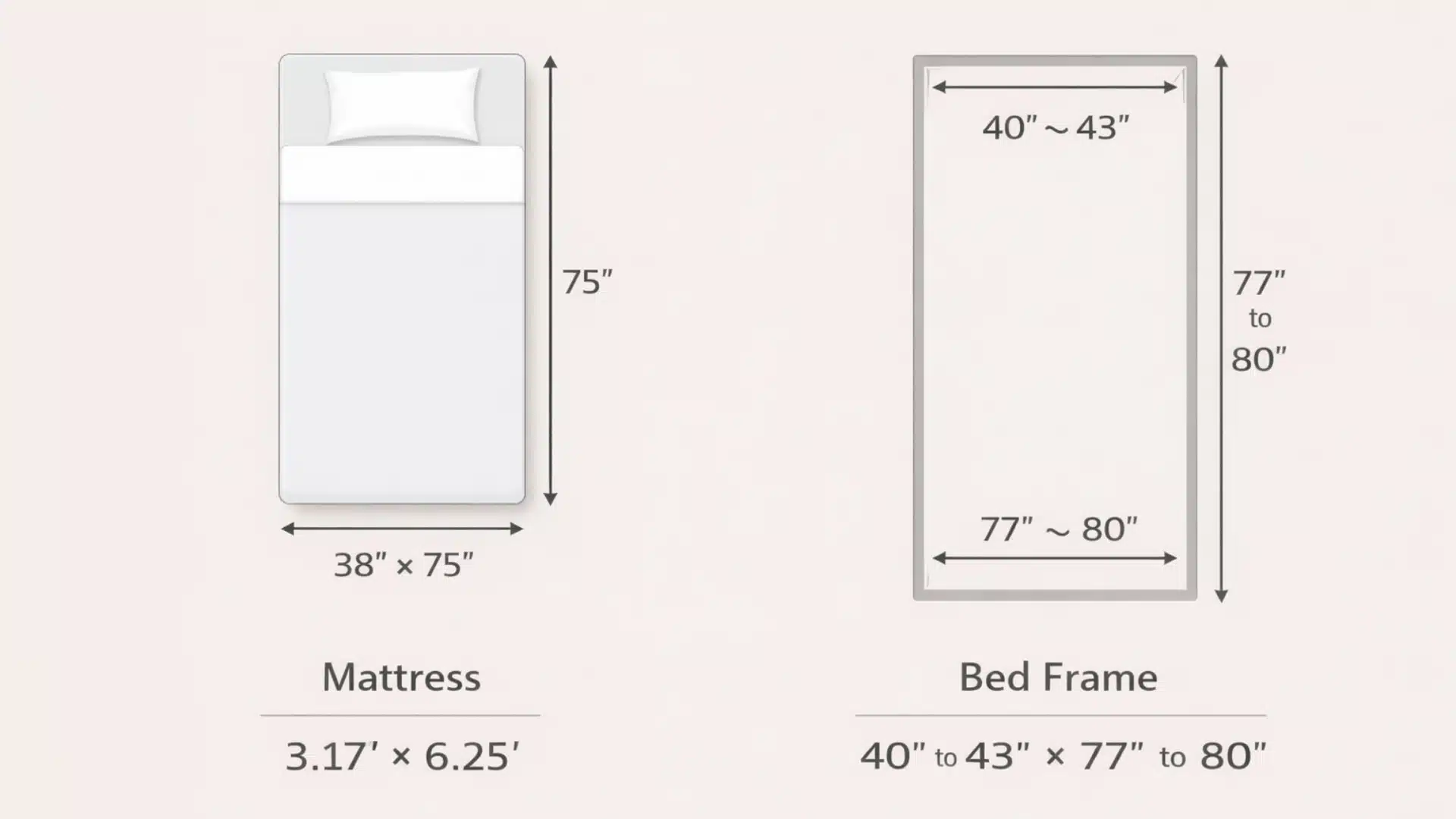
Knowing the exact size of a twin bed makes shopping and planning much easier. Here is a clear breakdown of twin bed measurements in inches and feet, along with how mattress size compares to bed frame size.
| Measurement Type | Width | Length |
|---|---|---|
| Standard Twin Mattress (Inches) | 38 inches | 75 inches |
| Standard Twin Mattress (Feet) | 3.17 feet | 6.25 feet |
| Twin Bed Frame (Inches) | 40 to 43 inches | 77 to 80 inches |
One important thing to remember is that the mattress size stays the same across most brands, but the bed frame runs a little bigger depending on its design.
Always measure the actual frame before deciding if it fits the room.
How Much Room Does A Twin Bed Actually Need?
A twin bed fits best in a room that is at least 7 feet by 10 feet. This gives enough space for the bed and some room to move around.
Leaving about 2 feet of walking space on each side of the bed makes the room feel comfortable and easy to navigate. A twin bed can absolutely fit in a small room.
In fact, it is one of the top choices for compact bedrooms. Its smaller size leaves room for a dresser or desk. Small rooms feel much more functional and less crowded with a twin bed inside.
Mattress Sizes: What Are Your Options?
Picking the right mattress goes beyond just choosing a twin. Understanding all mattress sizes helpsmake a smarter buying decision.
A twin is the smallest standard mattress size and works well for one person. Other common sizes include Twin XL, Full, Queen, King, and California King.
Each size fits different room types, sleeping needs, and budgets. Knowing the differences helps narrow down the best fit before making a purchase. Here is a comparison chart to give a better idea:
| Mattress Size | Width (Inches) | Length (Inches) |
|---|---|---|
| Twin | 38 inches | 75 inches |
| Twin XL | 38 inches | 80 inches |
| Full | 54 inches | 75 inches |
| Queen | 60 inches | 80 inches |
| King | 76 inches | 80 inches |
| California King | 72 inches | 84 inches |
Mattress size affects more than just sleeping comfort. The wrong size can make a room feel cramped and leave little space for other furniture.
Buying the right size from the start saves money and makes the bedroom feel well-planned and comfortable for years to come.
How To Choose The Right Size For Your Needs?
Choosing the right bed size does not have to be confusing. A few simple factors can quickly point anyone in the right direction.
- Room Size Comes First: Always measure the bedroom before picking a bed. A small room works best with a twin. Larger rooms can accommodate larger furniture without feeling crowded.
- Sleeper Height Matters: A standard twin is 75 inches long. Taller sleepers above 6 feet should pick a twin XL for those extra 5 inches of length.
- Age Makes A Difference: Young kids do well on a standard twin. Teens heading to college often need a twin XL since most dorm rooms are built for that size.
- Lifestyle and Daily Use Count: Single adults in small apartments find a twin practical. Guest rooms also work well with a twin since it leaves enough space for other furniture.
Taking a few minutes to think about room size, height, and daily needs makes the final decision much easier and saves money in the long run.
Comparing Twin Beds To Other Sizes: Which One To Choose?
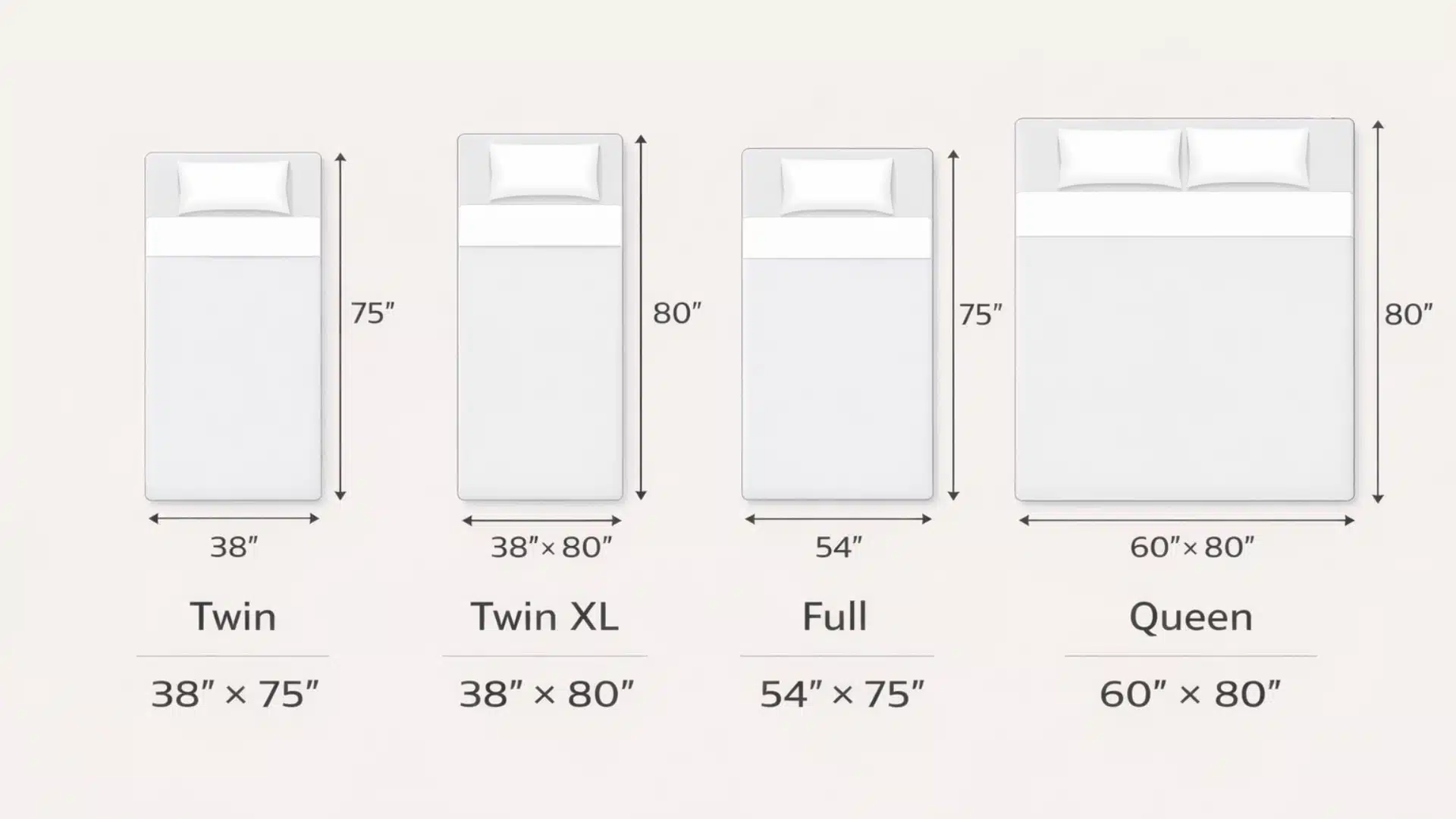
Not every bed size fits every situation. Comparing sizes side by side makes the choice much clearer. Here is a simple breakdown to help decide.
Twin Vs Twin XL
Both sizes share the same width of 38 inches. The only difference is the length. A standard twin is 75 inches long, while a twin XL is 80 inches long.
That extra 5 inches makes a big difference for taller sleepers. College students also prefer a twin XL since most dorm rooms are built for that size.
Twin Vs Full Size Bed Dimensions
The dimensions of a full-size bedare 54 inches wide by 75 inches long. That makes it 16 inches wider than a twin. Single adults who toss and turn at night often find it more comfortable to get a full night’s sleep.
It fits well in medium-sized rooms and gives more sleeping surface without taking up too much extra floor space.
Twin Vs Queen Bed
A queenbed measures60 inches wide and 80 inches long. It works well for couples or anyone wanting a generous sleeping space. However, a queen needs a bigger room to feel comfortable.
Anyone with a smaller bedroom or a tighter budget will find a twin or full a much more practical and affordable choice.
The best bed size depends on three simple things. First, measure the room. Second, think about who will sleep on it. Third, consider the budget.
A twin works well for tight spaces and on a lower budget. A full or queen suits those who need more comfort and have extra room to spare.
Watch Out For These Common Bed Buying Mistakes
Buying a bed seems simple, but small oversights can lead to big regrets. Avoiding these common mistakes saves time, money, and a lot of frustration.
- Skip Room Measurements: Many people skip measuring the room before buying. This results in a bed that feels either too big or too small for the available space.
- Ignore Bed Frame Size: A bed frame runs 2 to 5 inches larger than the mattress. Forgetting this extra size can make the bed feel cramped inside the room.
- Skip Size Comparison: Skipping the size comparison often leads to a poor fit. Always check all mattress sizes before making a final decision on any bed purchase.
- Overlook Future Needs: A bed that works today may not work in two years. Think about future needs, especially for growing kids or changing living situations.
- Block Walking Space: A bed should never block movement inside a room. Always leave at least 2 feet of walking space around the bed for comfort.
Taking a little extra time to plan before buying makes a real difference. Avoiding these mistakes leads to a better sleeping experience and a more functional bedroom overall.
Conclusion
At the end of the day, picking the right bed comes down to three things: room size, personal comfort, and future needs.
A twin bed is a practical and affordable option that works well for many people. But it is not a one-size-fits-all answer. Comparing it with other options like a full or queen can help make a smarter decision.
Taking time to measure, plan, and think ahead goes a long way in creating a bedroom that feels just right.
Are you setting up a new bedroom or replacing an old mattress? Drop a comment below and let us know which bed size worked best for you!
Frequently Asked Questions
Can Two Adults Sleep On A Twin Bed?
No. A twin bed is only 38 inches wide, which is too narrow for two adults. It comfortably fits one person only.
What Size Sheets Fit A Twin Bed?
Twin-size sheets fit a standard twin bed. They are made to cover a mattress that measures 38 inches by 75 inches.
Is A Twin Bed Good For Bunk Beds And Daybeds?
Yes. Twin beds work great for bunk beds and daybeds. Their compact size fits both furniture styles without any issues.