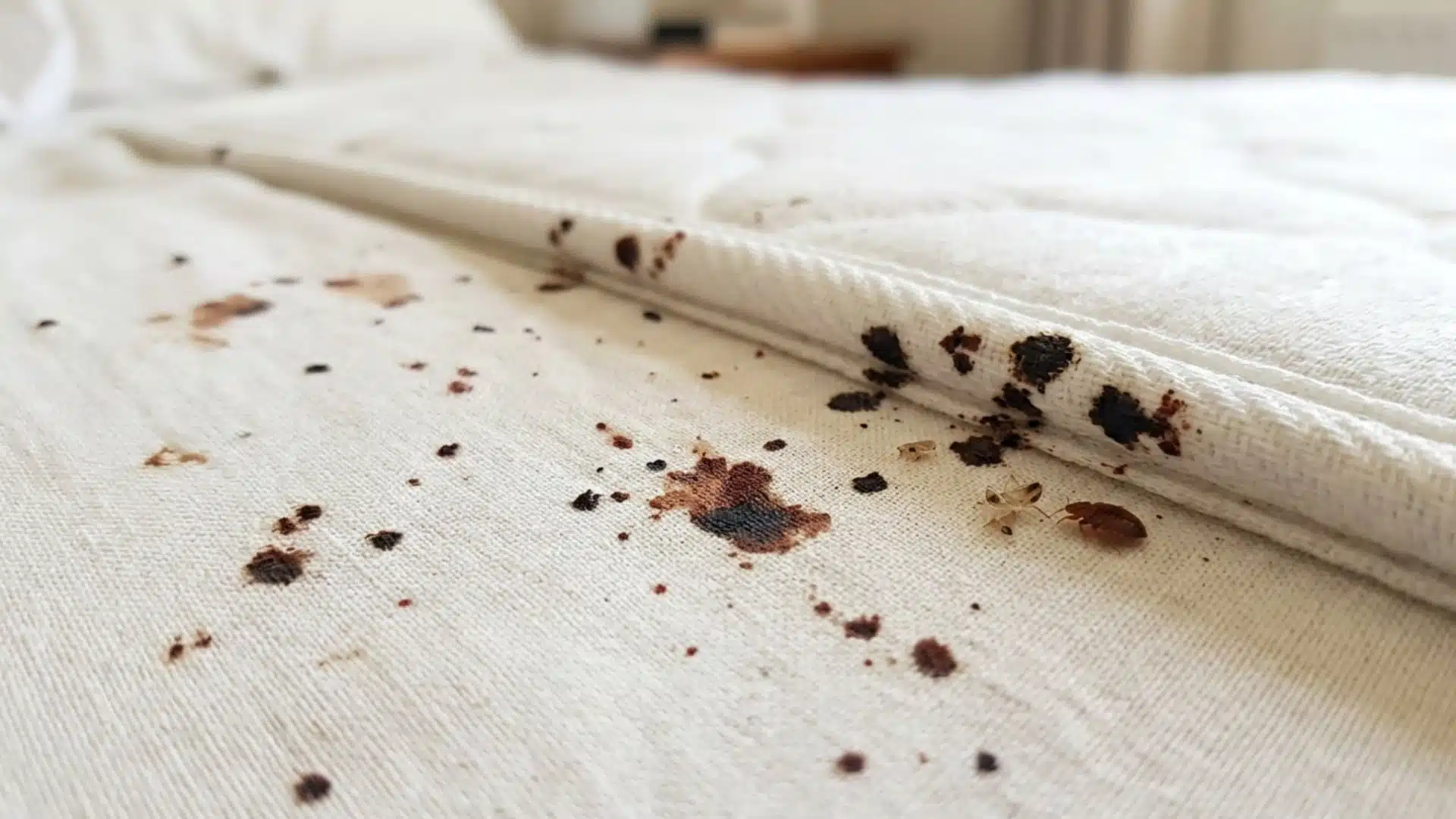




I pulled back the sheet, saw those tiny dark marks, and felt uneasy instantly. It is strange how a few small spots can make your mind race.
Early bed bug stains on sheets are one of those things people often notice by accident, then cannot stop thinking about. At first, they may seem unimportant.
Then a second look makes them feel harder to ignore. That uncertainty is what gets to most people.
You keep wondering if it is a real sign of something or just an ordinary stain you never noticed before.
When marks show up where you sleep, they feel personal and hard to brush off. That is why even small stains can quickly become a major source of stress.
What Are Bed Bugs?
Bed bugs are small, flat insects that feed on blood, usually at night while people sleep. They are reddish-brown in color, do not have wings, and can hide in very small spaces around the bed.
You may find them in mattress seams, bed frames, headboards, and even nearby furniture.
They do not fly or jump, but they spread easily by clinging to luggage, clothes, blankets, and used items.
Bed bugs are not caused by poor hygiene. They can appear in both clean and cluttered homes because they spread through travel and shared items.
Many people do not notice them right away until they spot stains, bites, or other unusual signs.
Things That Can Be Mistaken For Bed Bug Signs
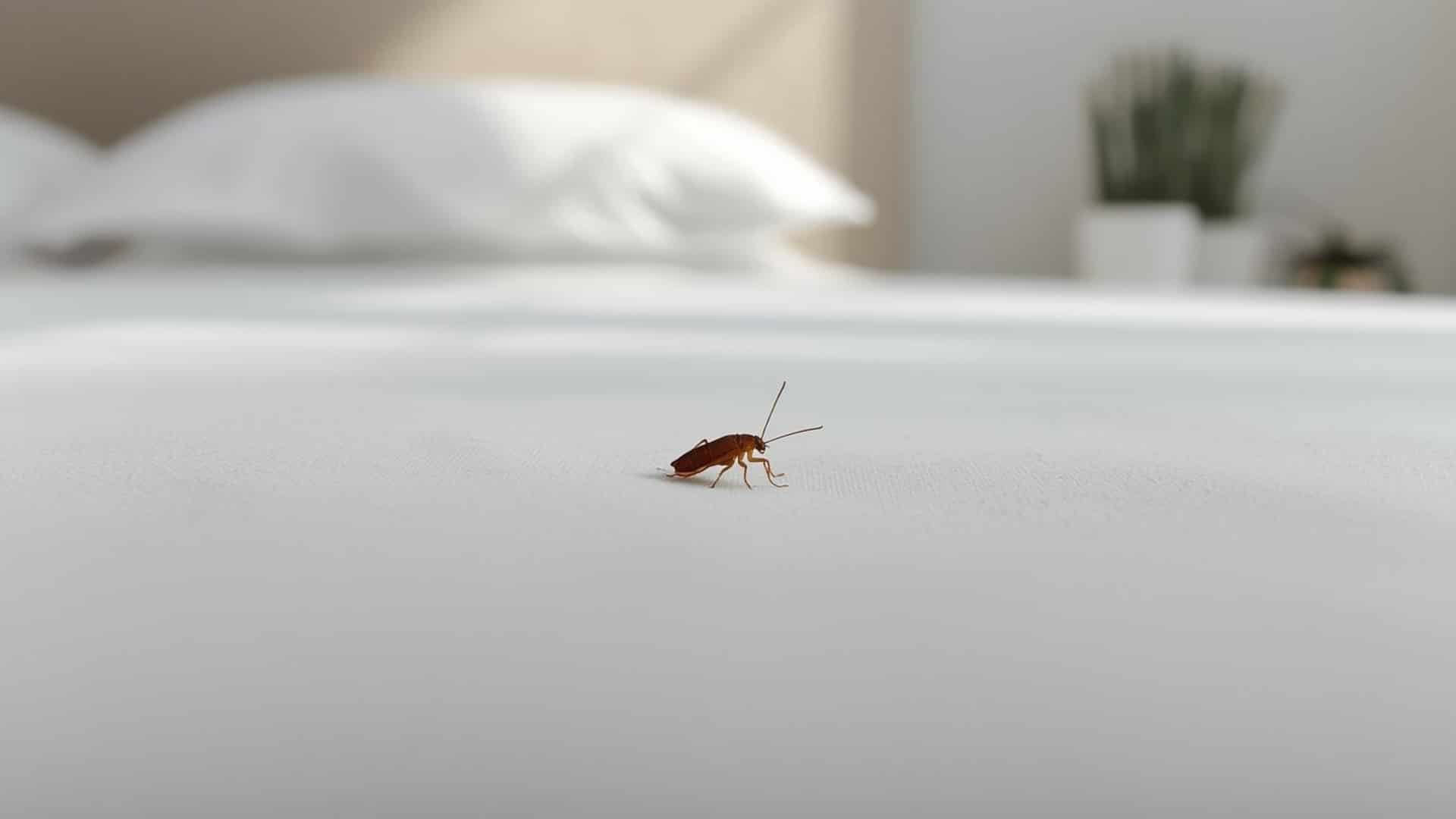
A few marks or tiny bugs near your bed can feel alarming at first, but their pattern, shape, and location often make it easier to tell whether they point to bed bugs.
Can A Water Bed Leave Bed Bug-Like Marks
A water bed can sometimes leave light blotches, soft patches, or faint ring-shaped marks on sheets. These stains usually look more spread out and less defined than bed bug stains. If the fabric feels damp or the mark looks wide and faded, moisture is more likely the cause.
Why A Baby Cockroach Gets Mistaken For A Bed Bug
A baby cockroach can be confused with a bed bug because both are small and brown. The difference is in the details. A baby cockroach is longer, narrower, and has more visible antennae, while a bed bug looks flatter, rounder, and stays closer to sleeping areas.
Why Flea Dirt On Bed Gets Mistaken For Bed Bug Signs
A few dark specks on sheets can sometimes come from flea dirt rather than bed bugs. These marks often look like tiny pepper-like specks and may turn reddish when damp, which helps tell them apart from typical bed bug stains.
Early Warning Signs Of Bed Bugs
The early signs of bed bugs in bed are often easy to miss at first because they build slowly over time. Which is why small changes around your bed can matter more than people expect.
- Small red or rust-colored spots on sheets or pillowcases can happen when a bed bug gets crushed during sleep.
- Tiny black or dark brown dots may appear on bedding, mattress seams, bed frames, or nearby walls. They often look like ink-like dots, pepper-like specks, or very small pen tip marks.
- Bed bugs shed their pale skins as they grow. These are often found in seams, joints, or hidden fabric folds.
- Their eggs are very small, white, and easy to miss. They are often tucked into cracks, seams, or corners near hiding spots.
- A larger infestation can produce a faint, sweet, musty smell. One bug will not cause this, but a growing group might.
- Bites often appear in small groups or straight lines on exposed skin, but bites alone cannot confirm the presence of bed bugs.
- Spotting a live bed bug in a mattress seam, headboard crack, or bed frame joint is a strong warning sign.
Before jumping to conclusions, it helps to compare these clues with other common marks that often get mistaken for bed bug stains.
What Do Early Bed Bug Stains On Sheets Look Like
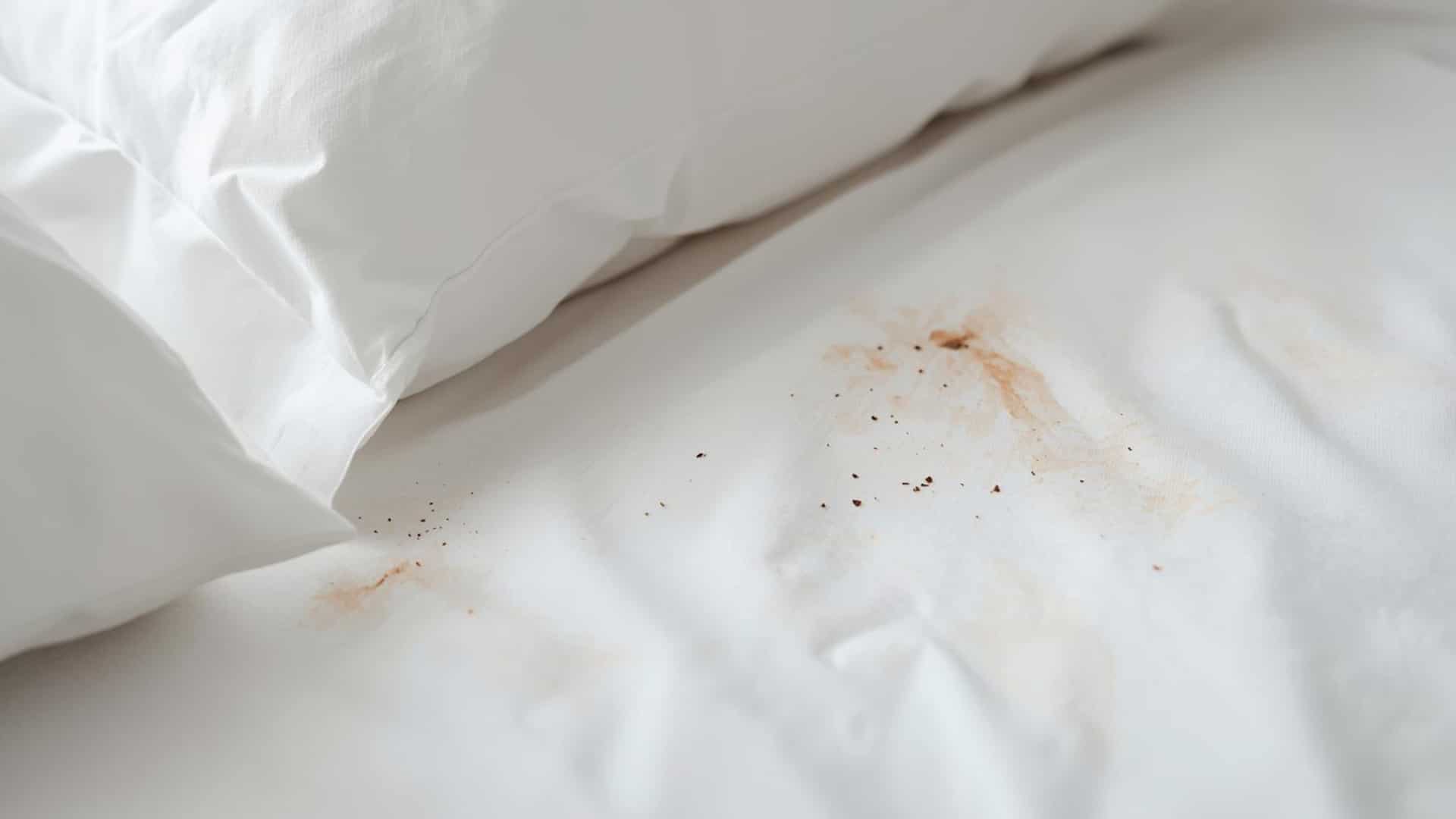
Early bed bug stains on sheets can be easy to overlook at first because they often appear small, faint, and scattered across bedding.
According to the Environmental Protection Agency (EPA), early signs of bed bugs often include tiny dark spots and rusty stains on sheets, especially near mattress seams and sleeping areas.
Rusty Or Reddish Smears
Rusty or reddish smears usually happen when a bed bug gets crushed after feeding during the night. These marks can look like tiny dried blood streaks or light smudges on the fabric.
They are often small, but if you notice them repeatedly in the same sleeping area, they deserve closer attention.
Tiny Black Or Dark Brown Dots
Tiny black or dark brown dots are often bed bug fecal spots left behind after feeding.
These marks are usually very small, almost like the tip of a pen, and may soak into the fabric rather than sit on top. Sometimes they can smear slightly if tested with a damp cloth.
Small Repeated Stains In The Same Area
A single stain does not always indicate bed bugs, since bedding can accumulate many kinds of marks over time.
But when several tiny smears or dots keep appearing in the same area, especially where you sleep most often, it becomes more important to inspect the bed and nearby hiding spots.
Stains Near Seams, Corners, And Edges
Bed bugs prefer to hide in tight, protected spaces near where people sleep. That is why their stains often collect near mattress seams, fitted sheet edges, pillowcase corners, and fabric folds.
If marks appear in these tucked-away areas, they are more suspicious than random stains in open spaces.
Where To Check If You Think You Have Bed Bugs
If you want to inspect quickly, focus on the tight, hidden spots closest to where you sleep first.
- Sheets And Pillowcases: Check for dark dots, rusty smears, or tiny blood spots.
- Mattress Seams And Tags: Look along seams, folds, and around the mattress tag.
- Box Spring Edges: Inspect the edges, bottom fabric, and hidden underside areas.
- Bed Frames And Headboards: Check joints, cracks, corners, and the space behind the headboard.
- Nearby Furniture: Look inside drawers, corners, joints, and small gaps in wood.
- Baseboards and Wall Cracks: Inspect nearby wall edges, outlets, and cracks close to the bed.
A careful check of these areas can help you spot early clues before moving on to prevention and treatment steps.
Prevention And Treatment Strategies
Early action helps more than people think, and simple steps can lower the risk while making bed bug treatment easier.
| Prevention | Treatment |
|---|---|
| Reduce Clutter: Clear hiding spots near the bed. | Wash And Dry On High Heat. Heat helps kill bugs and eggs. |
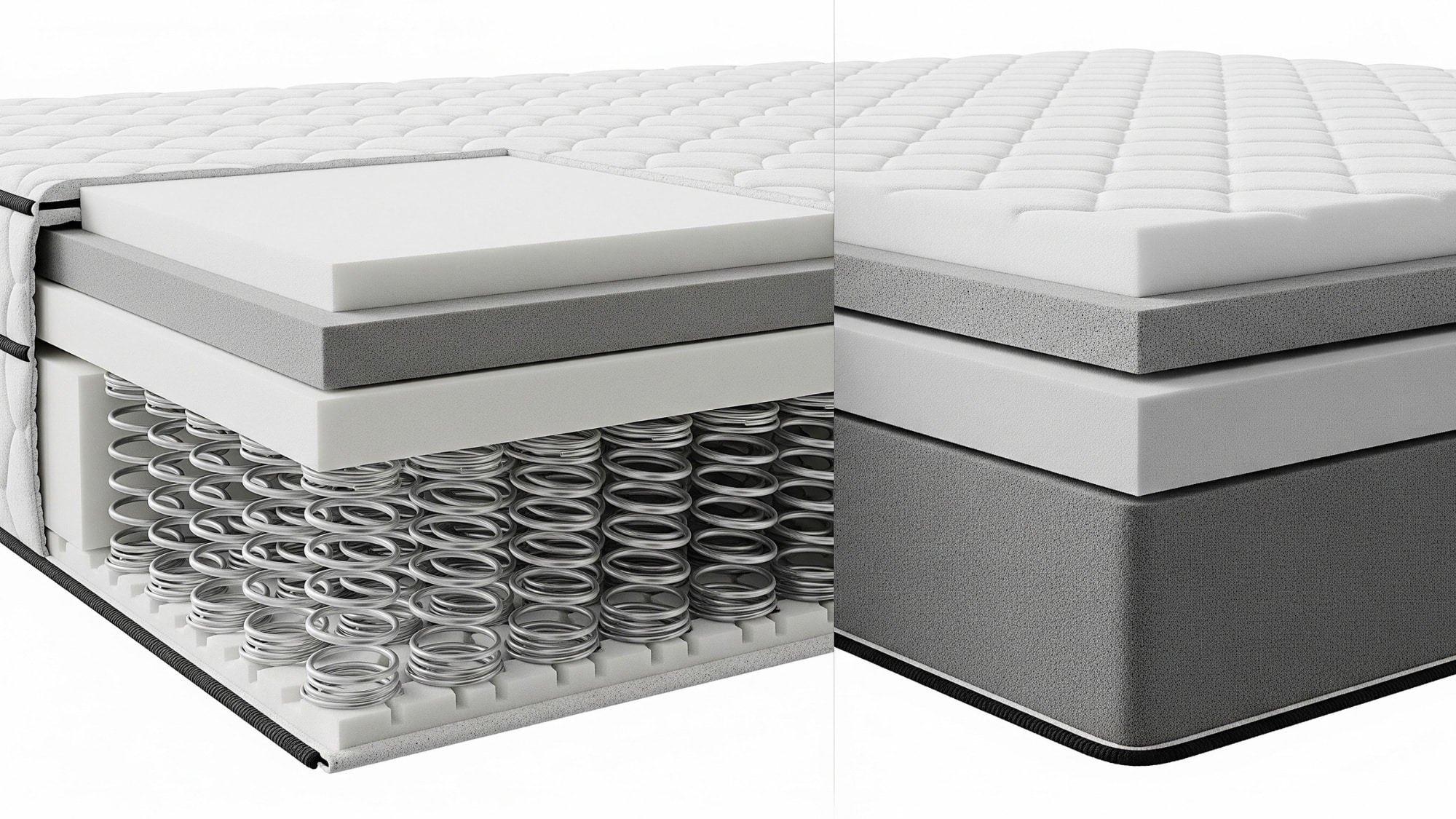
| Use Encasements: Seal mattresses and box springs. | Vacuum carefully. Clean seams, frames, and floors well. |
| Check Used Furniture Inspect before bringing items inside. | Use Interceptors to monitor bug activity under the bed legs. |
| Watch for early signs of spots, skin, or eggs sooner. | Call A Professional If Needed. Get help if signs keep returning. |
These simple steps set up the next section well, especially if you want to cover DIY treatment options in more detail.
DIY Treatment Options For Early Bed Bug Signs
If you catch the signs early, a few careful home steps may help reduce activity and make the problem easier to manage.
Wash And Heat-Dry All Bedding
Strip the bed completely and wash sheets, pillowcases, blankets, and covers in hot water. Dry everything on the highest safe heat setting for at least 30 minutes. Heat is one of the most effective home remedies because it can kill both bed bugs and their eggs.
Vacuum Seams And Cracks
Vacuum the mattress, box spring, bed frame, and the floor around them carefully. Pay close attention to seams, tufts, joints, corners, and tight cracks where bed bugs like to hide. After vacuuming, seal the bag or contents right away and throw them outside the home.
Use Steam On Suitable Surfaces
A steamer can help kill bed bugs on contact when used on mattress seams, upholstered furniture, and other fabric-safe surfaces. Use a high heat setting and move the steamer slowly so the heat reaches the surface properly, rather than passing over it too quickly.
Install Encasements
After cleaning and treating the bed, seal the mattress and box spring in bed bug-proof encasements.
These covers can trap hidden bugs inside and stop new ones from getting in. They also make later inspections easier because there are fewer places for bugs to hide.
Use Bed Bug Interceptors
Place interceptors under each bed leg to catch bugs moving to or from the bed. These small traps will not remove an infestation on their own, but they help you track activity.
They can also show whether your cleaning and treatment steps are starting to work.
Isolate The Bed
Pull the bed away from the walls and nearby furniture so bed bugs have fewer ways to reach it. Make sure blankets and sheets do not touch the floor.
This step helps limit movement and works best when combined with interceptors, encasements, and regular inspection.
Note: DIY helps control early activity but may not fully eliminate infestations.
When To Call A Professional
Some bed bug problems move beyond simple home care, and knowing that point early can help prevent extra stress.
- If you clean thoroughly and new stains keep showing up within a few days, the infestation may be larger than it seems.
- Finding eggs in seams, cracks, or folds, or spotting live bed bugs, usually means the problem is already established.
- If signs start appearing on other furniture, in clothing, or in another room, the infestation may be spreading quickly.
- In apartments or shared buildings, bed bugs can move between units, which makes one-person treatment much less effective.
- If you have tried DIY steps for about 2 weeks and the signs are not improving, professional treatment is the best step.
At this stage, a professional inspection can confirm the source and help you choose safer, stronger treatment before the infestation grows.
What To Do Right After You Notice Suspicious Stains
Finding strange marks on your sheets can feel upsetting, but the best first step is to stay calm and inspect carefully. Not every dark spot means bed bugs. If the marks look like ink-like dots, it is worth checking the bed more closely.
Take clear photos of the stains so you can compare them later or show them to a professional if needed.
Then check the mattress seams, pillowcase edges, bed frame, and nearby furniture with a flashlight.
Wash all bedding in the hottest safe water setting, then dry it on high heat for at least 30 minutes. After that, inspect nearby hiding spots and keep watching for fresh stains or other signs over the next few days.
Conclusion
If bed bug stains on sheets keep showing up in the same area, it is usually a sign that the bed needs a closer inspection.
Early bed bug stains on sheets tend to raise concern because they appear close to where you sleep and often show up more than once.
The real value is in noticing the pattern before the problem grows. When marks keep appearing, or other signs start appearing around the bed, it is usually a signal to take action rather than brush it off.
An early response can limit how far the issue spreads and make treatment much more manageable.
Paying attention early is often what separates a minor problem from one that becomes harder, costlier, and far more stressful to handle.
Frequently Asked Questions
Can Bed Bug Stains Rub Off On Your Hand?
Sometimes dark fecal spots may smear slightly if they are fresh or damp, but older marks often stay set into the fabric.
Do Bed Bug Stains Have A Smell?
The stains themselves usually do not have a strong smell. Any odor is more often linked to a larger infestation nearby.
Can Bed Bug Stains Appear On Only One Side Of The Bed?
Yes. Marks may show up more on one side if that is where a person sleeps most often or where bugs are hiding.
Do Bed Bug Stains Get Darker Over Time?
Yes. Fresh marks may look lighter at first, but older stains can darken as they dry and settle into the fabric.