




Waking up in the middle of the night, gasping for air, is frightening. For people dealing with fluid in the lungs, this can happen more often than it should.
The way you sleep matters more than most people realize. A simple shift in position can mean the difference between a restless night and actual rest.
Knowing how to sleep with fluid in lungs will not cure the condition. But it can reduce discomfort, ease breathing, and help the body recover more effectively overnight.
This covers the best sleep positions, postural drainage techniques, and daily habits that support better breathing at night. Each tip is straightforward and easy to follow, even on the hardest days.
Better sleep is possible. It starts with understanding what your body needs.
What Does “Fluid in the Lungs” Actually Mean?
Fluid in the lungs happens when liquid builds up inside the lung tissue or the air sacs. This makes it harder to breathe normally.
The medical term for this is pulmonary edema. It can be caused by heart problems, infections, or other health conditions.
When fluid builds up, your lungs cannot take in as much air. This often feels worse when you lie flat. That is why learning how to sleep with fluid in the lungs matters so much.
Sleeping in the wrong position can make breathing feel more labored at night. The right sleep position can take some pressure off your lungs and improve your rest.
Common Causes of Fluid in Your Lungs
Fluid in the lungs can happen for several reasons. Knowing the cause can help you and your doctor find the right treatment and manage symptoms, including sleep troubles.
- Heart Failure: When the heart cannot pump blood well, fluid backs up into the lungs and builds up over time.
- Pneumonia: This lung infection causes inflammation and fluid to collect inside the air sacs, making breathing more difficult.
- Kidney Disease: When the kidneys do not filter fluid properly, excess fluid can build up in the lungs and body.
- High Altitude Exposure: Traveling to very high altitudes too quickly can cause fluid to gather in the lungs unexpectedly.
- Acute Respiratory Distress Syndrome (ARDS): A serious condition where lung injury causes rapid fluid buildup, often requiring immediate medical attention.
- Certain Medications or Toxins: Some drugs or inhaled substances can irritate lung tissue and trigger fluid accumulation as a response.
Knowing what causes the condition is just the first step. Next, let us look at the symptoms that tell you fluid may be building up.
Why Is It Hard to Sleep With Fluid in the Lungs?
When you lie flat, fluid in your lungs does not stay in one place. It shifts upward toward your neck and upper airways. This puts extra pressure on your lungs. Your lungs have to work harder just to bring in air.
As a result, your oxygen intake drops. You may wake up gasping, coughing, or feeling short of breath. Deep, restful sleep becomes difficult.
Many people with this condition find that flat sleeping makes symptoms worse at night.
This is where sleep position becomes important.
The right position uses gravity to keep fluid lower in the lungs. That small shift can make breathing feel less strained while you sleep.
How to Sleep with Fluid in Lungs
Finding the right sleep position can make a real difference. These positions use gravity to reduce pressure on your lungs and help you breathe more comfortably through the night.
1. Elevated Upper Body (Head of Bed Raised)

Raise your head and chest using one or two pillows or a wedge pillow. This creates a gentle downward slope from head to feet. This angle helps stop fluid from pooling in the lower lung areas. An adjustable bed frame works well for this, too.
2. Side Sleeping (Especially Left Side)

Sleeping on your left side takes pressure off the heart and supports better circulation. This can improve how well your lungs bring in air.
Keep your spine straight and place a pillow between your knees. Use a slightly raised pillow under your head to help the upper lung lobes drain.
3. Sleeping in a Recliner Chair

A recliner keeps your head and neck above your heart without needing a flat bed. This can feel more comfortable when other positions are too hard to manage. It is a helpful short-term option. Talk to your doctor before relying on it every night.
Knowing the right positions is helpful. It is equally important to know which positions to avoid so you do not make symptoms worse at night.
Positions to Avoid
Not every sleep position is safe when you have fluid in your lungs. Some positions can make breathing harder and disrupt your sleep more than you might expect.
- Lying Completely Flat on Your Back: Fluid shifts upward toward your airways, making breathing feel more strained and uncomfortable.
- Sleeping Face Down (Stomach Sleeping): This position puts direct pressure on your chest and lungs, restricting airflow and making it harder to breathe normally.
- Curling Into a Tight Fetal Position: Curling up too tightly compresses your chest and limits how fully your lungs can expand with each breath.
- Sleeping on Your Right Side: The right side puts more pressure on the heart and lungs, which can worsen fluid buildup and breathing difficulty.
- Slouching in a Sitting Position: Sitting upright but slouched forward slightly collapses the chest, reducing lung capacity and making breathing less efficient during sleep.
- Using Too Many Pillows Under Your Head Only: Stacking pillows only under your head bends your neck forward. This can narrow your airway rather than open it.
Now that you know what to avoid, clearing fluid from your lungs before bed with postural drainage can make your nights even more comfortable.
Postural Drainage Techniques to Clear Fluid Before Bed
Postural drainage uses gravity and body positioning to move fluid and mucus out of the lungs. Doing this before bed can help you breathe more easily while you sleep. For best results, practice on an empty stomach.
1. Side-Lying With Elevated Hips

Lie on your side and place pillows under your hips so they sit higher than your chest. Hold this position for 3 to 5 minutes. Take slow, deep breaths throughout. Switch to the other side if needed to help drain both lungs evenly.
2. Stomach Over a Wedge Pillow

Place a wedge pillow under your hips and lie face down with your legs stretched back. Your hips should stay higher than your chest. This angle lifts the lower lung area and encourages fluid to drain naturally downward with each breath.
3. Over an Exercise Ball

Lie stomach-down over an exercise ball with your head and chest lower than your hips. Breathe slowly and deeply in this position.
The downward slant helps move fluid toward the upper airways so your body can clear it more easily.
4. Chair-Assisted Drainage

Sit in a chair and lean forward until your head drops below chest level. Rest your arms on your knees for support.
Hold for about 5 minutes. Breathe in through your nose and exhale fully each time to help move fluid out effectively.
Safety Note: Always consult your doctor or physical therapist before attempting postural drainage at home. Some positions may not be safe depending on your condition.
5. Chest Percussion (Clapping)

Chest percussion involves rhythmic clapping on the chest and back to loosen mucus and fluid in the lungs. A caregiver or therapist cups their hand and gently claps over the lung area while you hold a drainage position.
Do not try this alone. Always have a trained person guide you through it safely.
Drainage techniques work best when paired with the right daily habits. Small lifestyle changes can further reduce fluid buildup and support better sleep.
Symptoms to Watch For
Fluid in the lungs does not always feel the same for everyone. Recognizing these symptoms early can help you get the right care and manage your sleep and breathing more effectively.
- Shortness of Breath: Feeling out of breath during simple activities or while lying down is one of the most common signs.
- Persistent Coughing: A dry or wet cough that does not go away, especially at night, may signal fluid buildup in the lungs.
- Wheezing or Noisy Breathing: A whistling or rattling sound during breathing can indicate air passing through fluid-filled airways.
- Waking Up Gasping: Suddenly waking up unable to breathe normally at night is a warning sign that needs medical attention.
- Swollen Legs or Ankles: Fluid does not only collect in the lungs. Swelling in the lower body often comes along with it.
- Fatigue and Poor Sleep: Disrupted breathing through the night leaves the body without proper rest, causing constant tiredness during the day.
Recognizing these symptoms early matters. But understanding why sleep becomes so difficult with this condition can help you take the right steps.
Lifestyle Tips to Sleep Better With Fluid in the Lungs
Small daily habits can support better breathing at night. These simple changes work alongside sleep positions to help reduce fluid buildup and improve your overall sleep quality.
- Use a Humidifier: Adding moisture to the air reduces airway irritation and helps calm nighttime coughing, making breathing easier.
- Stay Hydrated: Drinking water throughout the day keeps mucus thin and easier for your body to drain naturally.
- Limit Sodium: Salt causes your body to hold onto water, which can worsen fluid buildup. Avoid processed and canned foods.
- Avoid Eating 2 to 3 Hours Before Bed: Eating close to bedtime increases pressure on your lungs and can make nighttime breathlessness feel noticeably worse.
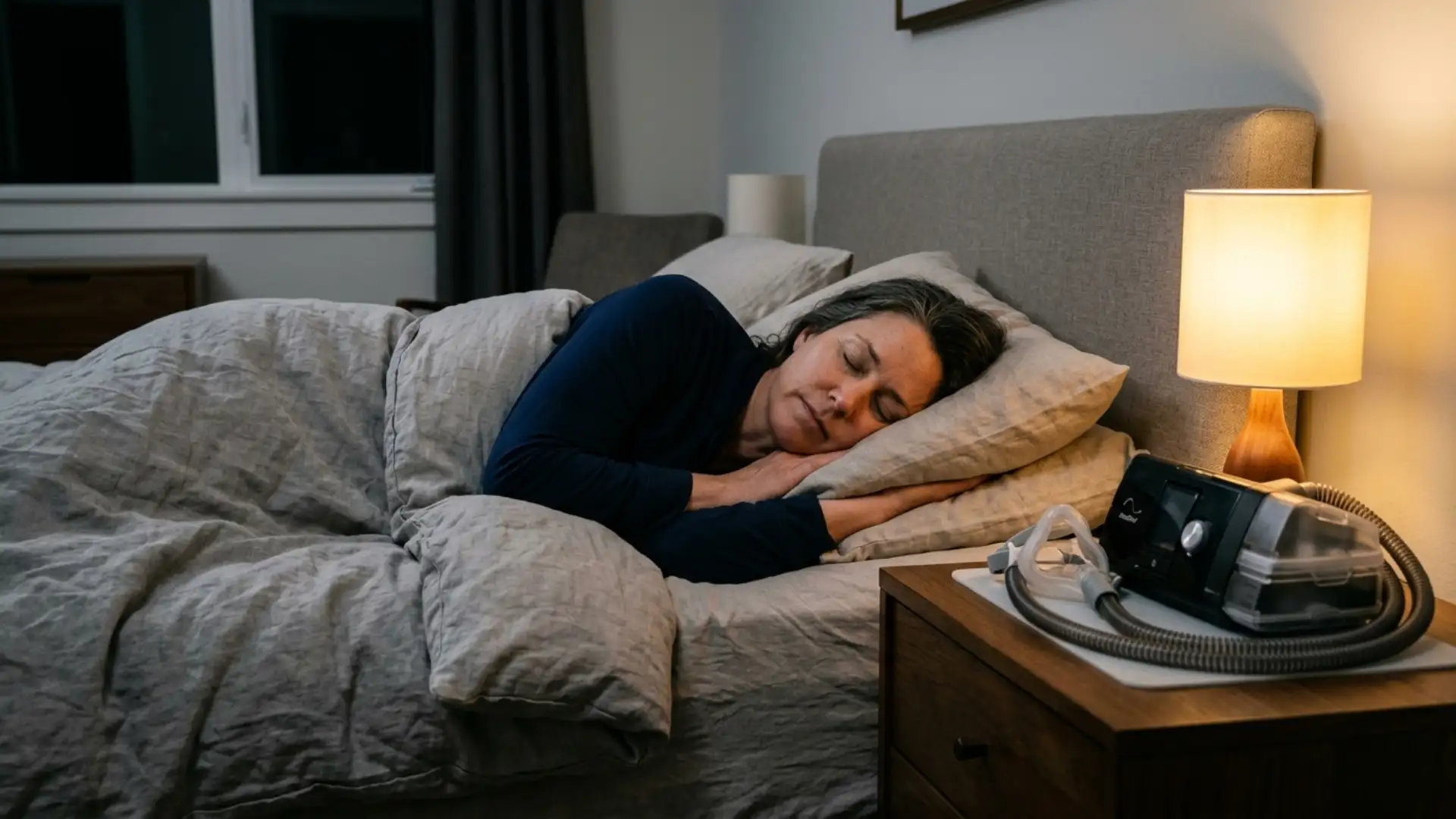
- Use a CPAP Machine (If Prescribed): A CPAP keeps your airways open during sleep, improves oxygen levels, and can support fluid drainage overnight.
- Maintain a Healthy Weight: Carrying extra weight puts added pressure on the lungs, making breathing harder. Even small changes can bring relief.
- Stop Smoking: Smoking worsens lung inflammation and increases fluid retention. Quitting is one of the most helpful steps you can take.
Even with the best habits in place, some symptoms should never be ignored. Knowing when to call your doctor can make all the difference.
When to Call Your Doctor
Sleep positions and lifestyle changes can offer real comfort. But they are not a substitute for medical care. If you notice sudden worsening of breathlessness, chest pain or tightness, or a rapid heart rate at night, seek help right away.
Coughing up pink or foamy mucus and a blue tint to your lips or fingernails are also serious warning signs that need immediate attention.
Fluid in the lungs is a medical condition. The tips in this guide are meant to support your comfort, not replace treatment. Speak with a pulmonologist or cardiologist to get the right care for your specific situation.
Final Thoughts
Fluid in the lungs makes sleep harder, but the right habits can bring real relief. Elevating your upper body, sleeping on your left side, and avoiding flat positions are small changes that can help you breathe more easily through the night.
Postural drainage before bed and simple lifestyle adjustments like limiting sodium, staying hydrated, and avoiding late meals can also make a noticeable difference.
Learning how to sleep with fluid in the lungs is about working with your body, not against it. These steps support comfort, but medical treatment always comes first. Never skip your doctor’s advice.
If this helped you or someone you care about, bookmark this page for quick reference. Share it with someone who might need it tonight.
Frequently Asked Questions
Can I Sleep with Pleural Effusion?
Yes, but position matters. Sleeping with your head and chest elevated helps reduce breathlessness. Always follow your doctor’s guidance for your specific condition.
Does Sleeping on Your Side Help Drain Fluid from The Lungs?
Yes. Side sleeping, especially on the left side, can improve breathing and support better fluid drainage. Place a pillow between your knees for comfort.
Is It Dangerous to Sleep with Fluid in Your Lungs?
It can be. Fluid in the lungs reduces oxygen intake during sleep. If symptoms feel severe, contact your doctor before trying any sleep adjustments.