




Wounds and lacerations often need careful attention to ensure proper healing and minimal scarring.
Among the various techniques for skin closure, the horizontal mattress suture is one approach that helps manage tension and support delicate tissue.
It is particularly useful in areas where skin edges need extra stability or where the wound is under stress.
Understanding how a horizontal mattress works, when it is applied, and the benefits and precautions associated with it can make a noticeable difference in healing outcomes.
From the way the suture distributes tension across the wound to the situations in which it is preferred, knowing the essentials of this technique helps anyone involved in wound care make informed decisions about safe and effective closure.
What is a Horizontal Mattress Suture?
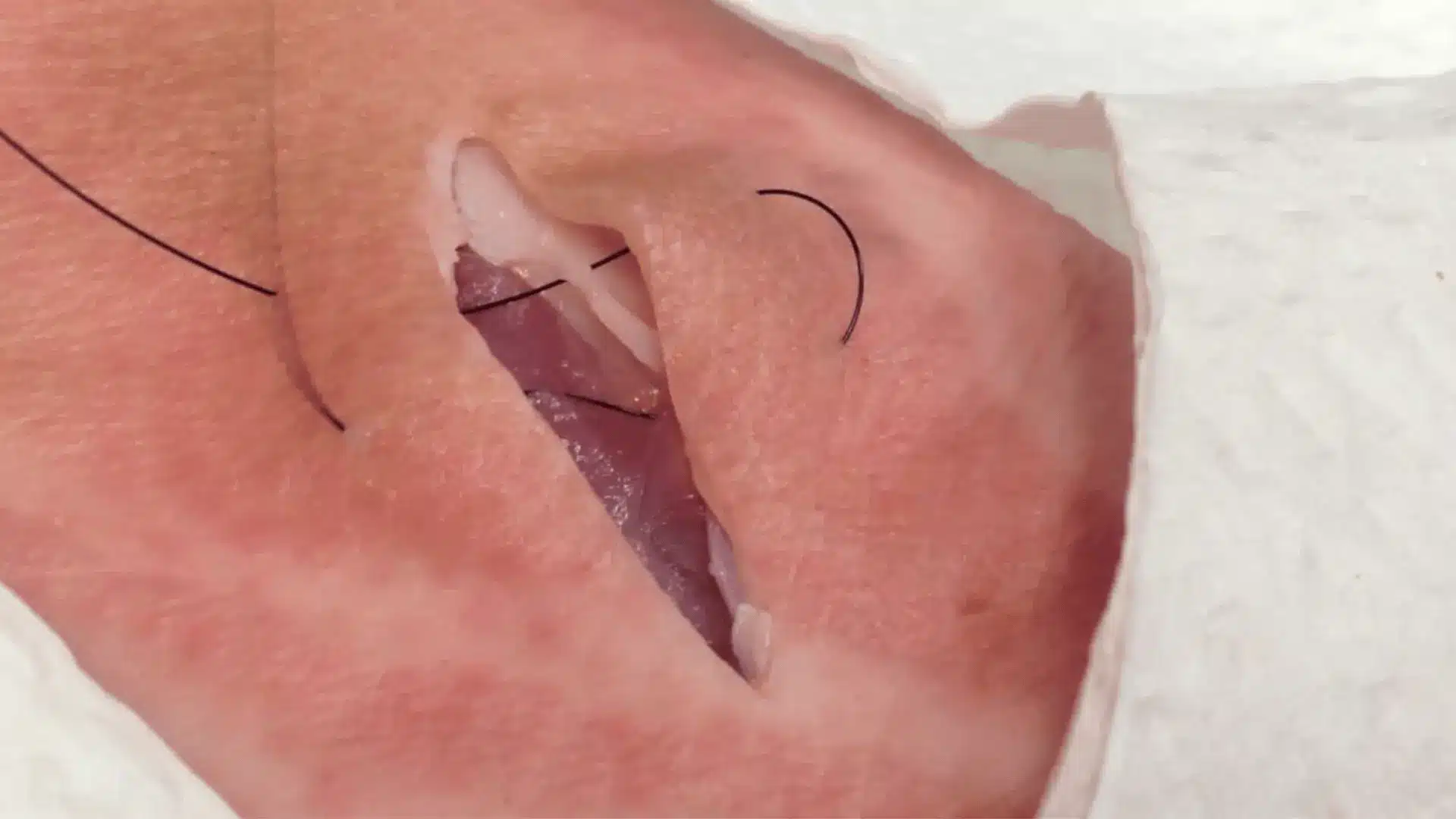
A horizontal mattress suture is a type of stitch used to approximate the wound edges while evenly distributing tension across the skin.
Unlike simple stitches that pass straight through the wound edges, this technique loops the thread horizontally on either side of the wound, creating a wider support area.
This helps the wound edges stay aligned and reduces the risk of the skin pulling apart.
The name “horizontal mattress” comes from the way the thread lies flat and parallel to the surface of the skin, resembling the pattern of a mattress stitch.
Its design makes it especially useful for wounds under tension or in areas where the skin is fragile.
Why Doctors Use the Horizontal Mattress Technique
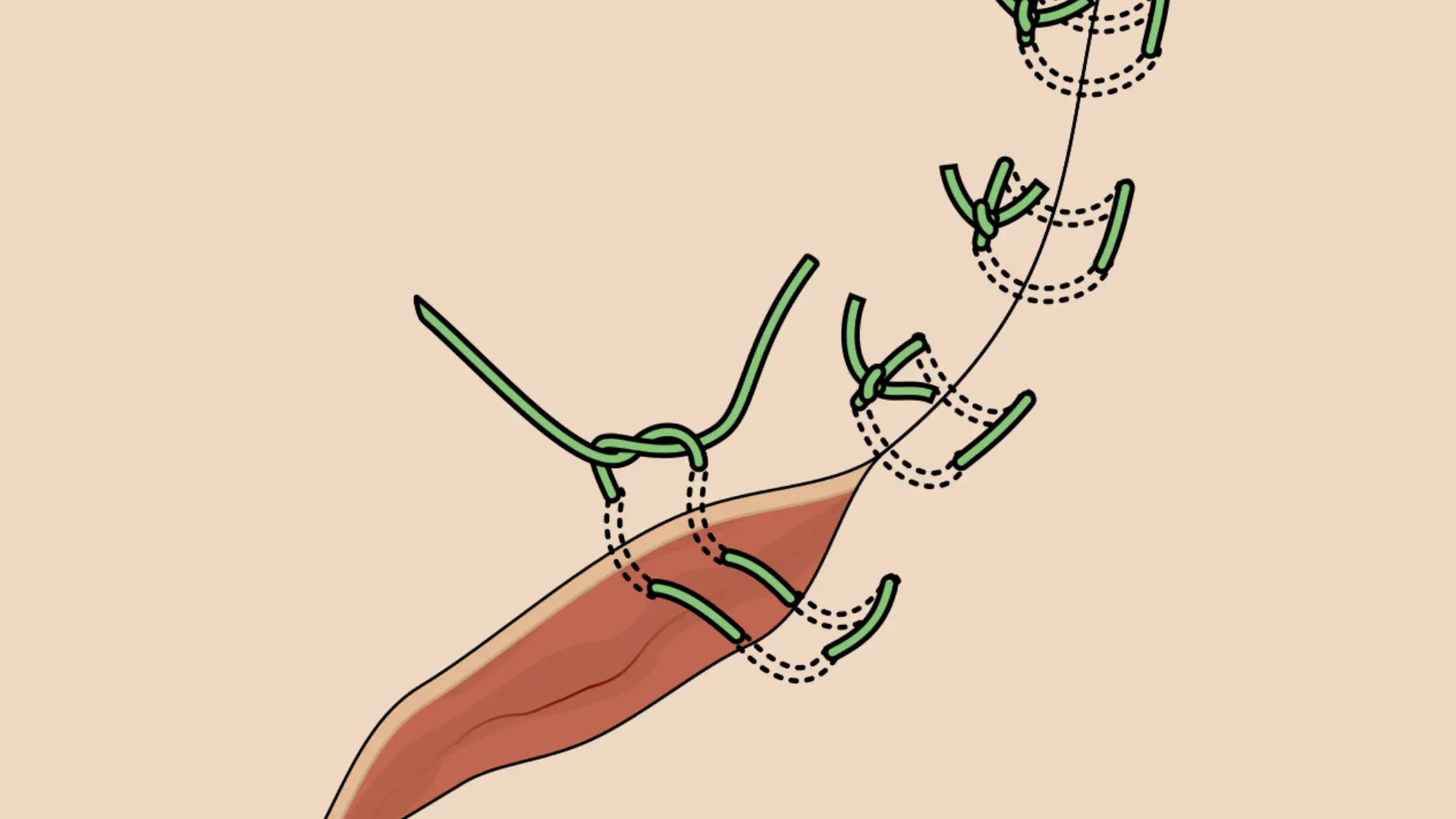
alt text: a wound being stitched with horizontal mattress suturing
Horizontal mattress sutures are used for certain wound closures because they help distribute tension away from the wound edges and support the skin as it heals. Here’s why they are used:
1. Wounds Under Tension
Horizontal mattress sutures spread tension across a wider area than simple stitches, making them ideal for wounds under stress or in tight skin. This helps prevent the edges from pulling apart during movement.
By distributing the force, the suture reduces the risk of the thread cutting into the skin, supporting stronger, safer wound closure. However, clinical judgment is needed to decide when this technique is appropriate.
2. Areas Where Skin Edges Need to Be Everted
These sutures gently turn wound edges outward, a process called eversion. Eversion helps align deeper tissue layers, promoting smoother healing and reducing the risk of edges sinking in.
Properly everted edges also support better scar formation, producing a flatter, more even appearance once the wound has fully healed.
3. Useful for Fragile or Thin Skin
Horizontal mattress sutures are ideal for fragile skin when placed carefully and not tied too tightly, such as in older adults. By placing the stitch slightly away from the wound edges, they reduce pressure on fragile tissue.
This allows the suture to hold the skin securely without cutting or tearing, supporting safer healing and maintaining the integrity of the wound margins.
4. Can Be Used as a Holding or “Stay” Stitch
These sutures can act as temporary stitches to hold wound edges in place while other stitches are applied.
They provide early support and maintain proper alignment, helping keep the wound stable. Once final sutures are placed and tension is balanced, the initial horizontal mattress stitches may be removed to optimize healing.
Horizontal Mattress Suture Technique (Step-by-Step Overview)
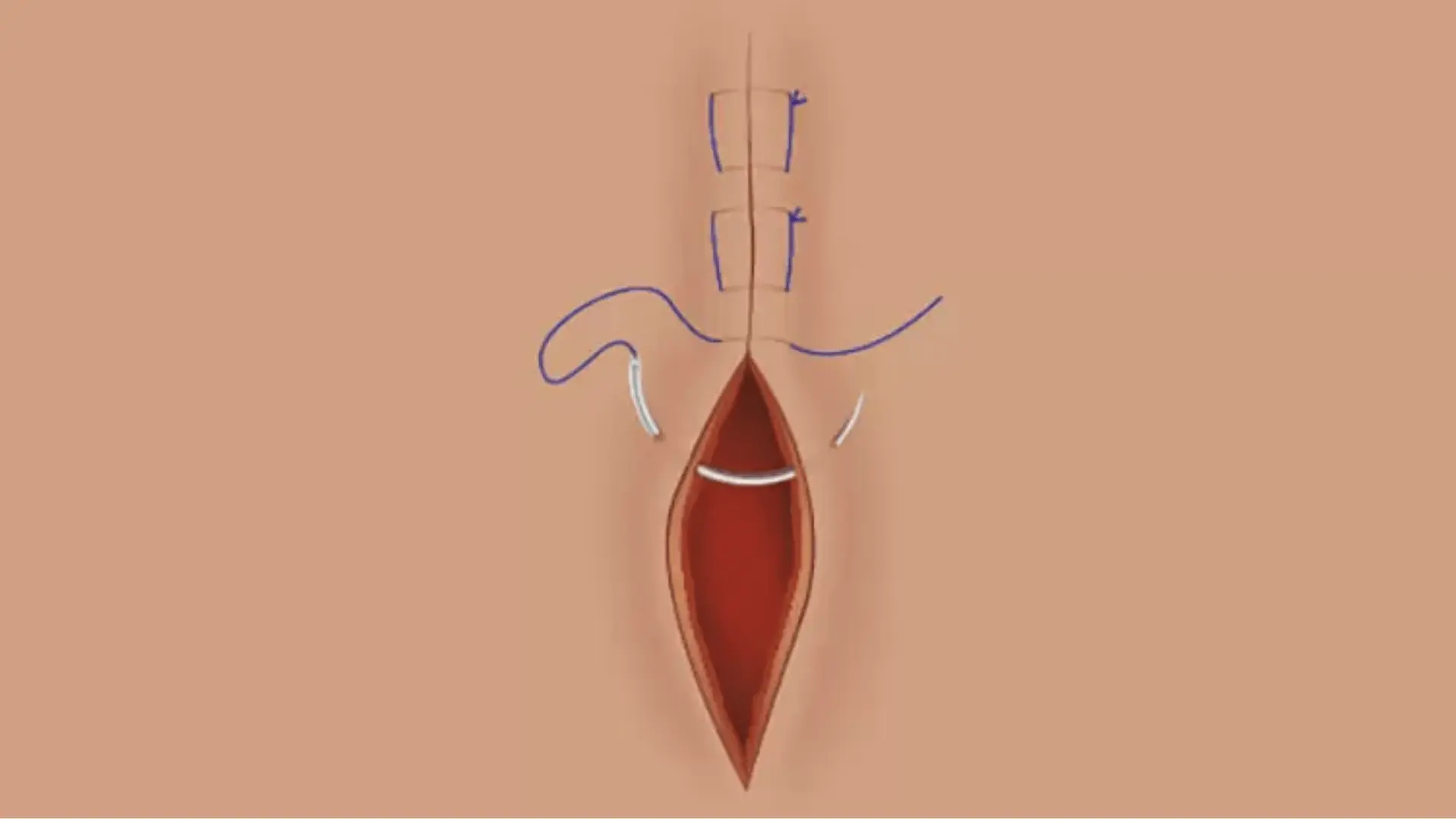
alt text: a wound being treated with horizontal mattress suture
Placing a horizontal mattress suture follows a step-by-step process to hold wound edges firmly and spread tension. It is often used when stronger support is needed, or the skin is delicate. Following the correct sequence ensures proper alignment and safer healing.
Step 1: Insert the needle into the skin about 5-10 mm from one side of the wound.
Step 2: Pass the needle straight across the wound, ensuring equal depth and distance on both sides, and exit an equal distance from the opposite edge.
Step 3: Reinsert the needle on the same side, parallel to the first entry point, and pass it back across the wound.
Step 4: Pull the suture through carefully and tie a secure knot, forming a horizontal loop that evenly distributes tension.
It is important to note that the suture should pass through the dermis for adequate strength. This method keeps the wound edges aligned, supports fragile skin, and reduces the chance of the suture cutting through tissue.
Types Of Horizontal Mattress Sutures You Should Know
Horizontal mattress sutures are commonly used when wounds need added strength and better edge support during closure. Each variation serves a specific purpose depending on wound shape, tension, and tissue condition.
Standard Horizontal Mattress: Interrupted suture that spreads tension, supports wound edges, and promotes slight eversion in higher-tension skin closures.
Half-Buried Horizontal Mattress (Corner Stitch): Used for flap tips in angled wounds, helping protect the apex and preserve blood supply.
Running Horizontal Mattress: Continuous stitch for longer wounds that provides steady tension control, broad support, and faster closure.
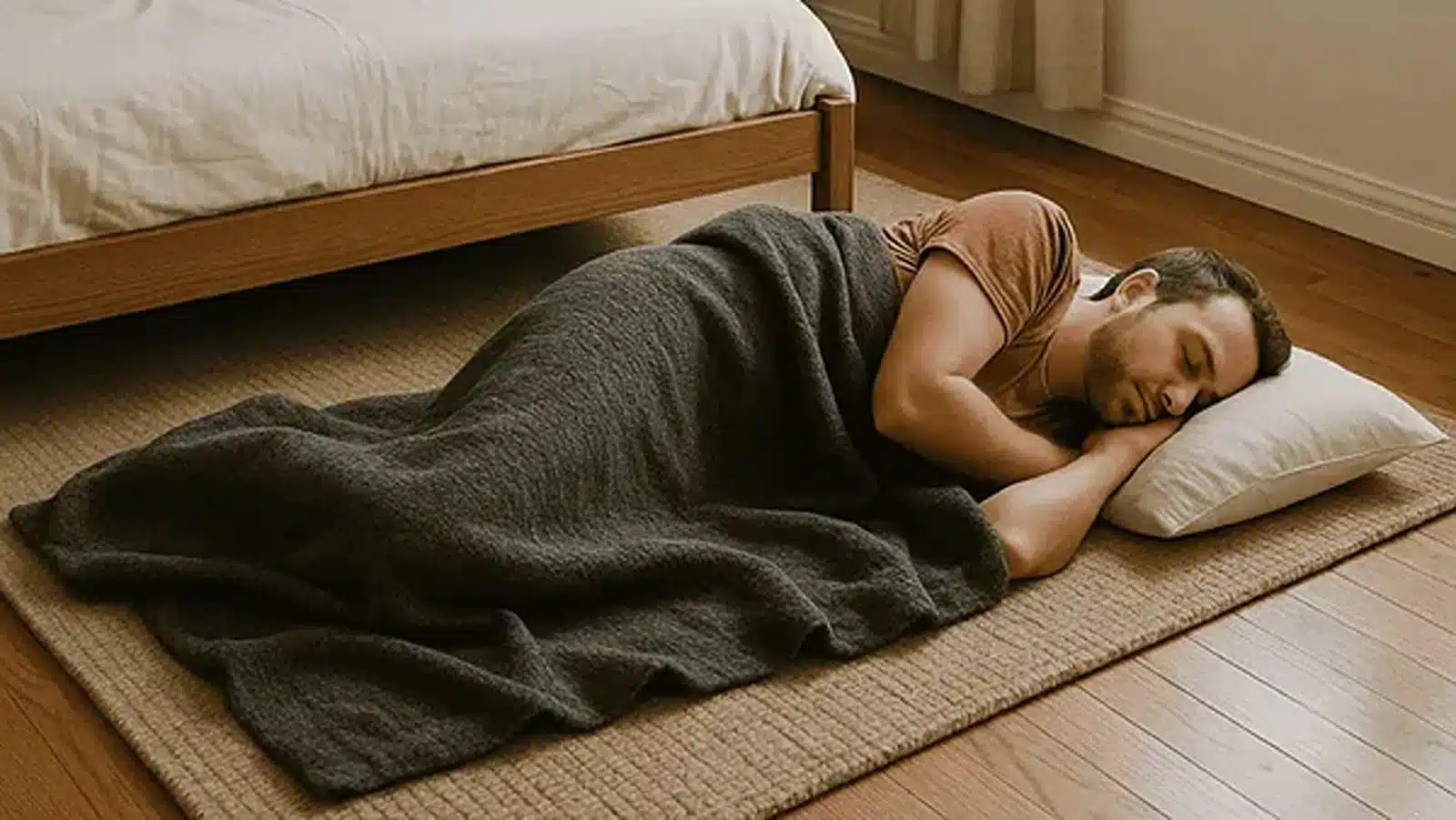
Used correctly, each variation helps improve support and wound edge alignment. In some cases, patient comfort and proper positioning during recovery can help reduce strain on the wound and support healing.
Advantages vs Disadvantages of Horizontal Mattress Sutures
Horizontal mattress sutures provide strong wound support but require careful use. Knowing both the benefits and the limits helps guide proper technique and stitch selection.
| Aspect | Advantage | Disadvantage |
|---|---|---|
| Tension | Even tension distributionspreads the force across the wound and lowers the risk of the suture cutting into the skin. | Reduced blood flow. Tight sutures can compress tissue and limit circulation. |
| Wound Edges | Edge eversion helps turn the wound edges outward, improving alignment during healing. | Skin marks may leave visible track marks if tied too tightly or left in too long. |
| Support | Strong closure, works well for wounds under moderate tension. | Needs careful placement.Poor depth or spacing can affect alignment and tissue safety. |
| Use | May reduce the number of stitches in some cases, as each stitch supports a wider area. | Not ideal for all areas, less suitable where the cosmetic outcome is especially important. |
Overall, this technique is useful when strength and tension control matter most.
Good placement and timely removal help reduce the risks. Supporting recovery involves proper wound care, minimizing strain on the sutured area, and following medical advice for healing.
Aftercare Tips for Better Healing
Proper care after suturing helps the wound heal safely and lowers the risk of infection or scarring. Following simple steps each day can make a clear difference in recovery.
- Keep the Area Clean and Dry: Gently clean the wound as advised by your healthcare provider and avoid soaking it in water.
- Check for Signs of Infection: Redness, swelling, warmth, pus, or worsening pain.
- Avoid Pressure or Stretching: Limit movement that pulls on the stitches to prevent the wound from reopening.
- Follow Removal Timing: Sutures are usually removed in 3–5 days (face), 6–10 days (scalp/trunk), and 10–14 days (arms/legs).
- Attend Follow-Up Visits: See a healthcare professional for proper healing checks and safe suture removal.
These steps help protect the wound and support smooth healing. If anything seems unusual, seek medical advice without delay.
You can also explore a detailed explanation of the horizontal mattress suture technique to better understand how it supports wound closure and healing.
Wrap-Up
Horizontal mattress sutures are a reliable technique for closing wounds that require strong support and proper edge alignment.
They help distribute tension, evert wound edges, and provide secure closure, making them useful for fragile or high-tension areas.
Variations, such as half‑buried or running horizontal mattress sutures, adapt the technique to specific wound types. While effective, they require careful placement to avoid tissue damage, marks, or poor cosmetic outcomes.
Proper aftercare, including keeping the wound clean, dry, and monitored for infection, supports safe healing.
Understanding when and how to use horizontal mattress sutures can improve outcomes for both minor and complex wounds. For safe and effective wound closure, consider consulting a healthcare professional about the best suturing approach.
Frequently Asked Questions
Can Horizontal Mattress Sutures Be Used on the Face?
They can be used in some areas, but caution is needed where appearance is important, as they may leave marks or scarring.
Are There Risks with Horizontal Mattress Sutures?
Yes. If tied too tightly, they can reduce blood flow, cause tissue damage, or leave indentations along the wound edges.
How is a Horizontal Mattress Suture Different from a Simple Stitch?
Unlike simple stitches, it loops horizontally on both sides of the wound, distributing tension and providing stronger closure.