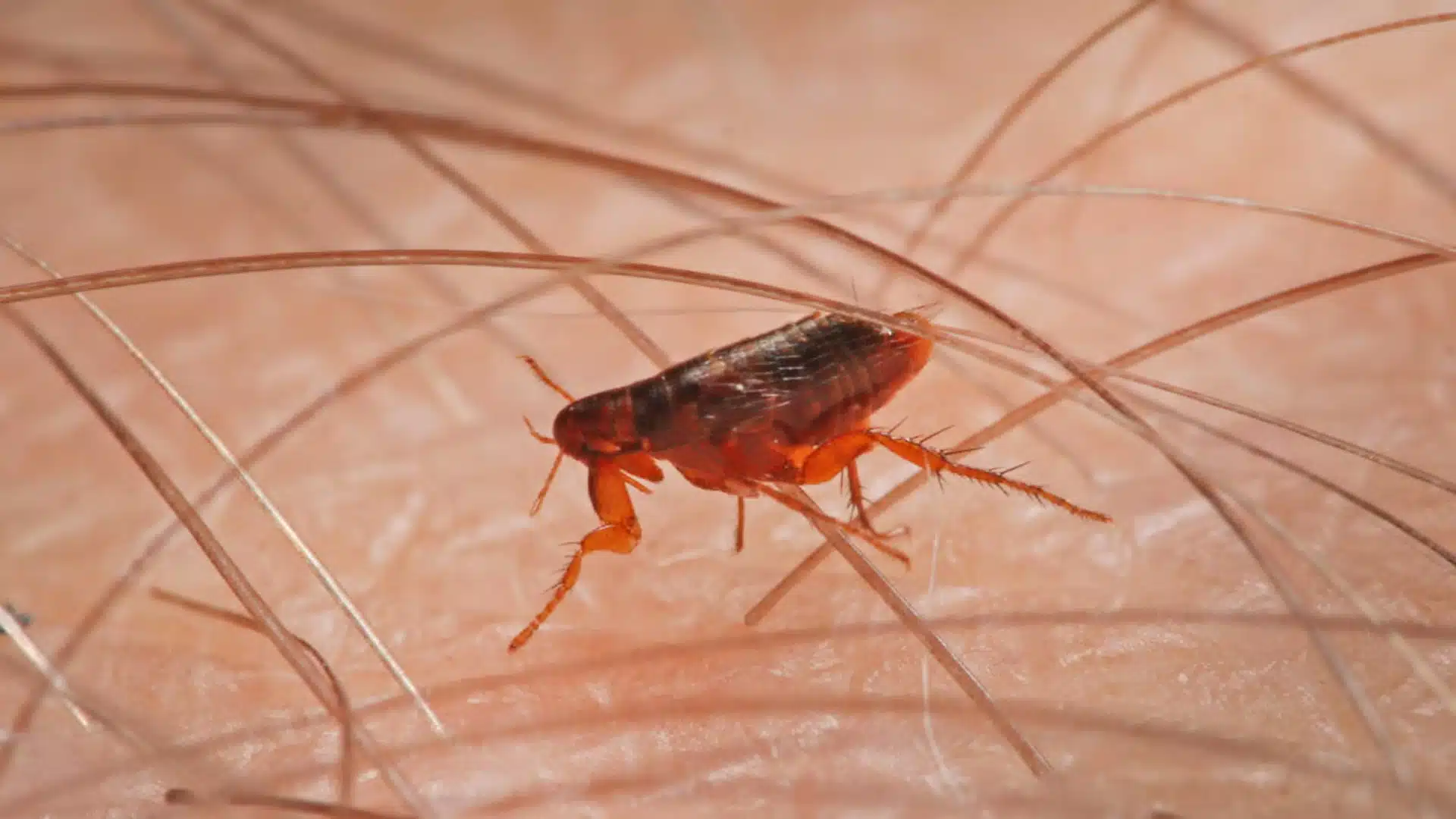

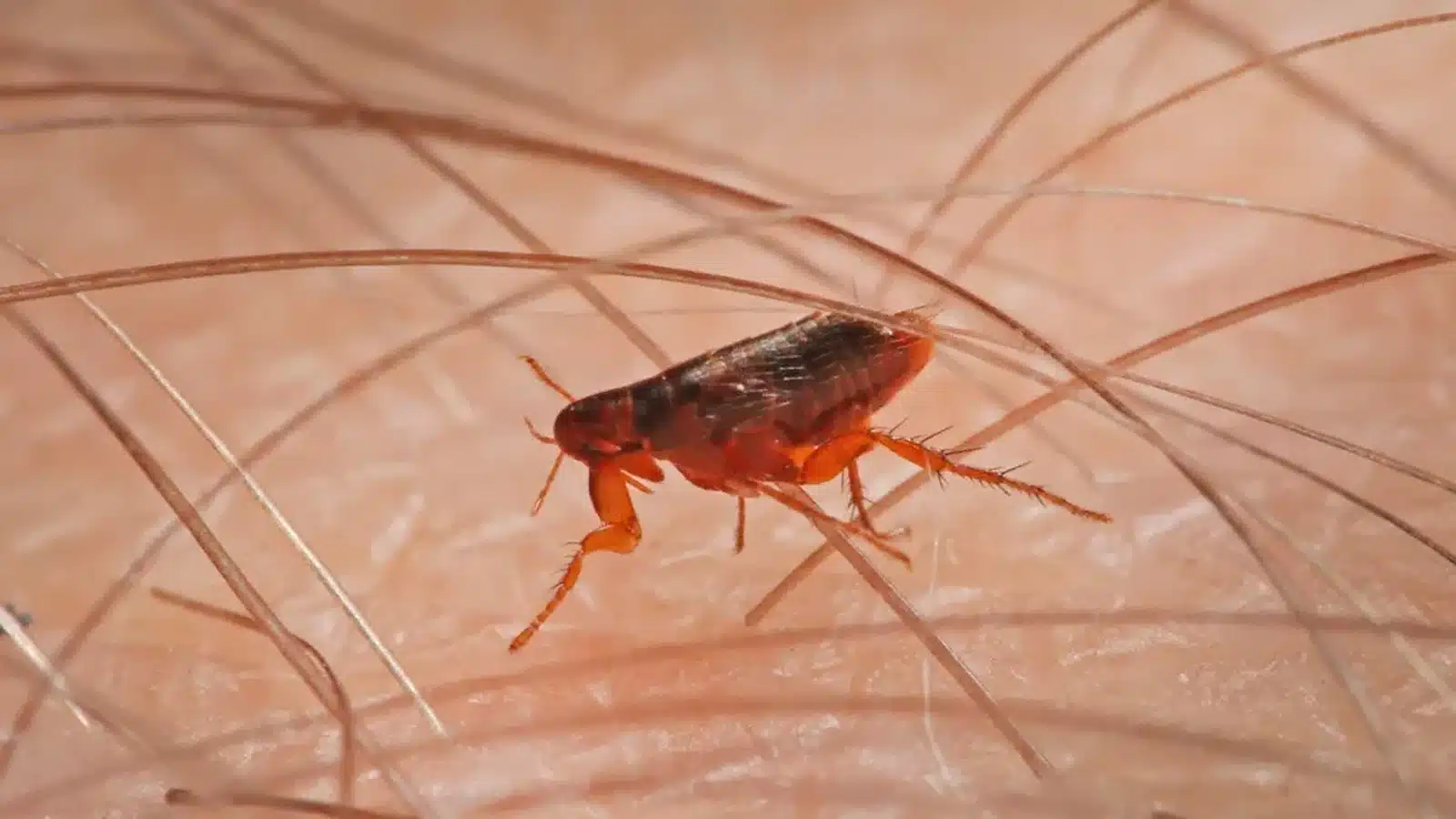


Do bed bugs live in down comforters? Yes, they can. Down comforters are thick and warm, and bed bugs are always looking for a place close to where you sleep.
These pests do not stay in one spot. They move across your bed, and a down comforter is close enough to make it their next stop.
And once they settle in, getting rid of them is not exactly a quick fix. The longer they stay, the harder it is to deal with the problem. Knowing how your bedding is built can also help you understand why certain pieces are more vulnerable than others.
Why Do Bed Bugs Get Into Comforters?
Bed bugs are drawn to warmth and the scent of people. Your down comforter holds both, and unlike some other types of bedding, it keeps that warmth close to your body through the night. That makes it a very comfortable spot for bed bugs to settle.
They also need to hide. Bed bugs avoid open spaces and prefer tight, covered areas. A thick down comforter gives them exactly that.
The layers of fill inside create small gaps where they can tuck in and stay out of sight. If you have ever wondered whether blankets or comforters are more practical for daily use, this is one real-world factor worth considering.
Signs of Bed Bugs in Your Down Comforter

Spotting bed bugs early can save you a lot of trouble. Your down comforter can show some clear signs if you know what to look for.
- Small brown or reddish stains: These appear on the fabric from crushed bugs or their droppings.
- Tiny dark spots: Found along the seams, these are bed bug waste marks.
- Shed skins: Bed bugs leave these behind as they grow.
- Musty smell: A strange odor coming from the comforter, even after washing.
- Live bugs: Visible near the edges or tucked into the folds of the fabric.
Do not ignore these signs. Catching them early gives you a better chance of dealing with the problem before it spreads further.
How to Get Rid of Bed Bugs in a Down Comforter

Finding bed bugs in your down comforter is frustrating, but it is not the end of the road. There are several ways to deal with them, and some methods work better than others depending on how bad the situation is.
1. High Heat Treatment
Toss your down comforter in the dryer on the highest heat setting for at least 30 minutes. Bed bugs cannot survive high temperatures, making this one of the most effective options you have. Just make sure the heat reaches every part of the comforter.
2. Vacuum and Isolate
Vacuum the surface of your comforter thoroughly, paying close attention to the seams and folds. After vacuuming, seal the comforter in a plastic bag right away. This stops any remaining bugs from spreading to other parts of your bedroom.
3. Steam Cleaning
A steam cleaner can reach deep into the fabric and kill bed bugs on contact. Run it slowly across every inch of your comforter, especially along the edges. The heat from the steam gets into areas that are hard to treat any other way.
4. Use Bed Bug Sprays
Bed bug sprays can help, but pick one that is safe for fabric. Spray it along the seams and outer surface of the comforter. Let it dry fully before using the comforter again. Read the label carefully so you use the right amount.
5. Call Professionals
Sometimes the infestation is bigger than it looks, and home remedies just aren’t enough. A pest control professional has the tools and experience to handle it properly. It costs more, but it is worth it if the problem keeps coming back.
No single method works for every situation, so you may need to combine a few of these steps. The sooner you act, the easier it is to get your comforter and your bedroom back to normal.
How to Prevent Bed Bugs in Your Comforter
Dealing with bed bugs is a hassle, so keeping them out in the first place is a much better approach. A few simple habits can go a long way in protecting your down comforter.
- Use a comforter cover: It adds a protective layer and is much easier to wash regularly, especially when your bedding fits properly and covers the entire surface.
- Wash your bedding often: Hot water kills any bugs or eggs that may have hitched a ride.
- Inspect after travel: Hotel beds are common sources of contamination, so check your comforter before putting it back on your bed.
- Avoid placing bags on the bed: Luggage and bags can carry bed bugs straight to your sleeping area.
- Check secondhand items: Never bring used bedding home without a thorough inspection first. This applies to all bedding, regardless of what bed size you own.
Small steps done consistently make a real difference. You do not need to overthink it, but staying on top of these habits keeps bed bugs from becoming your problem.
The Bottom Line
Bed bugs in a down comforter are a real problem, and it is more common than most people expect. Most people do not even realize it until the signs are hard to ignore.
You now know the signs to watch for, the steps to remove them, and the habits that keep them away. That kind of knowledge makes a genuine difference in protecting your bed and your sleep.
Take a look at your comforter today. A quick check takes two minutes and can save you a lot of trouble down the line.
Frequently Asked Questions
What Is The Number One Cause Of Bed Bugs?
The number one cause of bed bugs is travel and secondhand items. They often hitchhike on luggage, clothes, used furniture, and bedding.
What Material Can Bed Bugs Not Crawl On?
Bed bugs struggle to crawl on very smooth surfaces, such as glass, polished metal, and some plastics. These materials are too slippery for them to grip.
What Brings Bedbugs Out Of Hiding?
Bed bugs come out mainly in response to body heat and carbon dioxide. When you sleep, your body releases both, which signals them to feed. They are most active at night when it is dark and quiet.