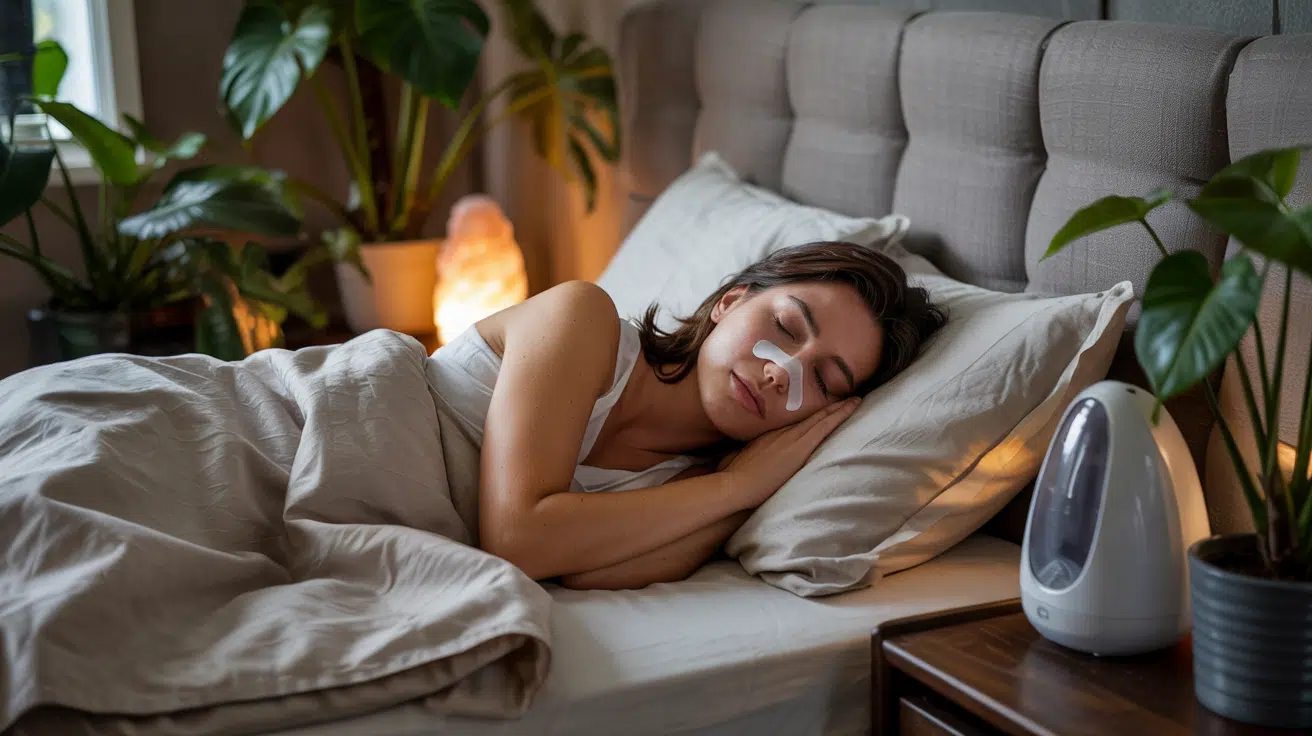
9 Remedies to Cure Sleep Apnea at Home Without CPAP
Sleep apnea disrupts millions of lives worldwide, causing interrupted breathing during sleep and leaving sufferers exhausted during the day. While CPAP machines remain the gold standard treatment, many people want to know how to fix sleep apnea without CPAP using natural, non-invasive approaches at home. These remedies focus on lifestyle changes, breathing improvements, and sleep hygiene practices. They can significantly reduce symptoms in mild to moderate cases and should always complement professional medical advice. With consistency, many people experience better sleep, improved energy, and healthier daily living. Can You Treat Sleep Apnea at Home Without a CPAP? Natural remedies can effectively manage mild to moderate sleep apnea symptoms by addressing root causes such as weight, sleep position, and airway health. While these methods may not completely stop severe cases, they often reduce frequency and intensity significantly. Long-term success requires consistent lifestyle adjustments. Many people see improvements within weeks of applying multiple strategies together. For severe cases, professional medical treatment combined with natural approaches provides the best outcomes. Natural Remedies to Manage Sleep Apnea at Home Managing sleep apnea naturally requires a multifaceted approach that addresses the various factors contributing to airway obstruction during sleep. These nine evidence-based remedies have helped countless individuals reduce their symptoms and improve sleep quality without relying solely on medical devices. 1. Weight Loss and Healthy Diet Excess weight, particularly around the neck and throat, increases airway compression during sleep. Even modest weight reduction can dramatically improve symptoms. Focus on whole foods, lean proteins, and anti-inflammatory ingredients. Studies show that losing just 10% of body weight can reduce sleep apnea severity by up to 26% in overweight individuals. Pro Tip: Track your progress with a food diary and weekly measurements rather than daily weigh-ins, as consistent small changes compound over time for lasting results. 2. Sleep Position Adjustment Sleeping on your back allows gravity to collapse throat tissues, worsening apnea episodes. Side sleeping keeps airways more open and reduces symptom severity. Use body pillows, wedge pillows, or even tennis balls sewn into pyjama backs to prevent rolling onto your back. Many people notice immediate improvement simply by changing their sleep position, making this one of the easiest remedies to implement. Pro Tip: Place a full-length body pillow behind your back when side sleeping to create a physical barrier that prevents rolling over during the nigh 3. Nasal Breathing and Decongestion Remedies Clear nasal passages promote better airflow and reduce mouth breathing, which worsens sleep apnea. Use saline nasal rinses, steam inhalation with essential oils, and maintain proper humidity. Consider natural decongestants like ginger tea or honey before bed. Keeping nasal passages moist and open promotes nose breathing, which naturally filters and humidifies air while maintaining better oxygen flow throughout the night. Pro Tip: Perform nasal rinses 2-3 hours before bedtime rather than immediately before sleep to allow any residual water to drain and prevent middle-of-the-night congestion. 4. Throat and Tongue Exercises (Oropharyngeal Therapy) Strengthening throat and tongue muscles through targeted exercises can reduce airway collapse during sleep. Clinical studies demonstrate that consistent oropharyngeal exercises performed for 15-20 minutes daily can reduce sleep apnea severity by up to 39% after three months of regular practice. Pro Tip: Set a daily phone reminder and perform these exercises during routine activities like driving or watching TV to build consistency without adding extra time to your schedule. 5. Herbal Remedies and Natural Supplements Certain herbs and supplements support better sleep quality and muscle relaxation. Chamomile tea promotes relaxation, while valerian root may improve sleep depth. Magnesium helps relax muscles and supports nervous system function. Melatonin can regulate sleep cycles, though timing is crucial. Always consult healthcare providers before starting supplements, as they can interact with medications or have side effects in some individuals. Pro Tip: Start with one supplement at a time for 2-3 weeks to identify which ones work best for your body before combining multiple options. 6. Quit Smoking and Reduce Alcohol Intake Smoking irritates and inflames the throat tissues, increasing swelling and narrowing airways. The chemicals in tobacco also disrupt sleep patterns and reduce oxygen levels. Alcohol relaxes throat muscles excessively, making airway collapse more likely during sleep. Quitting smoking and limiting alcohol, especially within three hours of bedtime, can lead to noticeable improvements in sleep quality and breathing patterns within weeks. Pro Tip: Replace evening alcoholic drinks with herbal teas or sparkling water with lemon to maintain the ritual while supporting better sleep quality. 7. Humidifiers in the Bedroom Dry air irritates the nasal passages and throat tissues, increasing inflammation and congestion that worsen sleep apnea. Adding moisture to your sleeping environment keeps airways more comfortable and reduces irritation. Maintain humidity levels between 40-60% for optimal comfort. Some people add a few drops of eucalyptus oil to further support clear breathing, though essential oils should be used cautiously around pets. Pro Tip: Place the humidifier at least three feet from your bed and use distilled water to prevent mineral buildup and ensure clean, pure moisture output. 8. Raising the Head During Sleep Raising your head 4-6 inches above your body helps gravity work in your favour, keeping airways more open. Use wedge pillows designed for this purpose, or place blocks under the head of your mattress. Adjustable beds offer the most comfortable solution for many people. Combined with side sleeping, head elevation can significantly reduce the number of apnea episodes per night. Pro Tip: Gradually increase elevation over several nights to allow your body to adjust comfortably, starting with 2-3 inches before reaching the optimal 4-6 inch height. 9. Establishing a Consistent Sleep Routine Regular sleep schedules support better sleep quality and may reduce apnea severity. Go to bed and wake up at the same times daily, even on weekends. Create a calming pre-sleep routine including relaxation techniques, gentle stretching, or reading. Avoid screens for at least an hour before bed, as blue light disrupts natural sleep hormones. Keep your bedroom cool, dark, and quiet. Consistent, quality sleep helps your body’s natural regulatory systems function better. Pro Tip: Use blackout curtains and a white noise machine to create an optimal sleep environment, and keep your bedroom temperature between 65-68°F for the restful sleep. When to See a Doctor or Sleep Specialist Seek medical attention if you experience severe symptoms like witnessed breathing interruptions, excessive daytime sleepiness affecting daily activities, or cardiovascular symptoms like chest pain or irregular heartbeat. Morning headaches, difficulty concentrating, or mood changes may also indicate the need for professional evaluation. Sleep studies provide a definitive diagnosis and severity assessment. Many doctors support combining natural remedies with medical treatments for comprehensive care. Don’t delay seeking help if symptoms worsen or fail to improve with lifestyle changes. Remember that working with healthcare professionals doesn’t mean abandoning natural approaches. It means creating a comprehensive plan that maximizes your chances of success. Small Changes, Big Results Natural sleep apnea management requires patience and consistency, but the benefits extend far beyond better sleep. Improved energy, mood, and overall health make the effort worthwhile. Start with one or two remedies and gradually add others as they become habits. Remember that combining multiple approaches typically yields better results than relying on single remedies alone. Ready to reclaim your nights and revitalise your days? Start implementing these natural remedies tonight and experience the difference quality sleep can make. Share this article with someone who struggles with sleep apnea, and don’t forget to consult with your healthcare provider before making significant changes to your sleep routine.

Best Essential Oils for Sleep: Benefits and How to Use
Getting quality sleep has become increasingly challenging in our fast-paced world. If you’re struggling with restless nights, racing thoughts, or difficulty winding down, essential oils might offer the natural solution you’ve been searching for. These concentrated plant extracts have been used for centuries to promote relaxation and improve sleep quality. By incorporating the right essential oils into your bedtime routine, you can create a calming atmosphere that signals to your body it’s time to rest. From reducing stress and anxiety to soothing your nervous system, essential oils work through aromatherapy to support your natural sleep cycles and help you achieve the restorative rest your body needs. What Are Essential Oils and How Do They Aid Sleep? Essential oils are highly concentrated plant extracts obtained through distillation or cold-pressing methods. These potent liquids capture the essence of plants, including their therapeutic properties and natural compounds. When it comes to sleep, essential oils work through the olfactory system. When you inhale their fragrance, the scent molecules travel directly to your brain’s limbic system, which controls emotions, memories, and physiological responses, including sleep patterns. This direct pathway allows essential oils to influence your nervous system, helping to reduce cortisol levels and promote the production of calming neurotransmitters. Benefits of Using Essential Oils for Sleep Essential oils provide multiple sleep benefits through their natural compounds that interact with your body’s nervous system and sleep mechanisms. Decreases cortisol production and helps regulate your body’s natural sleep-wake cycle Supports deeper breathing patterns that naturally calm the nervous system and prepare for rest Calms racing thoughts and reduces anxiety that often prevents peaceful sleep onset Shortens the time needed to fall asleep while reducing disruptive nighttime awakenings Increases deep sleep duration for more restorative rest and better morning recovery These improvements in sleep timing and quality lead to better overall sleep satisfaction and support natural sleep cycle restoration. Best Essential Oils for Sleep Essential oils have been used for centuries to promote relaxation and improve sleep quality through their natural aromatic compounds. These concentrated plant extracts work by interacting with your body’s limbic system, which controls emotions and stress responses. 1. Lavender Essential Oil Lavender essential oil is a soothing, aromatic oil known for calming the mind, relieving stress, and improving sleep. It possesses antibacterial, anti-inflammatory, and antioxidant properties, making it a flexible choice for skin care, wound healing, and relaxation Benefits: Reduces anxiety levels, slows heart rate, lowers blood pressure, and promotes relaxation Sleep Properties: Acts as a natural sedative, helping you fall asleep faster and stay asleep longer Where to Buy: Health food stores, Amazon, Target, and specialty aromatherapy retailers Recommended: Hambly Farms Pure Lavender Essential Oil 2. Chamomile Essential Oil Chamomile essential oil is a gentle, sweet-smelling oil prized for its calming and soothing effects. It alleviates anxiety, promotes restful sleep, reduces skin inflammation, and aids digestion. Its antibacterial and anti-inflammatory properties also help heal minor wounds and soothe irritated skin. Benefits: Soothes digestive issues, reduces inflammation, calms nervous tension, and eases anxiety Sleep Properties: Promotes deep, peaceful sleep and helps maintain consistent sleep patterns Where to Buy: Natural health stores, online retailers. Recommended:Saje Roman Chamomile Oil 3. Sandalwood Essential Oil Sandalwood essential oil is a soothing, woody oil known for its calming and grounding effects on the mind and body. It has anti-inflammatory, antiseptic, and astringent properties, making it ideal for skin care, wound healing, anxiety relief, and spiritual practices. Its warm aroma promotes relaxation and emotional balance. Benefits: Reduces mental fatigue, balances emotions, decreases stress hormones, and promotes inner peace Sleep Properties: Encourages deep, meditative sleep states and reduces sleep disruptions Where to Buy: Specialty essential oil shops, wellness centers, Amazon, and high-end aromatherapy retailers Recommended:Uncle Harry’s Sandalwood Oil 4. Bergamot Essential Oil Bergamot essential oil is a refreshing citrus oil known for reducing stress, anxiety, and depression. It has antibacterial, anti-inflammatory, and analgesic properties, helping treat skin conditions, relieve pain, and improve mood. It also supports digestion, lowers cholesterol, and promotes wound healing with a sweet, uplifting scent Benefits: Balances mood, reduces cortisol levels, eases depression symptoms, and calms the nervous system Sleep Properties: Helps transition from active day mode to restful night mode naturally Where to Buy: Health stores, essential oil companies, Amazon, and aromatherapy specialty shops Recommended:Bergamot Oil from Verma Essential Oils 5. Cedarwood Essential Oil Cedarwood essential oil is a warm, woody oil known for its calming and grounding effects. It has anti-inflammatory, antifungal, and antibacterial properties that soothe skin irritations, promote wound healing, reduce stress, enhance sleep, and stimulate healthy hair growth. It also relieves muscle aches and supports overall wellness. Benefits: Increases melatonin production, reduces tension, promotes grounding feelings, and supports respiratory health Sleep Properties: Helps establish healthy sleep rhythms and promotes more extended periods of uninterrupted sleep Where to Buy: Natural retailers, online essential oil stores, local health shops, and major e-commerce platforms Recommended: The Bulk Cart Cedarwood Essential Oil 6. Ylang Ylang Essential Oil Ylang Ylang essential oil is a sweet, floral oil known for its calming and mood-uplifting properties. It helps reduce stress, anxiety, and blood pressure while improving sleep quality. It balances oil production, soothes inflammation, promotes healthy skin and hair, and has antibacterial and antifungal benefits. Benefits: Lowers blood pressure, reduces heart rate, balances emotions, and relaxes muscles. Sleep Properties: Creates a sense of comfort and security that supports peaceful sleep. Where to Buy: Aromatherapy stores, wellness retailers, essential oil brands, and online marketplaces. Recommended:Ylang Ylang Essential Oil by PURA D’OR 7. Frankincense Essential Oil Frankincense essential oil is a highly valued oil extracted from the resin of Boswellia trees, known for its calming, grounding, and balancing effects. It has potent anti-inflammatory and immune-boosting properties, aids skin regeneration, reduces wrinkles, and supports oral health. It helps relieve stress and anxiety and promotes restful sleep. Additionally, it may ease digestion, reduce pain, support hormonal balance, and improve respiratory health. Benefits: Deepens breathing patterns, reduces stress, promotes spiritual calm, and supports emotional balance Sleep Properties: Encourages meditative states that naturally transition into deep, restorative sleep Where to Buy: Health food stores, religious supply stores, premium essential oil retailers, and online vendors Recommended:Majestic Pure Frankincense Essential Oil How to Use Essential Oils for Sleep The key to maximizing essential oils’ sleep benefits lies in choosing the correct application method for your lifestyle and preferences. Use 3-5 drops in an ultrasonic diffuser 30 minutes before bedtime to fill your bedroom with calming scents. Reed diffusers provide continuous, gentle fragrance release throughout the night without requiring electricity. For a simple alternative, add drops to a bowl of steaming water placed near your bedside for immediate aromatherapy benefits. Mix 2-3 drops with a carrier oil like coconut or jojoba and massage onto pulse points such as wrists and temples for quick absorption. Applying diluted oils to the bottoms of your feet before bed allows for effective absorption through the skin. Create a relaxing massage blend for tense shoulders and neck muscles to combine physical relaxation with aromatherapy. Add 5-8 drops mixed with Epsom salt to evening baths for a luxurious wind-down routine that soothes both body and mind. Create custom pillow sprays by combining your favorite sleep oils with distilled water in a spray bottle, then lightly mist your pillows and bedding 15 minutes before sleep. Pro Tip: Start your sleep routine 1-2 hours before bedtime. Begin with gentle diffusion, then progress to topical application as you get closer to sleep time. Essential Oils Sleep Comparison Each oil offers unique benefits, and effectiveness can vary based on individual body chemistry and specific sleep challenges. Consider trying different oils to find your perfect match. Oil Strength Scent Profile Best For Onset Time Lavender Moderate Floral, herbaceous General insomnia, anxiety 15-30 minutes Chamomile Gentle Sweet, apple-like Stress-related sleep issues 20-40 minutes Sandalwood Strong Woody, warm Racing thoughts, mental chatter 10-25 minutes Bergamot Moderate Citrusy, slightly floral Mood-related sleep problems 15-35 minutes Cedarwood Strong Woody, grounding Sleep cycle regulation 20-45 minutes Ylang Ylang Moderate Sweet, exotic floral Physical tension, stress 15-30 minutes Frankincense Strong Warm, resinous, spiritual Profound meditation, spiritual calm 10-30 minutes For best results, use oils consistently for at least one week to allow your body to adapt and respond to their sleep-promoting properties. Potential Side Effects and Safety Considerations If you experience any adverse reactions, discontinue use immediately and consult with a healthcare professional or certified aromatherapist for guidance. Skin irritation may occur if used undiluted Headaches from overuse or poor ventilation Allergic reactions in sensitive individuals Respiratory irritation with excessive inhalation Start with small amounts and gradually increase as your body adapts. Improve Your Sleep with Essential Oils Tonight These essential oils offer natural, practical solutions for better sleep quality. Even if you’re dealing with stress, anxiety, or want to improve your nightly rest, there’s an oil that can support your sleep goals. Remember that consistency is key – regular use helps train your body to associate these calming scents with bedtime. Start with one oil that appeals to you most, then experiment with blends as you become more comfortable with aromatherapy. Quality sleep is an investment in your overall health and well-being. Ready to experience better sleep naturally? Choose your favorite essential oil from our list and begin your more restful nights today. Your body and mind will thank you for making this positive change to your bedtime routine.
Do Dogs Like Blankets? The Adorable Truth
Have you ever noticed your furry companion snuggling under covers or burrowing into soft fabrics? Many pet owners wonder if their four-legged friends truly enjoy being wrapped up. This curiosity stems from observing our pets’ sleeping habits and comfort-seeking behaviors. Understanding your dog’s preferences can strengthen your bond while ensuring their well-being. We’ll find canine instincts, comfort needs, and practical tips to help you determine what makes your pet happiest. From natural denning behaviors to safety considerations, this guide covers everything you need to know about dogs and their relationship with cozy coverings. Do Dogs Need Blankets? Most canines possess strong denning instincts inherited from their wolf ancestors. Wild dogs naturally seek enclosed, secure spaces for rest and protection. This behavior helped them survive in harsh environments by conserving body heat and staying hidden from predators. Soft coverings replicate this comforting environment by providing warmth and security. Modern dogs keep ancestral habits, favoring cozy, enclosed spaces. This explains why pets often enjoy being covered. Your pet may display enjoyment through relaxed body language, choosing to return to covered spots, or actively arranging fabrics around themselves. These behaviors indicate positive associations with being wrapped up. Why Do Dogs Like Blankets? Natural Instincts Explained Warmth ranks as the primary reason pets seek soft coverings, particularly for short-haired breeds or during colder months. Beyond temperature regulation, many dogs find comfort in the gentle pressure and enclosed feeling, which can reduce anxiety and stress. This pressure mimics the calming sensation of being held or hugged. The familiar scent of household fabrics also provides emotional security. Dogs have powerful scent memories that associate certain smells with safety and comfort. The consistent texture and weight of coverings can also help establish healthy sleep routines. Additionally, sharing cozy moments creates bonding opportunities between pets and their human families. Reasons Dogs Need Blankets Have you ever caught your dog burrowing into blankets and wondered why? From warmth to emotional comfort, dogs love cozy coverings for many reasons. Here are the key benefits explained. 1. Warmth and Temperature Regulation Blankets help dogs, especially short-haired breeds, small pups, or seniors, retain body heat during colder months. They create a cozy barrier that keeps pets comfortable and prevents shivering or discomfort. This simple warmth helps them conserve energy and stay healthy in cooler environments. 2. Natural Denning Instincts Dogs inherit denning instincts from their wolf ancestors. A blanket mimics the safe, enclosed feeling of a den, making dogs feel protected, secure, and at ease in their resting space. Providing a blanket lets dogs express their natural need for shelter and safety. 3. Comfort and Anxiety Relief The gentle pressure of blankets soothes anxious or stressed dogs. Like a calming hug, blankets can reduce nervousness during storms, fireworks, or separation, helping your pup feel more relaxed. Blankets often act as a natural anxiety aid, similar to weighted calming tools. 4. Familiar Scents and Security Dogs rely heavily on scent. Blankets often carry the smell of their home or owners, giving pets emotional comfort, reducing separation anxiety, and reinforcing a sense of safety and belonging. This familiar scent helps dogs adjust quickly to new or unfamiliar environments. 5. Nesting and Burrowing Behavior Circling, digging, and burrowing are natural nesting behaviors. Blankets allow dogs to express these instincts safely, helping them arrange a comfortable resting spot and creating a personalized sleeping environment. This routine also prepares them mentally for rest, easing their transition to sleep. 6. Improved Sleep Quality A soft, warm blanket encourages deeper, more restful sleep. Dogs feel secure and cozy, which helps establish bedtime routines, reduces nighttime restlessness, and supports healthier physical and emotional well-being. Consistent, high-quality sleep strengthens your dog’s immune system and overall mood. 7. Bonding With Their Human Family Sharing blanket time fosters closeness and trust between dogs and owners. This simple comfort creates positive associations, strengthening the emotional bond and building a deeper connection with your pet. It also turns ordinary cuddling moments into lasting memories of comfort and love. Best Types of Blankets for Dogs When selecting pet accessories, fabric choice plays a crucial role in your pet’s comfort and safety. Here are essential considerations for making the right selection: Choose machine-washable, durable fabrics that can withstand regular cleaning and potential chewing damage. Select hypoallergenic materials with breathable properties to prevent skin irritation and ensure proper air circulation. Opt for natural fibers like cotton or bamboo over synthetic materials for pets with sensitive skin. Ensure proper sizing allows free movement without tangling risks while considering rotation options during washing. Avoid materials with loose threads or small parts that could create choking hazards for your pet. Remember to consider your pet’s individual needs, activity level, and habits when making your final selection. The right fabric choice will improve your pet’s comfort while ensuring long-lasting durability. Product Recommendations for Dog Coverings Finding the right covering for your pet can make all the difference in their comfort and enjoyment. Here are some well-regarded dog covering options available on Amazon that cater to a variety of needs, even if you’re looking for softness, breathability, waterproof protection, or calming warmth. Furrybaby Premium Fluffy Fleece Dog Blanket Furhaven ThermaNAP Self‑Warming Quilted Blanket Pet Parents Pawtect Waterproof Blanket PetFusion Premium Dog Blanket Lesure Waterproof Dog Blanket Dog Blanket Safety Tips Every Owner Should Know Following these essential guidelines will keep your furry friend safe and comfortable while using coverings. Ensure adequate airflow to prevent overheating, especially during warm weather or for thick-coated breeds Supervise puppies and dogs who tend to chew fabric to prevent ingestion of materials Wash coverings regularly to eliminate odors, bacteria, and allergens that could affect your pet’s health Check for signs of overheating, like excessive panting or lethargy Remove coverings if your dog seems distressed or uncomfortable When Dogs Don’t Like Being Covered? Young dogs are particularly prone to swallowing fabric pieces that can cause intestinal blockages. Dirty fabrics can harbor mites and other parasites that irritate sensitive skin. Some situations make dogs uncomfortable with being covered. Thick-coated breeds or pets in warm climates may overheat easily. Certain breeds, like Huskies or Golden Retrievers, have natural insulation that makes additional covering unnecessary. Dogs with claustrophobic tendencies might feel trapped or anxious when wrapped up. Warning signs include panting, restlessness, attempting to escape, or avoiding covered areas. Past negative experiences with being confined can also create lasting aversions to coverings. Puppies and anxious dogs may also struggle with confinement. Respecting these preferences prevents stress and maintains your pet’s comfort. Pro Tip: If your dog shows resistance to full covering, try offering just a corner or edge of a blanket near their sleeping area. Final Thoughts Your dog’s enjoyment of soft coverings depends on individual personality, breed characteristics, and environmental factors. Some pets love the security and warmth, while others prefer open sleeping spaces. The key lies in observing your companion’s behavior and respecting their preferences. By paying attention to body language cues and providing appropriate options, you can improve your pet’s comfort and strengthen your bond. Remember that each dog is unique, so what works for one may not suit another. Start observing your furry friend today – try introducing a lightweight covering and watch how they respond. Share your experiences in the comments below and let us know what comfort preferences you’ve learned about your beloved companion!
How to Create the Perfect King Size Bed Pillow Arrangement
Getting a good night’s sleep starts with the perfect pillow setup. Your king-size bed is huge. But somehow, those pillows never seem to look quite right. They’re either too flat, too puffy, or just scattered around like they don’t belong. Sound familiar? You’re not alone. The truth is, a king-size bed pillow arrangement doesn’t have to be complicated. It’s not about having expensive designer pillows or following fancy rules. It’s about creating a space that feels comfortable and looks put-together. If you’re making the bed in the morning or getting ready for sleep, the right pillow arrangement can change your bedroom. A well-styled bed makes the whole room feel more welcoming. Ready to turn your king bed into a cozy retreat? Let’s find out some simple tricks that work. Why King Size Bed Pillow Arrangement Matters? The way you arrange pillows on your king bed sets the tone for your entire bedroom. When pillows are thoughtfully placed, they create a focal point that draws the eye and makes the space feel intentional rather than messy. A well-arranged setup impacts the overall bedroom beauty by adding layers, texture, and visual interest to what might otherwise be a flat, boring bed. The proper arrangement also balances comfort and style perfectly, ensuring your pillows look great during the day while still being functional for sleep. Clever pillow placement can make even basic bedding look expensive and hotel-like, changing your bedroom into a restful retreat. Understanding the Basics: Types of Pillows Before diving into arrangement techniques, it’s important to know what types of pillows work best on a king size bed. Understanding these basics will help you choose the right mix for both function and style. Types of Pillows for Your King Bed Standard Pillows (20″ x 26″) – The most common sleep pillows that work well as your base layer for everyday comfort. King Pillows (20″ x 36″) – Larger sleep pillows that perfectly match the width of your king bed and provide better proportional coverage. Queen Pillows (20″ x 30″) – A middle-ground option that offers more coverage than standard but less bulk than king size pillows. Euro Shams (26″ x 26″) – Square decorative pillows that create height and structure as a backdrop for your arrangement. Decorative Throw Pillows – Smaller accent pillows in various shapes and sizes that add color, pattern, and personality to your bed setup. Different pillow sizes and styles serve different purposes, from providing comfort during sleep to adding visual appeal during the day. Ways of Arranging Pillows on King Size Bed The key is finding a style that matches your bedroom’s personality while keeping things functional for sleep. Either you prefer clean symmetry or relaxed bohemian vibes, the right arrangement can change your bed from basic to beautiful with just a few simple techniques. 1. Classic Minimal Arrangement Start with two matching king pillows placed evenly against your headboard as the foundation. Add two identical decorative shams or throw pillows directly in front, maintaining equal spacing on both sides. This mirror-image approach creates visual harmony that feels calm and organized, perfect for people who love structure and classic bedroom design. 2. Asymmetrical Arrangement Group all your pillows on one side of the bed, mixing different sizes and heights for visual interest. Leave the other side deliberately sparse with just one pillow or completely empty space. This off-balance approach creates movement and energy in your bedroom while maintaining a casual, effortless vibe that feels modern and approachable. 3. Layering Techniques Place your largest pillows at the back, then work forward with progressively smaller sizes to build depth. Mix square Euro shams with rectangular pillows and round accent pieces for varied shapes and heights. This stepped approach creates a rich, luxurious look that adds dimension and makes your bed the focal point of the room. 4. Casual Everyday Look Sometimes you want your bed to look nice without going overboard with fancy arrangements. This relaxed pillow setup gives you comfort and style without the fuss of too many decorative pieces. It’s perfect for busy mornings when you need something that looks put-together but doesn’t take forever to arrange. 5. Diagonal Stacking This eye-catching pillow arrangement breaks away from traditional straight lines and creates visual interest on your bed. By placing pillows at an angle, you add depth and movement that makes your bedding look more modern. Tips for Maintaining Pillow Arrangement With a few smart strategies, you can enjoy a well-styled bed every single day while still using your pillows for actual comfort and sleep. Tip Description How to Implement Regular Fluffing Keeps pillows fresh and full. Shake and massage pillows daily. Rotate them to avoid uneven wear. Pillow Shifting Adjust pillows to maintain a tidy look. Rearrange pillows every few days to keep them in place and avoid squashing. Storage Solutions Store excess pillows when not in use. Use storage benches, under-bed drawers, or closet organizers for extra pillows. Pillow Covers Keep pillowcases clean and fresh for longer use. Swap out pillow covers regularly and wash them to maintain a neat look. Pillow Maintenance Maintain pillow fluffiness and shape. Consider replacing or re-stuffing pillows when they lose their shape or support. These simple maintenance tips will help your king bed look hotel-perfect with minimal effort each morning. Remember, the goal is creating a bedroom that feels both beautiful and livable, not a museum display that’s too precious to actually use and enjoy. How to Style Pillows on a King-Size Bed The key is balancing comfort with style while making sure your pillows serve both practical and decorative purposes. With the right combination of sizes, textures, and colors, you can transform your bedroom into a cozy retreat that feels both welcoming and sophisticated. 1. Using Color & Patterns Choose one dominant color as your base, then add two accent colors that complement your bedroom’s palette.Mix solid colors with subtle patterns, keeping bold prints to just one or two pillows to avoid overwhelming the space. Vary textures by combining smooth cotton with nubby linen or soft velvet for visual and tactile interest that feels beautiful. 2. Accent Pillows Use one or two small decorative pillows as the finishing touch to your arrangement, placing them at the very front. Choose pillows with interesting details like embroidery, beading, or unique shapes that reflect your personality. These statement pieces should be different enough to stand out but still complement your overall color scheme and style. 3. Minimalist Theme Limit yourself to just two or three pillows in neutral colors like white, gray, or beige. Choose pillows with clean lines and minimal texture to maintain the uncluttered grace. Place them symmetrically for maximum impact with minimum fuss, letting the quality of your bedding and the simplicity of the arrangement speak for themselves. 4. Boho Style Mix pillows in various sizes, patterns, and textures without worrying about perfect symmetry or matching sets. Include elements like macrame, fringe, or ethnic prints that add personality and global flair to your space. Stack them casually with some pillows slightly askew for that effortless, lived-in look that defines bohemian style. 5. Modern King Bed Pillow Arrangement Incorporate pillows with clean geometric patterns, metallic accents, or striking solid colors that make a statement. Mix different shapes like rectangles and circles for contemporary visual interest without traditional constraints. Keep the overall arrangement structured but not overly formal, balancing bold elements with plenty of white space for that fresh, current look. Pillow Arrangement Mistakes to Avoid Even with good intentions, common pillow arrangement mistakes can make your beautiful king bed look messy or uncomfortable. Overcrowding: Avoid cluttering the bed with too many pillows by sticking to a manageable number. Lack of Balance: Ensure symmetry or intentional asymmetry to maintain a pleasing and orderly arrangement. Ignoring Comfort: Arrange pillows to ensure they remain functional for lounging or sleep, not just decoration. Overcomplicating the Look: Keep the arrangement simple to avoid a cluttered or busy bed that feels overwhelming. Not Considering Bedding: Ensure the pillow arrangement complements your bedding style and color palette for a cohesive look. These errors usually happen when people overthink the process or ignore basic proportions and functionality. Avoiding these simple pitfalls will help you create a stylish, comfortable arrangement that actually works for daily use. Conclusion A thoughtfully arranged king-size bed changes your entire bedroom into a welcoming retreat that balances style and comfort perfectly. The right pillow setup creates a beautiful focal point while ensuring restful sleep every night. If you prefer classic symmetry or bold bohemian layers, the best arrangement reflects your personality and daily needs. Don’t hesitate to experiment with different styles, colors, and textures until you find out what feels right for your space. Start with basic techniques, then add creative touches through accent pillows and unique combinations. Your turn to spill the pillow secrets! Tell us in the comments: Are you team symmetrical perfection or chaotic boho vibes?