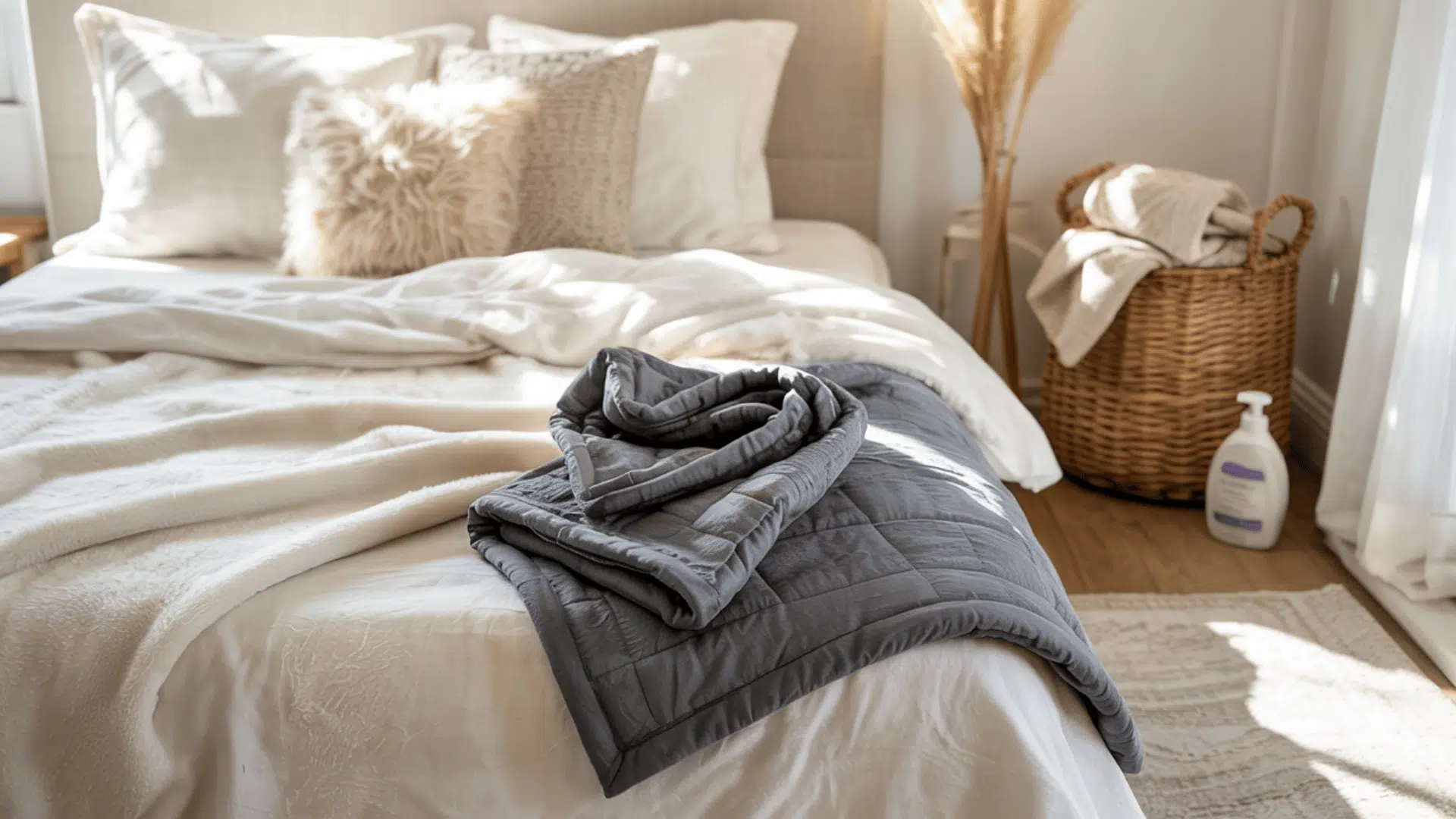
How to Clean Weighted Blanket at Home Without Damage
Ever spilled coffee on your favorite weighted blanket or noticed it’s just not smelling as fresh anymore? You’re not alone. Weighted blankets are cozy lifesavers for sleep and stress relief, but figuring out how to clean them can feel like a puzzle. The good news? Yes, you can wash most weighted blankets safely, as long as you know what you’re working with. From beads to bamboo, cotton to sand, each material and weight type has its own set of care rules. If you’ve been unsure about tossing it in your washer or hauling it to a dry cleaner, this article clears it all up. We’ll break down the best cleaning methods based on weight, material, and label instructions so your blanket stays soft, clean, and comforting for years to come. Can You Wash a Weighted Blanket? Yes, you can wash most weighted blankets safely at home or through professional services. The key is understanding your specific blanket’s materials, weight, and care requirements before starting any cleaning process. Most weighted blankets filled with glass beads or plastic pellets can handle machine washing when done correctly. The blanket’s outer fabric also matters, with cotton and fleece being more durable than silk or bamboo materials. Always start by checking the care label, as manufacturers provide specific instructions for their products. When in doubt, professional cleaning is the safest option to protect your investment. Read This Before You Wash: Prep Checklist Proper preparation prevents damage and ensures successful cleaning results. Taking time to inspect your blanket saves money and extends its lifespan. Check the care label for specific washing instructions and temperature guidelines Identify your blanket’s outer fabric material (cotton, fleece, bamboo, or silk) Determine the internal filling type (glass beads, plastic pellets, or organic materials) Weigh your blanket to confirm it’s within your washing machine’s capacity Remove any removable covers, cases, or protective layers Inspect for tears, loose seams, or damaged areas that need repair Following these preparation steps helps you choose the right cleaning method. Smart preparation leads to better cleaning results and longer blanket life. Method 1: How to Machine Wash a Weighted Blanket Machine washing offers the most convenient cleaning option for compatible weighted blankets. This method works well for most people when done with proper settings and care. When It’s Safe to Use a Washing Machine Machine washing is safe when your blanket weighs 15 pounds or less and fits comfortably in your home washer. For heavier blankets up to 25 pounds, a commercial washer at a laundromat is recommended. The blanket must have machine-washable fill, such as glass beads, plastic pellets, or steel beads, and a durable outer layer like cotton or fleece. Always check the care label for a “machine washable” tag. The washer should have enough space for water and detergent to circulate freely. Front-loading machines are preferred over top-loading ones because they balance weight better and reduce the risk of damage during the spin cycle. Step-by-Step Machine Washing Washing a weighted blanket at home is simple with the right prep, machine settings, and handling.Follow these detailed steps to keep your blanket clean, fresh, and damage-free. Step 1: Prepare the Blanket: Remove any removable covers and inspect the blanket for visible stains. Pretreat stained areas gently. Ensure all zippers or fasteners are completely closed to prevent snagging or damage. Step 2: Load the Washer: Place only the blanket inside the washing machine without adding other clothes. Spread it out evenly in the drum to avoid bunching, which helps balance the load during the spin. Step 3: Choose Settings: Select a gentle or delicate cycle with cold or warm water. Never use hot water. Set a low spin speed, and use only mild detergent; avoid fabric softeners and bleach entirely. Step 4: Start the Wash: Begin the cycle and monitor it occasionally. If the machine becomes unbalanced or stops, open it and rearrange the blanket. Add an extra rinse cycle if soap residue remains. Method 2: How to Hand-Wash a Weighted Blanket Hand washing provides the gentlest cleaning method for delicate weighted blankets. This approach gives you complete control over pressure and movement during the cleaning process. When Hand Washing Is the Best Option Hand washing is a smart choice when your weighted blanket is too heavy for your washing machine to handle safely. It’s also the best method if the fabric is delicate, like silk, satin, or a custom-knit cover, which could get damaged in a regular cycle. If you want to give your blanket extra gentle care or preserve its texture and stitching, hand washing is the safest approach. Always check the care label first; if it recommends hand washing, it’s best to follow those instructions to avoid voiding any warranties or ruining the materials. Gentle care extends the life of your blanket. Hand Washing Steps Follow these steps carefully to clean your weighted blanket without damaging the material or shifting the weight. Step 1: Set Up: Begin by thoroughly cleaning your bathtub to prevent residue transfer. Fill it with cool or lukewarm water, then add just a small amount of gentle, bleach-free detergent. Step 2: Wash: Place the blanket fully into the water. Use your hands to gently press and swish the water through the fabric. Let it soak 15–30 minutes, moving it around gently throughout. Step 3: Rinse: Drain out the soapy water and refill with clean, cool water. Gently press the blanket to remove detergent. Repeat the rinse process until the water runs totally clear with no bubbles. Step 4: Remove Water: Avoid twisting or wringing the fabric, which can damage it. Lightly press out the water. Lay the blanket between towels and press again to soak up the remaining moisture safely. How to Dry a Weighted Blanket Properly Drying your weighted blanket properly is just as important as washing it. The safest method is air drying, but some machine-safe blankets may tolerate low-heat tumble drying if specified on the care label. 1. Air Drying (Best Method) Air drying is the safest and most recommended way to dry weighted blankets, especially those with delicate fabric or filling.It prevents damage from heat and helps maintain the blanket’s shape and stitching. Lay flat on a clean surface or use a strong drying rack that supports the full weight. Flip the blanket every few hours to ensure even drying on both sides. Keep the area well-ventilated using open windows or fans to reduce moisture buildup. Avoid direct sunlight on colored blankets to prevent fading; bring indoors if the weather changes. 2. Machine Drying Some weighted blankets are dryer-safe, but precautions are necessary to avoid damage. Check the care label first to confirm that machine drying is allowed Use the lowest heat setting or a no-heat air-dry cycle only Stop the dryer every 20–30 minutes to fluff the blanket and check for overheating Remove the blanket immediately once fully dry to prevent overheating or fabric stress Special Care for Different Materials Different fabrics require different cleaning methods to avoid damage, fading, or stretching. Use this table to match your washing and drying technique to the material of your weighted blanket. MATERIAL WASHING METHOD WATER TEMPERATURE DRYING METHOD EXTRA TIPS Cotton Machine wash Cold Air dry preferred Prevents shrinking and preserves shape Fleece Machine wash (gentle cycle) Warm Air dry Avoids pilling and fabric wear Bamboo Hand wash recommended Cool Air dry only Keeps fabric soft and smooth Silk Hand wash or professional cleaning Cool (very gentle) Air dry or dry clean Use silk-specific detergent and light motion Always follow the care label on your blanket and treat it gently to extend its life and maintain comfort. When in doubt, opt for hand washing and air drying to play it safe. How Often Should You Wash a Weighted Blanket? How often you should wash a weighted blanket depends on how frequently it’s used and if it has a removable cover. For blankets used every night, aim to wash them every 2 to 4 weeks to keep them fresh and free of oils, sweat, or allergens. If the blanket is used only a few times a week or is layered over other bedding, washing it every 1 to 2 months is usually enough. Using a duvet cover can help reduce how often you need to wash the blanket itself, since you can clean the cover more frequently. Always follow the care label instructions when washing. Over-washing or using the wrong settings can damage the fabric, weaken stitching, or cause the fill to clump or shift. Conclusion Keeping your weighted blanket clean doesn’t have to be confusing or risky. As long as you know the fabric type, filling, and weight, you can pick the safest method; if that’s machine washing, hand washing, or taking it to a pro. Stick to gentle cycles, mild detergent, and air drying when in doubt. And remember, a clean blanket is not just about hygiene; it helps preserve the calming benefits you love. So take a few extra minutes to prep before you wash. Trust me, it’s worth it. Got a question about your blanket’s care tag or a tricky material? Drop a comment below, and we will help you out!

Comforter vs Blanket: Which Is Better for Your Sleep?
If you’ve ever stood in the bedding aisle wondering whether to grab a comforter or a blanket, you’re not alone. They both keep you warm, but they do it in very different ways. A comforter is thick, puffy, and built for warmth with multiple layers and cozy fill. A blanket, on the other hand, is all about simplicity; a single layer of fabric that offers comfort. If you’re a cold sleeper, a hot sleeper, or somewhere in between, choosing the right bedding can make or break your night’s rest. In this, we’ll break down the key differences, when to use each one, how to layer them, and which works best for your space, lifestyle, and sleep needs. Let’s settle the comforter vs. blanket debate once and for all! What is a Comforter? A comforter is thick bedding made with three layers that work together to provide warmth and comfort. It has fabric on top and bottom, with filling material sandwiched in the middle. The filling can be down feathers, cotton, synthetic materials, or wool. Comforters look puffy and thick because of this construction. They usually have patterns sewn into them called quilting, which keeps the filling spread out evenly across the entire surface. Most comforters come as part of a bedding set with matching pillowcases and sheets. The outer fabric is typically cotton, polyester, or microfiber, chosen for softness and durability. Comforters are designed to be the main covering on your bed, providing consistent warmth throughout the night without needing additional layers. What is a Blanket? A blanket is made from one layer of fabric that provides warmth through the material itself rather than trapped air or filling. It can be thin or thick, depending on the material and weaving technique used. Blankets are flat and easy to fold, making them simple to handle and store. You can use blankets in many ways beyond the bedroom – they work well on couches, for outdoor activities, or while traveling. Many people like to layer multiple blankets to achieve their preferred warmth level. Common materials include cotton for breathability, wool for natural temperature control, fleece for softness, and synthetic options like microfiber for easy care. Blankets come in various weights and thicknesses, from light summer throws to heavy winter covers, giving you flexibility to choose based on season and personal comfort needs. Comforter vs Blanket Materials The material you choose plays a big role in how your bedding feels, breathes, and lasts. Let’s compare comforter and blanket materials to help you find the right fit. FEATURE COMFORTER BLANKET Breathability Varies by fill; down and cotton offer better airflow than polyester Cotton and bamboo blankets are highly breathable; fleece is less so Warmth Very warm due to insulating fill; ideal for cold climates Depends on the fabric; wool and fleece offer high warmth, and cotton is cooler Durability Durable if well-constructed; down may flatten over time Generally, more durable, simpler weaves last longer with regular washing If you prefer the cozy loft of a down comforter or the breathable ease of a cotton blanket, the right material can turn your sleep comfort year-round. Comforter vs Blanket: Construction, Warmth, Care & Cost Understanding the main differences between these bedding options will help you make the right choice for your sleep needs. Here are the key factors that set comforters and blankets apart. 1. Construction: Multi-Layer Comforter vs Single-Layer Blanket Comforters have multiple layers with filling inside. This makes them thick and fluffy. The filling gets held in place by stitching patterns. Blankets use just one layer of fabric. This makes them flatter and easier to handle. They don’t have any filling material inside. 2. Warmth Level: Which Keeps You Warmer: Comforter or Blanket? Comforters provide more warmth because of their filling. The trapped air inside acts like insulation. This makes them great for cold nights and winter weather. Blankets offer different warmth levels based on their material. Wool blankets can be very warm, while cotton ones are cooler. You can layer blankets to adjust warmth as needed. 3. Weight: Comforter vs Blanket Feel and Thickness Most comforters feel heavier because of their filling. However, down-filled comforters can be surprisingly light while still being very warm. Blankets vary in weight depending on their material and thickness. Generally, they feel lighter than comforters of a similar size. 4. Care and Cleaning: Which Bedding Is Easier to Wash? Comforters need special care when washing. Some require dry cleaning, while others need large washing machines. They take longer to dry because of their thickness. Blankets are usually easier to wash at home. Most can go in regular washing machines and dry quickly. This makes them more convenient for frequent cleaning. 5. Storage Space: Which Is Easier to Store? Comforters take up more space when storing. They’re bulky and hard to fold small. You might need special bags to store them during warm months. Blankets fold flat and store easily. They fit in small spaces like closet shelves or under-bed storage boxes. 6. Price Comparison: Blanket vs Comforter Costs Comforters typically cost more than blankets. Prices range from $50 to several hundred dollars. Down-filled options are usually the most expensive. Blankets have a wider price range. You can find basic ones for $15 or spend $200+ on premium materials. This makes them budget-friendly options. How to Layer Blankets and Comforters for Perfect Sleep You don’t have to choose just one option when it comes to staying comfortable at night. Many people combine comforters and blankets to create the perfect sleep setup. Start with a light comforter as your base layer for consistent warmth throughout the night. Add a blanket at the foot of the bed for extra coverage when temperatures drop. During seasonal changes, use lightweight blankets in the summer months and add your comforter back when winter arrives. This layering approach gives you complete control over your temperature and comfort level. You can easily remove or add layers as your body temperature changes during sleep, ensuring you stay comfortable all night long without getting too hot or too cold. Which Works Better for You? Choosing between a comforter and a blanket isn’t just about looks or habit; it’s about how you sleep, what your space allows, and how much effort you want to put into care and layering. The right option should match your lifestyle, not work against it. When to Use a Comforter: Best Cases and Benefits Certain sleep preferences and living situations make comforters the better choice. Consider these factors to determine if a comforter suits your needs. SITUATION WHY COMFORTER WORKS BETTER Cold sleepers Provides consistent insulation all night long Cold climates Superior warmth for harsh winter conditions Simple bedding preference One-piece solution without layering needed Large beds (Queen/King) Proper coverage and proportional appearance Guest bedrooms Easy setup for visitors without multiple pieces Consistent temperature needs Maintains steady warmth without adjustment Less frequent washing Requires cleaning only every few months A comforter might be your perfect bedding solution if you value warmth and convenience. Choose quality materials that match your budget and climate needs for the best long-term satisfaction. When to Use a Blanket: Why It’s Better for Some Sleepers Blankets offer flexibility and convenience that work well for many different sleep situations. These scenarios make blankets the smarter bedding choice over comforters. SITUATION WHY BLANKETS WORK BETTER Hot sleepers Easy temperature control by adding or removing layers Warm climates Lighter coverage that won’t cause overheating Temperature fluctuations Can adjust warmth throughout the night as needed Small living spaces Compact storage without taking up much room Easy care preference Simple machine washing and quick drying Budget-conscious buyers Lower cost with options for different seasons Multi-purpose use Works for couch, outdoor activities, and more Blankets provide the adaptability that many people need for comfortable sleep. Choose different weights and materials to create a flexible bedding system that works year-round. Bedding Tips for Different Needs Your personal circumstances and health factors can influence which bedding option works best for you. These special situations require extra thought when choosing between comforters and blankets. For Couples When two people share a bed, they often prefer different levels of warmth. One might feel cold while the other feels hot. Here are a few ways to fix that: Use two separate blankets instead of one large comforter Try a lightweight comforter with extra blankets on just one side Choose materials that balance warmth and breathability, like cotton or bamboo blends For Kids Children need bedding that is simple, safe, and fun. Look for: Easy-to-wash fabrics for accidents or spills Bright patterns or favorite characters to make bedtime fun Lightweight materials that won’t feel too heavy Safe stitching and fillings, with no loose parts or choking risks For Health Concerns Some people need special bedding to stay comfortable: Allergies – Use cotton blankets or comforters with synthetic fill instead of down Joint pain – Avoid heavy layers that press on sore spots; soft down or thin blankets are better Temperature issues – Use layers that can be added or removed quickly to keep body heat in balance Final Thoughts: Which One’s Right for You? Both comforters and blankets have their place depending on your sleep style, climate, and convenience needs. Comforters offer all-in-one warmth with a plush feel, perfect for cold nights or streamlined bedding setups. Blankets, on the other hand, are smooth, easy to care for, and great for layering or warm climates. You don’t have to choose just one; many people use both for year-round comfort. When you want cozy warmth or flexible layers, the right bedding can make all the difference. Take your time to pick what feels best for you. Got a preference or a go-to combo that works for you? Drop a comment below; we’d love to hear your thoughts!
Best Fabric for Hot Weather: Stay Cool & Sweat-Free
When the heat hits hard, what you wear can make or break your day. Ever step outside and feel like your clothes are cooking you alive? That’s no coincidence; it’s your fabric working against you. Some materials trap sweat and heat, turning you into a sticky mess. But the right clothes breathe, wick moisture, and actually help your body stay cool. Summer dressing isn’t just about style; it’s about comfort, science, and smart choices. If you’re headed to the beach, commuting to work, or just trying not to melt at the farmer’s market, knowing which fabrics work with your body makes all the difference. This article reveals the best and worst fabrics for hot weather so you can stop sweating it out and start dressing smart for summer comfort. The Best Fabrics for Hot Weather When the heat turns up, your clothing choices matter. The right fabrics can keep you cool and dry. Here are the top materials that beat the heat while keeping you comfortable all day long. 1. Linen – The Summer Champion Textile experts recognize linen as the best fabric for hot and humid conditions. Here’s why it wins: Superior cooling: Linen can absorb moisture quickly and transport it away from your body Excellent airflow: Allows air to circulate freely, keeping you cool as temperatures rise Natural benefits: Fights bacteria and resists stains Stays comfortable: Feels soft and gentle even on humid days The downside? Linen wrinkles easily. But many people love this relaxed, lived-in look. Best for: Casual summer outings, vacation wear, outdoor events 2. Cotton – The Reliable Classic Cotton has been a summer favorite for good reason. It’s lightweight, breathable, and helps keep your body cool by allowing air circulation. Cotton absorbs sweat well, though it holds moisture longer than linen. This makes it great for dry heat but less ideal for very humid days. Egyptian cotton – Extra soft and durable Seersucker – Special weave creates air pockets Chambray – Lighter weight than regular cotton Best for: Everyday wear, work clothes, children’s clothing 3. Silk – Lightweight Luxury Don’t overlook silk for summer! This natural fiber is lightweight and breathable, great for helping you stay cool. Silk naturally regulates temperature and wicks away moisture. It feels cool against your skin and has a beautiful drape. Stick to lightweight silks like chiffon or crepe. Avoid heavy silk satin in hot weather. Lightweight and breathable – Silk lets air pass through easily, helping reduce heat buildup against your skin. Temperature-regulating – It adjusts to body heat, keeping you cool in summer and warm during cooler moments. Moisture-wicking – Silk gently pulls sweat off your skin, allowing moisture to evaporate without feeling damp or sticky. Cool feel and classic drape – It feels smooth and refreshing on your skin while flowing beautifully with graceful movement. Best for: Special occasions, date nights, layering pieces 4. Bamboo – The Eco-Friendly Option Bamboo fabric is breathable and feels pleasant to wear during summer. This eco-friendly choice offers: Natural moisture-wicking – Bamboo pulls sweat away from your skin, helping you stay dry and cool all day. Soft, comfortable texture – The fabric feels smooth and gentle on your skin, reducing irritation and increasing comfort. Sustainable production – Bamboo grows quickly without pesticides, making it a low-impact and environmentally friendly fabric choice. UV protection – Bamboo fabric naturally blocks harmful ultraviolet rays, offering extra skin protection during sunny weather. Best for: Athletic wear, underwear, casual shirts 5. Merino Wool – The Unexpected Winner Wool in summer? It sounds crazy, but merino wool can actually keep you cool in the heat. Merino wool naturally wicks moisture and resists odors. Its temperature-regulating properties adapt to your body’s needs. Moisture-wicking – Merino wool draws sweat off your skin and lets it evaporate to keep you dry. Odor-resistant – The natural fibers prevent bacteria buildup, so your clothes stay fresher even after repeated wear. Temperature-regulating – Merino adjusts to body temperature, keeping you cool in heat and warm when chilly. Best for: Hiking gear, summer evenings, travel clothes Is Polyester Breathable or Too Hot to Wear? This is where things get tricky. Polyester is made from plastic fibers and should generally be avoided in hot weather. Polyester’s tightly woven fibers trap heat and moisture, creating a greenhouse effect for your skin. It’s not as breathable as natural fibers like cotton or linen. The exception: Some athletic polyester uses special treatments. Dri-FIT technology improves polyester’s moisture-wicking properties for sports activities. Bottom line: Skip regular polyester in summer heat. Is Rayon Breathable? The Answer Might Surprise You Many people wonder about rayon’s cooling power. The good news: Rayon offers moderate breathability and works well for summer wear. Rayon lets air circulate close to your body, making it one of the more breathable textiles for hot weather. It also has some unique benefits: Quick-drying: Absorbs moisture and allows sweat to evaporate, keeping you dry Antibacterial: Natural properties help you feel fresh all day Silky feel: Smooth texture that drapes nicely However, the weave matters a lot – loosely woven rayon is more breathable and suitable for hot weather. Best for: Summer dresses, work blouses, evening wear Fabrics to Avoid in Hot and Humid Weather Not all fabrics are created equal when it comes to summer comfort. Some materials can trap heat and sweat. Here are the ones you’ll want to avoid when temperatures rise and staying cool matters most. FABRIC WHY IT’S NOT IDEAL for HOT WEATHER Heavy wool Thick wool holds in body heat, making it far too warm for summer temperatures or humidity. Nylon Like polyester, nylon doesn’t breathe well and can trap heat and sweat against your skin. Acrylic This synthetic fiber insulates heat and lacks breathability, often causing discomfort in sticky weather. Heavy silk Thicker weaves like satin trap warmth and reduce airflow, making them unsuitable for hot conditions. Knowing what not to wear is just as important as choosing the right fabrics. Skip these heavy, heat-trapping materials to stay fresh and cool all summer long. What Makes the Best Fabric for Hot Weather? The best hot-weather materials share these qualities: Breathable – Air easily passes through the fabric, keeping you cooler and more comfortable in the heat. Lightweight – The fabric feels light on your body and helps prevent overheating during warm-weather activities. Quick-drying – Moisture evaporates fast from the fabric, so you stay dry and avoid that sticky feeling. Loose weave – The fibers are spaced out, which increases airflow and improves ventilation throughout the garment. Moisture-wicking – The fabric pulls sweat off your skin and spreads it out so it can dry faster. Smart Summer Dressing Tips to Beat the Heat Beating the heat isn’t just about fabric; it’s also about how you wear your clothes. These simple style tweaks can help you stay cooler, drier, and more comfortable all day. Go loose – Loose-fitting clothes that don’t cling to your skin allow more airflow and prevent sticky discomfort. Pick light colors – Light shades reflect sunlight, helping you stay cooler than dark or bold-colored clothing. Look for vents – Mesh panels or vented seams help hot air escape and cool air flow in. Choose sleeveless or short sleeves – Less coverage means more breathability and less trapped body heat. Consider texture – Lightly textured or woven fabrics allow more air to pass through than tight-knit ones. Wear breathable footwear – Sandals or mesh sneakers keep feet dry and help prevent overheating or odor buildup. A few thoughtful choices can make a big difference in summer comfort. Dress smart, stay cool, and enjoy the sunshine without breaking a sweat. Wrapping It Up When it comes to staying cool in summer, your fabric choices matter more than you think. Breathable, lightweight materials like linen, cotton, bamboo, and merino wool can help your body regulate temperature and wick away sweat. On the flip side, avoid heavy, synthetic fabrics that trap heat and leave you feeling sticky. Pair the right fabrics with smart style tips like loose fits and light colors, and you’ll notice the difference instantly. Dressing for the heat isn’t just about looking good; it’s about feeling good, too. So next time the temperature rises, choose wisely and stay fresh all day long. Got a favorite hot-weather fabric or tip? Drop a comment below; we’d love to hear from you!