Can a Deviated Septum Cause Sleep Apnea? The Real Facts

_can-a-deviated-septum-cause-sleep-apnea+(2)

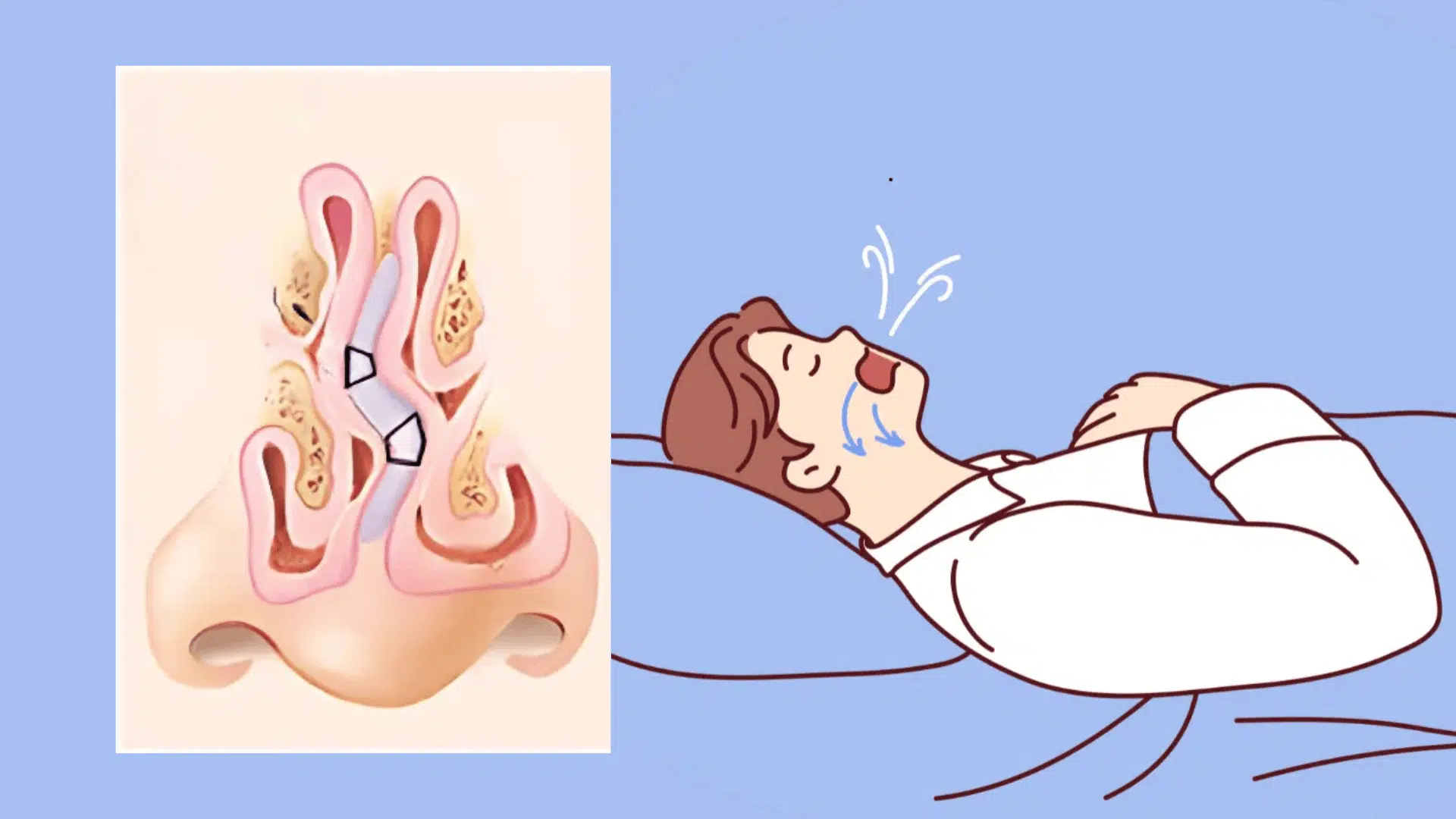
Do you wake up feeling tired even after a whole night’s sleep? Maybe your partner complains about your loud snoring every night. If breathing through your nose feels difficult, a deviated septum might be the hidden culprit behind your sleep troubles. While millions of people struggle with sleep apnea and snoring, many don’t realize that their crooked nasal wall could be making things worse. The good news? Understanding this connection can help you find better solutions for peaceful sleep. Let’s find out how a deviated septum relates to sleep apnea and what you can do about it. What Is a Deviated Septum? Your nasal septum acts like a wall that separates your two nostrils. Think of it as the divider in your nose that should ideally run straight down the middle. When this wall is crooked or off-center, doctors call it a deviated septum. This condition can make one nostril much smaller than the other. Some people are born with it, while others develop it after a nose injury or as they age. Up to 80% of people have some degree of septal deviation. Most cases are mild and don’t cause problems. However, severe cases can make breathing through your nose feel like trying to suck air through a straw. What Is Sleep Apnea? Sleep apnea is a serious condition where your breathing stops and starts repeatedly during sleep. The most common type is obstructive sleep apnea (OSA). In OSA, the muscles in your throat relax too much during sleep. This causes your airway to narrow or close completely. Your brain then wakes you up briefly to restart breathing. This cycle can happen hundreds of times per night. People with sleep apnea often experience loud snoring, gasping during sleep, morning headaches, and extreme daytime tiredness. Can a Deviated Septum Cause Sleep Apnea? Image Credits – Ascentist Healthcare Here’s the straightforward answer: a deviated septum doesn’t directly cause sleep apnea by itself. However, it can make sleep apnea much worse. How sleep apnea typically develops: Multiple factors work together (not just one cause) Being overweight puts pressure on the airways Large tonsils or adenoids block airflow Naturally narrow throat passages How a deviated septum adds to the problem: A blocked nose forces mouth breathing during sleep Mouth breathing destabilizes the throat muscles Increased likelihood of airway collapse The research is clear on this connection. A major 9-year study found that people with septal deviation had a 4.39 times higher risk of developing OSA compared to those without it. Even more encouraging, patients who had corrective surgery saw their sleep apnea risk and severity decrease significantly. Does a Deviated Septum Cause Snoring? Yes, a deviated septum can cause snoring. When airflow through your nose is restricted, it creates turbulence as air tries to pass through the narrowed passage. This turbulent airflow causes the tissues in your nose and throat to vibrate more intensely. The result is louder, more frequent snoring that can disrupt both your sleep and your partner’s rest. Many people notice their snoring gets worse when they have a cold or allergies. This happens because additional swelling further narrows the already restricted nasal passage from the deviated septum. How a Deviated Septum Affects Your Sleep and Breathing Image Credits – Everyday Health A deviated septum creates a domino effect that impacts your entire sleep experience. When your nose can’t do its job correctly, your body compensates in ways that hurt your sleep quality. 1. The Biggest Problem: Mouth Breathing During Sleep Your nose naturally filters, warms, and humidifies the air you breathe. When you breathe through your mouth instead, you lose these benefits. Your throat becomes dry and more prone to collapse. This switch from nasal to mouth breathing happens automatically when your nose is blocked. Unfortunately, mouth breathing during sleep sets up the perfect conditions for airway problems and poor sleep quality. 2. Key Ways a Deviated Septum Disrupts Your Sleep You might not remember waking up, but these brief interruptions prevent you from getting deep, restorative sleep. The increased effort required to breathe also puts extra strain on your respiratory system. Forces mouth breathing, which destabilizes the throat muscles Causes frequent micro-awakenings throughout the night Makes your throat dry and irritated Increases snoring intensity and frequency These sleep disruptions can leave you feeling exhausted during the day. Many people are unaware that their nasal issues are the underlying cause of their poor sleep and persistent fatigue. 3. Impact on Sleep Apnea Treatments When your nose is blocked, even the best sleep apnea treatments become harder to tolerate. CPAP masks that cover your nose may not work well if air can’t flow freely through your nasal passages. Makes CPAP machines uncomfortable to use Reduces the effectiveness of nasal-based therapies Can lower treatment compliance rates May require higher pressure settings Many patients find that fixing their deviated septum first makes other sleep apnea treatments much more comfortable and practical. This is why many doctors recommend addressing nasal problems as part of a complete treatment plan. Getting Diagnosed and Finding Treatment If you suspect a deviated septum is affecting your sleep, getting the correct diagnosis and treatment can make a huge difference in your sleep quality. Step What Happens What to Expect ENT Consultation Physical exam of the nasal passages The doctor checks the septum position and breathing flow Nasal Endoscopy Tiny camera examines the inside of the nose Detailed view of blockages and structural issues Sleep Study Overnight monitoring of sleep patterns Tracks breathing, heart rate, and brain activity Treatment Planning The doctor reviews all test results Personalized plan based on severity and symptoms Your treatment path depends on how severe your deviated septum is and how much it affects your sleep. Treatment Options by Severity Most people start with simple treatments before considering surgery. Mild Cases Moderate Cases Severe Cases Nasal strips Prescription nasal sprays Septoplasty surgery Saline rinses Allergy medications CPAP therapy Sleep position changes Breathing exercises Combined treatments Remember that septoplasty usually works best as part of a complete sleep apnea treatment plan. It’s often combined with other therapies like CPAP, weight management, or lifestyle changes. What Medical Experts Say Leading medical institutions recognize the vital connection between a deviated septum and sleep problems. The Cleveland Clinic notes that septal deviation can block airflow and contribute to both snoring and sleep apnea symptoms. Sleep therapy experts at ResMed explain that while a deviated septum doesn’t cause sleep apnea directly, it can make symptoms worse and affect treatment comfort. This perspective helps patients understand why addressing nasal problems is often part of comprehensive sleep apnea care. Many ENT specialists now work closely with sleep medicine doctors to provide coordinated care. This team approach ensures that both nasal obstruction and sleep apnea are treated effectively together. Conclusion While a deviated septum alone doesn’t cause sleep apnea, it plays a significant role in making sleep breathing problems worse. The connection between deviated septum and sleep apnea symptoms is clear – nasal obstruction forces mouth breathing and increases airway collapse risk. If you’re struggling with snoring or poor sleep quality, don’t ignore the possibility that your nose might be part of the problem. Working with medical professionals to address both nasal obstruction and sleep apnea can lead to much better sleep and improved quality of life. Ready to breathe easier and sleep better? Schedule a consultation with an ENT specialist today.

Plush vs Firm Mattress: Which One Is Best?

Plush+vs+firm+(1)

When it comes to getting quality sleep, mattress firmness plays a huge role in comfort and support. A bed that’s too soft can cause you to sink in too deeply, leading to poor alignment and discomfort. On the other hand, a mattress that’s too firm can feel unyielding, creating pressure points and restlessness. This is why the plush vs firm mattress debate is so common among shoppers. In this guide, we’ll explain what a plush mattress is, the firm mattress meaning, and weigh their pros and cons. By the end, you’ll know which option suits your body type, sleep position, and personal comfort preferences, helping you make a confident, well-informed mattress choice for better sleep. Mattress Firmness vs Support: What’s the Difference? Firmness and support are often mistaken for the same thing, but they describe two different qualities of a mattress. Firmness is the surface feel, how soft or hard the bed feels when you first lie down. Support refers to how well the mattress keeps your spine in a healthy, neutral position throughout the night. A bed can feel soft and still be supportive if it has a strong, well-built core. On the other hand, a mattress that feels firm isn’t automatically supportive if it’s poorly made. Knowing the difference between firmness and support helps you choose a mattress that delivers both comfort and proper alignment for restful, healthy sleep. What Is a Plush Mattress? A plush mattress is designed with thick comfort layers that create a soft, cushiony feel. When you lie down, you sink in more deeply, and the surface contours to your body’s curves. Many describe it as sleeping in the bed rather than on it. On the firmness scale of 1–10, plush mattresses usually fall between 3 and 5, offering noticeable softness with underlying support. Pros of a Plush Mattress Pressure relief: Eases tension around shoulders, hips, and knees. Great for side sleepers: Allows hips and shoulders to sink in while keeping the spine aligned. Motion isolation: Absorbs movement, minimizing sleep disturbances from a partner. Cons of a Plush Mattress Heat retention: Thick foam layers can trap warmth, which may bother hot sleepers. Reduced mobility: The deep sink can make changing positions harder. Shorter lifespan: Softer materials may compress faster, leading to sagging. Plush mattresses are best suited for side sleepers, lighter-weight individuals, and anyone who enjoys a cozy, hugged sensation while sleeping. Firm Mattress Meaning A firm mattress has a solid, supportive surface with minimal sinkage. Rather than contouring deeply, it keeps your body more elevated and promotes even weight distribution. On the firmness scale of 1–10, firm mattresses usually fall between 7 and 9, offering a stable, on top feel that prioritizes alignment over plush cushioning. Pros of a Firm Mattress Spinal alignment: Ideal for back and stomach sleepers seeking to prevent hip sag. Better mobility: Easier to change positions and get in or out of bed. Cooler sleep: Less material around the body improves airflow. Durability: Often lasts longer due to reduced compression over time. Cons of a Firm Mattress Pressure points: May feel too rigid for side sleepers, especially around hips and shoulders. Adjustment period: It can take time for your body to get used to the firmness level. Firm mattresses are best suited for back and stomach sleepers, heavier individuals, and those who prefer a stable, supportive sleeping surface without the deep sink of softer models. Plush vs Firm Mattress: Side-by-Side Comparison Feature Plush Mattress Firm Mattress Feel Soft, enveloping, sink-in Solid, supportive, and stays on top Best For Side sleepers, lightweight bodies, and pressure relief Back/stomach sleepers, heavier bodies, alignment Motion Isolation Excellent Good, more bounce Temperature Warmer, may trap heat Cooler, better airflow Durability Shorter (soft foams wear faster) Longer, less compression Price Factor Often pricier due to plush layers Often more affordable for basic models Medium-Firm & Hybrid: The Best of Both Worlds If you find plush mattresses too soft and firm mattresses too rigid, a medium-firm option can be the ideal compromise. It offers a comfortable balance of gentle cushioning and steady support, making it a versatile choice for many body types and sleeping positions. Medium-firm is especially popular among combination sleepers and couples who need a “just right” feel. A hybrid mattress adds another layer of versatility by combining plush foam layers for contouring with a supportive coil base for stability and airflow. This pairing gives you the pressure relief of a softer bed with the responsiveness and structure of a firmer design. How to Choose: Step-by-Step Guide Selecting the right mattress isn’t just about picking plush or firm, it’s about matching your sleep habits, body type, and comfort preferences. These simple steps can help guide your decision: Know your sleep position: side, back, stomach, or combination. Factor in your weight: lighter bodies often need softer comfort, while heavier bodies benefit from more firmness. Decide on feel: consider whether you prefer sinking into the mattress or sleeping on top of it. Check temperature needs: plush tends to feel warmer, while firm generally sleeps cooler. Test if possible: visit a store or choose a mattress with a home trial period. Think long-term: look at durability, warranty coverage, and your overall budget. Following these steps will help you choose a mattress that not only feels great from day one but also supports healthy, comfortable sleep for years to come. Who Should Sleep on What? Your ideal mattress firmness depends on your body type and sleep position. Use this guide to see which option fits you best: Mattress Best For Why It Works Plush Side sleepers Cushions to relieve pressure points Lighter-weight individuals Allows enough sinkage for comfort People with joint or shoulder pain Soft surface reduces strain on sensitive areas Sleepers who like a hugging feeling Contours closely to the body for a cozy sleep Firm Back sleepers Keeps spine aligned and evenly supported Stomach sleepers Prevents hips from sinking, reduces back strain Heavier individuals Provides strong support and minimizes sagging Hot sleepers Sleeps cooler due to less sinkage, better airflow Plush suits side sleepers with joint pain; firm supports back and stomach sleepers needing alignment to reduce or prevent back discomfort. Mattress Longevity & Care Tips A quality mattress can serve you well for many years if cared for properly. Plush and firm mattresses each benefit from slightly different maintenance routines to keep them in top shape. Care Tips for Plush Mattresses Rotate every 3–4 months to reduce body impressions. Use a durable mattress protector to prevent spills and stains. Keep on a supportive base to avoid uneven sagging. Air out occasionally to prevent heat and moisture buildup. Care Tips for Firm Mattresses Rotate every 4–6 months to ensure even wear. Use a breathable protector to maintain cleanliness without trapping heat. Pair with a sturdy foundation for optimal support. Vacuum periodically to remove dust and allergens. By following these steps, you’ll help your plush or firm mattress maintain comfort, hygiene, and support for years beyond its average lifespan. Recommended Mattress Options Choosing the right mattress is easier when you know where to look: Plush Mattresses: Look for designs with thick comfort layers, memory foam, or pillow-top construction for maximum softness and contouring. Shop Plush Mattresses at Serta. Firm Mattresses: Choose models with dense support cores, minimal cushioning, and durable materials for long-lasting spinal alignment. Shop Firm Mattresses at Sealy. Medium-Firm Mattresses: Ideal if you want a balance between comfort and support — great for couples and combination sleepers. Shop Medium-Firm Mattresses at Saatva. Hybrid Mattresses: Combine the softness of foam or latex with the stability and breathability of coil systems. Shop Hybrid Mattresses at Beautyrest. With these options, you can go straight to the source, compare firmness levels, and choose a mattress that delivers comfort, support, and long-term value. Final Thoughts on Choosing the Right Mattress Choosing between a plush vs firm mattress is about more than personal preference; it’s about finding the right mix of comfort and support for your body type, sleep style, and long-term health. Plush mattresses offer deep cushioning and pressure relief, making them ideal for side sleepers and those who enjoy a soft, cradling feel. Firm mattresses provide stability and spinal alignment, perfect for back and stomach sleepers or anyone needing stronger support. If you’re undecided, a medium-firm or hybrid model can deliver a balanced solution. Test different options, consider your needs carefully, and invest in a mattress that supports healthy, restful sleep for years to come. Your best night’s sleep starts with the right choice. Make it today. Frequently Asked Questions Is a Plush Mattress Good for Side Sleepers? Yes. A plush mattress cushions the shoulders and hips, reducing pressure points and helping side sleepers maintain proper spinal alignment. Can a Firm Mattress Help With Back Pain? For many people, yes. A firm mattress can support the spine and prevent sinking, which may reduce or prevent back pain, especially for back and stomach sleepers. Which Lasts Longer: Plush or Firm Mattress? Firm mattresses typically last longer because they experience less material compression, while plush mattresses may wear faster due to softer comfort layers. Should Hot Sleepers Choose Plush or Firm? Firm mattresses are generally cooler because there’s less sinkage and better airflow around the body, making them a better choice for hot sleepers.

13 Best Cooling Pillows: Sleep Cool All Night

best-cooling-pillow

Tired of waking up hot and sweaty in the middle of the night? Millions of people struggle with overheating while they sleep, which ruins their rest and leaves them feeling exhausted the next day. The thing is that finding the best cooling pillow can completely change your sleep experience. These specially designed pillows use smart cooling technologies to keep your head and neck at the perfect temperature all night long. If you’re a natural hot sleeper, going through menopause, or just want better sleep quality, the right cooling pillow can help you wake up refreshed and ready to tackle your day. Why a Cooling Pillow is Essential for Hot Sleepers? If you’re a hot sleeper, tossing and turning because you can’t stay cool, a cooling pillow could change your nights. When your head and neck get too warm at night, it disrupts your natural sleep cycles and prevents you from getting the deep, restful sleep your body needs. Cooling pillows work by actively reducing your body temperature and helping you reach better REM (Rapid Eye Movement) sleep stages. These smart pillows regulate heat throughout the night, dramatically reduce uncomfortable night sweats, and improve your overall sleep quality. They use special technologies like cooling gel layers, phase-change materials that absorb excess heat, or breathable designs that boost airflow around your head and neck. How Do Cooling Pillows Actually Work? Cooling pillows use three main technologies to keep you comfortable all night. Gel-infused memory foam contains tiny gel beads that absorb and spread heat away from your head. Phase change materials (PCMs) are special substances that melt slightly when they get warm, soaking up excess heat from your body. Ventilation zones and shredded fill create air pockets that let cool air flow through the pillow. Many people wonder if cooling pillows stay cool all night long. The truth is, they don’t stay ice-cold forever, but they do stay cooler than regular pillows by continuously moving heat away from your head. The best cooling pillows combine multiple technologies to give you the longest-lasting cool comfort possible. Best Cooling Pillows Here are the cooling pillows that consistently help hot sleepers get better rest. These top-rated options use proven cooling technologies and have earned excellent reviews from people who struggle with nighttime overheating. 1. Casper Hybrid Pillow with Snow Technology Designed for long-lasting cool comfort, this innovative pillow features a CoolTouch Cover that delivers an instant refreshing sensation and HeatDelete bands that keep temperatures down for over 12 hours. Its hybrid foam and fiber construction offers the perfect balance of soft, flexible comfort and reliable support. The outer foam layer resists clumping and flattening, ensuring consistent performance and no need for nightly fluffing. What We Noticed: Testers noted the instant cool touch and lasting comfort from the HeatDelete bands. It stayed cooler than most for over 10 hours. Foam retained shape well, though some users found it too firm for stomach sleeping. 2. TEMPUR‑Cloud Breeze Dual Cooling Pillow Featuring a dual-sided gel layer, this cooling pillow keeps you comfortably cool all night long. The adaptive TEMPUR material provides personalized support by contouring to your head, neck, and shoulders, suitable for all sleep positions. With a medium feel and long-lasting durability, it maintains its shape over time. The soft, breathable quilted cover is removable and washable, making it as easy to care for as it is comfortable. What We Noticed: Dual gel layers impressed testers with consistent cooling. The pillow molded perfectly to the head and neck. Heavier than expected, but it held shape well and felt especially supportive for back and side sleepers. 3. Coop Sleep Goods Eden Cool+ Pillow Stay cool and comfortable all night with this dual-sided cooling pillow, designed specifically for hot sleepers. It features gel-infused memory foam and microfiber fill for 50% more airflow and effective heat dissipation. The cool-touch cover and heat-wicking liner enhance the cooling experience. With adjustable fill and safe materials, it promotes deeper, drier, and more restorative sleep, reducing tossing and turning. What We Noticed: Testers loved the soft yet supportive feel, plus the adjustable fill. Cooling was effective with the cover on, but less noticeable without it. It held shape during lab tests but showed minor cover wear after washing. 4. Slumber Cloud UltraCool Pillow Made with NASA-approved Outlast fabric on both sides, this temperature-regulating pillow absorbs and releases heat for consistent comfort. It’s made in the USA and certified by Oeko-Tex Standard 100, ensuring it’s free from harmful substances. Designed to manage heat even through a pillowcase, it’s also machine washable, making it easy to care for. What We Noticed: NASA-approved Outlast fabric regulated heat smoothly, maintaining comfort even under pillowcases. Suitable for slightly low loft back and stomach sleepers. The cooling effect was gentle but consistent throughout the night. 5. Nest Bedding Easy Breather Side Sleeper Pillow The Easy Breather Pillow offers superior loft and customizable fill, perfect for all sleepers seeking extra support. Its four-way stretch fabric contours precisely to your head and neck for personalized comfort. Made with premium, eco-friendly materials and breathable Icecore fabric, it promotes airflow and reduces heat and moisture. With a washable cover and compatibility with waterproof protectors, it’s easy to care for and built to last. What We Noticed: Adjustable loft and breathable Icecore fabric provided excellent airflow. The fill remained evenly distributed throughout use, and testers noted a mild initial foam odor that quickly faded with airing, improving comfort quickly. 6. Purple Harmony Pillow This pillow combines a honeycombed GelFlex layer and Talalay latex core to cradle and support your head and neck with no pressure. Its ventilated latex, moisture-wicking mesh cover, and temperature-neutral Grid ensure continuous airflow for a cool night’s sleep. Durable materials keep its shape over time. Made in the USA with hypoallergenic, certified materials, it comes with a 1-year warranty for peace of mind. What We Noticed: The honeycombed GelFlex layer allowed superior airflow, keeping temperature neutral. The latex core offered a supportive bounce, which took some testers a few nights to get used to, but they felt comfortable afterward. 7. Avocado Green Pillow This breathable pillow features a luxurious GOTS-certified organic cotton cover that keeps you cool and airy throughout the night. Filled with GOLS-certified organic latex and organic kapok fibers, it offers soft yet supportive pressure relief for your head and neck. The zippered 233-thread-count Organic Percale cotton cover is machine washable, making it easy to care for while ensuring lasting comfort. What We Noticed: Featuring an organic cotton cover and natural latex fill, this pillow offered breathable, eco-friendly cooling. It balanced softness with support well. Some testers noticed a brief earthy smell that faded quickly with use. 8. Cozy Earth Silk Pillow This pillow features a 100% premium bamboo viscose fabric shell for a soft, breathable feel. Filled exclusively with 100% Mulberry silk, it offers consistent loft and luxurious comfort. The filling is designed to stay evenly distributed, backed by a warranty against shifting, ensuring long-lasting support and a restful night’s sleep. What We Noticed: Luxurious silk filling and bamboo viscose cover delivered softness and breathability. Cooling was subtle but effective at managing moisture, making it ideal for sleepers who want plush comfort over firm structure. 9. Buffy Cloud Pillow This eco-friendly pillow features a soft TENCEL lyocell shell made from sustainable eucalyptus fibers and fluffy, BPA-free recycled PET fill that repurposes 24–30 plastic bottles. Available in soft, medium, and firm options, it offers comfortable support for all sleep positions while absorbing moisture to keep you cool and dry. It comes with a three-year protection plan and has won multiple awards for comfort and cooling. What We Noticed: Soft, down-like feel combined with a moisture-wicking eucalyptus shell. Cooling was mild but sufficient for moderate hot sleepers. It’s highly rated for eco-friendly materials and offers multiple firmness options. 10. Qutool Cooling Pillow This cooling pillow features a double-sided design with ice-silky fabric for instant cooling and a soft, breathable bamboo-blend side. Its adjustable loft allows personalized comfort and firm support. Made with CertiPUR-US certified gel memory foam and shredded filling for optimal airflow, it promotes cool, restful sleep. The machine-washable cover keeps the pillow fresh and comfortable night after night. What We Noticed: The dual-sided design provided instant cooling on one side and breathable comfort on the other. The adjustable loft maintained its shape well. The machine-washable cover held up with minimal shrinkage after washing. 11. GhostBed Gel Memory Foam Pillow This cooling pillow features patented phase-change material that adjusts to your body heat in real-time, keeping you comfortably cool throughout the night. Individually molded and aerated, it ensures continuous airflow for enhanced breathability. The zippered cover is made with cool-to-the-touch Ghost Ice fabric, adding to the cooling effect. Designed in the U.S. and imported, it provides lasting head and neck support for all-night comfort. What We Noticed: The Cool-to-touch Ghost Ice fabric and phase-change material effectively adapted to body temperature. Firm support maintained shape well, providing excellent neck alignment and lasting comfort for sleepers needing strong support. 12. Bedgear Night Ice Performance Pillow The Night Ice Performance Pillow delivers 3X the cooling power with advanced airflow and temperature regulation from core to cover. Its hybrid design blends adaptive React fill with cooling gel, offering a perfect mix of comfort and support. Designed to prevent overheating and promote restful sleep, it’s ideal for hot sleepers who want to stay cool at night. What We Noticed: Provided strong cooling thanks to advanced airflow technology. React fill was responsive and supportive, especially for side sleepers. The pillow maintained loft and breathability after extended testing and use. 13. Sealy All‑Night Cooling Pillow The Sealy All Night Cooling Pillow features bio-based HeiQ Smart Temp technology that responds to your body temperature to keep you cool throughout the night. Its soft fabric and hypoallergenic fill provide lasting comfort while maintaining shape. Designed for easy care, it’s both machine washable and dryable. Backed by the Sealy Lifetime Warranty. What We Noticed: HeiQ Smart Temp technology offered steady, comfortable cooling without being icy. The pillow held shape well after use and washed easily, making it an excellent budget-friendly choice for hot sleepers. How to Choose the Right Cooling Pillow for You? Finding the perfect cooling pillow doesn’t have to be confusing. By considering a few key factors about your sleep habits and preferences, you can narrow down your choices and find the ideal match. Sleep Position: Side sleepers need thicker pillows, while back and stomach sleepers need thinner ones. Budget: Cooling pillows range from $30 basic options to $150+ premium models with advanced technology. Allergies: Choose hypoallergenic materials like bamboo or latex if you have dust mite sensitivities. Firmness: Decide if you prefer soft, medium, or firm support for your head and neck. Material: Consider memory foam, bouncy latex, or breathable fiber fill based on your comfort needs. Take time to think about what matters most to you. The best cooling pillow is one that matches your sleeping style and keeps you comfortable all night long. That’s a Wrap Choosing the right cooling pillow is easier when you know what to look for. By understanding how these pillows work and considering your personal sleep preferences, you can make a smart choice that changes your nights. Remember, good sleep is an investment in your health and happiness. The right cooling pillow will help you sleep more deeply, wake up less often, and feel more energized every morning. Ready to upgrade your sleep? Share your cooling pillow experiences in the comments below – we’d love to hear what works best for you and help other readers find their perfect match.

How Often Should You Change Your Mattress?

Mattress+(1)

When was the last time you thought about your mattress? If you’re like most people, the answer is probably not in years. A mattress is one of those things we use every single day but rarely think about replacing, until it starts causing problems. So, how often should you replace your mattress to maintain the comfort and support you need? In this guide, we’ll talk about the ideal replacement timelines, signs that your bed might be past its prime, expert advice on how to replace it, and tips to make it last longer. By the end, you’ll know exactly when it’s time to say goodbye to your old bed. How Often Should You Change Your Mattress? For most standard mattresses, the recommended replacement time is every 6–10 years. This is a general guideline that works for many households, but the exact timing can vary depending on how often the mattress is used, the quality of its materials, and how well it’s cared for. While some may last a bit longer with proper maintenance, signs like sagging, uneven surfaces, noisy springs, or a noticeable loss of comfort mean it’s time for a change. Even if your mattress still looks fine, waking up sore or uncomfortable is a clear signal that it’s no longer giving you the support you need. Factors Affecting How Often You Should Change Your Mattress Mattresses don’t all age at the same pace. Some last over a decade, while others lose comfort in just a few years. How long yours will last depends on multiple factors, from the materials inside it to how often it’s used and even the climate in your bedroom. 1. Types of Mattress The type of mattress you own plays a major role in its lifespan. Some materials are built to last, while others break down faster. Mattress Type Average Lifespan Replace Sooner If… Innerspring 6–8 years Sagging, noisy springs, uneven feel Memory Foam 7–10 years Deep body dips, loss of firmness Latex 10–15+ years Comfort layer wears out Hybrid 6–8 years Reduced support, spring noise Knowing your mattress type gives you a realistic expectation of its durability and helps you plan for a timely replacement. 2. Environment The conditions in your bedroom can directly impact your mattress’s longevity. Humidity and moisture can cause mold and mildew to form inside, while very dry climates can make foam layers brittle and prone to cracking. Maintaining a balanced environment keeps your mattress healthier and extends its lifespan. 3. Frequency of Use How often you sleep on a mattress is one of the biggest factors in how quickly it wears out. A mattress used every night experiences constant pressure and material compression, causing it to lose shape faster. Beds in guest rooms or holiday homes face much less wear and can last significantly longer. Light-use mattresses often outlast daily-use ones by several years simply because they face less strain. 4. Care & Maintenance Proper care helps a mattress retain its comfort and support for longer. Here are simple habits that make a big difference: Use a mattress protector to guard against spills, sweat, and allergens. Rotate the mattress every few months to distribute wear evenly. Vacuum regularly to remove dust, dirt, and allergens. Air out the mattress occasionally to keep it fresh. Consistent care like this can add years to your mattress’s life and delay the need for replacement. 5. Body Weight & Sleeping Style Your weight and sleeping position influence how and where your mattress wears down. Heavier sleepers and side sleepers often see sagging in areas like the hips and shoulders, where pressure is greatest. Lighter back sleepers generally experience more even wear across the surface. Choosing a mattress that resists wear in your most-used areas can make a big difference in how long it lasts. 6. Quality of Materials The materials inside a mattress determine its durability. High-density foam, thick coils, and natural latex are more resilient and keep their shape for years. Lower-quality materials, like thin coils or low-density foam, tend to lose firmness and structure much sooner. Selecting a mattress made with better materials often means more years of comfort before needing a replacement. Ways to Tell Your Mattress Is Old You don’t always need to check the age tag to know it’s time for a new mattress. Here are some clear signs: Sagging or Dips: A dent where you sleep means the support has worn out. Worn or Torn Fabric: Frayed edges, rips, or exposed springs are big warning signs. Lumpy or Uneven Feel: The internal padding has shifted or broken down. Noisy Movement: Creaks or squeaks mean the inner structure is failing. Stains or Odor: Older mattresses often hold smells and bacteria. Better Sleep Somewhere Else: If another bed feels more comfortable, yours may be past its best. When your mattress shows even one or two of these signs, it’s a clue that its best days are behind it. Replacing it sooner rather than later can mean better sleep and improved comfort. Why Replacing Your Mattress Matters Keeping a mattress for too long can reduce sleep quality, make it harder to fall asleep, and even cause or worsen back, neck, and shoulder pain. Over time, it can also increase dust mite and allergen buildup, affecting both breathing and skin health, while impacting your mood, focus, and energy during the day. Think of your mattress like a favorite pair of shoes; no matter how much you love them, they eventually lose their support. How to Make Your Mattress Last Longer If your mattress is still in good shape, you can help it last longer by following these tips: Use a Mattress Protector: Protects against spills, sweat, and dust mites. Rotate Every 3–6 Months: Keeps wear even across the surface. Vacuum and Air It Out: Helps reduce allergens and odors. Use a Supportive Bed Frame: Prevents sagging by supporting the mattress evenly. Avoid Sitting on the Edges: Reduces long-term structural damage. Not ready to replace your mattress? Add a topper, place plywood for firmness, or deep clean. These are temporary comfort solutions, not permanent fixes. Expert Opinions on Mattress Replacement Replacing your mattress at the right time can improve sleep quality, reduce body pain, and boost overall comfort. Experts recommend following a clear process to know when to replace it and how to choose your next one wisely. Step 1: Follow the 7–10 Year Rule Most mattresses lose support within 7–10 years, even if they look fine. Materials naturally wear down with use, so replacing them within this window helps ensure you get consistent comfort, proper spinal support, and better long-term sleep health. Step 2: Listen to Your Body If you wake up with stiffness, aches, or feel unrested despite enough sleep, your mattress may not be supporting you properly. Persistent discomfort is a clear sign it’s time to invest in a new, supportive mattress. Step 3: Check Manufacturer Guidelines Each mattress type has a recommended lifespan from the manufacturer. Reviewing these guidelines can help you decide when to replace yours and may reveal care tips that extend its life, keeping it comfortable and supportive for longer. Step 4: Test Your Sleep Elsewhere If you consistently sleep better on a hotel bed, guest bed, or even your couch, your mattress is likely past its prime. Comparing your sleep quality on different surfaces can reveal if it’s time for a replacement. Step 5: Plan Your Replacement Measure your space to ensure a good fit. Try mattresses in-store if possible. Choose one with a trial period for testing. Arrange eco-friendly disposal or recycling of your old bed before the new one arrives. Step 6: Understand Warranties & Trials Warranties typically last 10–25 years, covering manufacturing defects but not normal wear. Many brands offer trial periods of 90–365 days. Always use a protector and proper base to avoid voiding your warranty or shortening the mattress’s lifespan. Final Takeaway Replacing your mattress at the right time is essential for maintaining good sleep quality, proper support, and overall health. While most mattresses last between 6–10 years, factors like material type, body weight, sleeping style, and care habits can shorten or extend that lifespan. Watch for signs like sagging, discomfort, or better sleep elsewhere; these are clear indicators it’s time for a change. Investing in a new mattress when needed can prevent aches, improve breathing by reducing allergens, and boost your mood and energy. Since you spend nearly a third of your life in bed, choosing a supportive, high-quality mattress and replacing it on time is one of the smartest moves for your comfort and well-being. Frequently Asked Questions How Often Should You Change A Memory Foam Mattress? Every 7–10 years, or sooner if it starts sagging or losing firmness. Can A Mattress Last 20 Years? A high-quality latex mattress might, but most beds lose comfort and hygiene long before that. Is A Mattress Topper A Good Replacement? A topper can make a bed more comfortable for a while, but it can’t replace lost support. Do Expensive Mattresses Last Longer? Yes, especially if they use high-quality materials and you care for them properly.